Oregon’s landscapes are full of surprises for curious explorers. Along its rugged coastline, ancient fossil beds, and high-desert badlands, you can uncover everything from prehistoric seashells and petrified wood to colorful beach glass and agates polished by the Pacific.
Collecting rules vary by location, but these destinations offer some of the state’s most fascinating opportunities to search for natural treasures and pieces of Oregon’s past. Grab your bucket, lace up your boots, and get ready to discover what Oregon has been hiding all along.
Beverly Beach State Park — Newport, Oregon
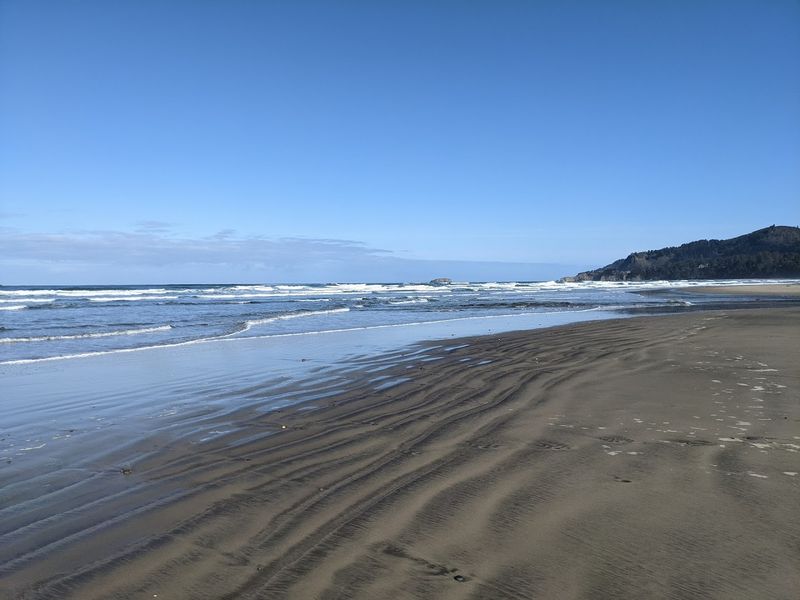
Low tide at Beverly Beach feels like the ocean just laid out a treasure chest and walked away. Agates, jasper, and polished sea glass scatter the broad stretch of sand, rewarding anyone patient enough to slow down and really look.
Winter storms shake things up, pushing new finds onto shore after every big swell.
The beach sits just north of Newport and stretches wide enough that you never feel crowded, even on busy weekends. Early morning visits give you first pick before other collectors arrive.
Bring a small tray or shallow dish to hold stones up to the light, since translucent agates are much easier to spot that way.
Beverly Beach State Park also has a campground nearby, so you can stay overnight and catch multiple low tides in one trip. The surrounding coastal forest adds a moody, atmospheric backdrop to the whole experience.
Check tide charts before heading out, because the difference between a good low tide and a great one can mean the difference between finding a handful of rocks and filling your pockets completely.
Roads End State Recreation Site — Lincoln City, Oregon
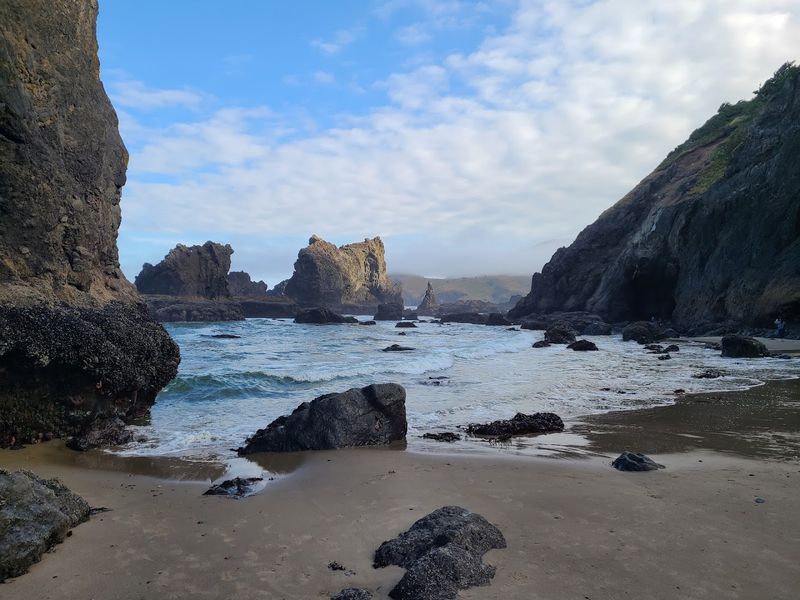
Experienced beachcombers whisper about Roads End the way foodies talk about a hidden restaurant with no sign out front. The rocky shoreline and shifting tides create ideal pockets where agates, shells, driftwood, and sea glass collect naturally after storms.
Locals know to visit within a day or two of rough weather for the best pickings.
The site sits at the northern end of Lincoln City and stays less visited than larger state parks, which works in your favor. Fewer footprints on the sand means more undisturbed stones waiting to be found.
The combination of sandy stretches and rocky outcroppings gives collectors two very different types of terrain to work through.
Agates here tend to range from creamy white to burnt orange, and the occasional piece of cobalt blue sea glass turns up to make your day. Wear waterproof shoes because the rocks stay slippery even when the tide pulls back.
Roads End rewards patience over speed, so settle in, take your time, and let the shoreline show you what it has been quietly collecting for years.
Fogarty Creek State Recreation Area — Depoe Bay, Oregon
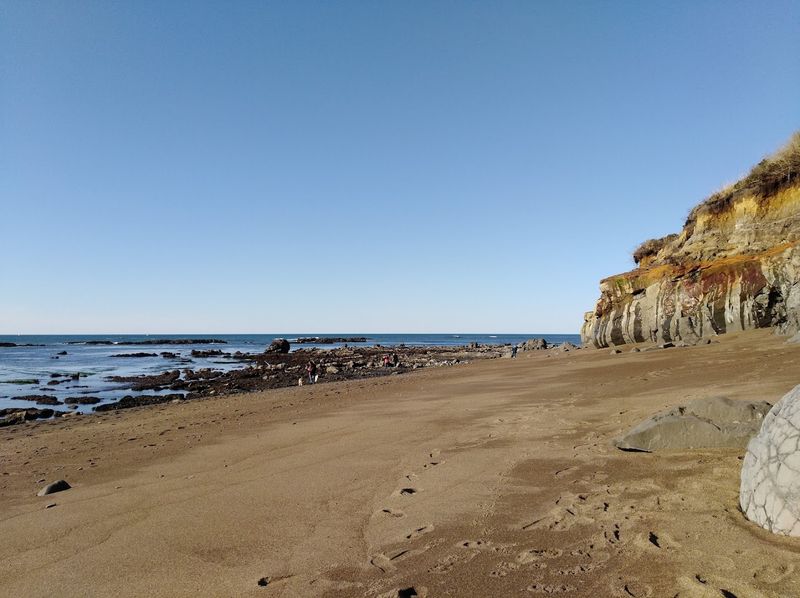
Fogarty Creek has a personality all its own, shaped by dramatic basalt cliffs, protected coves, and tide pools that look like tiny underwater museums. Collectors come here searching for agates and sea glass, but many end up equally fascinated by the starfish, sea anemones, and crabs revealed when the tide retreats.
The scenery alone makes the trip worthwhile.
Located just north of Depoe Bay, this recreation area offers a more intimate coastal experience than the wide-open beaches farther north. The rocky formations funnel wave energy in interesting ways, which helps deposit stones in concentrated spots.
Knowing where to look is half the battle, and experienced visitors tend to check the sheltered corners where gravel gathers naturally.
Sea glass fans especially appreciate Fogarty Creek because the rocky bottom tends to polish glass more aggressively than sandy beaches do. Pieces turn up frosted and smooth, sometimes in unusual shades like amber or pale green.
Always respect the tide pools here by looking without touching marine life. Oregon’s central coast has no shortage of beautiful beaches, but Fogarty Creek combines geology, wildlife, and treasure hunting into one genuinely satisfying outing.
Cape Blanco State Park — Port Orford, Oregon
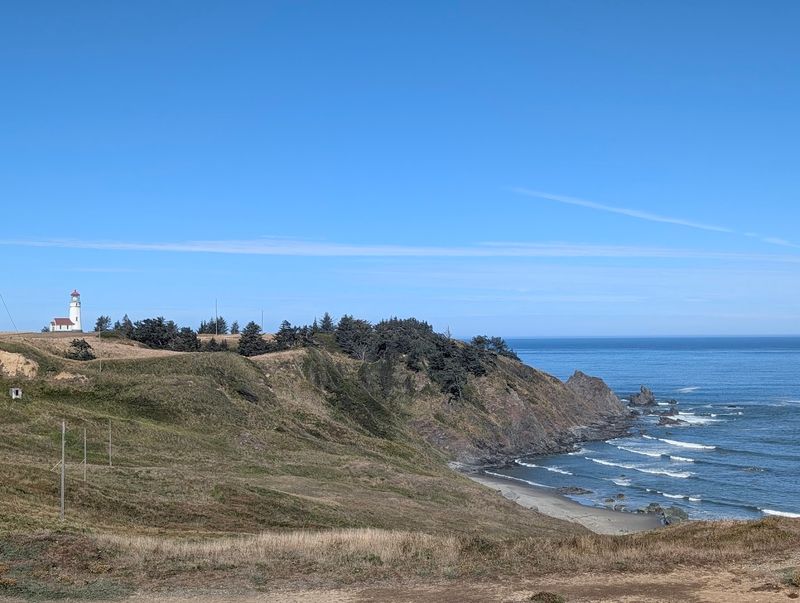
Oregon’s westernmost point sticks out into the Pacific like it is daring the ocean to do its worst, and the ocean usually obliges. Cape Blanco’s beaches get hit by some of the most powerful storms on the coast, which means an impressive variety of agates, polished stones, shells, and driftwood ends up on shore.
The payoff for braving the wind is real.
Fewer visitors make the drive out to Cape Blanco compared to more accessible parks, so the beaches here feel genuinely uncrowded. That solitude gives you time to search carefully without feeling rushed or watched.
The lighthouse standing nearby adds a sense of history to the whole scene, reminding you that people have been drawn to this dramatic point for a very long time.
Agate hunters report finding stones in a nice range of colors, from pale yellow to deep red, depending on the season and recent storm activity. The gravel bars near the waterline tend to concentrate the best finds.
Dress warmly regardless of the forecast because Cape Blanco earns its reputation as one of the windiest spots on the Oregon coast. Bring layers, bring patience, and bring a bag with a zipper.
Oceanside Beach — Oceanside, Oregon
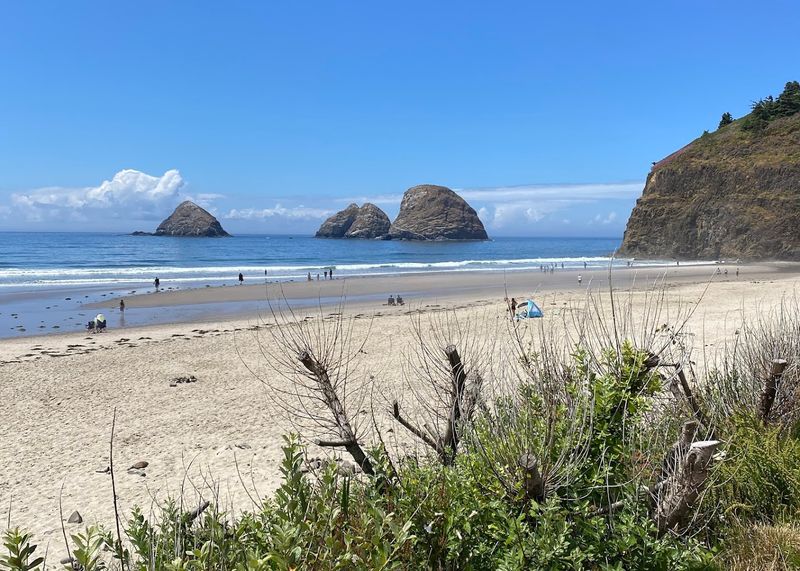
Tucked beneath towering sandstone cliffs, Oceanside Beach has a storybook quality that makes it feel like a place you stumbled onto by accident, even if you planned the whole trip. The dramatic backdrop of Three Arch Rocks National Wildlife Refuge rises from the water offshore, giving you something spectacular to look at between finds.
Agates and sea glass both turn up here with satisfying regularity.
The beach sits in a small, charming village north of Tillamook, and the low-key atmosphere keeps it from getting overwhelmed even during summer. Tide pools near the base of the cliffs reveal colorful marine life when the water pulls back.
Low tide is the undisputed best time to visit if collecting is your goal.
Agates at Oceanside tend to be smaller than at some other Oregon beaches, but they make up for size with color variety. Look along the gravel lines where waves deposit heavier material as they retreat.
The sea glass here has been tumbled by rocky surf, so pieces often have a beautifully frosted finish. Parking is limited in the village, so arriving early on weekends saves frustration and gives you more uninterrupted time on the sand.
Glass Buttes — Central Oregon
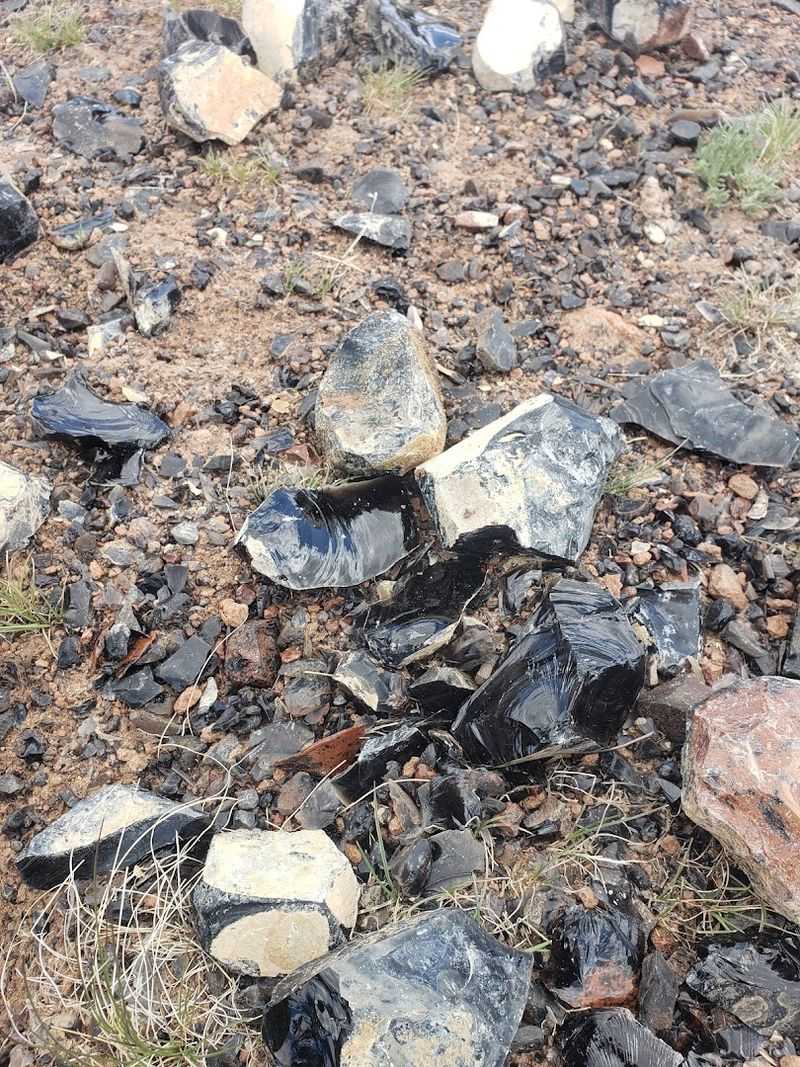
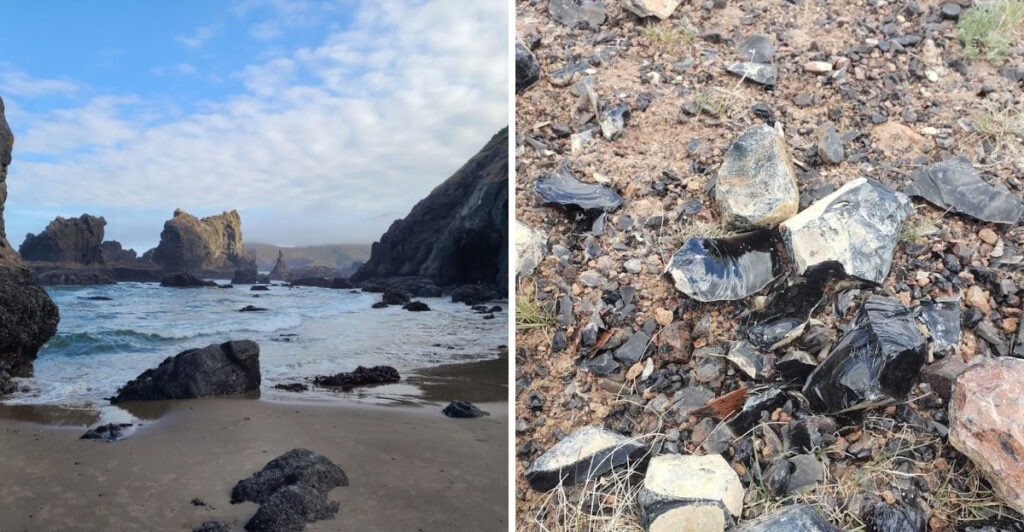
Glass Buttes sounds like something invented for a fantasy novel, but it is very much a real place, and it delivers exactly what the name promises. This Bureau of Land Management area in central Oregon sits atop a massive deposit of natural obsidian that formed from ancient volcanic activity.
The obsidian comes in an almost unbelievable range of colors, including jet black, mahogany, rainbow-sheen, and even gold-flecked varieties.
Rockhounds have been visiting Glass Buttes for generations, and recreational collecting is permitted within BLM guidelines. You are allowed to take reasonable amounts for personal use, which makes every visit feel like a legitimate treasure hunt with tangible results.
The landscape itself is stark and beautiful in the way that only Oregon’s high desert can manage.
Native American peoples used Glass Buttes obsidian for thousands of years to make tools and trade goods, so the site carries deep historical significance alongside its geological appeal. Visitors are asked to collect responsibly and avoid digging or using heavy equipment.
Bring sturdy gloves because obsidian edges are extremely sharp, even when the pieces look smooth. Located off Highway 20 between Burns and Bend, Glass Buttes makes an excellent road-trip stop with a guaranteed story to bring home.
Fossil Beds at Wheeler High School — Fossil, Oregon
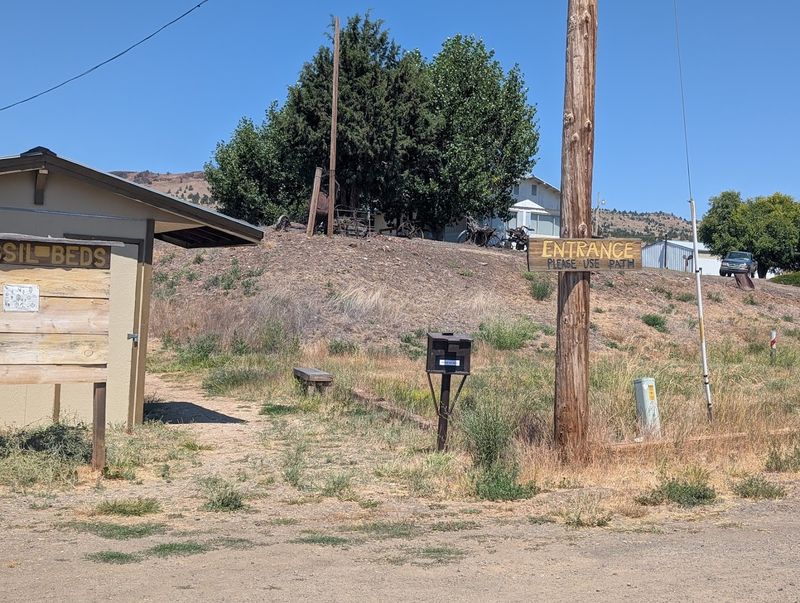
Only in Oregon can you walk behind a high school and dig up fossils that are roughly 33 million years old. The small town of Fossil offers exactly that experience, with a publicly accessible fossil dig site located on the hillside behind Wheeler High School.
Visitors pay a small fee and receive a tool to chip through shale layers looking for fossilized leaves, seeds, and ancient plant material.
What makes this spot especially exciting is that you get to keep what you find. Most fossil sites are strictly look-but-do-not-touch, so the ability to take home a genuine prehistoric leaf impression feels surprisingly thrilling.
Kids and adults both tend to get completely absorbed once they start cracking open shale slabs.
The fossils here formed when the region was a very different landscape, covered by subtropical forests and ancient lakes. Finding a perfectly preserved leaf from a world that existed before humans, horses, or even most modern mammals walked the earth is a genuinely humbling experience.
The town of Fossil itself is tiny and friendly, with a few local spots to grab food and supplies. Plan to spend at least a couple of hours at the dig site because time passes quickly once the shale starts splitting open.
John Day Fossil Beds National Monument — Eastern Oregon
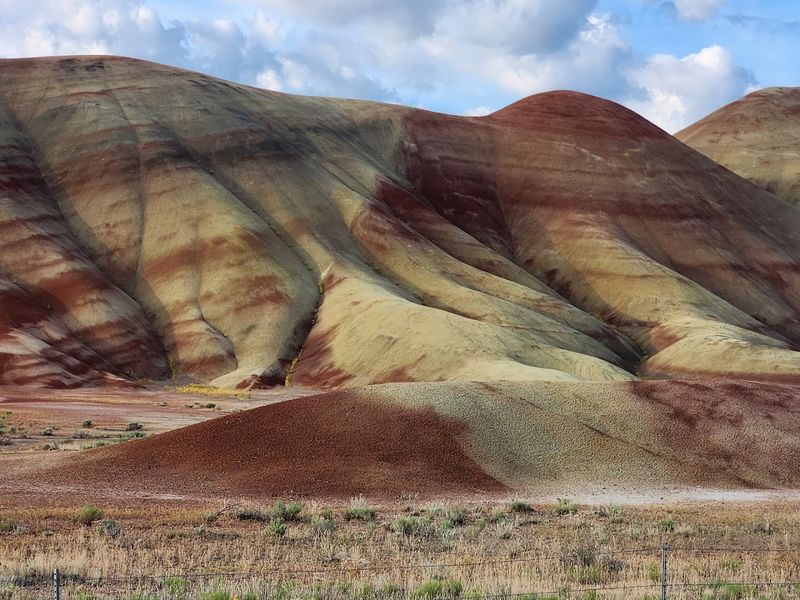
The Painted Hills unit of John Day Fossil Beds National Monument looks like someone poured watercolors across the landscape and forgot to rinse the brush. Layers of red, gold, black, and green volcanic ash stack up into hills that change color depending on the light and moisture in the air.
It is one of the most visually stunning geological sites in the entire United States.
Fossil collecting is strictly prohibited within the monument, but the visitor centers more than compensate with world-class displays of prehistoric mammals, ancient horses, rhinoceroses, and other creatures that once roamed this part of Oregon. The fossil record preserved here covers an extraordinary 40-million-year span of prehistoric life.
Scientists have described the monument as one of the richest fossil sites on Earth.
Scenic hiking trails wind through the formations, giving visitors up-close access to rock layers that hold millions of years of geologic history. The Clarno, Painted Hills, and Sheep Rock units each offer a distinct visual and scientific experience, so plan enough time to visit more than one.
Eastern Oregon’s wide-open skies and quiet roads make the drive out here part of the adventure. Bring a camera because every direction looks like a painting.
Hampton Butte — Central Oregon
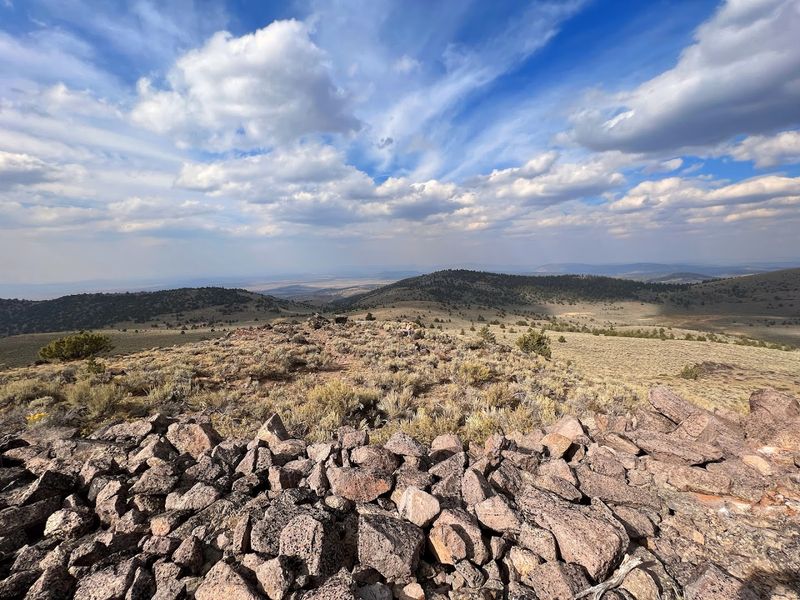
Green petrified wood sounds like something out of a geology fantasy, but Hampton Butte in central Oregon produces exactly that. The area sits in the high desert southeast of Bend and is known among rockhounds for its distinctive green-tinted petrified wood, which gets its color from trace minerals absorbed during the fossilization process.
Finding a piece feels like holding a tree that turned to stone millions of years ago, because that is precisely what happened.
Collecting is permitted on certain public lands surrounding Hampton Butte, outside any protected or private areas. Always verify current BLM regulations before visiting and stay on designated routes to avoid trespassing on private property.
A good map and a GPS device are both genuinely useful here because the terrain can be disorienting.
The high desert landscape rewards visitors who take their time and walk slowly, scanning the ground carefully. Petrified wood tends to blend into the surrounding volcanic rock until you train your eye to spot the distinctive wood-grain texture.
Sunrise and late afternoon light make the colors pop more vividly than midday sun. Bring plenty of water, sturdy footwear, and a sense of adventure because Hampton Butte sits well off the beaten path and delivers an authentically remote Oregon rockhounding experience.
Agate Beach — Newport, Oregon
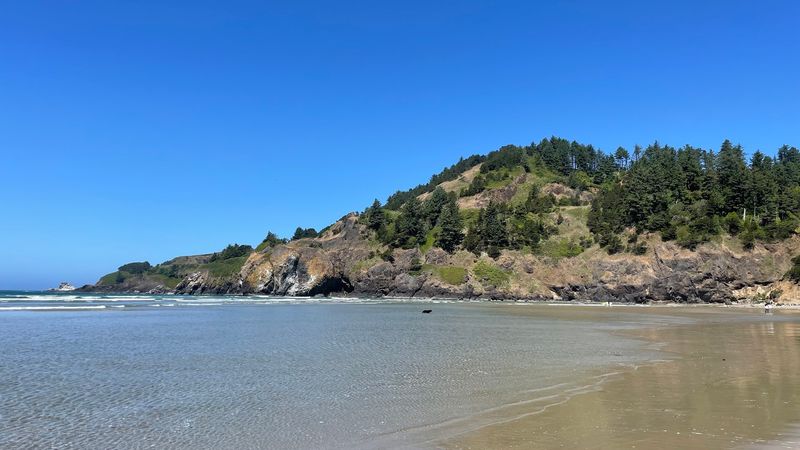
The name is not subtle, and neither is the beach’s reputation. Agate Beach north of Newport has been luring collectors for generations with the colorful, translucent stones that wash ashore after winter storms.
The beach earns its name repeatedly, season after season, delivering agates in shades of orange, red, yellow, and milky white to anyone willing to search carefully.
The gravel bands near the high-tide line are where experienced collectors focus their attention. Heavier stones like agates settle out of the surf there, while lighter sand continues to wash away.
Holding a stone up to sunlight is the classic test: true agates glow with an inner warmth that plain rocks simply cannot fake.
Winter and early spring are the peak seasons for finding the best pieces, when storm waves drag material up from offshore deposits and dump it on the beach. Summer still produces finds, but competition from other collectors increases along with the crowds.
The beach is wide and open, with good parking access and a friendly community of regulars who are often happy to share tips with newcomers. Agate Beach is genuinely one of those Oregon places that lives up to exactly what it promises, which in itself feels like a rare and pleasant surprise.
Succor Creek State Natural Area — Malheur County, Oregon
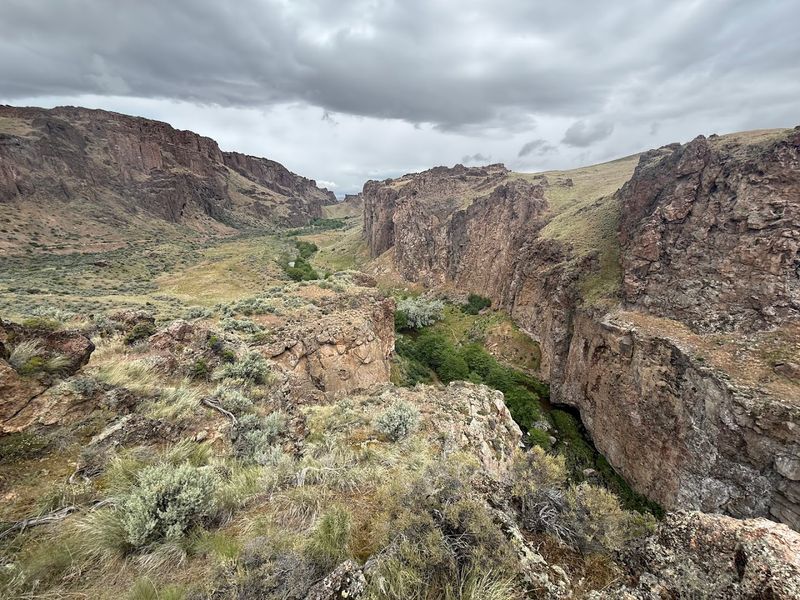
Succor Creek canyon cuts through southeastern Oregon like a secret the rest of the state forgot to mention. The canyon walls rise in dramatic layers of red, tan, and orange volcanic rock, creating scenery that stops people mid-sentence when they round the first bend.
Rockhounds have been making the pilgrimage out here for decades, drawn by the jasper, agates, and thundereggs found on surrounding public lands.
Thundereggs are Oregon’s official state rock for good reason. These rough, unassuming spheres crack open to reveal intricate agate and chalcedony interiors that look nothing like their plain exteriors suggest.
Finding one at Succor Creek and splitting it open is a satisfying payoff for the long drive into the high desert.
The area sits well off major highways in Malheur County, which means visitor numbers stay low and the landscape retains a genuinely wild quality. Camping is available nearby, which allows collectors to work multiple sites over a weekend.
BLM land surrounds the canyon and permits recreational collecting within established limits. The drive itself passes through gorgeous open range and canyon country that makes the whole trip feel like an adventure.
Bring extra food, water, and a spare tire because services are sparse once you leave the main highway.
Yaquina Head Outstanding Natural Area — Newport, Oregon
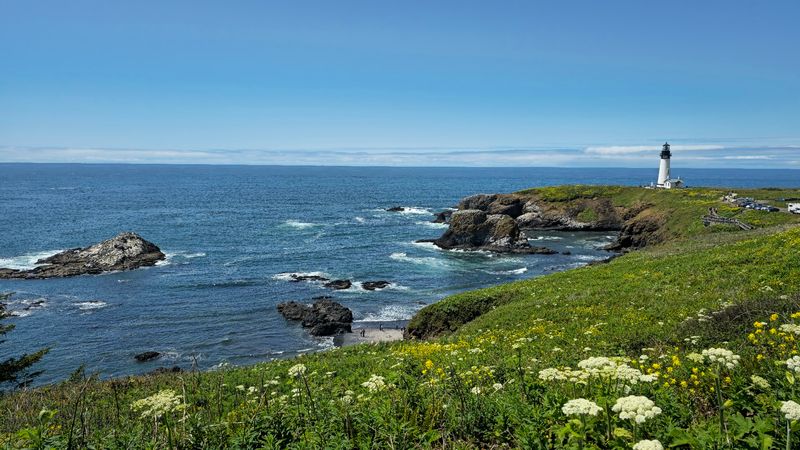
Yaquina Head is the kind of place that makes you realize you have been walking past geology lessons your entire life without stopping to read them. Ancient basalt columns line the shoreline, formed by lava flows that cooled and cracked into geometric shapes millions of years ago.
Marine fossils are visible embedded directly in the rock, frozen in place by the same volcanic processes that built the headland.
Collecting rocks, fossils, or any natural objects is strictly prohibited here, and for good reason. Yaquina Head is designated an Outstanding Natural Area specifically to preserve its extraordinary geological and biological features for everyone who comes after you.
The protection is what keeps the tide pools so remarkably alive and the fossil-bearing rock layers so intact.
The cobblestone beach below the headland is itself a geological feature worth appreciating, formed by wave action working on ancient basalt over thousands of years. The lighthouse perched above is one of Oregon’s tallest and most photographed, adding a historic layer to the natural spectacle below.
Interpretive signs throughout the area explain the geology in genuinely interesting ways. Yaquina Head proves that sometimes the best treasure hunting is really just learning to see what has always been right in front of you.
Share this story