Even the greatest musicians have bad days, and sometimes those bad days last an entire album. We’ve all been there, hitting play on a new release from a favorite artist and slowly realizing something has gone terribly wrong.
These albums didn’t just miss the mark, they crashed, burned, and left fans everywhere staring at their speakers in disbelief. Here are 14 albums that proved even legends can fumble the bag.
Kanye West – Jesus Is King
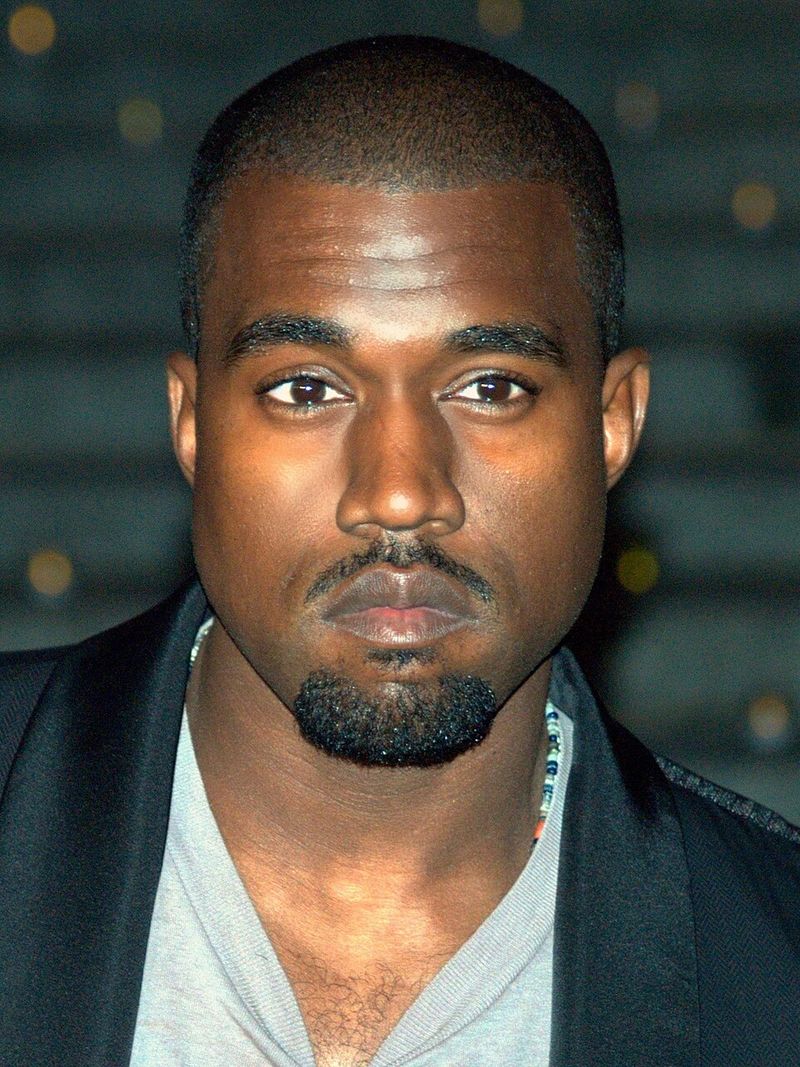
Nobody expected Kanye West, a man who once rapped about blood on the leaves, to go full Sunday school. Released in 2019, Jesus Is King was supposed to be a gospel masterpiece.
Instead, it felt like a rushed homework assignment turned in at midnight.
The album clocked in at under 27 minutes. That’s shorter than most lunch breaks.
Tracks felt incomplete, like sketches that never became paintings.
Kanye’s production genius was still peeking through occasionally, but the lyrical depth fans expected was largely absent. Lines like “Closed on Sunday, you’re my Chick-fil-A” became instant memes for a reason.
It won a Grammy for Best Contemporary Christian Music Album, which somehow made it even more confusing.
A legend stumbled, and the whole world watched.
OutKast – Idlewild
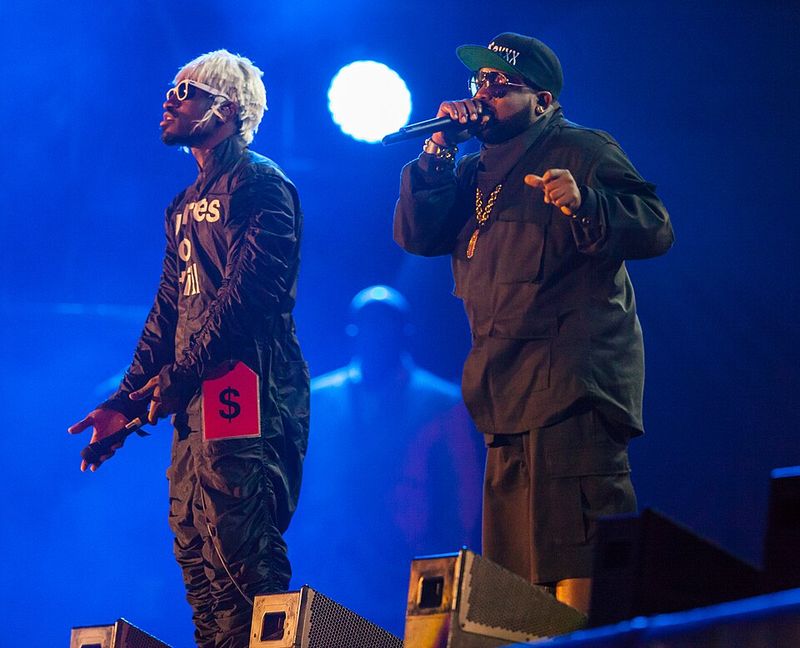
OutKast could do no wrong, until they did. Idlewild arrived in 2006 as both a film soundtrack and a studio album, which sounds cool in theory.
In practice, it felt scattered, like two guys trying to do too many things at once.
André 3000 and Big Boi were clearly talented throughout, but the album lacked the cohesion of their earlier classics. Songs felt designed to serve movie scenes rather than stand alone as great tracks.
After the massive success of Speakerboxxx/The Love Below, expectations were sky-high. Idlewild landed with a thud that echoed all the way to 2014, when the duo briefly reunited but never released new music.
Fans kept waiting for a proper follow-up. It never came.
Idlewild remains a strange footnote in one of hip-hop’s greatest discographies, remembered mostly for what it wasn’t.
Bob Dylan – Self Portrait
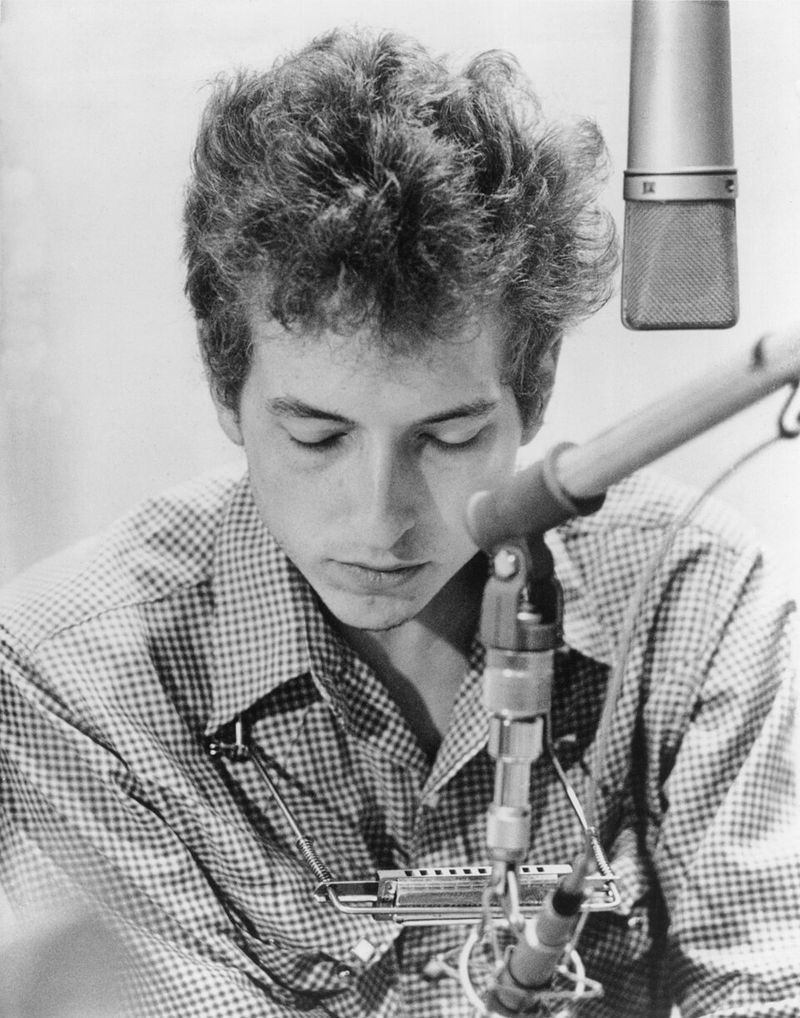
Greil Marcus famously opened his Rolling Stone review of Self Portrait with four words: “What is this s***?” That about sums it up. Released in 1970, Dylan’s double album stunned fans who expected more folk poetry and protest anthems.
Instead, they got covers of pop standards, country songs, and live recordings that sounded half-finished. It was as if Dylan was deliberately trying to confuse everyone.
Some critics later argued it was an act of artistic sabotage against his own cult following.
Dylan himself has given contradictory explanations over the years. Whatever the intention, the result was an album that confused, disappointed, and frustrated in equal measure.
Interestingly, a bootleg version of the sessions, released decades later, sounded far better.
That made the official album feel even more like a strange, deliberate joke nobody fully got.
Lady Gaga – Artpop

Lady Gaga promised Artpop would “reverse the art cycle.” What actually happened was a chaotic, unfocused album that reversed her momentum instead. Released in 2013, it followed the towering success of Born This Way and landed like a deflated balloon at a birthday party.
Some tracks were genuinely fun, like Applause and G.U.Y. But the album as a whole felt bloated and directionless.
Behind the scenes, a messy public breakup with her creative director added fuel to the fire.
Gaga herself has since acknowledged the album’s troubled creation and the personal chaos surrounding it. She even hinted at an Artpop Act II, which sent fans into a frenzy.
Years later, the album has gained a cult following among those who appreciate its weird ambition.
Still, as a full listening experience in 2013, it was a genuine stumble from one of pop’s sharpest minds.
Metallica & Lou Reed – LULU
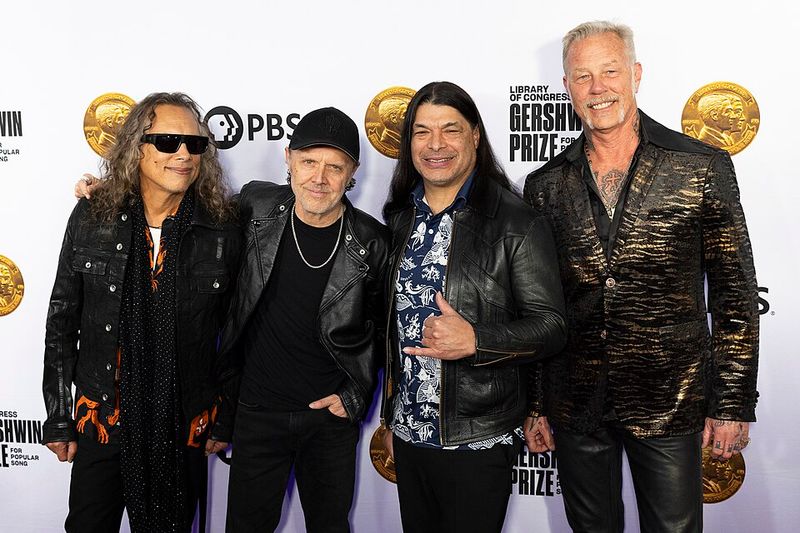
Nobody asked for a Metallica and Lou Reed collaboration. Nobody.
And yet, LULU arrived in 2011 like an uninvited guest who also broke your furniture. The album was based on German Expressionist plays, which tells you everything about how accessible it was.
Lou Reed spoke-sang over Metallica’s heavy riffs in a way that sounded less like art and more like a mistake nobody caught in editing. Lines like “I am the table” became legendary for all the wrong reasons.
James Hetfield himself admitted the album was not for everyone. That might be the understatement of the decade.
It sold poorly, reviewed terribly, and baffled even the most dedicated fans of both artists. Reed passed away in 2013, making LULU his final studio album, which adds a strange, bittersweet layer to the whole bizarre experiment.
History will debate it.
Most people will avoid it.
Madonna – MDNA
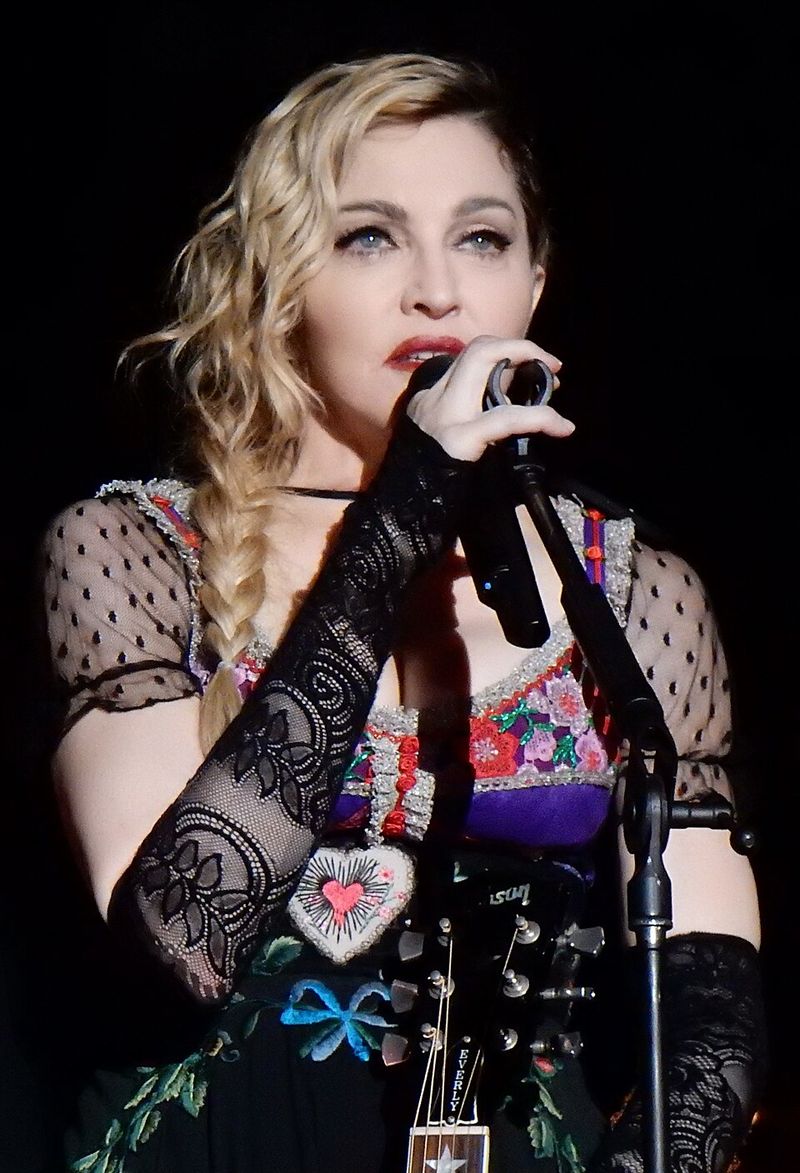
MDNA arrived in 2012 riding the wave of Madonna’s Super Bowl halftime show, which was genuinely spectacular. The album that followed?
Not so much. It felt like a collection of leftover club tracks stitched together with AutoTune and hope.
Songs like Girl Gone Wild were fine for a night out but forgettable by morning. The album leaned heavily on EDM trends without adding anything fresh to them.
Madonna sounded like she was chasing the charts rather than leading them, which was deeply out of character.
Critics were polite but underwhelmed. Fans were more blunt.
MDNA debuted at number one in many countries, proving that name recognition sells, even when the product is mediocre. Madonna has made better albums before and after this one.
MDNA stands as a reminder that even the Queen of Pop can have an off year, and sometimes that off year gets a world tour.
Lil Wayne – Rebirth
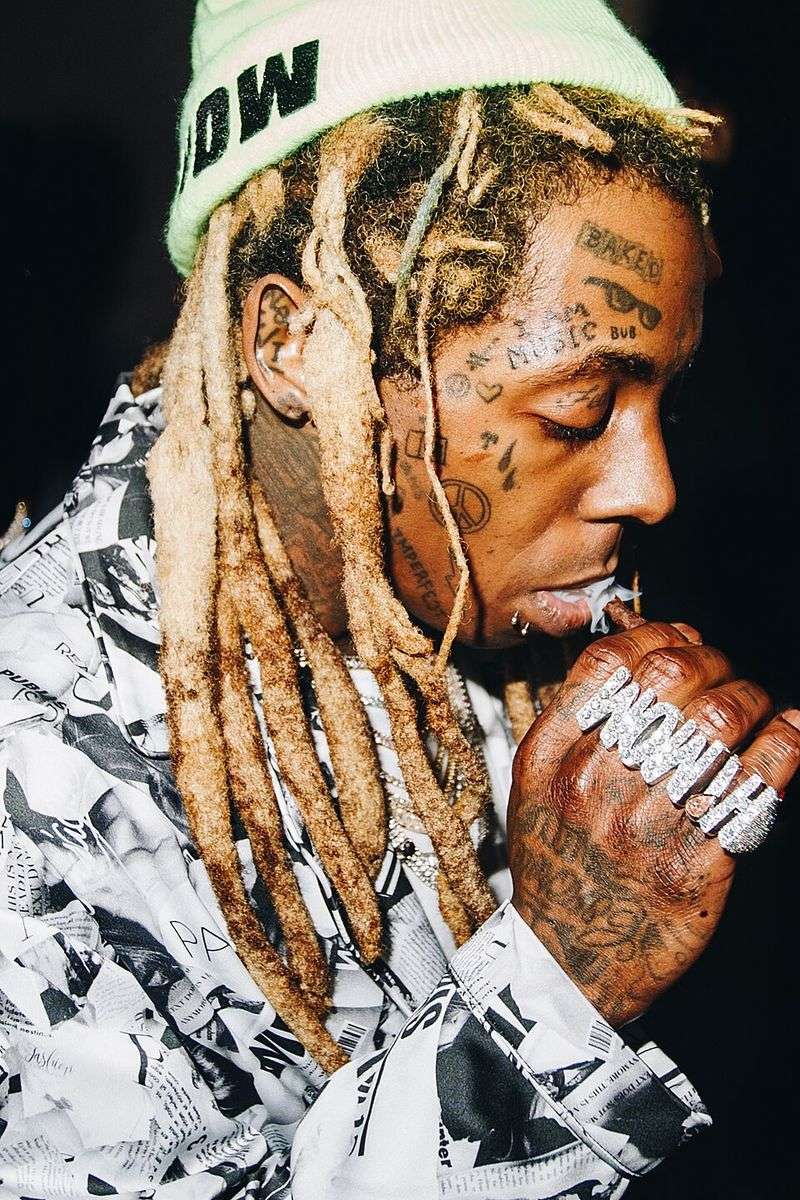
Lil Wayne decided he was a rock star, and nobody could stop him. Rebirth, released in 2010 after years of delays, was Wayne’s attempt at a rock album.
The result was something that neither rock fans nor hip-hop fans could fully embrace.
Wayne’s guitar work was rough, and his singing, heavy with Auto-Tune, divided listeners sharply. Some tracks had energy, but the album felt more like a vanity project than a genuine artistic evolution.
It was the musical equivalent of showing up to a tennis match with a baseball bat.
Tha Carter III had made Wayne look untouchable. Rebirth made him look human, and not in a charming way.
He’s since returned to rap and delivered strong work, so the stumble was temporary.
But Rebirth remains one of the most bewildering pivots in modern hip-hop history, a bold swing that connected with almost nobody.
Michael Jackson – Michael
Releasing a posthumous Michael Jackson album was always going to be risky. Michael, released in 2010, was controversial before anyone even pressed play.
Fans immediately questioned whether some tracks actually featured MJ’s voice at all.
The “Cascio tracks” controversy became a full-blown scandal, with many longtime fans and vocal analysts insisting the vocals were performed by an impersonator. Sony maintained the tracks were authentic.
The debate has never been fully resolved.
Even setting aside the controversy, the album felt incomplete and unpolished, lacking the careful craftsmanship Jackson was famous for. Tracks like Hold My Hand were pleasant but unremarkable.
Nothing here reached the heights of Thriller, Off the Wall, or even HIStory. Posthumous albums are always tricky territory, and Michael is a prime example of why.
It left fans with more questions than satisfaction, which is a sad legacy for any release bearing the King of Pop’s name.
Chance the Rapper – The Big Day
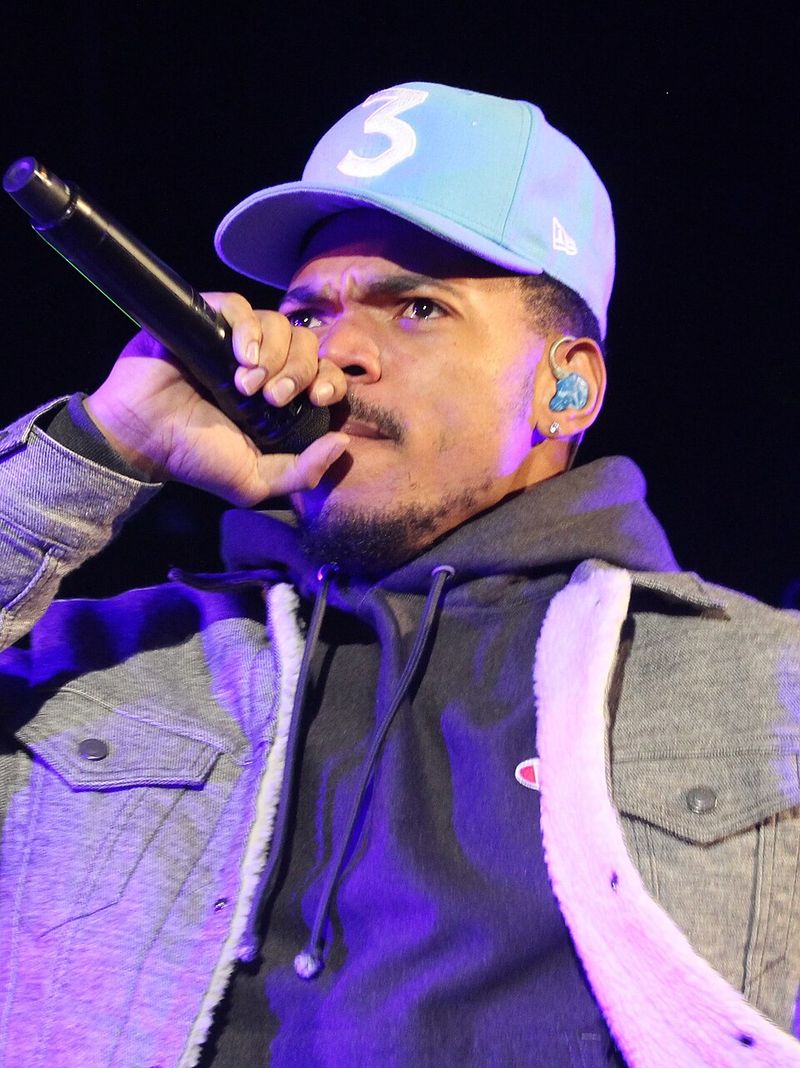
Chance the Rapper built his reputation on mixtapes that felt like church revivals crossed with house parties. The Big Day, his debut studio album released in 2019, felt more like a long, meandering wedding speech from someone you barely know.
The album was inspired by his marriage, which is sweet. But at 22 tracks and over 77 minutes, it tested even the most devoted fans.
Guest features were plentiful but couldn’t save a bloated runtime that wore out its welcome fast.
Coloring Book, his 2016 mixtape, had won Grammy Awards and earned universal praise. The Big Day arrived to shrugs and polite disappointment.
Chance seemed so focused on celebrating his personal joy that he forgot to make the listener feel included in it. Music about happiness can be genuinely uplifting.
This album mostly just felt long.
Chance remains talented, but this one missed the celebration entirely.
Van Halen – Van Halen III
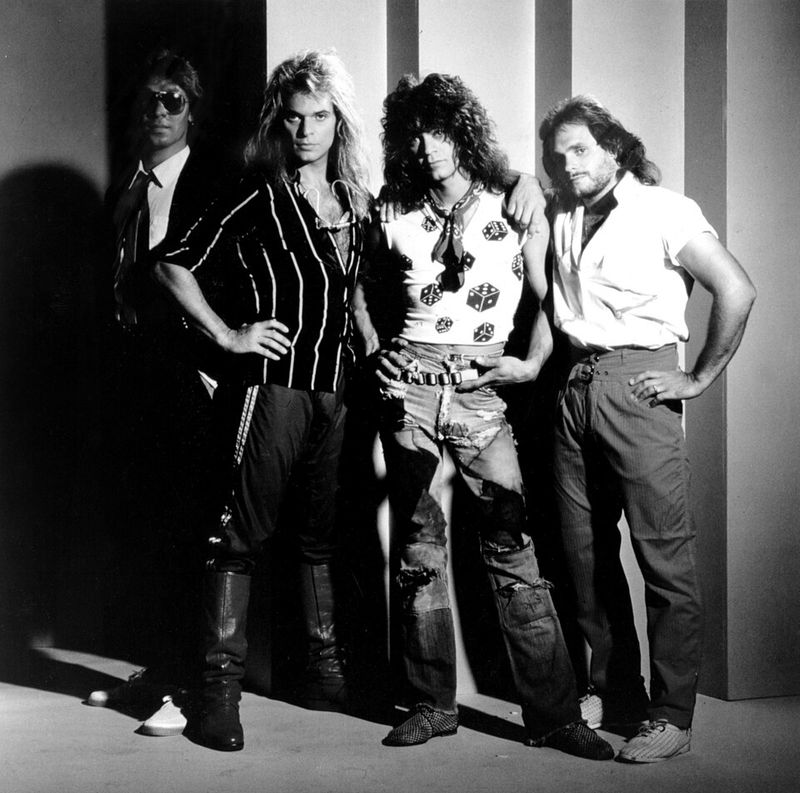
Van Halen III is the album that makes even casual rock fans wince. Released in 1998, it marked the debut of new vocalist Gary Cherone, formerly of Extreme.
The band seemed confident. The fans were not, and they turned out to be right.
Cherone’s voice simply didn’t fit the Van Halen sound. The songs lacked the swagger and energy that made Diamond Dave’s era legendary and Sammy Hagar’s era at least respectable.
It felt like a band running out of ideas and hoping a new face would cover for it.
The album flopped commercially and critically. Cherone quietly departed shortly after.
Van Halen eventually reunited with David Lee Roth, and the world exhaled. Van Halen III is now treated as the skeleton in the band’s closet, rarely discussed and never celebrated.
Eddie Van Halen was a genius guitarist.
This album is the one time that genius took an extended vacation.
Chris Cornell – SCREAM
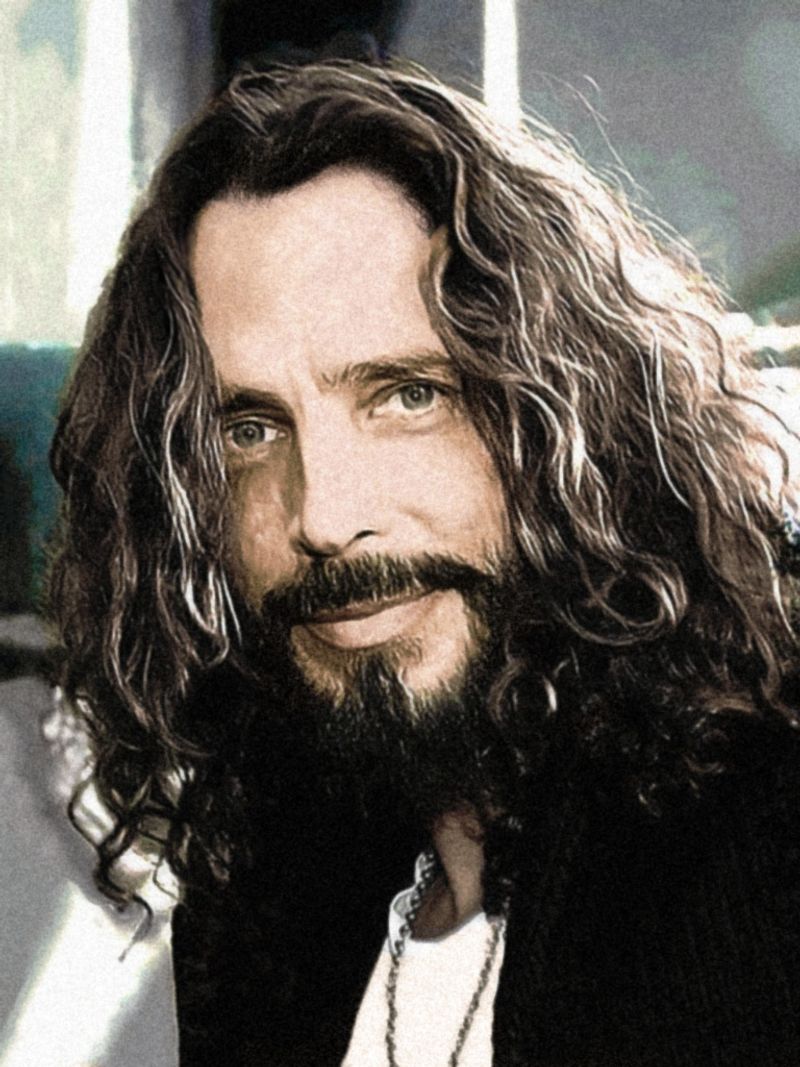
Chris Cornell had one of the greatest voices in rock history. So when he teamed up with producer Timbaland for SCREAM in 2009, the mismatch was almost physically painful to hear.
Rock fans and R&B fans were equally baffled.
The album was a slick, electronic, pop-leaning project that buried Cornell’s voice under layers of production that felt completely alien to his strengths. It was like putting a Stradivarius violin through a disco filter.
The result pleased almost nobody.
Cornell himself seemed to distance himself from the album in later interviews, acknowledging it wasn’t what people expected. SCREAM sold poorly and disappeared quickly from public conversation.
His work with Soundgarden, Audioslave, and Temple of the Dog remains untouchable. SCREAM is mostly remembered as a curious detour, a one-time experiment that confirmed some musical partnerships should stay on the drawing board.
Cornell’s legacy remains brilliant.
This album just isn’t part of it.
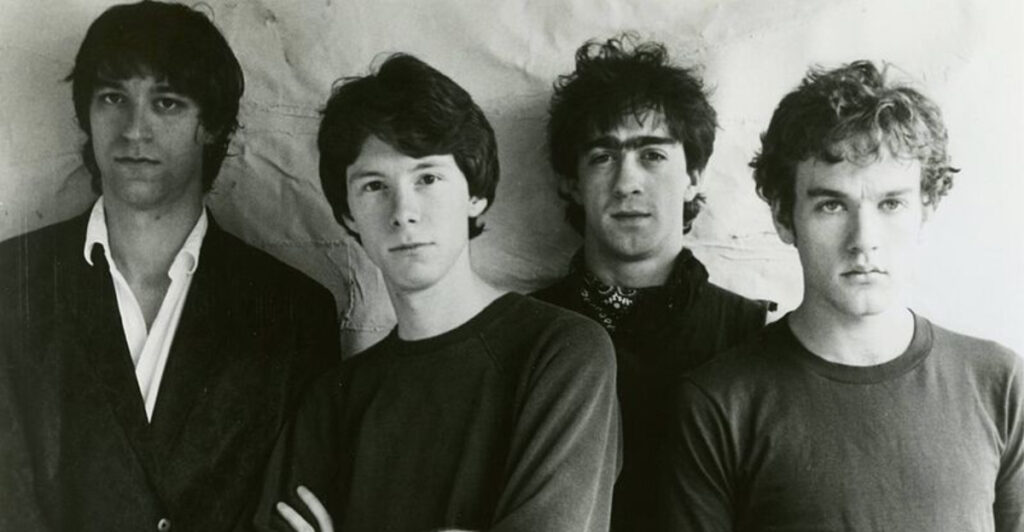
R.E.M. – Around the Sun
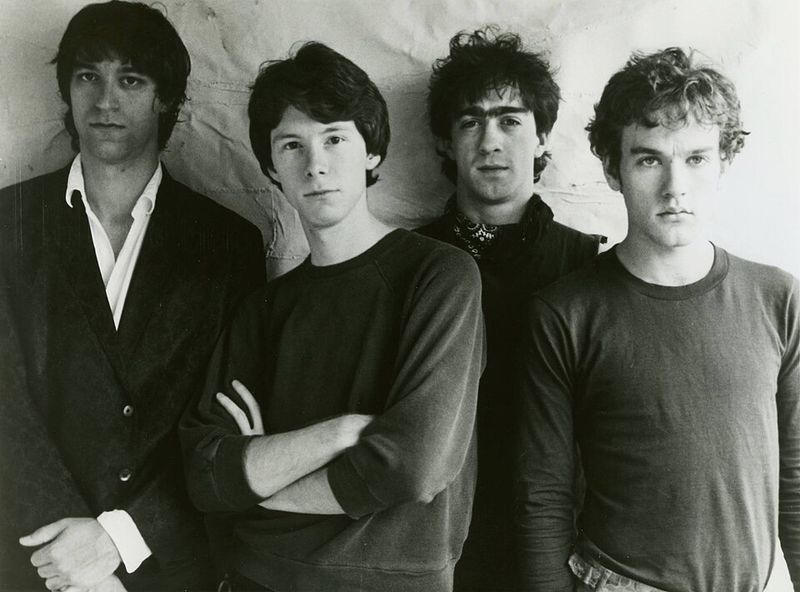
R.E.M. spent the 1980s and 1990s being one of the most inventive, influential bands on the planet. Around the Sun, released in 2004, sounded like a band that had run completely out of gas.
It was slow, lifeless, and oddly joyless.
Michael Stipe’s vocals were still distinctive, but the songs gave him almost nothing interesting to work with. The production was glossy in a way that drained any raw energy from the record.
Fans who loved Automatic for the People’s emotional depth found very little to connect with here.
Even the band admitted it. In interviews, members of R.E.M. later described the Around the Sun era as a creative low point marked by exhaustion and internal tension.
They bounced back somewhat with Accelerate in 2008, which felt like a genuine wake-up call.
Around the Sun remains the quiet embarrassment in a catalog that deserves far better than this sleepy, forgettable chapter.
The Smashing Pumpkins – Zeitgeist
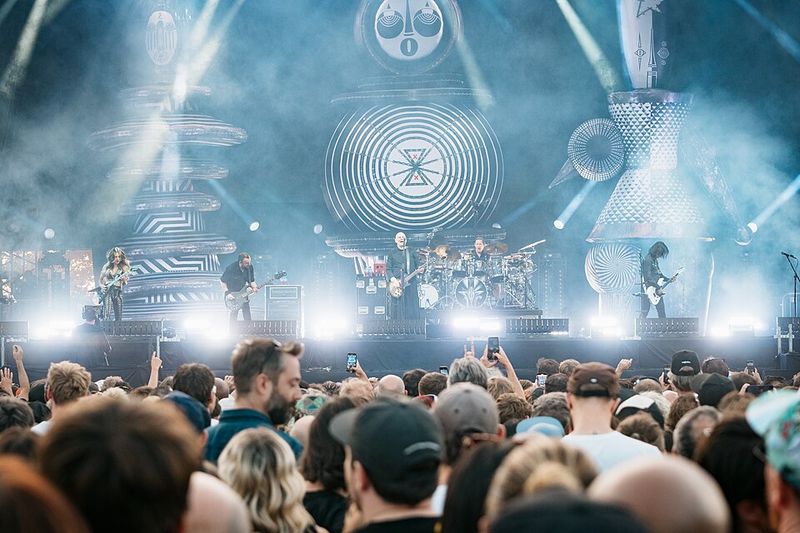
Billy Corgan reunited the Smashing Pumpkins in 2007, and fans lost their minds with excitement. Then Zeitgeist arrived, and those same fans quietly put their minds back, slightly disappointed.
The album had moments of power but felt like a reunion that hadn’t fully figured out why it was happening.
Original members James Iha and D’arcy Wretzky were notably absent, making the “reunion” feel more like a rebrand. The album’s political themes were heavy-handed, and the production was dense in ways that suffocated rather than energized the songs.
Mellon Collie and the Infinite Sadness had been a sprawling, emotional epic. Zeitgeist was a loud, blunt instrument by comparison.
It debuted at number two in the US, proving the name still carried weight. But chart positions and quality are different things entirely.
Corgan continued releasing music with varying results, but Zeitgeist remains the sound of a great band struggling to remember what made them great.
No Doubt – Push and Shove

No Doubt’s return after a decade-long hiatus should have been a victory lap. Push and Shove, released in 2012, was supposed to remind everyone why they loved Gwen Stefani and company so much.
It did the opposite, reminding everyone how hard comebacks actually are.
The album mixed ska, new wave, and dance-pop without fully committing to any of it. The title track sounded like it was trying to be five different songs simultaneously.
Gwen’s voice was as strong as ever, but the material let her down at nearly every turn.
Tragic Kingdom had been a defining album of the 1990s. Push and Shove felt like a polite, overly cautious attempt to recapture something that couldn’t be bottled twice.
The band went on hiatus again shortly after, and No Doubt has not released new music since. Sometimes the best sequels are the ones that never get made.
This one proved that rule the hard way.
Share this story