Some towns become famous for a single reason, and that reason alone is enough to put them on the map forever. Across the United States, there are small communities where one attraction, one landmark, or one quirky idea grew so big that it completely defined the town’s identity.
These places draw millions of curious visitors every year, not because of sprawling city amenities, but because of that one unforgettable thing. From a chocolate-scented Pennsylvania town to an Alaskan outpost where Christmas never ends, these destinations prove that sometimes all it takes is one great idea to make a place truly legendary.
Whether you are planning a road trip or just love discovering what makes America so wonderfully strange and diverse, this list will give you plenty to think about.
1. Hershey, Pennsylvania – Hersheypark & Hershey’s Chocolate World
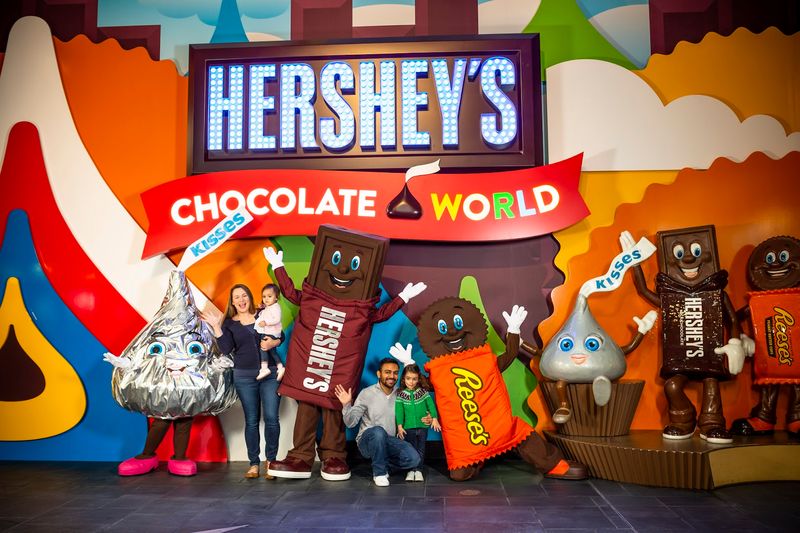
The air in Hershey, Pennsylvania actually smells like chocolate. That is not a marketing gimmick.
The town was literally built around the Hershey Chocolate Company, founded by Milton Hershey in 1903, and the factory still operates today. Streets are named Chocolate Avenue and Cocoa Avenue, and the streetlamps are shaped like Hershey Kisses.
Hershey’s Chocolate World lets visitors take a free factory tour ride and sample fresh chocolate. Hersheypark, the adjacent amusement park, has grown into a major regional destination with dozens of rides.
What surprises most first-time visitors is how much of the original town Milton Hershey built still stands, including schools, hotels, and a community center he funded for his workers.
Milton Hershey had no children of his own, so he donated most of his fortune to a school for orphaned boys, which still operates today with thousands of students enrolled.
2. Wall, South Dakota – Wall Drug
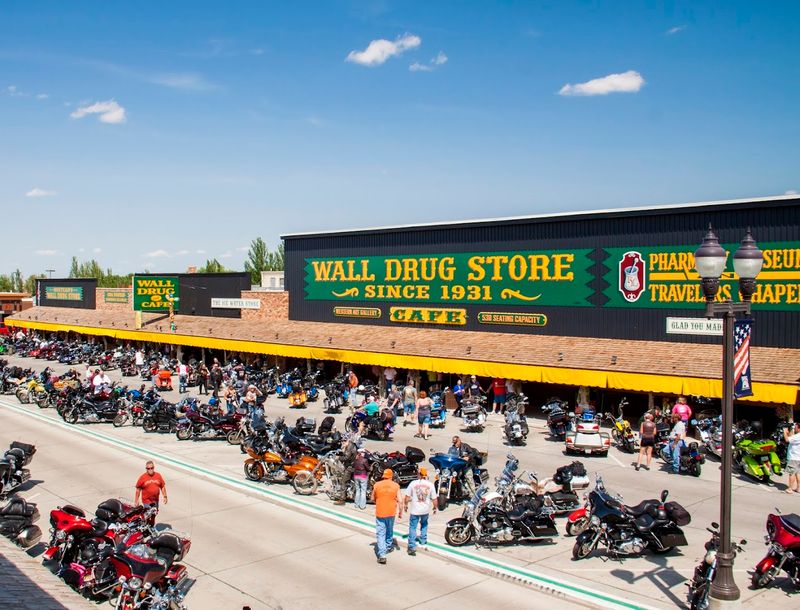
Wall Drug started with a desperate idea. In 1936, Ted Hustead and his wife Dorothy were struggling to keep their small drugstore alive in the tiny town of Wall, South Dakota.
Dorothy came up with a plan: put up signs along the highway offering free ice water to travelers heading to Mount Rushmore. It worked almost immediately.
Today, Wall Drug draws around two million visitors per year and has expanded into a sprawling complex of shops, restaurants, and attractions covering nearly 76,000 square feet. The famous highway signs now appear across the country and even internationally.
Inside, you will find a life-sized T-Rex sculpture, an animatronic cowboy band, and a chapel that has hosted real weddings.
The free ice water tradition continues to this day. No matter how far you drive through the South Dakota badlands, those cheerful green signs keep you company the whole way.
3. Mitchell, South Dakota – Corn Palace
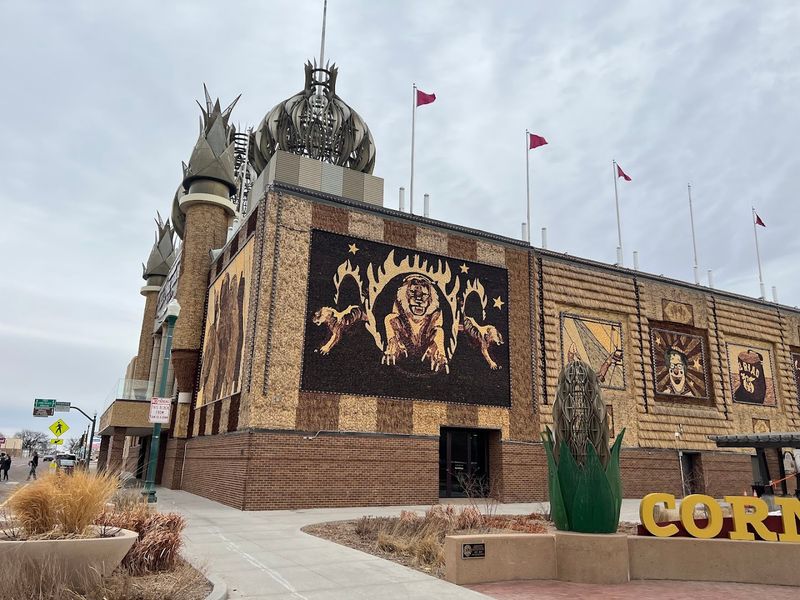
Every year, workers tear down the decorations on the outside of a building in Mitchell, South Dakota, and start over. That is because the Corn Palace is covered in murals made entirely from natural corn, grains, and grasses, and the artwork is completely redesigned each season.
It has been a tradition since the building first opened in 1892.
The current structure, built in 1921, features Moorish-style architecture with onion domes and minarets, which makes it look completely out of place on the South Dakota plains. That visual surprise is part of its charm.
The murals change themes annually and have featured everything from state history to pop culture references.
Mitchell built the Corn Palace originally to promote the agricultural productivity of the region and attract settlers. It succeeded well enough that the town now welcomes around 500,000 visitors each year, all coming to see art made from crops.
4. Roswell, New Mexico – International UFO Museum & Research Center
In July 1947, something crashed in the desert near Roswell, New Mexico. The U.S.
Army Air Force initially described it as a flying disc before quickly changing the explanation to a weather balloon. That contradiction sparked decades of conspiracy theories and turned a quiet ranching town into the UFO capital of the world.
The International UFO Museum and Research Center opened in 1991 and now attracts over 180,000 visitors annually. Inside, exhibits cover the 1947 incident in detail, display newspaper clippings from the original reports, and explore broader questions about extraterrestrial life.
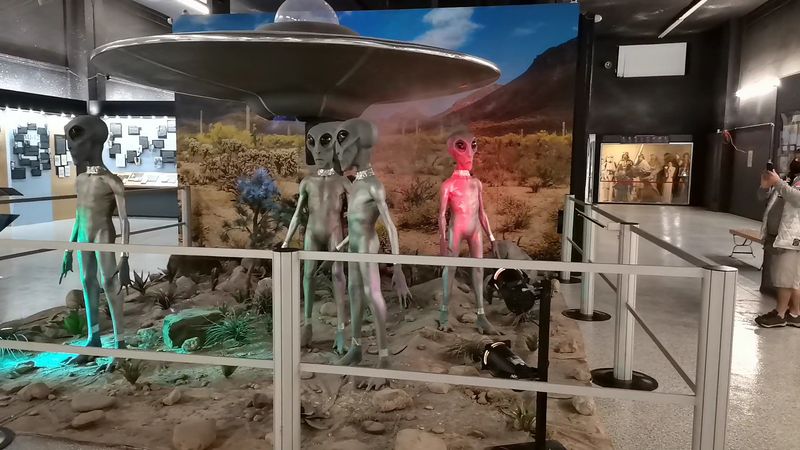
The town fully embraces the alien theme, with green alien figures appearing in shop windows throughout the downtown area.
Each summer, Roswell hosts an annual UFO Festival that draws tens of thousands of attendees. Whether you believe in little green men or not, the cultural phenomenon this one incident created is genuinely fascinating to witness in person.
5. Corning, New York – Corning Museum of Glass
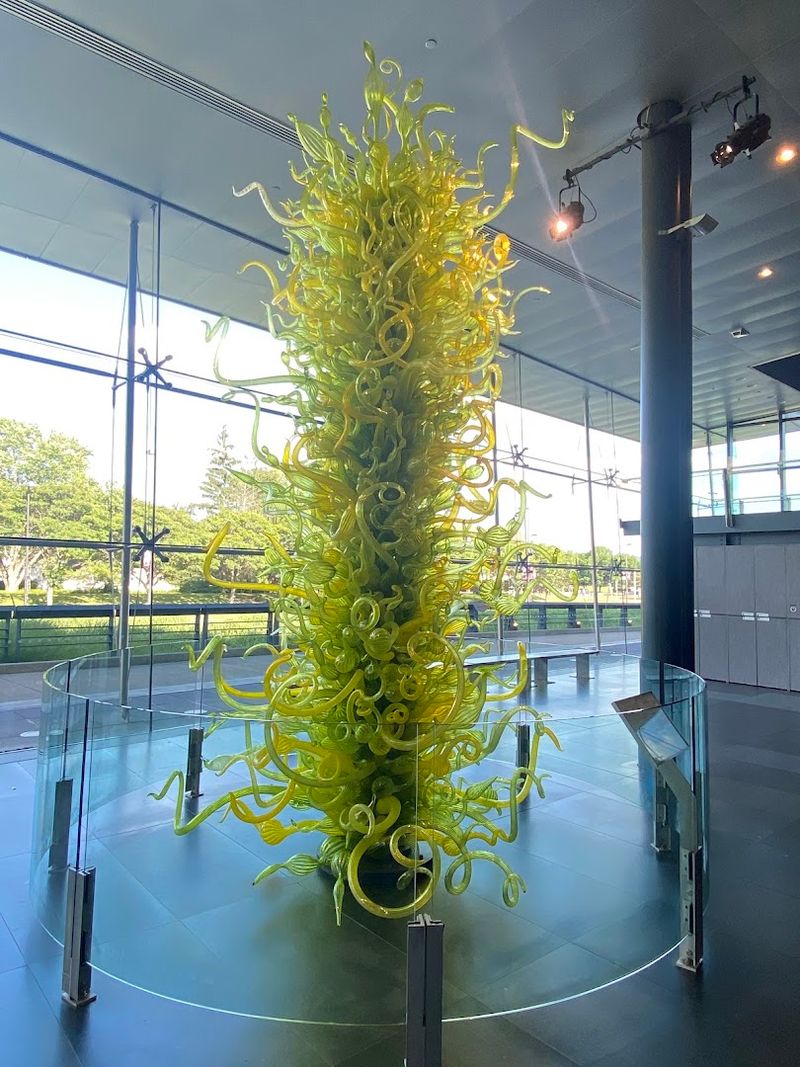
Glass has been made in Corning, New York since 1868, and the Corning Museum of Glass exists to show the world just how extraordinary that material can be. Opened in 1951, the museum houses the most comprehensive collection of glass art and history anywhere on earth, with over 50,000 objects spanning 3,500 years of glassmaking.
Visitors can watch live glassblowing demonstrations and even try their hand at the craft in hands-on studios. The collection includes ancient Roman glass vessels, Renaissance pieces, and contemporary sculpture that pushes the boundaries of what the material can do.
Corning Incorporated, the company behind the museum, also developed Gorilla Glass, the tough screen material used in billions of smartphones worldwide.
The museum draws roughly 450,000 visitors each year. Few people expect a small upstate New York city to hold one of the most scientifically and artistically significant museums in the country, but Corning delivers exactly that.
6. Helen, Georgia – Bavarian-style Alpine Village
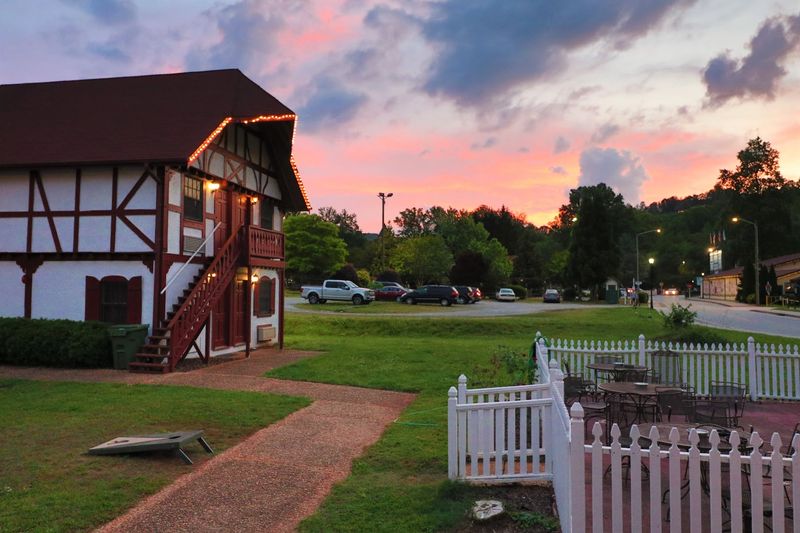
Helen, Georgia sits in the Blue Ridge Mountains and looks nothing like the American South. The entire downtown is built to resemble a Bavarian Alpine village, complete with half-timbered facades, flower boxes, and cobblestone-style walkways.
The transformation happened in 1969 when local business owners, struggling economically, decided to restyle the town based on sketches from a former resident who had served in Germany.
The makeover worked remarkably well. Helen now draws millions of visitors annually and hosts one of the longest-running Oktoberfest celebrations in the United States, typically running from mid-September through early November.
German food, beer, and folk music fill the streets during the festival season.
Beyond the novelty architecture, the surrounding area offers tubing on the Chattahoochee River, hiking trails, and waterfalls. The combination of outdoor recreation and the unexpected European aesthetic makes Helen one of Georgia’s most visited destinations, even though it has a permanent population of only around 500 people.
7. Solvang, California – Danish-style Village
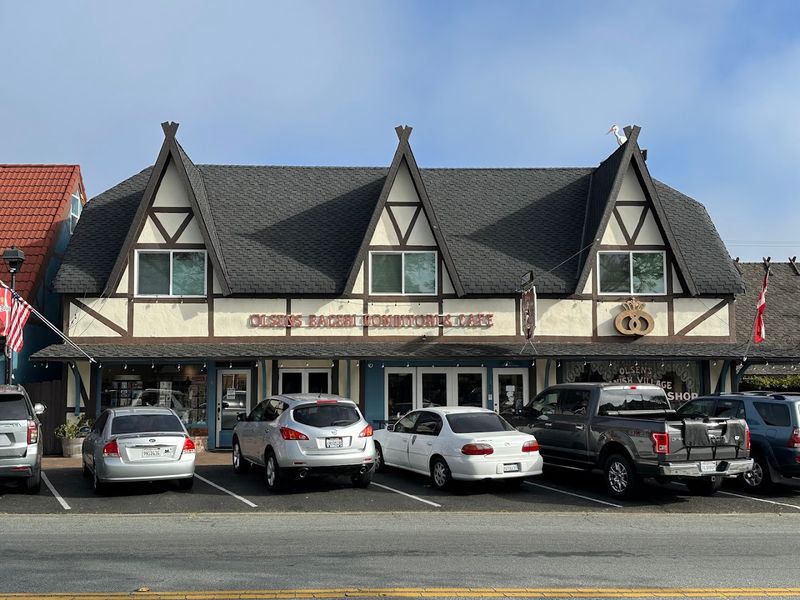
A group of Danish educators and ministers founded Solvang in 1911, choosing the Santa Ynez Valley in California to establish a community that preserved their cultural heritage. The name means sunny field in Danish, and the town has held onto its Scandinavian identity more deliberately than almost any other ethnic enclave in the country.
Walking through Solvang feels genuinely different from anywhere else in California. Windmills turn above the rooftops, and the buildings feature steeply pitched roofs and copper details typical of Danish architecture.
Bakeries sell aebleskiver, a traditional Danish pancake ball often served with jam and powdered sugar, and the pastry shops draw long lines on weekend mornings.
The town sits in the heart of Santa Barbara wine country, so many visitors combine a stop in Solvang with vineyard tours. Tourism surged after the 2004 film Sideways featured the surrounding region, bringing a whole new wave of wine-focused travelers to an already charming destination.
8. Casey, Illinois – World’s Largest Collection of Giant Roadside Objects
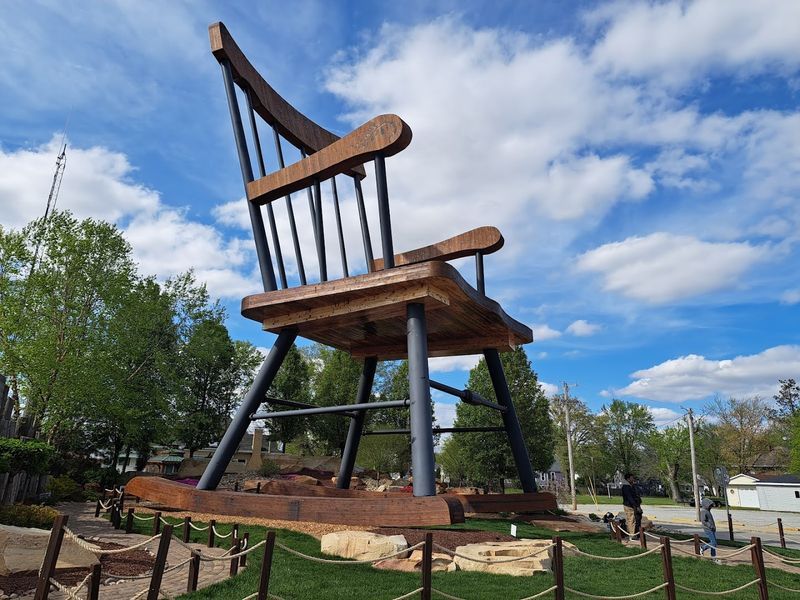
Casey, Illinois has a population of around 2,700 people, but it punches well above its weight in terms of sheer spectacle. The town is home to the largest collection of Guinness World Record-holding giant objects in one place, all created by local resident Jim Bolin starting around 2011.
His motivation was simple: bring visitors and economic activity to a struggling small town.
The collection includes a rocking chair standing over 56 feet tall, a wind chime reaching 56 feet, a golf tee, a wooden shoes pair, a mailbox, and more. Each object has earned an official Guinness certification.
Bolin funded and built most of them himself using local craftsmen.
The strategy worked. Casey went from a largely overlooked rural town to a genuine road trip destination that attracts travelers from across the country.
Visitors walk the town on foot to find each giant object, which naturally brings business to local shops and restaurants along the way.
9. Mammoth Cave, Kentucky – Mammoth Cave National Park
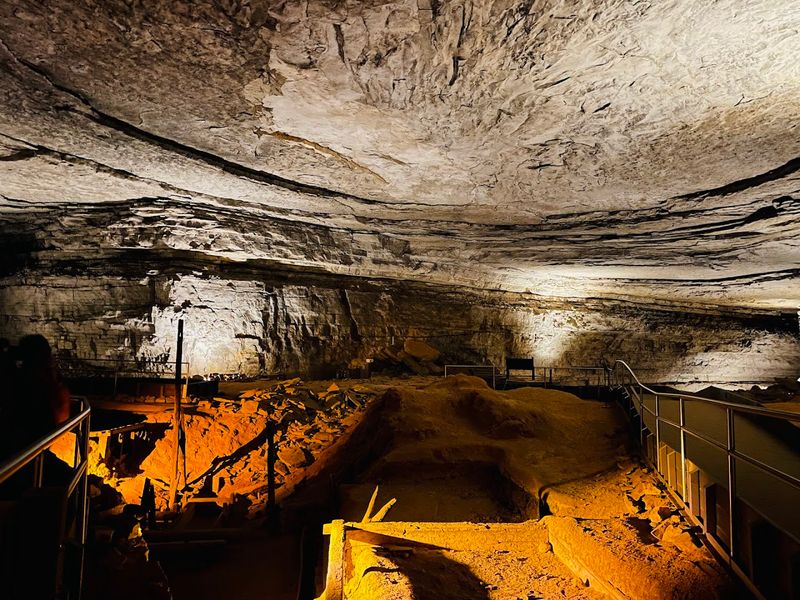
Mammoth Cave is the longest known cave system on Earth. Explorers have mapped over 420 miles of passageways beneath the hills of south-central Kentucky, and geologists believe there may be significantly more still undiscovered.
The cave has been visited by tourists since the early 1800s, making it one of the oldest continuously operating tourist attractions in the United States.
The National Park Service now manages the site, which became a UNESCO World Heritage Site in 1981. Guided tours range from easy, well-lit walks through grand cathedral-like chambers to physically demanding wild cave tours that require crawling through tight passages.
The cave system also supports unique ecosystems, including species of eyeless fish and blind cave beetles found nowhere else on earth.
The cave’s consistent 54-degree Fahrenheit temperature makes it a surprisingly refreshing summer destination. Above ground, the park offers hiking, river trips, and camping across more than 52,000 acres of forested Kentucky countryside.
10. Williams, Arizona – Grand Canyon Railway
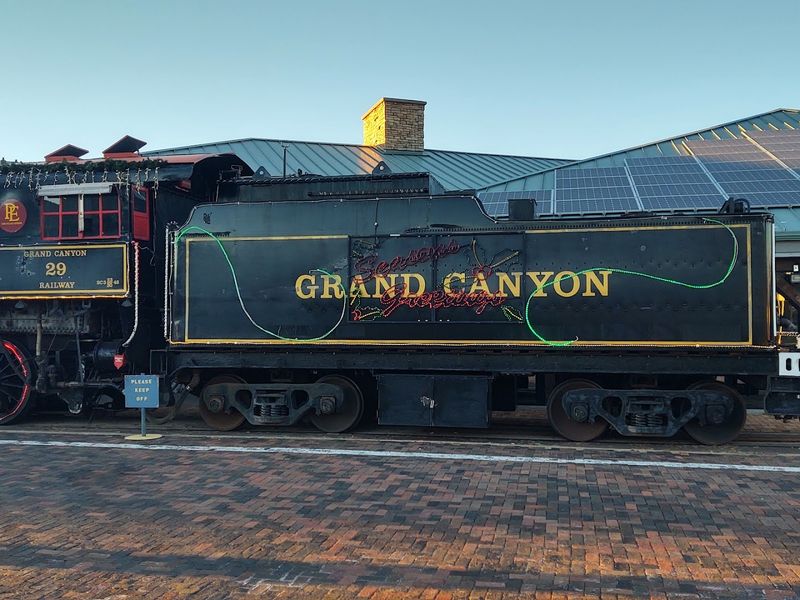
Williams, Arizona bills itself as the Gateway to the Grand Canyon, and the Grand Canyon Railway gives that claim real substance. The railway has been carrying passengers from Williams to the South Rim of the Grand Canyon since 1901, making it one of the oldest continuously operating tourist railroads in the American West.
The trip covers 65 miles each way through ponderosa pine forests and open grasslands.
The journey takes about two and a quarter hours in each direction and is designed as an experience in itself. Strolling musicians play in the passenger cars, and mock train robberies are staged outdoors along the route during certain departures.
Vintage locomotives, some dating to the early 20th century, pull the trains on select days.
Williams itself sits along historic Route 66 and was the last town on that iconic highway to be bypassed by Interstate 40 in 1984. That distinction alone gives the town a nostalgic appeal that complements the railway experience nicely.
11. North Pole, Alaska – Santa Claus House
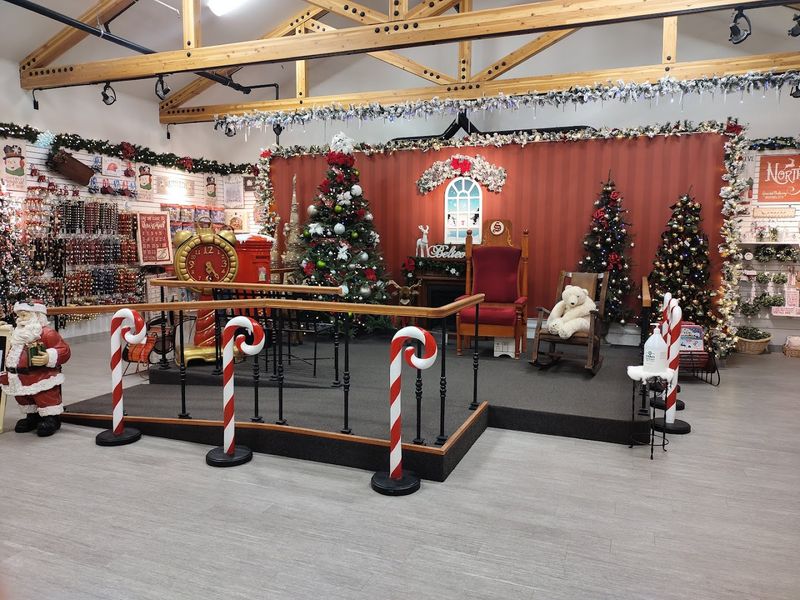
North Pole, Alaska is a real city with a year-round population of around 2,200 people, and it leans completely into its festive name. The streets have names like Snowman Lane and Mistletoe Drive, candy cane-striped lampposts line the roads, and Christmas decorations stay up all year long.
At the center of it all is Santa Claus House, a gift shop and attraction that has operated since 1952.
The original Santa Claus House was opened by Con Miller, a local entrepreneur who legally changed his name to Santa Claus and wore a full Santa costume year-round. The business has remained in the family and continues to operate as a major tourist draw for visitors passing through the Fairbanks area.
Children can mail letters to Santa with a North Pole, Alaska postmark, a detail that turns a simple gift shop into something genuinely memorable. The store stocks Christmas ornaments, Alaska-made gifts, and reindeer out back for visitors to meet.
12. Cass, West Virginia – Cass Scenic Railroad State Park
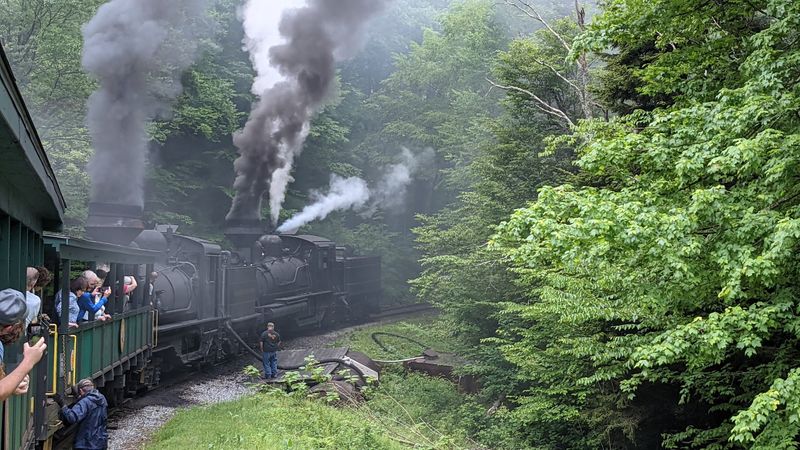
Cass, West Virginia is barely a town in the traditional sense. It is essentially a preserved logging community turned state park, and the star of the show is the Cass Scenic Railroad.
The railroad uses Shay locomotives, a specialized type of geared steam engine designed to climb steep mountain grades that conventional trains cannot handle. These locomotives were once common in logging operations across Appalachia.
The trains climb Cheat Mountain to an elevation of nearly 4,842 feet at Bald Knob, the third highest point in West Virginia. The journey through dense hardwood forest is spectacular in autumn when the foliage turns.
The round trip takes several hours, and passengers ride in restored logging flat cars fitted with bench seats.
The state of West Virginia purchased the property in 1961 after the lumber company closed, preserving the locomotives, the company town buildings, and the railroad infrastructure. It remains one of the most authentic surviving examples of Appalachian logging history anywhere in the region.
13. Le Roy, New York – Jell-O Gallery Museum
Jell-O was invented in Le Roy, New York in 1897 by a carpenter named Pearle Wait, who mixed fruit flavoring with granulated gelatin and called the result Jell-O. His neighbor Orator Woodward bought the recipe for $450 two years later and turned it into one of the most recognizable food brands in American history.
That $450 transaction is considered one of the great bargains in food industry history.
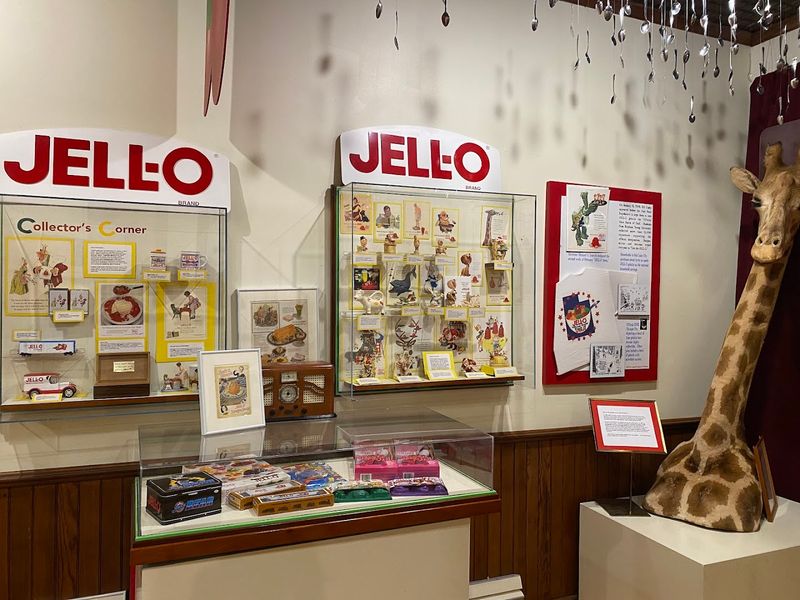
The Jell-O Gallery Museum in Le Roy tells that story with vintage advertisements, original packaging, and exhibits tracing how the product became a cultural phenomenon in the 20th century. At its peak popularity, Jell-O was nicknamed America’s Most Famous Dessert, and the brand used celebrity endorsements and elaborate recipe booklets to build a massive following.
The museum is small but genuinely charming, and it connects a familiar product to a specific place and moment in time in a way that feels surprisingly moving for a gallery dedicated to flavored gelatin.
14. Bedford, Virginia – National D-Day Memorial
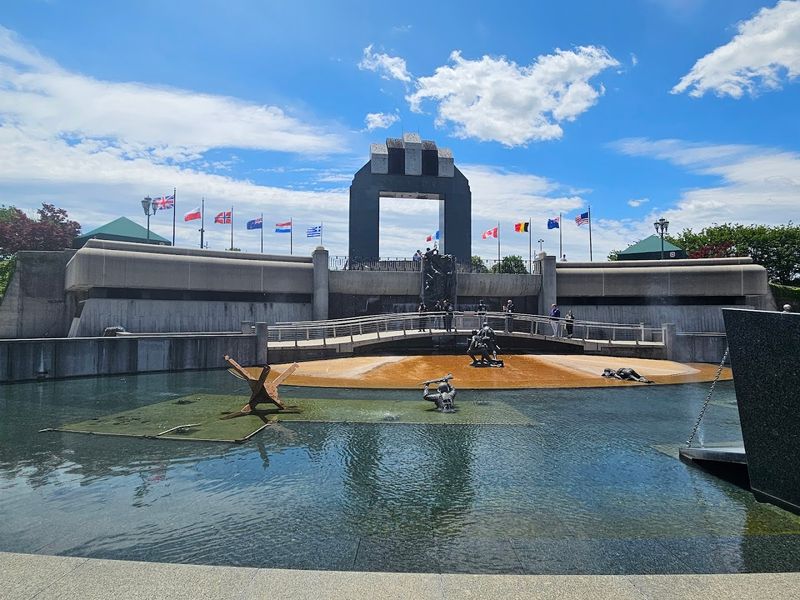
Bedford, Virginia suffered the highest per capita D-Day losses of any community in the United States. On June 6, 1944, nineteen young men from this small town of roughly 3,200 people died during the Normandy landings.
The town’s devastating loss became the reason the National D-Day Memorial was built here, dedicated by President George W. Bush in 2001.
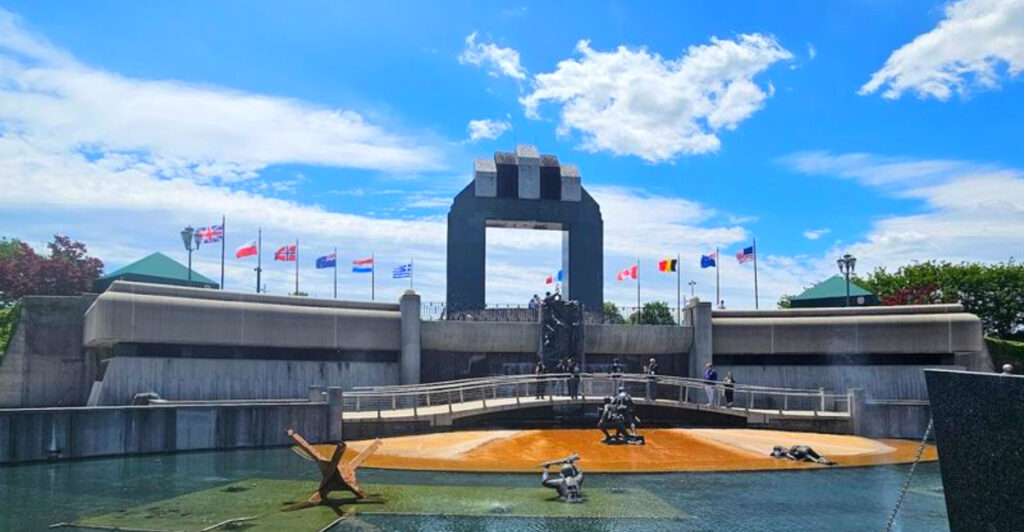
The memorial features a dramatic granite arch, a wading pool designed to represent the English Channel, and bronze sculptures depicting soldiers storming the beach under fire. The level of artistic detail in the sculptures is remarkable, capturing both the chaos and the courage of that morning in France.
Bedford’s story adds a human dimension to the memorial that larger monuments sometimes lack. Visitors who learn about the Bedford Boys before arriving find the experience deeply affecting.
The names carved into the memorial are not abstractions. They belonged to neighbors, brothers, and friends from a single tight-knit Virginia community.
15. Winslow, Arizona – Standin’ on the Corner Park
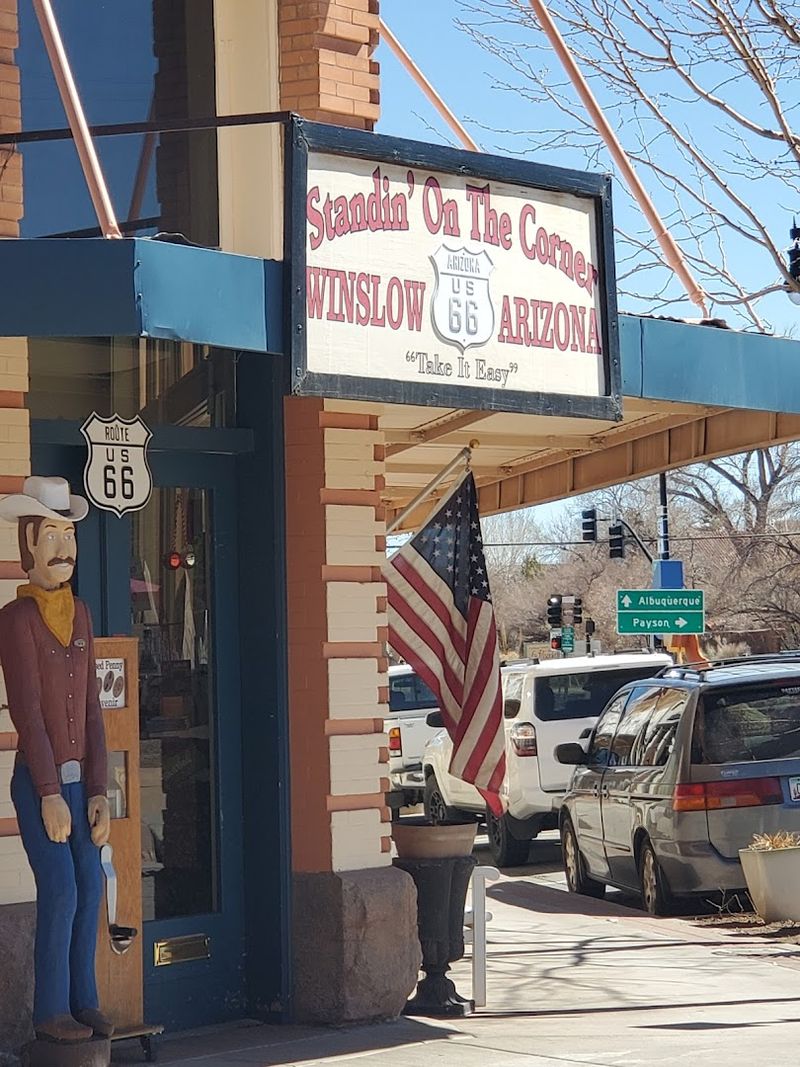
In 1972, the Eagles released Take It Easy, a song co-written by Jackson Browne and Glenn Frey that included the lyric: Well, I’m standin’ on a corner in Winslow, Arizona. That single line turned a small Route 66 town into a pilgrimage site for music fans.
Winslow embraced it completely and built Standin’ on the Corner Park in 1999 to commemorate the song.
The park features a bronze statue of a young man holding a guitar, standing beside a painted flatbed Ford truck mural on a brick wall, referencing another lyric from the song. A second statue of Glenn Frey was added in 2016 following his death.
The park sits right on Historic Route 66 in the center of downtown.
Winslow is also close to Homolovi State Park and the Meteor Crater, but the corner is what most visitors come specifically to see. It is a rare example of a pop song permanently shaping a town’s entire identity and economic strategy.
Share this story