There is a restaurant in Houston where dinner is not just a meal but a full-blown expedition across one of the world’s most storied culinary regions. Every six months, the entire menu transforms to reflect a different corner of the Mediterranean, from the spice-laden kitchens of the Levant to the trade-route flavors of Venice.
The tasting menu format means you are not choosing from a list but rather trusting a chef to take you somewhere remarkable, course by course. What makes this place genuinely stand out is the way history, geography, and bold flavor all arrive on the same beautifully plated dish.
This article walks you through everything you need to know before you book your table, including what to expect, how the evening unfolds, and why this spot has earned its Michelin star with room to spare.
What March Restaurant Actually Is
Fine dining in Houston has a strong roster, but March occupies a category almost entirely its own. It is a Michelin-starred Mediterranean restaurant that operates on a rotating tasting menu concept, meaning the kitchen commits fully to a specific region of the Mediterranean world for an entire six-month season.
The menu is not a vague collection of hummus and grilled fish. Each season is a deeply researched culinary portrait of a place, complete with historical context, regional spices, and techniques tied to that area’s cooking traditions.
Guests choose between a six-course or nine-course tasting menu, and the kitchen does the rest. There is also an option for beverage pairings to complement each course.
For anyone curious about what serious, concept-driven fine dining looks like in Texas, this restaurant makes a compelling and genuinely exciting case.
Finding the Address and Setting the Scene
March sits at 1624 Westheimer Rd, Houston, TX 77006, right along one of the city’s most well-traveled dining corridors. The building’s exterior does not shout for attention, which somehow makes arriving feel even more intentional, like you are in on something the rest of the street does not know about.
Valet parking is available right outside the door, which is genuinely appreciated given how busy Westheimer can get on a weekend evening. The entrance leads you to a hostess area where the tone is warm and welcoming without being stiff.
From there, guests are guided upstairs to the lounge, either by stairs or elevator, before eventually moving into the main dining room. The neighborhood itself is lively and full of great restaurants, but once you are inside March, the outside world fades completely into the background.
The Lounge Experience Before Dinner
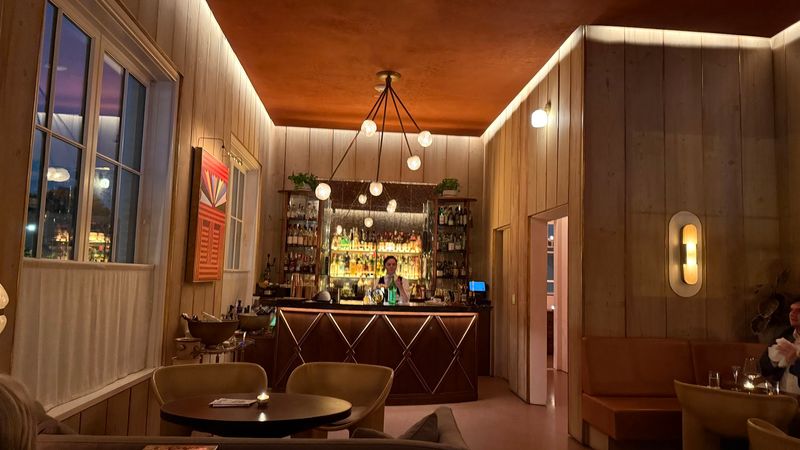
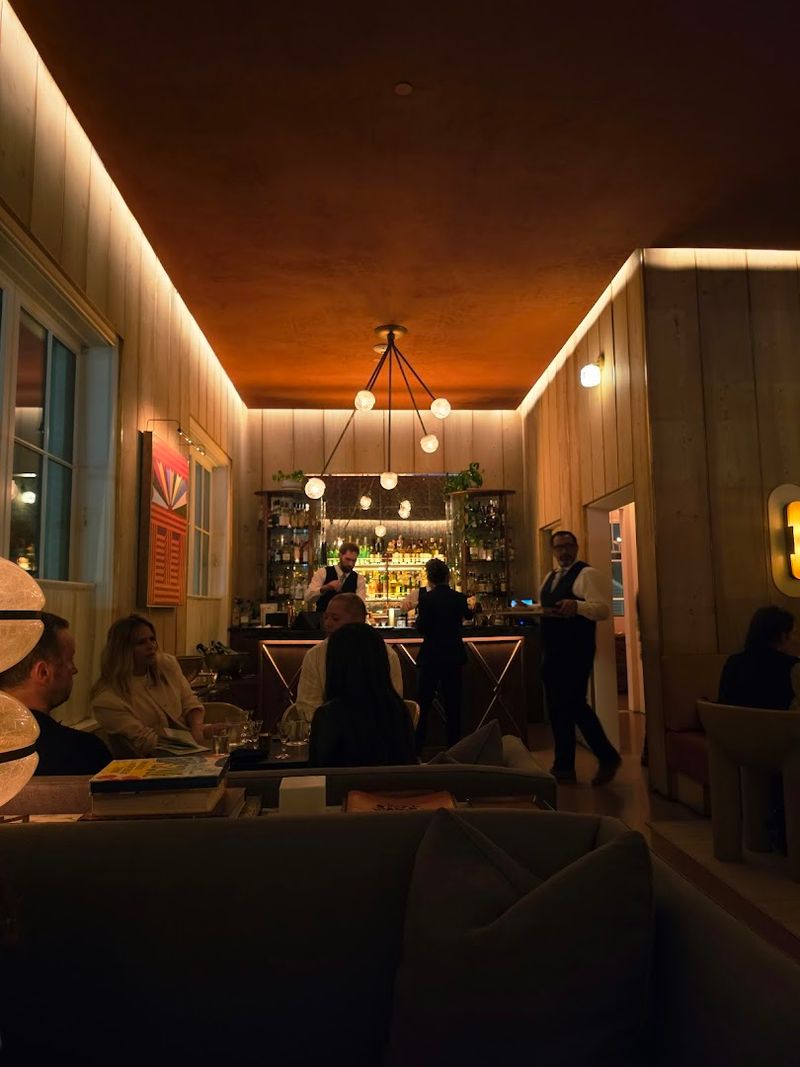
Before a single dinner course arrives, March invites guests to decompress in the lounge, and this part of the evening deserves its own spotlight. The lounge is where the kitchen sends out complimentary welcome drinks and a small selection of snacks designed to ease you into the experience rather than throwing you straight into the deep end.
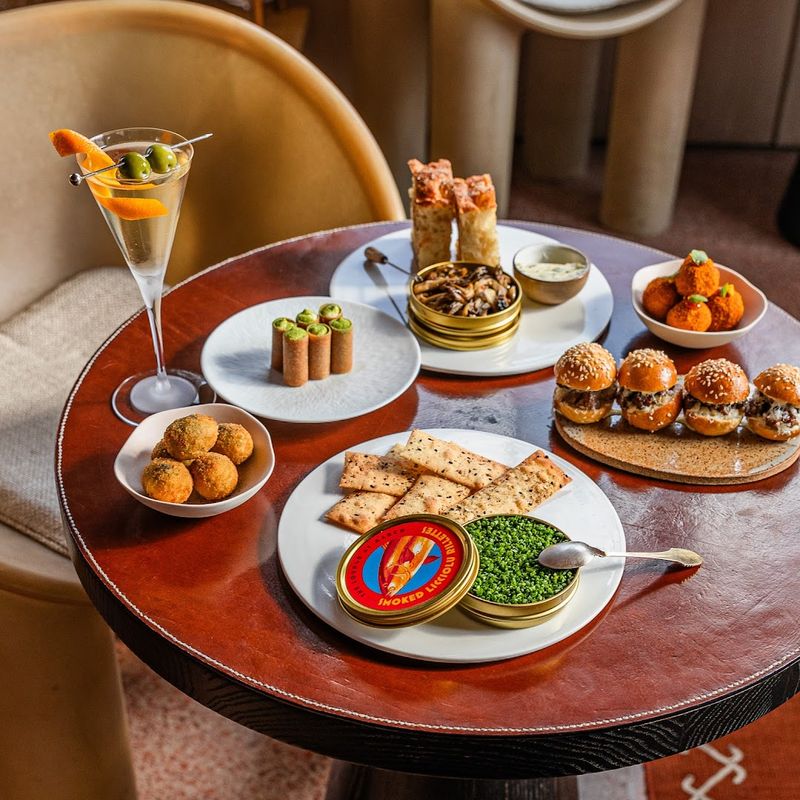
The seating feels intimate and unhurried, with small tables and padded benches that encourage you to slow down and actually talk to the person across from you. Lounge snacks have become a conversation point among regulars, with bites like exquisitely crafted one- or two-bite preparations that hint at the creativity to come.
Arriving a little early is genuinely worth it here. The lounge is not just a waiting area but a carefully designed first chapter of the evening, and rushing through it would mean missing one of the restaurant’s most charming details.
How the Tasting Menu Works
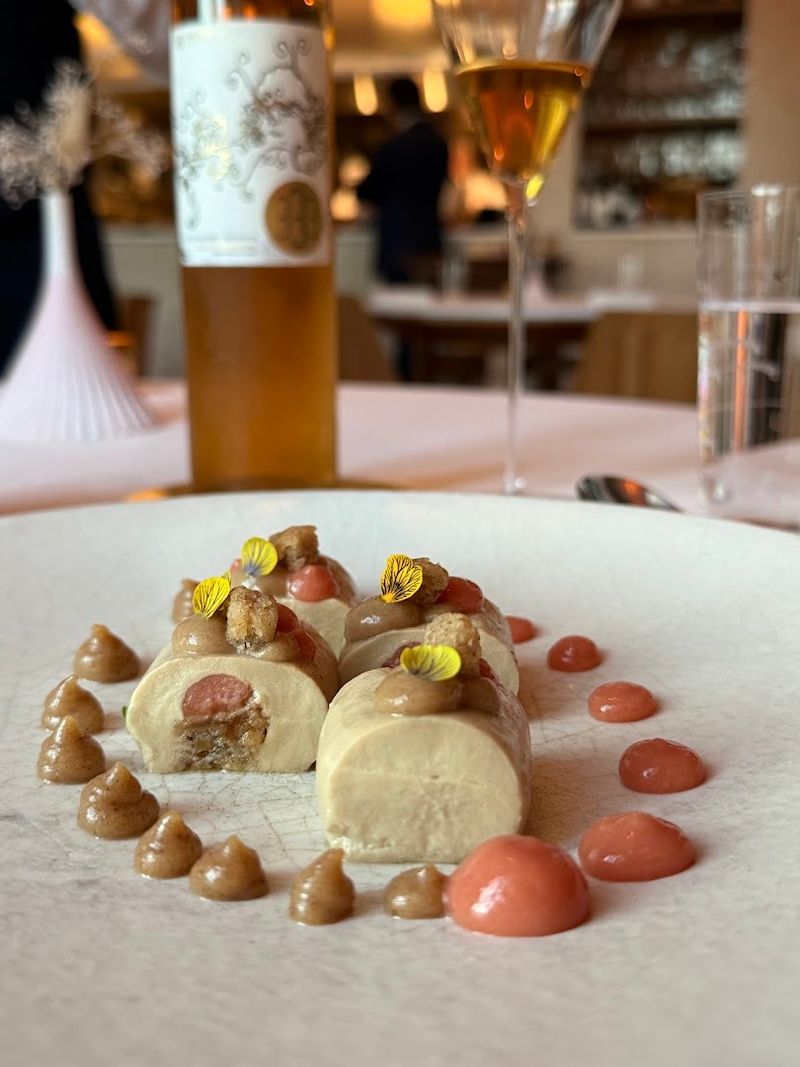
The structure of a tasting menu can feel intimidating if you have never done one before, but March makes the format feel accessible and genuinely exciting. Guests select either the six-course or nine-course menu at the time of booking, and the price is paid upfront as part of the reservation process.
Each course arrives with a verbal introduction from the server, who explains the dish’s regional inspiration, key ingredients, and the chef’s intention behind it. This storytelling element transforms each plate from food into a kind of edible history lesson, and it never feels forced or overly formal.
The nine-course menu is substantial, and pacing yourself through it is real advice worth taking seriously. Portion sizes are carefully considered but the cumulative effect of eleven or more courses adds up quickly.
Starting with the six-course option is a perfectly satisfying choice for first-time visitors.
The Rotating Seasonal Concept
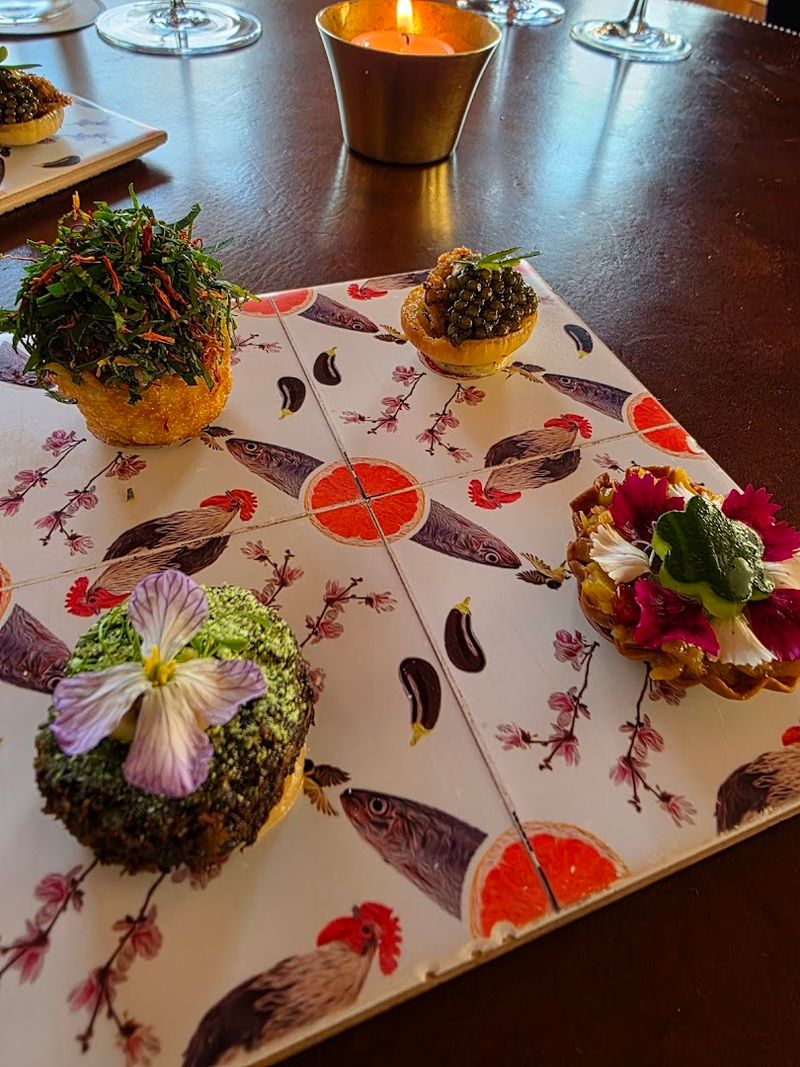
One of the most genuinely clever things about March is that the menu changes completely every six months, each time focusing on a different part of the Mediterranean world. Past seasons have explored the Levant region, stretching from Turkey down through Lebanon, Syria, and into Egypt, as well as the Republic of Venice and its centuries-old spice trade routes.
This rotating concept means that returning guests are never eating the same meal twice. Each new season brings a fresh set of ingredients, techniques, and cultural references that completely reshape the dining experience from top to bottom.
The kitchen does not treat this as a marketing exercise. The research behind each season is evident in the specificity of the dishes, the spice blends used, and the stories the servers share.
It is the kind of culinary commitment that explains why guests regularly set calendar reminders to check the new menu the moment it launches.
Standout Dishes Worth Knowing About
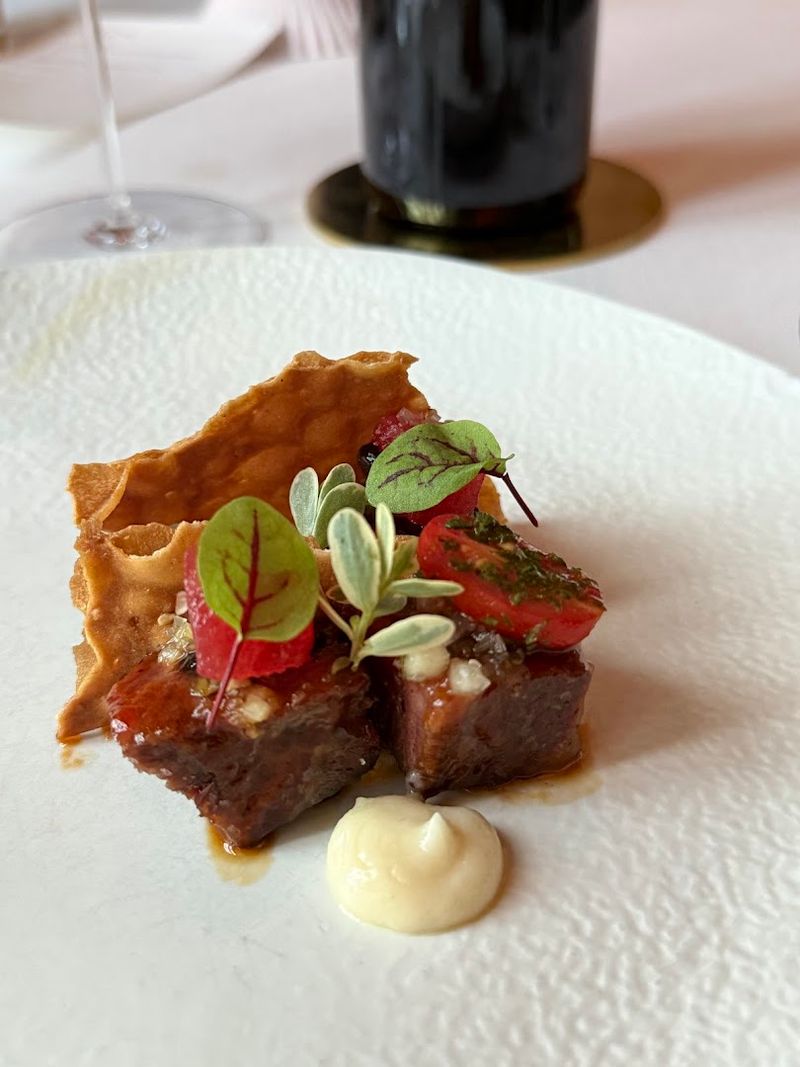
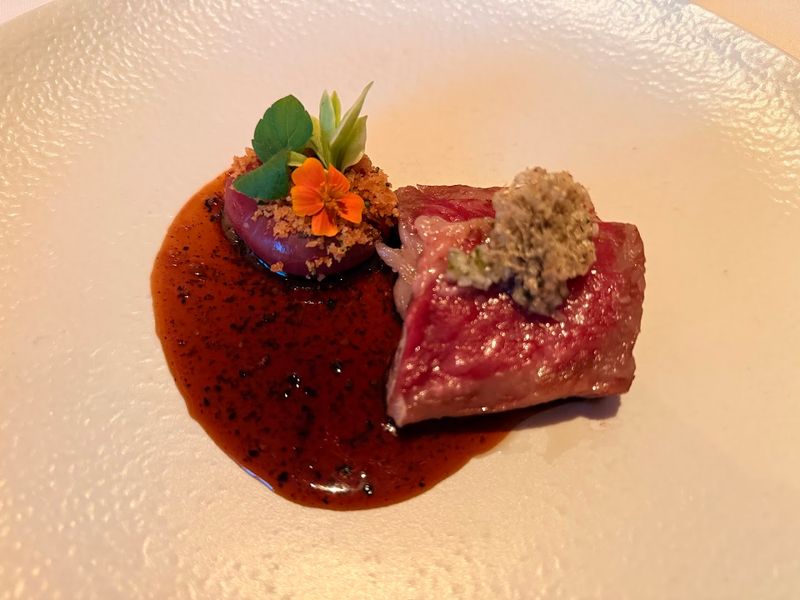
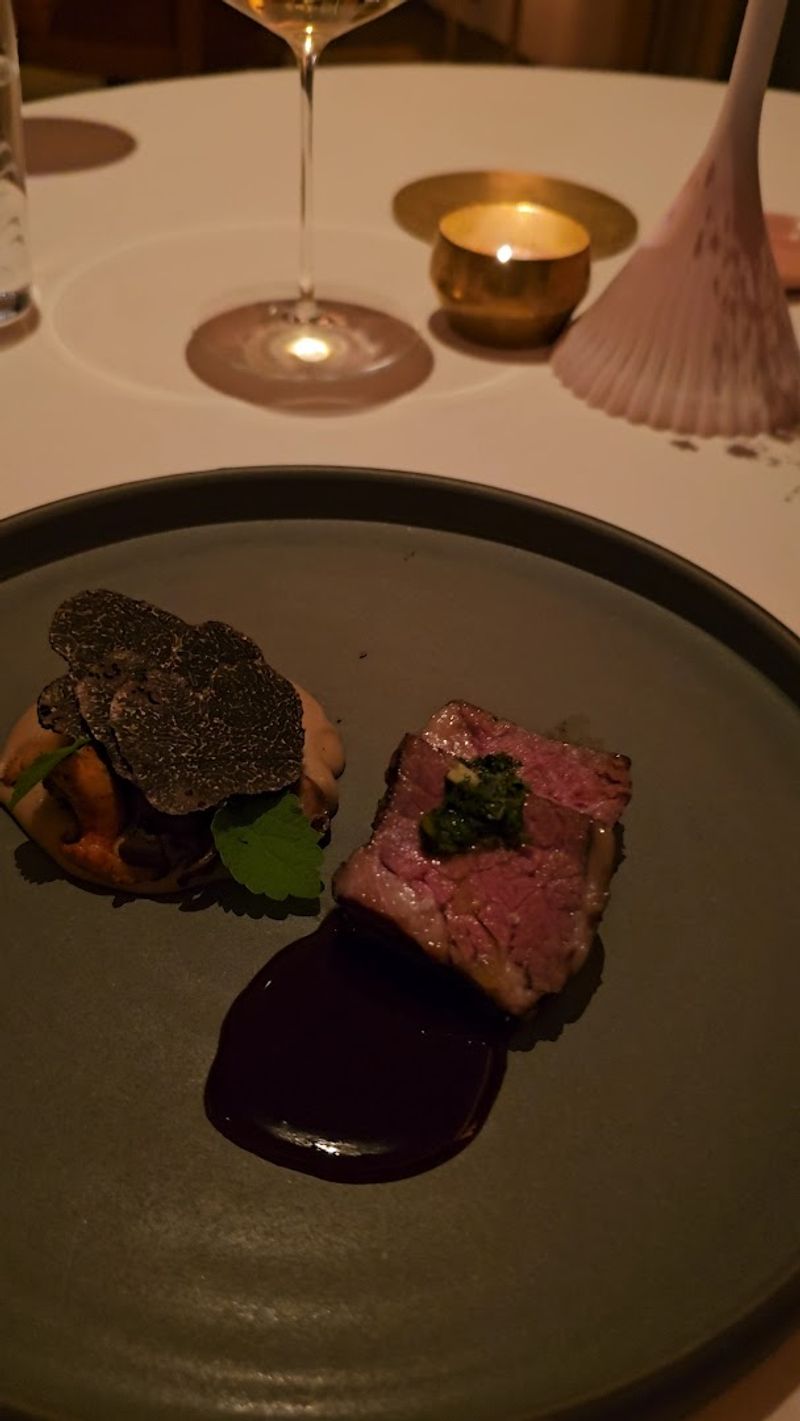
Across different seasons, certain dishes have left a lasting impression on guests who make return visits. The wagyu course has drawn consistent admiration for its preparation and the way it anchors the protein section of the menu with quiet confidence.
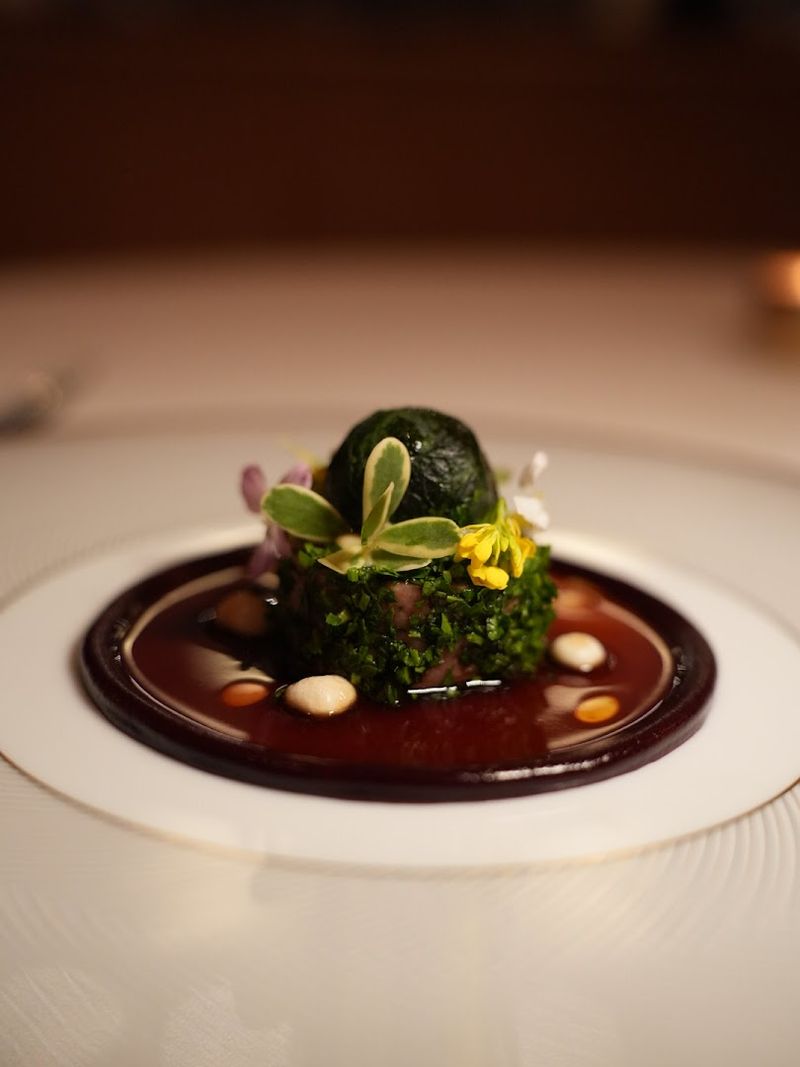
The molokhia, a leafy green dish rooted in Egyptian and Levantine cooking, surprised many diners who had never encountered it before.
A beef cheek fattoush brought together textures and acidity in a way that felt both familiar and entirely new. The pea risotto from one Venetian-themed season earned praise for its textural precision, while the tomato bread served as a warm, crusty interlude that guests remembered long after the meal ended.
Post-dinner, guests often leave with a small bag containing tea tins, a printed menu, and sweet bites to enjoy at home. It is a thoughtful final gesture that extends the experience well beyond the last course.
The Dining Room Atmosphere
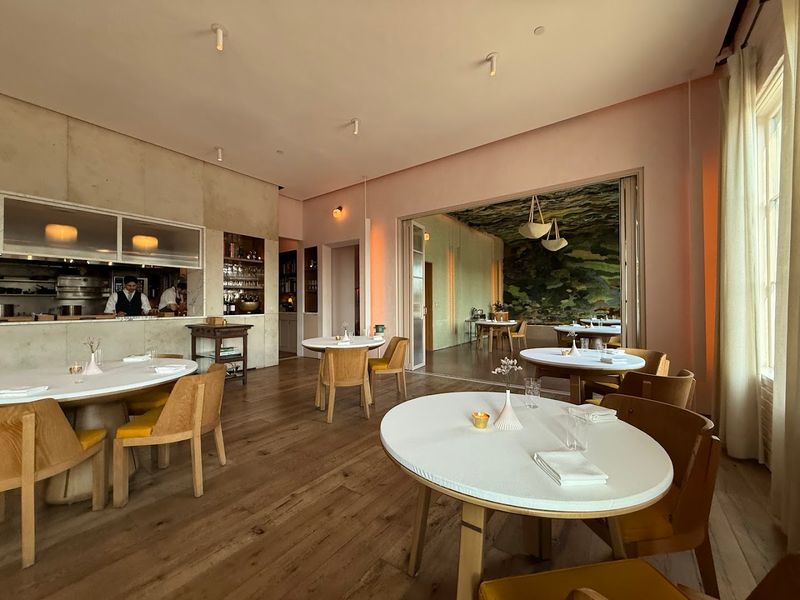
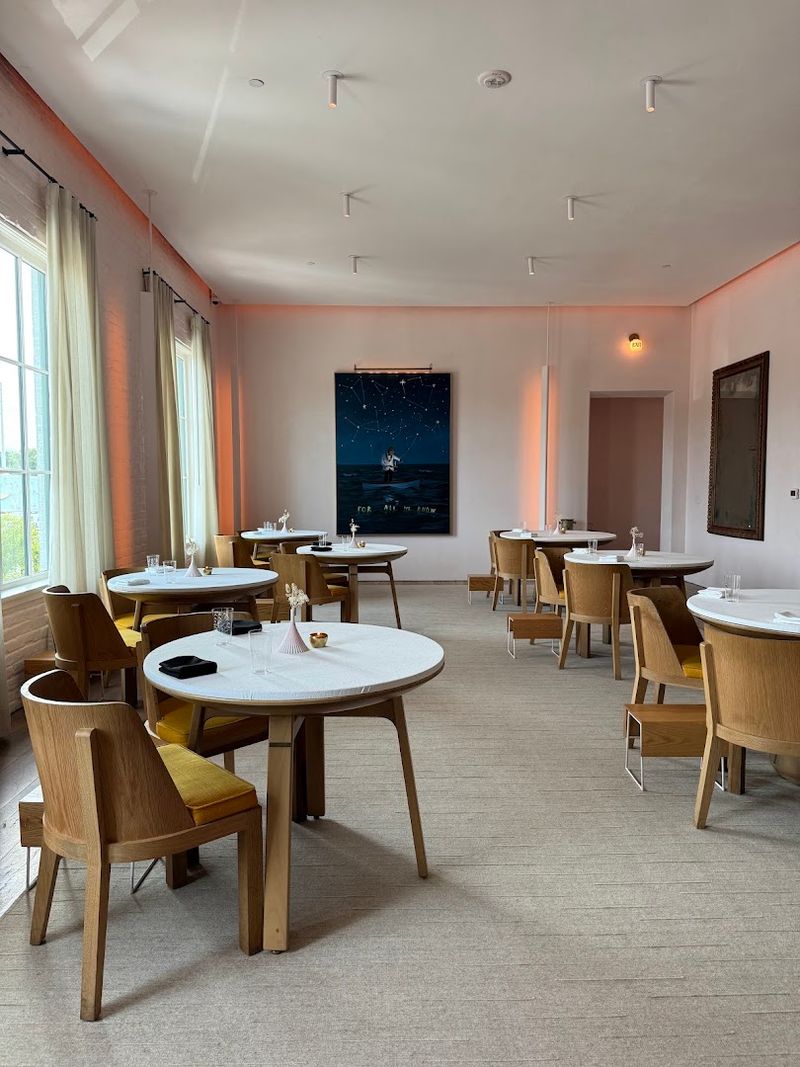
The main dining room at March carries a minimalist design that feels intentional rather than sparse. The lighting is low and warm, the tables are well-spaced, and the overall effect is one of calm focus, as if the room itself wants you to pay attention to what is on your plate.
Artwork plays a quiet but meaningful role in the space. One wall features a two-section moss art installation that adds texture and a subtle organic quality to an otherwise clean aesthetic.
A prep kitchen is visible from the dining room, and watching the team work together in near silence adds an almost theatrical dimension to the meal.
The atmosphere manages to feel both elevated and genuinely relaxed at the same time, which is harder to achieve than it sounds. Guests who arrive expecting stiff formality tend to leave pleasantly surprised by how comfortable the whole experience actually feels.
The Michelin Star Recognition
When Michelin expanded its guide to Texas, March was among the restaurants that earned star recognition, and the distinction felt well-earned to those who had already been dining there. A polished red Michelin plaque greets guests at the top of the stairs, and for many visitors, spotting it for the first time is a genuine moment of anticipation.
Earning a Michelin star in Texas carries particular weight because the guide’s arrival in the state was a significant event for the local dining community. March had to compete not just against Houston’s already impressive restaurant scene but against the broader expectations that come with Michelin’s global standards.
For guests who have dined at starred restaurants across multiple countries and continents, March holds up favorably in terms of both food quality and overall experience. The passion behind the kitchen and the coherence of the concept are what make the recognition feel genuinely deserved.
Making a Reservation and What to Expect
Getting a table at March requires some planning. Reservations are made in advance, and the upfront payment model means you commit to the meal financially before you arrive, which is not standard practice at most Houston restaurants but is common among serious tasting menu destinations.
The restaurant operates Tuesday through Saturday, opening at 5:30 PM, with Friday and Saturday service running until midnight and Tuesday through Thursday wrapping up at 11 PM. Sunday and Monday are dark nights, so flexibility with your schedule helps when trying to secure a booking.
Arriving a few minutes early is genuinely recommended so you can settle into the lounge without feeling rushed before your table is ready. The reservation process itself is smooth, and the team reaches out ahead of your visit to ask about dietary needs or any special occasions being celebrated, a small but meaningful touch that sets the evening up well.
Celebrating Special Occasions Here
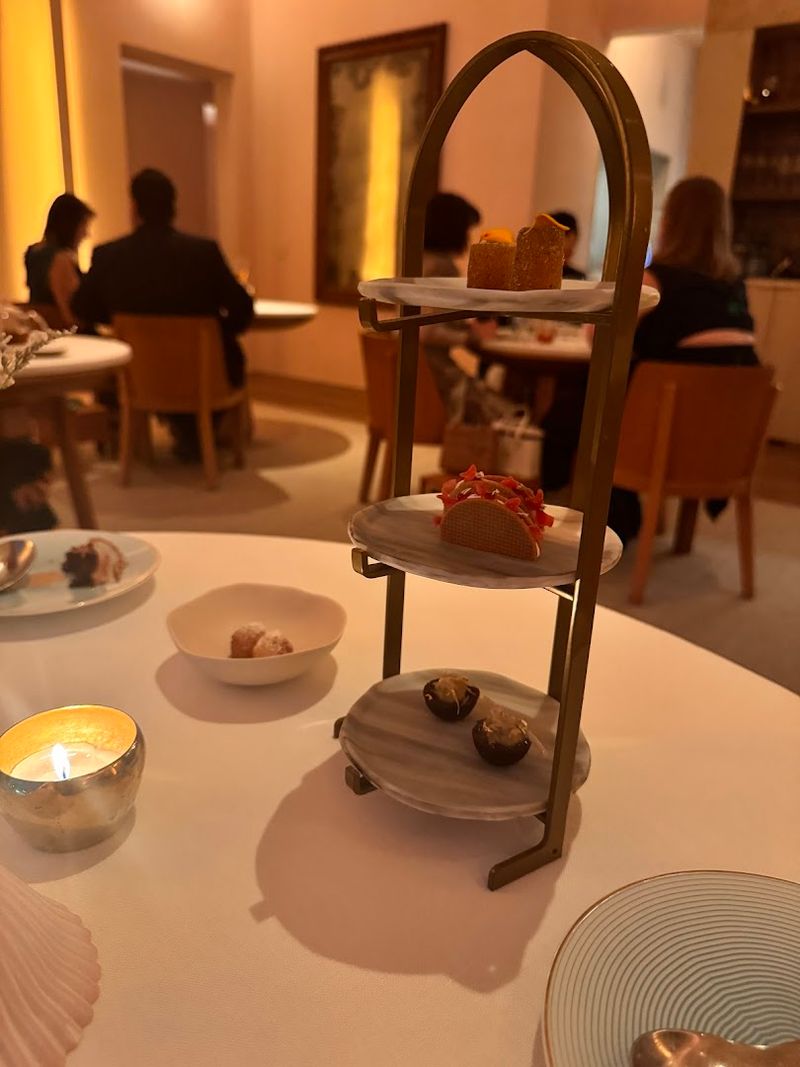
March has become a go-to destination for milestone celebrations in Houston, and the restaurant leans into that role with genuine care. Anniversary dinners, birthday meals, and elopement celebrations have all taken place here, and the team makes a point of personalizing the experience when guests share the reason for their visit.
The kitchen and service team have been known to prepare special welcome touches, customize small moments throughout the evening, and acknowledge the occasion in ways that feel warm rather than performative. It is the kind of attention that turns a dinner into a memory.
For a celebration that calls for something truly different from the standard restaurant experience, the tasting menu format works particularly well. There are no decisions to stress over once you are seated, no menu to argue about, just a beautifully orchestrated evening that unfolds at its own unhurried pace from the first lounge snack to the final sweet bite.
Price Point and Value Considerations
March sits firmly in the top tier of Houston’s dining price range, with the tasting menu experience running at a level that prompts guests to think carefully before booking. The cost per person can reach several hundred dollars when beverage pairings and gratuity are included, and the restaurant applies a set gratuity to the final bill.
Whether the price feels justified tends to come down to what a guest values in a dining experience. For those who prioritize creativity, storytelling, and the overall arc of an evening over raw portion size, the value proposition is strong.
The experience is carefully constructed from start to finish, and very little is left to chance.
For guests on the fence, the six-course menu offers a more accessible entry point than the nine-course option while still delivering the full range of the kitchen’s concept. Treating it as a once-in-a-season event rather than a regular dinner out makes the investment feel entirely reasonable.
The Mediterranean Culinary Regions Explored
The Mediterranean world is vast, and March treats that geographic breadth as an ongoing creative brief. Past seasons have taken guests through the Eastern Mediterranean, the Levant corridor, and the Adriatic-influenced kitchens of Venice, each one requiring a completely different pantry of ingredients and a different set of culinary references.
The Levant season introduced many Houston diners to preparations rooted in Lebanese, Turkish, and Egyptian cooking traditions, with spice blends and techniques that felt genuinely foreign in the best possible way. The Venetian season leaned into the city’s historic role as a spice trade hub, bringing bold, layered flavors shaped by centuries of commerce across the Adriatic.
Future seasons will continue pushing into new corners of the Mediterranean map, which gives the restaurant an almost limitless creative runway. Guests who follow the restaurant closely treat each new season announcement with the kind of anticipation usually reserved for a new album drop or film release.
The Role of Storytelling in Each Course
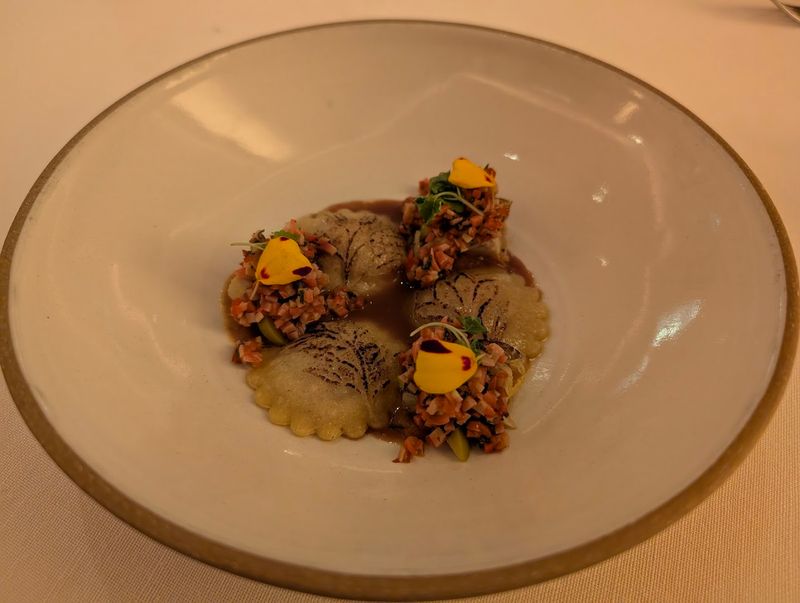
At many restaurants, the server describes a dish in fifteen seconds and moves on. At March, each course comes with a genuine narrative, a brief but substantive explanation of where the dish comes from, what ingredients anchor it, and why the chef made the specific choices reflected on the plate.
This storytelling approach changes the way you eat. Knowing that a particular spice blend traces back to centuries of trade along a specific sea route makes the flavor mean something beyond its taste.
The context adds a layer of engagement that keeps the meal intellectually alive from first course to last.
The servers are well-prepared and clearly trained on the chef’s vision, which means the explanations feel confident and genuine rather than rehearsed. That knowledge base also means guests can ask follow-up questions and get real answers, turning the table into something closer to a conversation than a transaction.
A Closer Look at the Beverage Program
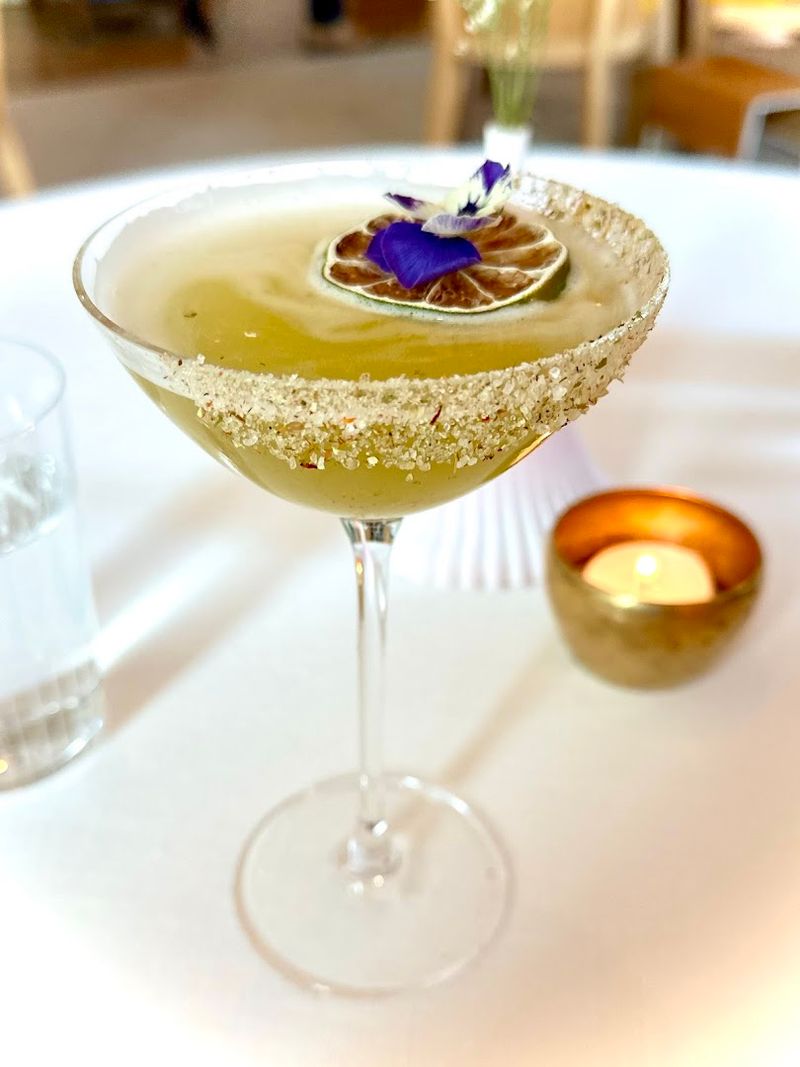
The beverage program at March is designed to complement the tasting menu rather than compete with it. Guests can choose a full pairing option to accompany their meal, with selections matched course by course to the flavors on the plate.
Non-alcoholic pairing options are also available, which is a thoughtful inclusion that ensures every guest can participate fully in the experience.
The lounge menu offers a curated list of cocktails that reflect the current season’s regional theme, using ingredients and flavor profiles that align with the kitchen’s focus. One past menu featured drinks built around gin, green apple, fennel, and calamansi, flavors that echoed the Mediterranean citrus and herb notes running through the food.
Even the welcome drink served in the lounge is part of the overall concept, arriving as a small, carefully considered preparation rather than a generic pour. The beverage team clearly operates with the same level of intention as the kitchen.
Why March Keeps Guests Coming Back
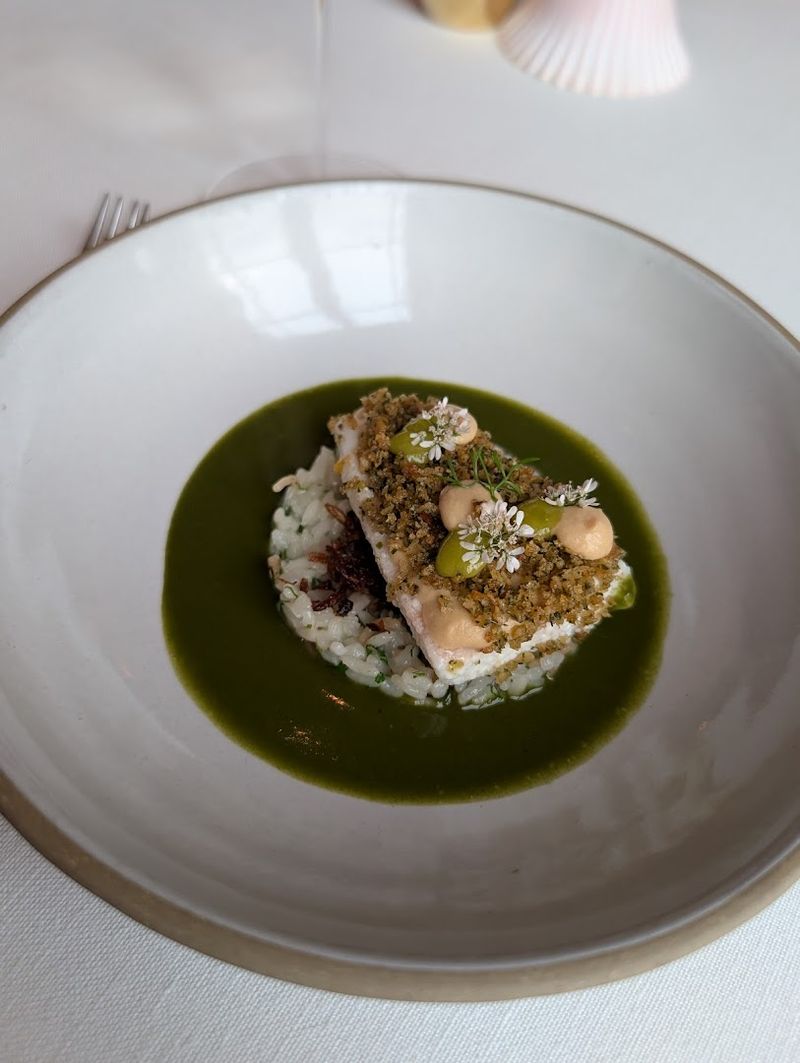
Repeat visits to a restaurant of this price and format say something meaningful about the experience it delivers. March has built a loyal following of guests who return each new season specifically because the menu is genuinely different every time, not just a few dishes swapped out but an entirely new culinary world to explore.
The consistency of the experience across multiple visits is what earns the deepest loyalty. Guests who have returned five or more times describe the food as always extraordinary and the service as never less than exceptional, which is a high bar to maintain across seasonal transitions and kitchen evolutions.
There is also something quietly satisfying about following a restaurant through its seasons the way you might follow a chef’s career. Each visit adds a new chapter to your personal history with the place, and that cumulative relationship is part of what makes March feel like more than just a very good meal.
Share this story