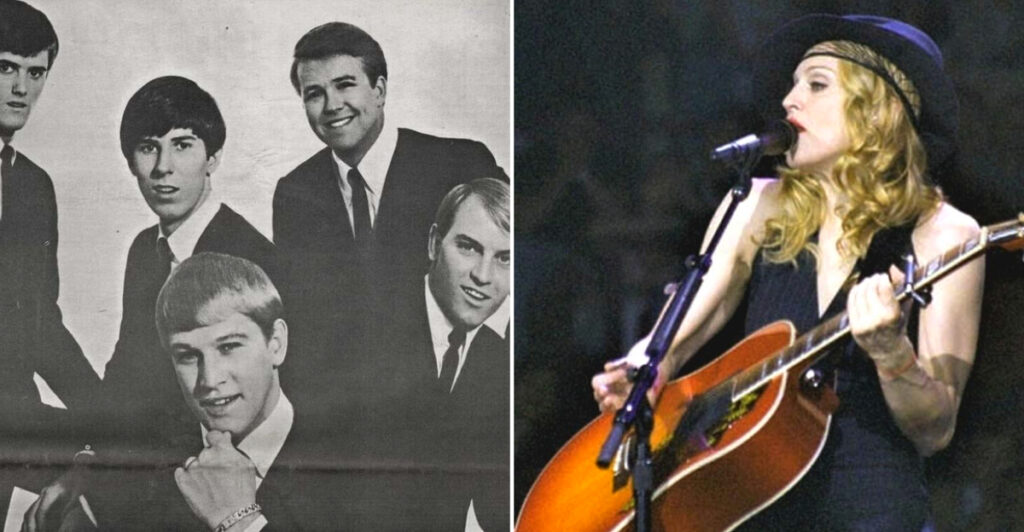
Popular music has never been shy about pushing boundaries, and every generation of parents has found at least one song to worry about. From the early days of rock and roll to the streaming era, certain recordings have sparked national debates, government investigations, and even new industry policies. The 1960s introduced rebellious anthems that made headlines, the 1980s brought congressional hearings, and the 1990s and 2000s kept the conversation going with increasingly direct content. What makes these songs so fascinating is not just the controversy they caused, but how clearly they reflect the cultural battles of their time.
Each track on this list left a documented mark on American society, changed how music was distributed or labeled, or forced a very public conversation about artistic freedom versus community standards. Read on to see which songs made parents reach for the radio dial.
1. Light My Fire, The Doors
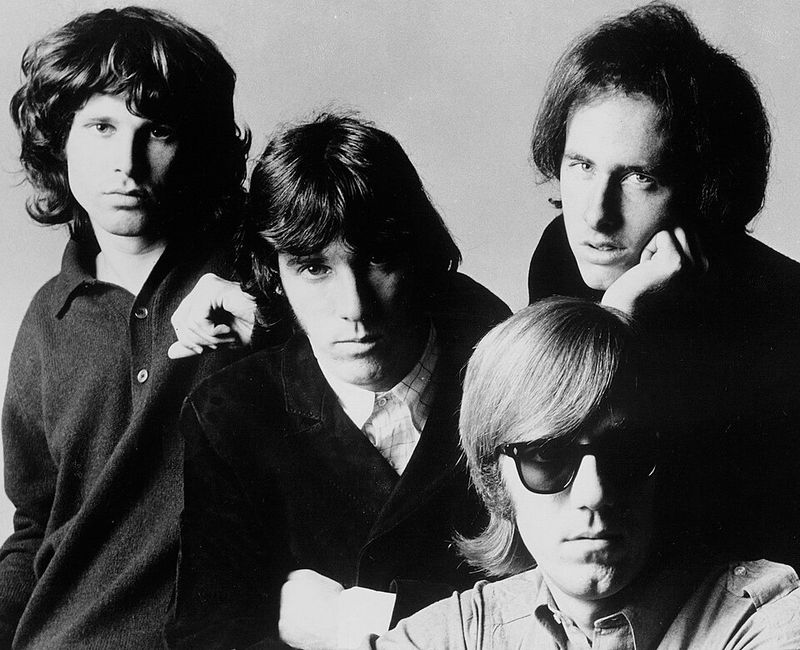
When a song runs nearly seven minutes on its album version, radio stations usually take notice for all the wrong reasons. Light My Fire was released in 1967 and became The Doors’ first number-one hit after a heavily edited version was created specifically for radio airplay.
The suggestive title raised immediate concerns among parents, but it was the band’s television behavior that truly alarmed the establishment. When The Doors appeared on The Ed Sullivan Show, producers requested that Jim Morrison change the line “Girl, we couldn’t get much higher” to something less drug-referencing. Morrison agreed during rehearsal and then sang the original lyric live on air anyway.
The Sullivan producers banned the band from ever returning. That act of defiance became one of the most documented moments of 1960s counterculture resistance, cementing the song’s place in rock history beyond its chart performance alone.
2. Let’s Spend the Night Together, The Rolling Stones
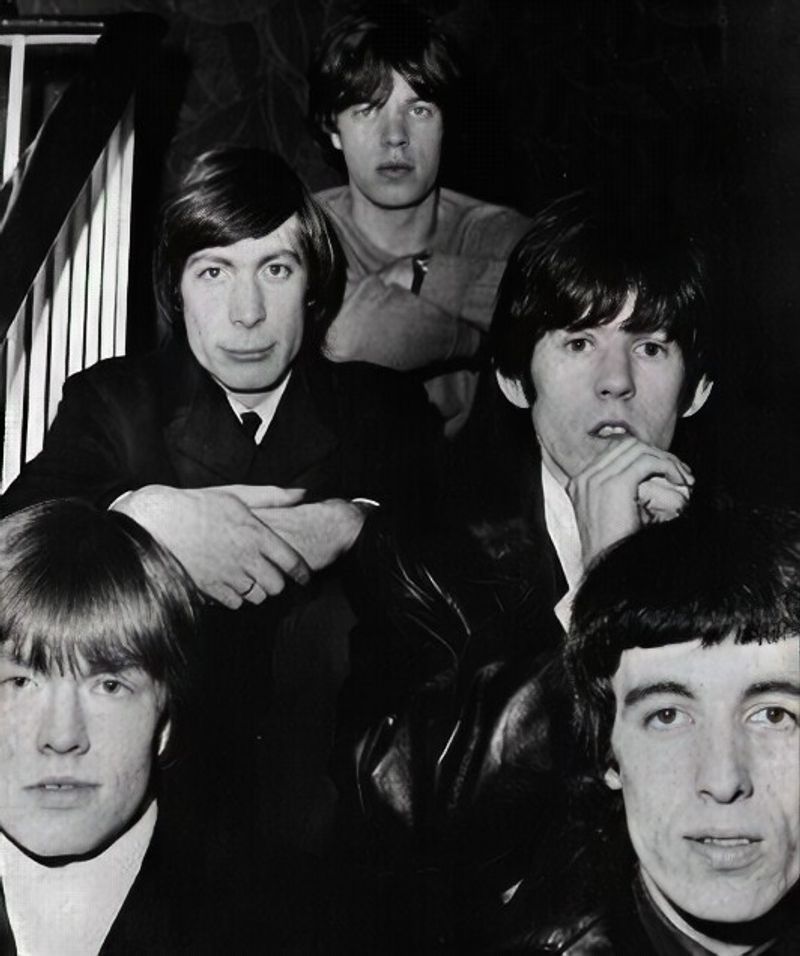
Just the title was enough to cause problems in January 1967. The Rolling Stones were scheduled to perform on The Ed Sullivan Show, and producers made it clear that the phrase “spend the night together” was not acceptable for a primetime family audience.
Mick Jagger agreed to change the lyric to “let’s spend some time together” during the broadcast. He complied, but made his feelings obvious by rolling his eyes visibly at the camera each time he sang the altered line. Viewers and music fans noticed immediately.
The song had already reached the top five in the United Kingdom and the United States by that point, so the censorship did little to slow its commercial momentum. Ed Sullivan himself later admitted the Stones were among the most difficult acts his show ever hosted. The performance remains a frequently cited example of broadcast-era music censorship.
3. My Generation, The Who
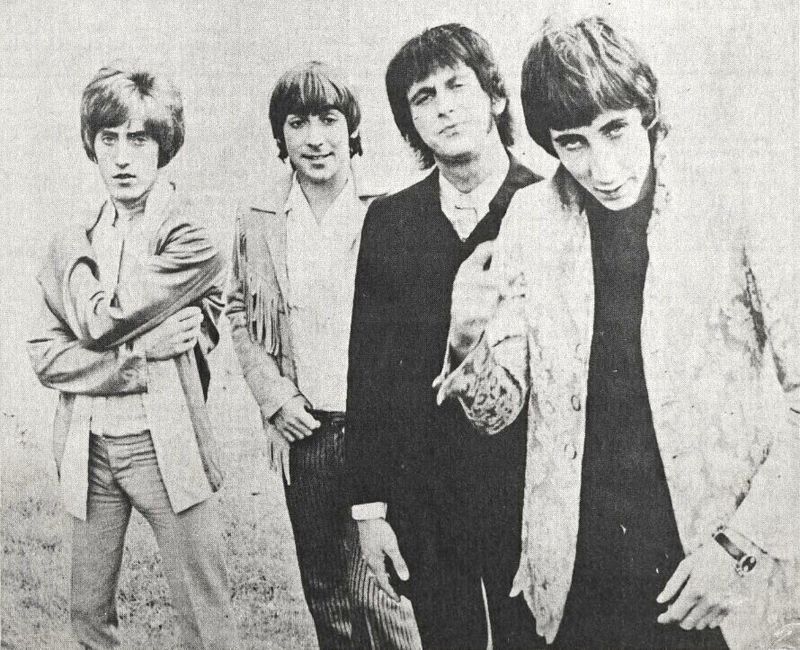
Released in the United Kingdom in October 1965 and in the United States shortly after, My Generation became one of the most quoted rock songs of the decade for a single line that horrified adults: “Hope I die before I get old.”
Pete Townshend wrote the song partly as a response to the older generation’s dismissal of youth culture and mod fashion. The deliberate stutter in Roger Daltrey’s vocals was designed to mirror the speech patterns of young people nervously confronting authority. Some critics interpreted it as mocking those with speech impediments, adding another layer of controversy.
Parents heard the death reference and considered it reckless. Teenagers heard it as a rejection of conformity and aging into irrelevance. The BBC debated restricting airplay. The Who performed the song on television multiple times with amplifier-smashing finales that only deepened parental concern about where rock music was heading.
4. Louie Louie, The Kingsmen
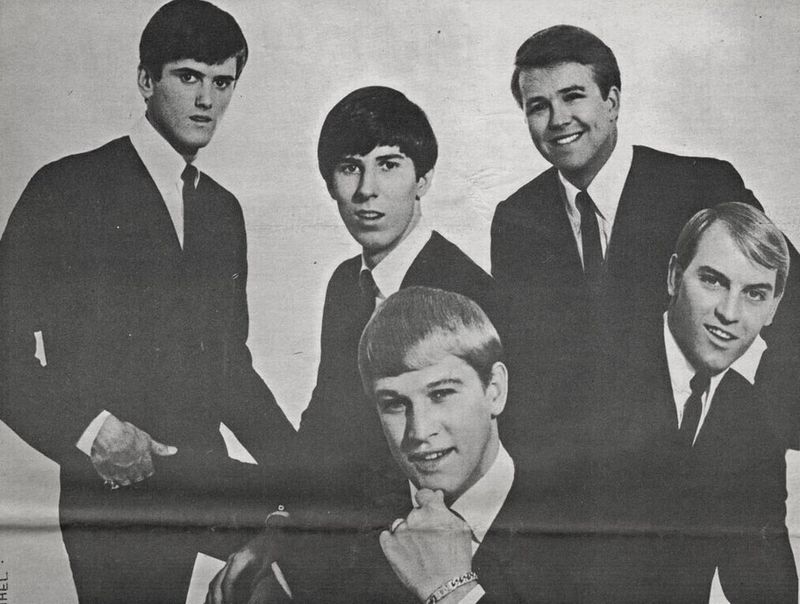
The FBI spent 31 months investigating a rock song recorded in one take for about $50. Released in 1963, Louie Louie by The Kingsmen became a national sensation largely because the lead vocalist, Jack Ely, sang with braces and a poorly positioned microphone, making the lyrics nearly impossible to understand.
Rumors spread quickly that the garbled words contained hidden obscene content. Parents wrote letters to politicians, and the FBI eventually launched a formal investigation into the recording. After analyzing the track at multiple speeds, agents concluded the lyrics were simply unintelligible, not illegal.
The original song was actually written by Richard Berry in 1955 as a straightforward calypso-style tune about a sailor. The controversy turned a modest regional hit into a cultural landmark. Over 1,000 artists have since recorded their own versions.
5. Society’s Child, Janis Ian
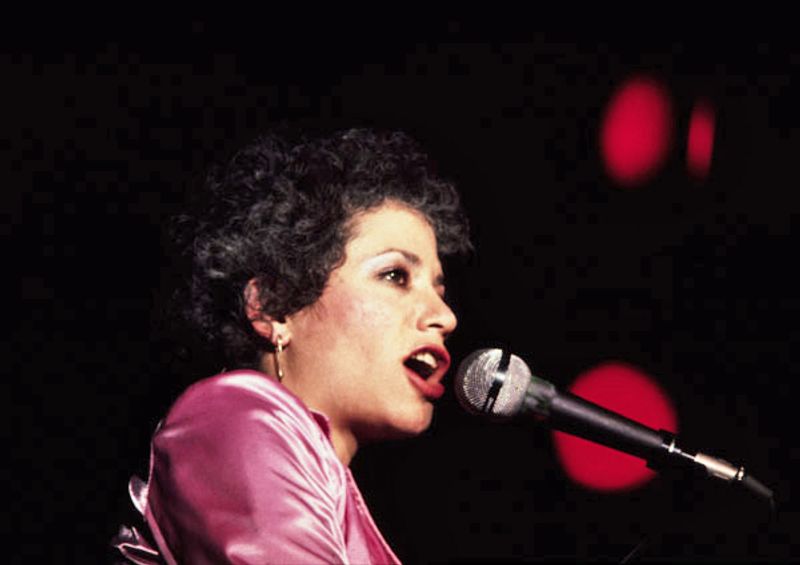
Janis Ian wrote Society’s Child when she was just 14 years old, drawing from real experiences she witnessed growing up in New Jersey. The song, released in 1966, described a romantic relationship between a white girl and a Black boy, and the social pressure that forces them apart.
More than 20 radio stations refused to play it, and at least one disc jockey received threats for airing the track. Several record labels turned it down before Verve Folkways agreed to release it. The song barely registered nationally until conductor Leonard Bernstein featured it in a 1967 CBS television documentary about rock music.
After that broadcast, it climbed to number 14 on the Billboard Hot 100. The controversy was not about language or innuendo but about the subject of interracial relationships itself, which was still deeply uncomfortable for much of mainstream American society at the time.
6. One Toke Over the Line, Brewer & Shipley
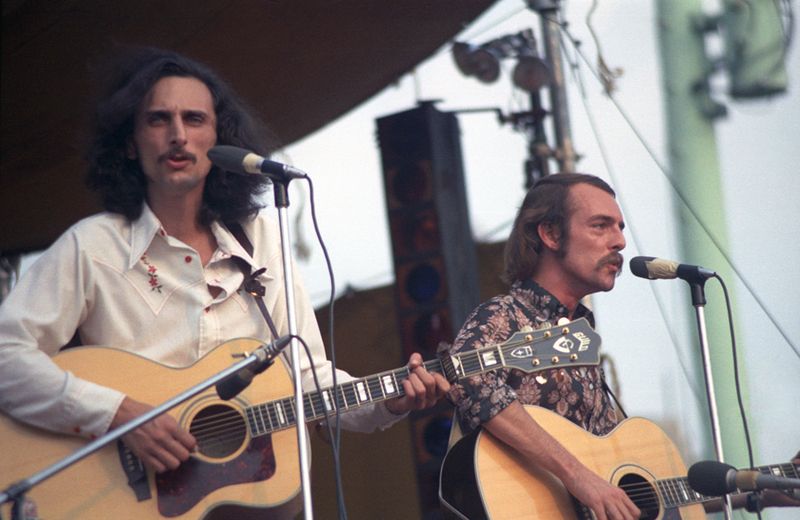
Brewer and Shipley released this folk-rock track in 1970, and its casual reference to marijuana use was unmistakable to most listeners. The phrase “one toke over the line” was slang that left very little to interpretation, and parent groups quickly identified it as drug-glorifying content.
What made the situation particularly ironic was that the song appeared on several mainstream television programs, including The Lawrence Welk Show, whose producers apparently believed it was a religious number. Lawrence Welk himself introduced it as a “modern spiritual” on air.
The Federal Communications Commission received complaints, and some stations pulled the track from rotation. Despite the backlash, the song reached number 10 on the Billboard Hot 100 in 1971. Tom Shipley later confirmed in interviews that the drug reference was entirely intentional. The song remains a notable example of explicit content slipping past gatekeepers during the early 1970s.
7. School’s Out, Alice Cooper
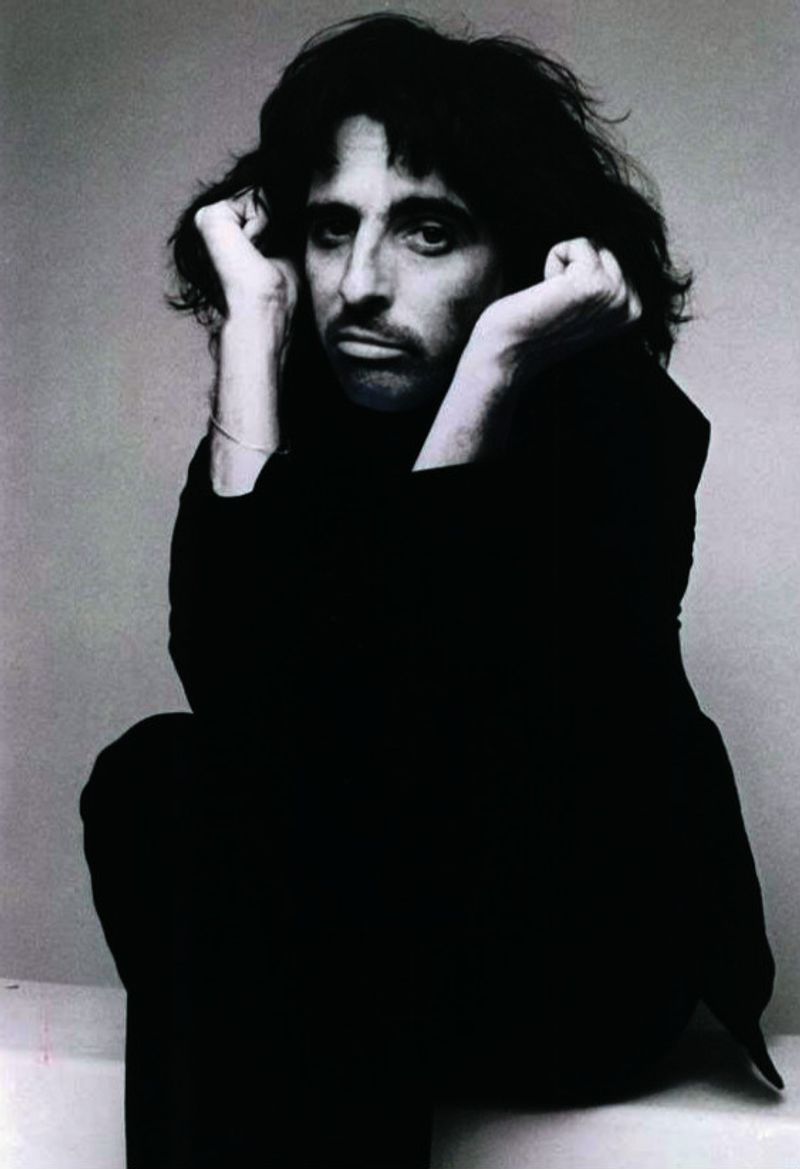
Alice Cooper understood that rock music was as much about image and theater as it was about sound. Released in May 1972, School’s Out arrived at the perfect cultural moment, just as American students were finishing the academic year and looking for an anthem that matched their energy.
The song’s rebellious lyrics and Cooper’s theatrical persona, which included fake executions and horror-themed stage shows, alarmed educators and parents who saw the entire package as a corrupting influence. School boards in several states discussed whether Cooper’s concerts should be permitted near their communities.
Despite the concern, or perhaps because of it, the single reached the top five in both the United States and the United Kingdom. Cooper’s real name is Vincent Damon Furnier, and he was a preacher’s son from Detroit. The contrast between his background and his onstage character became part of rock mythology throughout the 1970s.
8. Brown Sugar, The Rolling Stones
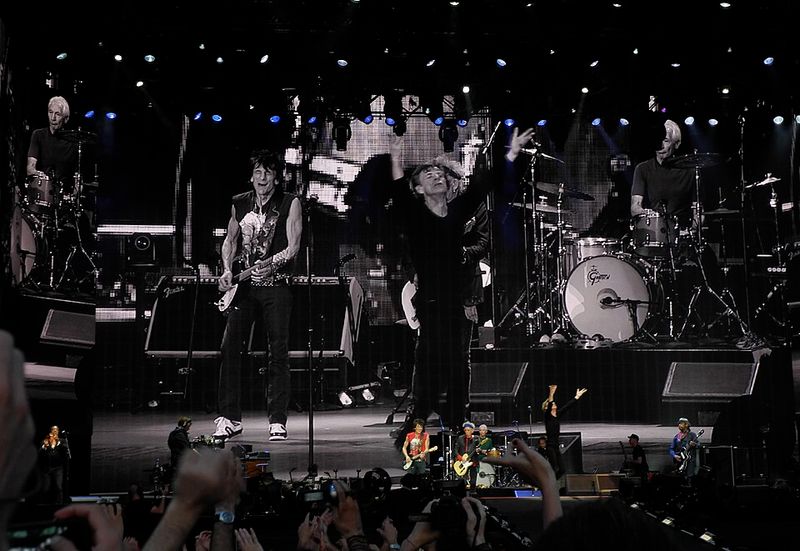
Keith Richards wrote the initial guitar riff for Brown Sugar on the same day the Rolling Stones began recording Sticky Fingers in 1969, and the track was released as a single in April 1971. It debuted at number one in the United States and became one of the band’s signature recordings.
The lyrics reference slavery, interracial relationships, and exploitation in ways that generated significant debate at the time of release and have continued to spark discussion for decades since. Mick Jagger has acknowledged in interviews that he would likely not write the song the same way today.
In 2021, the Rolling Stones quietly removed Brown Sugar from their concert setlist during a North American tour, citing the sensitive themes in the lyrics. The decision itself generated widespread media coverage. The song’s complicated legacy reflects how cultural standards around historical subject matter have shifted considerably since 1971.
9. God Save the Queen, Sex Pistols
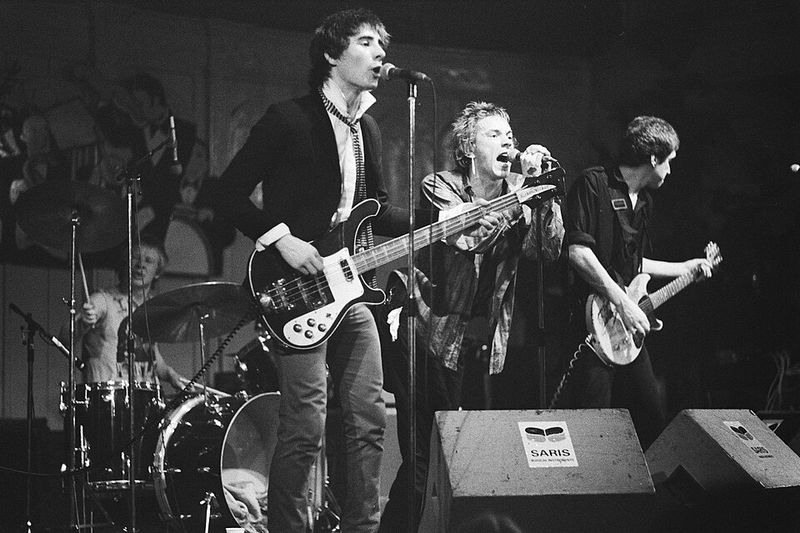
Released in May 1977 to coincide with Queen Elizabeth II’s Silver Jubilee celebrations, God Save the Queen by the Sex Pistols was a direct and unambiguous attack on British institutions. Its impact in America came through the shockwave of punk rock that followed, redefining what popular music could say about authority.
The BBC banned the record immediately. The British Phonographic Industry later confirmed it reached number two on the UK charts during Jubilee week, though some sources disputed the chart position was manipulated to prevent it from hitting number one. Stores refused to display it, and several pressing plants declined to manufacture it.
In the United States, the song introduced many listeners to the confrontational energy of punk for the first time. Parents who had survived the Rolling Stones and The Doors were now contending with a genre that treated politeness as an enemy. The Sex Pistols’ American tour in January 1978 lasted just 14 days before the band broke up.
10. Like a Virgin, Madonna
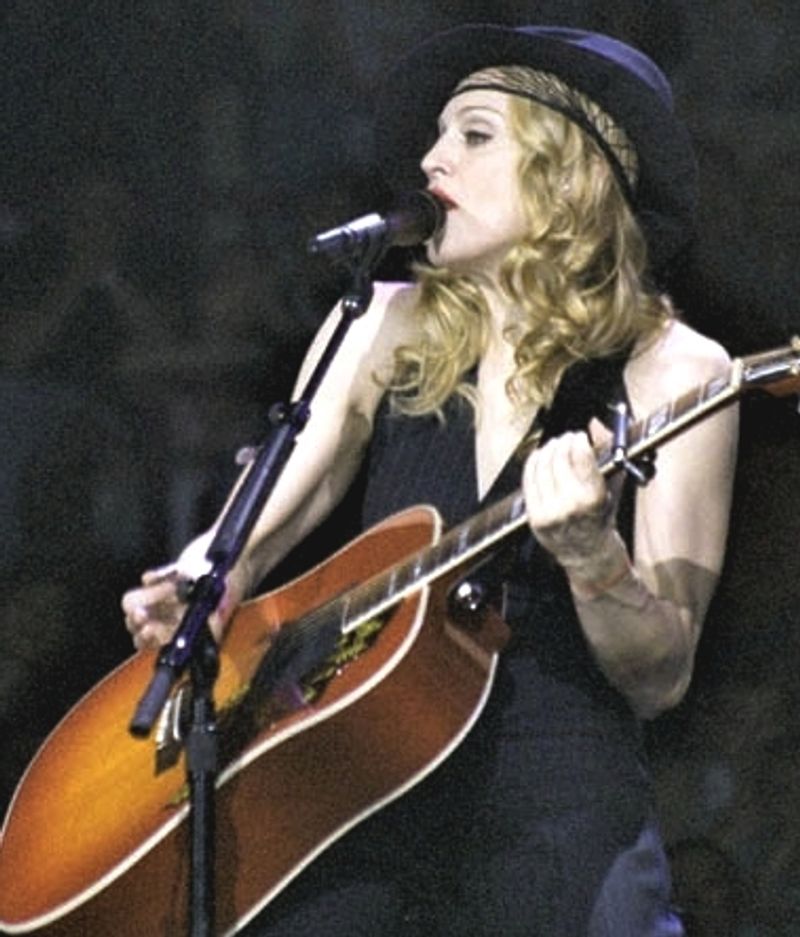
Madonna’s performance of Like a Virgin at the first MTV Video Music Awards in September 1984 became one of the most replayed moments in music television history. She descended from a giant wedding cake in a white lace dress and performed in a way that had little to do with traditional bridal imagery.
The song itself, written by Billy Steinberg and Tom Kelly, reached number one on the Billboard Hot 100 and stayed there for six weeks. Parents found the combination of the title, the lyrics, and the performance deeply concerning, particularly because Madonna’s audience skewed toward teenage girls.
The backlash helped fuel a conversation that eventually led to the formation of the Parents Music Resource Center in 1985. Madonna’s response to criticism was generally to lean further into the controversy. Like a Virgin sold over one million copies in its first week and helped define the visual and commercial template for 1980s pop stardom.
11. Darling Nikki, Prince
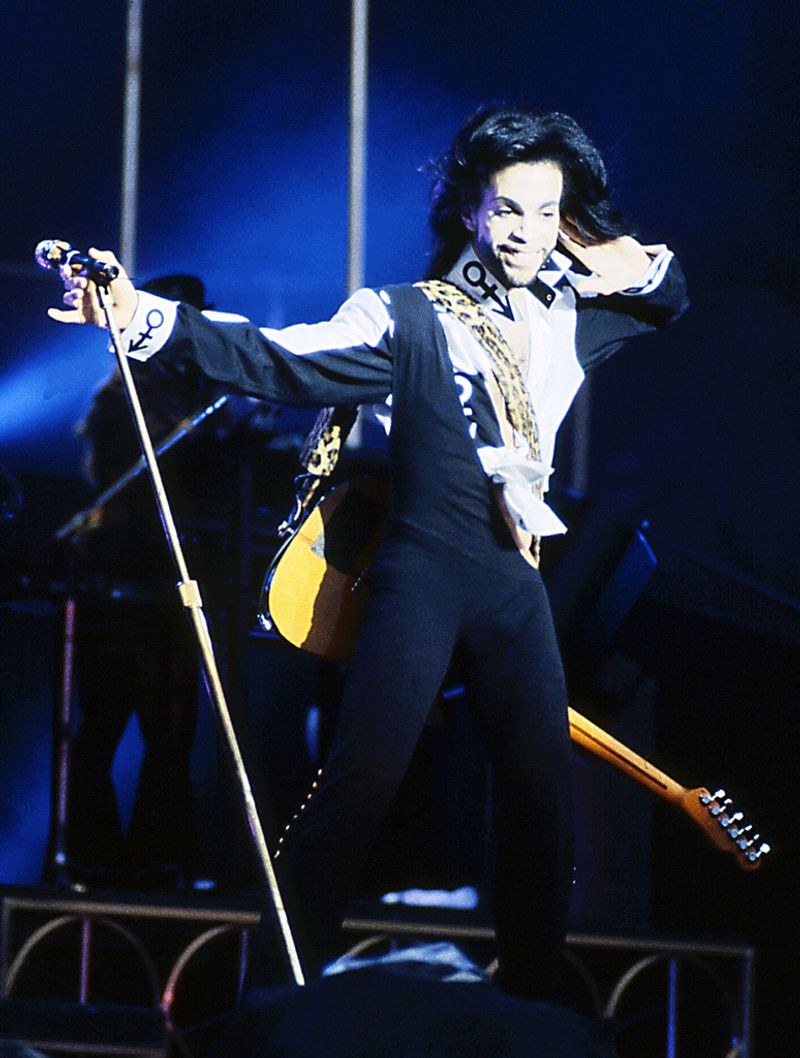
Tipper Gore purchased the Purple Rain album for her 11-year-old daughter in 1984 and was disturbed by the lyrics of Darling Nikki, which opened with an explicit reference to self-pleasure. That moment directly led Gore to co-found the Parents Music Resource Center in 1985 alongside other Washington, D.C. political spouses.
The PMRC compiled a list of 15 songs they considered most objectionable, which became known as the “Filthy Fifteen.” Darling Nikki topped that list. The organization lobbied Congress to require warning labels on music with explicit content, resulting in the now-familiar Parental Advisory sticker that still appears on releases today.
Prince did not change the song or apologize for it. He continued performing it in concert for decades. The Senate hearings on music labeling in September 1985 featured testimony from Dee Snider of Twisted Sister and Frank Zappa, both of whom argued against government involvement in music content regulation.
12. Like a Prayer, Madonna
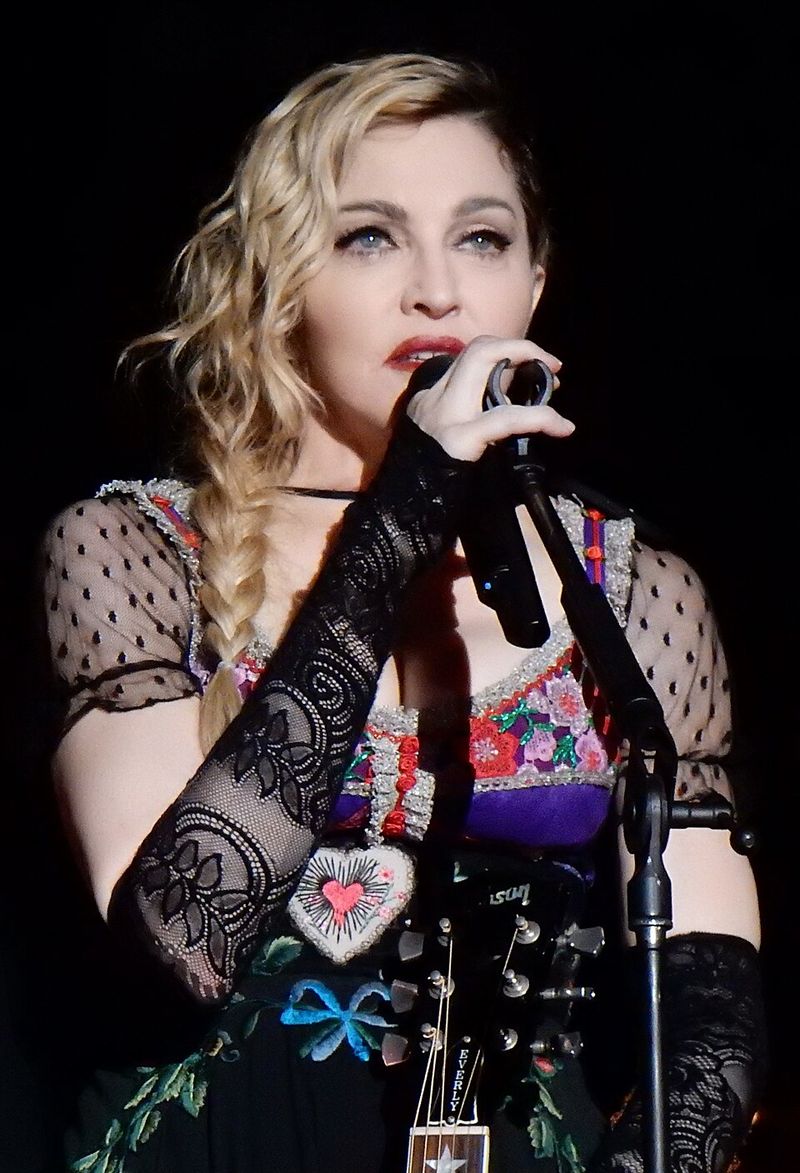
Madonna released Like a Prayer in March 1989 alongside a music video that featured burning crosses, a Black saint figure coming to life, and Madonna receiving stigmata. The Vatican condemned it. Pepsi-Cola, which had signed Madonna to a $5 million endorsement deal and aired a commercial using the song, canceled the contract within 24 hours of the video’s premiere.
Religious organizations across the United States organized boycotts and protests. The American Family Association launched a campaign urging consumers to avoid Pepsi products. Despite the backlash, the song debuted at number one in multiple countries and became one of Madonna’s most critically praised recordings.
Rolling Stone magazine later ranked it among the greatest songs ever made. The controversy demonstrated how a music video could amplify a song’s cultural impact far beyond radio airplay. Madonna kept the video unchanged and has cited Like a Prayer as one of the works she is most proud of.
13. Cop Killer, Body Count
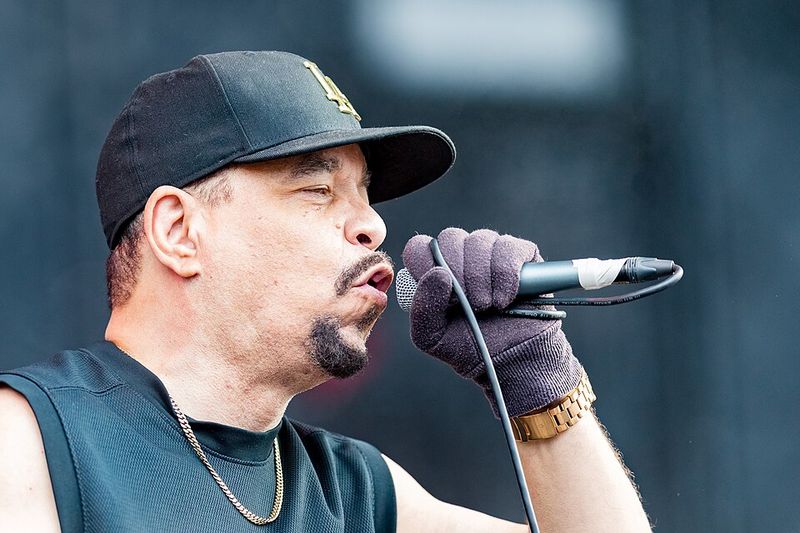
Body Count was the heavy metal side project of rapper Ice-T, and their self-titled 1992 album included a track that generated a response unlike almost anything in music history up to that point. Cop Killer was written from the perspective of someone seeking revenge against police brutality, and law enforcement organizations moved quickly to condemn it.
The Fraternal Order of Police called for a boycott of Time Warner, which owned Sire Records, the label that distributed the album. Several state governors and President George H.W. Bush publicly criticized the recording. Shareholders at Time Warner raised the issue at the company’s annual meeting.
Ice-T ultimately asked that the track be removed from the album voluntarily, stating he did not want his label to face continued pressure over his work. The song was never technically banned but became functionally unavailable. The controversy reshaped discussions about artistic responsibility, corporate pressure, and free speech in the music industry throughout the 1990s.
14. WAP, Cardi B Featuring Megan Thee Stallion
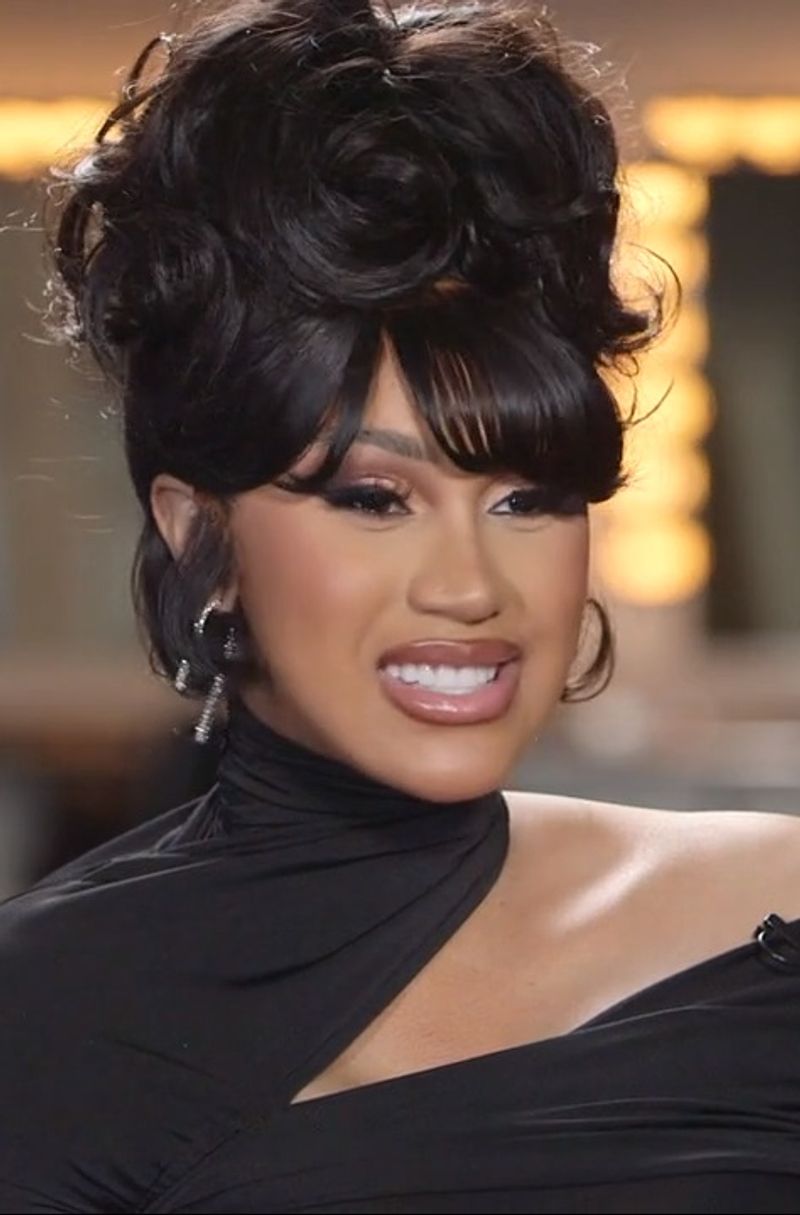
WAP arrived in August 2020 and set a first-week streaming record on Spotify with over 93 million streams in the United States alone. Cardi B and Megan Thee Stallion delivered explicit content with full confidence, and the reaction from parent groups and political commentators was immediate and loud.
Several conservative politicians and commentators made public statements condemning the song. One former congressional candidate claimed the track would cause physical harm to children who heard it. Late-night hosts and cultural critics spent weeks debating whether the outrage was about the content itself or about who was delivering it.
The music video, directed by Colin Tilley, debuted on YouTube and accumulated over 100 million views within days. WAP reached number one on the Billboard Hot 100 and held that position for four weeks. The conversation around it touched on gender, race, artistic freedom, and double standards in how explicit content by women is evaluated compared to similar content by male artists.
Share this story