The Science History Institute in Philadelphia’s Old City turns everyday objects into stories worth knowing. Its exhibits trace how chemistry has shaped everything from plastics and clothing dyes to medicine, food production, and fireworks, revealing the science behind things most people rarely think about.
With free admission and a focus on the discoveries that changed daily life, this museum offers a different perspective from Philadelphia’s better-known attractions. You’ll leave with a new appreciation for the science behind the products and technologies you use every day.
Where History and Science Collide on Chestnut Street
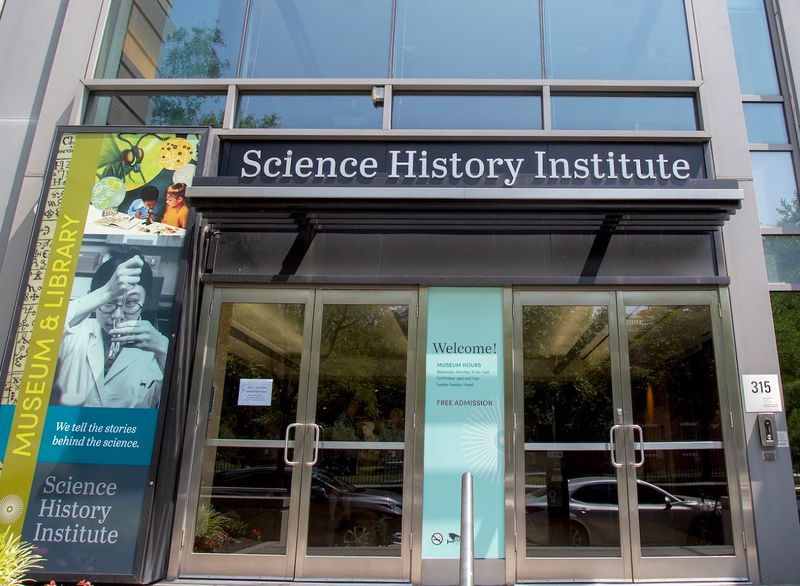
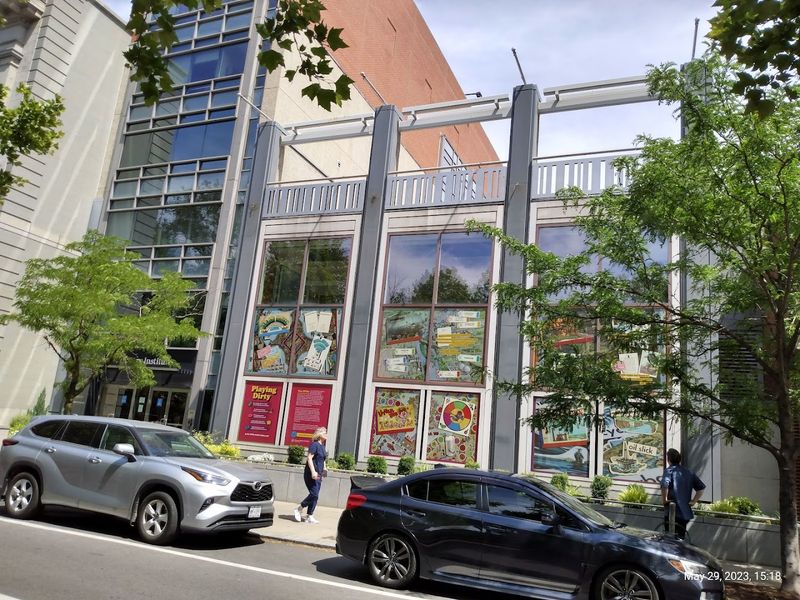
Right in the middle of Old City Philadelphia, at 315 Chestnut Street, Philadelphia, PA 19106, the Science History Institute stands just two blocks from where the Declaration of Independence and the Constitution were signed. That proximity is not a coincidence. Science and democracy grew up together in this city, and the Institute makes that connection feel real and tangible.
The building itself is easy to miss if you are rushing past, but once you step inside, the carefully designed space opens up into something genuinely surprising. The museum is free to visit Wednesday through Saturday, from 10 AM to 5 PM, which makes it an easy addition to any Old City itinerary without any financial stress.
You can reach them at +1 215-925-2222 or visit sciencehistory.org before your trip. The staff at the front desk are known for being warm and genuinely helpful, often pointing out exhibits or tours you might otherwise overlook on your own.
From Alchemy to the Periodic Table: A Surprising Origin Story
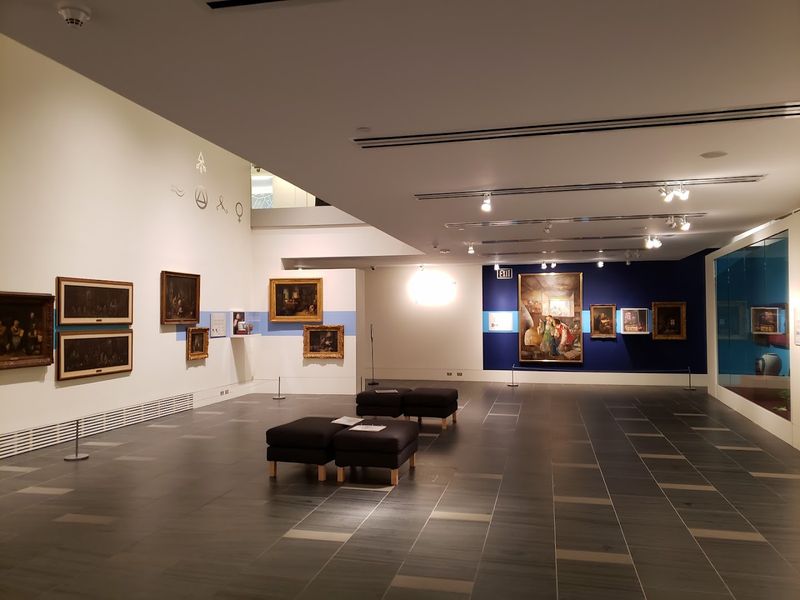
Before chemistry had textbooks and lab coats, it had alchemy, and the Science History Institute takes that history seriously. The museum holds one of the largest collections of alchemy-related artwork in the entire world, featuring beautifully preserved oil paintings that blend scientific curiosity with what looks, at first glance, like pure magic.
Alchemy was the earliest attempt humans made to understand the material world, and the Institute presents it not as a failed fantasy but as a genuine precursor to modern chemistry. Seeing those paintings up close, with their swirling symbols and mysterious imagery, makes you realize how much courage it took to ask big questions before anyone had the right answers.
The exhibit traces a clear line from those early experiments all the way to the periodic table we know today. It is the kind of origin story that makes you look at a chemistry textbook with a whole new level of respect, and maybe even a little awe.
The Object Explorer That Makes Chemistry Actually Fun
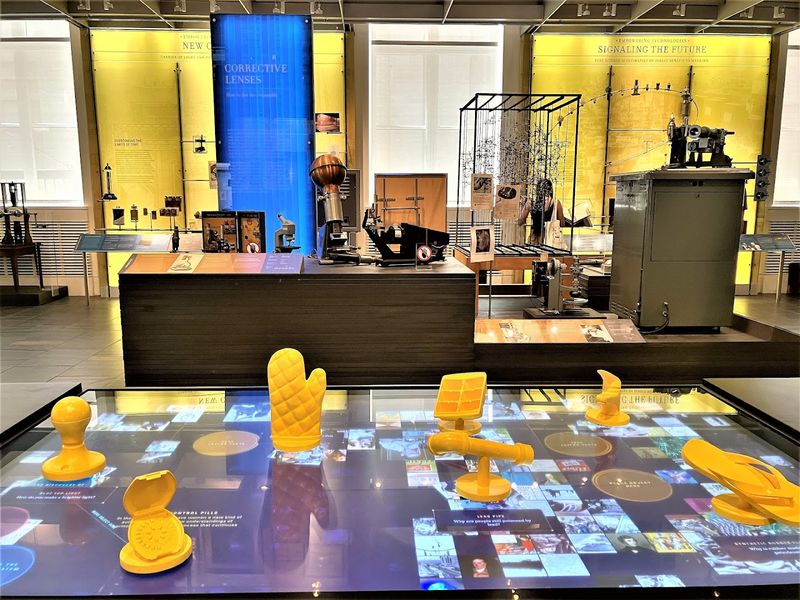
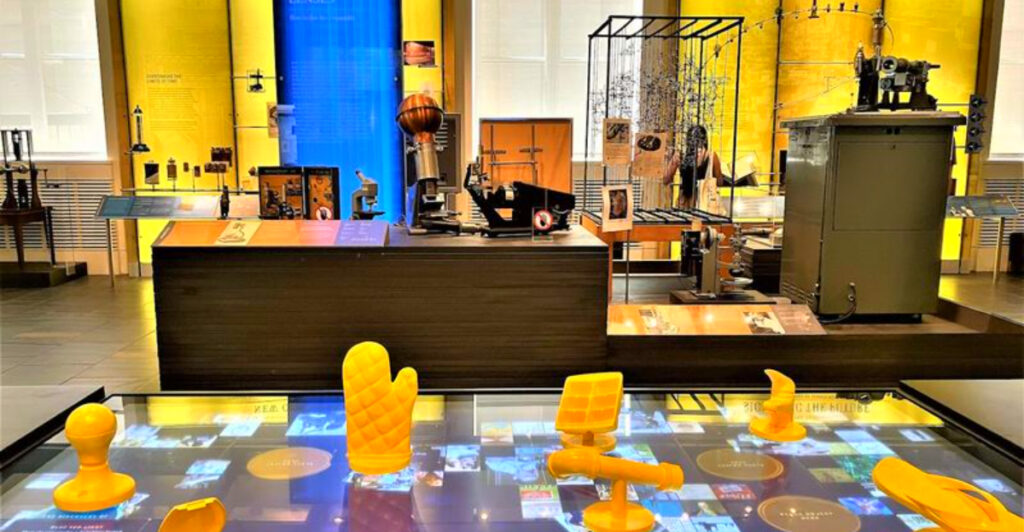
Tucked into the first floor of the museum is one of its most talked-about features: the Object Explorer. These interactive tables invite you to tap, scroll, and explore the hidden science behind everyday objects like LED bulbs, plastic soda bottles, and flip-flops. It sounds simple, but the experience is genuinely eye-opening.
Most people walk through life without ever wondering why a flip-flop bends the way it does or how a plastic bottle holds carbonation without collapsing. The Object Explorer answers those questions in a format that feels more like a game than a lecture, which is exactly why it works so well for both kids and adults.
Visitors who expected to spend thirty minutes in the museum often find themselves still at the interactive tables an hour later, deep into the story of an LED bulb. The exhibit has a way of pulling you in one question at a time, until suddenly you realize you have learned a surprising amount without even noticing.
500 Years of Scientific Inquiry Packed Into One Permanent Exhibition
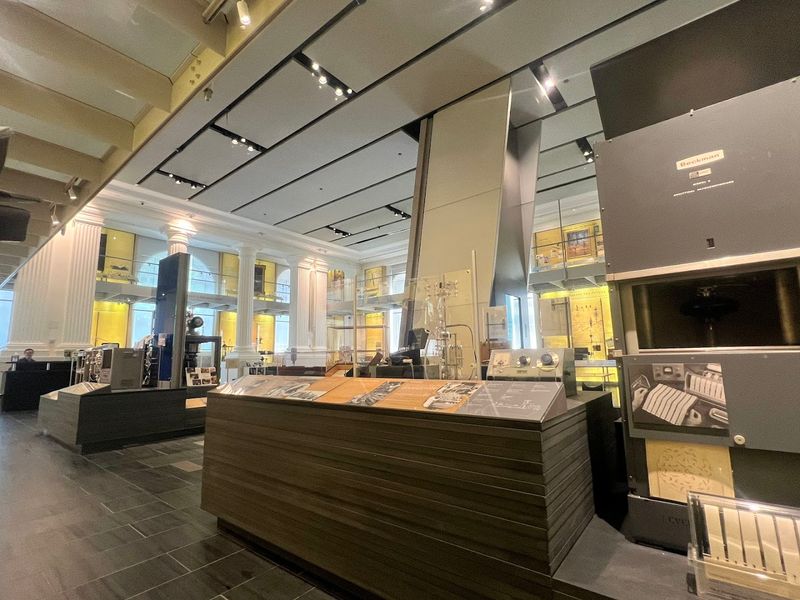
The permanent exhibition at the Science History Institute covers more than five centuries of human curiosity about the material world, and it does so through objects you would never expect to find in a museum. Party dresses, batteries, and radios share space with laboratory instruments and factory records, all telling a connected story about how chemistry shaped the world we live in today.
The exhibition traces scientific progress through laboratories, factories, homes, and classrooms, showing how chemistry contributed to cleaner air, safer food, and more effective vaccines. It is the kind of broad, ambitious storytelling that could easily feel overwhelming, but the curators have organized it in a way that feels natural and easy to follow.
Each object in the display has a story that connects to something in your own daily life, and that personal connection is what makes the exhibition so memorable. By the time you finish walking through it, the world outside the museum looks noticeably different, full of chemistry you never thought to notice before.
Rare Books That Predate Modern Science by Centuries
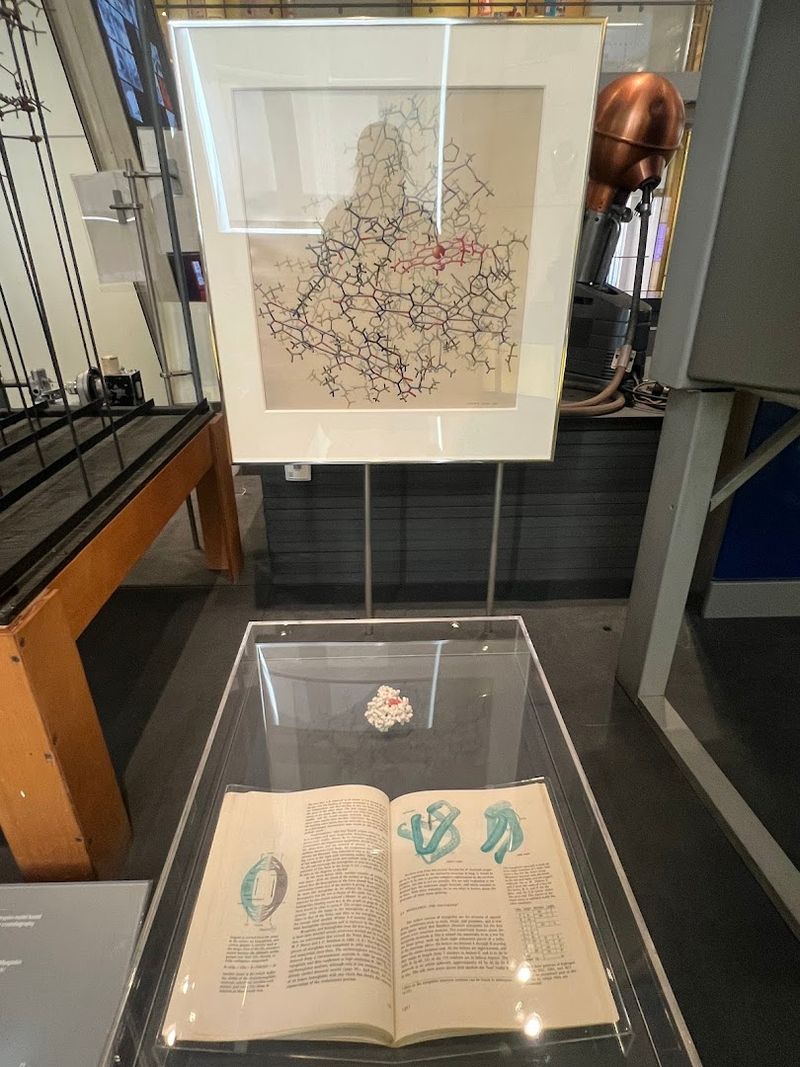
The Othmer Library of Chemical History, housed within the Institute, contains over 160,000 volumes, including more than 7,700 rare books that date back to the 15th century. That means some of these books were written before anyone had a clear idea of what an atom was, and yet they represent the best scientific thinking of their time.
Seeing a book that old, filled with handwritten notes and diagrams from a scientist who lived centuries ago, is a genuinely humbling experience. These were real people trying to make sense of the world with the tools and knowledge available to them, and their efforts eventually led to everything from modern medicine to the materials in your smartphone.
The library also holds personal papers from prominent scientists, corporations, and institutions, including the historical archives of Dow Chemical and Rohm and Haas. Research fellows from around the world come specifically to access these materials, making the Othmer Library one of the most significant resources for science history scholarship in the United States.
The Surprising Link Between Chemistry and Women’s Fashion
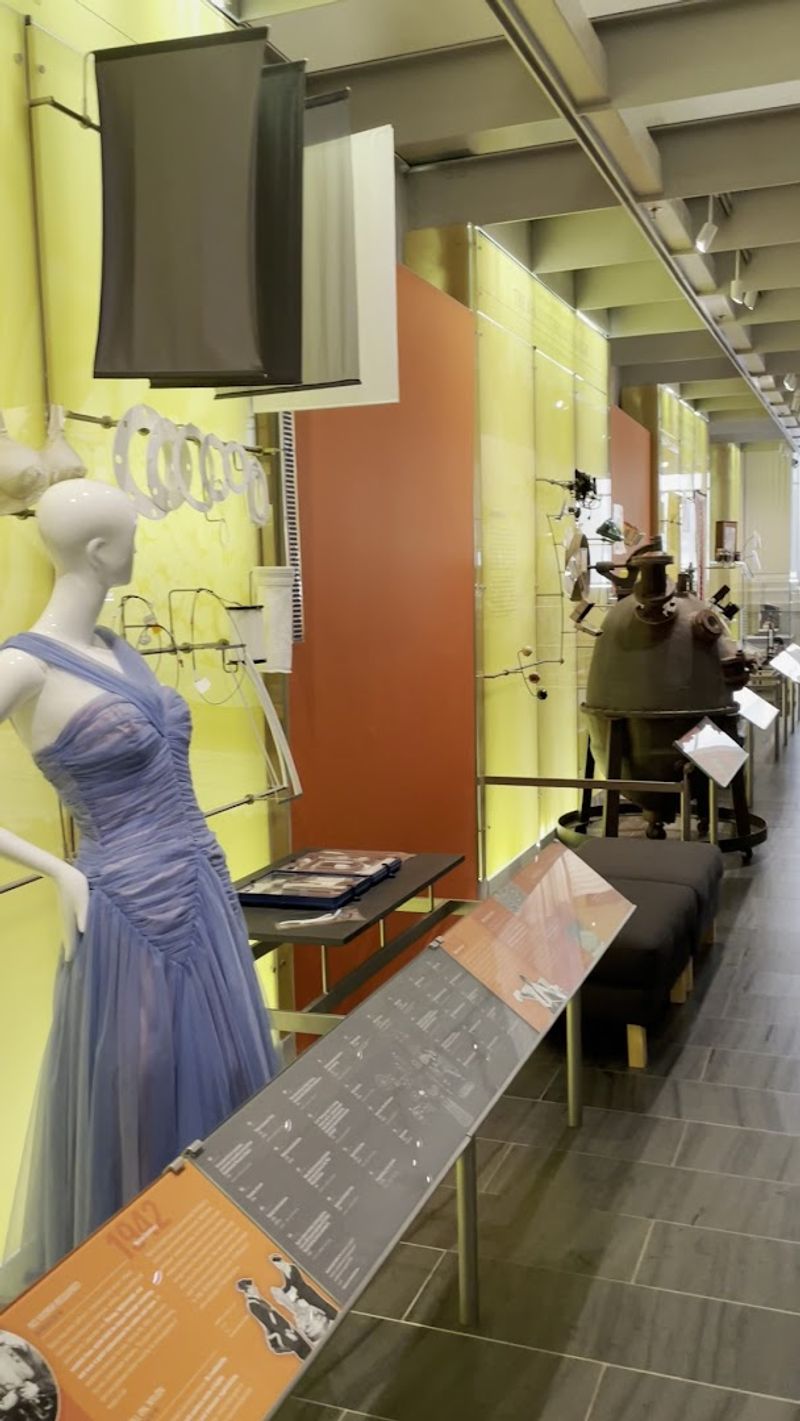
One of the most unexpected revelations inside the Science History Institute is the deep connection between chemistry and women’s clothing. Synthetic dyes, developed through chemical research in the 19th century, completely transformed the fashion industry by making vibrant colors affordable and accessible for the first time in history.
Before synthetic dyes existed, colors like purple and bright red were extraordinarily expensive to produce, reserved almost entirely for royalty and the very wealthy. A single chemical breakthrough changed that almost overnight, flooding the market with colors that had previously been out of reach for most people.
The museum presents this story in a way that connects scientific discovery to real social change, showing how a laboratory experiment can ripple outward and reshape something as personal as what people choose to wear. It is one of those facts that seems almost too dramatic to be true, but the evidence is right there in the exhibit, vivid and undeniable. The story of synthetic dyes alone is worth the visit.
Fireworks, Water, and School Lunches: The Rotating Exhibitions
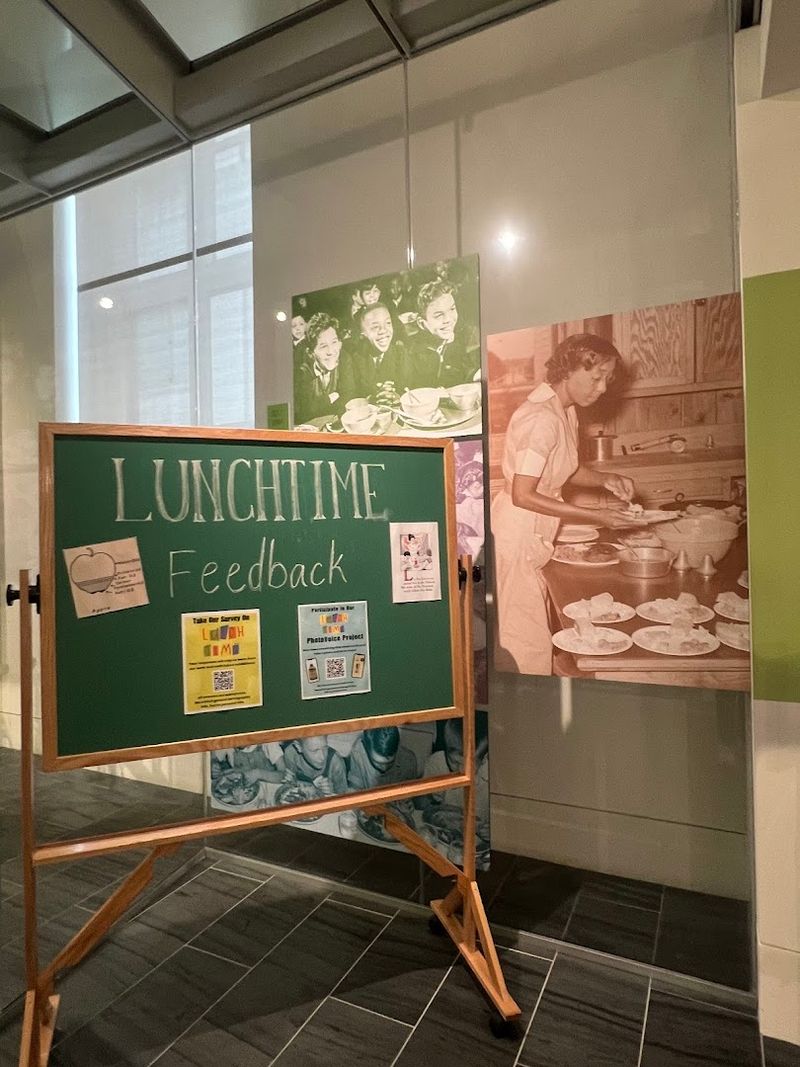
Beyond the permanent collection, the Science History Institute regularly hosts rotating temporary exhibitions that tackle topics you would never expect to find in a science museum. Past exhibitions have explored the chemistry behind fireworks, the history of water analysis in Philadelphia, synthetic dyes, and even school lunch programs, each one revealing science hiding in plain sight.
The fireworks exhibition, titled Flash Bang Boom: A History of Fireworks, is a crowd favorite that breaks down the precise chemical reactions behind every burst of color in the night sky. The water exhibition, called Downstream, traces how Philadelphia has managed and protected its water supply over centuries, with a clear-eyed look at what still needs to improve.
Earthly Matters, another rotating exhibition, features a collection of minerals that explores human curiosity about the material world in a deeply visual way. The rotating schedule means that repeat visitors almost always find something new to discover, and the topics are chosen to connect science to experiences everyone can recognize from their own lives.
Over 500 Works of Fine Art in a Science Museum
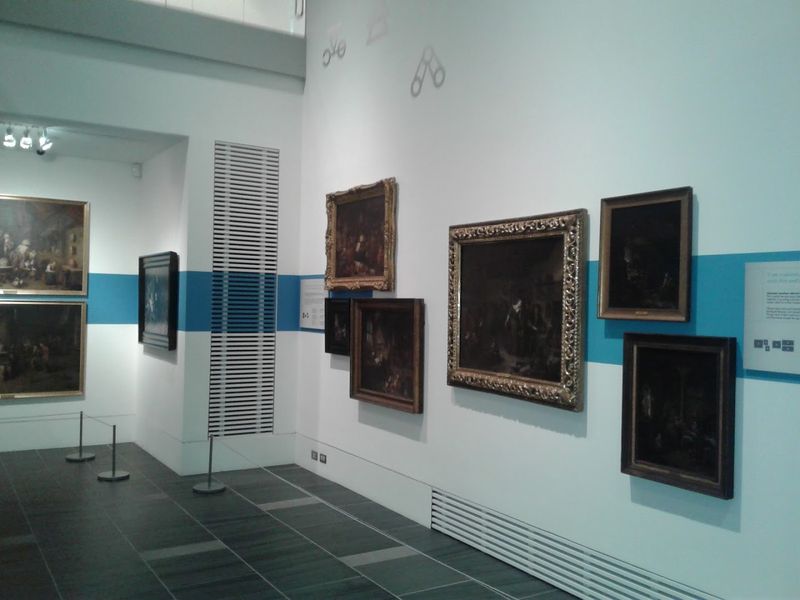
Not many science museums can claim a collection of more than 500 works of fine art, but the Science History Institute is not a typical science museum. The art collection here is not decorative filler. It is a core part of the museum’s argument that science and art have always been deeply connected, feeding each other’s curiosity and creativity across centuries.
The alchemy paintings alone are striking enough to stop you mid-step, with their rich colors and strange symbolic imagery that feels equal parts mysterious and beautiful. There is also a small gallery space in the back of the museum where rotating art exhibitions are displayed, offering a quieter, more contemplative corner of the building.
The combination of scientific instruments and fine art displayed side by side is one of the things that makes this museum feel genuinely different from anything else in Philadelphia. Science here is presented as a human endeavor, shaped by imagination and culture just as much as by data and experiments, and the art collection makes that case powerfully.
Research Fellowships That Make This Place More Than Just a Museum
The Science History Institute is the largest grantor of research fellowships for the history of science in the United States, which tells you something important about how seriously this institution takes its mission. Scholars from around the world come here specifically to access the archives, the rare books, and the personal papers of scientists and corporations that are held in the Othmer Library.
Fellowship programs support researchers working on topics that range from the history of pharmaceutical chemistry to the environmental impact of industrial processes. The presence of these scholars gives the museum an intellectual energy that you can actually feel when you visit, a sense that the questions being asked here genuinely matter beyond the walls of the building.
The Institute also hosts conferences and public lectures that bring cutting-edge historical research to general audiences, not just academic ones. That commitment to sharing knowledge widely, rather than keeping it locked in a library, is a big part of what makes the Science History Institute feel like a living, breathing institution rather than just a collection of old things.
Distillations: The Magazine and Podcast You Did Not Know You Needed
The Science History Institute produces a publication and podcast called Distillations, which extends the museum’s storytelling far beyond its physical walls. The podcast covers topics like the history of synthetic biology, the science behind everyday products, and the social and political forces that have shaped scientific progress over centuries.
Episodes are well-researched, genuinely engaging, and written for curious people who do not necessarily have a science background. Listening to a few episodes before your visit is a great way to arrive at the museum already primed with context and questions, which makes the exhibits hit noticeably harder.
The online magazine version of Distillations covers similar ground in long-form written articles, many of which are accompanied by archival photographs and illustrations from the Institute’s own collections. It is the kind of content that is easy to fall into on a lazy afternoon and come out of an hour later feeling genuinely smarter. The podcast back catalog alone is a rabbit hole worth exploring well before your trip to Philadelphia.
Hands-On Activities That Work for Every Age Group
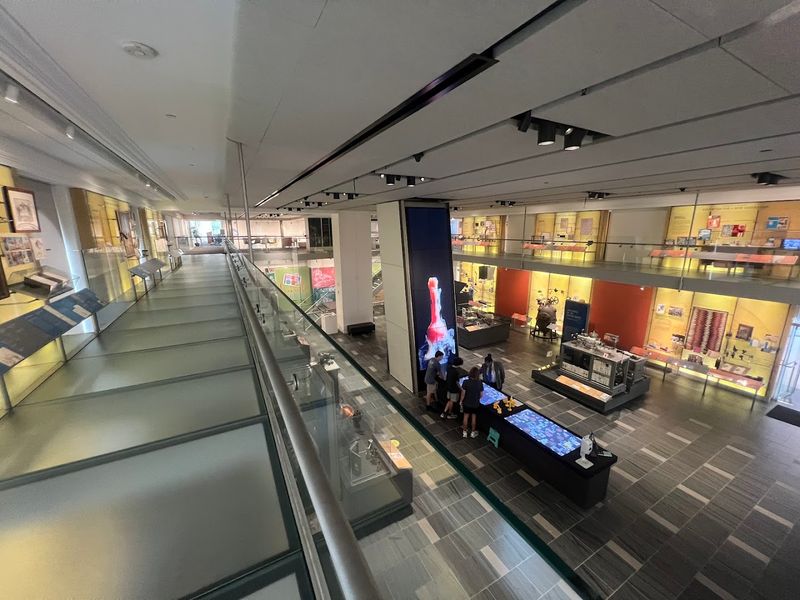
One of the most practical things to know before visiting the Science History Institute with younger travelers is that the museum has genuinely thought about how to keep kids engaged. There is a dedicated hands-on section where children can touch objects, color, read, and participate in activities designed to make science feel approachable rather than intimidating.
A scavenger hunt is also available, though it is worth asking for it at the front desk rather than waiting to stumble upon it near the exit, which is apparently a common mistake. The interactive first-floor tables work well for a wide range of ages, and the museum’s overall layout allows families to move at their own pace without feeling rushed or crowded.
Staff members are consistently described as helpful and enthusiastic, often offering guided tours that add real depth to what you are seeing. The coat check near the entrance is a small but welcome detail, especially during Philadelphia’s colder months when managing layers can make any museum visit more comfortable from the start.
A Free Museum That Keeps Delivering Reasons to Return
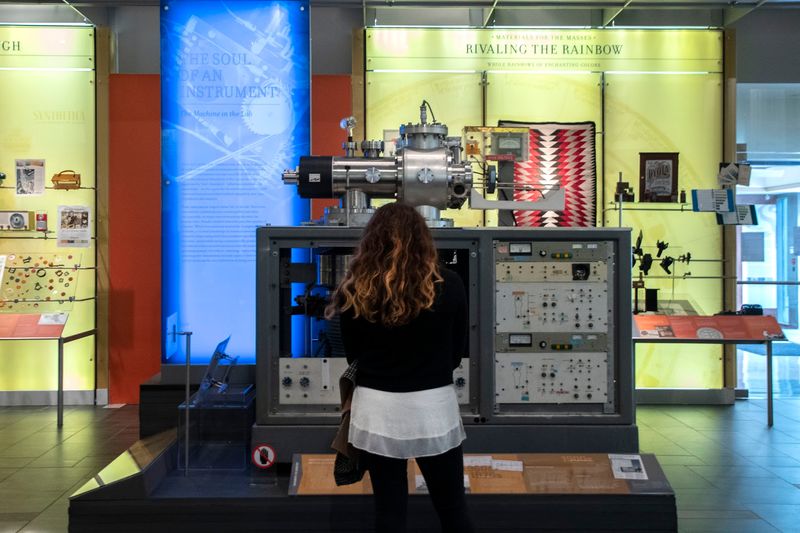
Free admission is not something every world-class museum can offer, but the Science History Institute manages it while maintaining a collection and exhibition quality that rivals institutions many times its size. The museum is open Wednesday through Saturday, 10 AM to 5 PM, and the no-cost entry means there is no pressure to rush through everything in a single visit.
The rotating exhibitions, the research programs, the podcast, and the constantly evolving digital collections all give visitors genuine reasons to return more than once. Many people who visit for the first time describe spending far longer than they planned, drawn deeper into exhibits they expected to glance at briefly.
It is a museum that respects your curiosity, challenges your assumptions about what science is and where it comes from, and sends you back out onto Chestnut Street looking at the ordinary world with a little more wonder than when you arrived.
Share this story