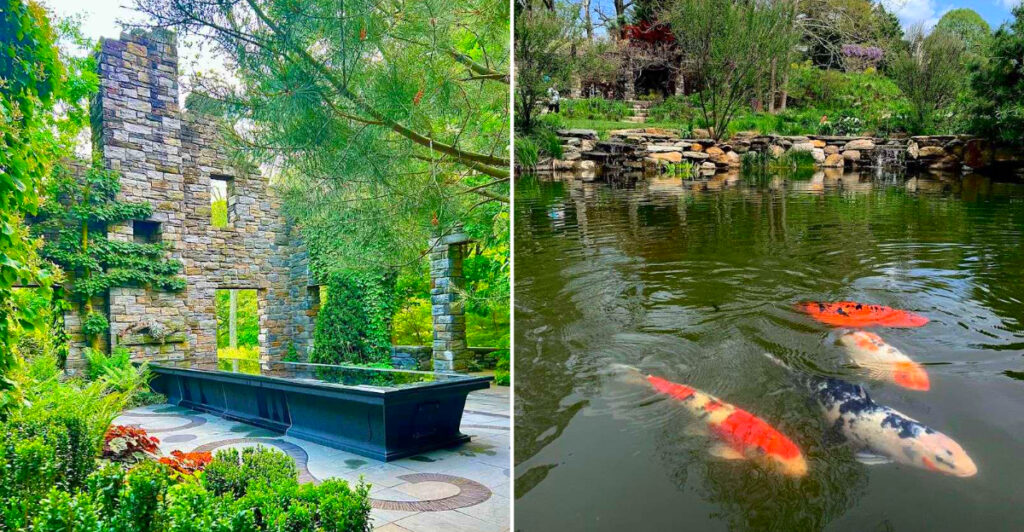
Chanticleer is unlike a typical botanical garden. Instead of formal displays, you’ll find hand-built bridges, stone ruins, koi ponds, meadows, and creative plantings that change with the seasons, making every visit feel a little different.
Just outside Philadelphia, this former estate has earned a loyal following for its thoughtful design and relaxed atmosphere. Whether you’re a serious gardener or simply looking for a peaceful place to explore, Chanticleer offers plenty of reasons to slow down and see what makes it so memorable.
Where It All Begins: The Address and Setting
Chanticleer sits at 786 Church Rd, Wayne, PA 19087, right in the heart of Delaware County, just outside Philadelphia. The address sounds ordinary enough, a suburban road lined with houses, but the moment you turn into the property, the surrounding neighborhood feels like a distant memory.
The grounds occupy roughly 48 acres, which sounds large on paper but feels surprisingly intimate once you are walking through it. The layout is clever. Rather than one sweeping open lawn, the space is divided into distinct areas, each with its own character and mood.
The parking lot itself, as several visitors have noted, is already beautiful, which tells you a great deal about the level of care applied here. The garden is open Thursday through Sunday and on Wednesdays from 10 AM to 5 PM, and closed Monday and Tuesday. A parking reservation made online in advance is required on certain days, so checking the website at chanticleergarden.org before your visit is a smart first step.
The Story Behind the Name: A History Worth Knowing
The name Chanticleer comes from the proud rooster in the medieval fable, a creature known for crowing with confidence and flair. It is a fitting name for a garden that has never been shy about its own personality.
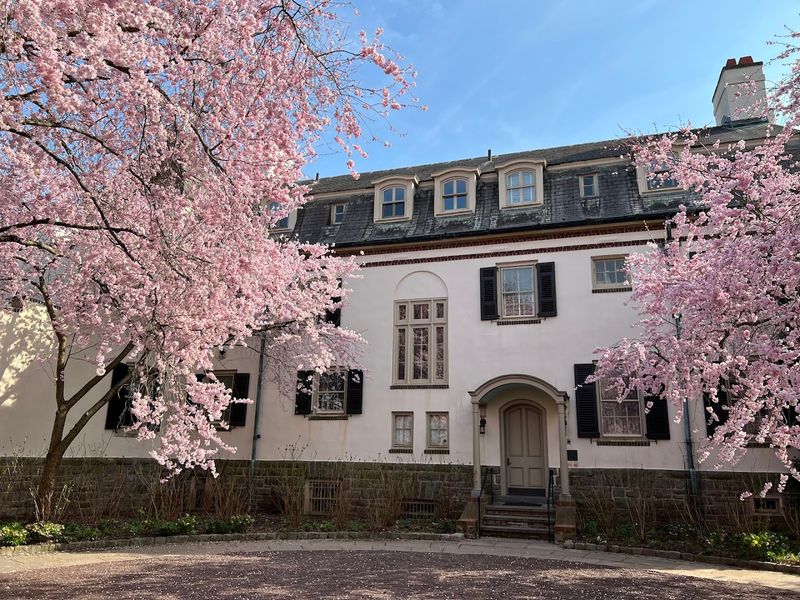
The property was originally the country home of Adolph Rosengarten Jr., a Philadelphia businessman whose family made their fortune in pharmaceuticals. The Rosengartens used the estate as a private retreat, and the main house, along with several smaller buildings, shaped the bones of what the garden would eventually become.
After Adolph Rosengarten Jr. passed away in 1990, he left the estate as a public garden in his will, a generous act that transformed a private luxury into a shared treasure. The nonprofit that now manages Chanticleer has stayed true to his vision while pushing it further than he may have ever imagined. The history gives the place a grounded, personal feeling that larger institutions sometimes lack.
What Makes It a Pleasure Garden and Not Just a Park
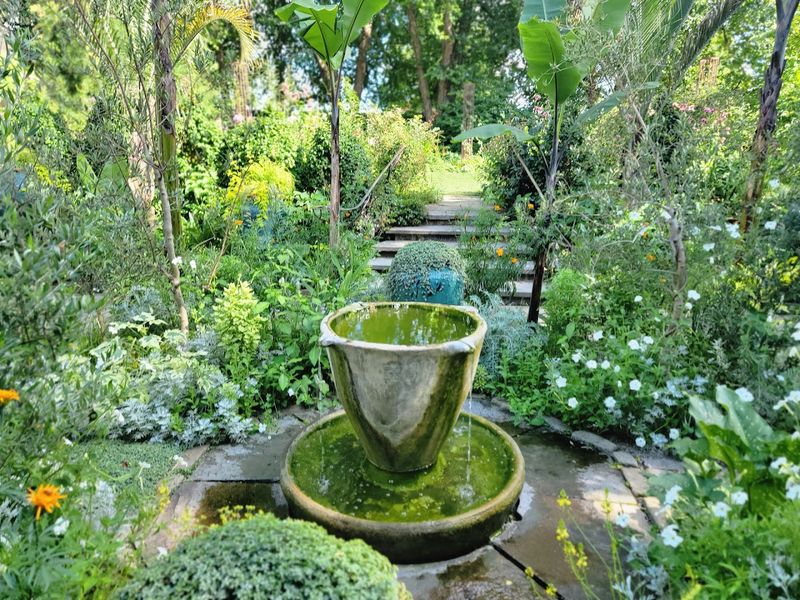
The phrase pleasure garden has a specific meaning here, and it is worth unpacking. This is not a park where you jog past a few flower beds. The entire design philosophy at Chanticleer centers on engaging your senses and sparking genuine enjoyment at every turn.
Horticulture at Chanticleer is treated as an art form. The staff horticulturists are not just maintaining plants; they are making creative decisions about color, texture, form, and mood. Foliage often takes center stage over flowers, which means the visual interest does not disappear when blooms fade.
There is also a strong sense of wit woven through the design. Unexpected plant combinations sit next to sculptural elements that make you smile. A bold tropical leaf next to a delicate fern, a mossy stone path leading to a surprisingly whimsical corner, these are choices made by people who think about gardens the way a painter thinks about a canvas. That intentionality is exactly what separates this place from a pleasant public lawn.
The Ruin Garden: Ancient Atmosphere Built From Scratch
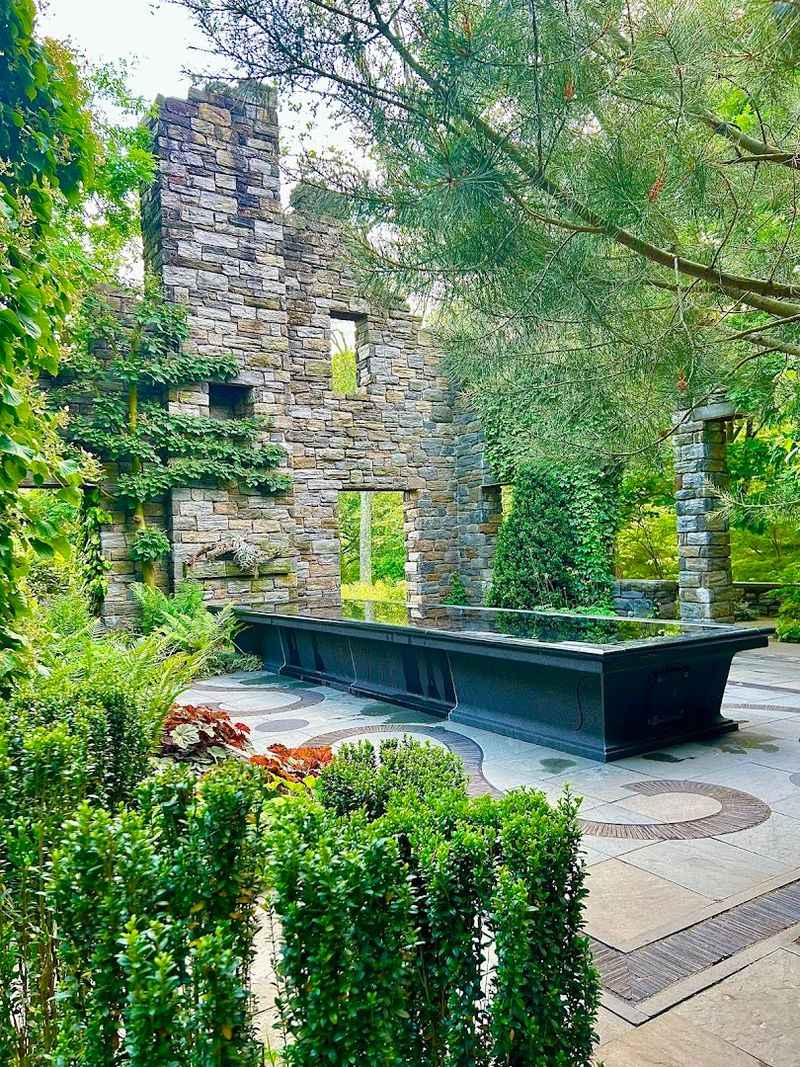
One of the most dramatic spots on the property is known simply as The Ruin. It occupies the footprint of a former house that was demolished, and instead of filling that space with a new structure or a tidy lawn, the garden team did something far more interesting.
They built a structure designed to look like the weathered remains of an ancient castle. Stone walls rise at irregular heights, draped in climbing vines and softened by plants that appear to be reclaiming the space from the inside out. The effect is genuinely theatrical without feeling fake.
The Ruin works because it plays with time in a way that feels honest. It does not pretend to be a real ruin, but it does invite you to imagine one. The planting inside the walls is thoughtfully layered, with shade-loving species tucked into corners and sun-loving climbers reaching toward the open sky above. Few garden features anywhere in the region create quite the same atmospheric punch as this one does on a quiet morning visit.
Handcrafted Details That Set This Garden Apart
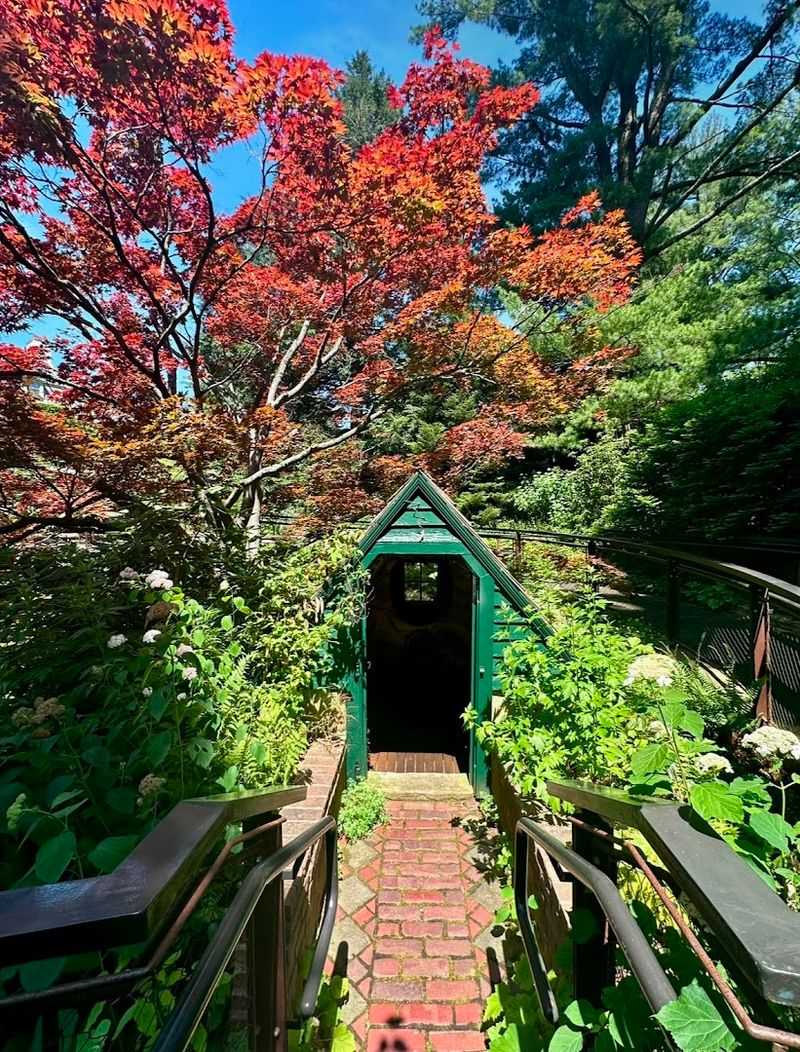
Something that surprises nearly every first-time visitor is learning that many of the decorative elements throughout the garden were made by the staff themselves. The carved wooden benches, the sculpted metal railings, the quirky drinking fountains, all of it comes from the hands of the people who tend the plants.
This is not a small detail. It means that the artistic vision of the garden extends beyond the beds and borders into every object you interact with. The bridge, which many visitors cite as a personal favorite, features railings with intricate metalwork that rewards a close look.
Chairs and benches are scattered throughout the property in generous numbers, including shaded spots that are genuinely comfortable for a long rest. The furniture does not feel like an afterthought dropped in from a garden supply catalog. Each piece feels considered, placed with the same care as a sculpture in a gallery. That attention to the small things is part of what earns this garden its near-perfect rating and keeps people coming back season after season.
Garden Rooms That Each Feel Like a Different World
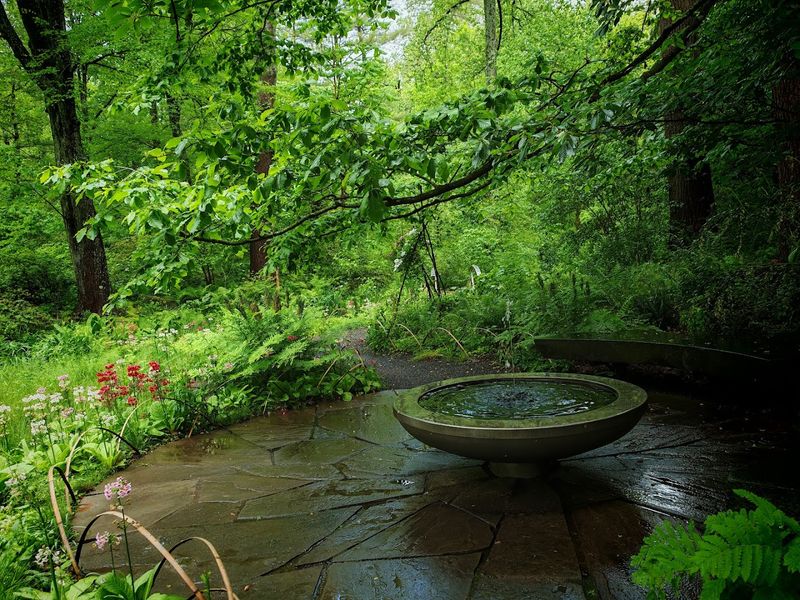
One of the smartest design choices at Chanticleer is the concept of garden rooms. Rather than one continuous open landscape, the property is organized into distinct areas, each with its own planting palette, light quality, and emotional tone.
You might move from a sun-drenched terrace bursting with bold tropical foliage directly into a cool, moss-lined woodland path where the temperature drops noticeably. A few steps later, a meadow opens up with grasses swaying and pollinators buzzing, and then a formal water garden appears around the next corner.
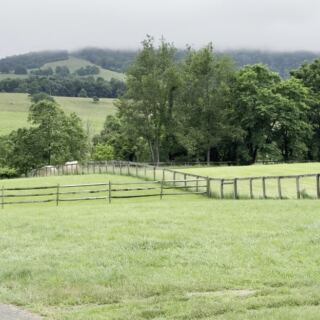
This variety keeps the experience fresh and prevents the fatigue that can set in at larger, more uniform gardens. Children find it particularly engaging because every new area feels like a discovery rather than more of the same. The transitions between rooms are handled with skill, using hedges, changes in elevation, or simply a shift in plant height to signal that you are crossing into somewhere new. The whole experience has the momentum of a good story that keeps revealing new chapters.
The Koi Pond and Water Features Worth Seeking Out

Water has a particular power in a garden, and Chanticleer uses it well. The koi pond is one of the most popular spots on the property, drawing visitors of all ages to crouch down and watch the fish move through the clear water below.
The pond is not just a pretty feature dropped into a corner. The surrounding plantings are chosen to complement the reflective surface, with textures and colors that look as good in the water’s reflection as they do in person. On a calm morning, the effect is quietly stunning.
Beyond the koi pond, water appears in other forms throughout the garden, including small channels, decorative fountains, and carefully placed basins that catch light in different ways depending on the time of day. The staff-made drinking fountains mentioned by visitors are part of this water theme, functional but also beautifully crafted. If you visit with young children, budget extra time at the pond because prying them away from watching the koi tends to take longer than expected.
Vegetables and Edible Plants Woven Into the Beauty
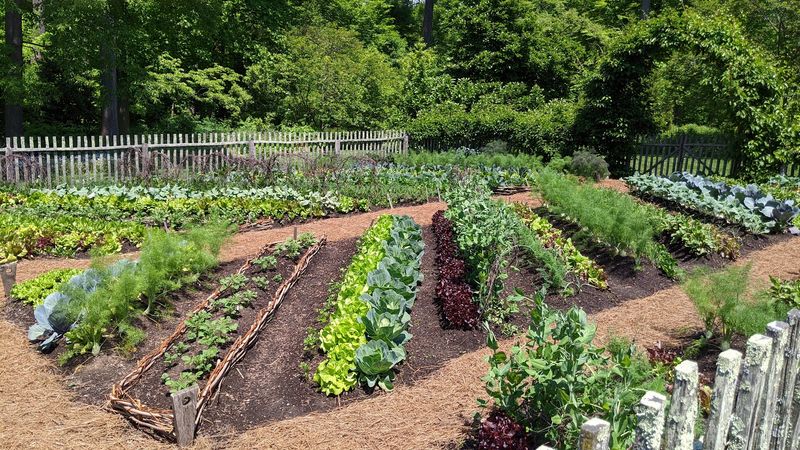
Not many ornamental gardens make room for vegetables, but Chanticleer does, and the result is one of the most charming surprises the property has to offer. Edible plants are woven directly into the decorative beds rather than hidden away in a separate utilitarian plot.
Kale with its purple-tinged leaves sits beside ornamental grasses. Scarlet runner beans climb a trellis next to flowering perennials. The effect is both beautiful and thought-provoking, quietly suggesting that the line between useful and decorative is mostly one we invented ourselves.
For home gardeners, this part of the garden is a genuine source of inspiration. Seeing how vegetables can contribute texture, color, and structure to a mixed planting opens up a whole new way of thinking about what belongs in a backyard. The garden does not label every plant with a lecture, but the combinations speak clearly enough on their own. This is one of the sections that rewards a slow, curious walk rather than a quick pass-through.
Seasonal Changes That Make Every Visit Feel New
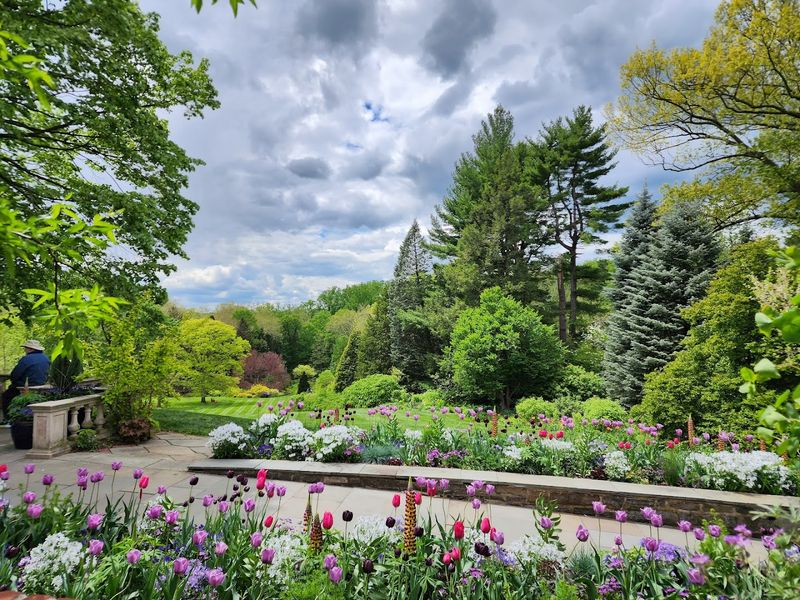
A garden that looks the same every time you visit is a garden you eventually stop visiting. Chanticleer has been designed with the full calendar in mind, and the experience shifts dramatically depending on when you arrive.
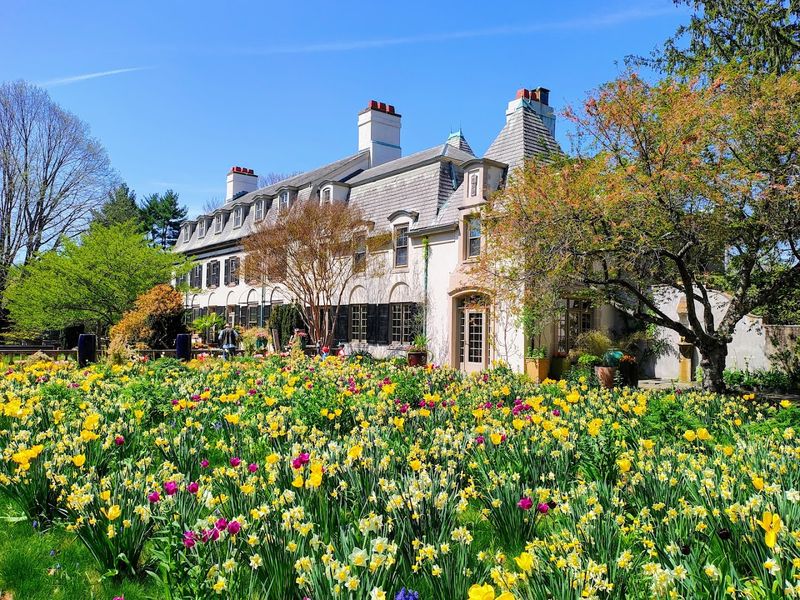
Spring brings tree peonies that reportedly peak around Mother’s Day weekend, a display that draws repeat visitors specifically for that window. Early April offers a rush of bulbs and fresh foliage that feels almost electric after a gray winter. Summer leans into bold tropical plantings and lush textural combinations that thrive in the heat.
Autumn brings a different kind of beauty, with grasses catching low light and seed heads adding architectural interest to the beds. Even the early morning hours carry their own mood, with mist sitting low over the meadow areas and the garden feeling almost private before the crowds arrive. The timed entry system helps keep each time slot from feeling overwhelming, which means the atmosphere stays peaceful regardless of season. Return visits are not just encouraged here; they are practically required.
Practical Tips for Planning Your Visit
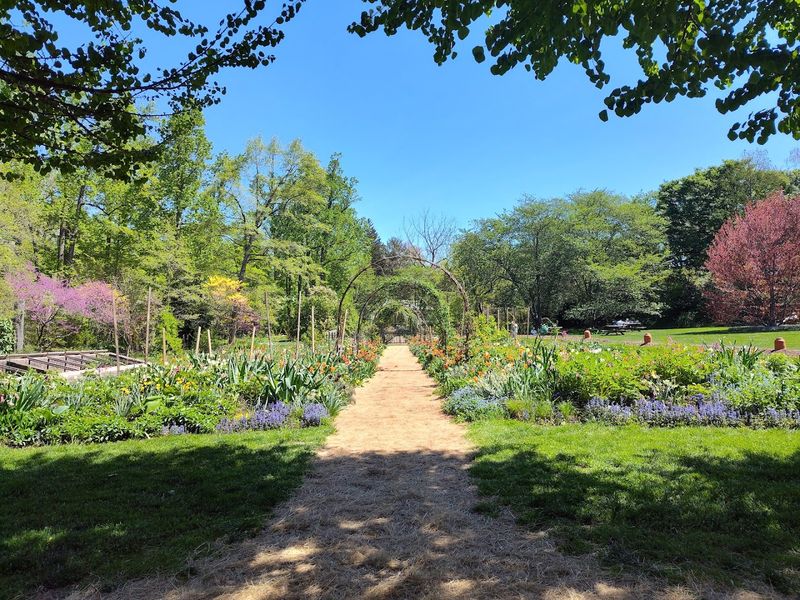
A few logistical details can make the difference between a smooth visit and a frustrating one at Chanticleer, so it pays to plan ahead. The garden is open Wednesday through Sunday from 10 AM to 5 PM and is closed on Mondays and Tuesdays.
Parking reservations are required on certain days and must be made online before you arrive. The garden’s website at chanticleergarden.org is the best place to check current requirements and book your spot. Admission pricing is considered very reasonable by most visitors, and timed entry slots help keep the garden from feeling crowded.
Food is not sold on the premises, but picnicking is warmly encouraged. Bringing a packed lunch and settling onto one of the many benches or picnic areas is genuinely one of the better ways to spend an afternoon here. The staff are consistently described as warm, knowledgeable, and happy to answer questions, so do not hesitate to ask them about specific plants or areas. Plan for at least two hours, though many visitors find themselves staying longer than they expected.
Why the 4.9-Star Rating Actually Makes Sense
A 4.9 out of 5 stars from over 1,400 reviews is the kind of rating that makes you skeptical before you visit and a true believer afterward. The consistency of the praise across those reviews is what stands out most.
Visitors describe it as superior to larger and more famous gardens in the region, and the reasons they give are specific: it feels less formal, more personal, more surprising. The limited admission slots mean it never feels like a theme park. The handcrafted details mean it never feels mass-produced.
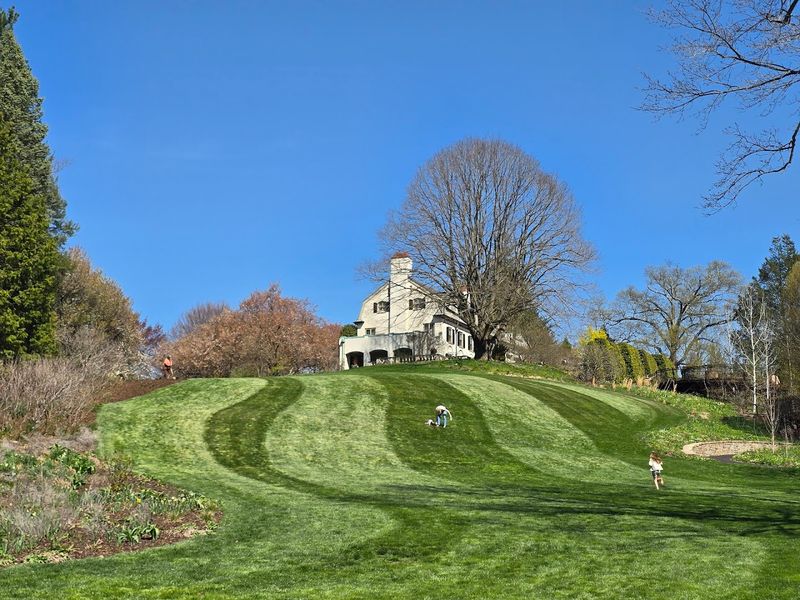
The garden earns its rating not through scale or spectacle but through the accumulation of hundreds of small, thoughtful decisions made by people who clearly love what they do. The rolling mini-meadow where children run freely, the carved bridge that stops adults mid-stride, the perfectly placed bench in the shade of an old tree, none of these things happen by accident. Together, they add up to an experience that feels both effortless and deeply considered, which is perhaps the hardest thing to achieve in any creative field.
A Living Work of Art That Keeps Evolving
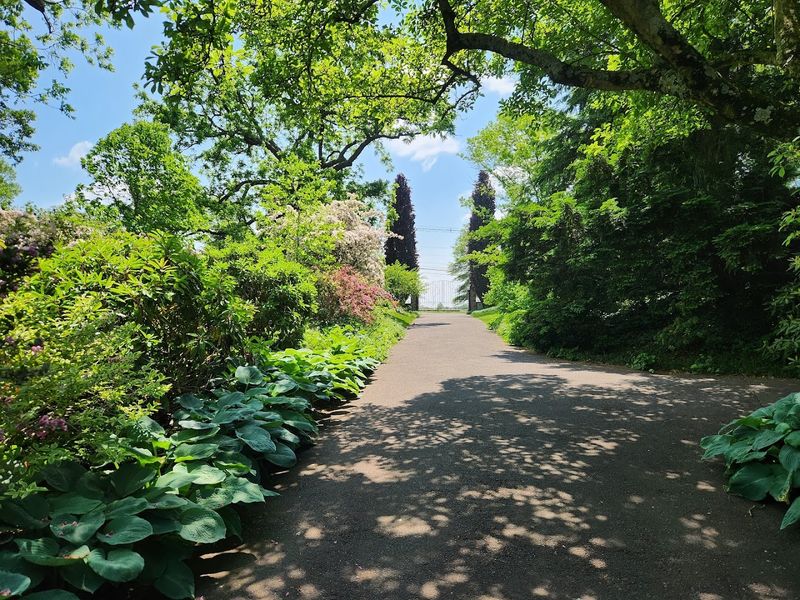
The phrase living work of art gets used loosely sometimes, but at Chanticleer it describes something real and specific. The garden is not a fixed design that was installed once and maintained ever since. It is continuously evolving, with the horticulturists making new combinations, introducing unexpected plants, and rethinking areas that have run their course.
This means the garden in 2025 is not identical to the one that existed five years ago, and the one five years from now will be different again. That ongoing creativity is part of what makes repeat visits feel worthwhile rather than redundant.
The artistic ambition here goes beyond aesthetics. There is a genuine philosophy at work, one that values imagination, wit, and the sensory experience of being in a carefully considered outdoor space.
Share this story