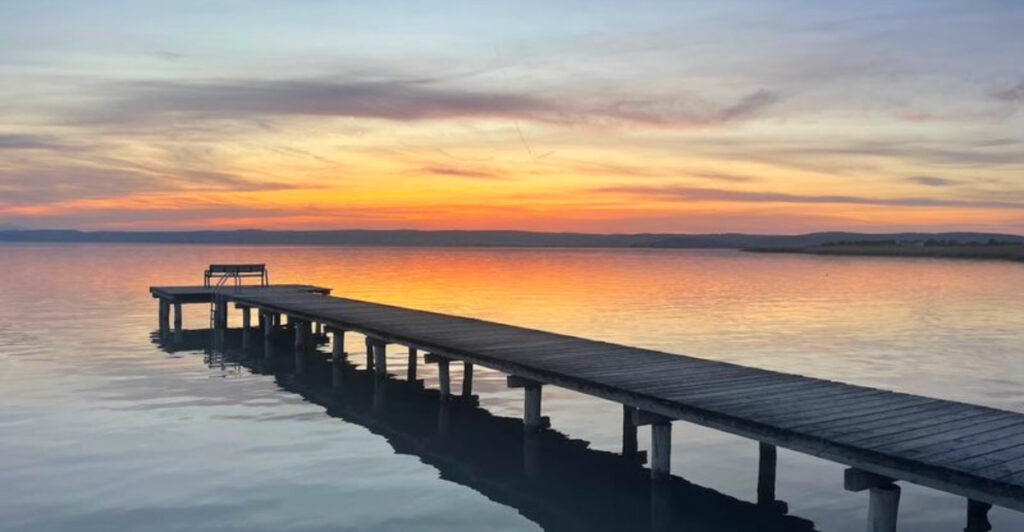
Central Europe has a way of looking its absolute best when summer rolls in. Alpine lakes turn a brilliant shade of turquoise, medieval castle towns fill with laughter and the smell of fresh coffee, and mountain trails finally open up for long, sun-soaked adventures.
Whether you’re into swimming, hiking, history, or just wandering cobblestone streets with an ice cream in hand, this part of the world delivers. Here are 15 stunning places across Central Europe that truly come alive in summer.
Lake Bled, Slovenia
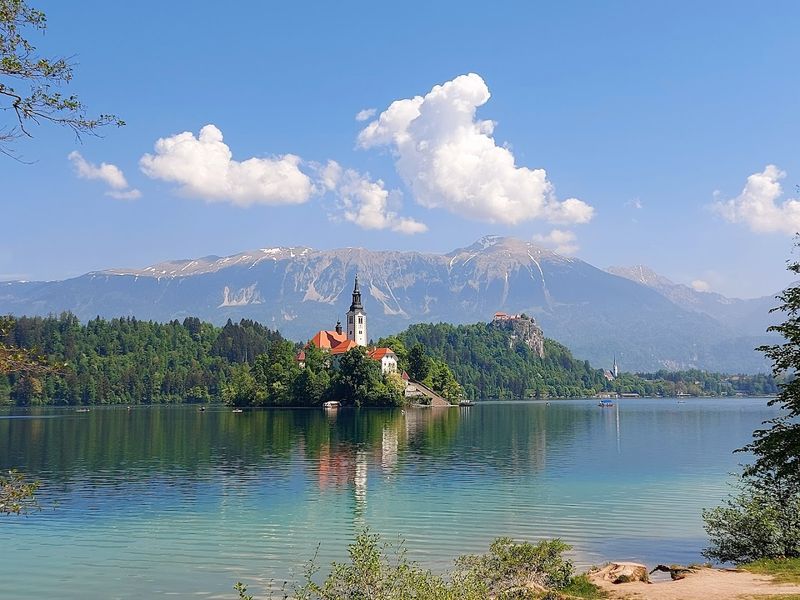
Honestly, Lake Bled looks like someone turned a postcard into a real place. The water is a vivid emerald-green color, the tiny island in the middle has a church you can actually visit, and a medieval castle sits on a cliff watching over everything.
It sounds almost too good to be true.
Summer is the best time to visit because the water warms up enough for swimming. Rent a wooden rowboat called a pletna and paddle out to the island yourself.
The short climb up to the church bell tower rewards you with one of the most jaw-dropping views in all of Europe.
Triglav National Park sits just minutes away, offering hiking trails for every fitness level. The lakeside walking path takes about an hour to complete and gives you constantly changing views.
Pack a picnic, bring sunscreen, and set aside at least two full days here because one will never feel like enough.
Hallstatt, Austria
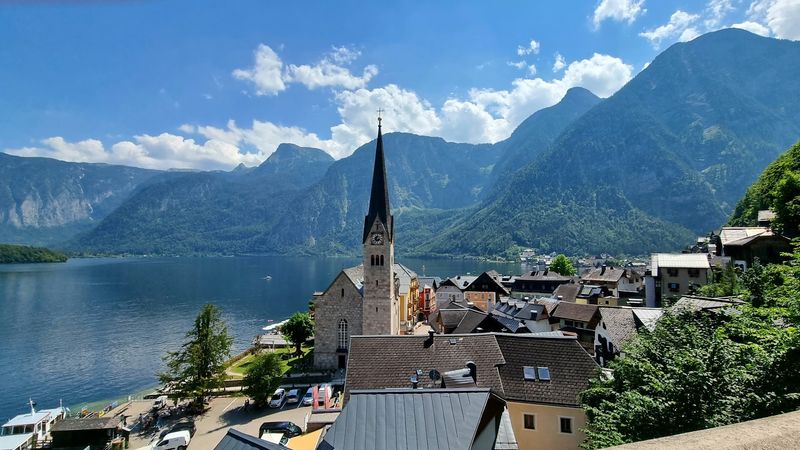
There is a running joke that Hallstatt is so beautiful it does not feel real, and honestly, after seeing it in person, you might agree. This tiny Austrian village clings to the edge of a glassy mountain lake, with pastel-colored houses stacked like a living painting.
It has been a UNESCO World Heritage Site since 1997.
Salt made this village famous long before tourists ever showed up. The salt mines here are among the oldest in the world, and you can actually tour them.
Riding the funicular up to the mine entrance also gives you sweeping views over the rooftops and lake below.
Summer crowds do arrive, so arriving early in the morning or staying overnight is a smart move. The village is best explored on foot since the streets are narrow and mostly car-free.
Walk along the lakefront promenade, visit the charming market square, and grab a table at one of the waterfront restaurants for a meal you will not forget in a hurry.
Cesky Krumlov, Czechia
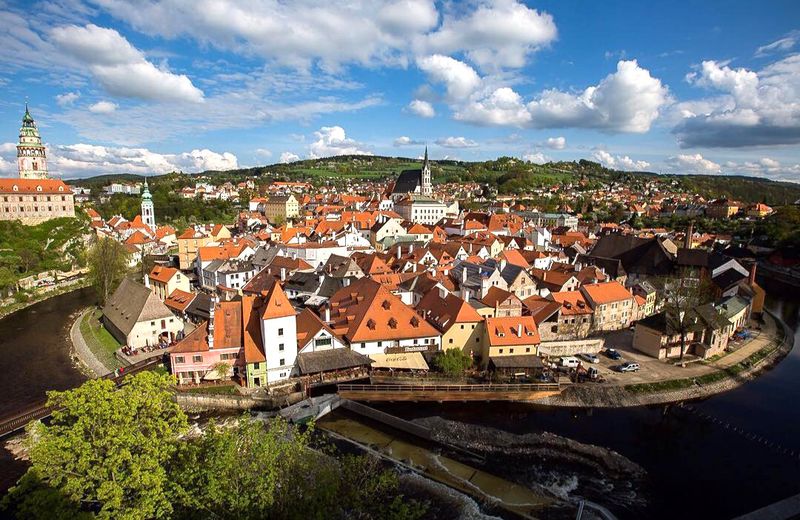
Few towns in Europe pull off the fairytale look quite like Cesky Krumlov. The Vltava River wraps around it in a dramatic horseshoe bend, and a massive castle towers over the colorful rooftops below.
Walking through this town in summer feels like stepping straight into a history book, except with better food.
The castle complex is one of the largest in Central Europe and includes baroque gardens, a revolving theater, and a bear moat. Yes, there are actually bears.
Summer evenings often feature open-air theater performances in the castle gardens, which is a genuinely magical experience.
For something more active, grab an inflatable raft and float down the Vltava River with a group of friends. The river trip is relaxed, scenic, and wildly popular with locals and visitors alike.
Riverside restaurants serve cold Czech beer and grilled food right along the water. Cesky Krumlov is one of those places that manages to be both a cultural gem and a seriously good time all at once.
Zell am See, Austria
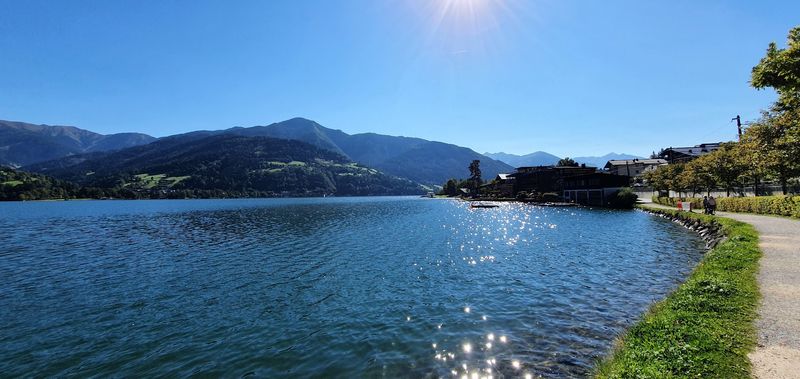
Zell am See is the kind of place where you show up for a weekend and start quietly researching how to move there permanently. The town sits right on the edge of a sparkling alpine lake, with the snow-dusted peaks of the Hohe Tauern Alps framing the view behind it.
It is absurdly pretty in summer.
The lake itself is the main attraction for warm-weather visitors. Swimming, paddleboarding, sailing, and kayaking are all popular, and the water stays refreshingly cool even during the hottest July days.
Several beaches and grassy lakeside areas make it easy to set up for a lazy afternoon in the sun.
Cable cars whisk visitors up to higher elevations where hiking trails offer panoramic views across the entire region. The Schmittenhöhe peak is a favorite, with a ridge walk that gives you 360-degree mountain views on a clear day.
The town itself has a charming pedestrian center with cafes, shops, and a handsome old church. Zell am See works beautifully as a base for exploring the wider Salzburg region too.
Zakopane and the Tatra Mountains, Poland
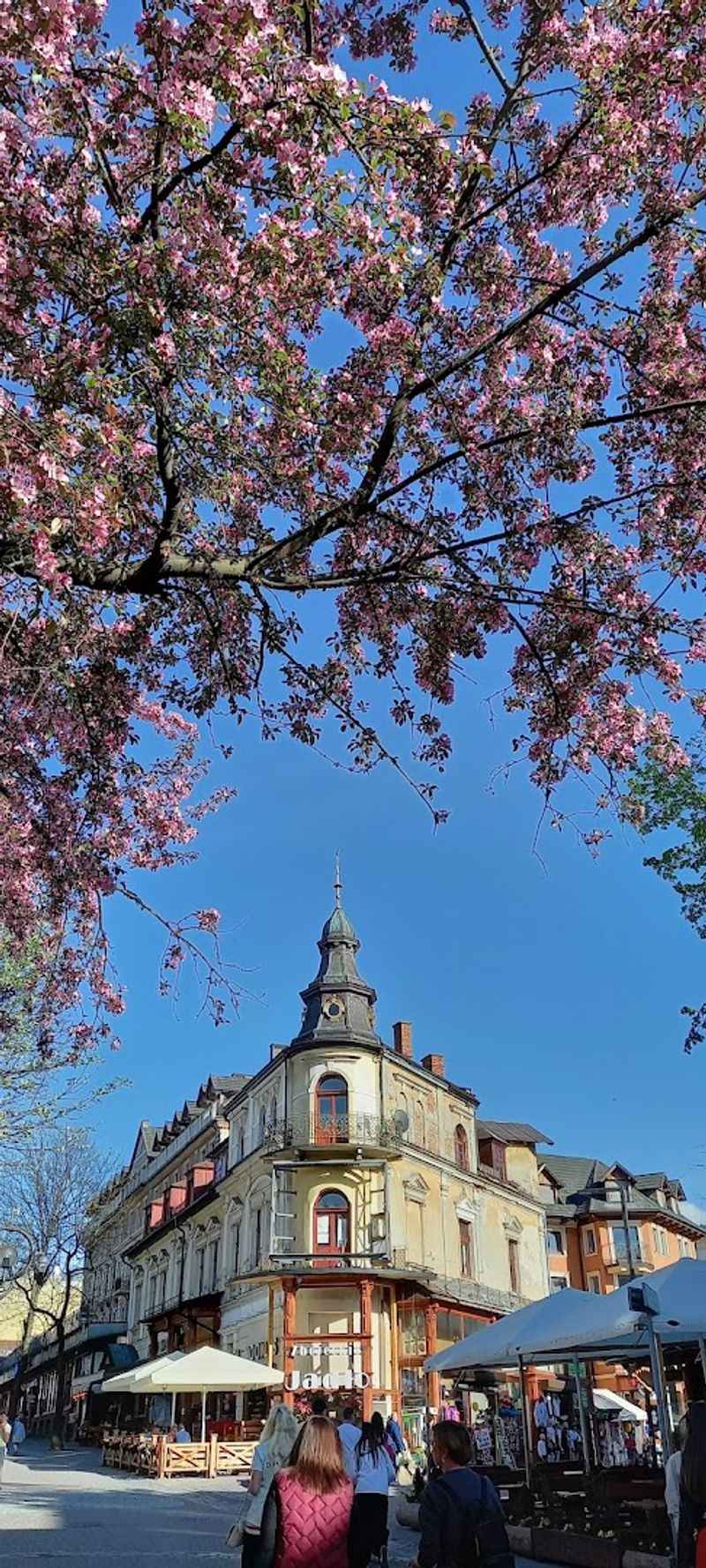
Poland’s mountain capital has a personality all its own. Zakopane sits at the foot of the Tatra Mountains and blends traditional highland culture with serious outdoor adventure.
The wooden architecture here, called Zakopane Style, gives the town a wonderfully distinct look that sets it apart from anywhere else in Central Europe.
Summer hiking in the Tatras is world-class. The trail to Morskie Oko, a stunning glacial lake nestled among sharp rocky peaks, is one of Poland’s most beloved walks.
It takes a few hours but the payoff is enormous. Rysy Peak, the highest point in Poland, also draws experienced hikers looking for a proper challenge.
Back in town, the main pedestrian street called Krupowki is lively with food stalls selling oscypek, a smoked sheep’s cheese that is unique to the region. Try it grilled with cranberry jam.
Folk music, highland festivals, and local crafts add cultural flavor to the mountain adventure. Zakopane is affordable, friendly, and surprisingly underrated compared to better-known alpine destinations further west in Europe.
Budapest, Hungary
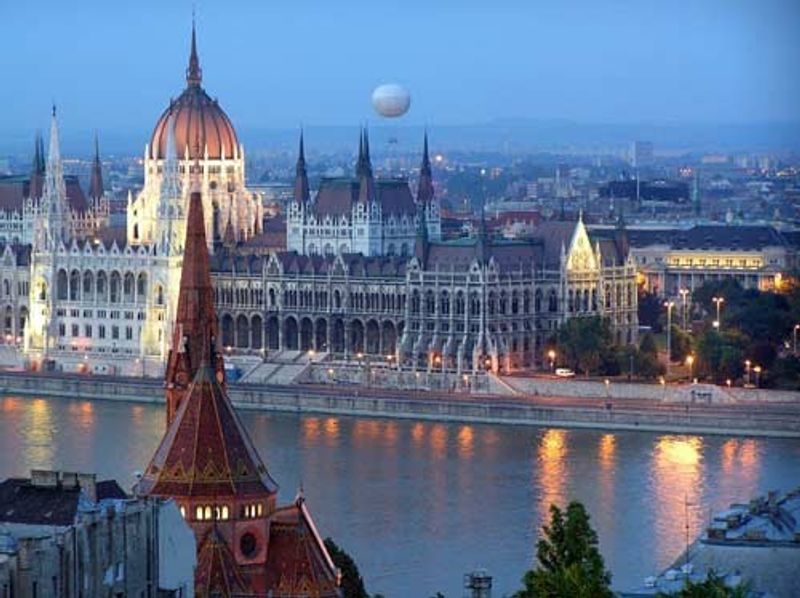
Budapest at sunset in summer is the kind of sight that makes people stop mid-sentence and just stare. The Hungarian Parliament building glows gold along the Danube, the Chain Bridge lights up, and the whole city takes on a warm, almost cinematic energy.
It is grand, lively, and endlessly photogenic.
Beyond the jaw-dropping architecture, Budapest has a thriving summer culture. Rooftop bars pop up across the city, outdoor festivals fill parks and squares, and the famous ruin bars of the Jewish Quarter buzz well into the night.
Danube river cruises at dusk are a relaxed way to take in the city’s skyline from the water.
The thermal baths deserve a spot on every visitor’s itinerary. Szechenyi and Gellert are the most famous, and soaking in warm mineral water surrounded by ornate architecture is a genuinely unique experience.
Margaret Island sits in the middle of the Danube and transforms into a green summer playground with open-air cinema, running paths, and fountains. Budapest rewards slow exploration, so give it at least three or four days.
Salzburg, Austria
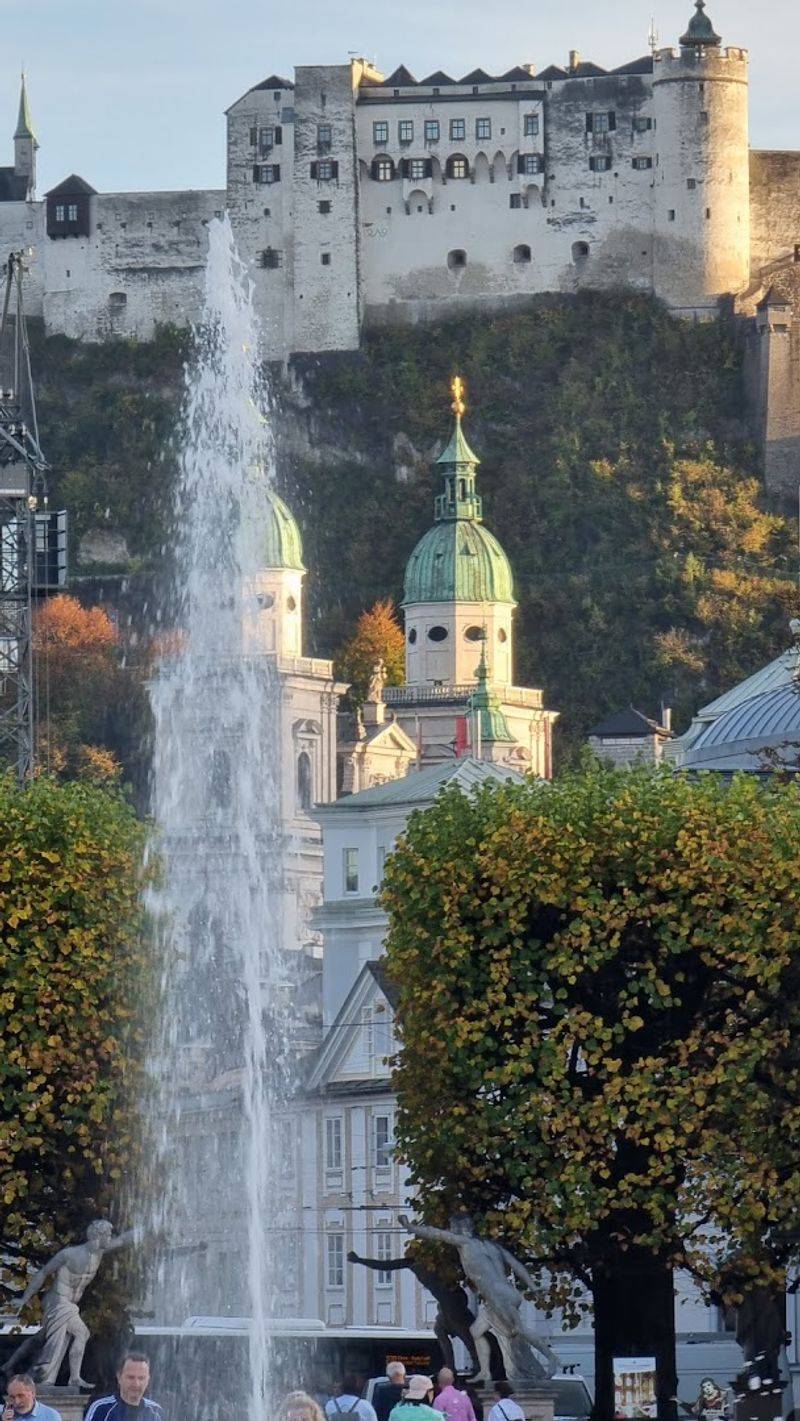
Mozart was born here, and Salzburg has never let anyone forget it. But even if classical music is not your thing, this city earns its reputation as one of Europe’s most elegant summer destinations.
Baroque architecture, flower-filled gardens, a fortress on a hill, and the Alps looming just behind the rooftops create a setting that feels almost theatrical.
The Salzburg Festival, held every July and August, is one of the world’s most prestigious music and theater events. Tickets sell out fast, so booking well in advance is essential if you want to attend.
Even without a ticket, the city buzzes with extra energy during festival season and outdoor performances often spill into public spaces.
Mirabell Gardens are free to enter and make for a perfect summer morning stroll, especially with the fortress visible in the background. The old town, a UNESCO World Heritage Site, is compact and very walkable.
Salt mines in nearby Hallein and the stunning Berchtesgaden region in Germany are both easy day trips. Salzburg rewards visitors who take their time and do not rush from sight to sight.
Lake Bohinj, Slovenia
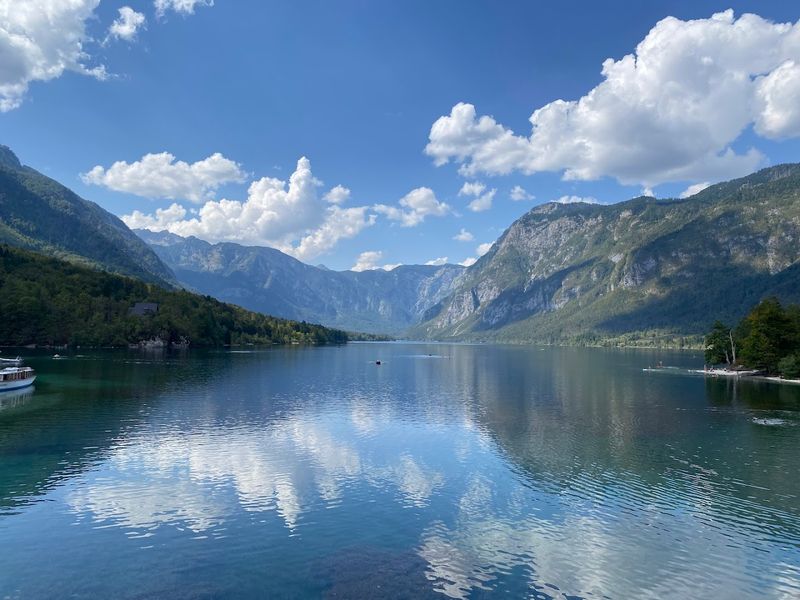
If Lake Bled is the glamorous older sibling, Lake Bohinj is the quieter, more adventurous one who actually prefers the outdoors. Located just 26 kilometers from Bled within Triglav National Park, Bohinj is larger, wilder, and significantly less crowded.
The water is so clear you can see straight to the bottom from the shore.
Swimming here in summer is genuinely refreshing. The lake stays cool even in August, and several grassy areas along the shore work perfectly as natural beaches.
Kayaking and stand-up paddleboarding are popular ways to explore the water, and the surrounding forest provides welcome shade on hot afternoons.
Hikers have plenty to work with around Bohinj. The Savica Waterfall is an easy and rewarding walk from the western end of the lake.
More ambitious trails lead up toward Triglav, Slovenia’s highest peak and a national symbol. The village of Ribcev Laz at the lake’s eastern tip has a lovely stone church, a few restaurants, and a relaxed pace that feels far removed from the tourist crowds.
Bohinj is the kind of place that quietly becomes your favorite.
Prague, Czechia
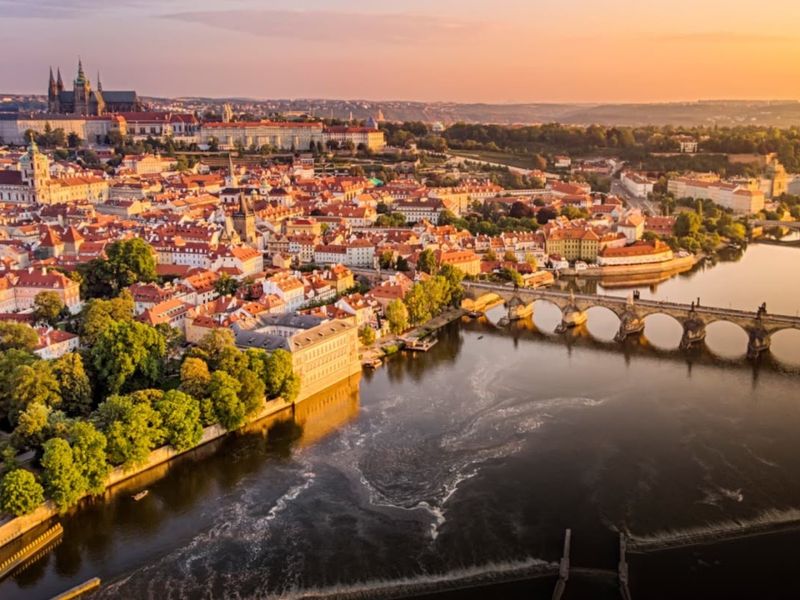
Prague has been called the City of a Hundred Spires, and standing on Charles Bridge at dusk in summer, that description starts to feel like an understatement. The Vltava River catches the fading light, the castle glows on the hill above, and the old town looks like it has barely changed in centuries.
It is stunning by any measure.
Summer stretches the city’s energy outdoors in the best possible way. Beer gardens open up in parks and courtyards across the city, offering cold Czech lager and easy conversation in the shade.
Open-air concerts, film screenings, and food markets fill the warmer months with a constant stream of events worth stumbling upon.
The Old Town Square with its famous Astronomical Clock, the winding lanes of Mala Strana, and the views from Petrin Hill are all worth prioritizing. Prague can get busy in peak summer, so visiting popular spots early in the morning makes a real difference.
The city also has excellent public transport, making it easy to escape the crowds and explore quieter neighborhoods like Vinohrady or Holesovice, which have a more local, lived-in feel.
Lucerne, Switzerland
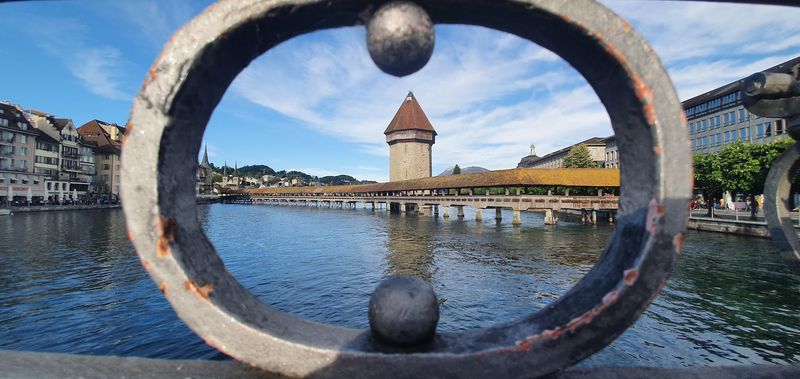
Switzerland is famously expensive, but Lucerne has a way of making every franc feel well spent. The city sits at the edge of a gorgeous lake, its medieval covered bridges are among the most photographed in Europe, and the surrounding mountains are accessible by cable car or cogwheel railway.
It packs a remarkable amount of beauty into a very manageable size.
The Chapel Bridge, built in the 14th century, is the star attraction. Walk across it slowly and look up at the painted panels inside, which illustrate scenes from Swiss history.
The nearby Water Tower, which has served as a prison, treasury, and torture chamber over the centuries, adds an unexpectedly dramatic backstory to the picturesque setting.
Summer boat cruises on Lake Lucerne are a highlight, offering views of the Alps from the water and stops at small lakeside villages. Mount Pilatus and Mount Rigi are both reachable as day trips and deliver extraordinary panoramic views.
The old town is compact and car-free, with excellent restaurants, chocolate shops, and watchmakers around every corner. Lucerne is a genuinely world-class destination that earns its reputation without any exaggeration.
Innsbruck, Austria
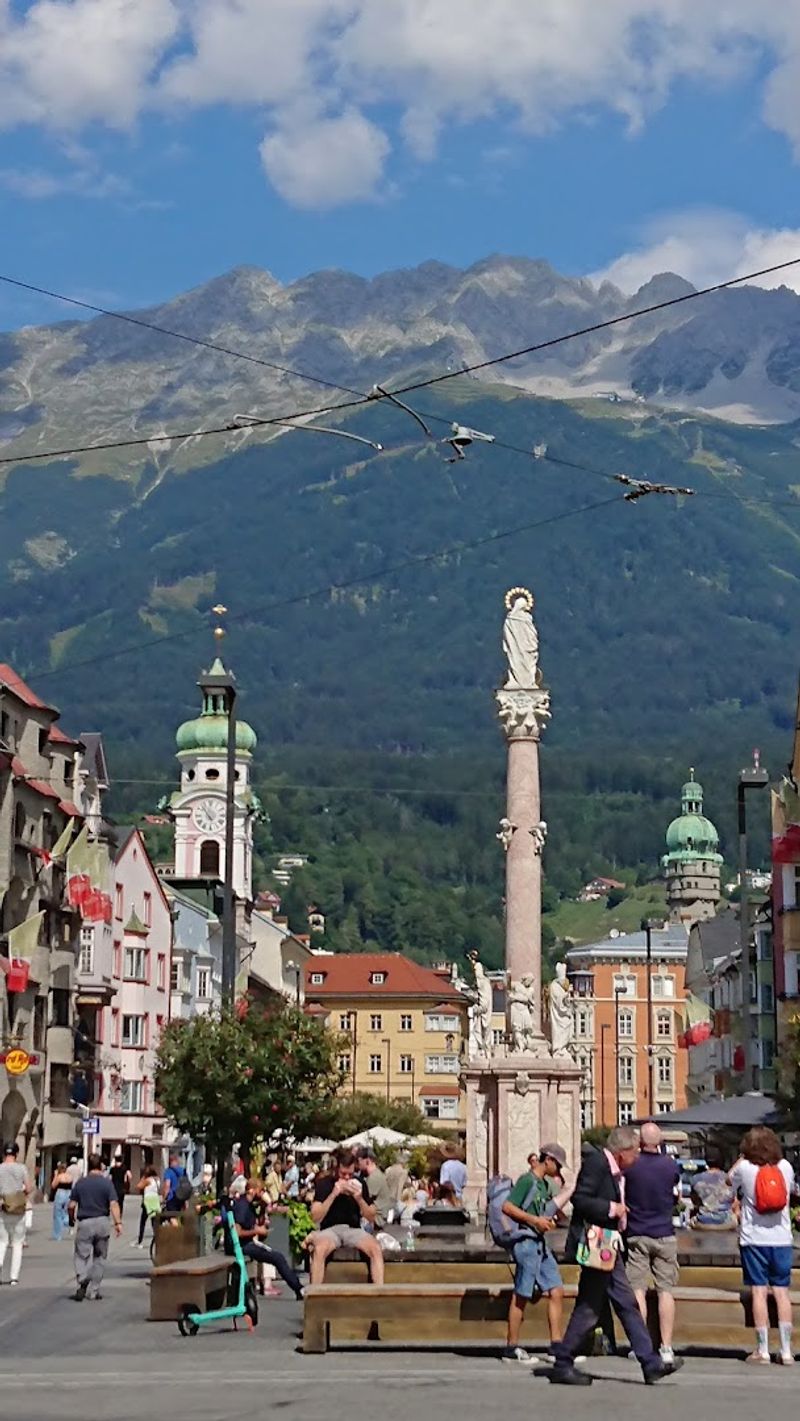
Very few cities in the world can claim what Innsbruck pulls off effortlessly: a fully walkable, historically rich old town with ski-resort-quality mountains rising straight up from the city edge. In summer, the contrast between colorful baroque buildings and jagged alpine peaks above creates a visual combination that genuinely has no equal.
The Golden Roof is the city’s most recognizable landmark, a late-Gothic oriel window covered in 2,657 gilded copper tiles built for Emperor Maximilian I. It sits right in the heart of the old town and makes for a great starting point for exploring the surrounding lanes, churches, and courtyards.
The Imperial Palace nearby is also worth an hour of your time.
Cable cars from the edge of the city whisk visitors up to the Nordkette mountain range in minutes, where summer hiking trails offer staggering views over the Inn Valley. The Alpenzoo, one of Europe’s highest-altitude zoos, sits on the hillside and is a fun detour for families.
Innsbruck hosted two Winter Olympics, but summer suits it just as well. The city is also a convenient base for exploring the wider Tyrol region.
Bratislava, Slovakia
Bratislava does not shout for attention the way some European capitals do, but that is honestly part of its charm. Slovakia’s capital is compact, walkable, and genuinely pleasant in summer, with shaded cafe terraces spilling out across old-town squares and the Danube glinting just a short walk from the historic center.
It is an easy city to like.
The old town is small enough to explore fully on foot in a single afternoon. Quirky bronze statues are hidden around the streets, including a famous figure of a man peeking out of a manhole cover.
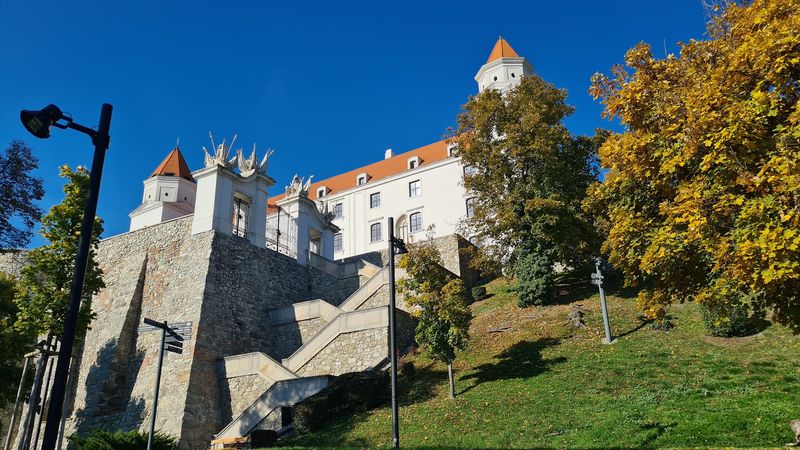
Bratislava Castle sits on a hill above the old town and offers wide views over the city and the river below, especially rewarding at golden hour.
The Danube riverfront has been redeveloped in recent years and now has a pleasant promenade with bars, restaurants, and views across to Austria. Bratislava sits just 60 kilometers from Vienna, making it an easy and affordable day trip or stopover.
The city also has a growing food scene with excellent Slovak cuisine, craft beer bars, and rooftop spots that come to life in the long summer evenings. It punches well above its size.
Black Forest, Germany
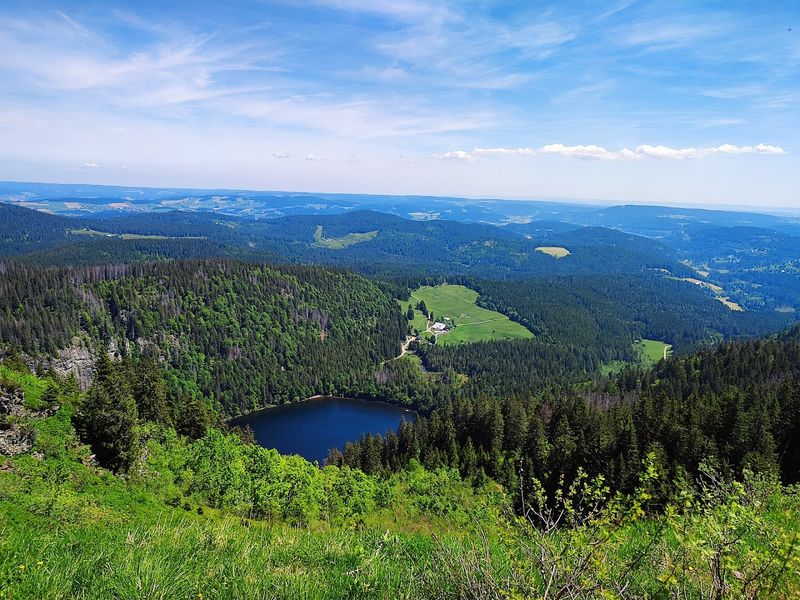
The name sounds mysterious, and the place lives up to it. Germany’s Black Forest is a vast region of dense pine and fir trees, rolling green hills, waterfalls, and storybook villages that look like they belong in a Brothers Grimm tale.
And yes, Black Forest cake was invented here, so dessert is practically mandatory.
Summer hiking is the main event for most visitors. Well-marked trails wind through the forest past waterfalls, viewpoints, and traditional farmhouses.
The Westweg, a long-distance trail running from Pforzheim to Basel, is one of Germany’s most celebrated hiking routes. Shorter loops around towns like Triberg, home to Germany’s highest waterfall, are great for casual walkers.
The region also has excellent spa towns, most notably Baden-Baden, where thermal baths and elegant architecture make for a thoroughly relaxing break. Lake Titisee and Lake Schluchsee offer swimming, paddleboarding, and lakeside picnics in beautiful forest settings.
Local cuckoo clock shops, farmhouse inns, and hearty Swabian food add to the experience. The Black Forest rewards those who slow down, wander off the main roads, and let the forest do its thing at its own quiet pace.
Krakow, Poland
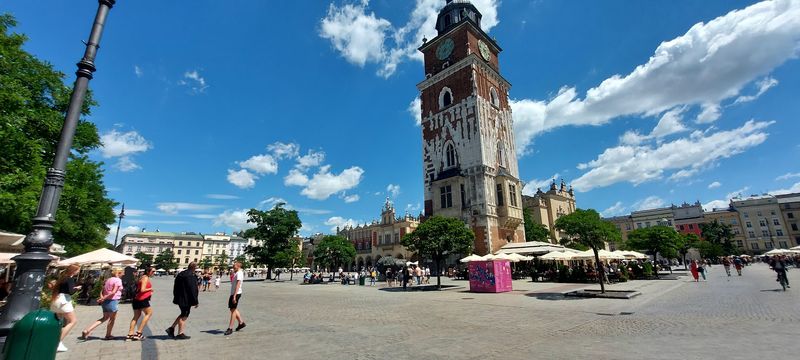
Krakow’s Main Market Square is one of the largest medieval squares in Europe, and in summer it becomes one of the continent’s most enjoyable outdoor living rooms. Flower sellers set up in the middle, cafes line every edge, and St. Mary’s Basilica sends a trumpet call across the rooftops every hour.
It has been doing that since the 13th century, by the way.
The Royal Road leading up to Wawel Castle traces a path through centuries of Polish history. The castle complex is enormous, with a cathedral, royal chambers, and a dragon’s cave at its base that kids absolutely love.
The Vistula River runs below the castle hill, and the riverbanks fill with bars, food trucks, and kayak rentals on summer weekends.
Kazimierz, the historic Jewish quarter, has transformed into one of Poland’s coolest neighborhoods. Its mix of synagogues, street art, vintage shops, and buzzing courtyard restaurants makes it a fascinating place to spend an evening.
A day trip to the Wieliczka Salt Mine, a UNESCO site with underground chapels carved entirely from salt, is well worth the short journey. Krakow is affordable, beautiful, and full of surprises.
Lake Neusiedl, Austria and Hungary
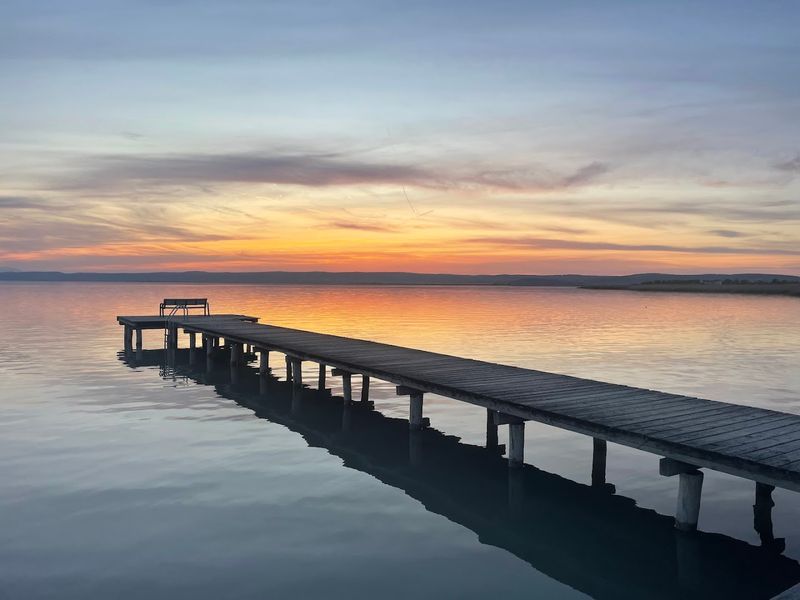
Lake Neusiedl plays by its own rules. Unlike the dramatic alpine lakes that dominate Central European postcards, this one is flat, shallow, and surrounded by open steppe landscape and reed beds.
It sits on the border between Austria and Hungary and feels like a completely different world from the mountain scenery nearby. Cyclists, birdwatchers, and sailors love it for exactly that reason.
The lake is so shallow in places that you can walk hundreds of meters from the shore and still only be knee-deep. Sailing is popular despite the modest depth, and windsurfers take full advantage of the wide, open water.
The surrounding reed beds are home to over 300 bird species, making it a top destination for wildlife enthusiasts with binoculars and patience.
The Austrian shore is dotted with charming wine villages like Rust, where storks nest on the rooftops every summer and local winemakers pour excellent white wines on shaded terraces. The Hungarian side offers the town of Fertod with its spectacular Esterhazy Palace, sometimes called the Hungarian Versailles.
Cycling the entire lake on well-marked paths takes a leisurely two days. Lake Neusiedl is proof that flat can be fascinating.
Share this story