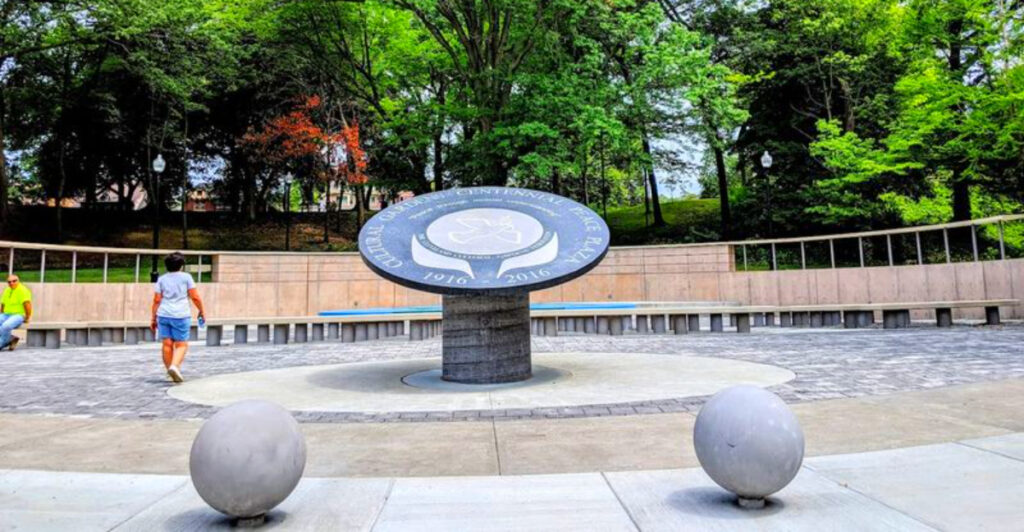
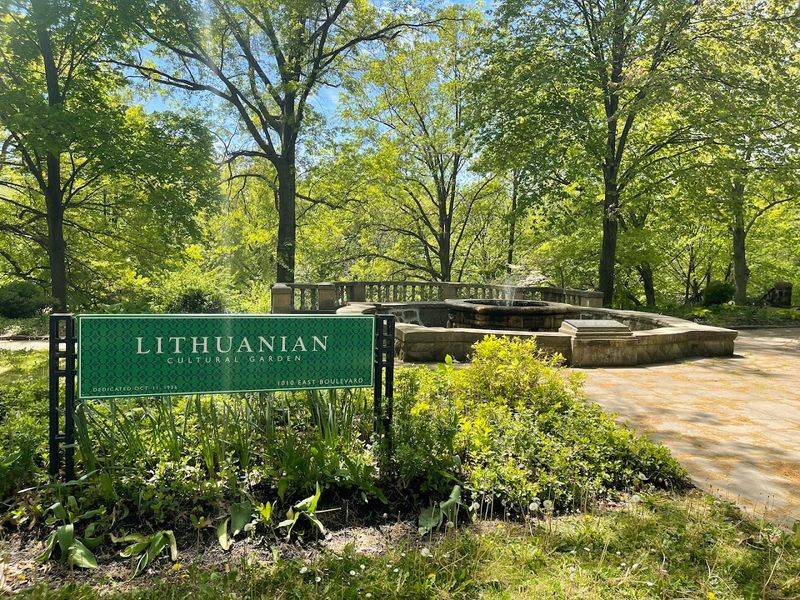
Somewhere along a busy stretch of road in Cleveland, Ohio, something extraordinary quietly exists that most people drive right past without a second glance. Spread across both sides of Martin Luther King Jr. Drive, 38 individual gardens each tell the story of a different culture, complete with statues, sculptures, plaques, and plants native to countries from around the world.
This is not a single park with a single story. The Cleveland Cultural Gardens are a living, growing collection of cultural pride that has been expanding for nearly a century, and most people have absolutely no idea it exists.
A Century of Cultural Pride Built Into the Landscape
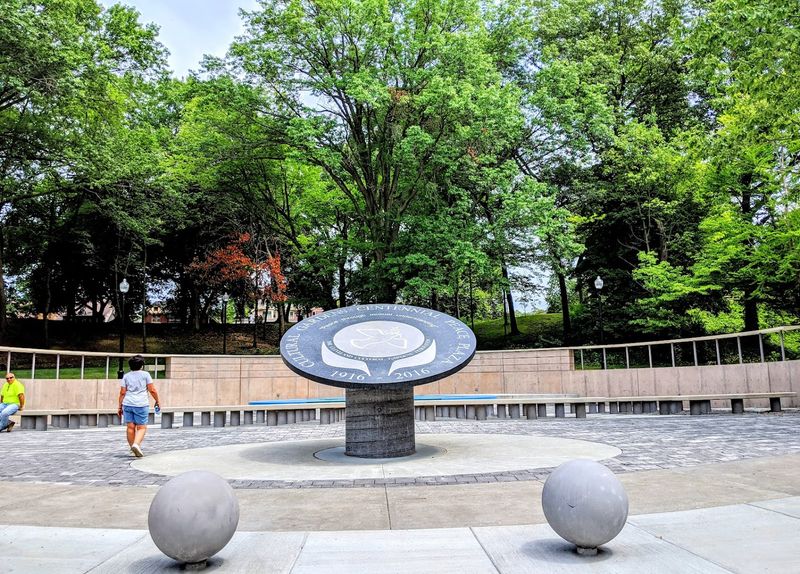
The Cleveland Cultural Gardens did not appear overnight. The first garden, the Shakespeare Garden, was established back in 1916, making this one of the oldest collections of ethnic cultural gardens in the entire United States.
That is over a century of communities coming together to carve their heritage into public green space.
The gardens stretch along Martin Luther King Jr. Drive in Cleveland, Ohio 44106, running through Rockefeller Park between University Circle and Gordon Park. Each garden sits on land dedicated to honoring a specific ethnic group, and the collection has grown steadily over the decades as more communities joined the effort.
What started as one garden honoring English literature grew into a corridor of 38 distinct cultural spaces. That kind of organic, community-driven growth over a hundred years is rare anywhere in the country, let alone in a single American city.
38 Gardens, Each One Telling Its Own Story
Thirty-eight separate gardens sounds like a lot until you actually start walking through them and realize each one operates almost like a small country unto itself. The Greek Garden features classical columns and busts of philosophers.
The Italian Garden has elaborate stonework and a sense of grandeur. The Ukrainian Garden stands with proud architectural details that reflect Eastern European tradition.
Other gardens, like the Finnish and Syrian sections, are quieter and more contemplative in their design. Some feature water fountains.
Others rely on carefully chosen native plants and low stone walls to communicate a sense of place.
Every garden was designed and funded by members of that specific ethnic community in Cleveland, which means each one carries genuine emotional investment. Nobody hired a generic landscaper to slap up a sign.
Real people with real roots built these spaces, and you can feel that when you walk through them.
The Surprising Diversity Hidden Inside One American City
Cleveland has long been one of the most ethnically diverse cities in the Midwest, shaped by waves of immigration throughout the late 19th and early 20th centuries. Workers came from Ireland, Italy, Poland, Hungary, Slovenia, Serbia, and dozens of other countries to work in the steel mills and factories that powered the region.
Those communities did not disappear. They put down roots, raised families, built churches, and eventually built gardens.
The Cultural Gardens are a direct reflection of that immigration history, representing groups that include African Americans, Arab Americans, Czechs, Slovaks, Estonians, and many more.
What makes this collection so remarkable is that it was not created by a government agency or a tourism board. It grew from the communities themselves, which is exactly why it feels so personal and layered.
Each garden section carries the weight of real cultural memory rather than a manufactured display.
Nikola Tesla, Einstein’s Wife, and What You Might Learn on a Walk
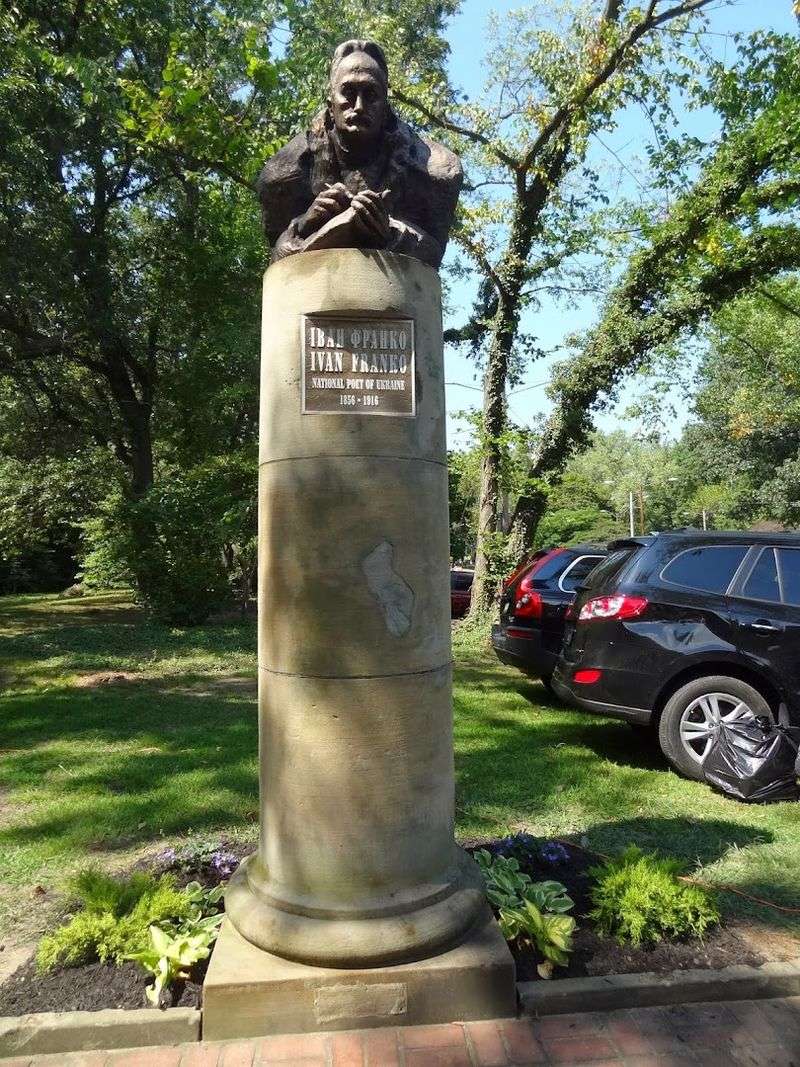
One of the most surprising things about the Cleveland Cultural Gardens is how much history you absorb without even trying. Many of the garden sections include plaques and busts honoring famous figures connected to that culture, and some of those facts will genuinely catch you off guard.
The Serbian Garden, for example, features a tribute to Nikola Tesla, the inventor and electrical engineer whose work changed the modern world. Many visitors are surprised to learn Tesla was Serbian.
The garden also highlights the fact that Mileva Maric, Albert Einstein’s first wife, was Serbian as well, a detail that rarely comes up in standard history classes.
These small revelations happen throughout the gardens. A plaque in one section introduces a composer most people have never heard of.
Another highlights a scientist whose contributions shaped medicine. The gardens work as an open-air classroom that never feels like homework.
One World Day and the Parade of Flags That Fills the Street
Once a year, the Cleveland Cultural Gardens host One World Day, an all-day celebration that transforms Martin Luther King Jr. Drive into a festival corridor. The road closes to traffic, and thousands of people gather to experience performances, food, and cultural presentations from the many communities represented in the gardens.
The Parade of Flags is the centerpiece of the event. Representatives from each cultural group carry the flag of their heritage through the gardens in a procession that stretches the full length of the park.
It is one of the most visually striking civic events in all of Ohio, and somehow it remains largely unknown outside of Cleveland.
Attending One World Day means you can watch an Italian outdoor opera in one section, then walk over to a Colombian Independence Day celebration, and then catch a Russian cultural performance a short distance away. All of that happens in a single afternoon.
What It Actually Feels Like to Walk the Full Length
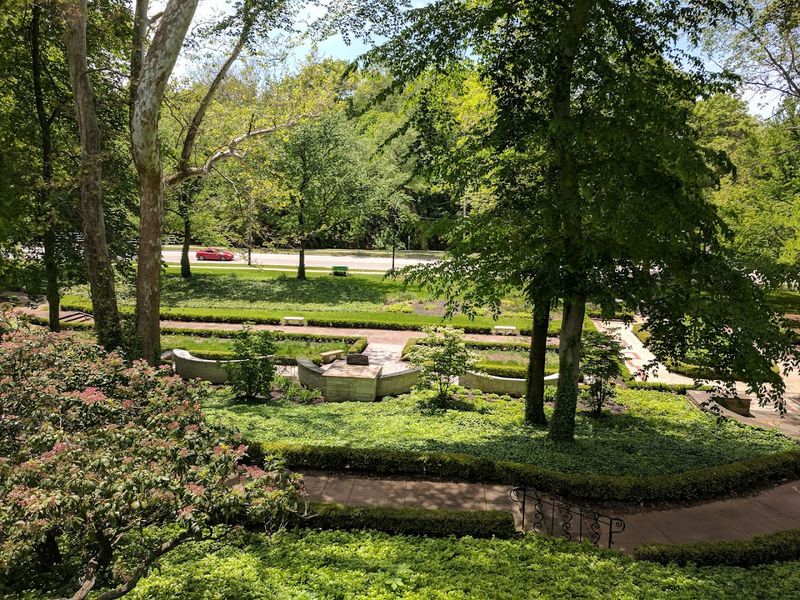
The full stretch of the Cleveland Cultural Gardens runs for about two miles along Martin Luther King Jr. Drive, with gardens on both sides of the road. Crosswalks appear at certain points, but they are not frequent, so planning your route before you start walking makes the experience much smoother.
Many people spend two hours exploring and still do not see everything. Some gardens sit at street level, while others climb slightly uphill, requiring a few steps or a short incline to reach the main features.
The elevation changes are gentle enough that most people handle them without difficulty, but it is worth knowing before you go.
Parking is available along MLK Drive at no charge, though spots fill up during events and on warm weekends. The gardens are open daily from 8 AM to 10 PM, giving visitors a long window to explore in the morning calm or the cooler evening hours.
How the Gardens Change With Every Season
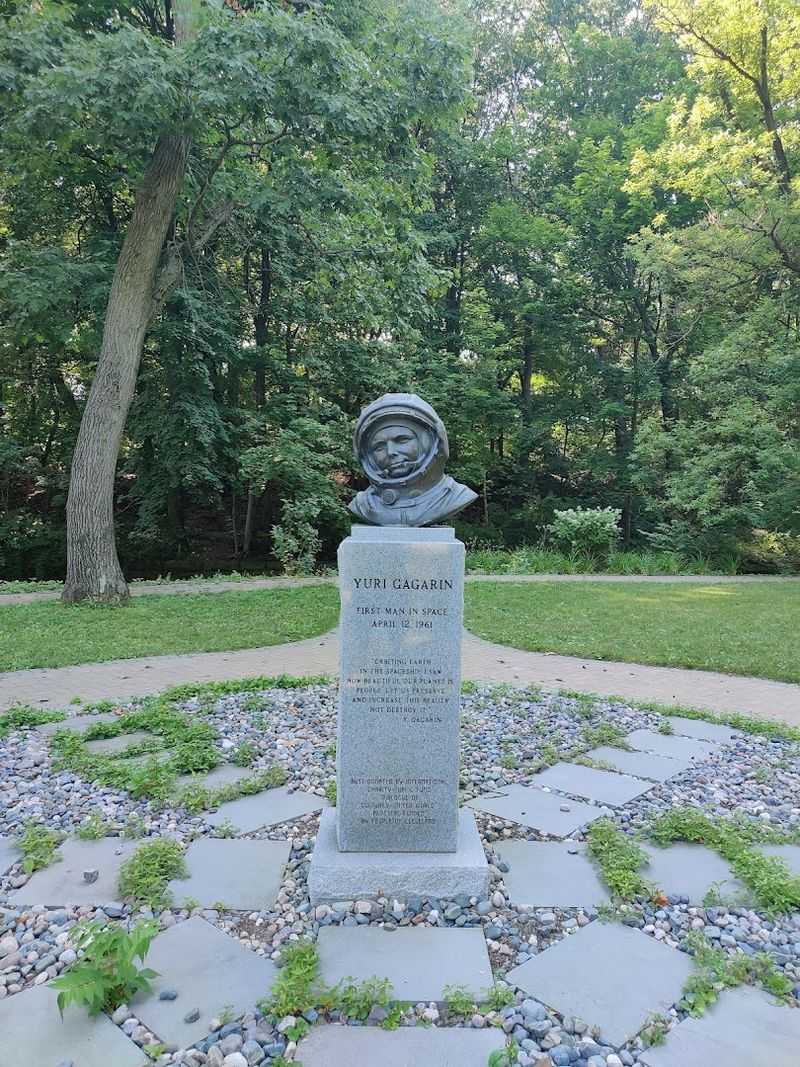
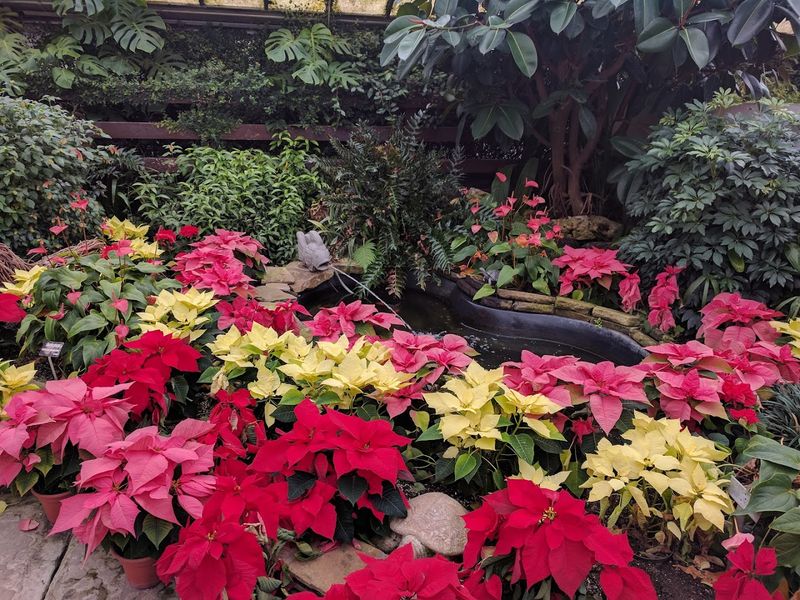
The gardens look different depending on when you visit, and that variety is part of what keeps people coming back. Spring brings blooming flowers and freshly maintained landscapes that make the garden sections feel crisp and alive.
The greenery fills in quickly, and the statues that seemed stark in winter suddenly have a lush backdrop.
Summer is when the gardens are most active, with events, visitors, and the full canopy of trees providing shade along the walking paths. Fall transforms the corridor into something almost theatrical, with the changing leaf colors creating a backdrop that photographers particularly love.
Winter visits are quieter and more solitary, but the sculptures and stone architecture stand out more clearly without foliage competing for attention. Each season offers a genuinely different experience, which is why some regular visitors make a point of returning at least once per season throughout the year.
Photography, Wedding Shoots, and Why Everyone Reaches for Their Camera
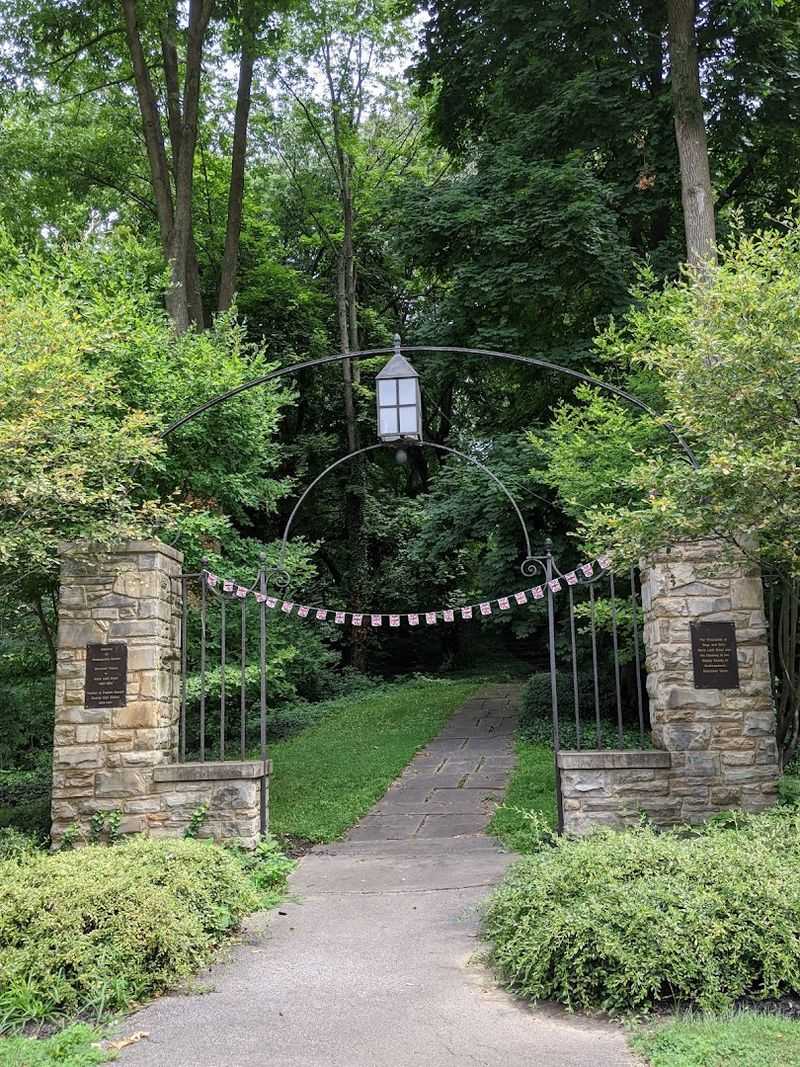
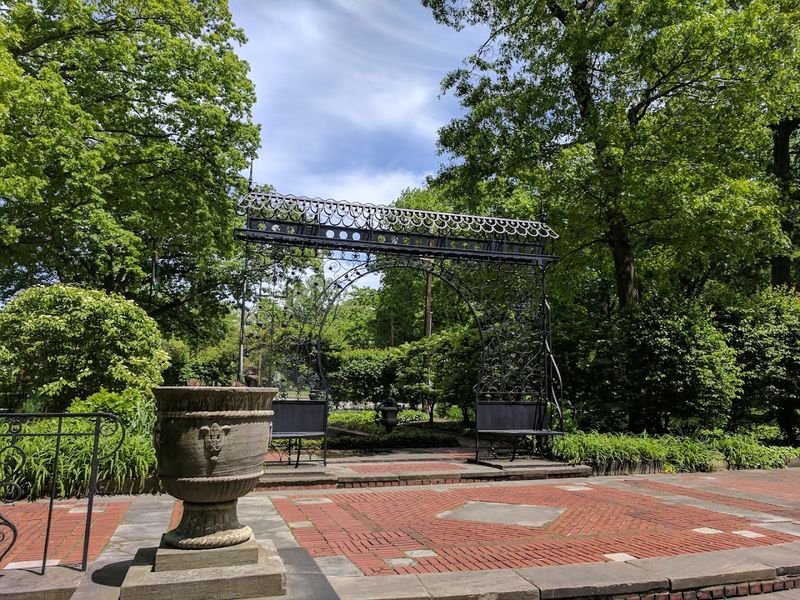
It did not take long after my first visit to understand why the Cleveland Cultural Gardens have become a favorite spot for photographers. Every turn offers a different visual environment, from classical stone columns to wrought iron gates to mosaic tile work to simple wooden benches beside a fountain.
The variety is almost absurd.
Wedding photographers have clearly discovered this place, and it is easy to see why. One couple can get photos that look like they were taken in three different countries without ever leaving a single stretch of road.
The Greek Garden alone provides enough architectural drama for an entire shoot.
Family portraits, graduation photos, and casual nature photography all work here too. The light filters differently through each section depending on the tree cover and the time of day.
Early morning visits offer softer light and fewer people, while golden hour in the evening gives everything a warm, layered glow.
The Community Volunteers Who Keep These Gardens Alive
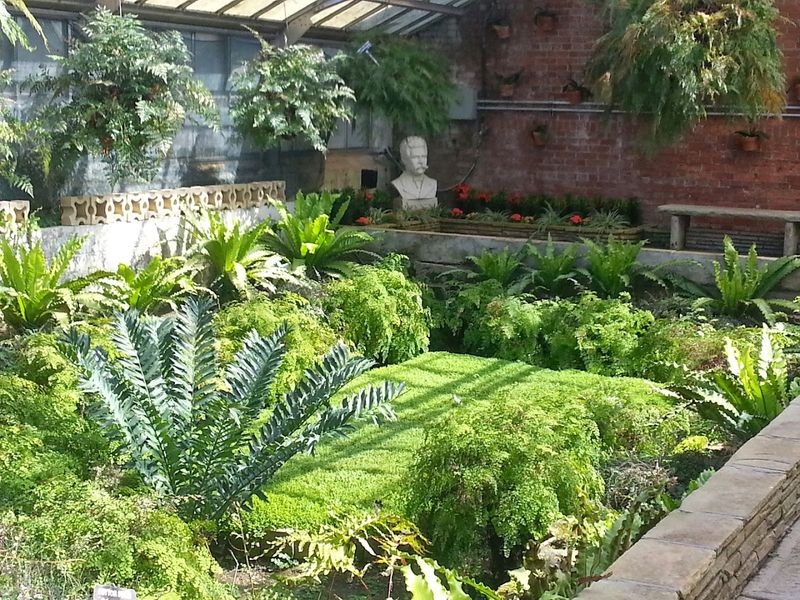
Maintaining 38 separate garden sections across a two-mile stretch is not a small task, and the Cleveland Cultural Gardens rely heavily on the involvement of the communities they represent. Individual ethnic organizations take responsibility for their own sections, which explains why some gardens are more elaborately maintained than others.
A visit to the Finnish Garden once led to an unexpected conversation with a volunteer who helps maintain the space. He offered an impromptu tour and pointed out details that most visitors walk right past, including the specific plants chosen to reflect Finnish landscapes and the meaning behind particular design choices.
Those kinds of encounters are part of what makes the gardens feel alive rather than static. These are not museum exhibits behind glass.
They are actively tended spaces where community members show up on weekends to pull weeds, trim hedges, and keep their heritage visible. That ongoing human effort is something you can genuinely sense.
Why This Place Deserves Far More Attention Than It Gets
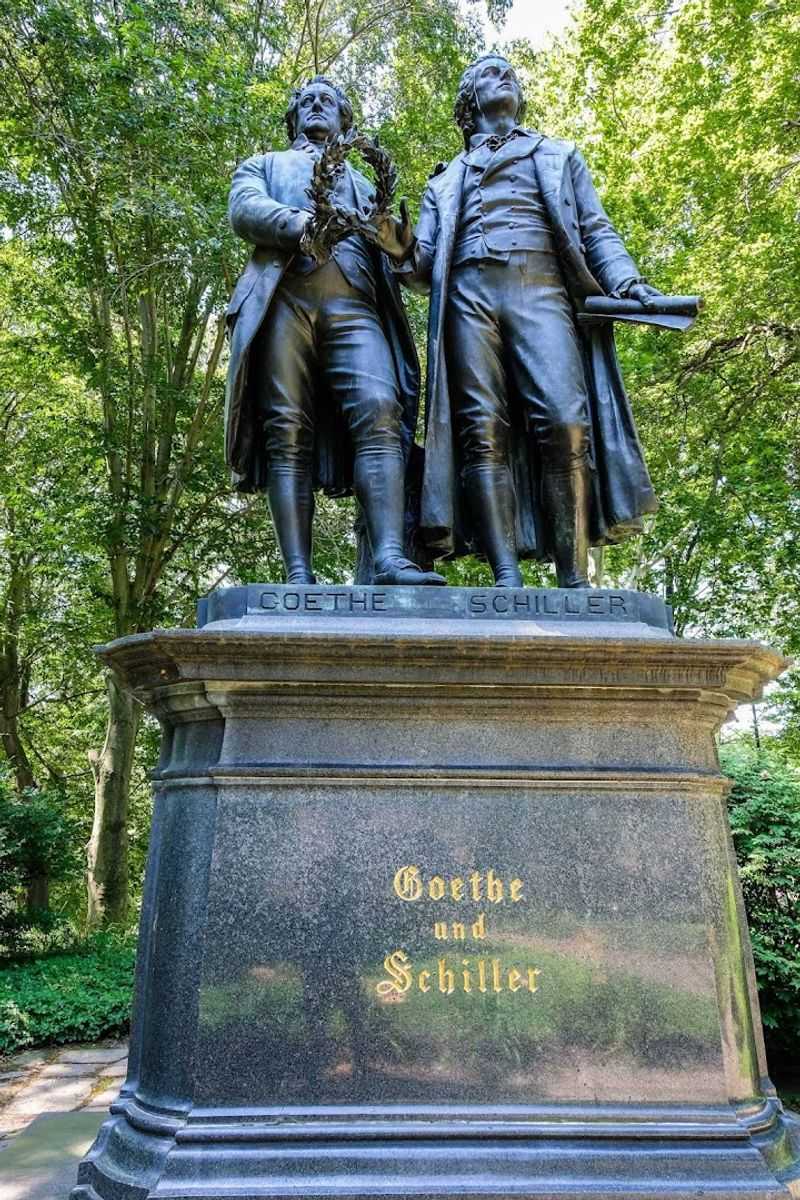
There is a certain quiet frustration among people who know the Cleveland Cultural Gardens well. They understand that in almost any other major American city, a collection this historically significant and visually diverse would draw enormous crowds and national media coverage.
In Cleveland, it remains surprisingly under the radar.
The gardens have a 4.6-star rating from hundreds of visitors who have taken the time to leave reviews, and the consistent theme across those responses is genuine wonder that more people do not know this place exists. Long-time Cleveland residents regularly report driving past the gardens for years before stopping to explore them.
What the gardens represent goes beyond tourism. They are a record of who built this city, who stayed, and who cared enough to leave something permanent behind.
That kind of legacy deserves to be known, talked about, and visited far more than it currently is. Cleveland built something rare here.
Share this story