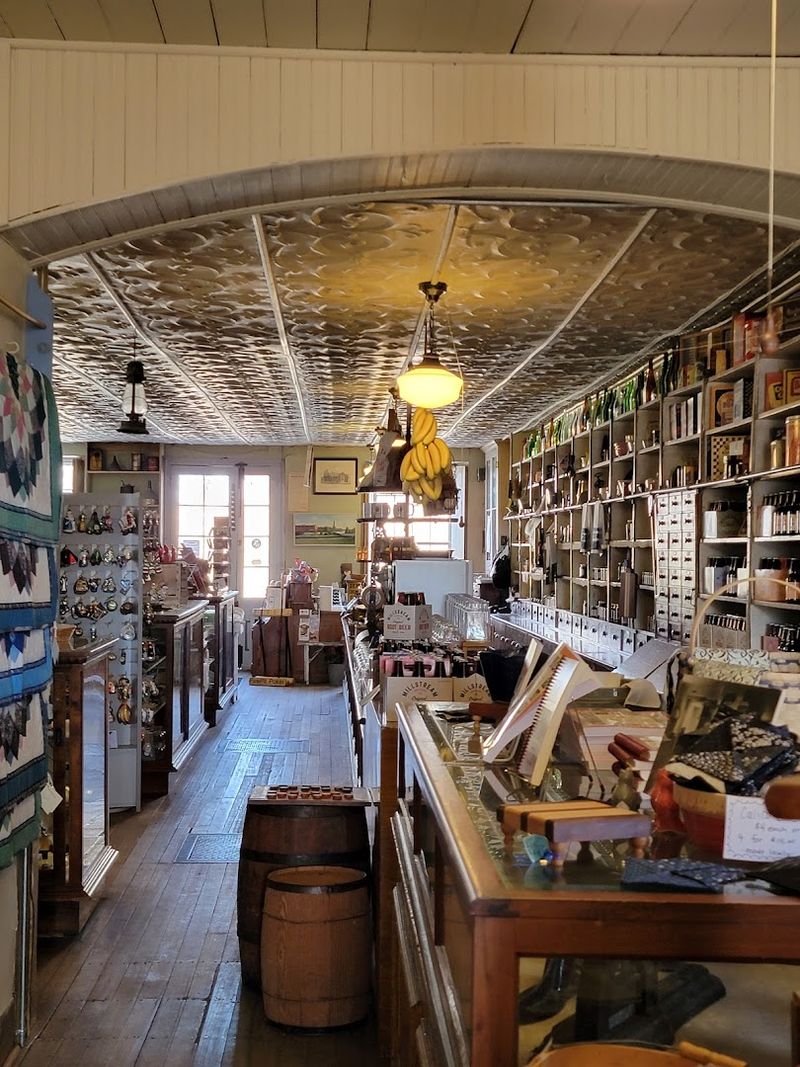
Some places stop you in your tracks the moment you walk through the door. There is something about the smell of aged wood, the sight of original tin ceilings, and shelves packed with handcrafted goods that makes you forget what decade you are in.
The High Amana General Store in Iowa is exactly that kind of place, where shopping and history share the same floor space without either one feeling out of place. From locally made products to century-old store fixtures still doing their job, this spot offers a genuinely rare experience that most people never expect to find tucked away in a small Iowa town.
Keep reading to find out what makes this store worth a dedicated detour.
A Store That Doubles as a Living Time Capsule
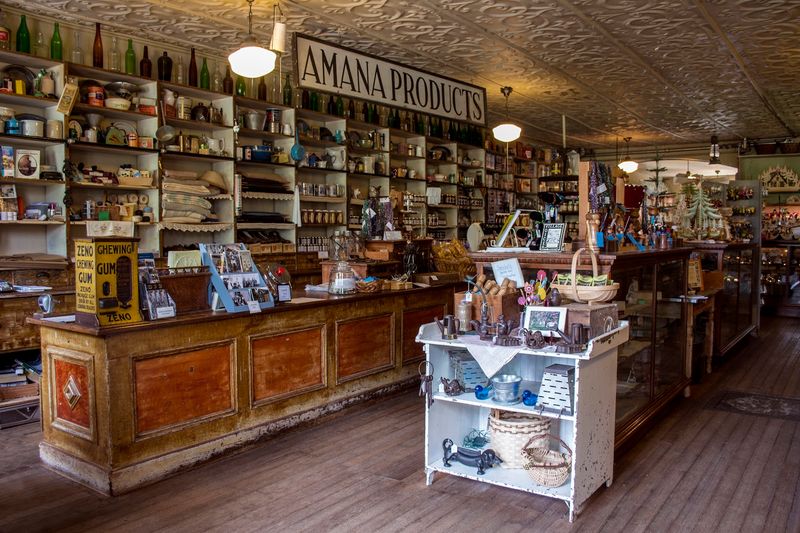
There are not many places left in America where a working retail shop and a preserved piece of history occupy the same room. The High Amana General Store at 1308 G St, Amana, IA 52203, United States, is one of them.
The store sits in the small village of High Amana, part of the Amana Colonies in Iowa, a National Historic Landmark district.
The building itself carries the weight of generations. Original fixtures remain in place, the wooden floors creak with familiar authority, and the layout still echoes what a proper general store looked like well over a century ago.
Rather than feeling like a staged recreation, the space feels genuinely lived-in and purposeful. Every corner holds something worth noticing, and the staff seems to know the story behind nearly all of it.
The Tin Ceiling That Arrived in Six-Foot Rolls
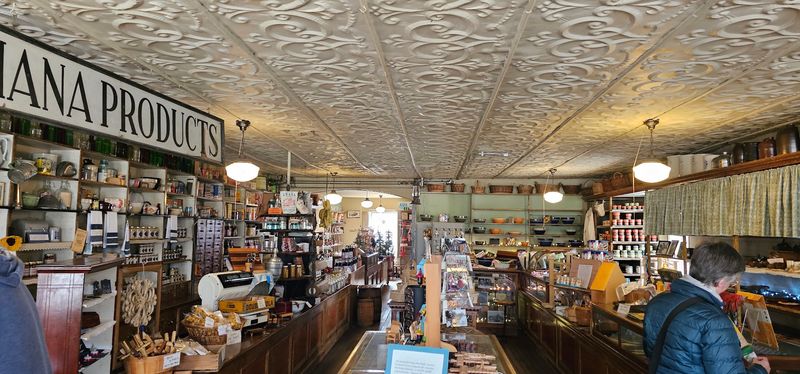
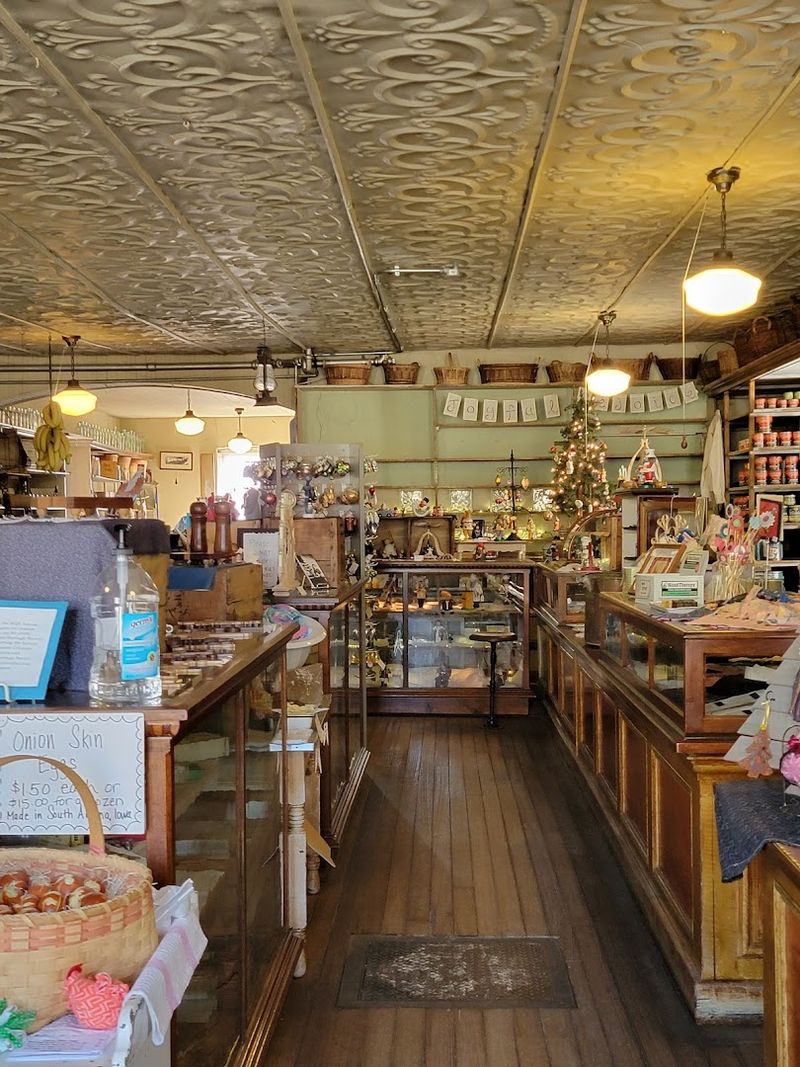
Look up the moment you enter, because the ceiling alone is worth the visit. The original tin ceiling at the High Amana General Store was installed using sheets that arrived in six-foot rolls, a construction method that speaks directly to the era in which the building was created.
Pressed tin ceilings were a practical and decorative choice for commercial buildings of that period. They resisted moisture, were easier to maintain than plaster, and added a visual formality to even modest storefronts.
What makes this ceiling remarkable is that it is not a reproduction. It is the actual ceiling, still overhead, still doing what it was always meant to do.
The craftsmanship visible in the patterns and seams reflects the care that went into building this space.
Most visitors do not notice it right away, but once someone points it out, it becomes impossible to ignore.
Walking Both Sides of the Counter
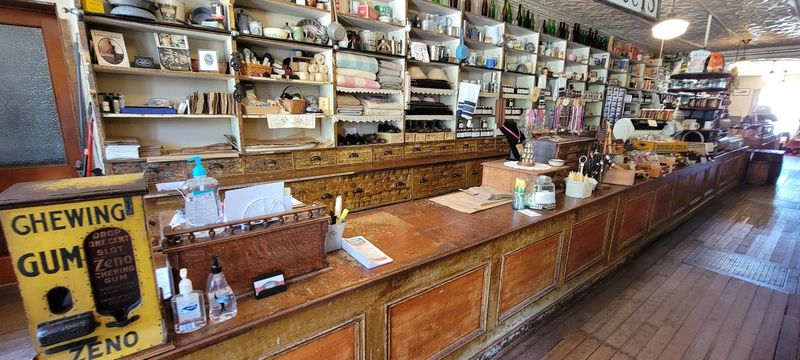
One of the more unexpected features of the High Amana General Store is that visitors can walk on both sides of the main counter. That might sound like a small detail, but it changes the entire experience of being in the space.
Most historic stores keep customers firmly on one side, with the working area roped off or blocked entirely. Here, the layout invites exploration.
The staff encourages guests to look around freely, and the artifacts displayed throughout the store are accessible rather than sealed behind glass.
The knowledgeable staff at the register can speak to the history of the building, the origins of the products, and the background of the handcrafted items on the shelves. That combination of open access and informed guidance turns a simple shopping stop into something far more engaging.
Handcrafted Goods That Actually Come From the Area
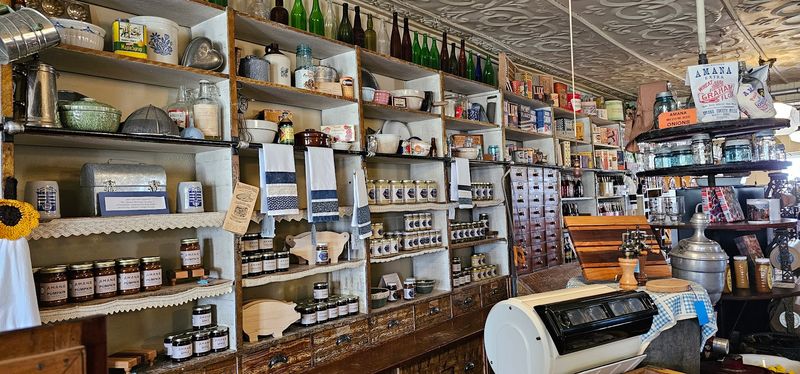
Not everything labeled local actually comes from nearby. At the High Amana General Store, the locally made products are the real thing.
The Amana Colonies have a long tradition of communal craftsmanship, and that tradition shows up directly on the shelves here.
Handmade items sit alongside locally produced food products, and the staff can tell you exactly where most of them come from. That kind of transparency is refreshing in an era when so much is mass-produced and shipped from far away.
Beer bread mix and beef jerky are among the consistently popular picks, and both reflect the straightforward, no-fuss food traditions of the region. Browsing the shelves feels less like scanning a gift shop and more like flipping through a catalog of what this community actually makes and values.
The Amana Colonies Connection That Shapes Everything
To understand the High Amana General Store, it helps to understand the Amana Colonies. The seven villages that make up the Amana Colonies were established by German religious immigrants known as the Community of True Inspiration.
They operated as a communal society for nearly a century before transitioning to a more conventional economic structure in 1932.
That history did not disappear when the communal system ended. It soaked into the buildings, the products, the food traditions, and the character of the people who stayed.
High Amana is one of the smaller villages in the colony, which gives it a quieter, less tourist-heavy feel compared to Main Amana.
The general store reflects that quieter quality. It does not try to perform history for visitors.
Instead, it simply continues to exist as a functioning part of the community it has always served.
Old-Fashioned Toys That Kids and Adults Both Reach For
There is a section of the store that tends to stop adults just as often as it stops kids. The selection of new old-fashioned toys carries a kind of quiet nostalgia that does not need explaining.
These are not electronic gadgets or branded merchandise. They are the kind of toys that ask something of the person playing with them.
A round of checkers is available to play right there in the store, and more than a few visitors have taken advantage of that. It is a small touch, but it fits perfectly with the overall atmosphere of a place that values slowing down.
The toy selection also makes the store a practical stop for parents looking for gifts that do not require batteries or a tutorial video. Simple, well-made, and genuinely fun describes the collection well.
Root Beer, Ice Cream, and the Art of the Simple Treat
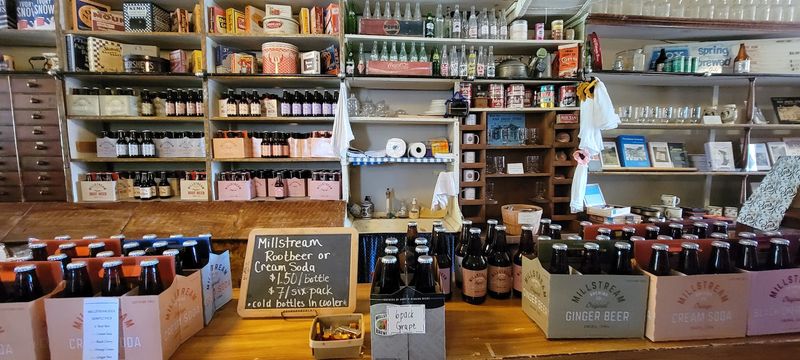
Some visits call for a cold drink and something sweet, and the High Amana General Store covers both without overcomplicating either. Amana root beer is available, and it has the kind of distinct flavor that makes you wonder why more places do not carry it.
Ice cream novelties round out the options for anyone who wants a small reward after browsing. There is something fitting about grabbing a cold treat in a building that has been serving community needs for generations.
The Millstream soda selection is another highlight, with a mix-and-match six-pack option that lets visitors try several flavors without committing to a full case of one. These are not afterthoughts tacked onto a gift shop.
They feel like a natural extension of what a general store has always been expected to offer: something useful, something good, and something worth coming back for.
A Christmas Section That Appears Year-Round
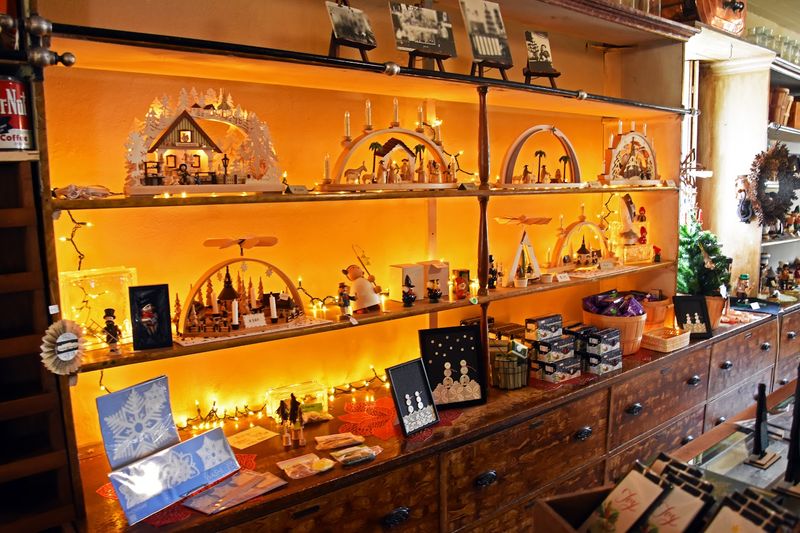
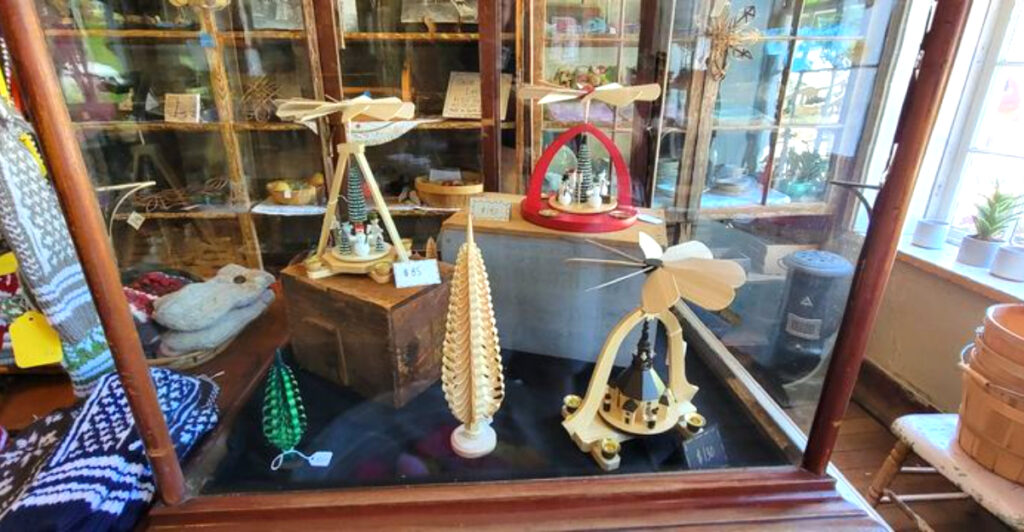
Tucked inside the larger store is a dedicated Christmas section that operates regardless of the season. For visitors who love holiday shopping without the December crowds, this is a genuinely welcome find.
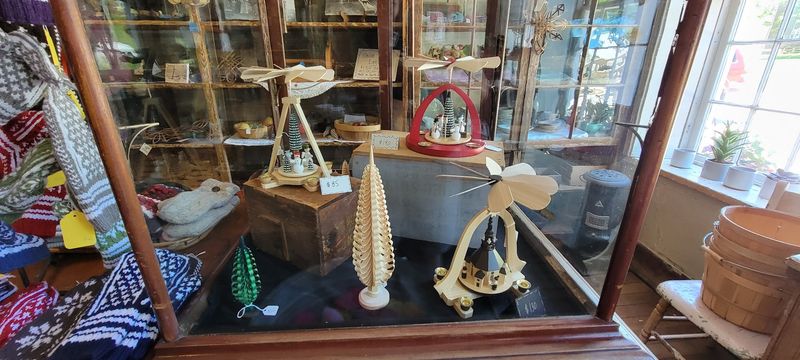
The selection leans toward traditional items with a distinctly German influence, which makes sense given the cultural roots of the Amana Colonies. German Christmas traditions are rich and specific, and the items here reflect that depth rather than defaulting to generic holiday merchandise.
Ornaments, decorative pieces, and seasonal goods fill the section, and the quality tends to be noticeably higher than what you find in most seasonal retail displays. Visitors who stop in during summer or fall often end up leaving with holiday purchases they did not plan to make.
That kind of spontaneous discovery is part of what gives the store its reputation as a place worth wandering through slowly.
Traditional German Items With Real Cultural Weight
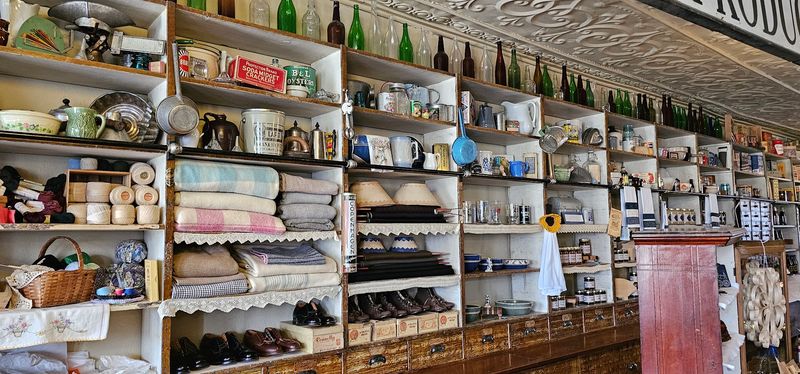
The German heritage of the Amana Colonies is not decorative. It is structural, woven into the way people built, cooked, worked, and organized their communities for generations.
The High Amana General Store reflects that heritage in the products it carries.
Traditional German items appear throughout the store, ranging from decorative goods to practical imports that carry genuine cultural significance. These are not souvenirs designed to look old.
They are the kinds of items that connect directly to the community’s origins.
Visitors with German ancestry often find the selection particularly meaningful. Even those without that background tend to appreciate the specificity of what is offered here, because it points to a real place and a real history rather than a vague, generalized idea of European tradition.
The store treats these items with the same respect it applies to everything else on its shelves: honestly and without pretense.
Staff Who Know the Story Behind Every Shelf
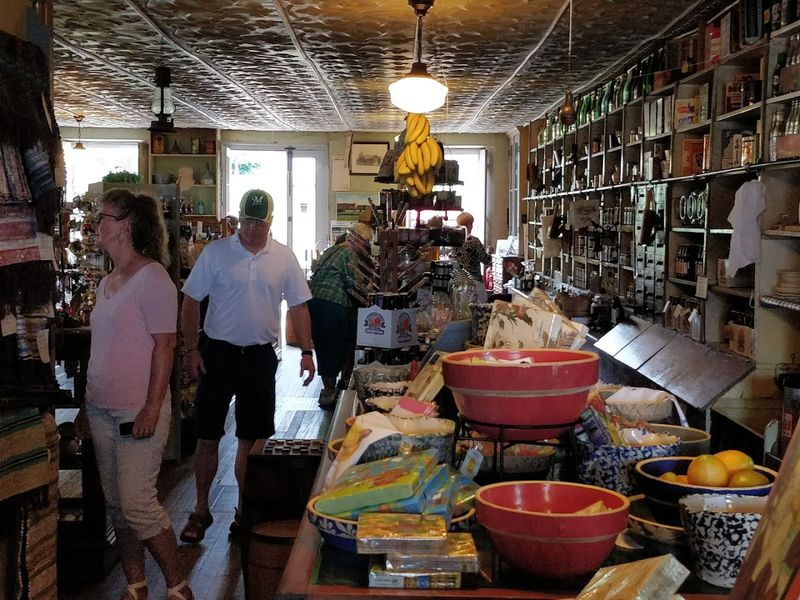
A knowledgeable staff member can transform a good visit into a great one, and the people working at the High Amana General Store seem to take that responsibility seriously. The staff here does not just ring up purchases.
They answer questions, offer context, and share the kind of detail that you cannot get from a sign or a pamphlet.
Ask about the tin ceiling and you will get the full story. Ask about a handcrafted item and the staff can often tell you who made it and where.
That level of engagement is increasingly rare in retail settings of any kind.
The atmosphere the staff creates is unhurried and welcoming. Visitors are encouraged to explore at their own pace, ask whatever they want, and stay as long as they like.
That attitude turns casual browsers into people who come back every time they are in the area.
Accessibility in a Historic Building
Historic buildings and accessibility do not always go together easily. The High Amana General Store manages to be both a preserved piece of history and a space that accommodates visitors with mobility needs.
Someone using a walker can move through the store comfortably, which is worth knowing before making the trip.
This matters more than it might initially seem. Many historic sites require visitors to accept limited access as a condition of preservation, which can make certain experiences unavailable to people who would otherwise love them.
The fact that the store remains accessible without sacrificing its historic character is a genuine achievement. It reflects a practical commitment to welcoming everyone rather than treating accessibility as an afterthought.
The layout is manageable, the aisles allow for movement, and the overall experience does not feel restricted regardless of how a visitor gets around.
Hours, Prices, and What to Expect Before You Go
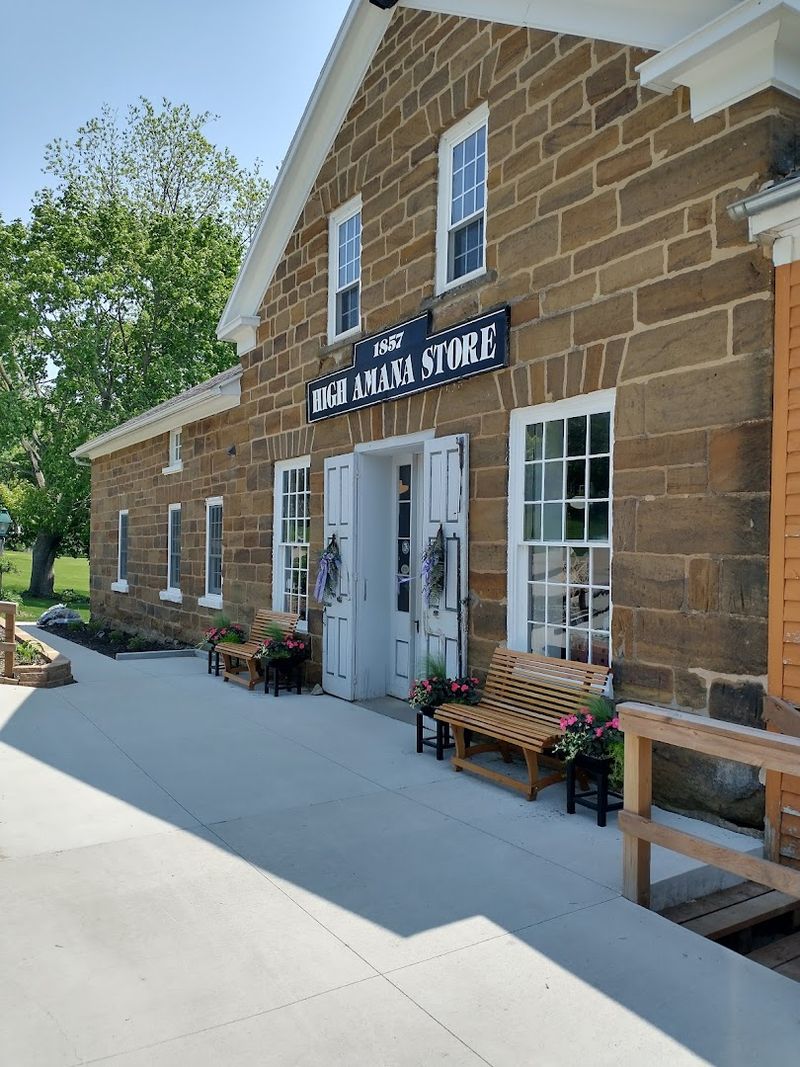
Planning ahead makes any visit smoother, and the High Amana General Store has a straightforward schedule worth knowing. The store is open Monday through Saturday from 10 AM to 5 PM, and Sunday hours run from 10 AM to 3 PM.
Those hours give visitors a reasonable window on any day of the week.
Prices throughout the store are consistently described as reasonable, which is a welcome detail for anyone worried that historic atmosphere comes with a premium markup. The quality of the goods tends to justify the cost without requiring any mental gymnastics.
The store can be reached at 319-622-3232, and more information is available at amanaheritage.org. Visiting during one of the Amana Colonies festivals adds another layer to the experience, as the surrounding village comes alive in ways that complement everything the store already offers on an ordinary afternoon.
Share this story