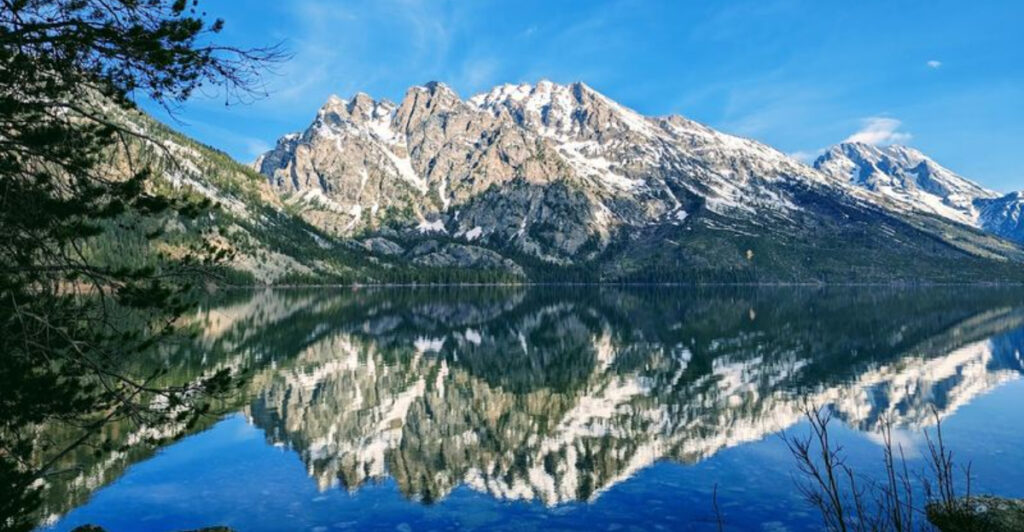
Some lakes look so clean and clear that your brain refuses to believe they are real. The water sits there, almost impossibly blue or green, and you find yourself staring at the bottom from 20 feet up wondering if someone swapped it out for glass overnight.
The United States is home to some of the most stunning freshwater lakes on the planet, and a handful of them have water so pure and transparent that first-time visitors genuinely do a double take. Whether you are planning a road trip, a summer vacation, or just building a dream list for later, these 15 lakes are worth knowing about.
Crater Lake, Oregon
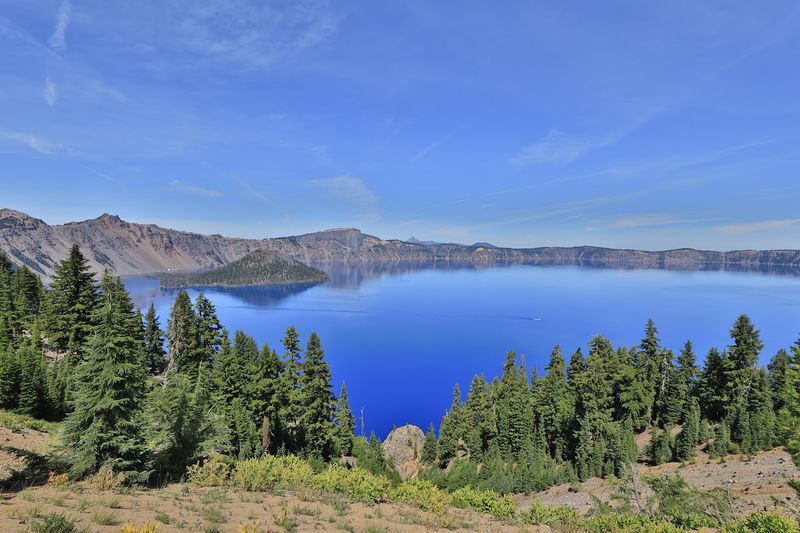
Formed inside the collapsed remains of a volcano, Crater Lake holds a kind of quiet power that is hard to describe until you are standing at the rim looking straight down at it. The water is a shade of blue so deep and saturated it almost looks digitally altered.
No rivers flow into or out of the lake, which means its water comes almost entirely from rain and snowmelt, keeping it remarkably pure.
Rim Drive circles the caldera and gives visitors a series of overlooks, each offering a slightly different angle on that famous color. Access to the water itself is limited and seasonal, with Cleetwood Cove Trail being the only legal route down to the shoreline.
At roughly 1,943 feet deep, it is the deepest lake in the United States. The depth and clarity together create a visual effect that no photograph fully captures.
Lake Tahoe, California and Nevada
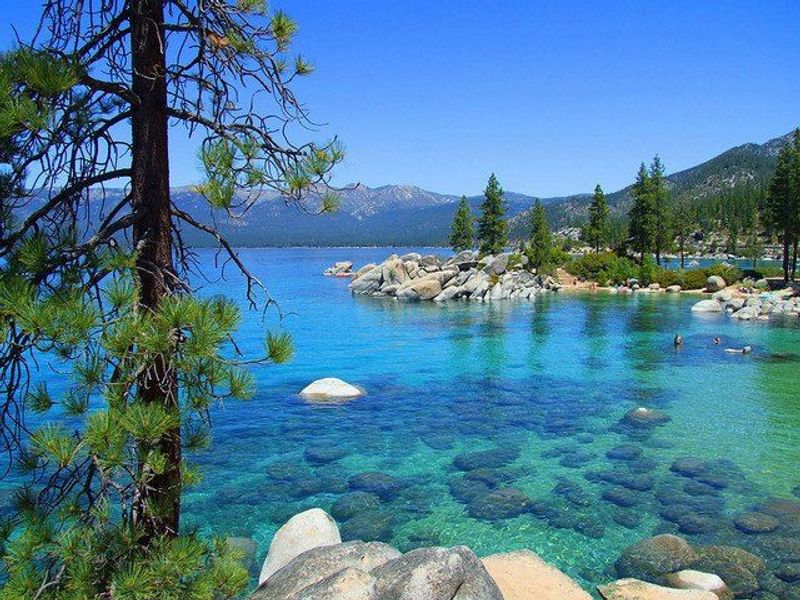
Lake Tahoe has been drawing visitors for generations, but the clarity of its water still catches people off guard when they see it in person. Along rocky coves and sandy beaches like Sand Harbor on the Nevada side, the shallows are so transparent you can count individual stones on the lakebed from a standing position.
The lake sits at about 6,225 feet above sea level in the Sierra Nevada, which gives it that crisp, cold, high-altitude character.
What makes Tahoe especially practical as a destination is how much it offers beyond just the water. Hiking, kayaking, paddleboarding, scenic drives, and lakefront dining are all easily accessible.
The north and south shores have different personalities, with the south being more developed and the north feeling quieter and more residential. Even at peak summer, finding a shoreline spot where the water looks shockingly clean and bright is not difficult if you explore a little.
Waldo Lake, Oregon
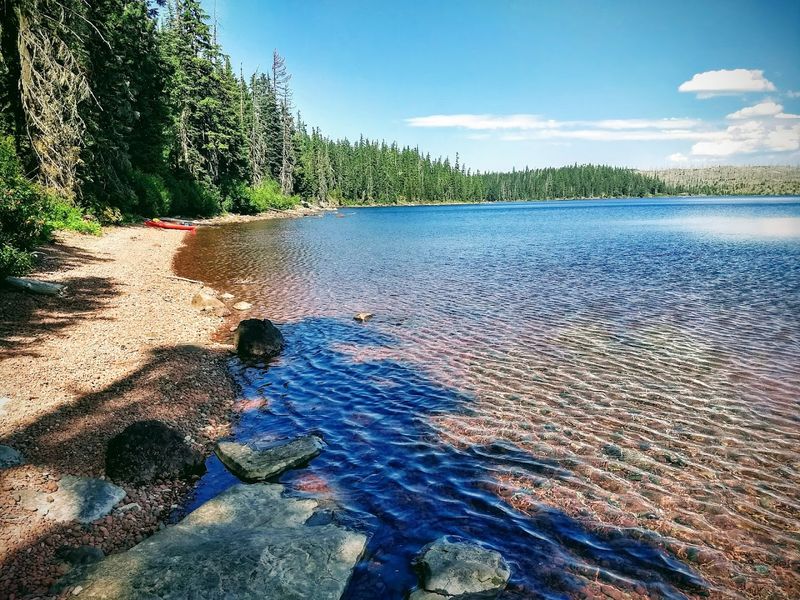
High in the Oregon Cascades, Waldo Lake earns its reputation as one of the clearest bodies of water in North America through a simple but remarkable quirk of geography. The lake has no permanent nutrient-rich inlets, which means very little plant or algae growth ever takes hold.
On a calm day, the water surface looks less like a lake and more like a pane of glass set into the forest floor.
Getting here requires a drive on forest roads, and the remoteness is genuinely part of the experience. Camping, kayaking, canoeing, swimming, and shoreline hiking are all options once you arrive.
Early summer visits come with a caveat: mosquitoes can be intense around the lake in June and early July, so planning a late July or August trip tends to be more comfortable. The payoff for timing it right is a lake that feels almost otherworldly in its stillness and transparency.
Lake Chelan, Washington
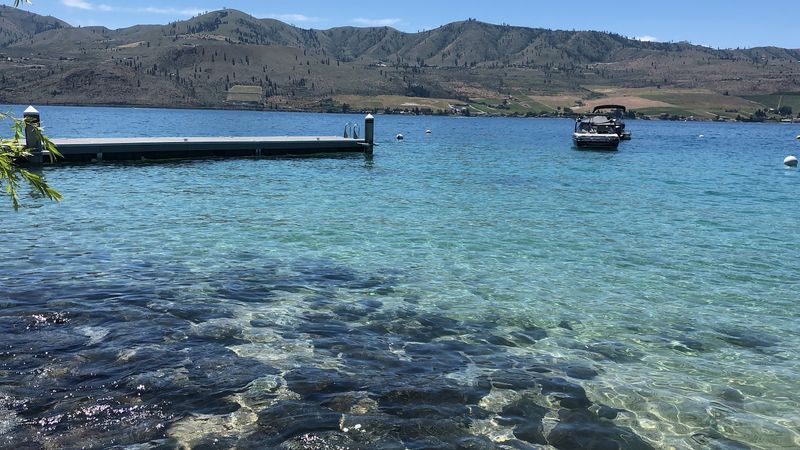
Lake Chelan stretches about 55 miles through one of Washington’s most dramatic lake corridors, reaching depths of over 1,400 feet in places. That depth contributes directly to the lake’s clear, cold character.
Near the town of Chelan and the quieter Manson area, the water is popular for boating, swimming, and paddling during summer months when the surrounding hillsides turn golden and dry.
One of the most interesting things about this lake is how dramatically different the two ends feel. The lower end near Chelan has resorts, wineries, and easy public beach access.
The upper end near Stehekin is only reachable by boat or floatplane and feels like a completely separate world. Lake Chelan State Park on the lower end gives visitors a solid public swimming and camping base.
The water runs cold and refreshing even in August, which makes it a natural reward after a hot Washington summer day on the road.
Flathead Lake, Montana
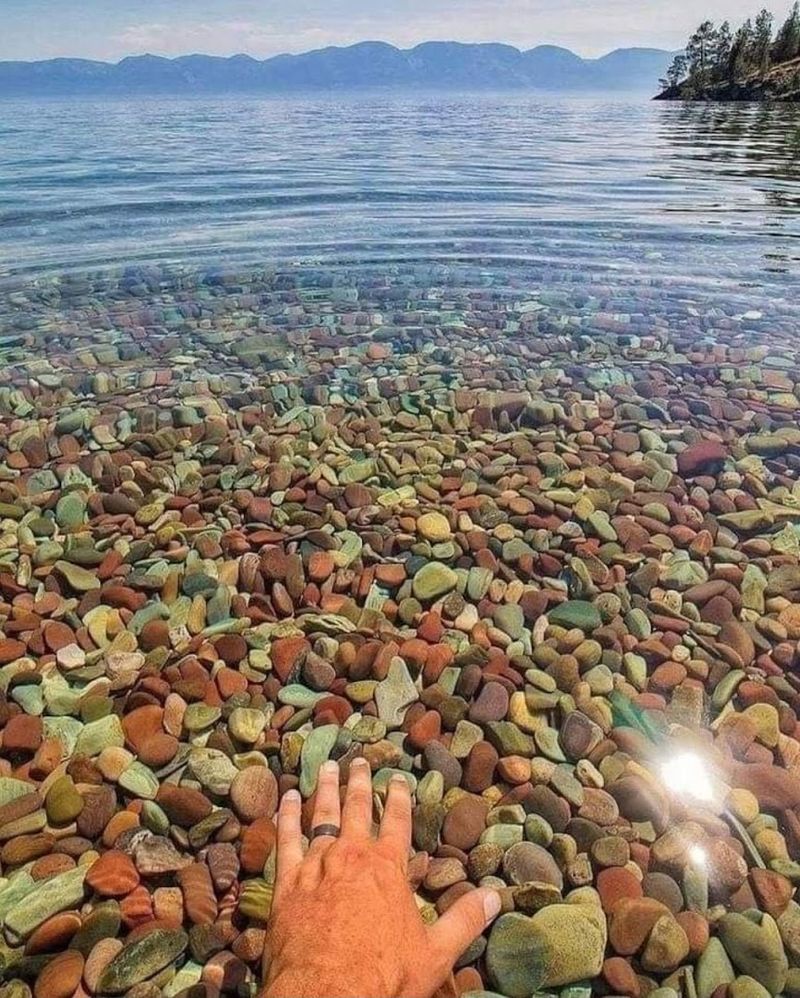
Flathead Lake carries a kind of big-sky scale that sets it apart from most freshwater destinations in the continental United States. It is the largest natural freshwater lake west of the Mississippi in the lower 48, covering about 191 square miles.
Despite its size, the water stays remarkably clear, especially near rocky points and undeveloped shorelines where the lakebed is plainly visible beneath the surface.
Several Montana state park units ring the lake and give visitors public access for swimming, boating, fishing, picnicking, and camping. Wild Horse Island State Park, reachable only by boat, is a favorite for wildlife viewing and quiet shoreline exploration.
The Mission Mountains rising to the east give the lake one of the most photogenic backdrops in the American West. Flathead Lake is large enough to feel like an adventure but calm enough on summer mornings to feel like the most peaceful place in Montana.
Torch Lake, Michigan
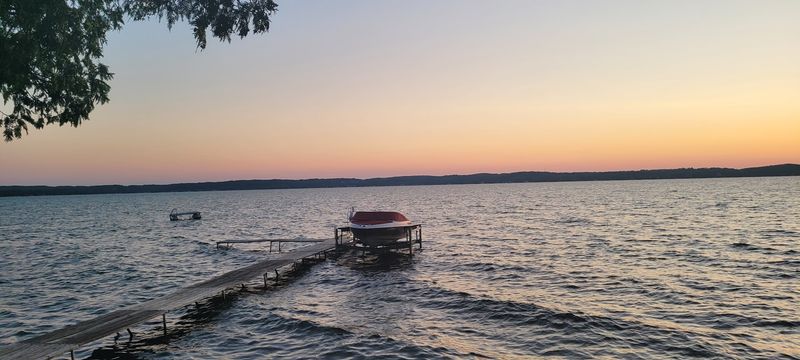
Torch Lake is the lake that makes people from other states say they did not know Michigan had water that color. Stretching about 18 miles through Antrim County in northern Michigan, it holds the title of longest inland lake in the state, and its turquoise and aquamarine shallows draw comparisons to tropical destinations that are not entirely exaggerated.
On a sunny July afternoon, the sandbar near the southern end becomes a floating gathering spot for boaters.
The color comes from a combination of the lake’s sandy bottom, its depth, and the way sunlight interacts with the water at different angles. Swimming, kayaking, paddleboarding, and boating are all popular here.
Public beach access exists but is limited, so many visitors arrive by boat. The lake gets busy in peak summer, but its clarity and color remain consistent regardless of the crowd.
For a Midwest lake that genuinely earns its tropical reputation, Torch Lake is the real thing.
Lake George, New York
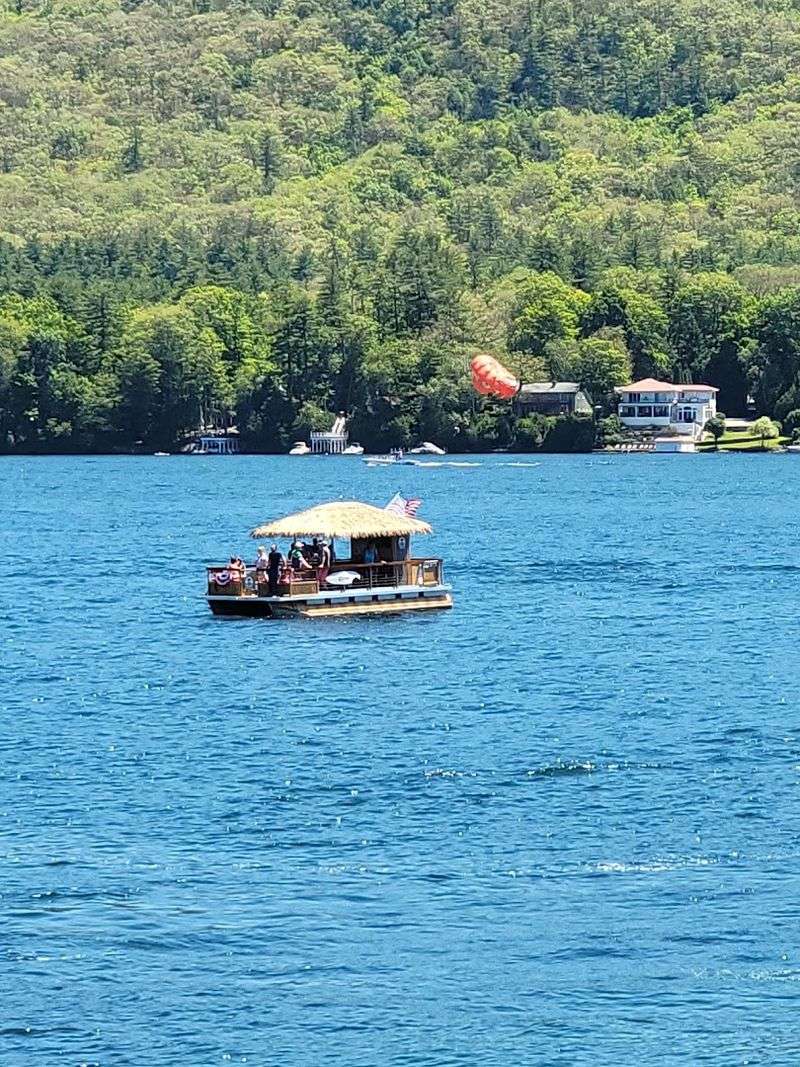
Lake George has carried the nickname ‘Queen of American Lakes’ for a long time, and the water quality is a big reason why. Set in the southern Adirondacks in upstate New York, the lake is about 32 miles long and surrounded by state-protected land that helps maintain its famously clear water.
The combination of mountain scenery, island-dotted water, and historic lakefront towns gives it a layered appeal that goes beyond just swimming.
Families tend to gravitate toward Lake George because the infrastructure is solid. Public beaches, boat rentals, kayak tours, paddleboard rentals, and boat cruises are all accessible without much planning.
The Village of Lake George at the southern end has a classic summer-resort energy with shops, restaurants, and easy waterfront access. The northern sections of the lake feel more remote and are popular with boaters and campers who prefer island camping on the state-managed sites scattered across the water.
Lake Crescent, Washington
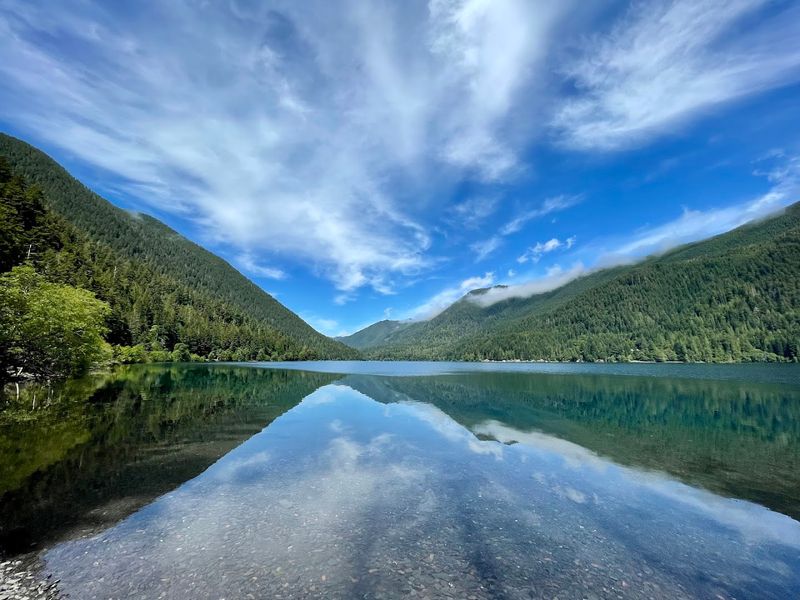
Tucked inside Olympic National Park on Washington’s Olympic Peninsula, Lake Crescent has a color that sits somewhere between blue and green depending on the light and the time of day. The lake’s exceptional clarity comes from its naturally low nitrogen levels, which limit the growth of algae and aquatic plants.
In calm conditions, visibility into the water is striking, and the forested ridges reflected on the surface add to the visual depth.
The historic Lake Crescent Lodge, which has operated since 1916, sits right on the shoreline and gives visitors a classic national park base with rooms, a dining room, and easy access to kayak and rowboat rentals. The Marymere Falls Trail nearby is a short, rewarding hike that ends at a waterfall tucked into the old-growth forest.
Storm King Mountain Trail offers a more challenging climb with lake views from above. Lake Crescent rewards visitors who slow down and pay attention to their surroundings.
Lake McDonald, Montana
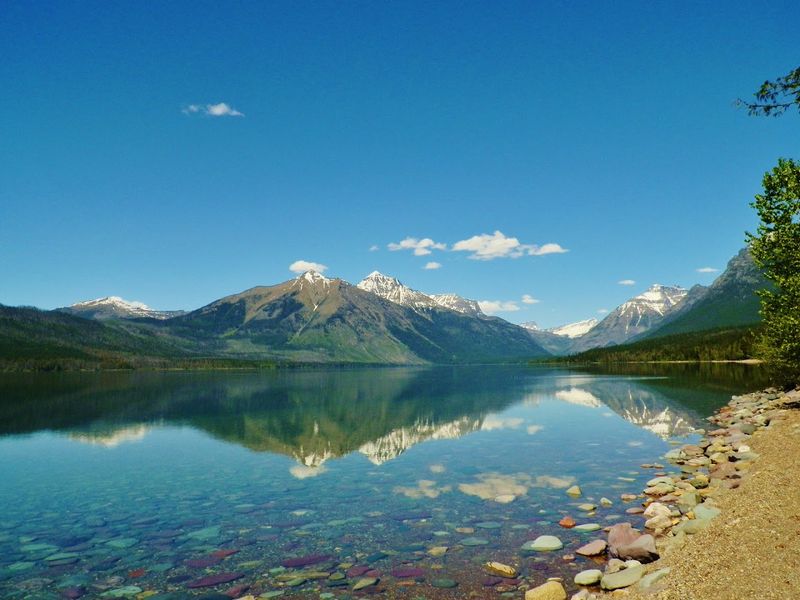
Lake McDonald is famous for something most lakes cannot claim: a shoreline covered in smooth, vividly colored stones that are clearly visible through the water even from a standing position. The stones range from deep red and green to purple and gray, polished by centuries of glacial and wave action.
Combined with the cold, clear water and the surrounding peaks of Glacier National Park, the shoreline creates one of the most photographed scenes in any American national park.
The lake is the largest in Glacier, stretching about 10 miles along the Going-to-the-Sun Road corridor. Kayaking and canoeing are popular ways to experience the water, and the historic Lake McDonald Lodge nearby provides lodging, dining, and a classic park atmosphere.
The water is cold year-round, so most people enjoy the lake visually or from a kayak rather than swimming. Fall visits bring dramatic reflected colors from the surrounding larch and maple trees.
Jenny Lake, Wyoming
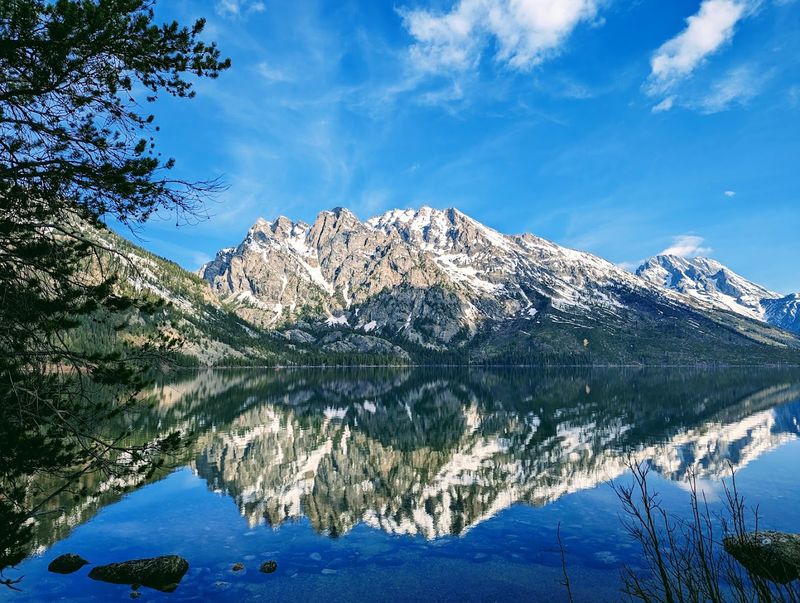
Jenny Lake sits at the base of the Teton Range, and the mountains rise so steeply above the shoreline that the whole scene can feel slightly unreal on a clear day. The water is cold, transparent, and glacier-fed, sitting at an elevation of about 6,783 feet.
It is one of the most visited areas in Grand Teton National Park, but the setting holds its own regardless of the summer crowds along the trails and boat dock.
A seasonal shuttle boat crosses the lake and drops hikers near Cascade Canyon, one of the most popular trails in the park. Visitors who prefer to stay at water level can walk the relatively flat 7-mile loop trail around the lake’s perimeter.
The lake is less of a swimming destination and more of a scenic and hiking hub, but the clarity of the water adds to every experience here. Morning light on the Tetons reflected in the lake surface is genuinely hard to beat.
Newfound Lake, New Hampshire
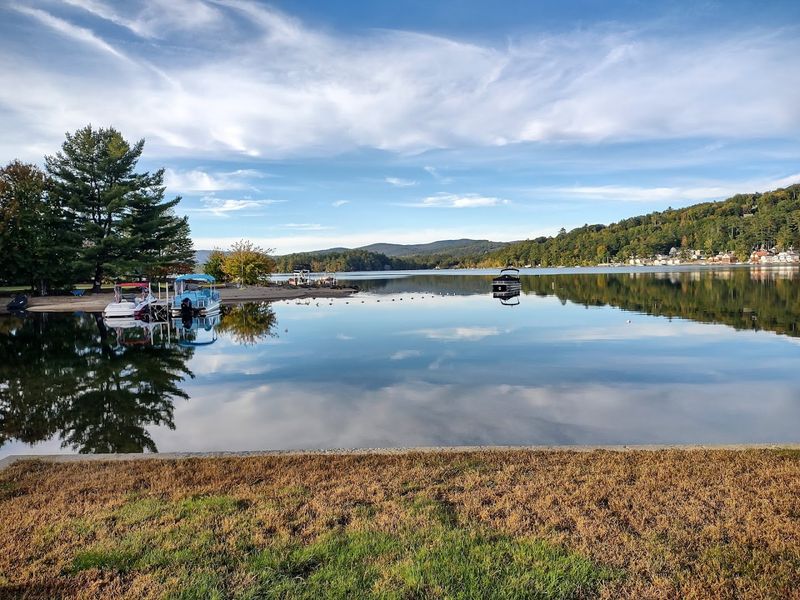
Newfound Lake is the kind of clear-water destination that does not need to shout about itself. Located in New Hampshire’s Lakes Region near the town of Bristol, it consistently ranks among the cleanest lakes in the entire country based on water quality testing.
The lake covers about 4,100 acres and reaches depths of over 180 feet, contributing to its naturally cold and clear character.
Wellington State Park on the western shore provides one of New Hampshire’s largest freshwater public beaches, with swimming, picnic areas, and easy lake access. Kayaking, fishing, and paddleboarding are popular throughout the warmer months.
The surrounding area has small towns, hiking trails, and mountain views that round out a full trip without requiring much driving. Newfound Lake draws a loyal crowd of repeat visitors who appreciate its relatively calm atmosphere compared to busier Lakes Region destinations like Winnipesaukee.
The water quality here is something the local community actively works to protect.
Lake Jocassee, South Carolina
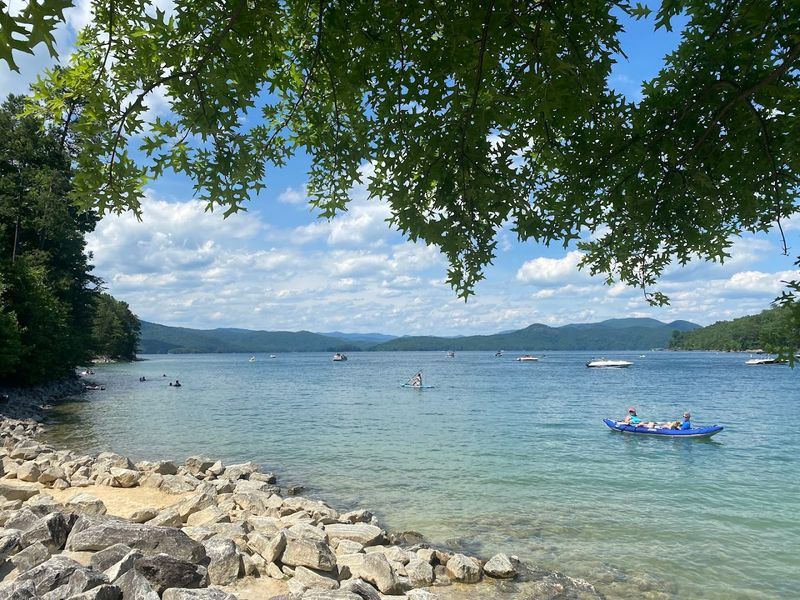
Lake Jocassee is the kind of place that surprises people who assume the Southeast does not have mountain lakes worth talking about. Located in the Blue Ridge foothills of Oconee and Pickens counties, the lake was created in 1973 when Duke Energy dammed the Jocassee Gorges area.
The water is fed by cold mountain streams and waterfalls, keeping it cool and unusually clear for a reservoir in the South.
Devils Fork State Park on the eastern shore serves as the primary public access point, offering boat ramps, camping, cabin rentals, swimming, and fishing. The lake is also well known among scuba divers for its underwater visibility, which can reach impressive depths on calm days.
Several waterfalls along the lake’s coves are only reachable by boat, which makes exploring by kayak or canoe especially rewarding. Summer water temperatures stay cooler than most South Carolina lakes, which is a genuine advantage during the region’s hot months.
Payette Lake, Idaho
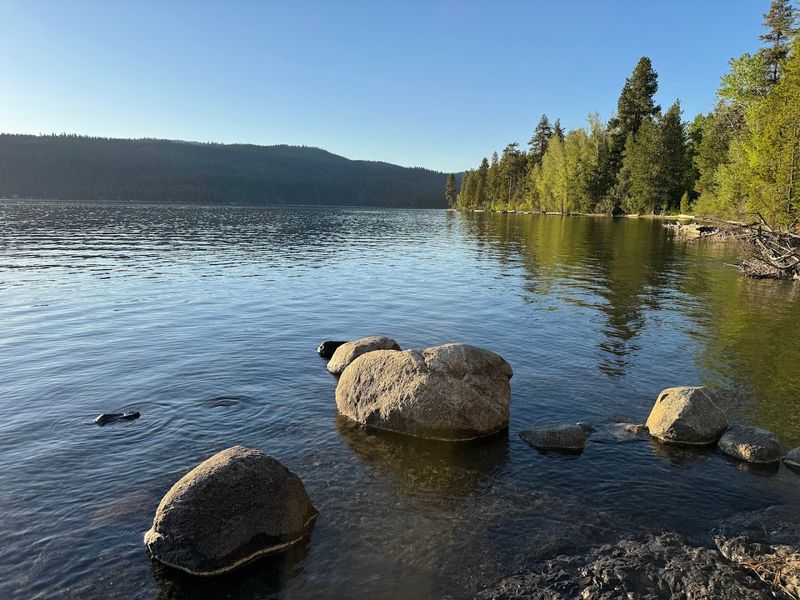
Payette Lake sits right next to the small mountain town of McCall in central Idaho, which makes it one of the more convenient clear-water destinations on this list. The lake was carved by glaciers and sits at about 5,020 feet in elevation, giving it that crisp alpine character that is hard to replicate at lower altitudes.
The water runs cold and clear, and the pine forests surrounding the shoreline stay green well into summer.
Ponderosa State Park occupies a peninsula that juts into the lake and provides excellent public access for swimming, boating, kayaking, paddleboarding, camping, and hiking. The park’s trails offer elevated views of the lake through the trees.
McCall itself has restaurants, shops, and services that make it easy to extend a visit beyond a single day at the water. The combination of clear alpine water, a usable small town, and solid outdoor infrastructure makes Payette Lake one of Idaho’s most practical and rewarding lake destinations.
Lake Superior, Michigan, Minnesota, and Wisconsin
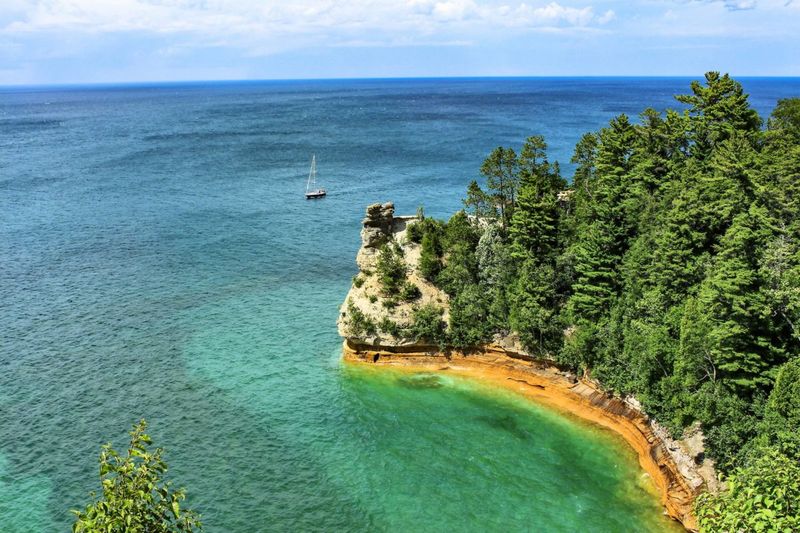
Lake Superior is not just big, it is a category of its own. Covering more than 31,700 square miles, it is the largest of the Great Lakes by surface area and holds about 10 percent of the world’s surface freshwater.
Its water is cold, clean, and notably clear compared to other Great Lakes, partly because of its size, depth, and relatively low levels of nutrient runoff along much of its shoreline.
The lake’s southern coast runs through Michigan’s Upper Peninsula, Wisconsin, and Minnesota, offering access to Pictured Rocks National Lakeshore, Apostle Islands National Lakeshore, and numerous state parks. Sea cave kayaking near the Apostle Islands is one of the more memorable freshwater experiences available anywhere in the country.
Pebble beaches, rocky headlands, and cold clear shallows define the shoreline experience. Swimming is possible in summer but requires awareness of how quickly conditions and temperatures can shift on open water this large.
Lake Willoughby, Vermont
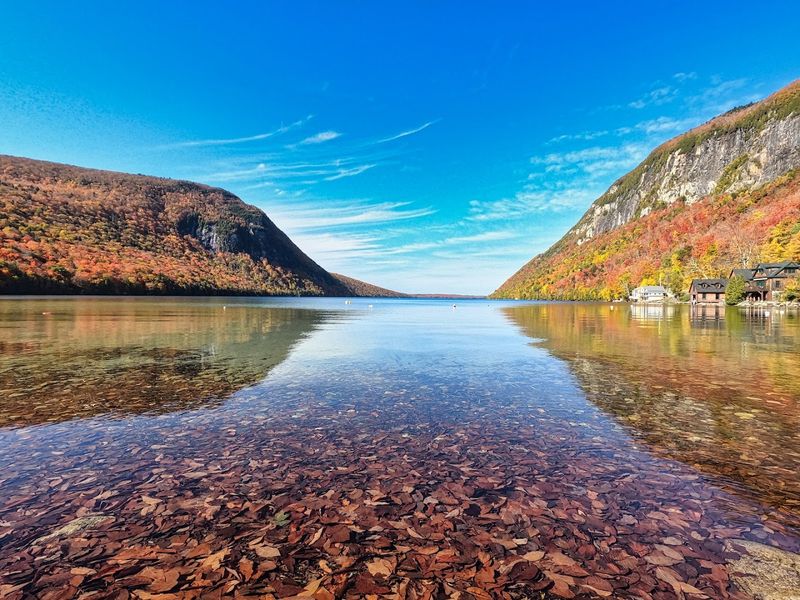
Lake Willoughby sits in Vermont’s Northeast Kingdom and looks like something that belongs in Norway. Mount Pisgah and Mount Hor rise steeply on either side of the lake’s southern end, creating a narrow fjord-like corridor that frames the water in a way that feels genuinely dramatic for New England.
The lake is deep, glacially formed, and cold, with water clarity that makes it one of the most visually impressive swimming spots in the state.
Public beach access is available at the north and south ends of the lake, and the swimming is popular on warm summer days when the surrounding landscape makes the experience feel much grander than a typical town beach. Hiking trails up both Mount Pisgah and Mount Hor offer elevated views of the lake below.
Fishing is also popular here, particularly for rainbow smelt. Lake Willoughby stays quieter than many Vermont vacation destinations, which adds to its appeal for visitors who prefer scenery over crowds.
Share this story