Some people plan trips around museums or monuments. Others plan them around bread. Before you dismiss that as extreme dedication, consider that a single perfectly fermented sourdough loaf, baked in a wood-fired oven by someone who has spent years perfecting their craft, can genuinely change the way you think about food. Across the United States, a handful of bakeries have built such loyal followings that customers drive hours, wait in long lines, and plan entire weekends around a visit.
This list covers 17 of those bakeries, from a Gold Rush-era San Francisco institution to a grain-milling operation in the nation’s capital that redefines what fresh bread actually means. Each one has earned its reputation through consistency, craft, and a refusal to cut corners. Pack a cooler bag and clear your weekend schedule.
1. Tartine Bakery, San Francisco, California
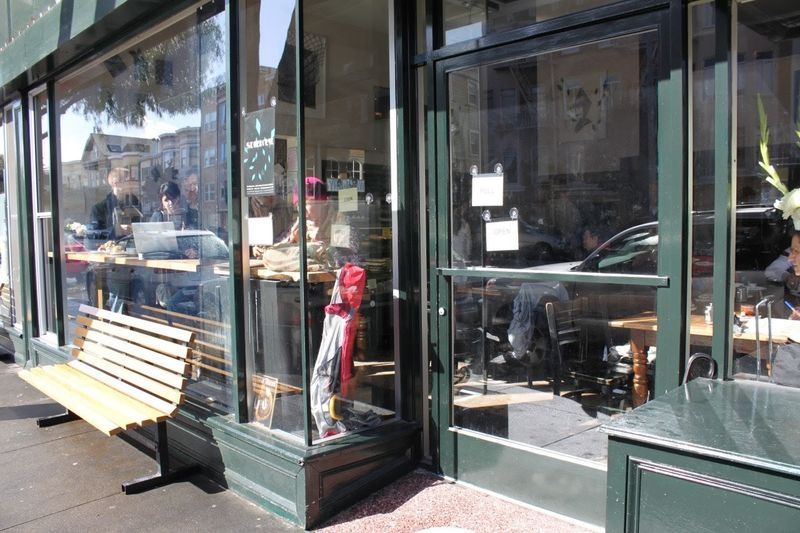
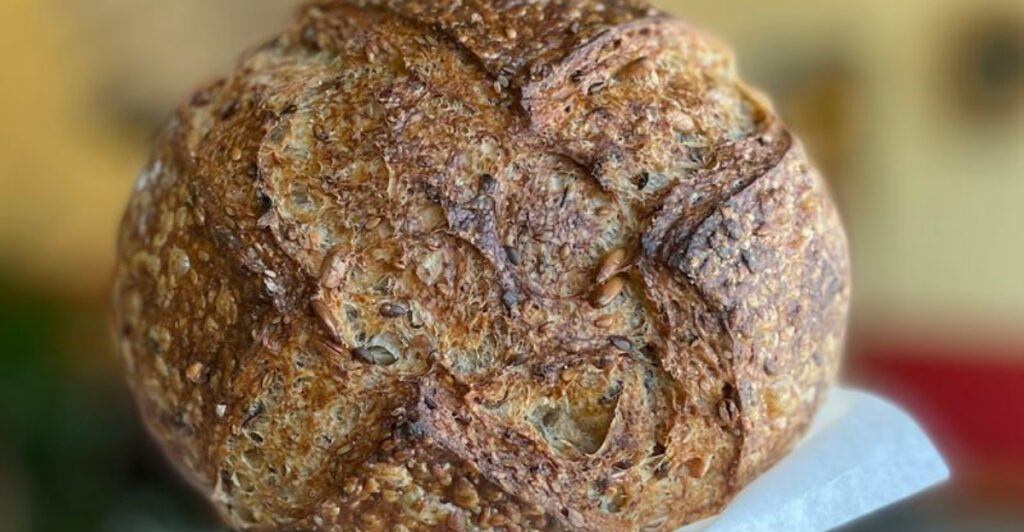
Chad Robertson’s country loaf has become one of the most referenced breads in modern baking history, and Tartine is the place where it all started. The naturally fermented starter used here has been active for years, producing loaves with a deeply caramelized crust and an open, irregular crumb that bread bakers study like a textbook.
Bread is typically available only in the late afternoon, which means the line forms early and moves fast. The bakery also serves pastries and sandwiches, but most visitors come specifically for the loaf that launched a thousand home baking projects.
2. Acme Bread Company, Berkeley, California
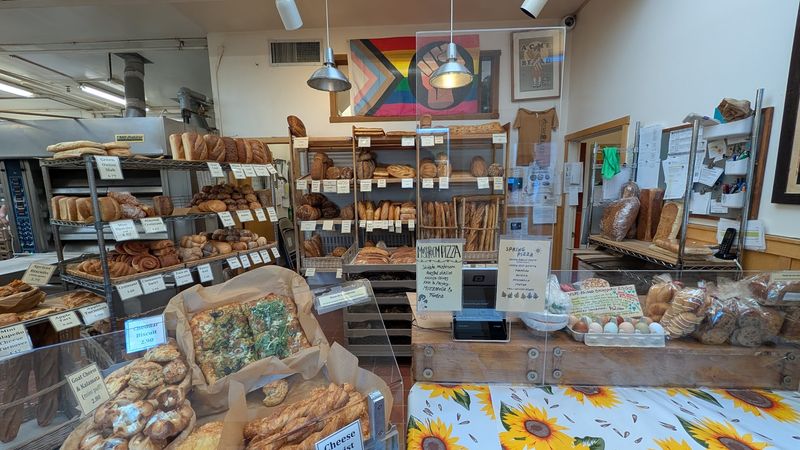
Long before artisan bread became a trend in America, Acme Bread Company was already doing it right. Founded in 1983 by Steve Sullivan, who learned his craft at Chez Panisse, the bakery helped define what handcrafted bread could look like in the United States.
Its organic pain au levain and sweet baguettes have appeared on the menus of some of the most celebrated restaurants in the Bay Area for decades. The Berkeley location lets visitors watch bakers at work, and the shelves are stocked with warm loaves that sell out reliably by midday.
3. Boudin Bakery, San Francisco, California
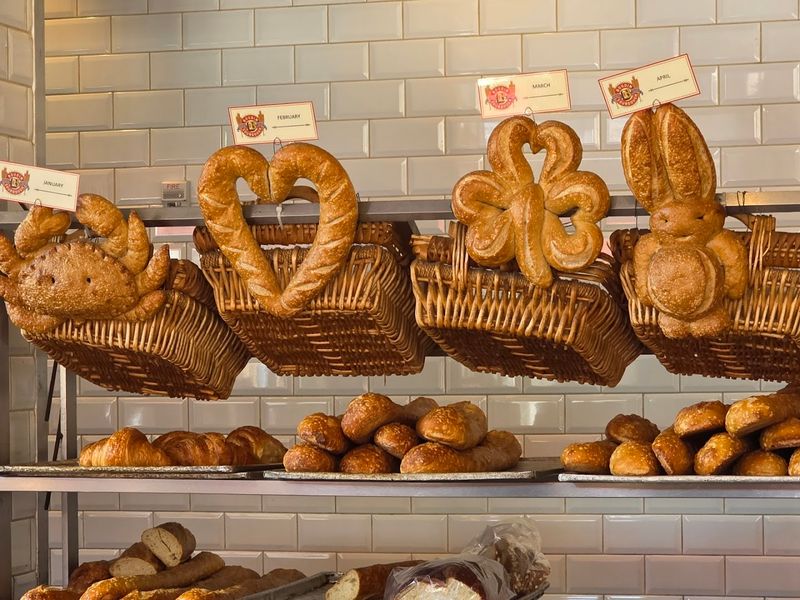
Boudin has been baking sourdough in San Francisco since 1849, making it one of the oldest continuously operating bakeries in California. The original sourdough starter, sometimes called the mother dough, has reportedly been maintained and used in every batch since the bakery first opened during the Gold Rush era.
The flagship location on Fisherman’s Wharf features a glass-walled bakery where visitors can watch bakers shape loaves and create decorative bread sculptures in the shape of crabs, alligators, and other figures. It is part history lesson, part bakery tour, and entirely worth the visit.
4. Sullivan Street Bakery, New York City, New York
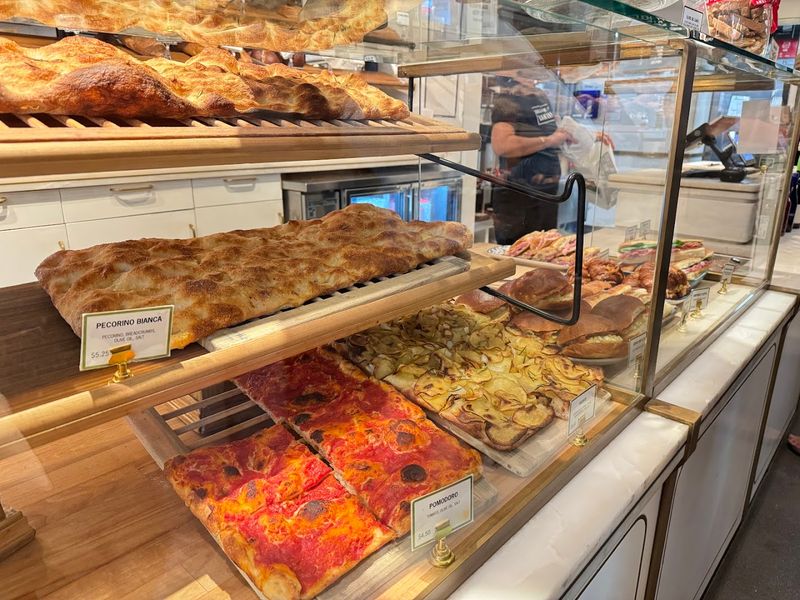
Jim Lahey changed home baking forever when his no-knead bread recipe went viral in 2006, but Sullivan Street Bakery had already been producing exceptional Italian-style loaves in New York City for over a decade before that moment of fame.
The bakery’s ciabatta is celebrated for its airy interior and crisp exterior, and the Roman-style pizza sold by the slice draws a dedicated crowd at lunchtime. Lahey’s approach has always prioritized long fermentation over shortcuts, and every loaf on the shelf reflects that philosophy. The storefront stays deliberately simple, letting the bread do all the talking.
5. Clear Flour Bread, Brookline, Massachusetts
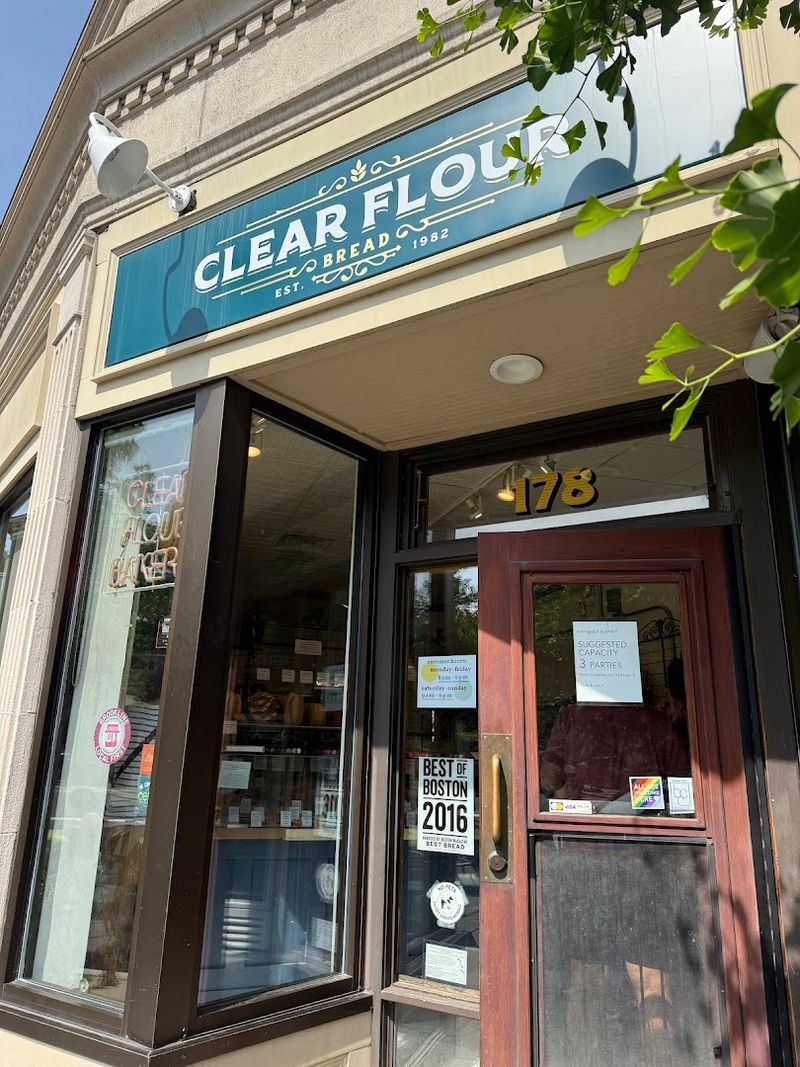
Clear Flour Bread has operated in the same Brookline neighborhood since 1983, and in that time it has built a reputation that extends well beyond the Boston area. The bakery specializes in European-style breads, with French baguettes, fragrant rye loaves, and a rustic miche that regulars consider among the finest in New England.
Everything is made by hand using traditional methods, and the selection changes with the day of the week, which gives loyal customers a reason to visit more than once. Arrive early on weekends because the most popular loaves are typically gone before noon.
6. Standard Baking Co., Portland, Maine
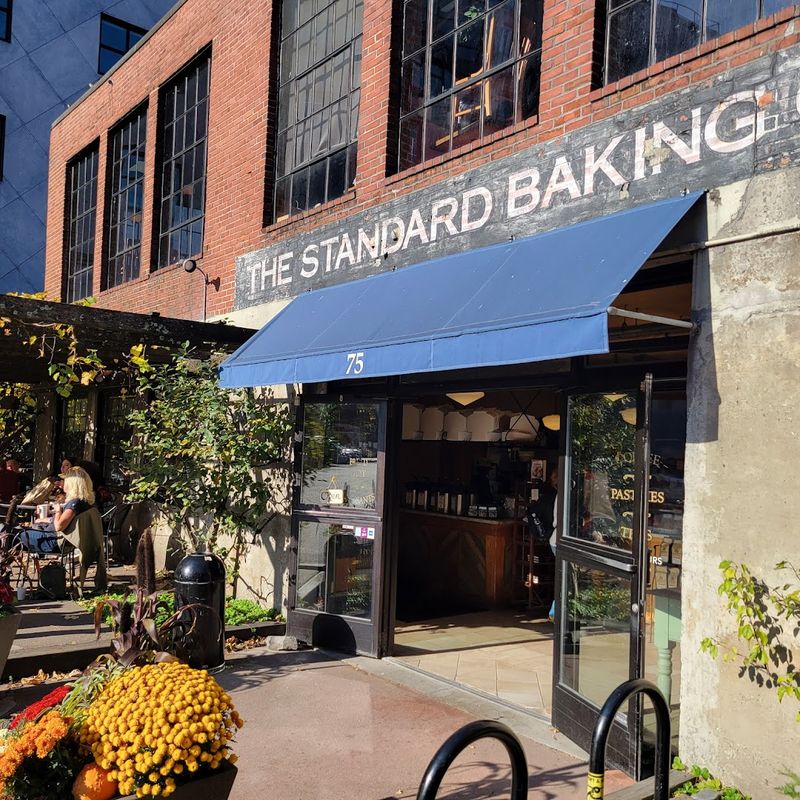
Portland, Maine has quietly become one of the best food cities in the Northeast, and Standard Baking Co. sits at the center of that story. The bakery opened in 1995 and quickly became known for French-inspired breads that match the quality of what you would find in a good Parisian boulangerie.
The levain, whole wheat loaves, and hand-shaped baguettes are consistently excellent, and the location near the waterfront makes it an easy stop before or after exploring the Old Port district. Large windows in the bakery allow visitors to watch the production process, which adds a satisfying layer of transparency to every purchase.
7. Bread Alone Bakery, Boiceville, New York
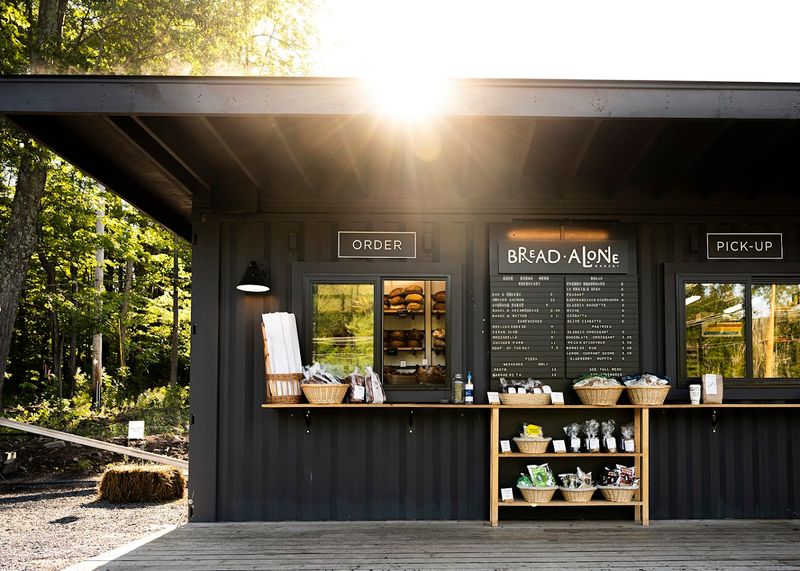
Founded in 1983 by Daniel Leader, Bread Alone was one of the first bakeries in the United States to commit fully to organic ingredients and traditional European fermentation methods. Leader studied baking in France before returning to New York and opening this wood-fired bakery in the Catskill Mountains.
The result is a lineup of rustic sourdoughs, hearty multigrain loaves, and seasonal specialties that taste noticeably different from commercially produced bread. The Catskills setting makes it an appealing destination on its own, and pairing the drive with a stop at the bakery turns a weekend trip into something genuinely worthwhile.
8. Grand Central Bakery, Portland, Oregon
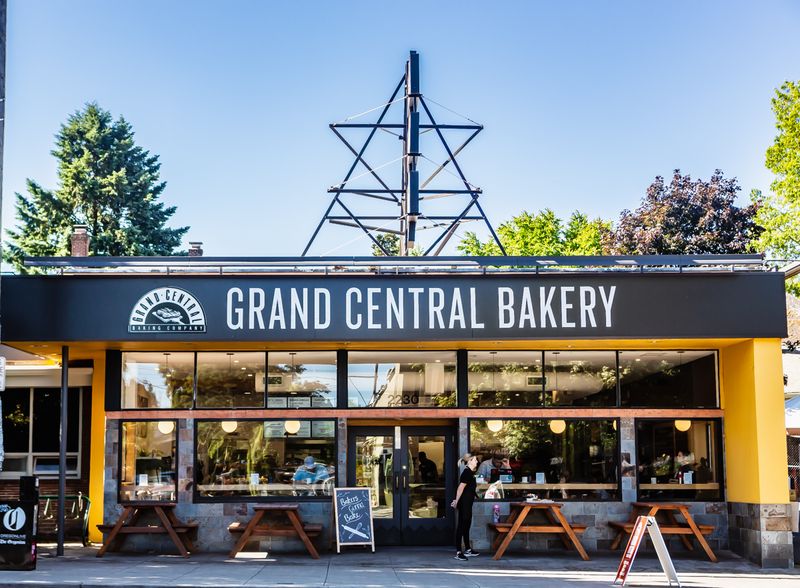
Grand Central Bakery has been a fixture of the Pacific Northwest food scene since 1989, and its influence on artisan baking in the region is hard to overstate. The bakery produces naturally leavened country loaves, seeded breads, and crisp baguettes that are baked fresh in multiple rounds throughout the day.
Multiple locations across Portland and Seattle make it more accessible than most artisan bakeries on this list, but the quality has never suffered for the expansion. Regulars often describe leaving with far more bread than they intended to buy, which is probably the most honest endorsement any bakery can receive.
9. Ken’s Artisan Bakery, Portland, Oregon
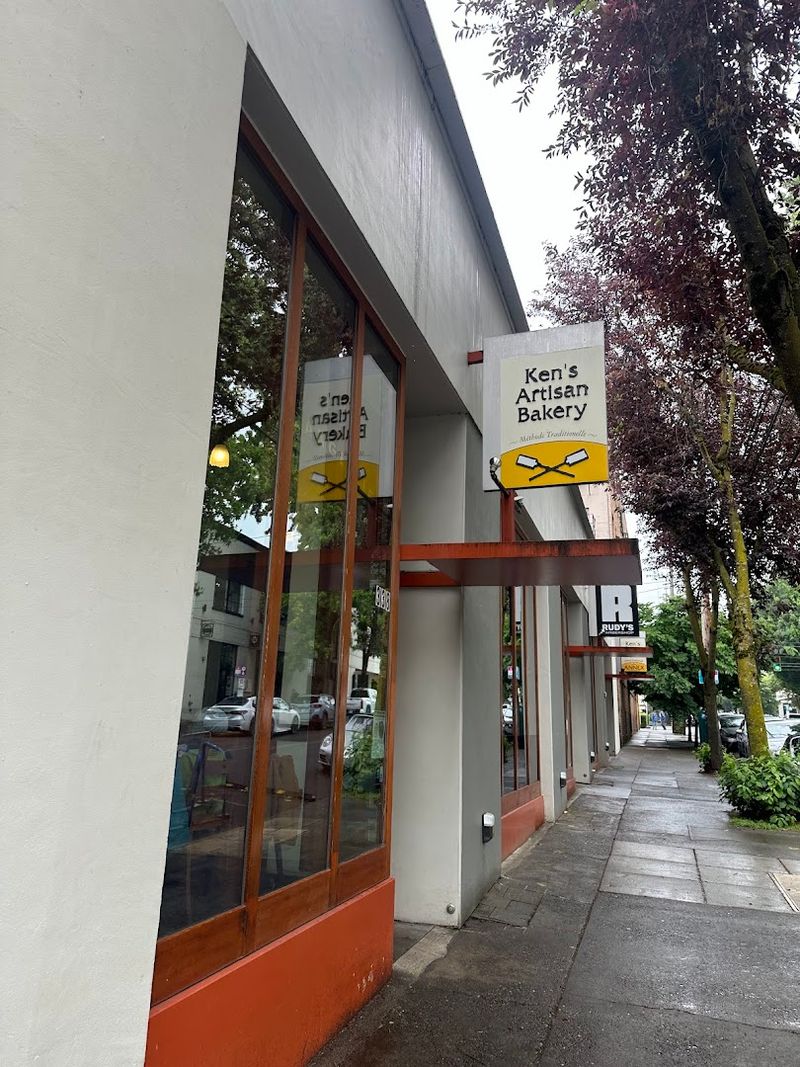
Ken Forkish opened Ken’s Artisan Bakery in 2001 after leaving a career in tech, and the pivot paid off spectacularly. His book Flour Water Salt Yeast became a standard reference for serious home bakers, and the bakery itself has maintained a level of quality that keeps it near the top of every serious bread lover’s list.
Long fermentation times give the country loaves a depth of flavor that is immediately noticeable. The rustic interior, with its open kitchen and casual seating, makes it easy to stay for a full breakfast or lunch rather than just grabbing a loaf to go.
10. Bien Cuit, Brooklyn, New York
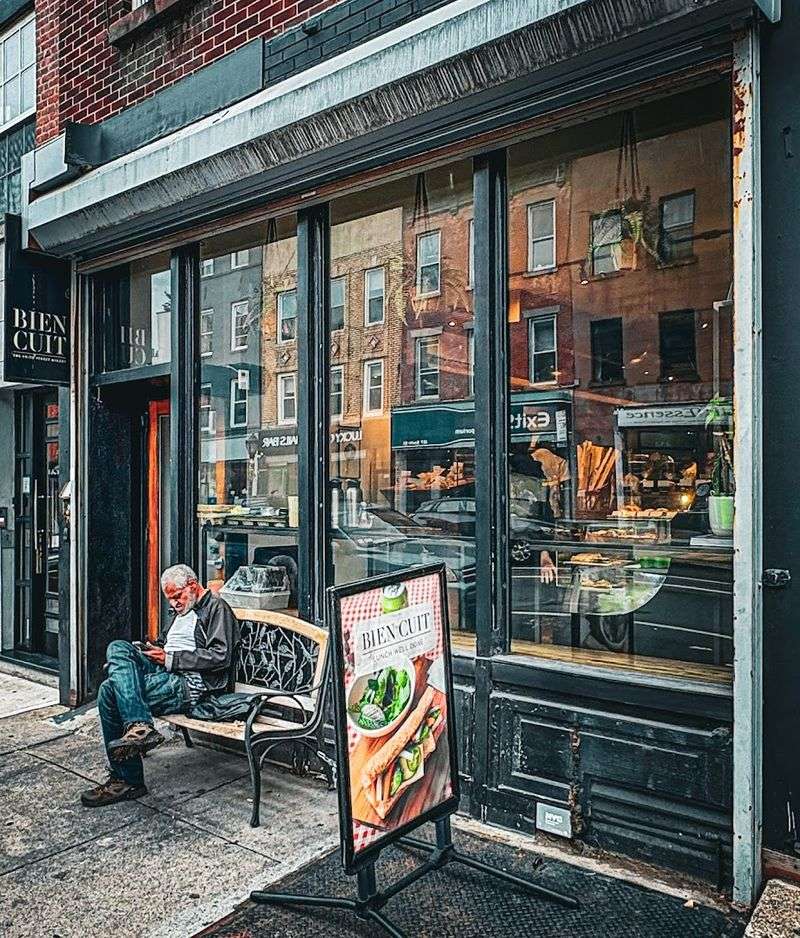
The name means “well done” in French, and baker Zachary Golper takes that description seriously. Bien Cuit bakes its breads longer than most bakeries dare to, producing dark, deeply caramelized crusts that carry a complexity of flavor most loaves never achieve.
The signature miche, seeded rye, and rotating seasonal breads have made this Brooklyn bakery a destination for people who take bread seriously. The shelves display a wide variety of options that change throughout the week, so repeat visitors rarely see the exact same selection twice. It is the kind of place that rewards curiosity.
11. Companion Baking, St. Louis, Missouri
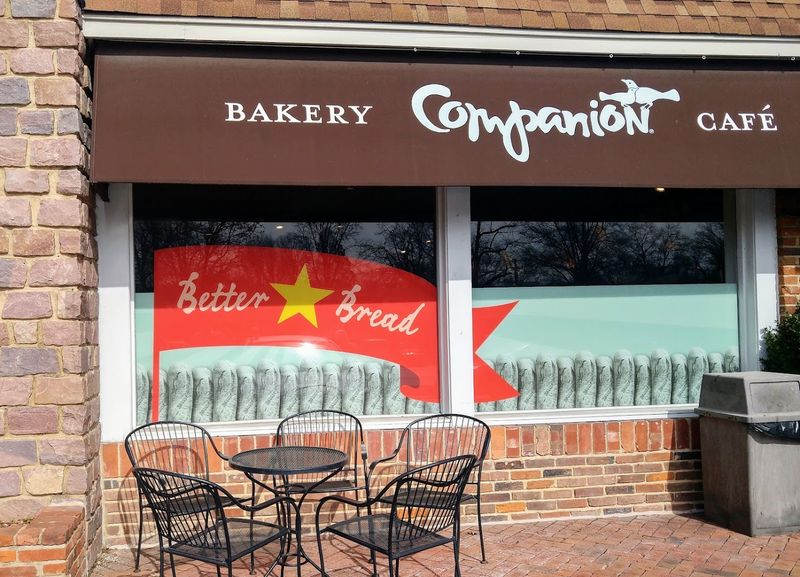
St. Louis does not always appear on lists of great American food cities, but Companion Baking has been quietly making the case for it since 1993. The bakery blends classic European baking techniques with the kind of warm, open hospitality that the Midwest does particularly well.
Crusty baguettes, naturally fermented sourdough, and hearty whole grain loaves fill the shelves daily, and the attached cafe makes it easy to stay for a proper meal. Watching the bakers work through the open kitchen adds an engaging, behind-the-scenes quality to the visit that most customers genuinely appreciate.
12. Zingerman’s Bakehouse, Ann Arbor, Michigan
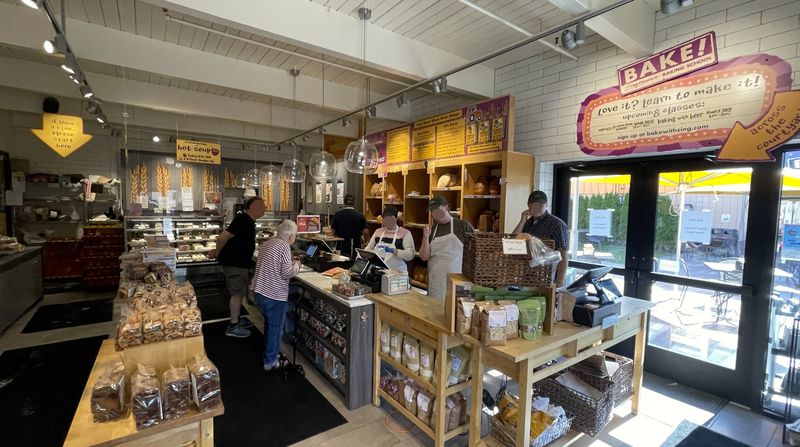
Zingerman’s is an Ann Arbor institution that has grown into a community of food businesses, and the Bakehouse is one of its most beloved members. The bread program here draws on a wide range of traditions, from Jewish rye and challah to French-style country loaves and naturally leavened sourdough.
What sets Zingerman’s apart from many bakeries on this list is its commitment to education. The Bakehouse offers hands-on baking classes for home bakers who want to understand the craft behind the loaf. Even without a class, the retail shop alone is worth a dedicated trip to Ann Arbor.
13. Seylou Bakery, Washington, District of Columbia
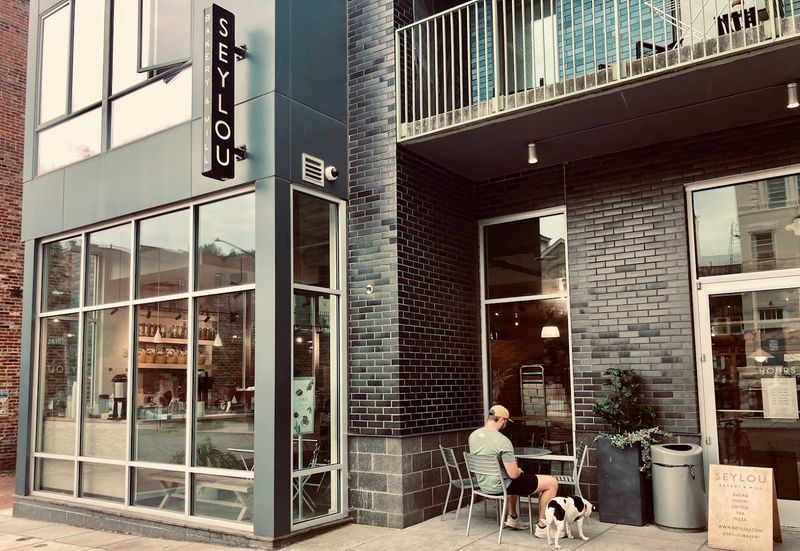
Most bakeries buy their flour from a supplier. Seylou mills many of its own grains on-site, which gives its breads a freshness and nutritional density that is genuinely difficult to replicate any other way. The bakery focuses on whole grain sourdough and heritage grain varieties that are rarely found in commercial baking.
The minimalist interior keeps the focus squarely on the product, with no distractions from the carefully crafted loaves on display. Country loaves, whole wheat breads, and rotating seasonal options give regular visitors plenty of reasons to return. It is a bakery built around a specific philosophy, and the bread makes that philosophy easy to believe in.
14. Iggy’s Bread, Cambridge, Massachusetts
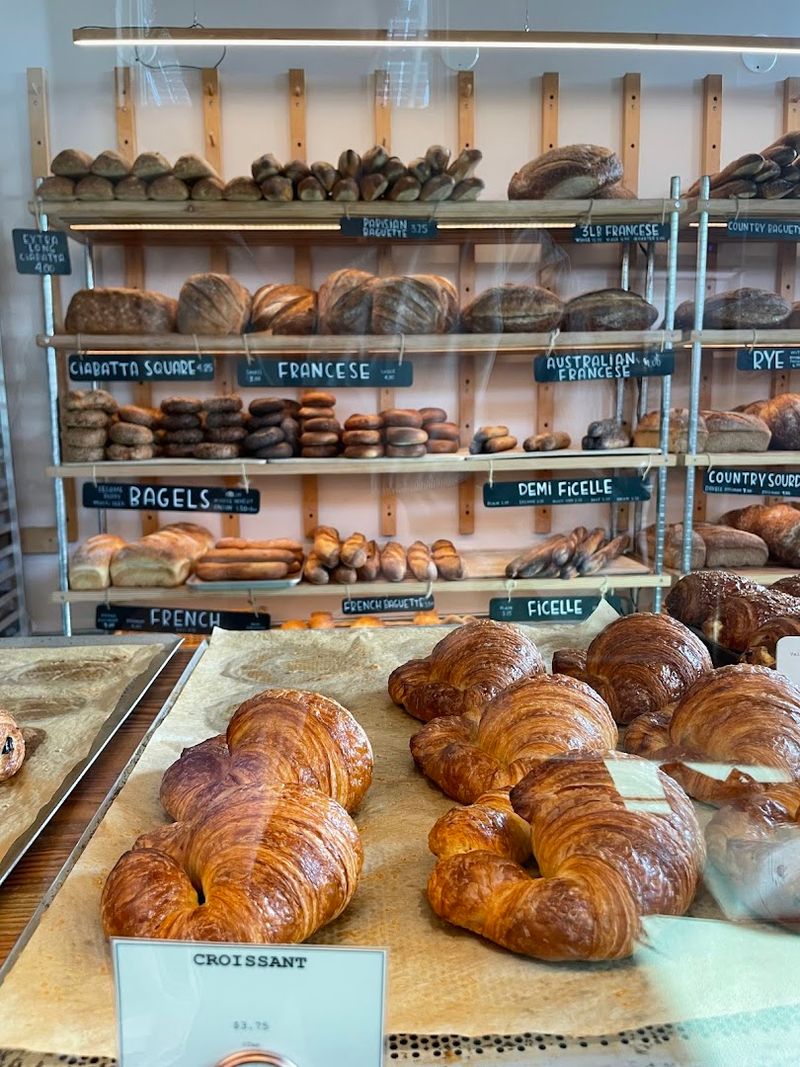
Iggy’s Bread has been supplying restaurants, farmers markets, and home kitchens across the greater Boston area since 1994, building a reputation for consistency that very few artisan bakeries manage to maintain over three decades. The stone-baked sourdough and sesame loaves are customer favorites that have remained largely unchanged because, frankly, they do not need improvement.
The Cambridge bakery also produces French-style breads and seasonal specials that keep the menu from feeling static. Long-time customers often describe Iggy’s as the kind of place you discover once and then quietly keep to yourself, which is perhaps the highest compliment a bread lover can offer.
15. Red Hen Baking Company, Middlesex, Vermont
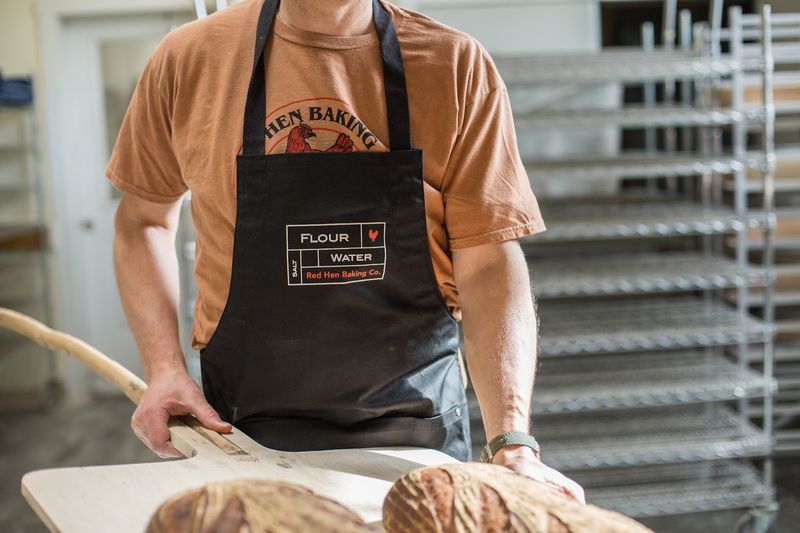
Red Hen Baking Company sits on a rural stretch of Vermont road that most people would drive past without a second thought, which makes finding it feel like discovering a genuine secret. The bakery produces organic breads using slow fermentation methods, with country loaves, baguettes, and rye breads that reflect a deep respect for traditional craft.
An on-site cafe encourages visitors to slow down, order something warm, and take in the surrounding countryside before heading back out with a bag full of bread. The rural setting is part of the appeal, and the bread is reason enough to plan a specific detour through central Vermont.
16. The Mill, San Francisco, California
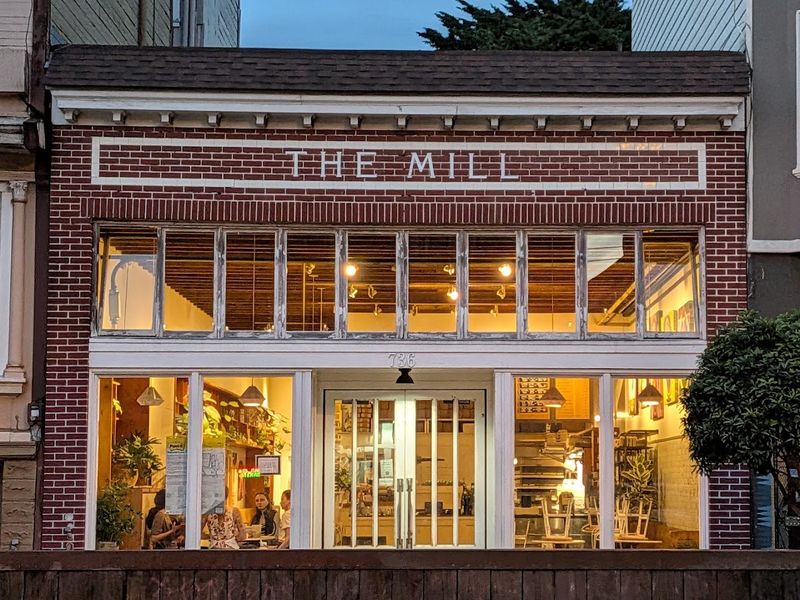
The Mill is a collaboration between Josey Baker Bread and Four Barrel Coffee, and it has become one of San Francisco’s most distinctive bakery experiences since opening in 2012. Josey Baker mills around 400 pounds of flour daily from a rotating selection of whole grains, which means the bread here tastes noticeably different from loaves made with conventional flour.
Thick slices of house-baked bread served with simple toppings have become the bakery’s signature offering, drawing a steady stream of visitors who treat it as a proper meal rather than a quick stop. The naturally fermented loaves sell out regularly, so timing your visit matters.
17. Madison Sourdough, Madison, Wisconsin
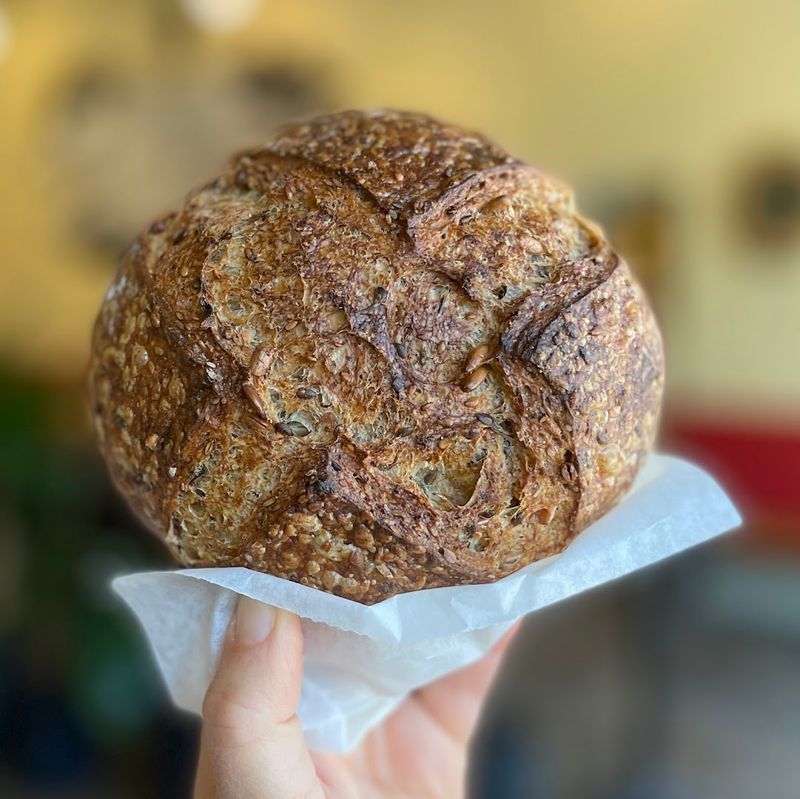
Madison Sourdough has turned a mid-sized Midwestern city into a legitimate bread destination, which is no small achievement. The bakery’s naturally leavened country loaf is consistently cited by visitors as one of the best they have encountered anywhere in the country, and the seeded rye and rotating specialty breads keep the menu interesting throughout the year.
The lively cafe attached to the bakery makes it easy to arrive early, claim a seat, and watch the city come to life over a proper breakfast. Staff are knowledgeable and happy to explain the fermentation process behind each loaf, which makes the visit as educational as it is delicious.
Share this story