The Age of Exploration comes to life in the places where history was made. From the cliffs of Portugal to the rugged shores of Canada, these destinations preserve the landscapes, landmarks, and stories of the explorers who reshaped the world.
Some feature museums filled with remarkable artifacts, while others offer breathtaking scenery that has changed little over the centuries. Whether you’re a history enthusiast or simply love meaningful travel, these 14 destinations provide a fascinating glimpse into one of history’s most transformative eras.
1. Padrão dos Descobrimentos (Monument of the Discoveries), Lisbon, Portugal
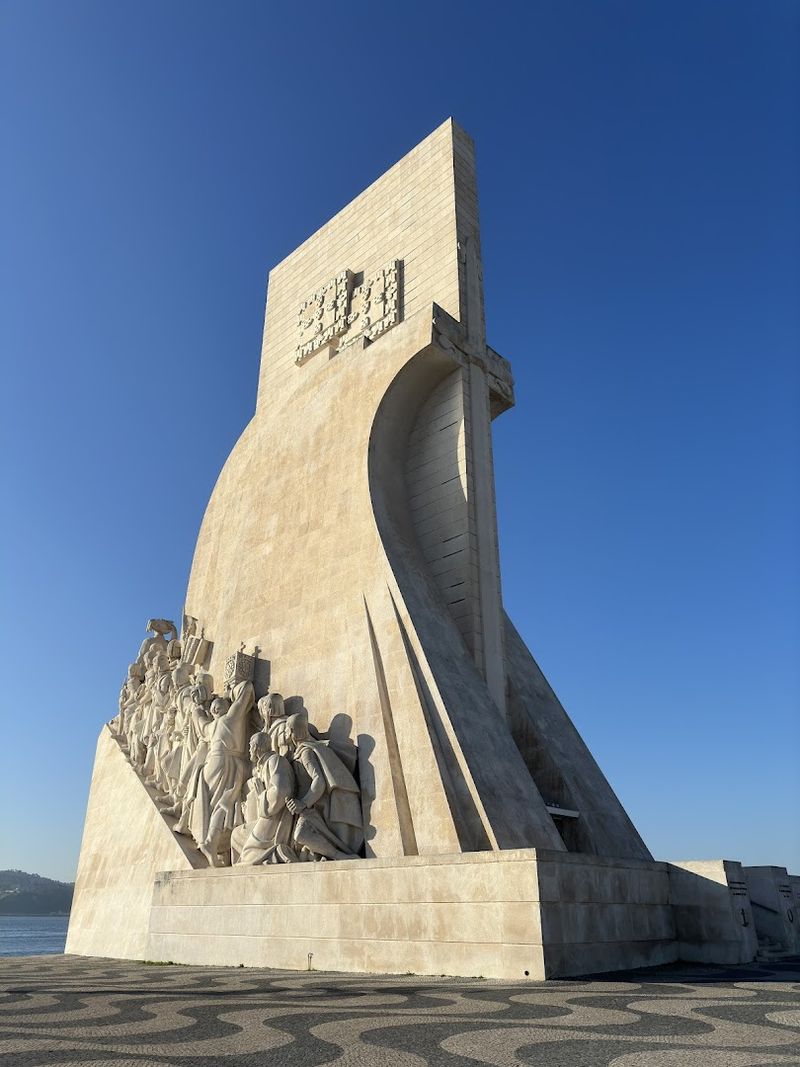
Carved from limestone and standing over fifty meters tall on the banks of the Tagus River, the Monument of the Discoveries is one of the most visually striking tributes to exploration anywhere in the world.
Built in 1960 to mark the five hundredth anniversary of Prince Henry the Navigator’s passing, the monument features thirty-three historical figures lined up along its sides, including navigators, cartographers, and missionaries.
Henry himself leads the charge at the front, holding a small model of a caravel ship.
The giant world map mosaic set into the plaza below shows the routes Portuguese explorers took across the globe, with dates marking key discoveries.
Climbing to the observation deck rewards visitors with sweeping views of Belém and the wide river mouth where countless famous voyages began.
This is the kind of monument that makes history feel genuinely alive rather than locked away in a textbook.
2. Sagres Fortress, Sagres, Algarve, Portugal
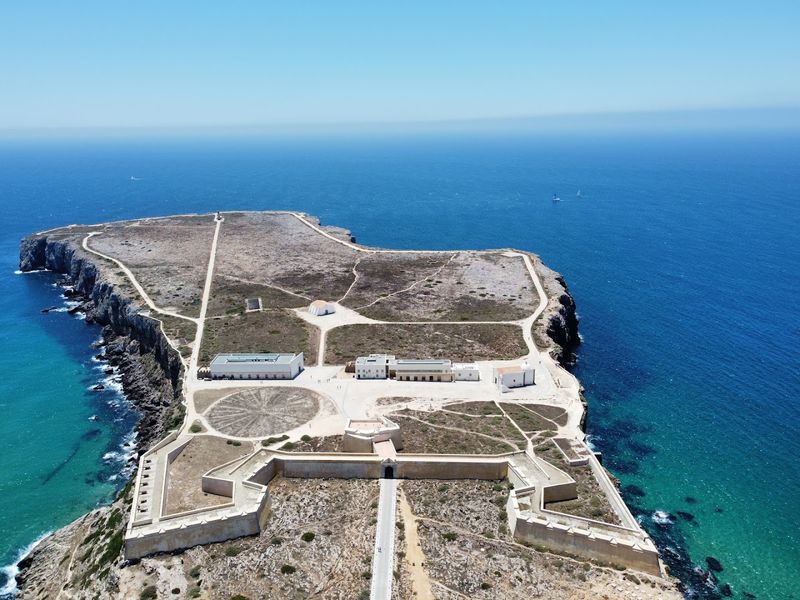
Perched at the very southwestern tip of Europe, Sagres Fortress occupies a clifftop position so dramatic that standing near its edges makes the Atlantic Ocean look like it goes on forever, which of course it does.
Prince Henry the Navigator is closely connected with Sagres, and tradition holds that he used the area as a base for planning and funding Portugal’s early maritime expeditions during the 1400s.
The massive compass rose design inside the fortress, measuring over forty meters across, is one of the most photographed features of the site.
Historians still debate exactly how old the compass rose is, which only adds to its mystique.
Walking paths along the cliffs offer views of crashing Atlantic waves and the rugged coastline that early sailors found so challenging to navigate.
The fortress itself is simple and wind-battered, which somehow makes the connection to those early adventurers feel even more authentic.
3. Torre del Oro, Seville, Andalusia, Spain
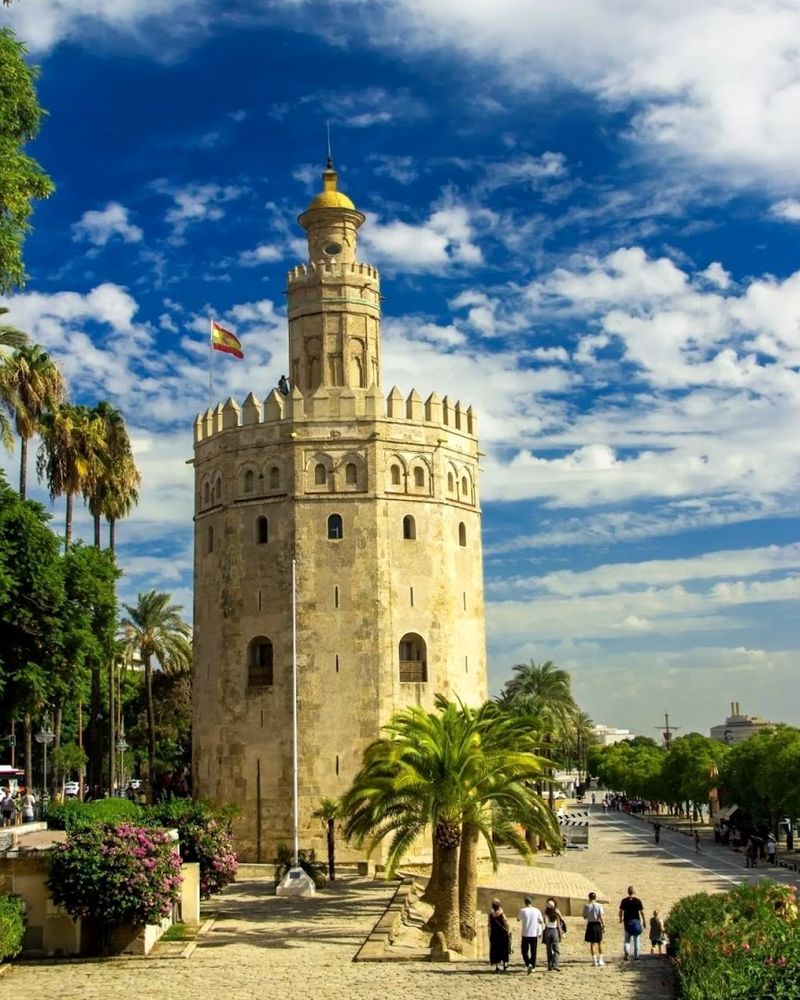
The Torre del Oro, which translates to Tower of Gold, has stood on the banks of the Guadalquivir River in Seville since the thirteenth century, long before Spanish explorers ever crossed the Atlantic.
During the height of Spain’s overseas empire, the tower served as a checkpoint where ships returning from the Americas were required to declare their cargo before unloading.
All that gold and silver flowing in from the New World had to pass right under this tower’s watchful eye.
Today the building houses a small but well-organized maritime museum covering navigation, exploration, and Seville’s pivotal role as Spain’s gateway to the Americas.
Charts, model ships, and historical documents fill the interior, giving visitors a clear picture of how the city operated as a trading powerhouse.
The Guadalquivir River outside still flows toward the sea, carrying a quiet reminder that this city once sat at the center of a global empire.
4. Muelle de las Carabelas, Palos de la Frontera, Huelva, Spain
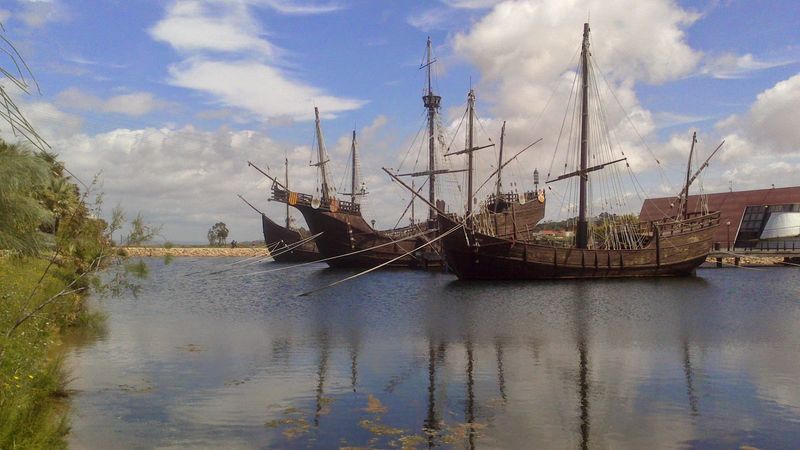
Most museums ask you to look at artifacts through glass cases, but Muelle de las Carabelas does something far more exciting by letting you walk the decks of full-size replicas of the Niña, Pinta, and Santa María.
These three ships carried Christopher Columbus and his crew across the Atlantic in 1492, and standing aboard the reconstructions makes it very clear just how small and crowded those vessels actually were.
The Santa María, the largest of the three, measures only about twenty meters long, which is roughly the length of two school buses parked end to end.
Exhibits around the waterfront cover fifteenth-century navigation techniques, ocean crossing logistics, and the geography Columbus was working with at the time.
Palos de la Frontera itself was the actual departure point for Columbus’s first voyage, so the entire town carries historical weight.
This is one of the most hands-on exploration experiences available anywhere in Europe.
5. Columbus House (Casa de Colón), Las Palmas de Gran Canaria, Canary Islands, Spain
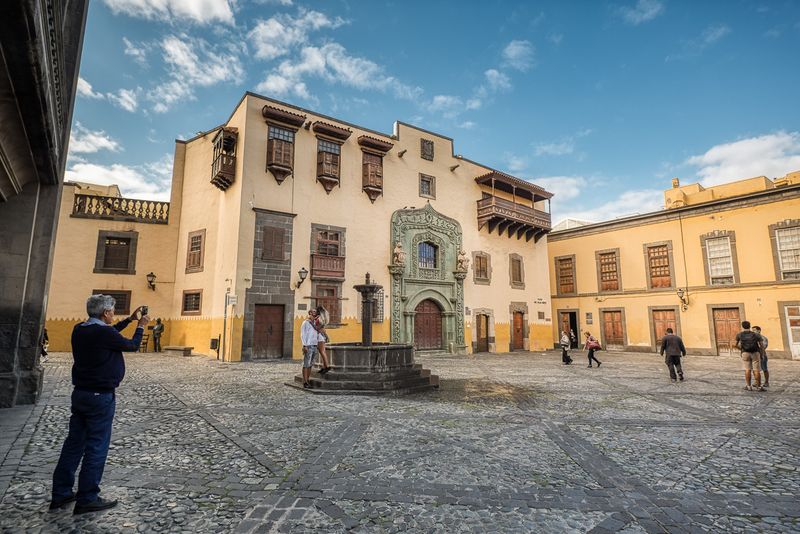
Gran Canaria was not just a vacation destination for Christopher Columbus; it was a critical stop on his way to changing the world.
Casa de Colón, located in the historic Vegueta district of Las Palmas, explores Columbus’s documented connections to the Canary Islands before each of his Atlantic crossings.
The Canaries served as a resupply and repair station for Spanish fleets heading west, making these islands an essential piece of the exploration puzzle.
The museum’s exhibits cover cartography, shipbuilding techniques, and the political relationship between Spain and the Americas during the colonial period.
Replica maps, navigational instruments, and original documents fill the beautifully restored colonial building, which features the kind of carved wooden balconies and shaded courtyards that make even the architecture worth the trip.
The Vegueta district surrounding the museum is one of the best-preserved colonial neighborhoods in all of Spain, turning the entire area into an open-air history lesson.
6. Museu de Marinha (Maritime Museum), Lisbon, Portugal
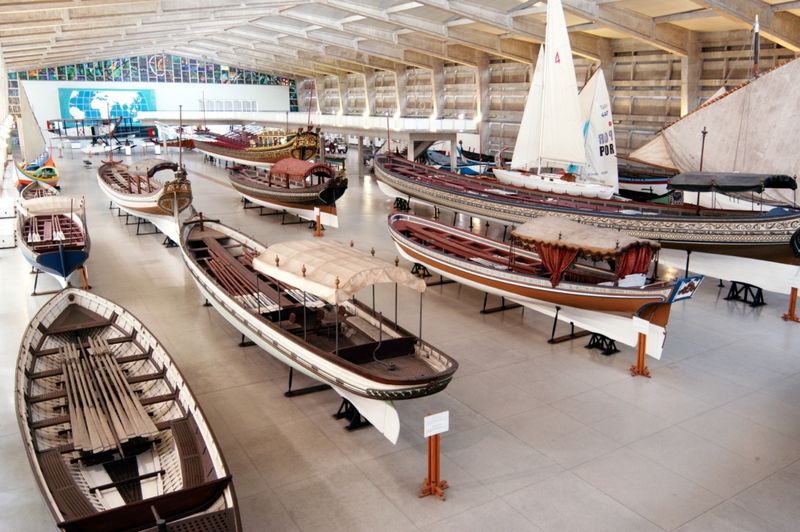
Tucked beside the magnificent Jerónimos Monastery in Belém, the Museu de Marinha holds one of the most comprehensive maritime collections in Europe, covering everything from royal barges to the navigational tools that made global exploration possible.
Portugal’s history as a seafaring nation is on full display across multiple halls, with exhibits organized by era and theme so visitors can follow the story from the earliest Atlantic expeditions all the way through to the twentieth century.
Highlights include a collection of astrolabes and quadrants that explorers relied on to calculate their position at sea, along with incredibly detailed scale models of historic vessels.
The royal barge gallery is particularly impressive, featuring ornately decorated boats that were once used for ceremonial occasions on the Tagus River.
Visiting this museum before exploring the nearby monuments of Belém gives the whole experience much richer historical context.
It is the kind of place where an hour can easily turn into an entire afternoon.
7. Cape of Good Hope, Table Mountain National Park, Western Cape, South Africa
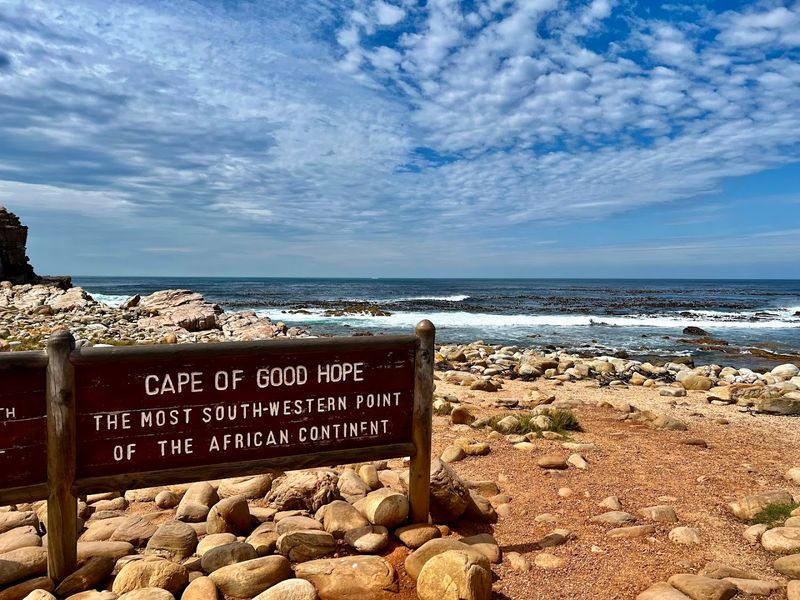
Portuguese navigator Bartolomeu Dias rounded the southern tip of Africa in 1488, becoming the first European to prove that a sea route to the Indian Ocean was actually achievable.
The Cape of Good Hope, now part of Table Mountain National Park, has carried the weight of that discovery ever since.
Towering cliffs drop sharply into the ocean on multiple sides, giving the headland a sense of raw geographical drama that no photograph fully captures.
The famous sign marking the Cape of Good Hope is one of the most visited landmarks in South Africa, and the viewpoints above the cliffs offer panoramic ocean views stretching in every direction.
Vasco da Gama followed Dias’s route just ten years later, eventually reaching India and opening a direct sea trade link between Europe and Asia.
Wildlife including baboons, ostriches, and various antelope species roam freely throughout the national park, making any visit here genuinely unpredictable in the best possible way.
8. Belém Tower, Lisbon, Portugal
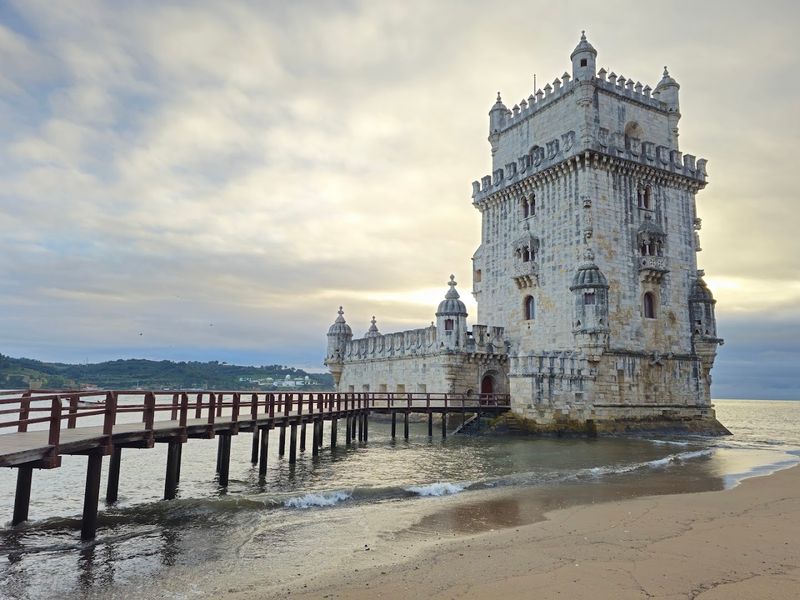
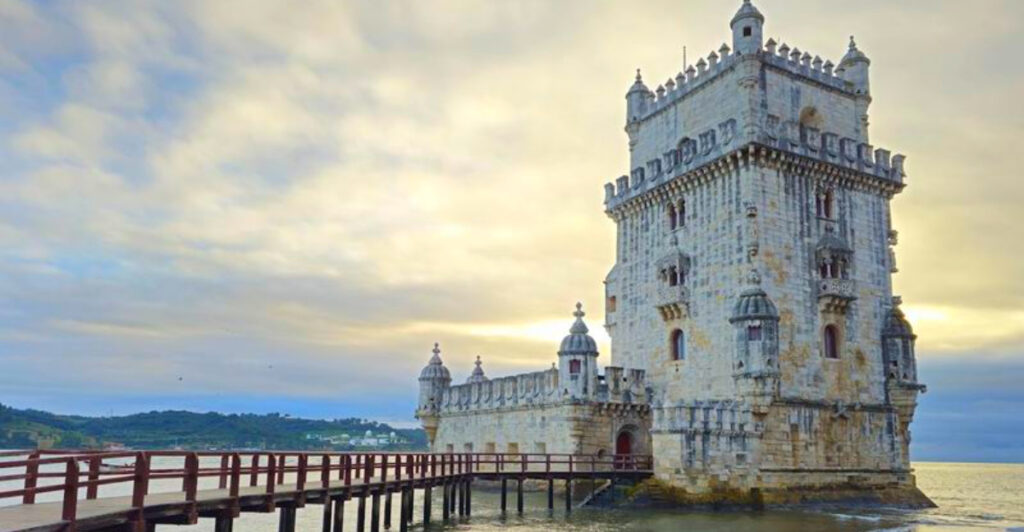
Built between 1516 and 1521, Belém Tower spent centuries as the first and last landmark Portuguese sailors saw as they departed for and returned from distant oceans.
Its architecture belongs to a style called Manueline, which blends Gothic design with maritime symbols like ropes, armillary spheres, and coral.
Every carved detail on the exterior was deliberately chosen to celebrate Portugal’s connection to the sea.
The tower sits directly in the Tagus River, and at high tide it appears to float, which only adds to its dramatic presence.
Inside, narrow staircases connect multiple floors, each offering different views of the water and the surrounding Belém district.
Historians note that the tower also served as a customs checkpoint and a storage facility at various points in its long history.
Few buildings in Europe pack this much seafaring symbolism into such an elegant structure.
9. Maritime Museum, Greenwich, London, England
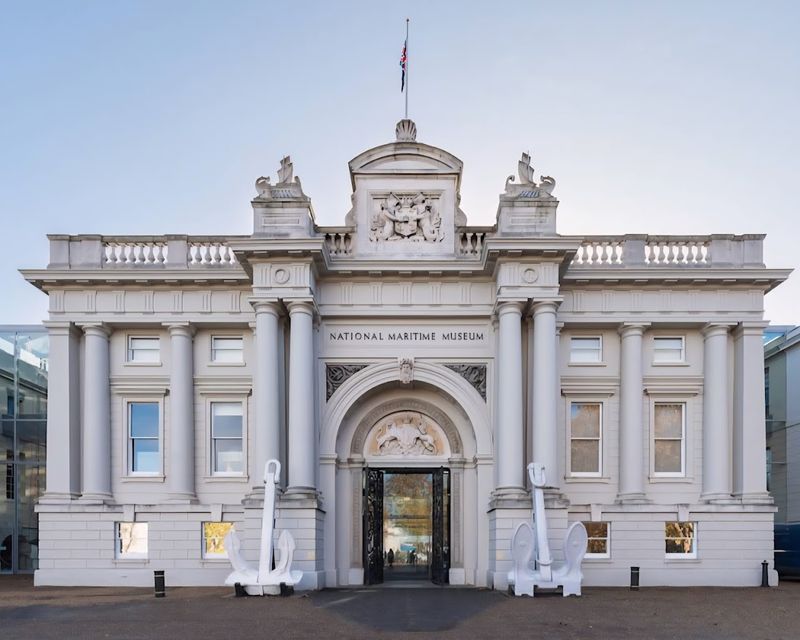
Greenwich has a legitimate claim to being the center of the navigational world, and the National Maritime Museum there does an excellent job of explaining exactly why.
Part of the Royal Museums Greenwich complex, the museum covers exploration, astronomy, naval history, and Britain’s long relationship with the sea across an enormous collection of artifacts and documents.
Original maps from the great Age of Exploration sit alongside the scientific instruments that made accurate navigation possible, including early telescopes, sextants, and chronometers.
The famous Harrison H1 marine chronometer, which solved the problem of calculating longitude at sea, is among the most significant objects in the entire collection.
Expedition artifacts, portraits of famous navigators, and interactive displays round out an experience that works equally well for curious kids and dedicated history fans.
The nearby Royal Observatory, where the Prime Meridian line runs through the courtyard, adds another compelling reason to spend a full day in Greenwich.
10. Replica Nao Victoria, Seville, Andalusia, Spain
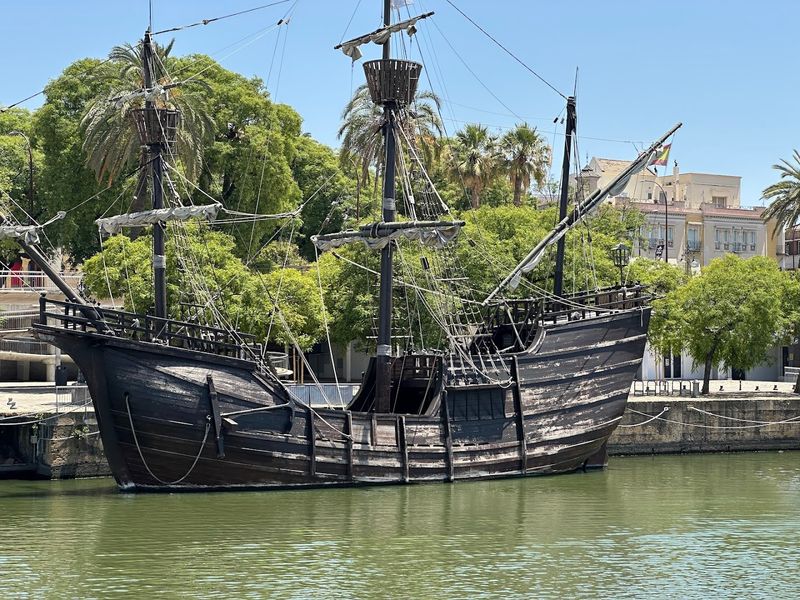
Only one ship from Ferdinand Magellan’s original fleet of five completed the first circumnavigation of the Earth, and that ship was the Victoria.
A faithful full-size reconstruction of the Victoria is permanently docked on the Guadalquivir River in Seville, and visitors are welcome to board and explore every part of it.
The original voyage, completed in 1522 under the command of Juan Sebastián Elcano after Magellan’s passing in the Philippines, covered roughly sixty thousand kilometers over nearly three years.
Walking the cramped lower decks of the replica makes the sheer physical difficulty of that journey very clear, very fast.
The crew’s sleeping quarters, storage areas, and navigation spaces are all accessible, giving a realistic picture of life aboard a sixteenth-century ocean-going vessel.
Guided tours are available and highly recommended, as the on-board interpreters add details about the voyage that you simply will not find on any information panel.
11. Viking Ship Museum, Roskilde, Denmark
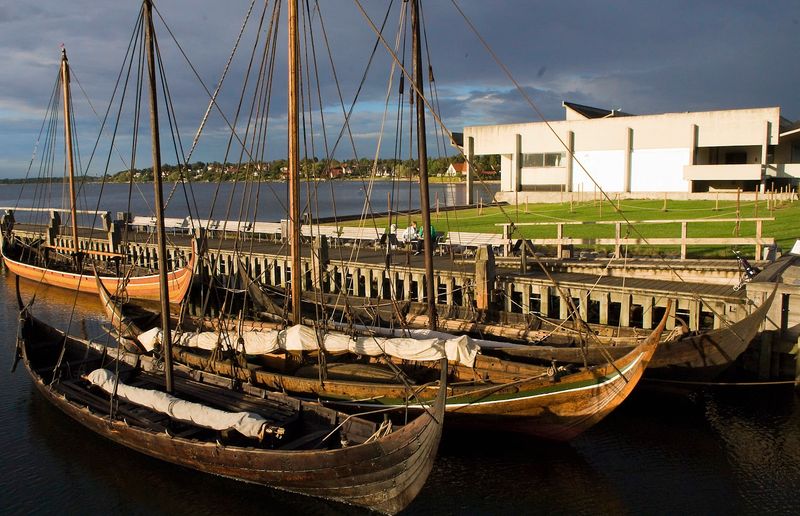
Before Columbus, before Magellan, and before Vasco da Gama, Viking sailors from Scandinavia were already crossing open ocean to reach Iceland, Greenland, and the coast of North America around the year 1000 AD.
The Viking Ship Museum in Roskilde preserves five original ships recovered from Roskilde Fjord, where they were deliberately sunk around 1070 AD, likely to block enemy naval access to the harbor.
The preserved remains of these ships, displayed in a purpose-built museum beside the fjord, reveal just how sophisticated Viking shipbuilding technology actually was.
Long, narrow hulls designed for speed sit alongside broader cargo vessels built for carrying goods across the North Atlantic.
Working reconstructions moored at the adjacent harbor can be taken out on sailing trips during summer months, which is about as close as most people will ever get to experiencing Viking-era ocean travel firsthand.
12. L’Anse aux Meadows National Historic Site, Newfoundland and Labrador, Canada
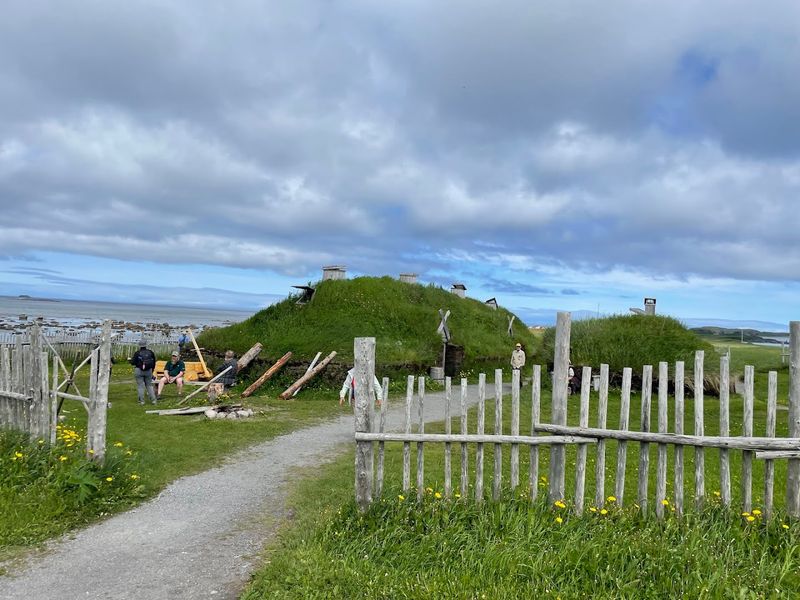
Discovered by archaeologists in 1960 and confirmed as a genuine Norse settlement shortly afterward, L’Anse aux Meadows is the only verified Viking site in North America and holds UNESCO World Heritage status to prove it.
Located at the northern tip of Newfoundland, the site preserves the remains of at least eight buildings constructed from timber and sod around the year 1000 AD, roughly five hundred years before Columbus crossed the Atlantic.
Reconstructed turf buildings give visitors a tangible sense of what the settlement looked like when Norse explorers, possibly including Leif Erikson, occupied it.
Costumed interpreters demonstrate period crafts and explain what daily life in this remote outpost would have involved.
13. Museo Naval de Madrid, Madrid, Community of Madrid, Spain
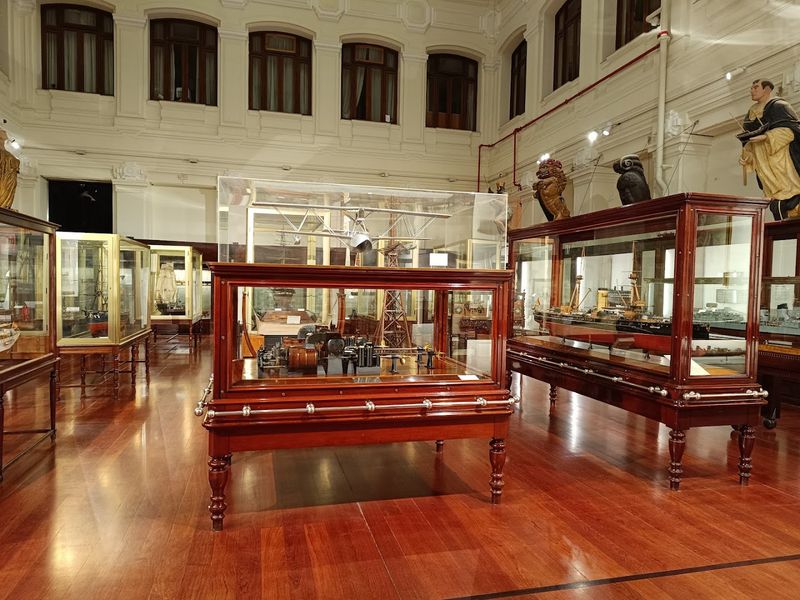
Spain’s Naval Museum in Madrid is home to one of the most remarkable single documents in the history of exploration: the Juan de la Cosa map, dated 1500, which is the oldest known map to show the Americas.
That alone would be worth the trip, but the museum’s collection extends across dozens of rooms covering centuries of Spanish naval and exploration history.
Navigation instruments, historical charts, paintings of famous naval battles, and scale models of historic vessels fill the galleries in impressive detail.
Exhibits trace the major Spanish expeditions from Columbus’s first crossing through Magellan’s circumnavigation and beyond, presenting the full scope of Spain’s role in reshaping the world’s geographical understanding.
The museum is housed in a neoclassical building near the Prado and the Retiro Park, making it an easy addition to any Madrid itinerary.
14. Mystic Seaport Museum, Mystic, Connecticut, USA
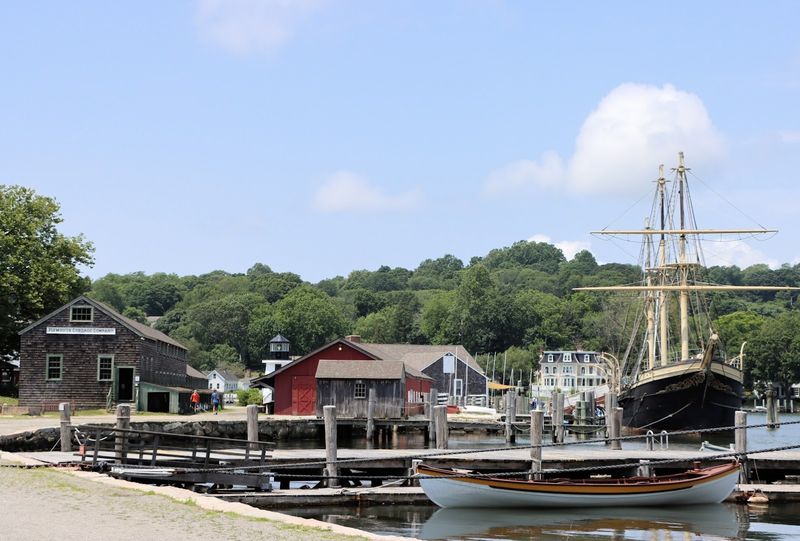
America’s largest maritime museum is not just a collection of objects in cases; it is an entire recreated nineteenth-century seafaring village spread across nearly twenty acres along the Mystic River in Connecticut.
Historic vessels are moored at working docks, craftspeople demonstrate traditional shipbuilding and rope-making techniques, and preserved waterfront buildings house exhibits covering everything from whaling history to navigation science.
The Charles W. Morgan, the last surviving wooden whaling ship in the world, is the centerpiece of the collection and can be boarded by visitors.
While the museum’s primary focus leans toward the 1800s, the navigation skills, ocean knowledge, and shipbuilding traditions on display grew directly out of centuries of earlier exploration.
Share this story