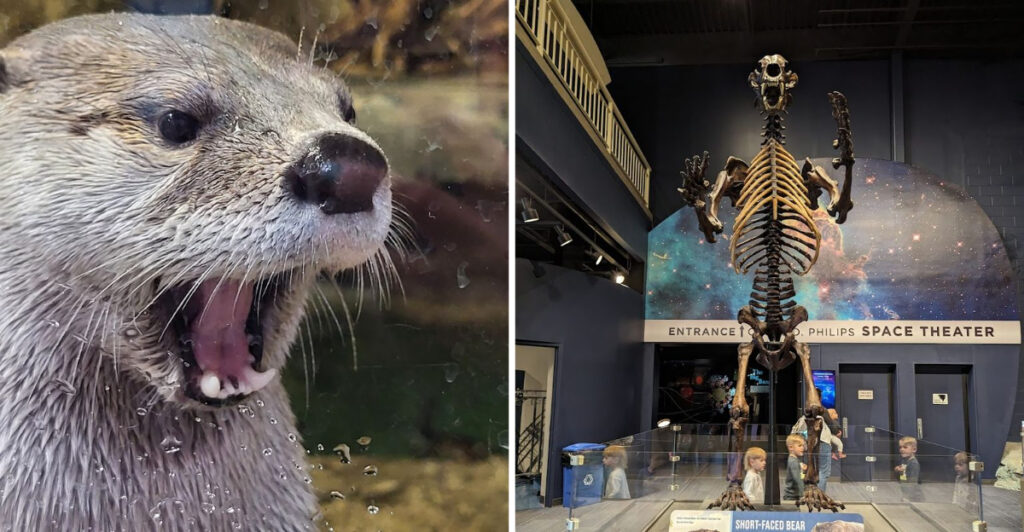
What if one building could take you from the surface of the moon to a river otter’s afternoon swim, all before lunch? There is a place in Ohio where kids can hold a science experiment in one hand and stare at a real mummy in the other.
Families regularly drive from across the region just to spend a few hours exploring, and many start planning their next visit before they even leave the parking lot. Inside, you will find a zoo, a working planetarium, hands-on science exhibits, ancient fossils, and unforgettable encounters with live animals, all under one roof.
Whether you are visiting for the first time or returning to see what’s new, every trip offers fresh discoveries that make it easy to understand why this destination has become one of Ohio’s favorite family attractions.
A Building That Holds More Than You Expect
Most museums ask you to pick a lane. You either look at dinosaur bones or you watch a laser show.
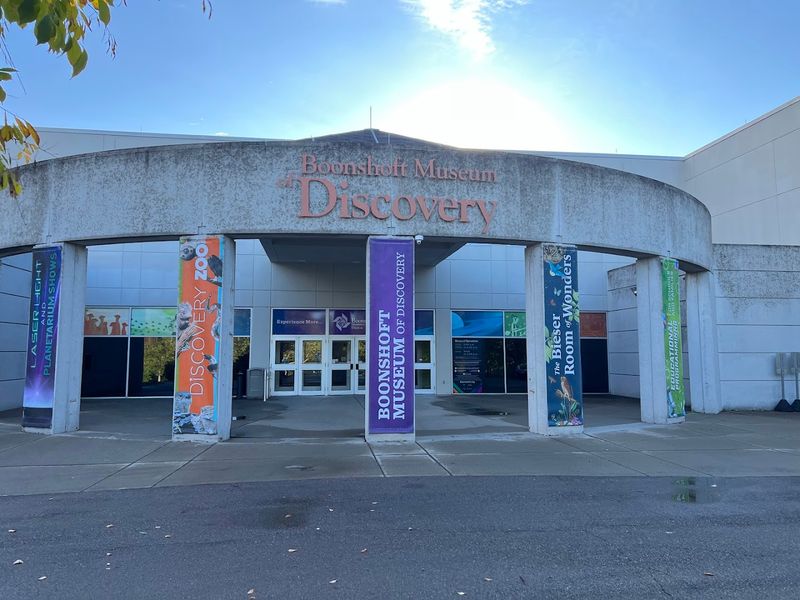
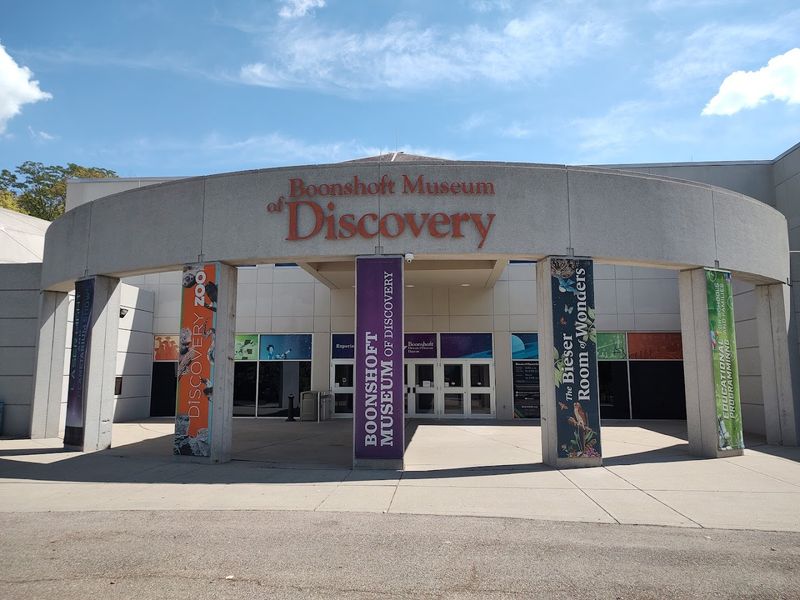
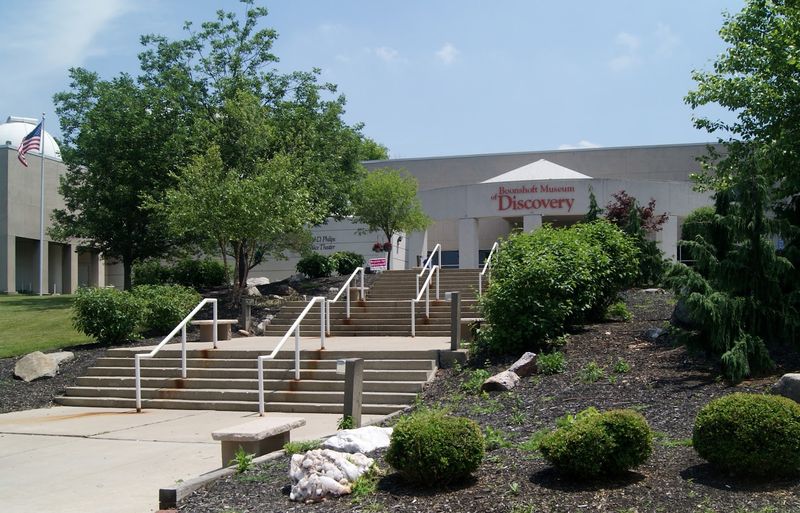
The Boonshoft Museum of Discovery, located at 2600 Deweese Pkwy, Dayton, OH 45414, refuses to make that choice for you.
The museum sits in a spacious facility that houses distinct themed sections, each one designed to feel like its own world. You can move from a space wing filled with planetary exhibits to a live animal area without ever stepping outside.
The layout is organized and clear, so navigating between sections rarely feels confusing even on a busy day.
The museum is open Monday through Saturday from 9 AM to 5 PM and opens at noon on Sundays. Calling ahead at +1 937-275-7431 or visiting boonshoft.org before your trip helps you catch daily programming and science shows timed throughout the day.
The Discovery Zoo Lives Right Inside the Museum

River otters are the kind of animals that make everyone stop scrolling and actually pay attention. At the Boonshoft Museum of Discovery, the Discovery Zoo is an indoor animal exhibit where live creatures are part of the daily experience rather than a side attraction.
Visitors regularly spot the otters cuddling and playing in their habitat, which tends to draw a crowd no matter what time of day you arrive. The zoo section also features naked mole rats, which are genuinely fascinating in a way that is hard to fully describe until you see them in person.
Animal feedings and talks are scheduled throughout the day, typically in the afternoon, so checking the daily schedule at the front desk when you arrive helps you plan your path. Missing those talks means missing one of the more memorable parts of the whole visit.
The Planetarium Show That Slows Everything Down
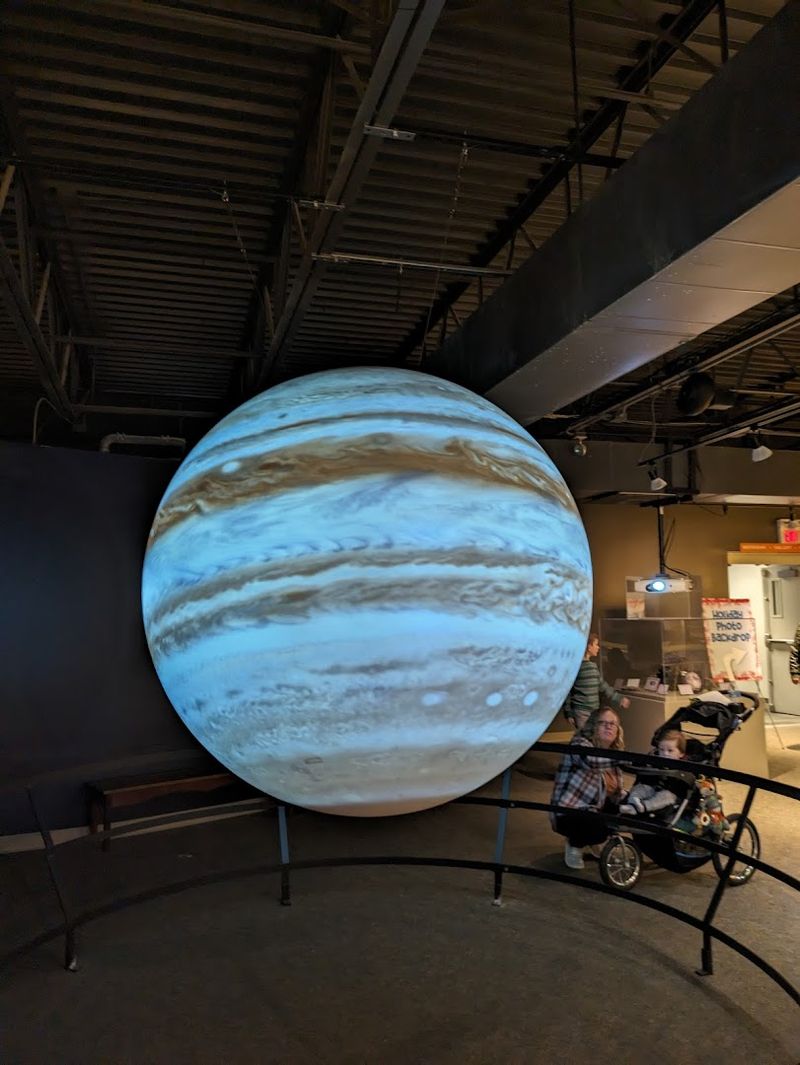
There is something about sitting in a darkened dome while the entire solar system rotates overhead that makes even restless kids go quiet. The planetarium at the Boonshoft Museum of Discovery runs scheduled shows throughout the day, and the experience tends to be both relaxing and genuinely informative.
The projections cover topics ranging from star formations to planetary exploration, and the pacing works well for younger audiences without feeling dumbed down for adults. Many visitors describe the planetarium show as one of the highlights of their entire trip, and it is easy to understand why once the lights go down.
The recently renovated solar system exhibit connected to the planetarium programming adds another layer to the experience. Kids who are already interested in planets tend to become completely absorbed in that section, and the hands-on components keep the energy level high even after the show ends.
Hands-On Science That Actually Sticks
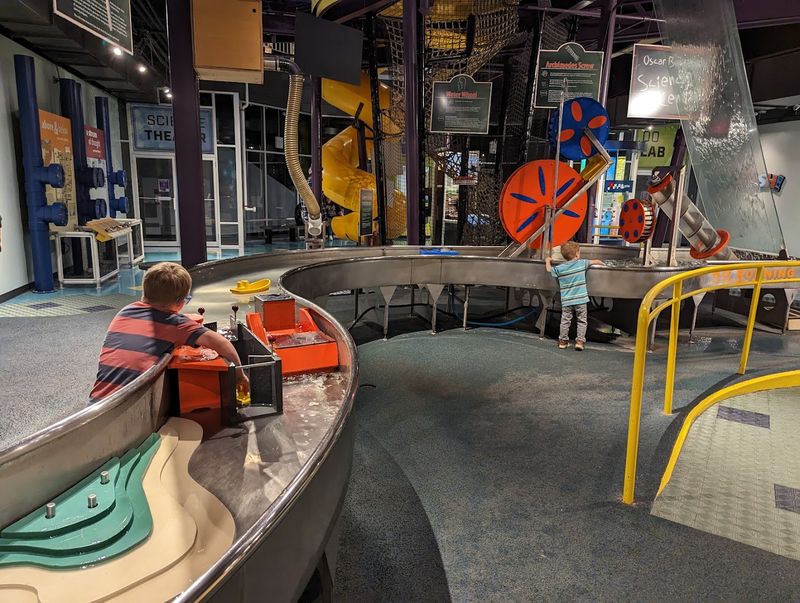
Science museums sometimes fall into the trap of putting everything behind glass. The Boonshoft Museum of Discovery takes the opposite approach, building its identity around exhibits you can actually touch, build, and manipulate.
The hands-on experiment areas let kids engage with concepts like water flow, construction, and sensory exploration in ways that connect naturally to what they might be learning in school. Water tables, building stations, and soft play areas are spread throughout the museum, giving younger children plenty of room to move and explore without feeling boxed in.
Parents often notice that their kids stay engaged longer here than at more traditional museums, largely because the exhibits respond to what the child does rather than just displaying information. The interactive format makes abstract science ideas feel concrete and approachable, which is exactly the kind of learning that tends to stick around long after the drive home.
The Bieser Room of Wonder Is Its Own World
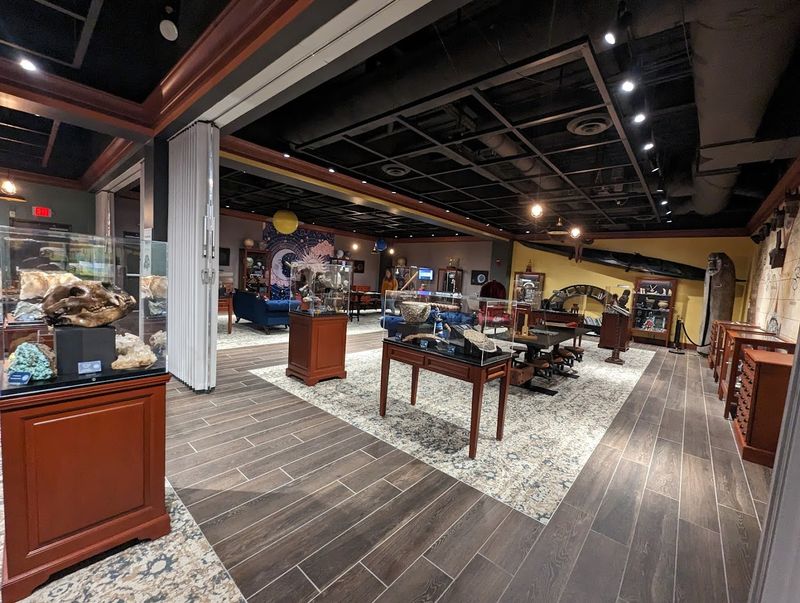
Opened nearly four years ago, the Bieser Room of Wonder has developed a reputation that precedes it. Regular visitors describe the experience of entering this room as similar to stepping inside an I Spy book, and that description is surprisingly accurate.
Every surface is covered with carefully arranged objects, curiosities, and collectibles that reward close attention. The room encourages a slower kind of exploration, where the goal is observation rather than speed.
It stands out from the rest of the museum because it trades loud interactivity for quiet discovery, which creates a genuinely different energy.
Children who love finding hidden details tend to spend more time in this room than anywhere else in the building. Adults often find themselves equally absorbed, which makes it one of the few spaces in the museum where every age group naturally slows down and pays close attention to what surrounds them.
Fossils, a Real Mummy, and Specimens Worth a Second Look

Not every museum in Ohio can say it has a real mummy on display. The Boonshoft Museum of Discovery has one, and it consistently ranks among the most talked-about things visitors mention after their trip.
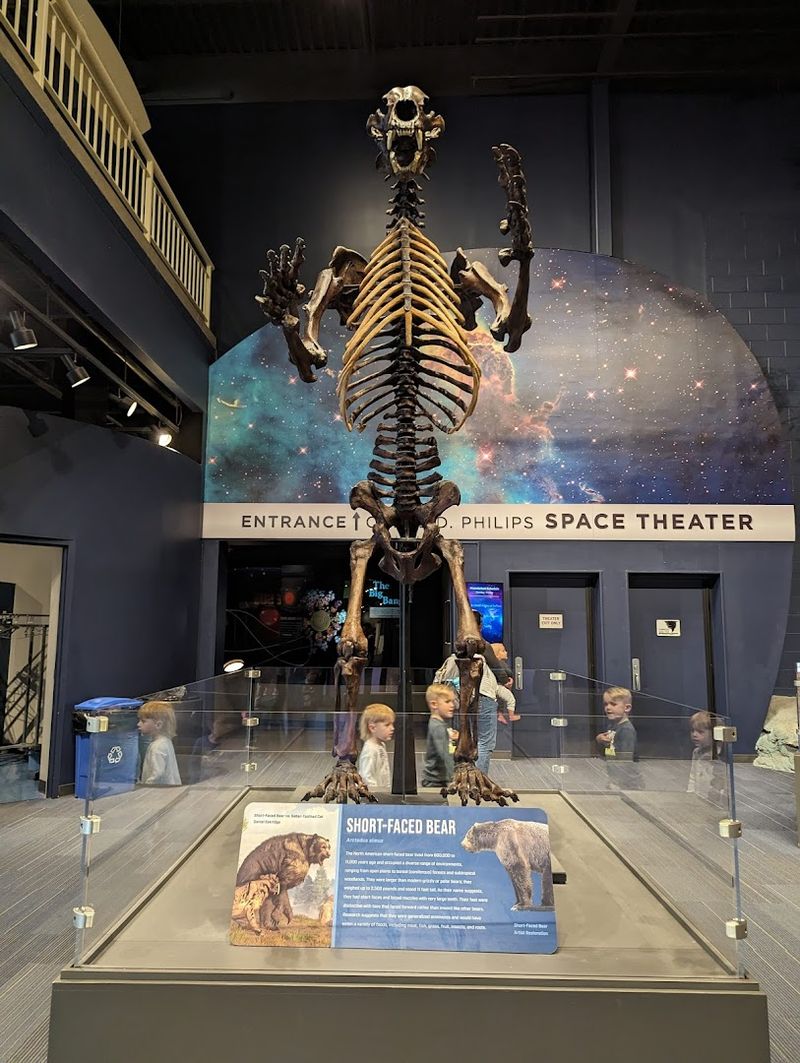
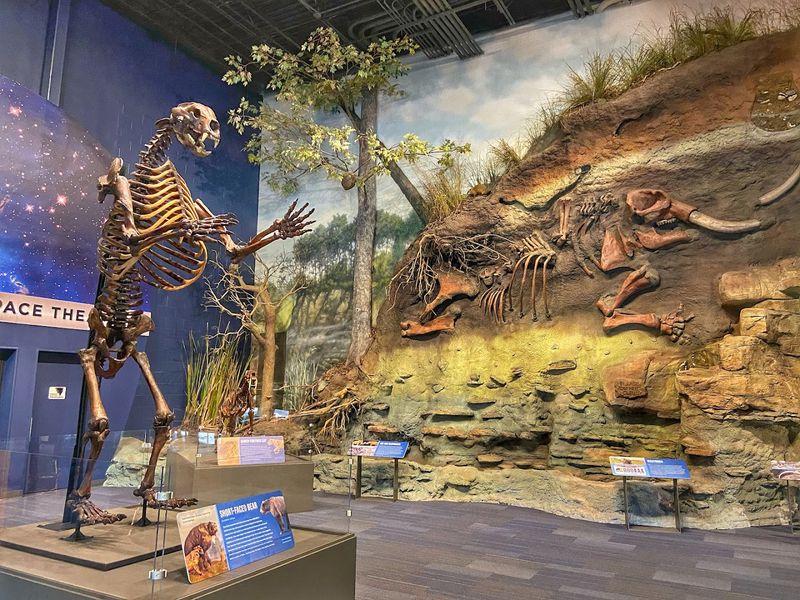
The fossil collection adds another dimension to the museum that separates it from a purely interactive children’s space. Specimens are displayed in a way that invites close inspection, and the combination of ancient artifacts alongside live animals creates a timeline of life that is genuinely engaging to think about.
The archaeological side of the museum ties into its designation as both a science museum and an archaeological site, which gives the collection a credibility that goes beyond typical display cases. Kids who arrive expecting only buttons to push often leave having spent a surprising amount of time simply staring at things that are millions of years old, which is its own kind of discovery.
The Solar System Renovation Families Keep Talking About

Recent renovations at the Boonshoft Museum of Discovery added a new area centered on the solar system, and families who have visited since the update are noticeably enthusiastic about it. Kids who already have a thing for planets tend to become completely absorbed in this section.
The space wing has long been a draw for the museum, filled with exhibits about planetary science and space exploration. The newer additions expand on that foundation with fresh displays and interactive components that reflect updated scientific understanding rather than outdated models.
The renovation also improved the entrance area of the museum, giving first-time visitors a stronger initial impression of the facility. Families who visit regularly have noticed the ongoing effort to refresh specific sections over time, which gives repeat visitors a reason to expect something new rather than the same experience they had on their last trip.
Science Shows That Draw a Crowd Every Day
The daily schedule at the Boonshoft Museum of Discovery is something worth printing out before you walk in. Science shows run at set times throughout the day, and they fill up faster than most visitors expect on weekends and during school breaks.
The shows are designed to be participatory rather than passive, pulling kids into the demonstration rather than just asking them to watch. That format keeps attention levels high and makes the science concepts easier to absorb because the learning happens in real time rather than through a sign on a wall.
Checking the schedule online at boonshoft.org before your visit helps you build your day around the programming rather than arriving and realizing you just missed the show you wanted to see. The museum recommends taking advantage of the daily programming, and that advice consistently pays off for families who follow it.
Membership, Discounts, and Smart Ways to Save
The Boonshoft Museum of Discovery participates in the ASTC reciprocity program, which means members of qualifying science and technology centers around the country can get discounted or free admission. That detail alone makes membership worth researching before your first visit.
The museum is also part of the same network as the Cincinnati Zoo, so families holding zoo season passes from participating institutions can access discounted entry at Boonshoft. Visitors with EBT cards receive a reduced ticket price at the register, which is worth knowing before you arrive.
Membership pricing has been noted as reasonable by regular visitors, especially for families who plan to return multiple times throughout the year. Given how much the museum packs into a single visit, the cost-per-experience ratio tends to work out well even for those who only make it a few times a year.
Checking the website before visiting is always a good move.
The On-Site Cafe Makes Staying Longer an Easy Call
Hunger has ended many museum visits earlier than planned. The Boonshoft Museum of Discovery has an on-site cafe that removes that problem entirely, offering sandwiches and snacks at prices that do not require a second look at your wallet.
The menu covers enough variety that both kids and adults can find something they want, which matters more than it sounds when you are managing a group with competing preferences. The cafe pricing has come up repeatedly as a pleasant surprise for visitors who are used to paying inflated rates at museum food counters.
Having a place to eat inside the museum means families can take a break, recharge, and head back into the exhibits rather than packing up and leaving for lunch. That simple convenience tends to extend visits by an hour or more, which translates directly into more exhibits seen and more experiences had before the day wraps up.
Why Families Keep Coming Back Year After Year
A museum that families visit once is doing its job. A museum that families return to multiple times a year is doing something harder and rarer.
The Boonshoft Museum of Discovery has built that kind of loyalty among Dayton-area families, and the reasons show up consistently across different types of visitors.
The combination of live animals, space exhibits, science shows, fossils, and hands-on building activities means that different kids latch onto different things, and those preferences shift as they get older. A four-year-old who loved the soft play area becomes a seven-year-old fascinated by the mummy, and later a ten-year-old who wants to stay for every planetarium show.
The museum’s ongoing renovations and new exhibit additions give returning visitors something fresh to look for each time. That sense of gradual evolution keeps the experience from going stale and gives families a genuine reason to put it back on the calendar season after season.
Share this story