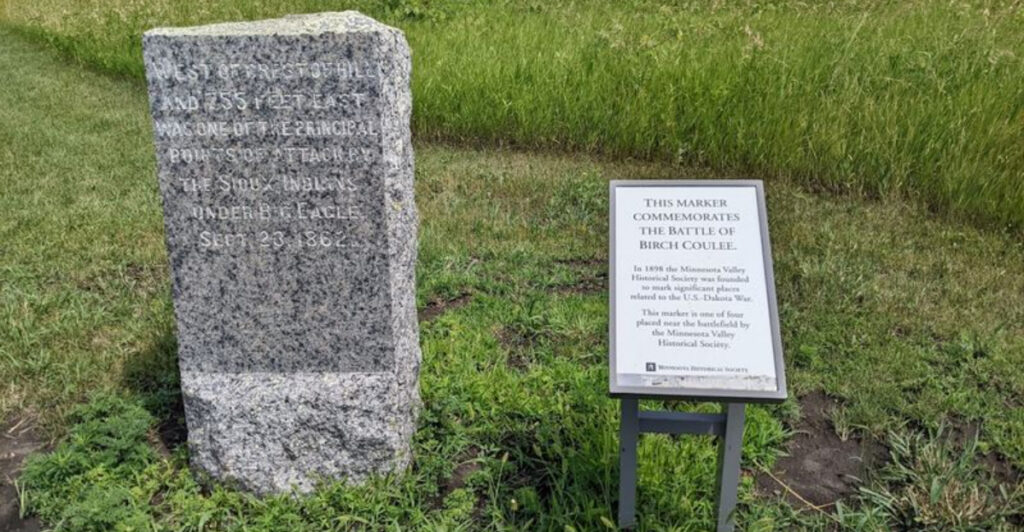
Some places hold history so close to the surface that you can almost feel it under your feet. At a quiet stretch of Minnesota prairie, a 30-hour siege in September 1862 left a mark that shaped the entire state.
The ground where soldiers dug in and Dakota warriors held their position still exists, and visitors can walk every foot of it today. What makes this spot genuinely worth the trip is not just the story it tells, but how it tells that story, from both sides, across a restored native prairie that feels nothing like a typical museum.
The Ground That Holds the Story of the Birch Coulee Battle
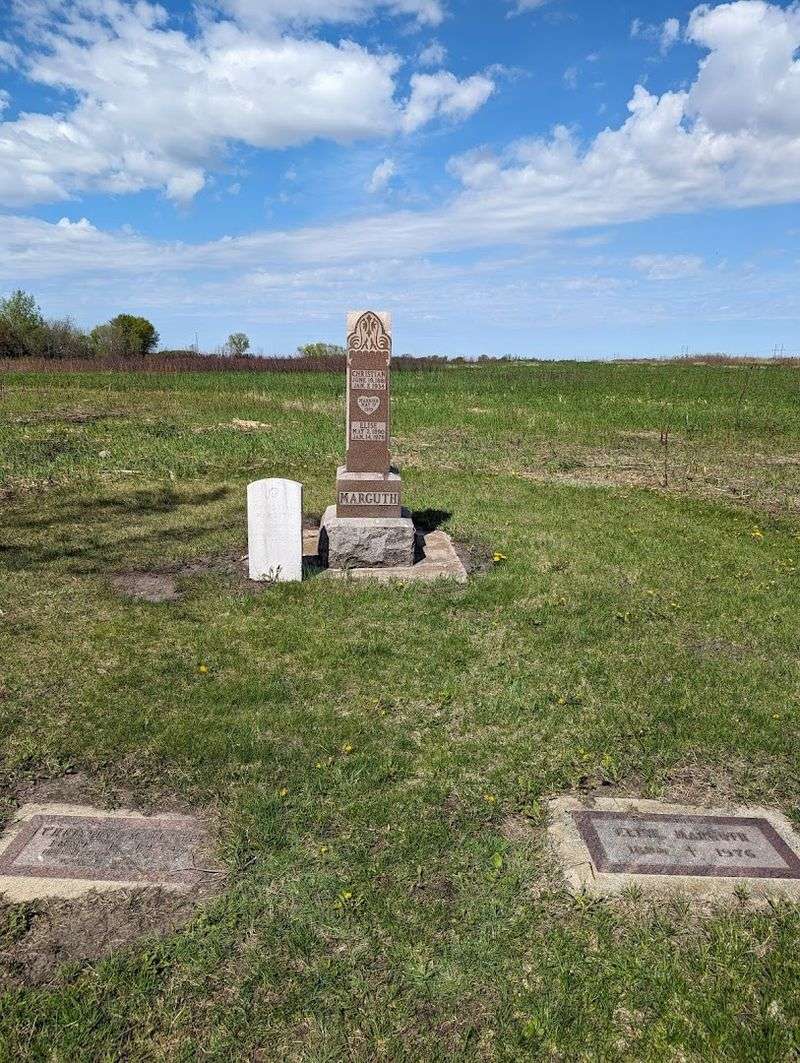
There are battlefields you read about in textbooks, and then there are places like this one. Birch Coulee Battlefield sits at the junction of Renville County Highway 2 and Highway 18 in Morton, Minnesota 56270, in the United States, and it carries the full weight of the Dakota War of 1862 without a single dramatic monument to announce it.
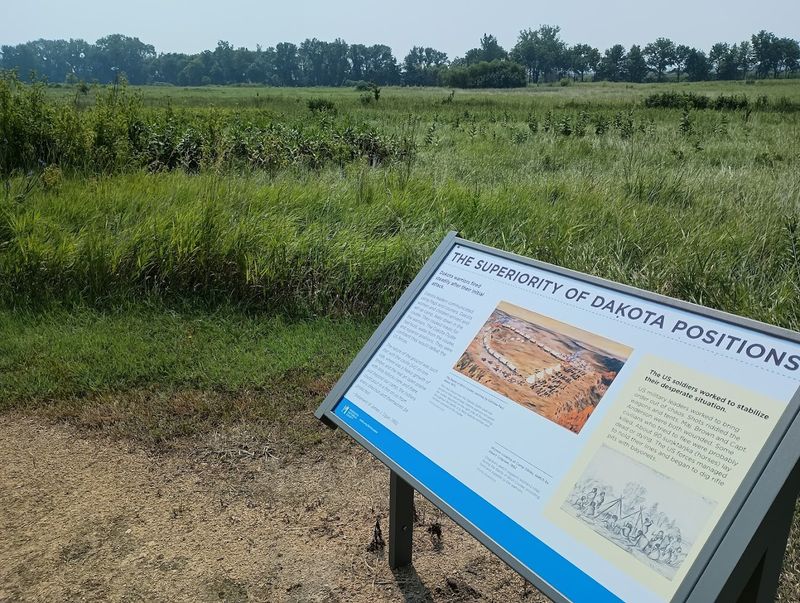
The site is managed by the Minnesota Historical Society, and its approach to presenting history is refreshingly honest. Interpretive signs along the walking trail share the perspectives of both the U.S. soldiers and the Dakota people involved in the conflict.
That dual perspective makes the experience feel less like a victory celebration and more like a genuine reckoning. You leave the trail thinking harder than when you arrived, which is exactly what a place like this should do.
What Actually Happened During Those 30 Hours
On September 2, 1862, a U.S. Army burial party camped near Birch Coulee Creek was surrounded before dawn by a large Dakota force.
The soldiers scrambled to form a defensive perimeter using their horses and supply wagons as cover.
For roughly 30 hours, the men held their position under sustained fire while waiting for a relief column to arrive from Fort Ridgely. The terrain worked against them from the start.
A slight depression in the prairie gave the Dakota fighters a natural advantage, and the soldiers found themselves unable to advance in any direction.
By the time reinforcements arrived under Colonel Henry Sibley, the camp had suffered significant casualties. The engagement at Birch Coulee became one of the most intense single actions of the Dakota War of 1862, and the landscape where it unfolded remains almost entirely intact today.
How the Self-Guided Trail Puts You Right in the Middle of It
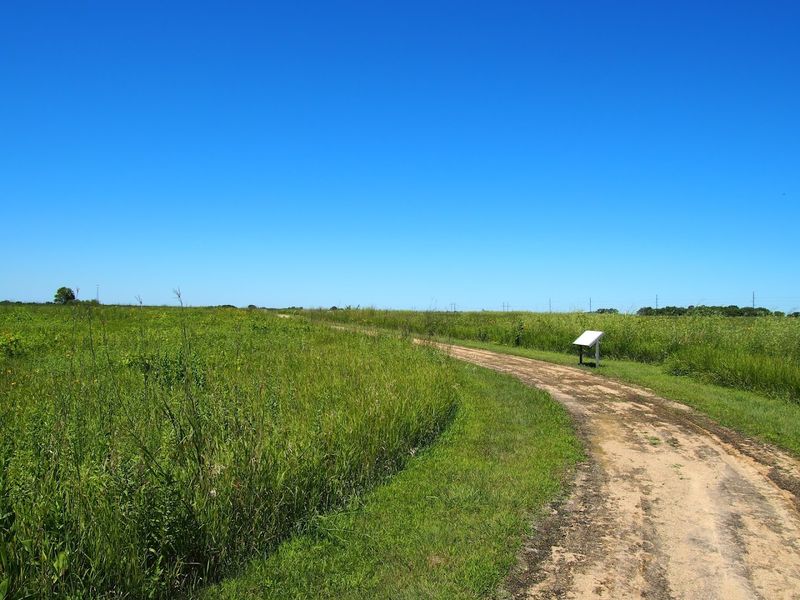
The self-guided trail at Birch Coulee is not long, but it is well thought out. A gravel path winds through the restored prairie and stops at multiple interpretive signs that explain exactly what happened at each specific location along the route.
The layout of the signs is smart. Rather than presenting a single linear narrative, each stop gives you a sense of position, showing where the soldiers were, where the Dakota fighters moved, and how the terrain influenced every decision made during those tense hours.
One of the most striking moments on the trail comes when you stand at a slight rise and look back at the low ground where the soldiers camped. The vulnerability of their position becomes immediately obvious.
No sign needs to explain it. The land does that work on its own, quietly and without any drama.
The Restored Prairie That Surrounds Every Step
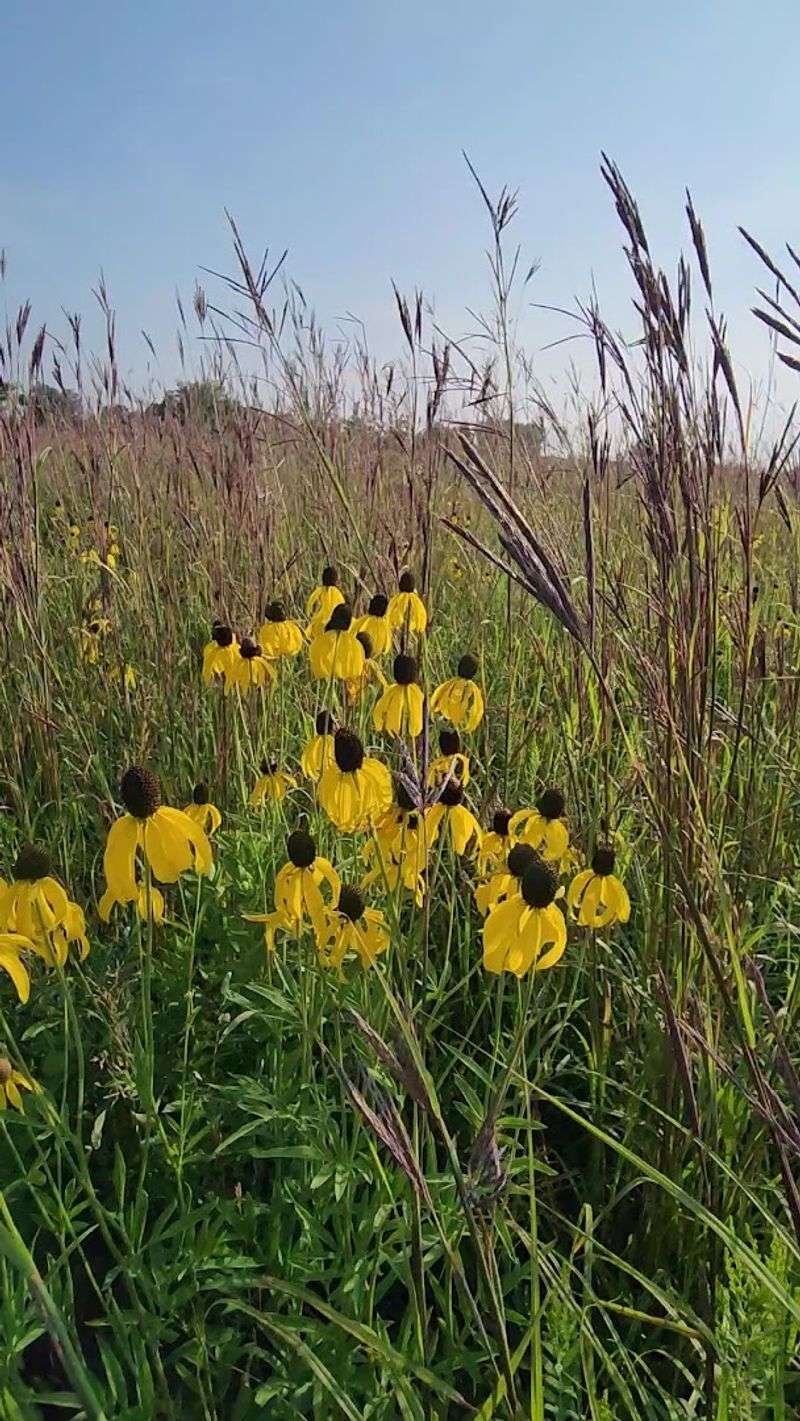
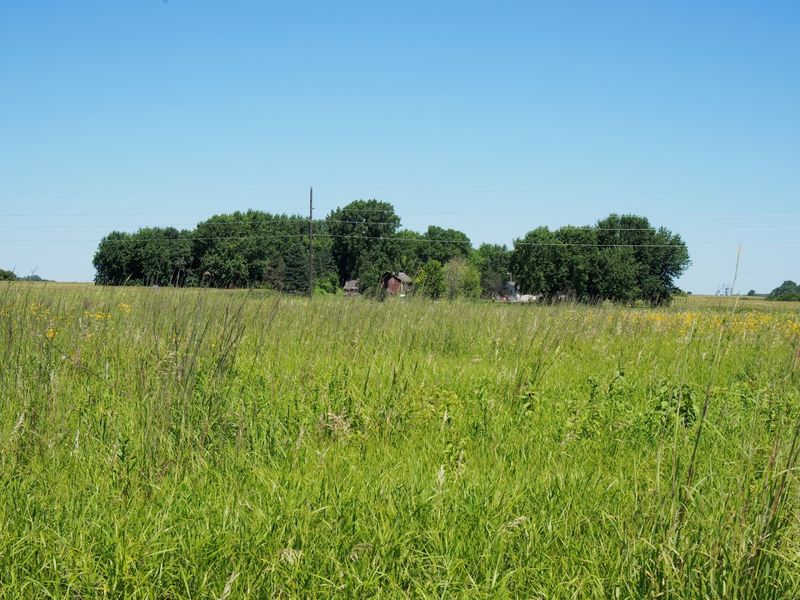
The prairie restoration at Birch Coulee is a genuine highlight, even for visitors who arrive primarily for the history. Native grasses, wildflowers, and plants have been reestablished across the site, and in late summer the landscape blooms with goldenrod, coneflowers, and a variety of species that would have been familiar to people living on this land in 1862.
Insects and butterflies are abundant during the warmer months, turning the trail into something that feels almost alive with movement. The sensory experience of walking through tall native grasses while reading about a 19th-century military standoff creates an unusual combination of calm and weight.
The prairie also provides important ecological context. Understanding that this landscape was not empty in 1862, but was home to communities, cultures, and a way of life, changes how the battle itself registers.
The plants quietly remind you of that.
Reading History From Both Sides of the Fight
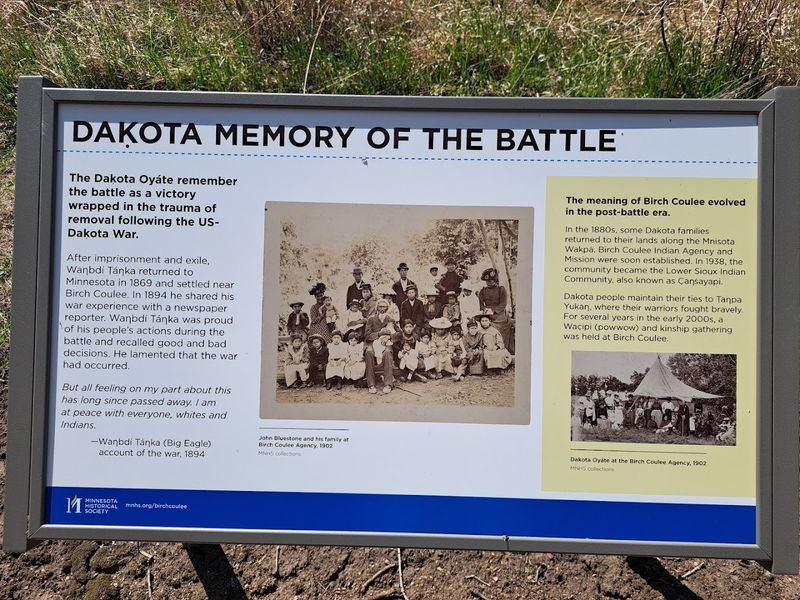
Most battlefield sites present one version of events. Birch Coulee takes a different approach.
The interpretive signs along the trail actively work to present the perspectives of both the U.S. soldiers and the Dakota people who were involved in the conflict, which is not something you encounter at every historical site.
That balance matters. The Dakota War of 1862 did not begin without cause.
Broken treaties, withheld food supplies, and years of pressure on Dakota lands created conditions that made conflict almost inevitable. The signs at Birch Coulee acknowledge that context without glossing over the human cost on either side.
Visitors who take the time to read every stop on the trail tend to leave with a more complete picture of what happened here and why. That kind of layered storytelling is genuinely rare, and it elevates the site well beyond a simple monument.
The Terrain Itself Is Part of the Exhibit
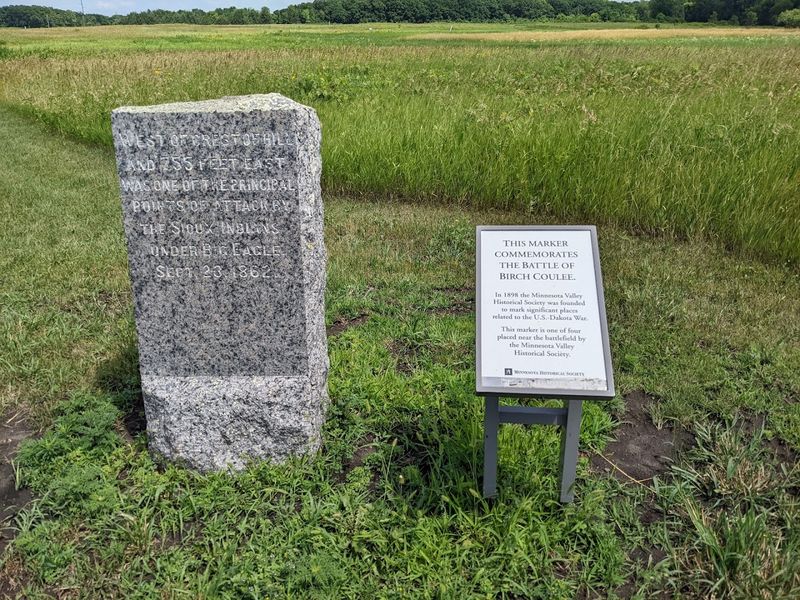
There are no reconstructed forts or replica wagons at Birch Coulee. What the site offers instead is the actual land, and that turns out to be more powerful than any built exhibit.
The subtle dip in the terrain where the soldiers made their stand is still visible, and once you know what you are looking at, the tactical reality of the siege snaps into focus.
The coulee itself, a shallow ravine carved by Birch Coulee Creek, runs nearby and provides a sense of how the landscape shaped movement and visibility during the battle. The open sight lines across the prairie make it easy to understand how the surrounding Dakota fighters were able to maintain their position throughout the night and into the following day.
Experiencing the topography firsthand, rather than through a diagram, gives the history a physical dimension that no indoor exhibit can replicate.
When to Visit for the Best Experience
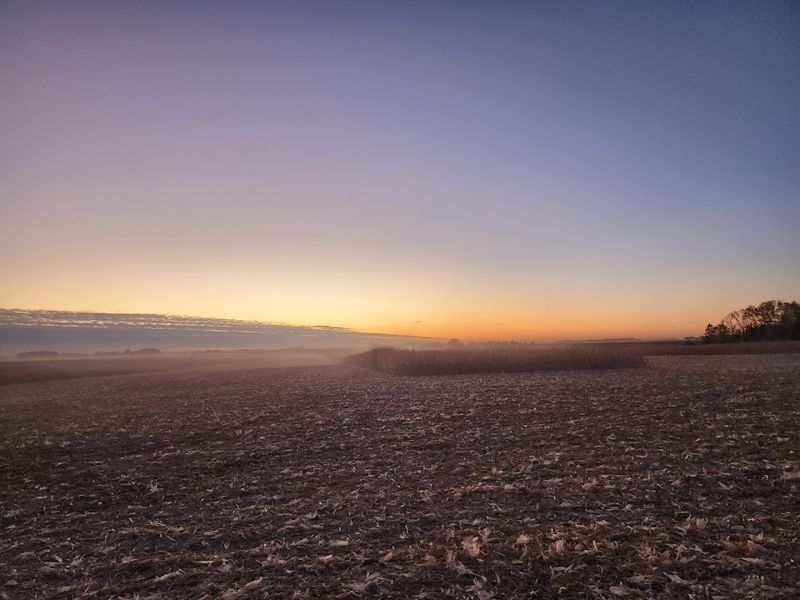
The site is open every day from 8 AM to 8 PM, which gives visitors a solid window to explore at their own pace. Early morning visits have a particular quality.
The prairie is quiet, the light is low and golden, and the interpretive signs are easier to read without the midday glare.
Late summer and early autumn tend to offer the most visually rewarding experience. The native wildflowers are in full bloom through September, and the cooler temperatures make the walk far more comfortable than a July afternoon in the upper 90s would allow.
Fall also carries a certain atmospheric weight that suits the site. The grasses turn amber and rust, the sky deepens, and the stillness of the prairie feels appropriate for a place where something significant happened.
Early September, in particular, lines up with the actual anniversary of the battle, which adds another layer of meaning to a visit.
Practical Details Worth Knowing Before You Go
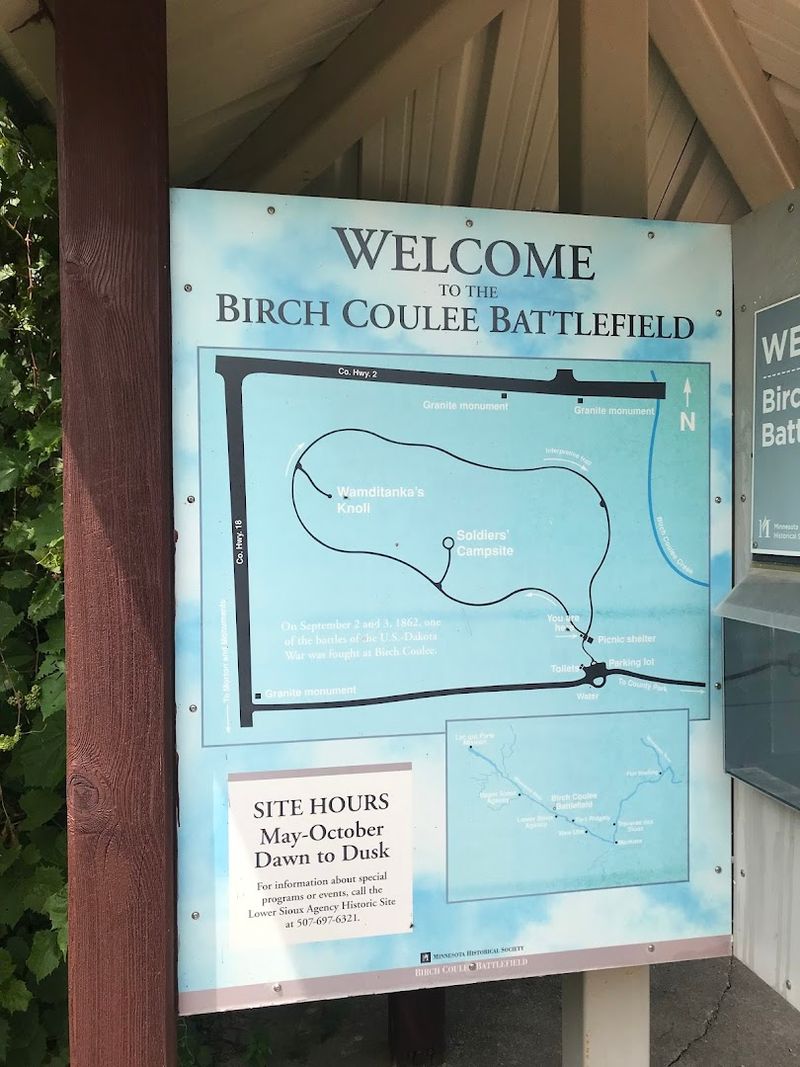
The site is free to visit and managed by the Minnesota Historical Society. Parking is available on site, and the trail itself is manageable for most ages and fitness levels.
The gravel path is not especially long, and the terrain is flat enough that the walk does not require any special preparation.
Near the parking area, there is a bench under an awning and a picnic table with a roof, both of which offer a shaded spot to rest before or after the trail. Restroom availability has varied over time, so checking current conditions before your visit is a reasonable step.
The phone number for the site is 1-800-657-3773, and the Minnesota Historical Society website at mnhs.org/birchcoulee has current information. The site does not require reservations for day visitors, and there is no admission fee to walk the trail.
The Adjacent County Park and Camping Option
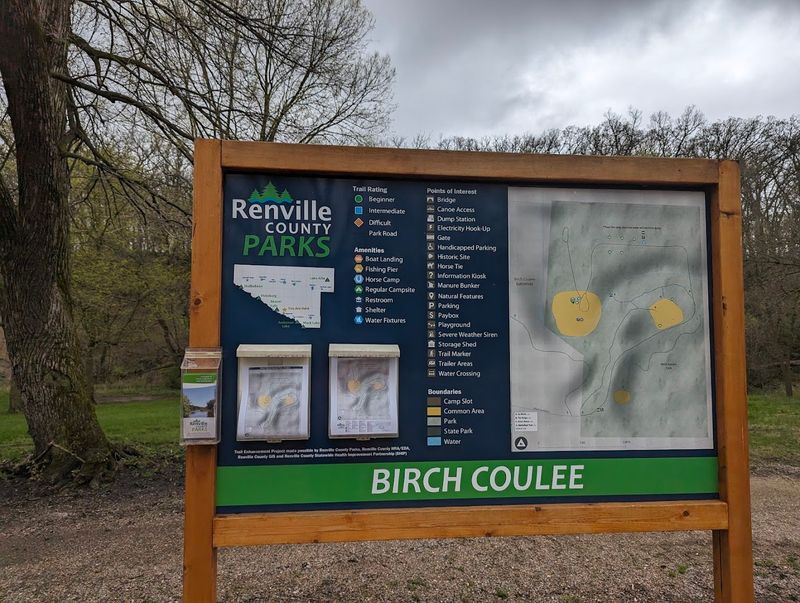
Right next to the battlefield sits the Birch Coulee Renville County Park, which is a separate facility but close enough that the two are often visited together. The county park offers camping sites with electrical hookups suitable for RVs or tents, a rentable covered shelter with tables and grills, and access to Birch Coulee Creek for activities like skipping rocks.
Camping at the park means you can spend the evening on the land after walking the battlefield during the day, which turns a single visit into something more extended and reflective. Reservations are required for camping spots, but no reservation is needed to visit the historical site itself.
Families with children and dogs tend to find the combined area especially practical. The open space gives everyone room to move, and the creek provides a natural draw for kids who need something to do between the more contemplative stops on the battlefield trail.
How This Site Fits Into the Broader Dakota War Story
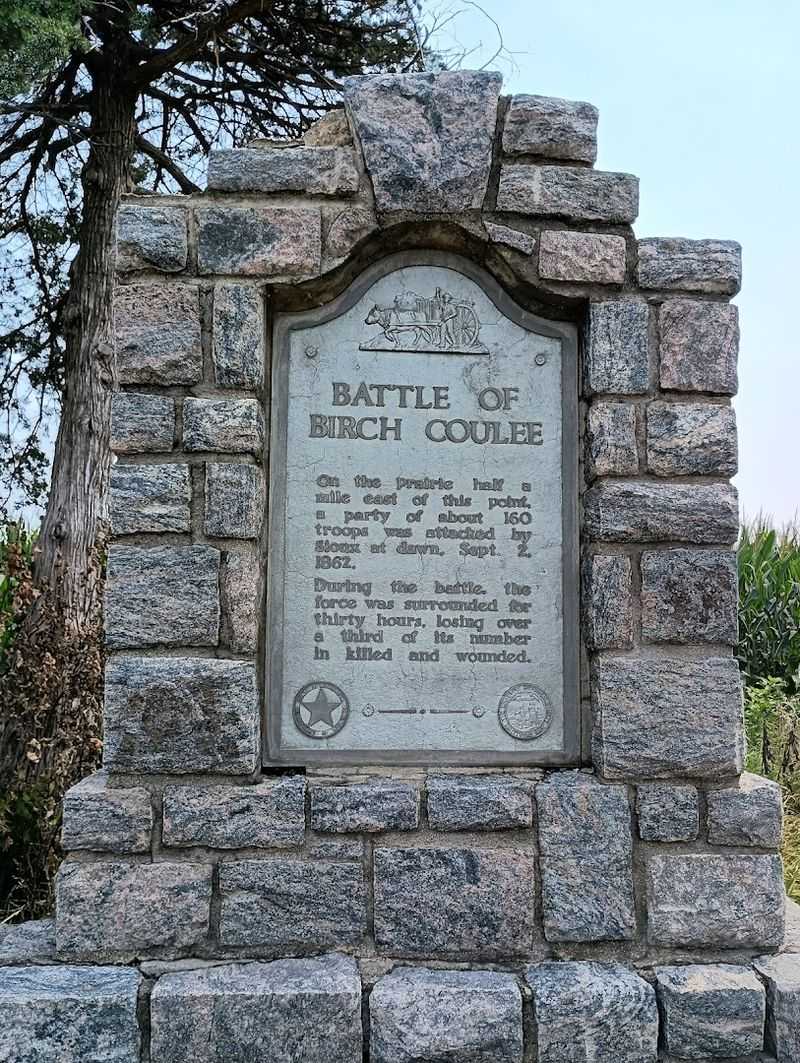
Birch Coulee is one of three nearby sites connected to the Dakota War of 1862, and visiting more than one of them deepens the understanding of what the conflict actually involved. The Lower Sioux Agency and Fort Ridgely are both within reasonable driving distance and each tells a different chapter of the same larger story.
Together, the sites form an informal trail through one of the most consequential and complicated episodes in Minnesota history. The Dakota War resulted in the largest mass execution in U.S. history, the forced removal of Dakota people from Minnesota, and a transformation of the region that shaped the state for generations.
Birch Coulee sits at the center of that story as the site of the most prolonged battle of the conflict. Understanding it in context, rather than as an isolated event, makes the visit considerably more meaningful and the history considerably harder to simplify.
Why This Place Stays With You Long After You Leave
There is a particular kind of historical site that asks more of you than others. Birch Coulee is that kind of place.
The trail is short, the landscape is open, and nothing about the setting is dramatic in a theatrical sense. But the combination of the actual ground, the dual-perspective storytelling, and the restored prairie creates an experience that lingers.
Visitors who engage seriously with the interpretive signs tend to walk away with questions they did not arrive with, which is a sign that the site is doing its job. History that produces easy answers is usually history that has been simplified past the point of honesty.
The prairie sky overhead, the grasses moving in the wind, and the knowledge of what happened here 160 years ago add up to something that is genuinely hard to shake. That is not a small thing for a site with a gravel path and a parking lot.
Share this story