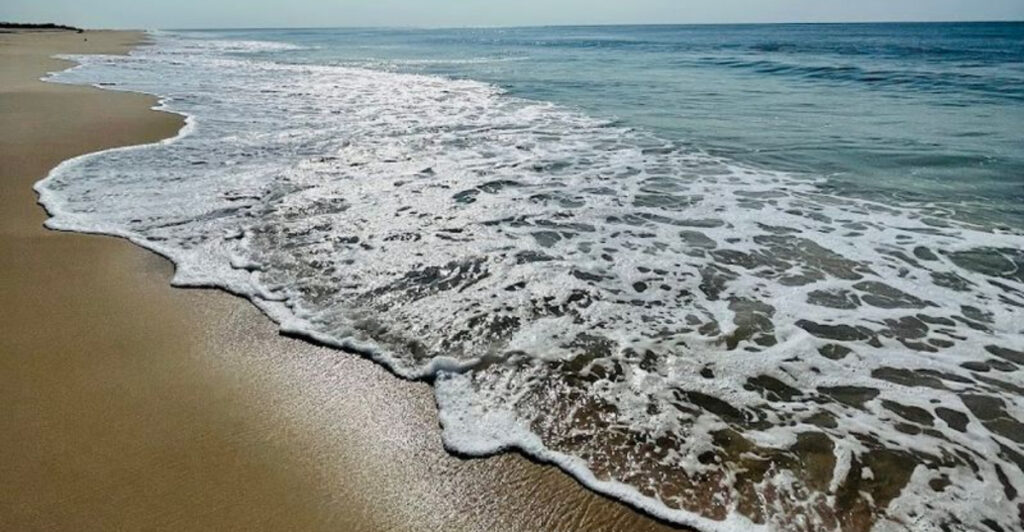
You don’t have to book a flight to the tropics to find white sand, clear water, and that blissful beach feeling. The U.S.
East Coast is packed with beaches so beautiful they’ll make you do a double-take. From the Gulf Coast of Florida to the rugged shores of New England, these spots offer Caribbean-worthy scenery without the passport.
Pack your sunscreen and get ready to be surprised.
Siesta Beach, Sarasota, Florida
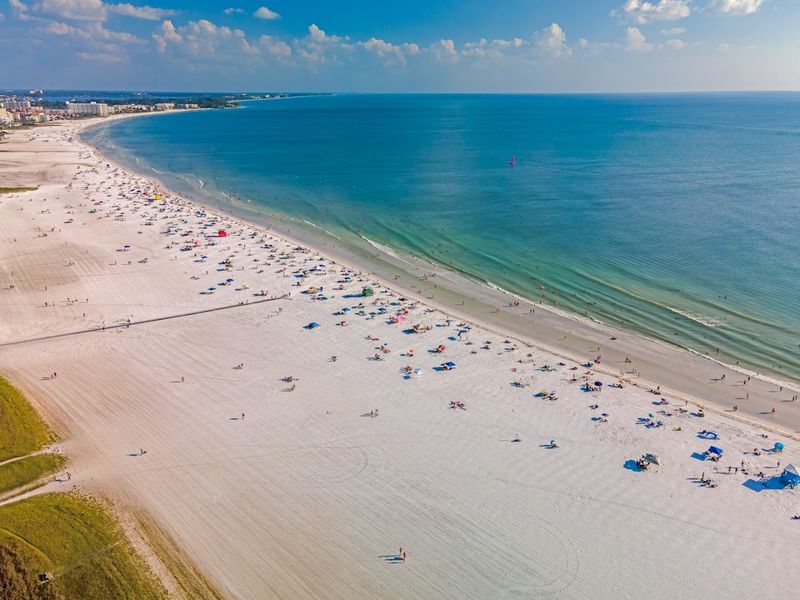
Step onto Siesta Beach and you’ll immediately notice something strange: the sand doesn’t burn your feet, even on the hottest summer day. That’s because it’s made of 99% pure quartz crystal, which reflects heat instead of absorbing it.
Scientists have actually tested it, and it’s consistently ranked as some of the finest sand on the planet.
The water here is a jaw-dropping shade of turquoise that looks almost too pretty to be real. Calm Gulf waves make it ideal for families with young kids, casual swimmers, and anyone who just wants to float around and forget their problems.
The wide shoreline means you’ll never feel crowded, even during peak season.
Siesta Beach has won the top spot on multiple national beach rankings, including Dr. Beach’s coveted number one title. Volleyball courts, picnic pavilions, and free parking make it incredibly visitor-friendly.
Nearby Siesta Village offers great food, quirky shops, and a fun local vibe worth exploring after a long beach day.
Bahia Honda State Park, Florida Keys
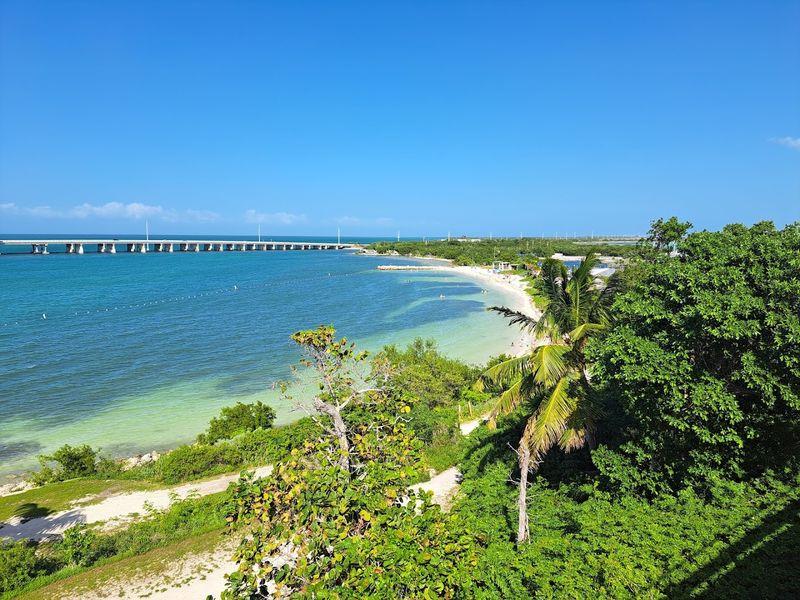
Tucked between Marathon and Key West, Bahia Honda is the kind of place that makes you want to cancel your return flight. The water here shifts from pale aqua to deep sapphire depending on where you look, and the sandy bottom is so clean you can see your toes in chest-deep water.
It genuinely feels like a Caribbean postcard.
Snorkeling is a highlight here, thanks to a nearby reef teeming with colorful fish and marine life. You can rent kayaks, paddleboards, and snorkel gear right on-site, so there’s no need to haul a carload of equipment.
Camping options are available too, meaning you can fall asleep to the sound of gentle waves and wake up to a sunrise that’ll ruin every alarm clock you’ve ever owned.
The ruins of the historic Bahia Honda Rail Bridge stretch dramatically across the water, adding a cool historical element to an already stunning setting. Wildlife spotters will love the birds and sea turtles that frequent the area.
This is hands-down one of the most complete beach experiences on the entire East Coast.
Caladesi Island State Park, Florida
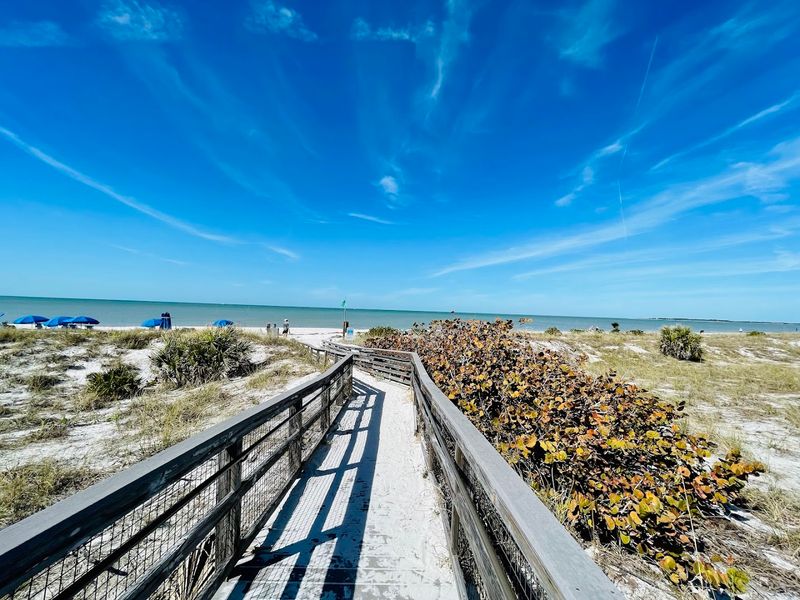
Getting to Caladesi Island requires a ferry ride, and honestly, that’s part of the charm. The short boat trip feels like crossing into another world, one without traffic, souvenir shops, or noisy crowds.
Once you arrive, you’re greeted by one of Florida’s most untouched stretches of white sand and crystal-clear Gulf water.
Caladesi has won the number one beach in America title from Dr. Beach, which is no small achievement considering the competition. The water is calm, shallow near shore, and remarkably clear for a Florida beach.
Dolphins are spotted regularly just offshore, and shelling is excellent here because the beach doesn’t see the foot traffic that erodes other shorelines.
Nature trails wind through the island’s interior, passing through mangroves and pine flatwoods full of birds and wildlife. There’s a kayak trail too, which lets you paddle through peaceful backwater channels away from the main beach crowd.
Facilities are basic but clean, and the island closes once it reaches capacity, which keeps the experience genuinely peaceful. If you want Florida the way it looked before the condos arrived, Caladesi is your answer.
Dry Tortugas National Park, Florida
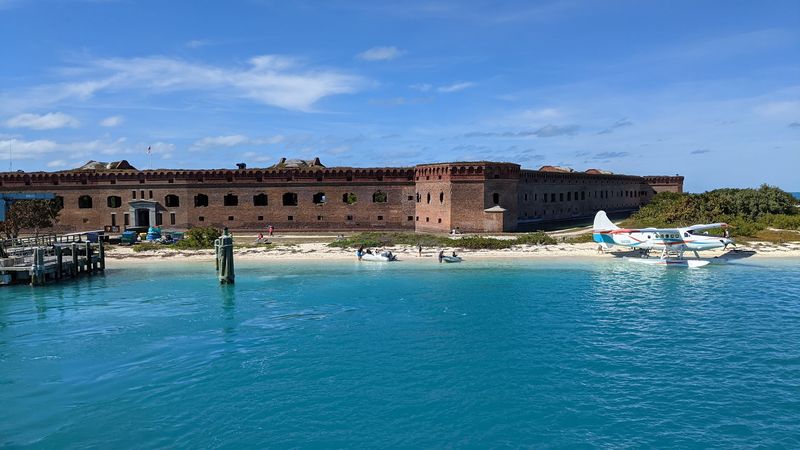
Seventy miles west of Key West, in the middle of the Gulf of Mexico, sits one of the most remote and jaw-dropping beach destinations in the entire country. Dry Tortugas National Park is accessible only by seaplane or ferry, and that two-hour journey is absolutely worth every minute.
The water surrounding these tiny islands is some of the clearest, most electric blue you’ll find anywhere outside the actual Caribbean.
Fort Jefferson, a massive 19th-century military fortress, sits right on the island and adds a seriously cool historical backdrop to your beach day. You can swim, snorkel, and kayak around the fort’s walls while tropical fish dart through the coral below.
Sea turtles, nurse sharks, and colorful reef fish are common sightings for snorkelers.
Camping overnight is allowed with a permit, and stargazing here is extraordinary since there’s virtually zero light pollution. Bird-watchers flock here during migration season because the island sits along a major flyway.
Bring everything you need because there are no stores or facilities beyond basic restrooms. Dry Tortugas rewards the adventurous traveler with an experience that feels genuinely wild and completely unforgettable.
Cape Lookout National Seashore, North Carolina
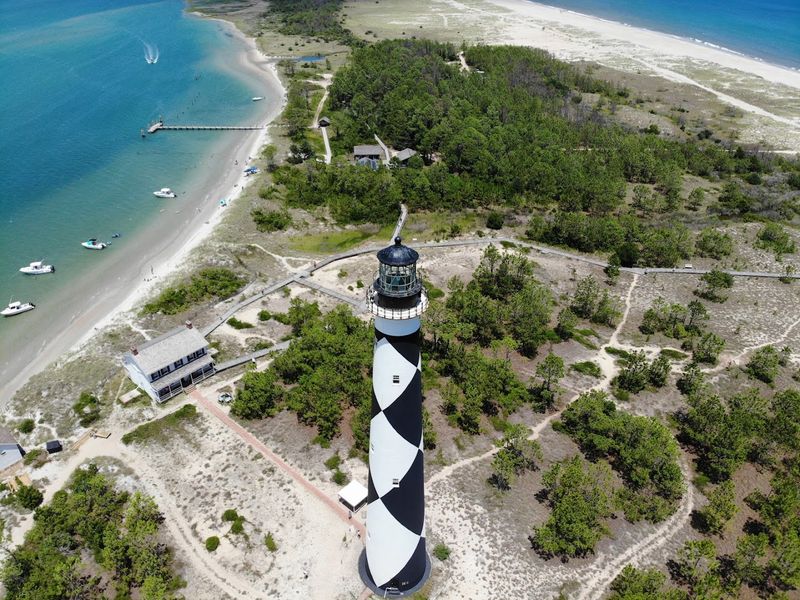
Wild horses roaming freely along an undeveloped Atlantic shoreline sounds like something out of a nature documentary, but at Cape Lookout, it’s just a Tuesday. This remote barrier island chain in North Carolina has no paved roads, no hotels, and no fast food.
What it does have is miles of pristine beach that feels genuinely untouched by the modern world.
Getting here requires a ferry from Harkers Island or Beaufort, which adds to the sense of adventure. The beaches face the Atlantic directly, so waves can be bigger and more dramatic than calmer Gulf shores.
Shelling is spectacular here, and the shallow sandbars near shore make for fantastic wading and exploring at low tide.
The iconic Cape Lookout Lighthouse, with its distinctive diamond pattern, is one of North Carolina’s most photographed landmarks and well worth the climb for panoramic views. Fishing is excellent along the entire seashore, and the remoteness keeps the crowds thin even during summer.
Primitive camping is available for those who want a full overnight experience under incredibly dark skies. Cape Lookout is raw, real, and refreshingly free of the commercialism that has swallowed so many American beach towns.
Shackleford Banks, North Carolina
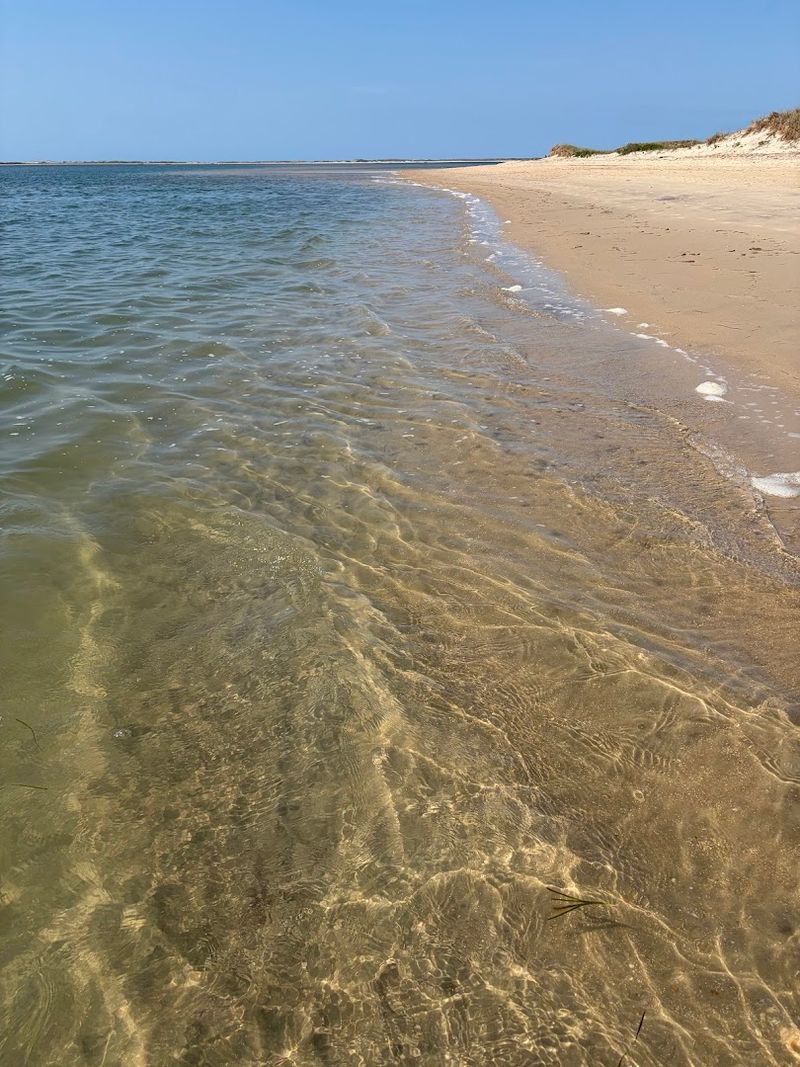
Somewhere between a beach vacation and a wildlife safari, Shackleford Banks offers an experience you genuinely can’t find anywhere else on the East Coast. The island is home to a herd of wild Banker horses, descendants of Spanish mustangs that have been living here for over 400 years.
Watching them graze along the shoreline with the Atlantic sparkling behind them is a sight that sticks with you long after you’ve gone home.
The beach itself is wide, clean, and largely undeveloped, giving it a wild and natural feel that’s increasingly rare. Water clarity is impressive for the Atlantic coast, and the sandbars that stretch out from shore make for fun wading.
Shelling is also a favorite activity here, and patient collectors often find a great haul.
Access is by ferry from Beaufort or Harkers Island, which keeps visitor numbers manageable. There are no facilities on the island, so packing your own food, water, and supplies is essential.
Swimming is possible but watch for currents, especially near the inlet ends of the island. Shackleford Banks is a place where nature runs the show, and that’s exactly what makes it so special.
Ocracoke Island, North Carolina
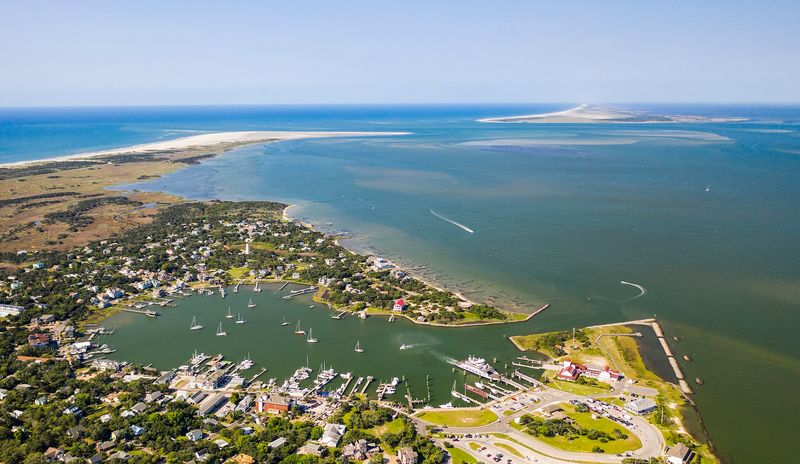
Ocracoke has a reputation for being one of those rare places that people find by accident and then never stop talking about. Accessible only by ferry, this small Outer Banks island has the kind of laid-back charm that feels like it belongs to a different era.
The village is full of local restaurants, art galleries, and quirky shops that you actually want to browse.
The beach itself stretches for miles with minimal development visible from the shoreline. The sand is soft, the water is clear by Atlantic standards, and the dunes are tall enough to block the wind on breezy days.
Lifeguard stations are available during summer, making it a comfortable choice for families.
Ocracoke also has some serious pirate history. The notorious Blackbeard met his end just offshore in 1718, and local storytellers are very happy to fill you in on the dramatic details.
Birding is excellent here during migration season, and the Ocracoke Pony Pen lets visitors see the island’s famous wild ponies up close. The ferry ride from Hatteras is free and takes about an hour, making this remote treasure surprisingly accessible for adventurous beach lovers.
Assateague Island National Seashore, Maryland and Virginia
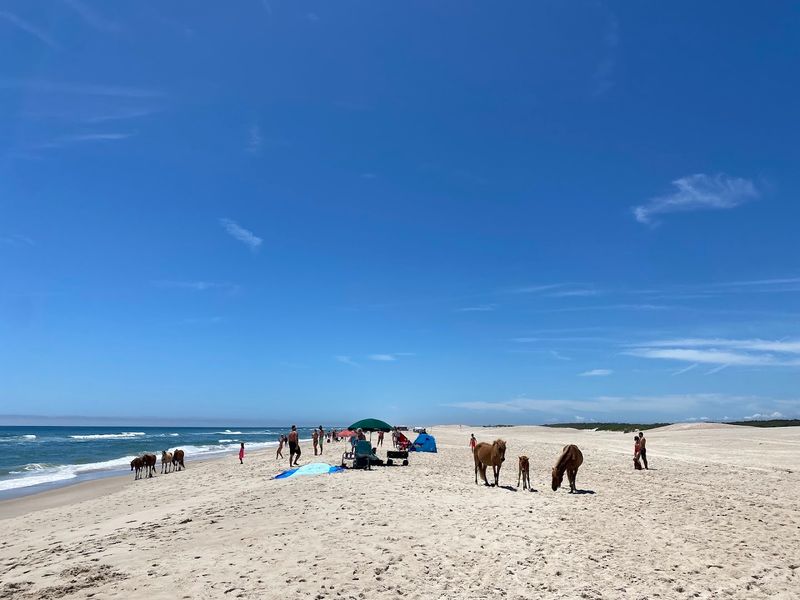
Few beaches in America offer the combination of wild ponies, wide-open shoreline, and serious Atlantic waves that Assateague Island delivers without breaking a sweat. Stretching across the Maryland and Virginia border, this barrier island is one of the Mid-Atlantic’s most beloved coastal destinations, and for very good reason.
The ponies are the star attraction, but the beach itself would be worth the trip even without them.
The Maryland side is managed as a national seashore and offers camping, swimming, and surfing. The Virginia side, managed by the U.S.
Fish and Wildlife Service, has a quieter and more wildlife-focused atmosphere. Either way, the scenery is dramatic, with rolling dunes, sea oats swaying in the breeze, and a horizon that feels endless.
The wild ponies are believed to be descendants of horses that survived a Spanish shipwreck centuries ago, though some historians debate the exact origin story. Rangers ask visitors to keep their distance and absolutely not feed them, which is a rule worth following since these animals are surprisingly bold.
Surfing, fishing, and kayaking are all popular here. Assateague rewards visitors who come prepared to explore rather than just sit still.
Coast Guard Beach, Cape Cod, Massachusetts
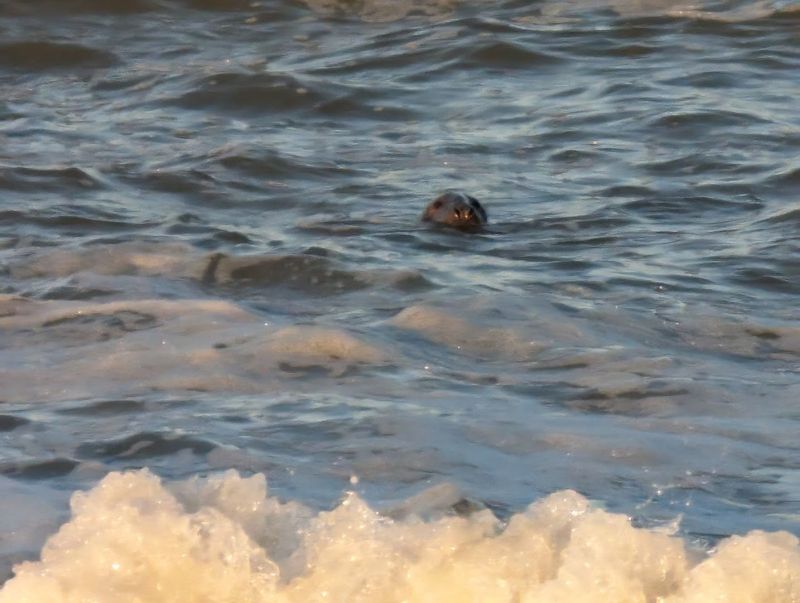
Coast Guard Beach has one of the most dramatic entrances of any beach on this list. Visitors park at a satellite lot and ride a short shuttle down to the shore, where the dunes suddenly give way to a sweeping view of the Atlantic that genuinely takes your breath away.
The scale of this beach is hard to describe until you’re standing on it.
Part of the Cape Cod National Seashore, this stretch of coastline has been protected from development since 1961, which means it looks almost exactly as it did when the Pilgrims first sailed past it. The waves here are bigger and more powerful than on calmer bay beaches, making it a favorite spot for bodyboarders and experienced swimmers.
The water is cold by Florida standards, but refreshing on a hot summer afternoon.
The historic Coast Guard station overlooks the beach from the dunes above, adding a classic New England character to the scenery. Whale watches depart from nearby Provincetown, and the Cape Cod Rail Trail runs close by for cyclists.
Sunsets here are spectacular, painting the dunes in shades of gold and amber. This is a beach that earns its reputation every single time.
Race Point Beach, Provincetown, Massachusetts
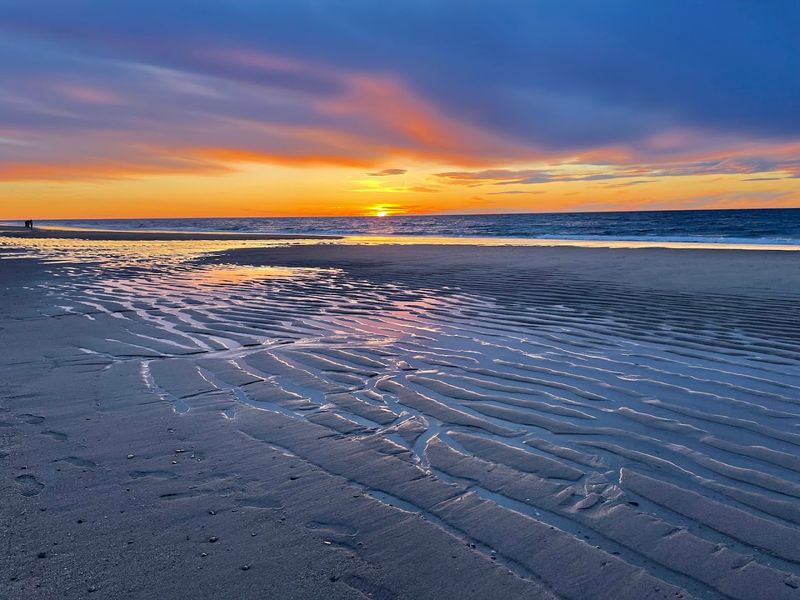
Race Point sits at the very tip of Cape Cod, where the land curls back on itself like a hook and the Atlantic Ocean stretches uninterrupted to the horizon. On a clear day, you can watch whales breaching offshore from the beach itself, no boat required.
That alone puts Race Point in a category all its own.
The scenery is dramatic in every season. Summer brings warm sand, strong waves, and spectacular sunsets over the water.
Fall transforms the dunes into a mosaic of gold and rust, and even winter visits have a fierce, cinematic beauty that photographers love. The Race Point Lighthouse, built in 1816, stands guard at the edge of the dunes and is available for overnight stays through a special rental program.
Swimming is possible but the currents and waves can be strong, so it’s best suited for confident swimmers. The beach is part of the Cape Cod National Seashore and stretches for miles with minimal development in sight.
Provincetown itself, just a short drive away, is one of New England’s most colorful and welcoming towns, packed with galleries, seafood restaurants, and an energetic arts scene that makes the whole trip worthwhile.
Block Island Beaches, Rhode Island
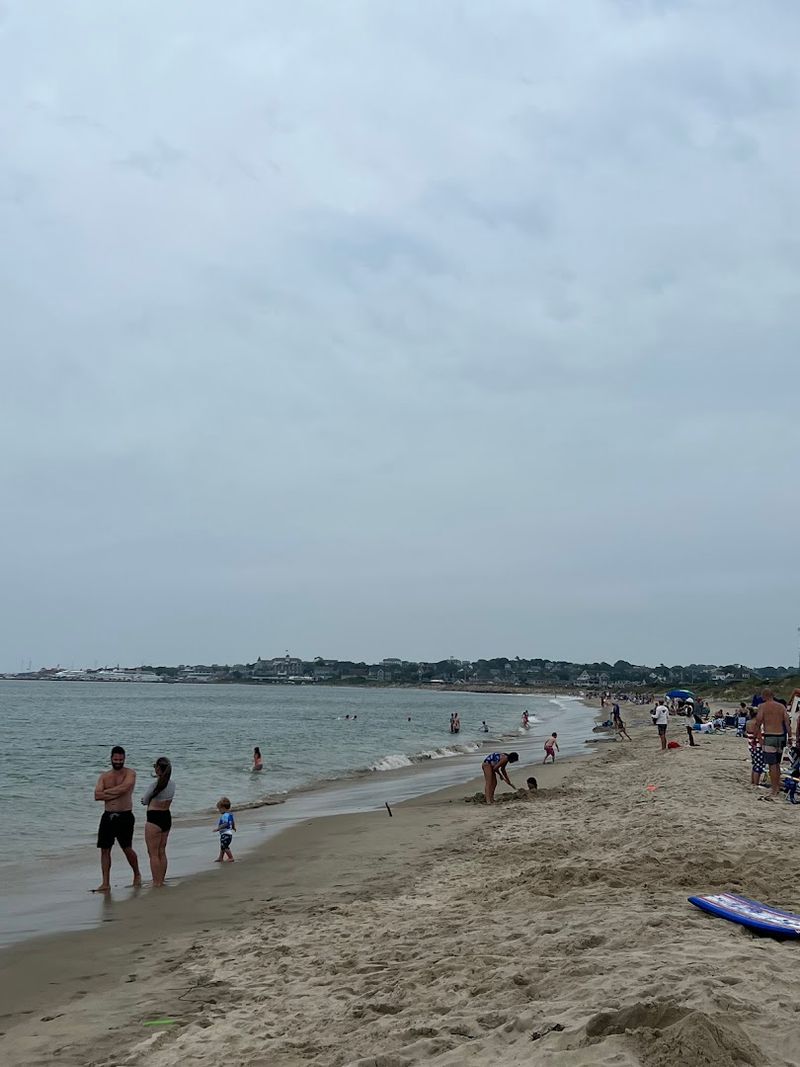
Twelve miles off the Rhode Island coast, Block Island feels like a secret that locals are slightly reluctant to share. The ferry ride from Point Judith takes about an hour, and the moment you arrive, the pace of life drops noticeably.
Cars exist here, but bikes are the preferred method of getting around, which tells you everything about the island’s vibe.
Crescent Beach runs along the eastern shore and offers nearly three miles of clean, sandy shoreline with water that runs a striking blue-green color on sunny days. The waves are gentle enough for casual swimming but interesting enough to keep bodyboarders happy.
Just a short bike ride away, Mohegan Bluffs rise 200 feet above the southern shore, offering some of the most dramatic coastal views in all of New England.
Block Island has protected nearly half of its land from development, which gives it a refreshingly natural feel compared to more commercialized beach destinations. Birding is world-class here, especially during fall migration.
The island’s restaurants serve some seriously good seafood, and the local ice cream shops are not to be skipped. Block Island is the kind of place that gets quietly added to your annual vacation rotation after just one visit.
Coopers Beach, Southampton, New York
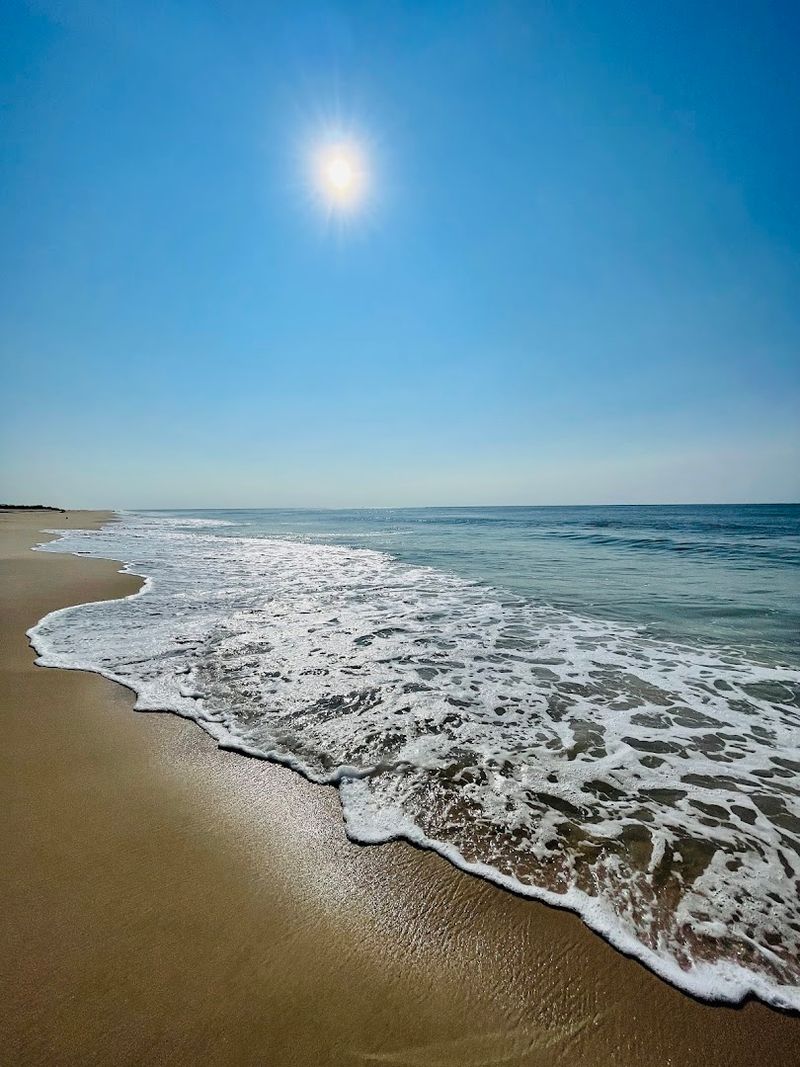
Coopers Beach has been called one of the best beaches in America so many times that the title almost feels understated. Located in Southampton on Long Island’s famous South Fork, this beach combines soft white sand, clean Atlantic water, and a classic Hamptons elegance that’s hard to replicate anywhere else.
The dunes are well-maintained, the facilities are excellent, and the overall vibe is polished without feeling stuffy.
The water here is cleaner than you might expect from a beach this close to a major metropolitan area. Lifeguards are on duty during summer, and the waves are typically manageable for recreational swimmers.
Parking does require a fee during peak season, but the quality of the experience justifies the cost without much debate.
Southampton Village is just minutes away, offering high-end restaurants, boutique shopping, and historic architecture that makes for a great afternoon after a morning on the sand. The surrounding area has a long history as a summer retreat for artists, writers, and creative thinkers, and that cultural energy still lingers in the air.
Coopers Beach is proof that you don’t need to leave the country to find a beach that feels genuinely luxurious and worth every bit of the drive.
Cumberland Island National Seashore, Georgia
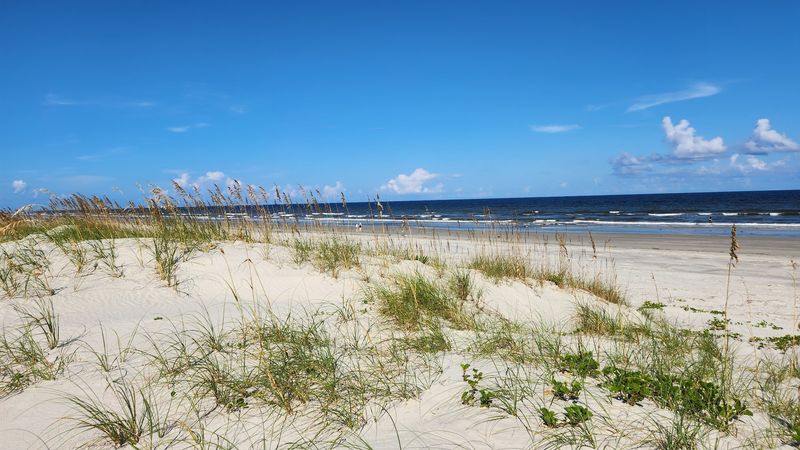
Georgia’s largest barrier island is the kind of place that makes you question why you’ve been spending your vacation money anywhere else. Cumberland Island is accessible only by ferry from St. Marys, and the National Park Service strictly limits daily visitor numbers, which means the beaches here feel genuinely uncrowded even at the height of summer.
That level of quiet is genuinely rare on the East Coast.
Wild horses roam freely across the island, often wandering directly onto the beach, which creates scenes so beautiful they seem staged. The maritime forest interior is equally stunning, with ancient live oaks draped in Spanish moss forming cathedral-like tunnels along the dirt roads.
The ruins of Dungeness, a Gilded Age mansion once owned by the Carnegie family, add an eerie and fascinating historical layer to the landscape.
The beach itself stretches for nearly 18 miles with zero commercial development visible from the shoreline. Shelling is excellent, and loggerhead sea turtles nest here during summer months.
Camping is available at a few designated sites, and spending a night here under the stars is an experience that borders on surreal. Cumberland Island is one of those rare places that exceeds every expectation you bring to it.
Hunting Island State Park, South Carolina
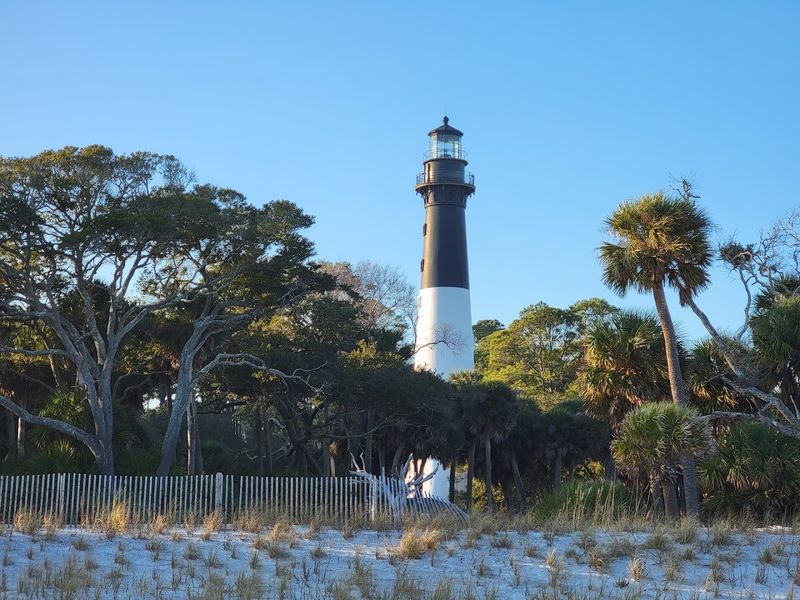
Hunting Island has a trick up its sleeve that most South Carolina beaches can’t match: palm trees. Real, swaying, tropical-looking palm trees lining a sandy Atlantic beach.
Combined with the salt marshes, maritime forest, and a historic lighthouse, the whole place has an atmosphere that feels closer to the Caribbean than the Carolinas.
The beach stretches for about five miles and is known for its dramatic erosion patterns, which have left weathered tree stumps and driftwood scattered across the sand in an almost artistic way. It’s eerie and beautiful at the same time.
The water is warmer here than on northern East Coast beaches, making it comfortable for swimming from late spring through early fall.
The Hunting Island Lighthouse, built in 1875, is one of the few in South Carolina that allows visitors to climb to the top. The view from the lantern room is worth every step of the spiral staircase.
Camping is available in a large campground surrounded by trees, and the park sees significant wildlife activity including deer, alligators in the marshes, and nesting sea turtles on the beach. Hunting Island is a genuine hidden gem that surprises nearly everyone who visits for the first time.
Kiawah Island Beach, South Carolina
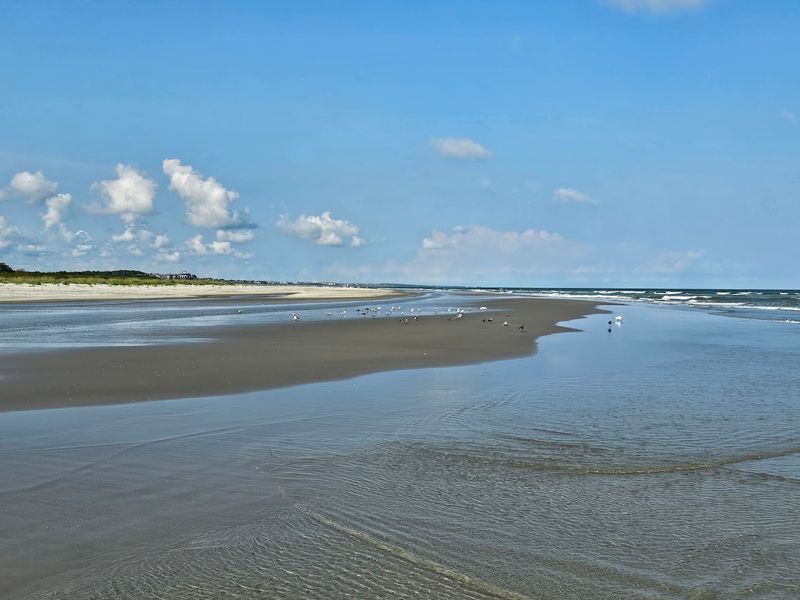
Ten miles of wide, uncluttered beach with almost no buildings visible from the water’s edge: that’s Kiawah Island in a sentence. Located about 25 miles south of Charleston, this barrier island is one of the Southeast’s most beautiful and ecologically rich coastal destinations.
The beach is so wide at low tide that it practically functions as its own park.
Loggerhead sea turtles nest here in impressive numbers each summer, and the island’s turtle patrol volunteers are passionate about protecting every nest. Shorebirds are everywhere, from American oystercatchers to Wilson’s plovers, making this a paradise for anyone who enjoys wildlife.
The maritime forest that lines the back of the beach provides shade, habitat, and a lush green backdrop that enhances every view.
Kiawah offers a range of accommodations from luxury resort hotels to private rental homes tucked among the trees. The Kiawah Island Golf Resort is world-famous, but you absolutely don’t need to be a golfer to love this place.
Biking is the best way to explore the island’s 30-plus miles of paved trails. Nearby Charleston adds a rich layer of history, food, and culture to any Kiawah trip.
This beach doesn’t just rival the Caribbean; it has its own distinct character that’s impossible to replicate.
Share this story