There is a place in Raleigh, North Carolina, where weekends feel like a treasure hunt, a farmers market, a food festival, and a community gathering all rolled into one sprawling outdoor adventure. Every Saturday and Sunday, hundreds of vendors set up their stalls, and thousands of shoppers show up ready to dig through decades of history.
From a 1980s starter jacket priced at a fraction of what you would pay at a thrift store, to cast iron skillets sold by a vendor who clearly knows his craft, the variety here is genuinely hard to believe. Whether you are a seasoned collector, a casual browser, or someone who just wants a good deal on fresh produce, this weekend market has quietly become one of the most beloved spots in the Triangle area, and it has been doing so since 1971.
A Market With Deep Roots: History and Location
Some places earn their reputation over decades, and The Raleigh Market is exactly that kind of place. Open since 1971, this flea market has been a weekend staple for generations of North Carolina families, collectors, and bargain hunters.
The market is located at 4285 Trinity Rd, Raleigh, NC 27607, sitting on the grounds of the State Fairgrounds. That address alone tells you something: this is not a pop-up event or a seasonal novelty.
It is a permanent fixture in the community.
The market opens its gates at 9 AM on Saturdays and Sundays, and closes at 5 PM, giving visitors a full day to explore. The phone number on file is +1 919-839-4560, and the official website at www.theraleighmarket.com has all the vendor and event details you need before you go.
With over 2,500 Google reviews and a 4.5-star rating, the market has clearly made a lasting impression on the people of Raleigh and beyond. Fifty-plus years of weekends adds up to a tradition that feels genuinely irreplaceable in this part of North Carolina.
The Layout: Indoors, Outdoors, and Everything Between
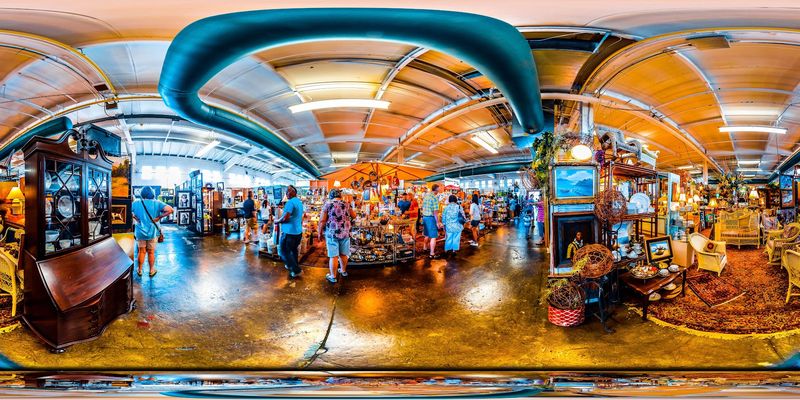
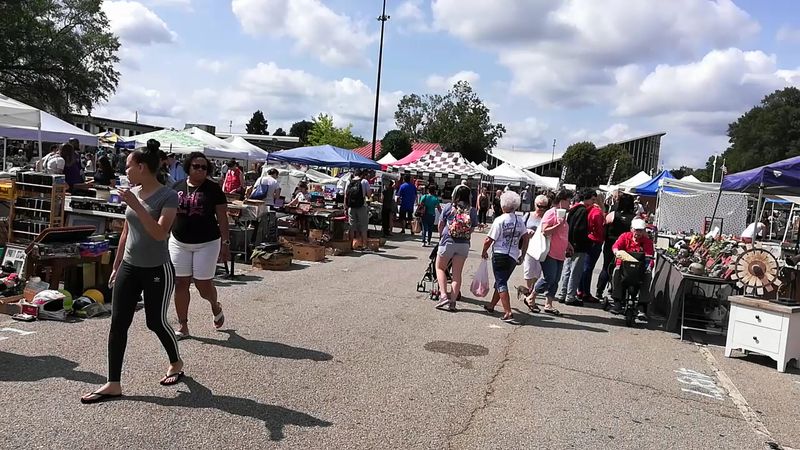
The sheer scale of this market is one of the first things that catches you off guard. There are dozens of outdoor vendor spaces spread across the fairgrounds, and the indoor area is just as impressive, housed in what feels like a large state fair exposition building.
The outdoor section is where the real treasure hunting happens. Tables overflow with vintage clothing, old tools, framed artwork, handmade crafts, and items that you genuinely cannot categorize until you get close enough to look.
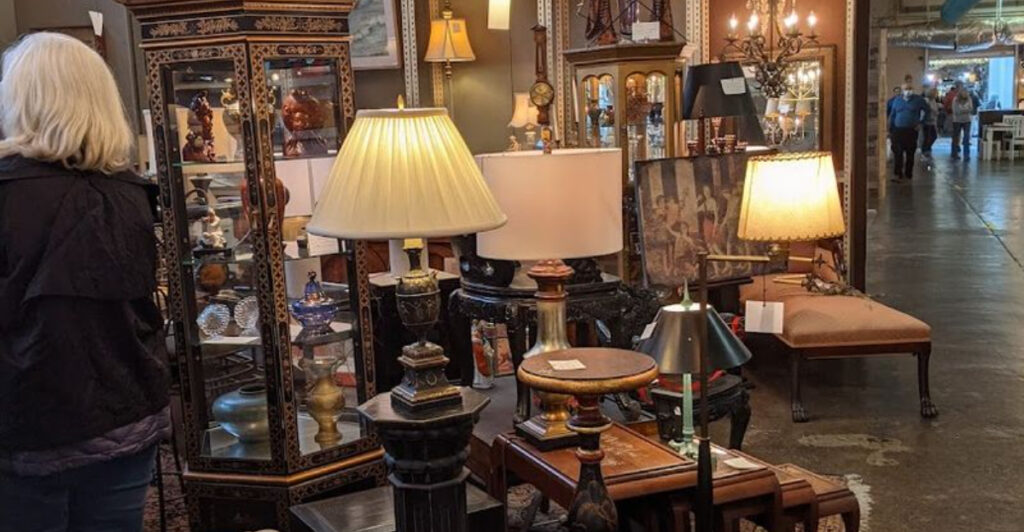
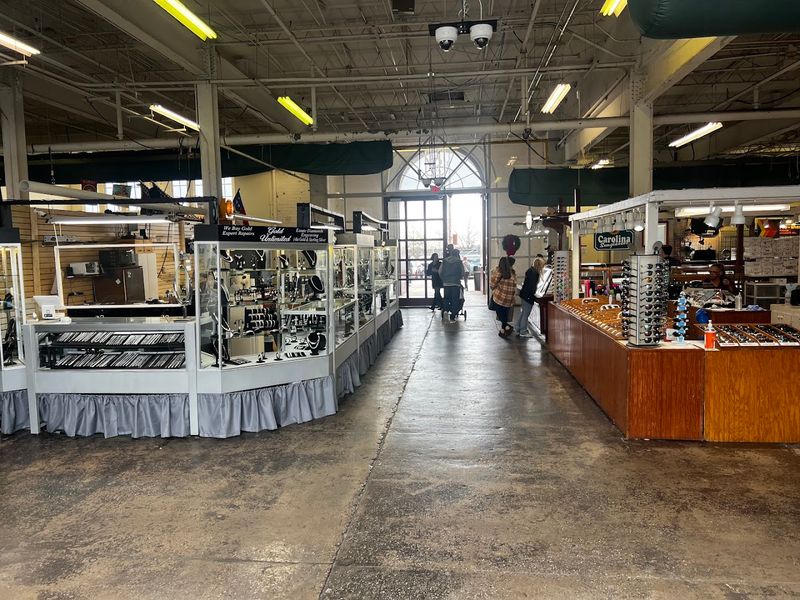
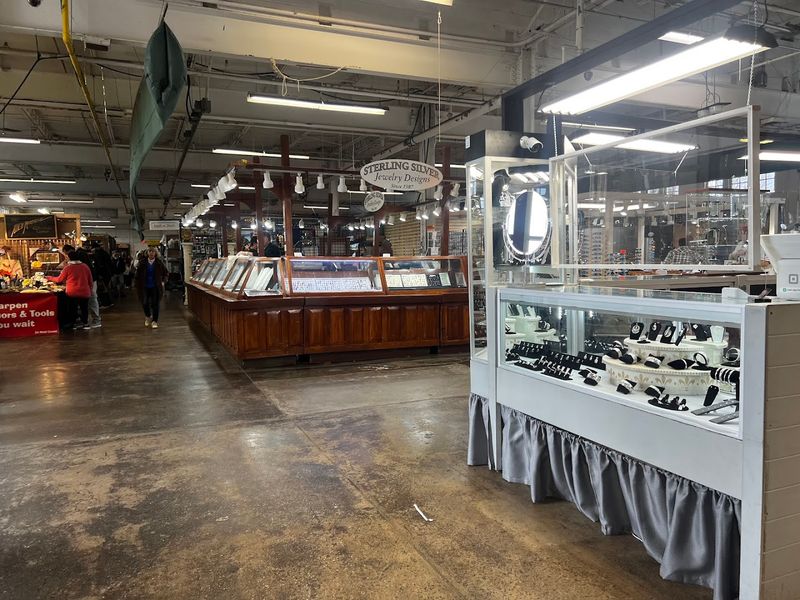
The indoor building offers a more sheltered shopping experience, which is a genuine relief on cold or windy days. Vendors inside tend to specialize a bit more, with dedicated booths for things like sterling silver jewelry, collectible toys, and specialty goods.
Both sections feed into each other naturally, so you rarely feel like you have to choose one over the other. Most visitors end up doing a full loop of both, and many come back a second time in the same day just to catch what they missed on the first pass.
The layout rewards the patient and the curious in equal measure.
Vintage Finds That Actually Deliver
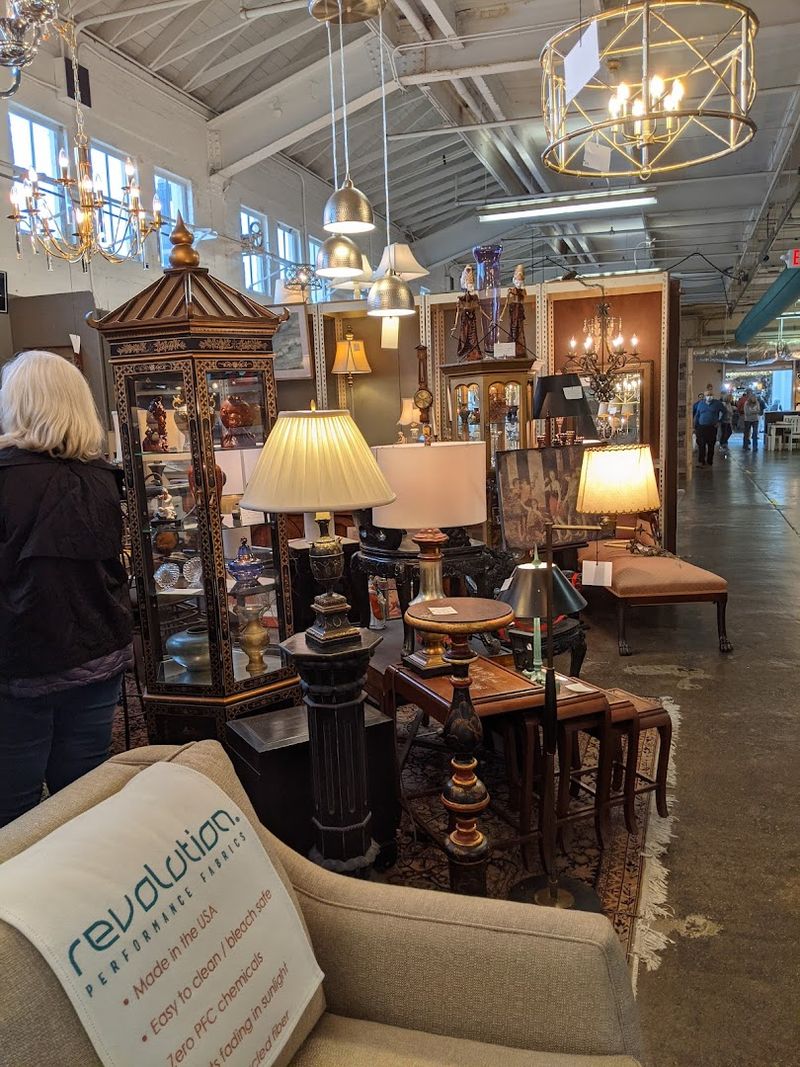
For vintage lovers, this market is not just a good option; it is genuinely one of the better places to shop in the entire region. The variety of vintage goods here is wide enough to keep even the most seasoned thrift-store regular busy for hours.
On any given weekend, you can find 1980s starter jackets, vintage comic books, old vinyl records, retro home decor, and clothing from multiple decades. The prices tend to be fair, and vendors are usually open to a friendly negotiation if you are buying more than one item.
One of the most talked-about corners of the market features a vendor specializing in cast iron cookware. The gentleman running that booth is known for being a character, full of stories and knowledge about every piece he sells.
That kind of personality is exactly what makes flea market shopping feel different from a regular retail trip.
Pyrex collectors will also want to make a beeline for the vendor who keeps a serious stock of vintage patterns. Finding a specific piece in a specific pattern at a flea market feels like a small personal victory, and this market delivers that feeling regularly.
Fresh Produce and the Farmers Market Side
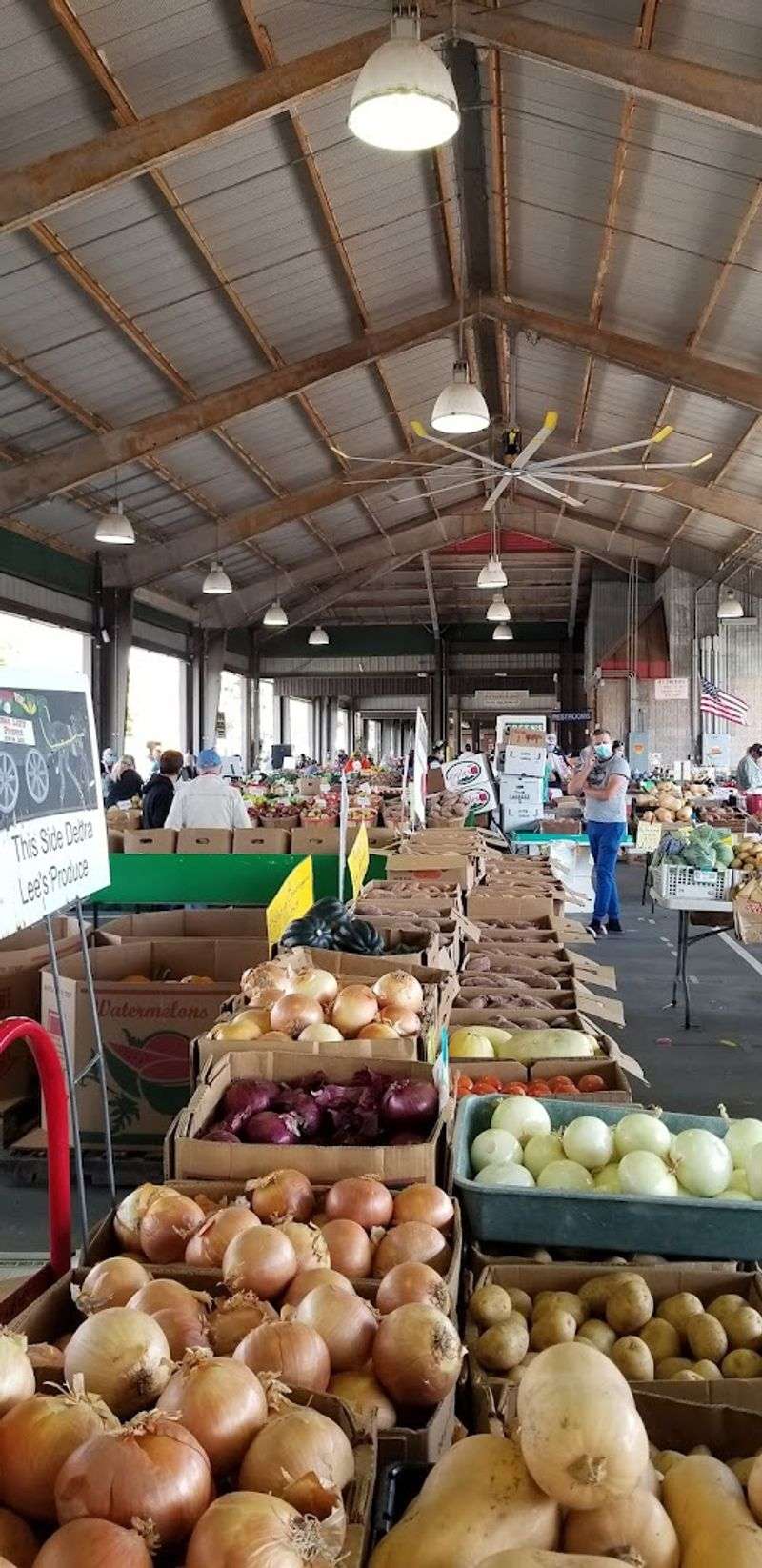
Not everyone who visits The Raleigh Market is there for vintage goods. A strong part of the market’s identity is its fresh produce section, which draws a completely different crowd of regulars every weekend.
Fruit trees, seasonal vegetables, and locally grown produce show up at the market with enough variety to make a weekly grocery run feel worthwhile. The vendors in this section tend to be friendly and knowledgeable, happy to talk about what is in season and how to use it.
The quality of the produce here consistently gets high marks from shoppers. Fresh fruit that looks like it was picked recently, vegetables that still have actual flavor, and prices that make the grocery store feel overpriced by comparison.
There is also a fish restaurant on the fairgrounds that has caught the attention of more than a few visitors who stopped in expecting a quick bite and ended up lingering over a full meal. The combination of fresh produce shopping and a solid food option nearby makes this corner of the market feel like a self-contained Saturday morning ritual that is hard to give up once you have tried it.
Food Trucks and Snack Stops Worth the Stop
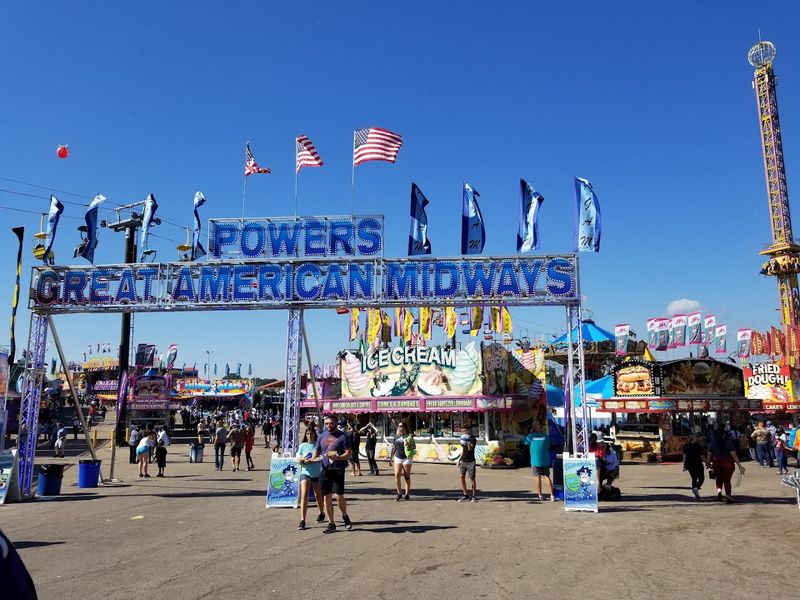
Browsing for hours works up an appetite, and the food options at The Raleigh Market are genuinely good enough to be a reason to visit on their own. The food truck lineup on weekends brings a solid mix of options that go well beyond the usual fair food.
A kettle corn vendor has become something of a crowd favorite, with the smell alone doing most of the marketing work from across the parking lot. The fish restaurant on the grounds offers a sit-down experience that feels a little unexpected for a flea market setting, but in the best possible way.
Taco trucks, snack vendors, and other food options rotate through the market regularly, so the lineup is never exactly the same from one weekend to the next. That unpredictability is part of the fun.
The food scene here is casual, affordable, and genuinely satisfying. Most vendors accept cash, and some accept cards, so it is worth having a few bills on hand just in case.
Eating at the market feels like a natural part of the experience, not an afterthought, and the variety makes it easy to find something that hits the spot no matter what you are craving.
Handmade and Artisan Goods That Stand Out
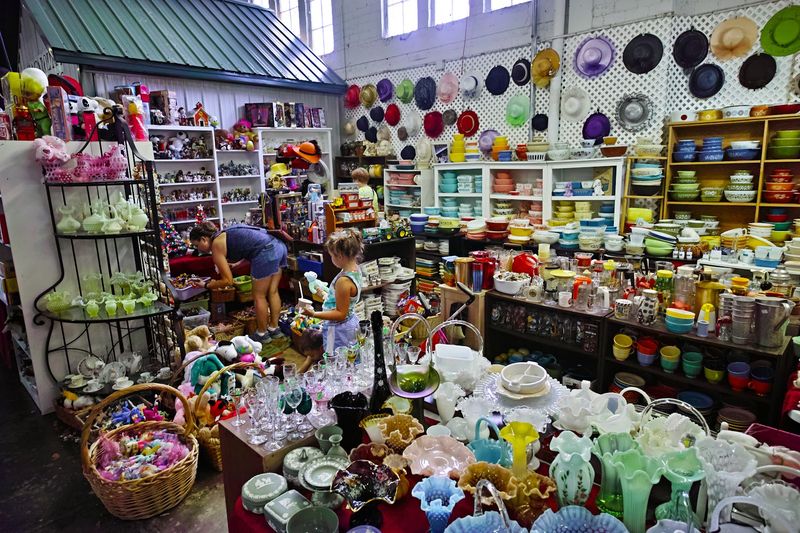
Mixed in among the vintage dealers and produce stands, you will find a genuinely impressive collection of handmade and artisan goods. These vendors bring a creative energy to the market that makes it feel less like a swap meet and more like an open-air craft fair in spots.
Hand-dipped incense, custom jewelry, handmade ceramics, and one-of-a-kind home decor pieces show up regularly. Sterling silver jewelry with original designs has its own dedicated booth inside the main building, and it draws steady traffic from shoppers who appreciate quality craftsmanship.
The artisan vendors tend to be among the most talkative and engaging at the market. They are proud of what they make, and most of them are happy to explain their process if you ask.
That kind of direct connection between maker and buyer is something you simply cannot replicate online.
Prices for handmade goods here are fair and often well below what you would pay at a boutique shop or art fair. The variety changes from week to week as new vendors rotate in, which gives regular visitors a reason to keep coming back and checking what is new on the handmade side of the market.
The Community Atmosphere That Keeps People Coming Back
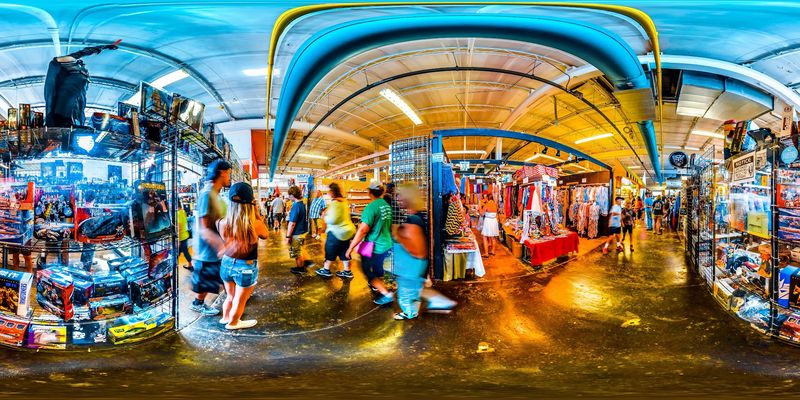
There is a social energy at The Raleigh Market that is harder to find than you might expect. Regular vendors know regular shoppers by name.
First-time visitors get pointed in the right direction by strangers who have been coming here for years. It has the feel of a neighborhood gathering that just happens to also involve a lot of shopping.
Vendors here are known for being conversational and approachable. The ones with handmade items especially tend to light up when someone takes a genuine interest in their work.
Even the vendors selling more everyday goods tend to be friendly and easy to talk to.
The market is also notably dog-friendly, both indoors and outdoors, which adds a relaxed, welcoming quality to the whole experience. Seeing dogs trot alongside their owners through the vendor stalls somehow makes the whole place feel more like a community event than a commercial one.
Families with kids, older couples doing their weekend routine, young collectors looking for a score, and people who just want to get outside and walk around all coexist here without friction. That mix of people is part of what gives the market its character, and it is one of the main reasons regulars keep returning weekend after weekend.
Tips for First-Time Visitors
A few practical details can make your first visit to The Raleigh Market a lot smoother. The market runs on Saturdays and Sundays only, from 9 AM to 5 PM, so do not show up on a weekday expecting to find anything open.
Cash is king here. While some vendors do accept credit cards, many prefer cash, and some have a minimum purchase requirement before they will run a card.
Bringing a mix of small bills will keep things simple and give you more flexibility to grab small items without awkwardness.
Parking is available in front of the market and across the street, and it tends to fill up quickly on busy weekend mornings. Getting there closer to the 9 AM opening time gives you a better shot at a good parking spot and first access to the best items before other shoppers get to them.
Wear comfortable shoes, because the outdoor section involves a lot of walking on uneven ground. Bringing a reusable bag or a rolling cart is a smart move if you plan to buy more than a few things.
And if the weather looks questionable, check the forecast: cold and windy days do reduce the number of outdoor vendors, though the indoor section stays active regardless of conditions.
Selling at the Market: What to Expect
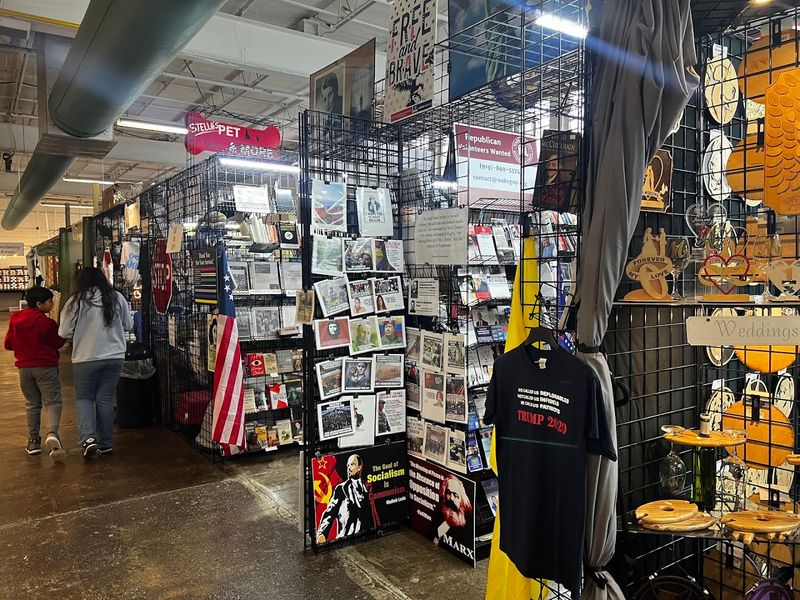
The Raleigh Market is not just a place to shop; it is also a popular spot for people looking to sell. The process for getting a vendor spot is relatively straightforward, and the market staff generally helps new sellers get oriented once they arrive and check in.
First-time sellers report that arriving early and getting a spot assigned before 10 AM leads to a much more productive day. The foot traffic here is strong enough that a well-stocked table can move a significant portion of its inventory in a single morning, especially if the weather cooperates and draws a bigger crowd.
The seller community at the market is its own social ecosystem. Neighboring vendors chat, share tips, and look out for each other’s booths when someone needs a break.
That camaraderie makes the experience of selling here feel less transactional and more like joining a club for a day.
It is worth communicating clearly with the market organizers ahead of time to confirm your spot, especially if you are traveling a distance to get there. A quick call to +1 919-839-4560 or a check of the website at www.theraleighmarket.com before your visit can save you a frustrating trip and make the whole day run much more smoothly.
Why This Market Has Earned Its Reputation
After more than five decades of weekend markets, The Raleigh Market has built something that goes beyond a simple buy-and-sell operation. It has become part of the cultural fabric of Raleigh, a place where North Carolina history, community life, and commerce all overlap in a way that feels organic rather than manufactured.
The 4.5-star rating across more than 2,500 reviews reflects a place that consistently delivers on its core promise: a wide variety of goods, friendly vendors, fair prices, and a genuinely enjoyable way to spend a Saturday or Sunday morning. Not every visit will turn up a life-changing find, but almost every visit turns up something worth buying and at least one conversation worth having.
The market rewards loyalty. Regular visitors develop relationships with specific vendors, learn which booths to check first, and build their own personal map of the space over time.
That kind of familiarity is something you earn by showing up, and it makes each visit feel a little richer than the last.
For anyone curious about what a long-running, community-rooted flea market looks and feels like in the American South, The Raleigh Market is as honest and authentic an example as you are likely to find anywhere in North Carolina.
Share this story