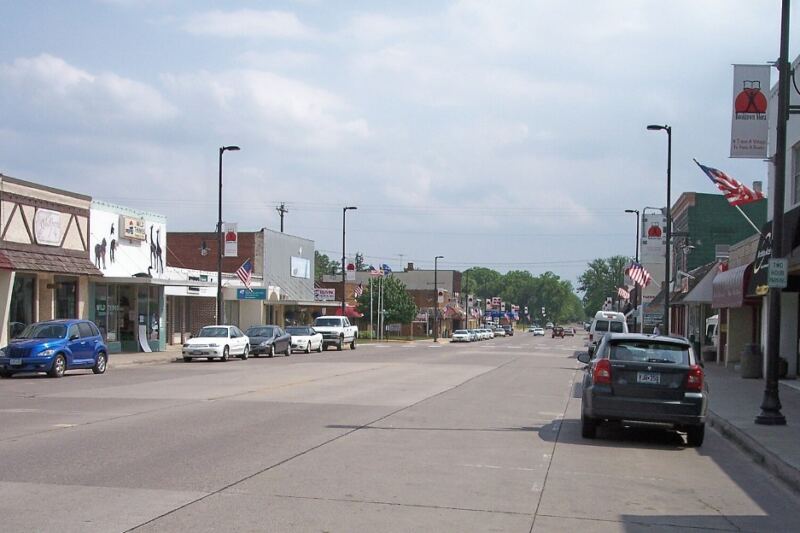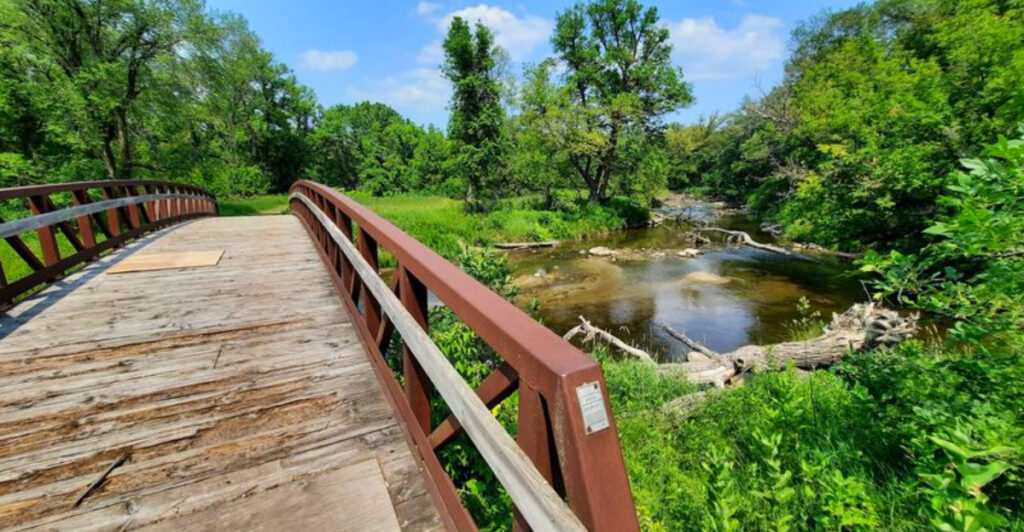
Most people think of Minnesota as a land of lakes, but tucked near the Red River Valley is a sweeping stretch of native prairie that stops you in your tracks. Tall grasses ripple in the wind, wildflowers dot the landscape in bursts of color, and the Buffalo River winds quietly through it all.
This is one of the last large remnants of original tallgrass prairie left in the entire state, and it feels almost like stepping back in time to when the Great Plains stretched endlessly in every direction. Whether you are planning a camping trip, a day hike, or simply a peaceful afternoon outdoors, this place delivers something genuinely rare.
A Prairie That Tells Minnesota’s Wild Story
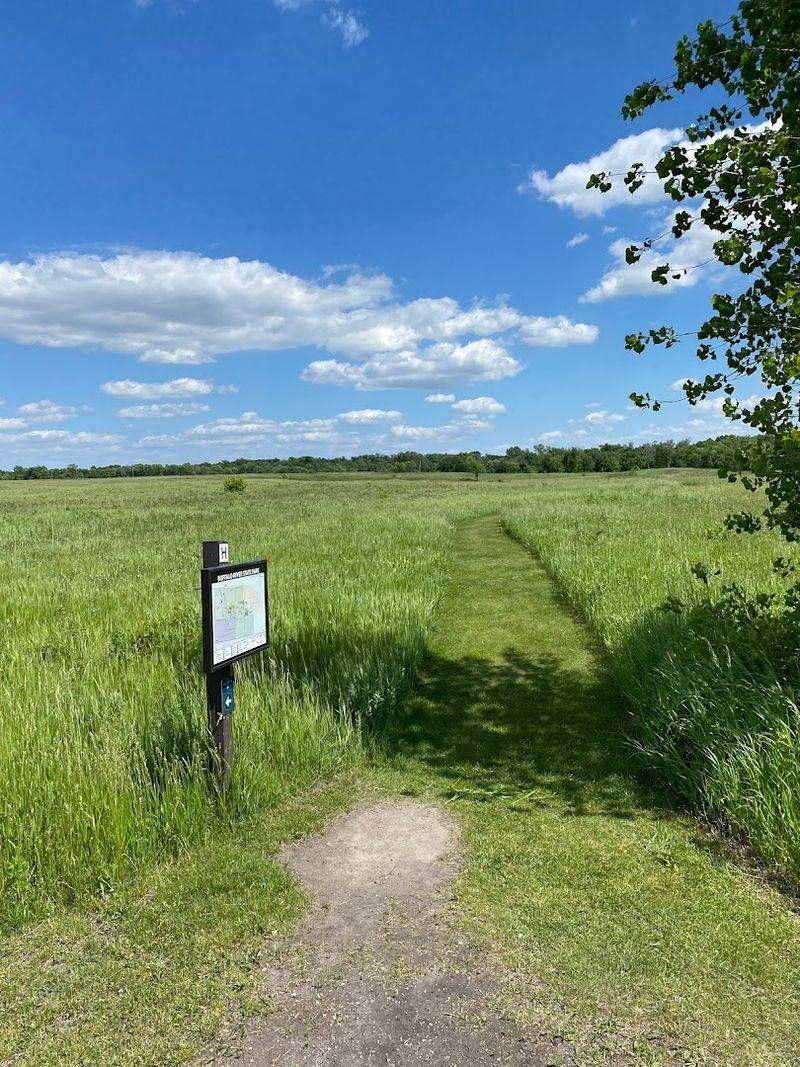
Long before European settlers arrived, tallgrass prairie covered enormous portions of the American Midwest. Today, less than one percent of original tallgrass prairie remains intact across the country, which makes what you find at Buffalo River State Park, located at 565 155th St S, Glyndon, MN 56547, United States, genuinely extraordinary.
The park protects one of Minnesota’s largest remaining native prairie ecosystems, and walking through it feels nothing like a manicured nature trail. The grasses grow tall and dense, the soil is rich and dark, and the plant diversity is staggering.
Over 200 species of native plants have been documented here. This is not a restored prairie or a planted meadow.
It is the real thing, largely untouched, and that distinction matters enormously to anyone who cares about what this land once looked like.
The Buffalo River Running Through It All
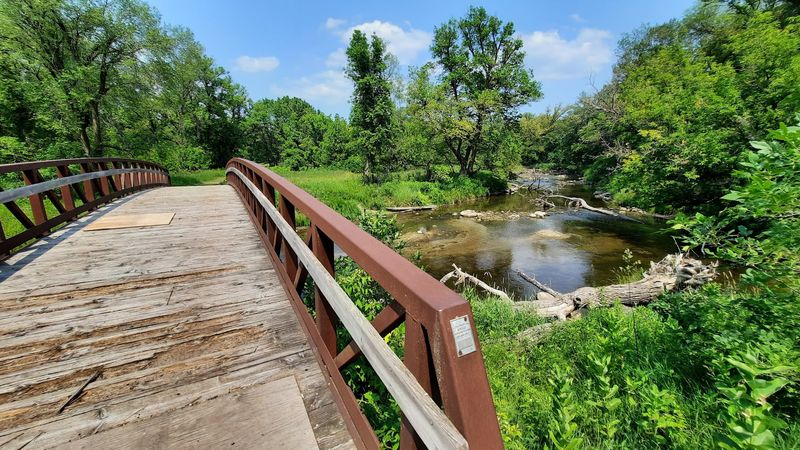
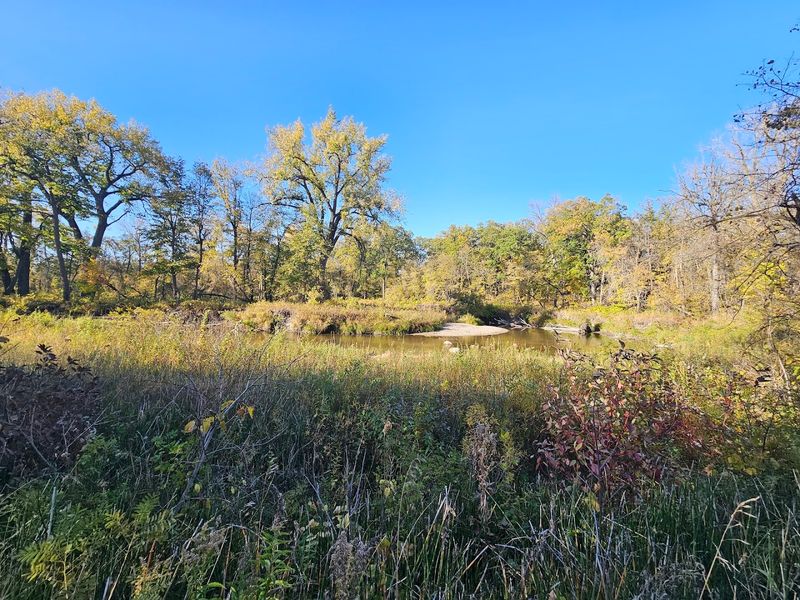
A prairie is stunning on its own, but add a quietly moving river and the whole scene shifts into something even more memorable. The Buffalo River meanders through the park, offering a natural contrast to the open grasslands that surround it.
Along the riverbanks, the vegetation changes noticeably. Trees cluster near the water, birds gather in greater numbers, and the sound of the current provides a calming backdrop that the open prairie simply cannot replicate.
The river section of the hiking trail is consistently the stretch that visitors remember most vividly. The combination of riparian habitat alongside native prairie creates a layered ecological experience that is genuinely rare in this part of Minnesota.
Bring a pair of binoculars if you have them, because the river corridor tends to attract a wide variety of bird species, especially during spring and fall migration seasons.
Wildflowers That Change With Every Season
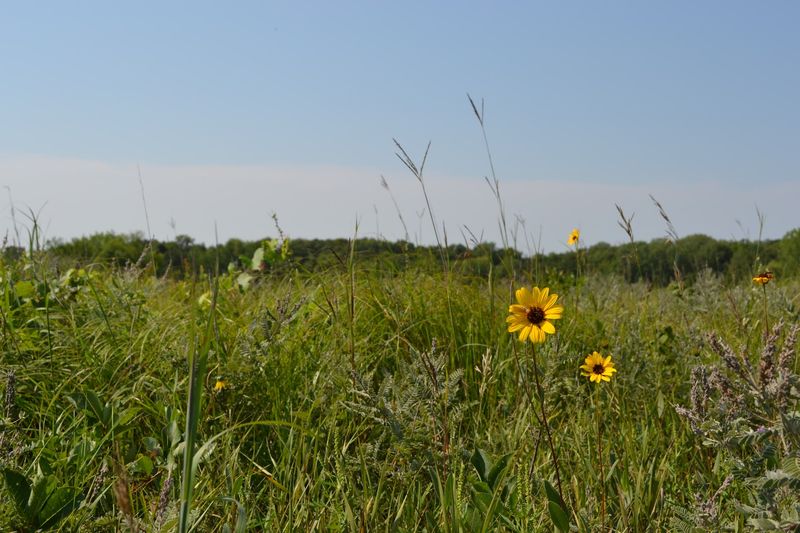
One of the quiet pleasures of visiting this park more than once is watching how dramatically the wildflowers shift with the seasons. In late spring, early bloomers push through the grass before the dominant species have fully leafed out.
By midsummer, the prairie transforms into a riot of color.
Purple coneflowers, black-eyed Susans, bergamot, and blazing star are just a few of the species you might encounter on a warm August afternoon. The variety is genuinely impressive, and it changes week by week throughout the growing season.
Visitors who come in August specifically mention the butterflies that follow the blooms. The insect diversity here mirrors the plant diversity, and on a calm sunny day, you can watch dozens of butterfly species moving between flowers without walking more than a short distance from the trailhead.
Bug spray is strongly recommended, especially near the river.
Hiking Trails Suited for Every Pace
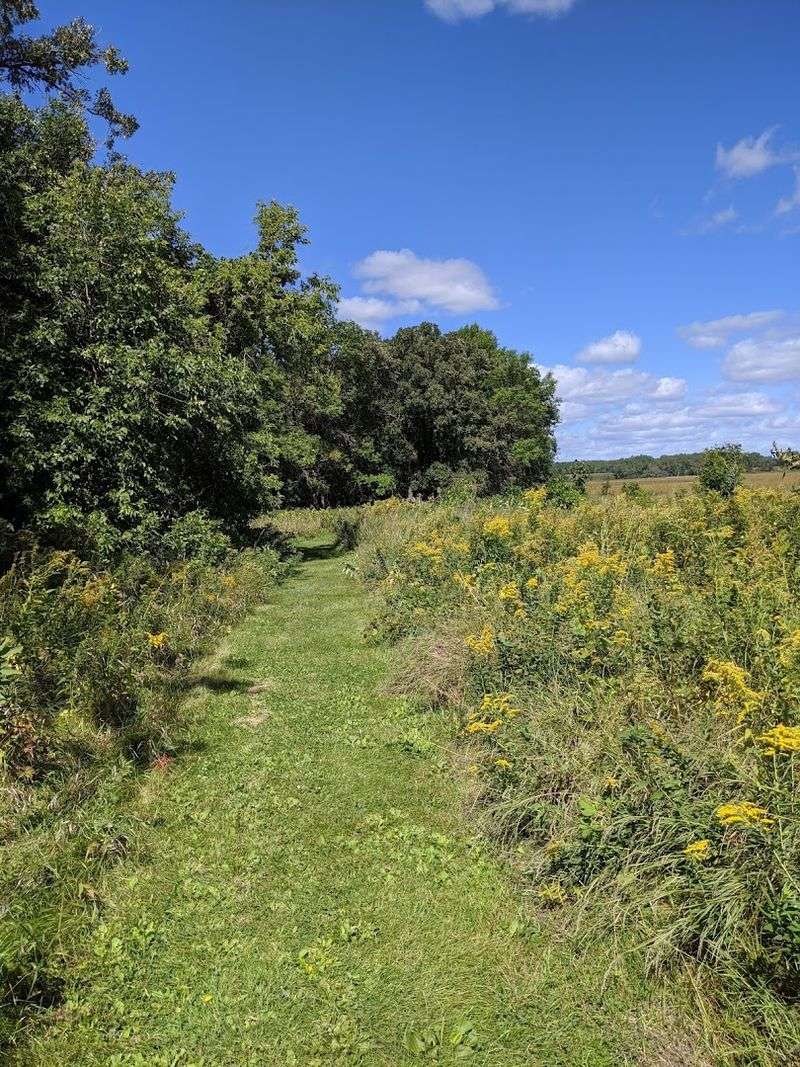
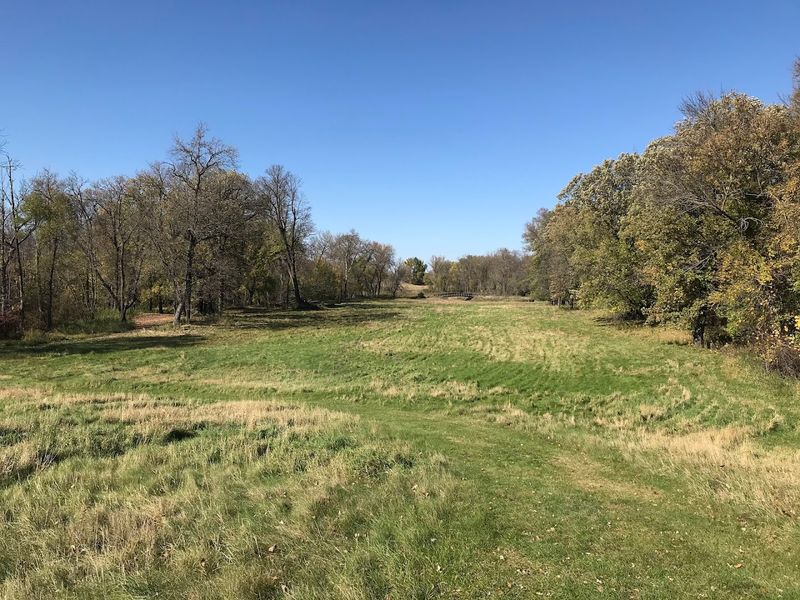
The trails here are not going to challenge seasoned mountain hikers, and that is entirely the point. The terrain is flat, the paths are well-maintained, and the focus is entirely on the landscape around you rather than the physical effort of getting through it.
Most trails are mowed grass or packed dirt, making them accessible for families with young children, older visitors, and anyone who wants a relaxing walk rather than a workout. The Hiking Club Trail is the most popular route and takes you through both open prairie and the scenic river corridor.
Solo runners use these trails regularly, and dog-friendly hikers enjoy them too, provided leashes stay on at all times as required by park rules. The flat, open nature of the prairie actually works in your favor on these trails because you can see the landscape stretching out in every direction without any obstruction.
Camping Among the Grasses and Stars
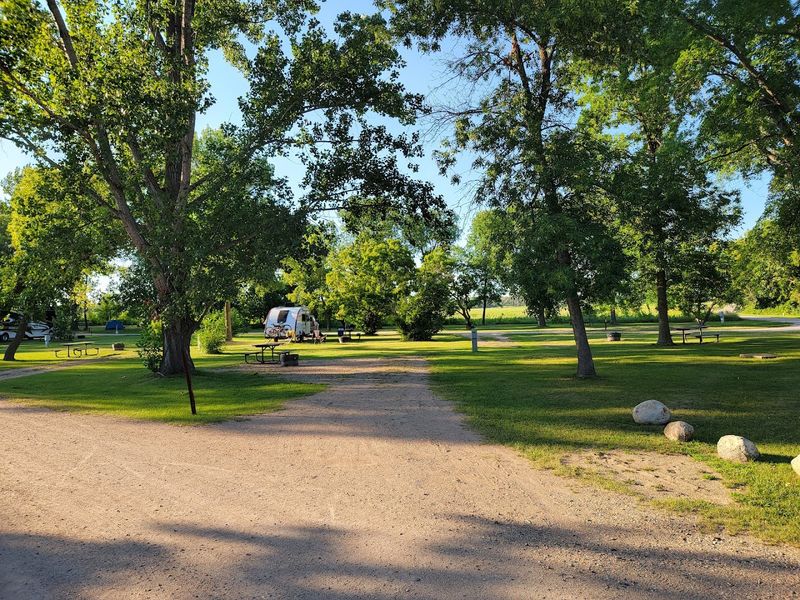
Camping at this park has a distinctly peaceful quality that is hard to find closer to a major metro area. The campground is well-maintained, sites are generously sized, and electric hookups are available throughout, which makes it convenient for both tent campers and those pulling trailers or RVs.
The bathhouse facilities are consistently clean, showers have hot water, and a dump station and fresh water are accessible near the entrance and exit. A few inner-facing sites lack shade, so if you are sensitive to morning sun, it is worth requesting a site with tree cover when you book.
Train sounds carry faintly from a distance at night, which some campers find charming and others find noticeable. Overall, the campground functions as a genuinely quiet retreat, particularly on weeknights when the sites are less crowded and the prairie settles into a stillness that is hard to replicate anywhere else nearby.
Historic Buildings Worth Slowing Down For

Most visitors come for the prairie, but a handful of historic structures inside the park add an unexpected layer of cultural depth to the visit. These buildings connect the landscape to the human history of the region, reminding you that this land has witnessed more than just ecological change over the centuries.
The structures are modest but meaningful, and they tend to catch visitors off guard in the best way. You round a bend on the trail, and suddenly there is a piece of history sitting quietly among the grasses.
They are worth a slow look rather than a quick glance. The park does not dramatize them with heavy signage, which actually makes the discovery feel more personal.
Combining a stop at these buildings with the Hiking Club Trail gives you a more complete picture of everything this park holds beyond its ecological significance.
The Scientific and Natural Area Next Door
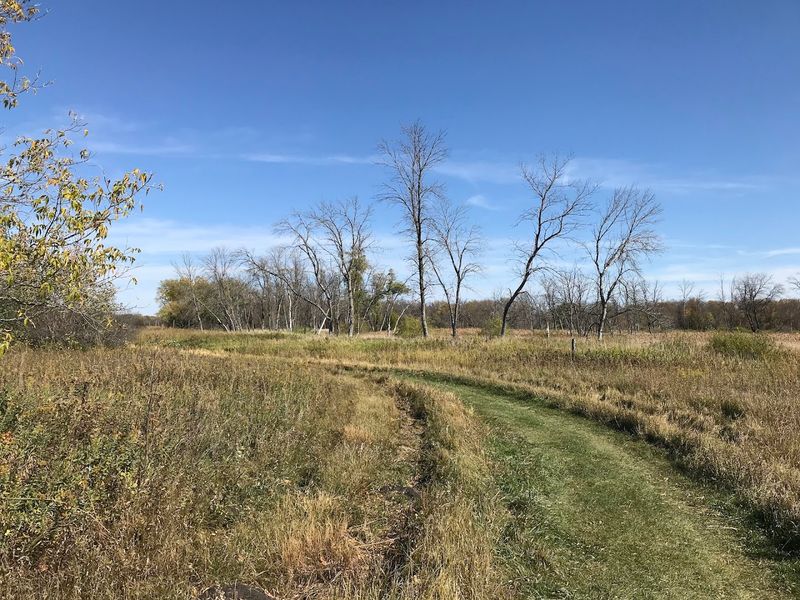
Directly connected to the park is a designated Scientific and Natural Area, which amplifies the ecological importance of the whole property considerably. This designation means the land receives an additional layer of protection specifically because of its rare and high-quality natural features.
The two areas together form a continuous protected landscape that gives native plant and animal species room to thrive without fragmentation. For anyone interested in ecology, conservation, or simply understanding why places like this matter, the connection between the park and the SNA is genuinely fascinating.
It also means the prairie you are walking through is not isolated. It is part of a larger, functioning ecosystem rather than a small patch surrounded by agricultural fields.
That continuity is increasingly rare in the Midwest, and it is a significant reason why the biodiversity at Buffalo River State Park remains as rich as it does today.
Partnership with Minnesota State University Moorhead

The park shares a meaningful relationship with Minnesota State University Moorhead, which operates an adjacent science and environmental studies presence. This partnership brings an academic dimension to the park that you do not find at every state park in Minnesota.
Students and researchers use the prairie and river corridor as an outdoor laboratory, which speaks to the ecological integrity of the landscape. When scientists choose a place to study native ecosystems, it signals that the environment there is worth paying close attention to.
For casual visitors, this connection adds a subtle but interesting layer to the experience. You are walking through a landscape that professionals and students actively study and work to understand.
That context makes the wildflowers, grasses, and river feel less like scenery and more like a living system that is still being explored and documented in real time.
Picnicking with a Prairie View
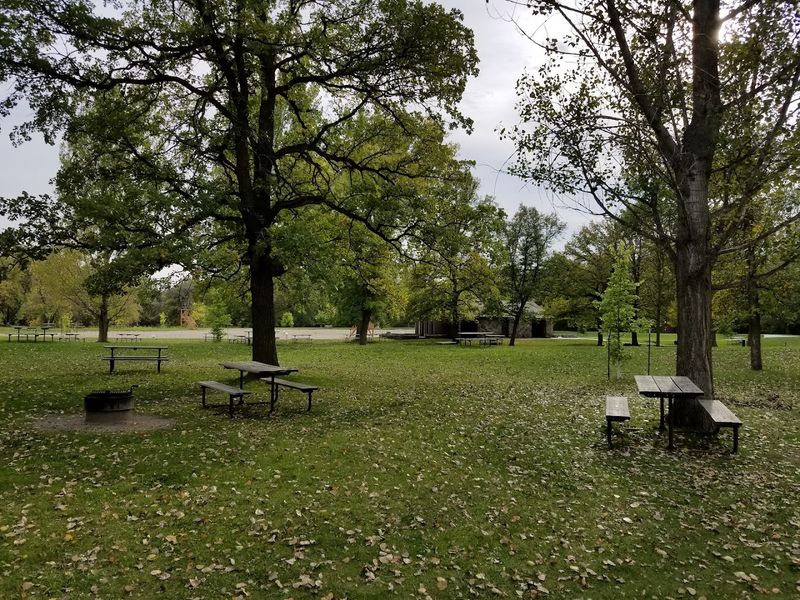
Not every visit to a state park needs to revolve around hiking or camping. The picnic areas at Buffalo River State Park offer a genuinely pleasant way to spend a few hours outdoors without committing to a full trail or overnight stay.
The sites are clean, the setting is open and airy, and the prairie backdrop gives even a simple lunch a scenic quality that most city parks simply cannot offer. Families with young children find the flat, open surroundings easy to manage, and the lack of steep terrain means kids can roam without constant supervision.
Bring your own food and plan to stay a while. The park is close enough to the Fargo-Moorhead area to make a spontaneous afternoon visit practical, and the combination of fresh air, wide-open views, and relative quiet makes it a genuinely refreshing break from daily routines.
Swimming When Summer Heats Up
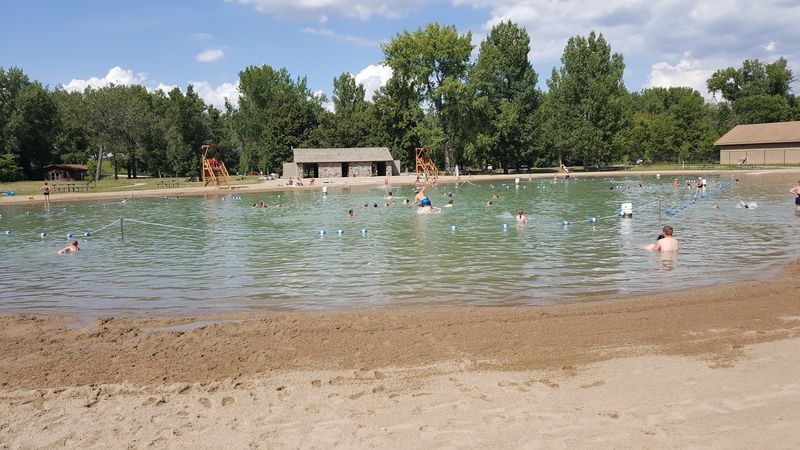
Summer in the Red River Valley gets warm, and the park’s swimming area provides a welcome cool-down option for visitors who time their trip right. The swimming spot is a straightforward, no-frills setup that fits the overall character of the park perfectly.
There is nothing elaborate about it, and that simplicity is part of its appeal. You are swimming in a natural setting surrounded by prairie and trees rather than a chlorinated pool with concrete decking.
Families with kids tend to gravitate toward the swimming area in July and August, turning it into one of the more social spots in the park during peak summer months. It pairs naturally with a picnic and a short walk, making it easy to build an entire afternoon around the water without needing to camp overnight.
Check current conditions before visiting, as water access can vary by season.
Birdwatching Across an Open Landscape
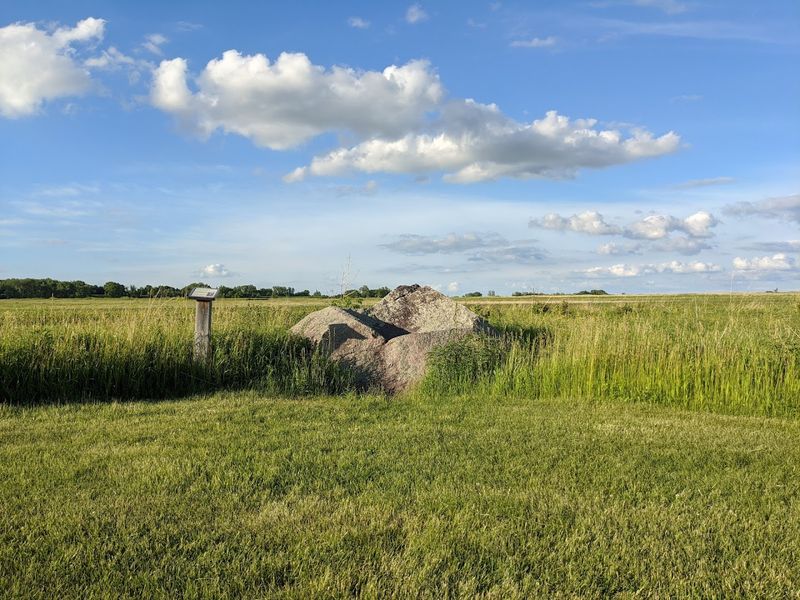
Open prairie is prime birdwatching territory, and Buffalo River State Park delivers consistently on that front. The combination of grassland, river corridor, and adjacent protected natural area creates a layered habitat that supports a wide range of species throughout the year.
Grassland birds that have become increasingly scarce across the Midwest still find refuge here. Bobolinks, dickcissels, and various sparrow species use the tall grass for nesting during the breeding season.
The river corridor brings in additional species that prefer wooded or riparian habitats, effectively doubling the variety you might encounter in a single visit.
Early morning is the best time to arrive if birds are your primary focus. The prairie is quietest in the first hour after sunrise, and the activity level among songbirds tends to peak before the heat of the day sets in.
A simple pair of binoculars makes an enormous difference.
Fall Colors Along the River Trail
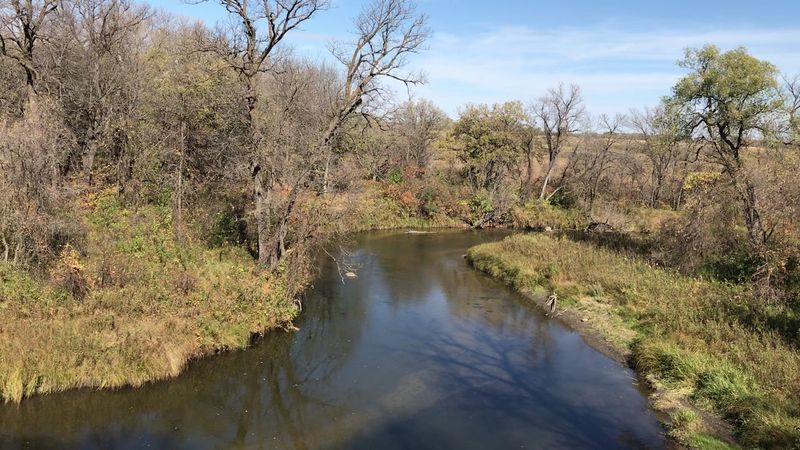
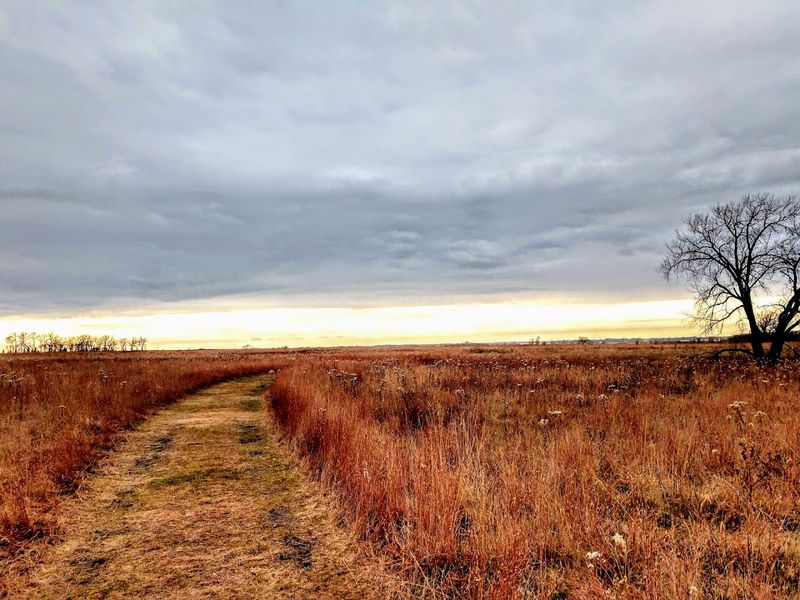
Mid-September brings one of the most underrated times to visit this park. The prairie grasses shift from summer green to warm shades of gold, copper, and russet, and the trees clustered along the Buffalo River begin their own color transformation.
Visitors who arrive in late September often describe the combination of turning leaves and golden grasses as unexpectedly beautiful. The flat terrain means you get long, unobstructed views of the color change spreading across the landscape in every direction.
Fall also brings cooler temperatures and fewer insects, which makes hiking significantly more comfortable than a July afternoon. The Hiking Club Trail is particularly rewarding during this season because the river section, already the most scenic stretch, becomes even more striking when framed by autumn foliage.
Weekday visits in September tend to be quiet, giving you long stretches of trail almost entirely to yourself.
Proximity to the Fargo-Moorhead Area
One of the most practical things about this park is how close it sits to a major population center. The drive from the Fargo-Moorhead metro area takes roughly 15 to 20 minutes, which means a spontaneous visit on a free afternoon is entirely realistic without requiring significant planning.
That proximity makes it a go-to option for local residents who want a quick outdoor reset without a long road trip. At the same time, the park feels genuinely removed from the noise and pace of city life once you step out of your car and onto the trail.
For travelers passing through the region on their way to or from Fargo, the park makes an excellent stop to stretch your legs and experience something that feels nothing like the surrounding agricultural flatlands. A vehicle permit is required for day visits, so factor that into your planning before you arrive.
What to Pack for a Day Visit
A little preparation goes a long way at this park, particularly during the warmer months. Bug spray is not optional here.
Mosquitoes and other insects are abundant near the river and throughout the prairie during summer, and visitors who skip the repellent tend to cut their visits noticeably short.
Sunscreen matters equally. The open prairie offers almost no overhead shade, and the sun can be surprisingly intense even on mild days.
A wide-brimmed hat and sunglasses make a meaningful difference on a long walk through the grassland.
Water is essential since there are no concessions inside the park. Sturdy walking shoes handle the mowed grass and dirt trails comfortably without requiring full hiking boots.
A small daypack with snacks, a camera, and binoculars rounds out everything you need for a comfortable and rewarding visit without overcomplicating the preparation process.
Why This Park Deserves More Attention
Parks with dramatic mountains or famous waterfalls tend to dominate travel conversations, and places like Buffalo River State Park often get overlooked simply because the landscape is quiet rather than spectacular in an obvious way. That quietness, though, is exactly what makes it worth seeking out.
The prairie here is a genuinely rare ecosystem. Most of what once covered this part of North America was converted to farmland generations ago.
What remains at this park is not a recreation or a restoration project. It is original, intact native prairie, and that distinction carries real weight.
Spending time here changes how you see the surrounding landscape on your drive home. The fields that look ordinary from the highway start to feel different when you understand what the land looked like before they were plowed.
That shift in perspective is one of the most lasting things this park gives you.
Share this story