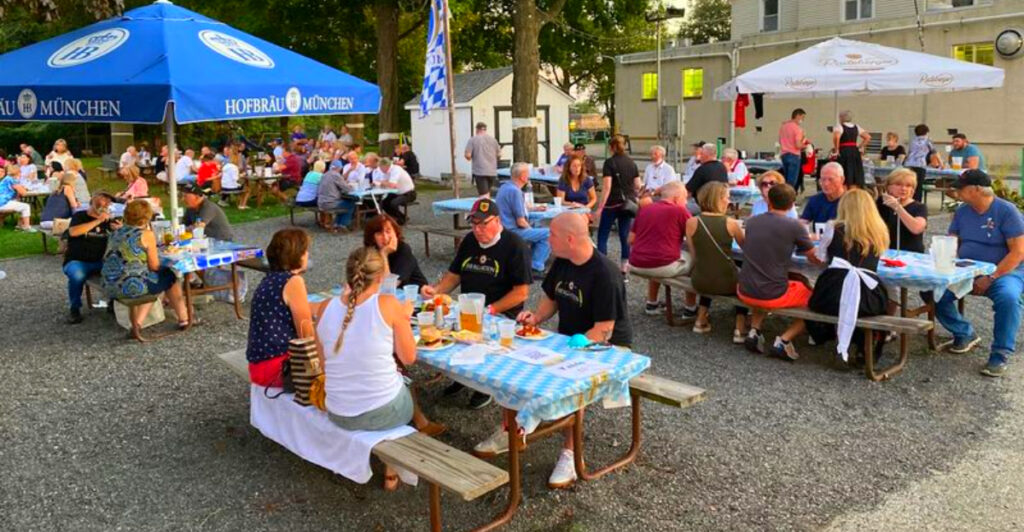
A German harvest festival that began in 1873 still draws crowds to Northeast Philadelphia every Labor Day Weekend. Held at 9130 Academy Road, the event brings together food, dancing, music, and traditions that have kept German-American culture visible in the city for more than 150 years.
The festival is only part of the story. The club behind it has survived generations of change while preserving a cultural gathering that started with German-American businessmen and grew into one of Philadelphia’s most distinctive annual events. It is a rare place where history is not just remembered, but still actively celebrated.
A Club Born From Homeland Pride
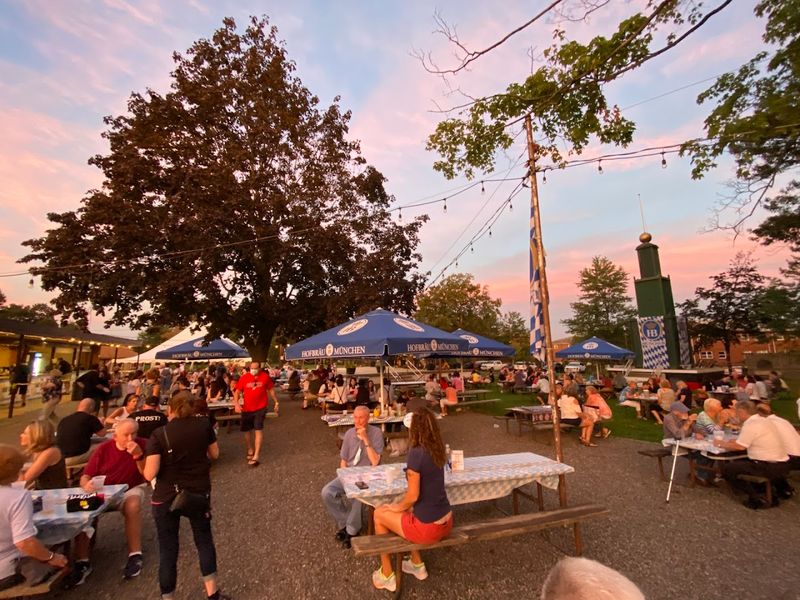
Few organizations in American history can trace their roots back to a single evening in 1873, but the Cannstatter Volksfest-Verein can do exactly that. Founded on September 24, 1873, by a group of German-American businessmen in Philadelphia, the club was built around a deeply personal mission: keeping the customs and traditions of their homeland alive in a new country.
Among the founders were Godfrey Keebler, the biscuit-maker whose family name would later become famous across America, and Christian Schmidt, a well-known brewer in the city. These were not men simply feeling nostalgic. They were committed to building something lasting, something that would serve the German-American community for generations.
The club was also designed with a charitable purpose from the very beginning, using its income to support hospitals, schools, and individuals in need. That combination of cultural pride and community service gave the organization a soul that has carried it through more than 150 years of American history.
The Address That Anchors It All
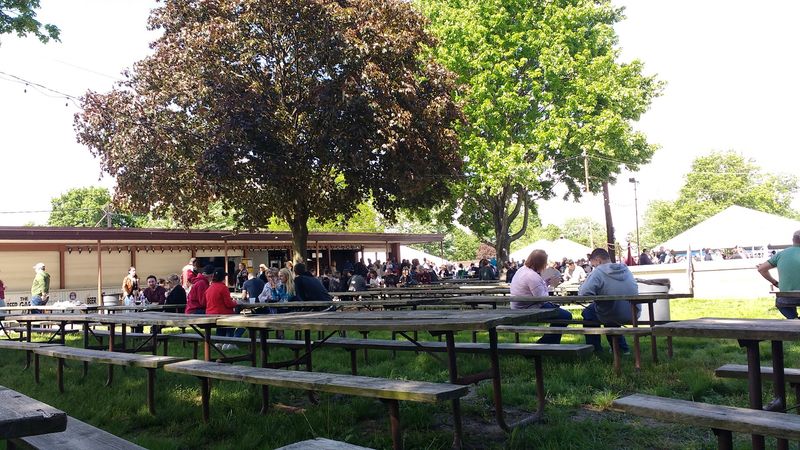
The venue sits at 9130 Academy Road in Philadelphia, Pennsylvania 19114, tucked into a residential stretch of the city’s Northeast section. The address might not sound like much on a map, but once you arrive, the grounds open up into something far more expansive than the surrounding streets suggest.
There is a large outdoor space filled with trees, picnic tables, and a stage area that comes alive during the warmer months. The property has the feel of a traditional German beer garden crossed with a community park, which is exactly what it was designed to be. Parking is available on-site, though arriving early is strongly recommended during busy events because the lot fills up quickly.
The club is open seven days a week from 9 AM to 11 PM, and the phone number for inquiries is 215-332-0121. The website at cannstatter.org offers a full calendar of upcoming events, and checking it before your visit will save you from missing something worth seeing.
The Harvest Festival That Never Stopped
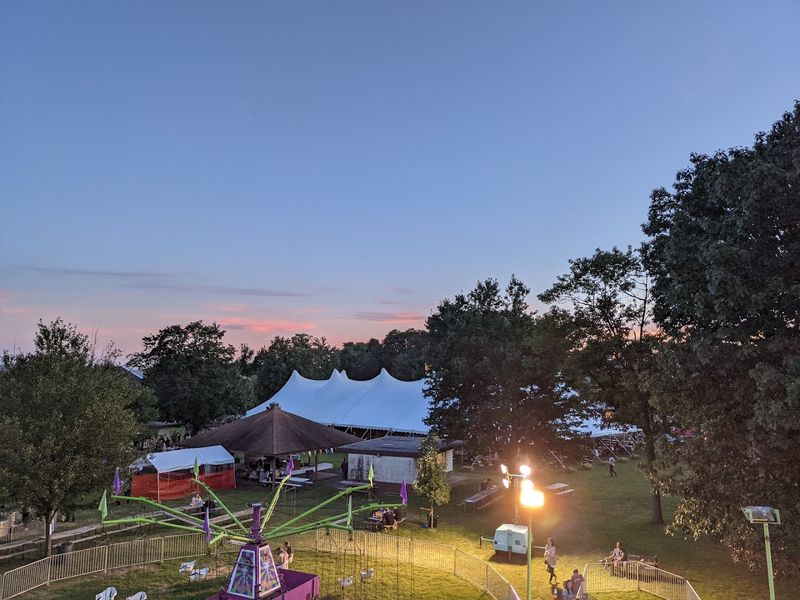
The first festival organized by the club took place on September 28 and 29, 1873, just days after the organization was officially founded. That is a remarkable pace, and it set a tone of urgency and dedication that has defined the event ever since. The festival draws its inspiration from the annual harvest celebration held in Bad Cannstatt, a district in Stuttgart, Germany, where the tradition dates back even further.
With only a handful of exceptions during wartime, including the years of World War I, the festival has been held every single year since 1873. By 2025, it will mark its 153rd year, making it one of the longest-running ethnic cultural festivals in the entire United States.
Held over Labor Day Weekend each year, the event transforms the Academy Road grounds into a full-scale celebration of German heritage. The consistency of this event across so many decades is genuinely impressive, and it says everything about the commitment of the people who keep it running year after year.
The Fruit Column That Stops Everyone in Their Tracks
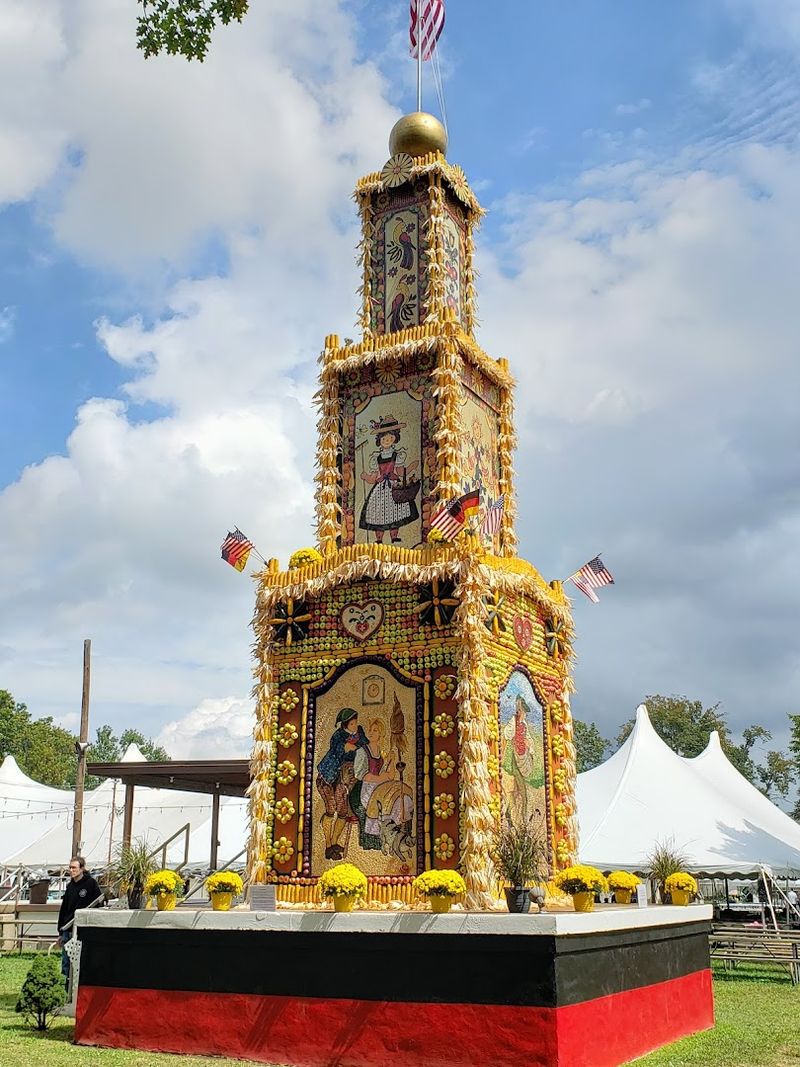
Ask anyone who has attended the Cannstatter Volksfest what the most visually striking part of the festival is, and the answer is almost always the same: the fruit column. This three-story structure is elaborately decorated from top to bottom with real fruits and vegetables, arranged in patterns that celebrate the harvest season and the traditions of the old country.
The fruit column is not decoration for its own sake. It carries deep symbolic meaning rooted in German harvest customs, representing gratitude for the land’s abundance and a connection to the agricultural traditions that shaped the communities of southern Germany. Seeing it in person is genuinely different from any photo, because the scale and craftsmanship of the thing are hard to capture in a single frame.
It serves as the visual centerpiece of the entire festival, drawing visitors in for photographs and quiet moments of appreciation. If you plan to visit, make sure you give yourself time to walk around it slowly, because the details reward a closer look.
Food, Music, and Folk Dancing That Fill the Grounds
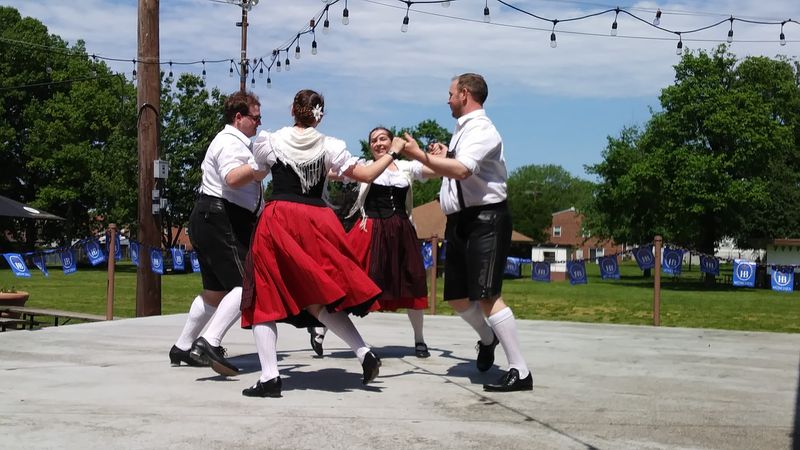
The festival experience at Cannstatter is built around three things that work together beautifully: food, music, and dance. Traditional German dishes share table space with American grill favorites, giving the event a cross-cultural menu that appeals to just about everyone. Soft pretzels, sausages, and hearty German-style plates are available alongside more familiar festival staples.
Live music fills the grounds throughout the event, with both German and American acts taking the stage. Folk-dance performances by groups like GTV Almrausch bring an authenticity to the celebration that is increasingly rare at large public events. Watching performers in traditional costumes move through choreographed routines that have been passed down through generations is one of those experiences that feels genuinely rooted in something real.
Vendors selling German crafts and authentic costume clothing are also part of the scene, giving visitors a chance to bring a piece of the tradition home. The whole atmosphere manages to feel festive without feeling chaotic, which is a balance that takes real experience to maintain.
A Family-Friendly Space That Welcomes Everyone
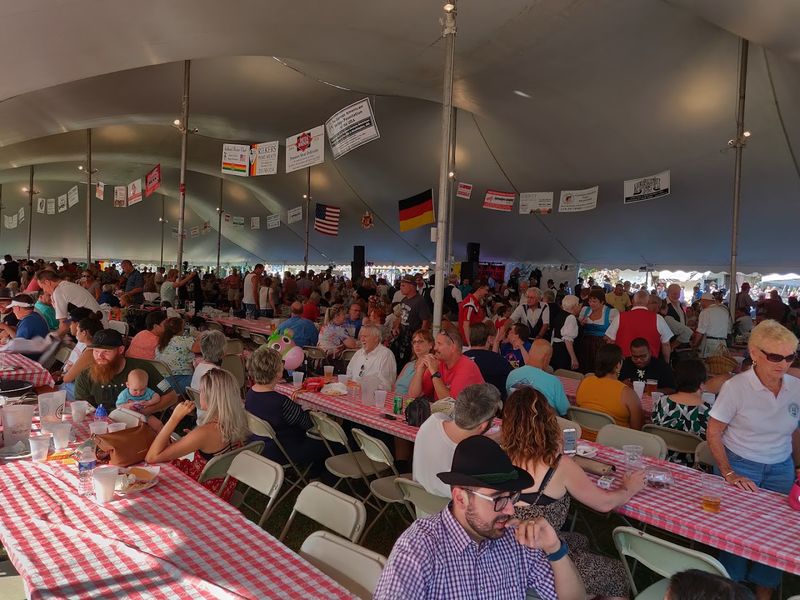
One of the things that stands out about the Cannstatter grounds is how genuinely welcoming the space feels for families. During the annual festival, rides and activities for children are set up alongside the adult entertainment, which means parents do not have to choose between enjoying themselves and keeping the kids entertained.
The outdoor space is large enough that different groups can spread out comfortably. Families with young children tend to gravitate toward the lawn areas and the rides, while older visitors settle in at the picnic tables near the stage. The layout makes it easy for everyone to find their own comfortable corner without feeling crowded or rushed.
Events throughout the year carry that same family-friendly energy. Trunk-or-treat gatherings, holiday celebrations, and community dinners all draw multigenerational crowds. Children under 14 often get in free for ticketed events, which is the kind of detail that makes a real difference for families watching their budget. The park area on the grounds gives younger kids a place to run around and burn off energy between activities.
Wednesday Nights That Have Become a Local Institution
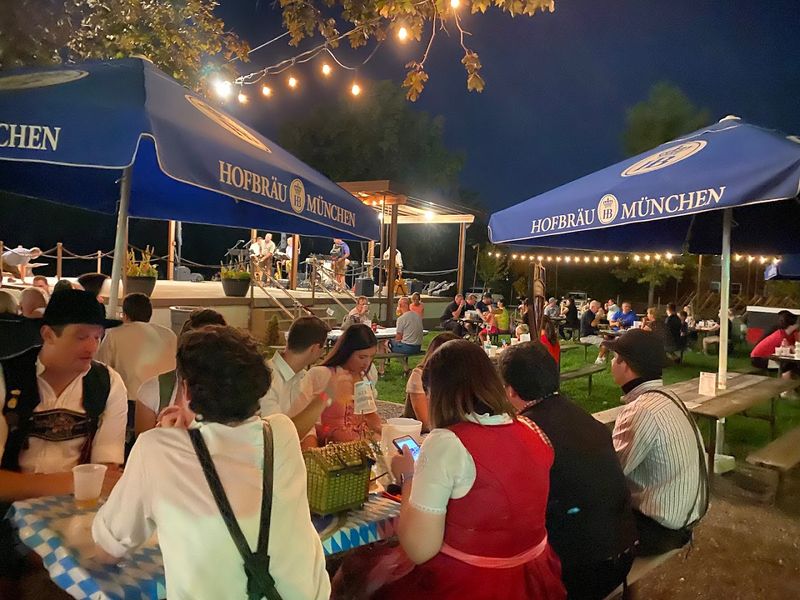
Beyond the annual German festival, the Cannstatter grounds have built a loyal following through their Wednesday night summer concert series. Free outdoor concerts featuring cover bands draw large, enthusiastic crowds throughout the warmer months, and the variety of acts keeps things interesting from week to week.
Tom Petty tribute bands, Van Halen cover acts, and Irish music nights have all graced the outdoor stage. The format is simple and unpretentious: show up, find a picnic table if you can, grab some food, and enjoy live music under the open sky. Getting there early is the smart move, because the parking lot fills up fast on popular nights, and latecomers often end up walking from nearby streets.
The Wednesday night series has become a genuine community ritual for many Northeast Philadelphia residents. Neighbors run into each other, old friendships get renewed, and new ones get started. There is something refreshing about a venue that keeps offering free entertainment to its community year after year without overcomplicating things.
A Venue That Handles Private Events With Care
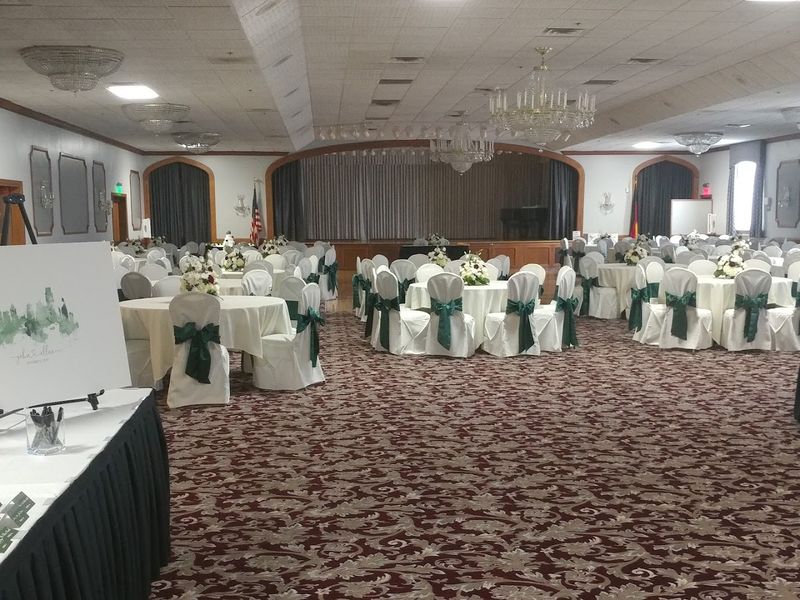
The Cannstatter venue has quietly built a strong reputation as a private event space in the Philadelphia area. Weddings, birthday parties, corporate gatherings, and fashion shows have all been hosted on the property, making use of both the indoor ballroom and the expansive outdoor grounds.
The staff’s attentiveness is something guests consistently notice. Wedding couples have described the planning process as smooth and well-supported, with coordinators who go out of their way to accommodate specific requests and make sure the day runs without a hitch. The food served at catered events draws its share of compliments as well, with buffet-style spreads that keep guests coming back for seconds.
The venue’s combination of indoor and outdoor space gives event planners real flexibility. A summer birthday party can spill out onto the lawn, while a winter gathering stays cozy inside the main hall. For anyone considering a venue for a large celebration in the Philadelphia area, the Cannstatter grounds offer a distinctive setting that most generic event halls simply cannot match.
Charitable Roots That Run Surprisingly Deep

The Cannstatter Volksfest-Verein was never just a social club. From its founding in 1873, charitable work was built into the organization’s core purpose, and that commitment has never faded. The club has historically directed a portion of its income toward supporting German language schools, hospitals, nursing homes, and orphanages, as well as providing direct assistance to individuals in need within the community.
One of the more tangible expressions of that civic spirit is the club’s contribution to the Goethe and Schiller monuments in Philadelphia’s Fairmount Park. These monuments honor two of Germany’s most celebrated literary figures, and the Cannstatter club’s involvement in funding them reflects a genuine investment in cultural legacy rather than just social events.
That tradition of giving back has helped the organization maintain goodwill and community trust across generations. In a city as layered and complex as Philadelphia, an organization that pairs celebration with service tends to earn a kind of loyalty that purely entertainment-focused venues rarely achieve. The charitable thread running through the club’s history is one of its most quietly impressive qualities.
What to Know Before Your First Visit
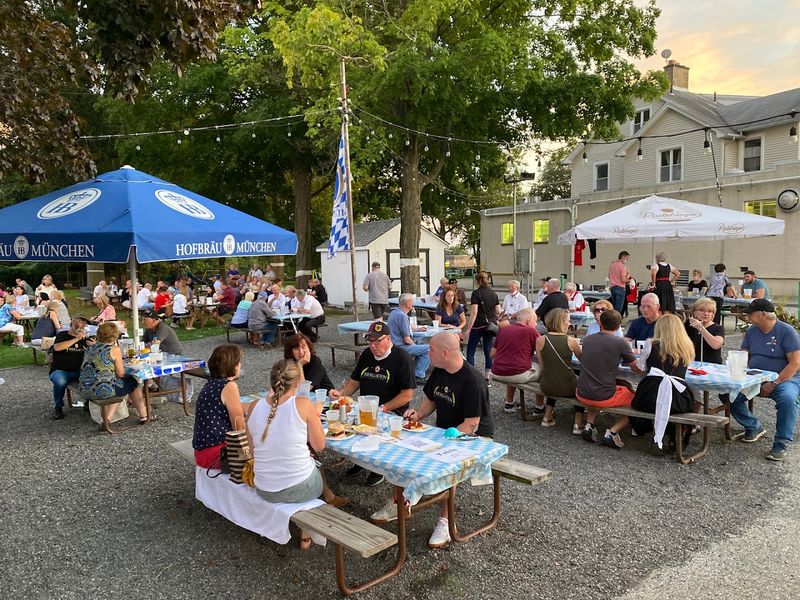
A few practical details can make the difference between a smooth visit and a frustrating one at the Cannstatter grounds. Parking is available on-site, but the lot fills up quickly during popular events, especially the Wednesday night concerts and the annual Labor Day festival. Arriving at least 30 to 45 minutes before an event starts gives you the best shot at a convenient spot.
The venue is open seven days a week from 9 AM to 11 PM, and admission prices vary depending on the event. Some concerts are free, while ticketed events like the Irish festival have charged around 15 dollars for adults, with children under 14 typically admitted free. Food prices are reasonable, with soft pretzels around four dollars and water at two dollars, though bringing cash is always a smart backup plan.
The grounds are family-friendly and well-maintained, with clean restrooms and open lawn space. Checking the official website at cannstatter.org before your visit will keep you up to date on the latest schedule, because the event calendar changes with the seasons and new programming gets added regularly.
Share this story