Motorcycle clubs have been a part of American culture for well over a century, bringing together riders who share a passion for the open road. From the early 1900s to the post-World War II era, these clubs shaped the way Americans think about motorcycles, freedom, and community.
Some started as social groups for hobbyists, while others grew into legendary organizations with deep histories and national followings. Here is a look at 15 of the oldest motorcycle clubs in the United States and what makes each one historically significant.
1. Yonkers Motorcycle Club – Yonkers, New York (1903)
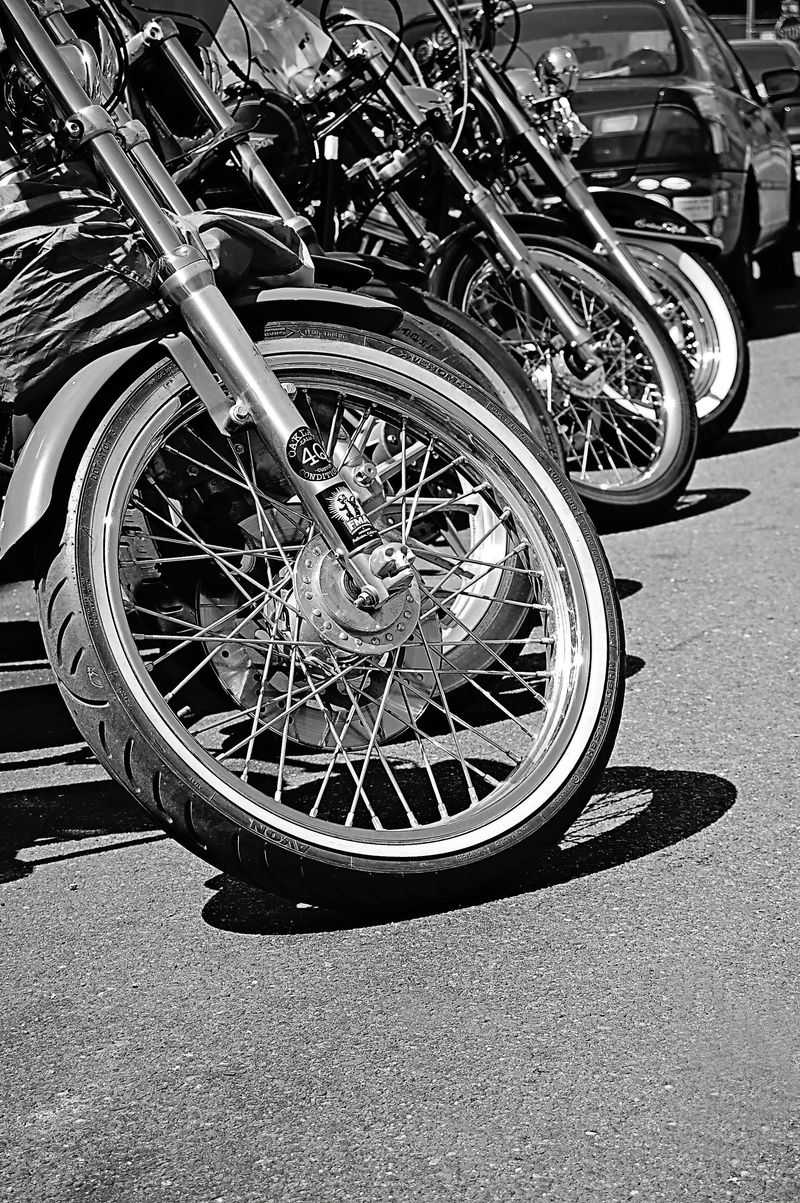
Back when automobiles were still a novelty and horses still ruled the roads, a group of motorcycle enthusiasts in Yonkers, New York, decided to make things official. Founded in 1903, the Yonkers Motorcycle Club is recognized as one of the earliest organized motorcycle clubs in American history.
Their formation came at a time when motorcycles were barely a decade old as a mode of transportation.
Members gathered to share tips, plan rides, and celebrate their love of the machine. The club helped establish what would become a long American tradition of organized riding.
It proved that motorcycling was more than just a way to get around – it was a lifestyle.
Their legacy lives on in every motorcycle club that followed. Yonkers may not be the flashiest city, but in the world of motorcycling, it holds a truly historic place on the map.
2. San Francisco Motorcycle Club – San Francisco, California (1904)
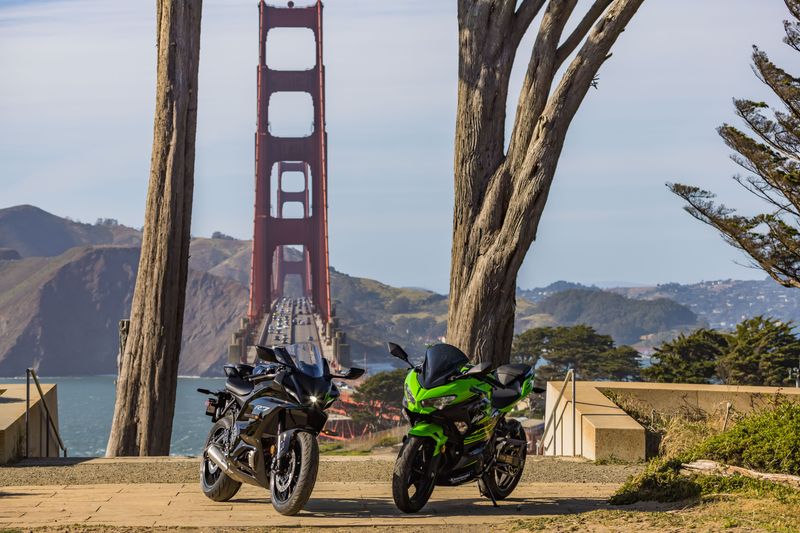
San Francisco has always had a reputation for being ahead of its time, and the founding of its motorcycle club in 1904 is no exception. The San Francisco Motorcycle Club was one of the first organized riding groups on the West Coast, formed just a year after the Yonkers club made history on the East Coast.
California’s varied terrain made it an ideal place for motorcycle enthusiasts to explore. Members enjoyed the coastal highways, mountain passes, and city streets that made the Bay Area a perfect playground for early riders.
The club attracted mechanics, adventurers, and everyday working people alike.
It helped build a motorcycle culture in California that would eventually grow into something much larger than anyone could have imagined. From this early gathering of riders, the seeds of a West Coast riding tradition were firmly planted and would flourish for generations to come.
3. Oakland Motorcycle Club – Oakland, California (1906)
Just two years after San Francisco riders organized, Oakland followed with its own motorcycle club in 1906. Oakland had a strong working-class community, and motorcycles fit right into the city’s practical, no-nonsense spirit.
The Oakland Motorcycle Club gave local riders a place to connect, compete, and ride together safely.
The club likely participated in early hill climbs, endurance runs, and road races that were popular forms of motorcycle sport at the time. These events were thrilling, often dangerous, and wildly popular with spectators.
They helped prove that motorcycles were capable machines worthy of serious attention.
Oakland’s early club also contributed to the broader growth of motorcycling as both a sport and a hobby across Northern California. The city’s proximity to San Francisco meant riders from both clubs often crossed paths, building a regional community of enthusiasts that would continue to grow throughout the twentieth century.
4. Pasadena Motorcycle Club – Pasadena, California (1907)
Nestled near the San Gabriel Mountains, Pasadena was a natural fit for motorcycle adventure when its club was formed in 1907. Riders could head into the foothills for rugged terrain or cruise the wide boulevards of one of Southern California’s most elegant cities.
The Pasadena Motorcycle Club offered both options to its members.
Southern California’s mild weather made year-round riding possible, giving the club a major advantage over clubs in colder parts of the country. Members could meet regularly without worrying too much about seasonal interruptions.
That consistency helped the club build a strong, active membership early on.
Pasadena also had a culture of civic pride, and the motorcycle club fit into that spirit of organized community activity. Much like the city’s famous Rose Bowl tradition, the club became a gathering point for locals who wanted to celebrate shared interests.
It stands as an important chapter in Southern California’s long motorcycling story.
5. Detroit Motorcycle Club – Detroit, Michigan (1910)
Detroit in 1910 was the beating heart of American manufacturing, and motorcycles were very much part of that industrial energy. The Detroit Motorcycle Club formed in a city that understood engines, speed, and mechanical innovation better than almost anywhere else in the country.
It was a natural home for riders who appreciated the craft of the machine as much as the ride itself.
With the auto industry booming all around them, Detroit riders had access to skilled mechanics and cutting-edge parts. This gave the club a technical edge that likely made their machines some of the best-maintained in the Midwest.
Members could ride, wrench, and share knowledge in a city built on mechanical expertise.
The club also thrived because Detroit had a large population of working men who saw motorcycles as both practical transportation and weekend entertainment. Their enthusiasm helped establish a Midwestern riding culture that would endure long after the club’s founding days had passed.
6. Jack Pine Gypsies Motorcycle Club – Sturgis, South Dakota (1936)
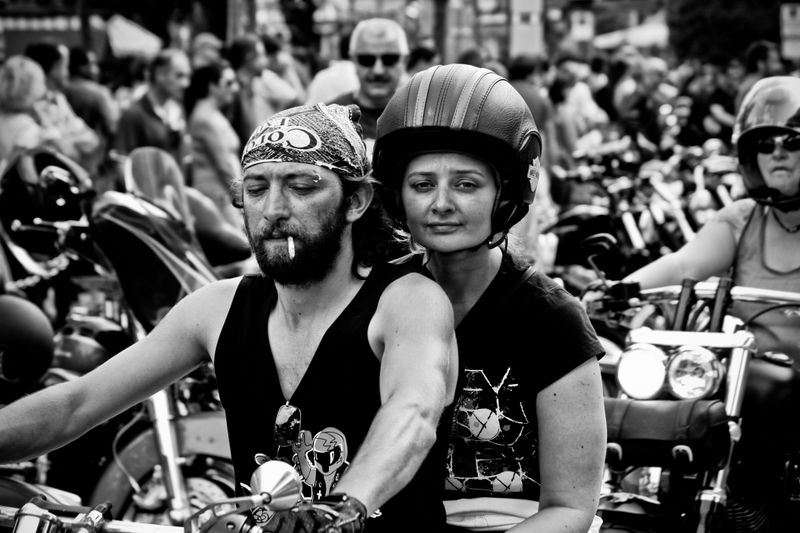
Few names in American motorcycling carry as much weight as the Jack Pine Gypsies. Founded in 1936 in Sturgis, South Dakota, this club is directly responsible for launching one of the most famous motorcycle rallies in the world.
Club member Clarence “Pappy” Hoel organized the first Sturgis Motorcycle Rally in 1938, and it has been running almost every year since.
The Black Hills of South Dakota provided a stunning backdrop for riders who wanted to push their machines and their limits. The Jack Pine Gypsies embraced that wild, open-road spirit from the very beginning.
Their name alone captures the sense of freedom that motorcycling represents.
Today, Sturgis draws hundreds of thousands of riders every August, making it a global motorcycling phenomenon. But at its core, the rally still belongs to the town and the club that started it all.
The Jack Pine Gypsies turned a small South Dakota town into a legendary name in riding history.
7. Outlaws Motorcycle Club – McCook, Illinois (1935)
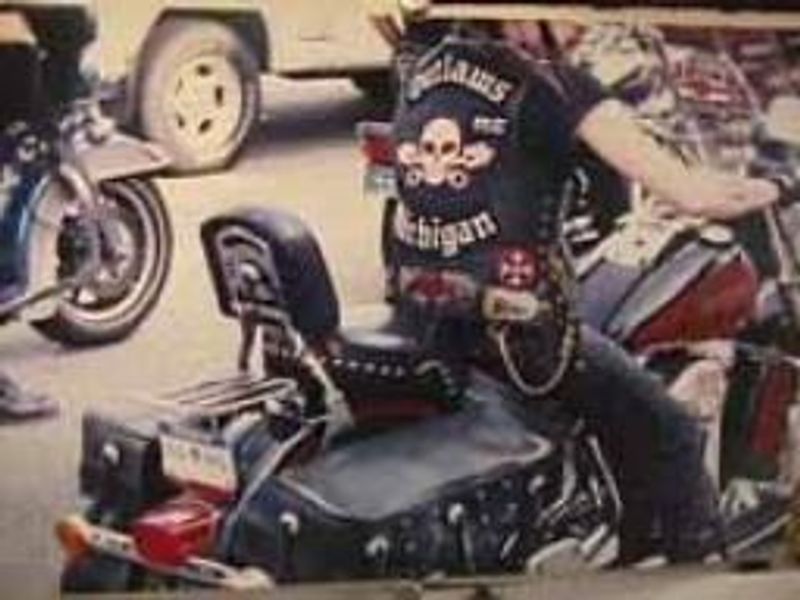
Originally founded in McCook, Illinois, around 1935, the Outlaws Motorcycle Club is one of the oldest and most recognized clubs in the country. Some sources place their active post-war revival in the late 1940s, but their roots stretch back to the mid-1930s when a group of riders started gathering at a roadhouse called the McCook Saloon.
That informal beginning would grow into something much larger over time.
The Outlaws were among the first clubs to adopt a distinctive patch and build a strong club identity that members wore with pride. Their black-and-white colors and skull logo became iconic in American motorcycle culture.
The club expanded steadily across the Midwest and eventually nationwide.
While the Outlaws have had a controversial history, their place in the story of American motorcycling is undeniable. They helped define what it meant to be part of a one-percenter club and influenced countless organizations that came after them across the country.
8. Pissed Off Bastards of Bloomington (POBOB) – California (1945)
Born out of the restless energy of returning World War II veterans, the Pissed Off Bastards of Bloomington – commonly known as POBOB – formed in California in 1945. These were men who had survived combat and were looking for the same rush of adrenaline and brotherhood they had known in the military.
Motorcycles gave them that outlet in peacetime.
POBOB is historically significant because it later gave rise to one of the most famous motorcycle clubs in the world. A conflict at the 1947 Hollister Rally in California led to a split within the group, and from that fracture, the Hells Angels were eventually born.
That makes POBOB a direct ancestor of one of motorcycling’s most well-known organizations.
The club itself eventually disbanded, but its legacy lives on in the clubs it helped inspire. POBOB represents a raw, post-war chapter in American motorcycling when veterans found community and purpose on two wheels together.
9. Boozefighters Motorcycle Club – California (1946)
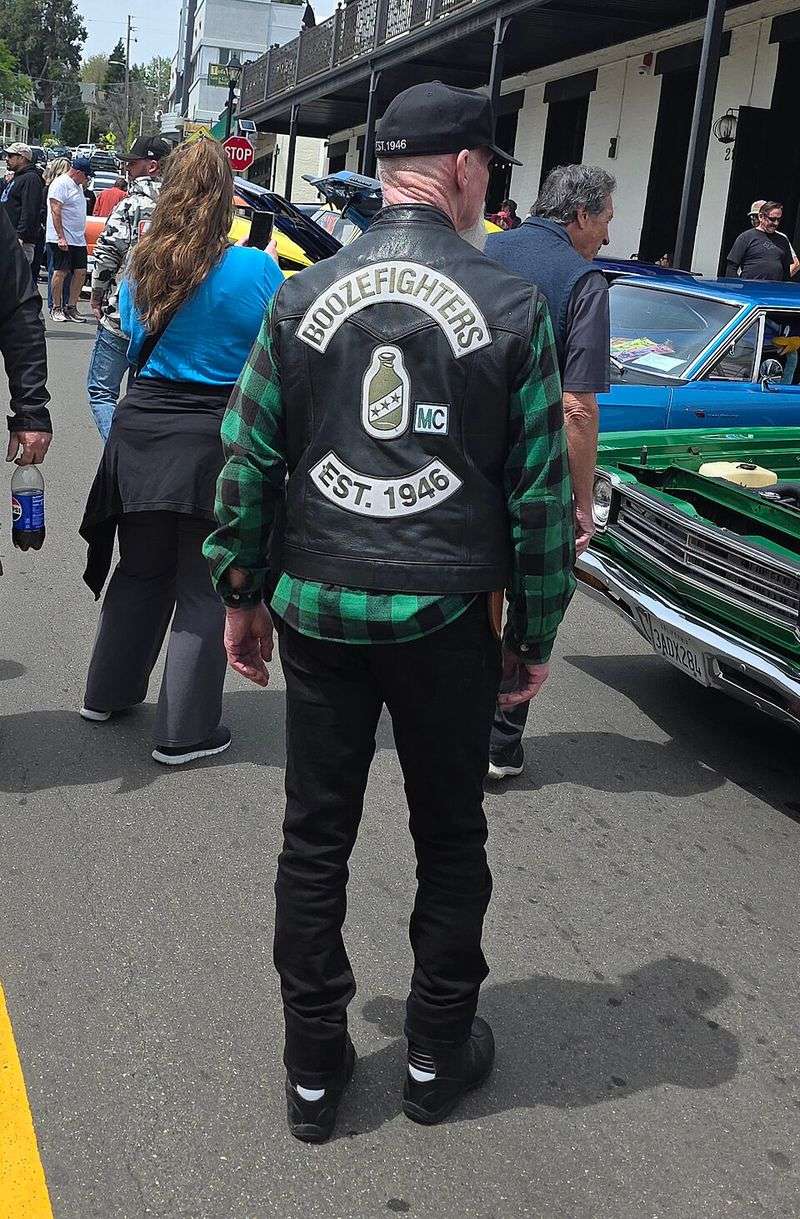
The Boozefighters were born in 1946 in California, founded by a group of World War II veterans who wanted to ride hard and have fun without too many rules. Their name was meant to be irreverent and fun, reflecting a post-war attitude that was more about living freely than following convention.
Early member “Wino” Willie Forkner is often credited as a key founding figure.
The club gained national attention after the 1947 Hollister Rally, which was covered by Life magazine and later inspired the 1953 film “The Wild One.” That event put the Boozefighters – and the broader outlaw motorcycle culture – on the national radar in a big way. Their rowdy reputation was part of the appeal.
Despite their wild image, the Boozefighters have always maintained that they are a social club, not a criminal organization. They still exist today and celebrate their heritage as one of the original post-war riding clubs that helped define American motorcycle culture for generations.
10. Hells Angels Motorcycle Club – Fontana, California (1948)
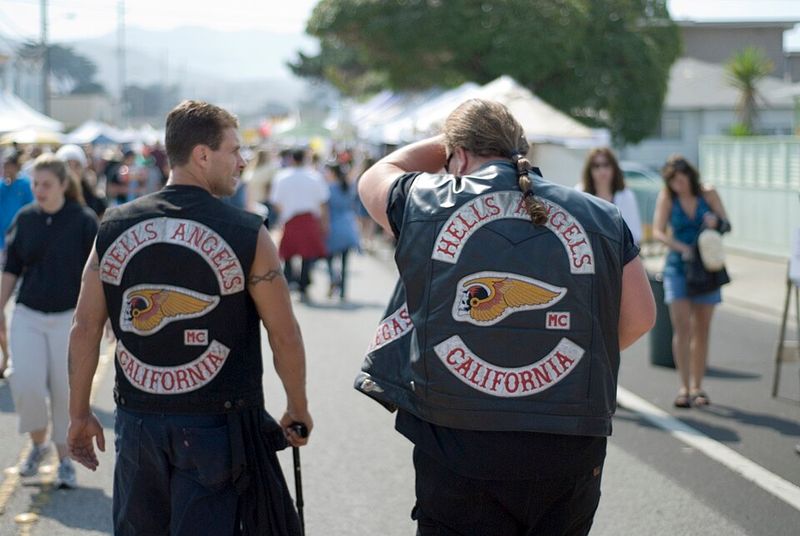
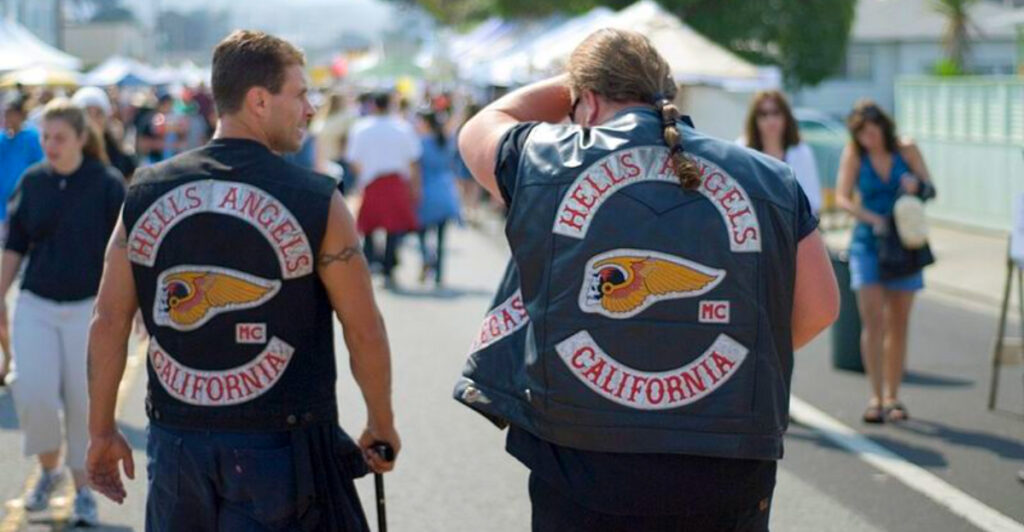
No motorcycle club in American history has generated more headlines, more myths, or more cultural impact than the Hells Angels. Founded on March 17, 1948, in Fontana, California, the club drew heavily from World War II veterans who craved speed, brotherhood, and a life lived outside the mainstream.
Their winged death head logo became one of the most recognized symbols in the world.
The Hells Angels grew from a single California chapter into a global organization with chapters across dozens of countries. Along the way, they became a fixture in American pop culture, appearing in films, books, and news stories that cemented their legendary status.
Hunter S. Thompson even wrote an entire book about riding with them in 1966.
Their history is complicated, marked by both fierce loyalty among members and serious legal troubles over the decades. Love them or not, the Hells Angels changed what it meant to belong to a motorcycle club and left a permanent mark on American culture.
11. Galloping Gooses Motorcycle Club – California (1942)
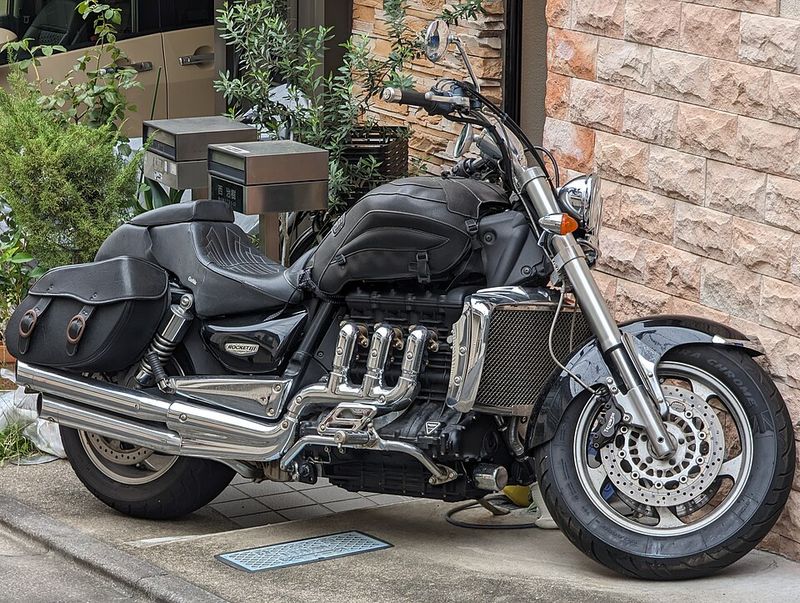
Founded in California around 1942, the Galloping Gooses Motorcycle Club holds a unique place in American motorcycle history. The club formed during World War II, a time when many young men were overseas, making civilian motorcycle clubs relatively rare.
Those who stayed behind and rode were a determined, independent group who kept the riding culture alive during difficult years.
The name itself has a playful, irreverent quality that captures the club’s casual, freedom-loving spirit. Early members were not trying to be intimidating – they were just riders who wanted to enjoy the road on their own terms.
That easygoing attitude set them apart from more aggressive club cultures that would emerge after the war.
The Galloping Gooses helped bridge the gap between the pre-war riding clubs and the post-war outlaw motorcycle scene. Their wartime founding makes them a rare and historically interesting piece of American motorcycling heritage that is often overlooked in broader histories of the era.
12. Satyrs Motorcycle Club – Los Angeles, California (1954)
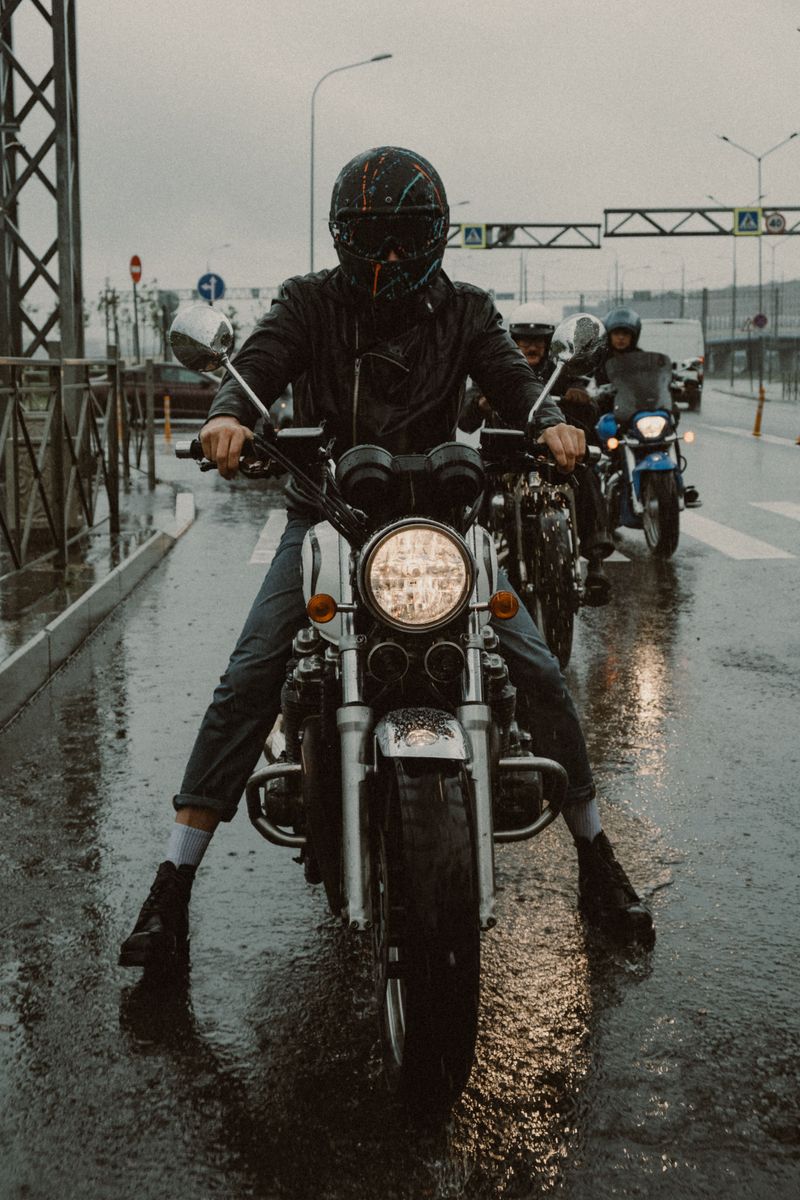
Founded in Los Angeles in 1954, the Satyrs Motorcycle Club holds an important and often overlooked place in history. The club is widely recognized as one of the earliest gay motorcycle clubs in the United States, making it a pioneering organization in both motorcycling and LGBTQ community history.
At a time when being openly gay was dangerous, the Satyrs created a safe space for riders who had nowhere else to belong.
The club helped establish a tradition of LGBTQ motorcycle organizations that would grow significantly in the following decades. Their courage in forming openly during the 1950s, when social acceptance was far from guaranteed, speaks to the strength and determination of their founding members.
They proved that motorcycle culture belonged to everyone.
The Satyrs are still active today and remain an important symbol of inclusion within the riding community. Their story is a reminder that motorcycle clubs have always been about more than just motorcycles – they have been about finding your people and riding together with pride.
13. Antique Motorcycle Club of America (AMCA) – New England (1954)
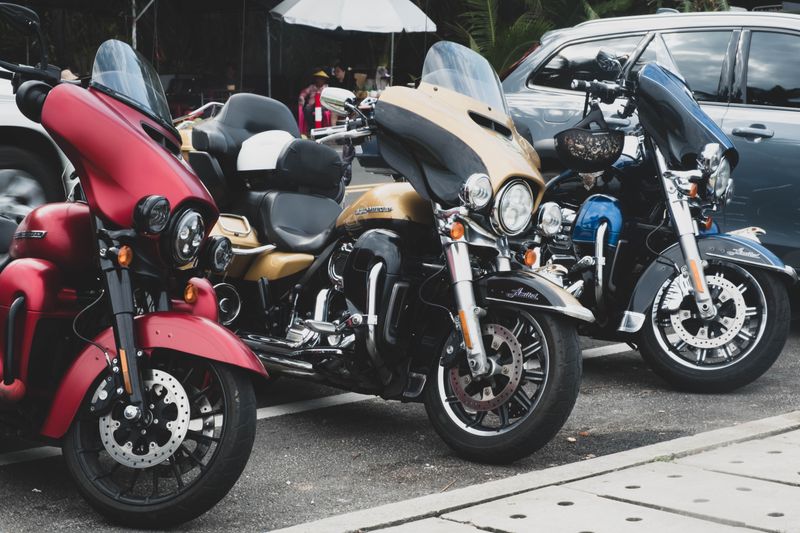
Not every motorcycle club is about speed and rebellion – some are about preservation and passion. The Antique Motorcycle Club of America, founded in New England in 1954, was built around a love of vintage machines and the history behind them.
Members shared a commitment to restoring, maintaining, and showing motorcycles from earlier eras of American history.
The AMCA holds meets and shows where collectors can display their restored bikes and connect with fellow enthusiasts. These events attract some of the most beautifully preserved vintage motorcycles in the country, ranging from early 1900s machines to mid-century classics.
For history buffs and mechanics alike, AMCA events are a treasure trove.
The club has grown significantly since its founding and now has chapters across the United States. Its work ensures that the earliest chapters of American motorcycling history are not forgotten.
Thanks to the AMCA, machines that could have rusted away are instead lovingly restored and celebrated at shows nationwide.
14. Cycle Queens of America – Philadelphia, Pennsylvania (1958)
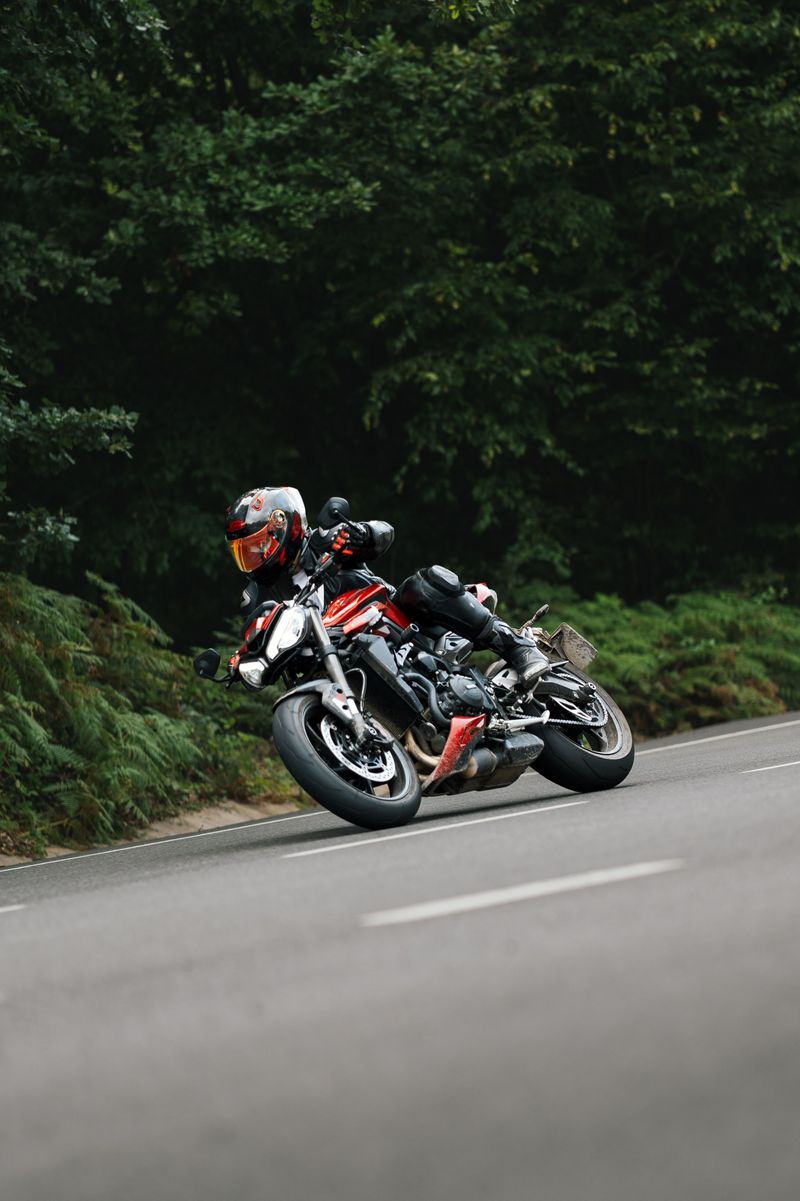
Women have always ridden motorcycles, but for much of the early history of the sport, they were often overlooked or sidelined. The Cycle Queens of America, founded in Philadelphia in 1958, pushed back against that reality by creating a club specifically for women riders.
Their founding was a bold statement that women belonged on the road just as much as anyone else.
Philadelphia in the late 1950s was a city full of energy and change, making it a fitting birthplace for a trailblazing all-women riding club. The Cycle Queens organized rides, events, and community activities that showed the world what women on motorcycles could do.
They were not waiting for an invitation – they were writing their own story.
Their legacy has inspired generations of women riders who followed in their tire tracks. Today, women-led and women-focused motorcycle clubs exist across the country, and organizations like the Cycle Queens helped make that possible by showing the world that riding has no gender requirements.
15. Gypsy Jokers Motorcycle Club – Oregon (1960s)
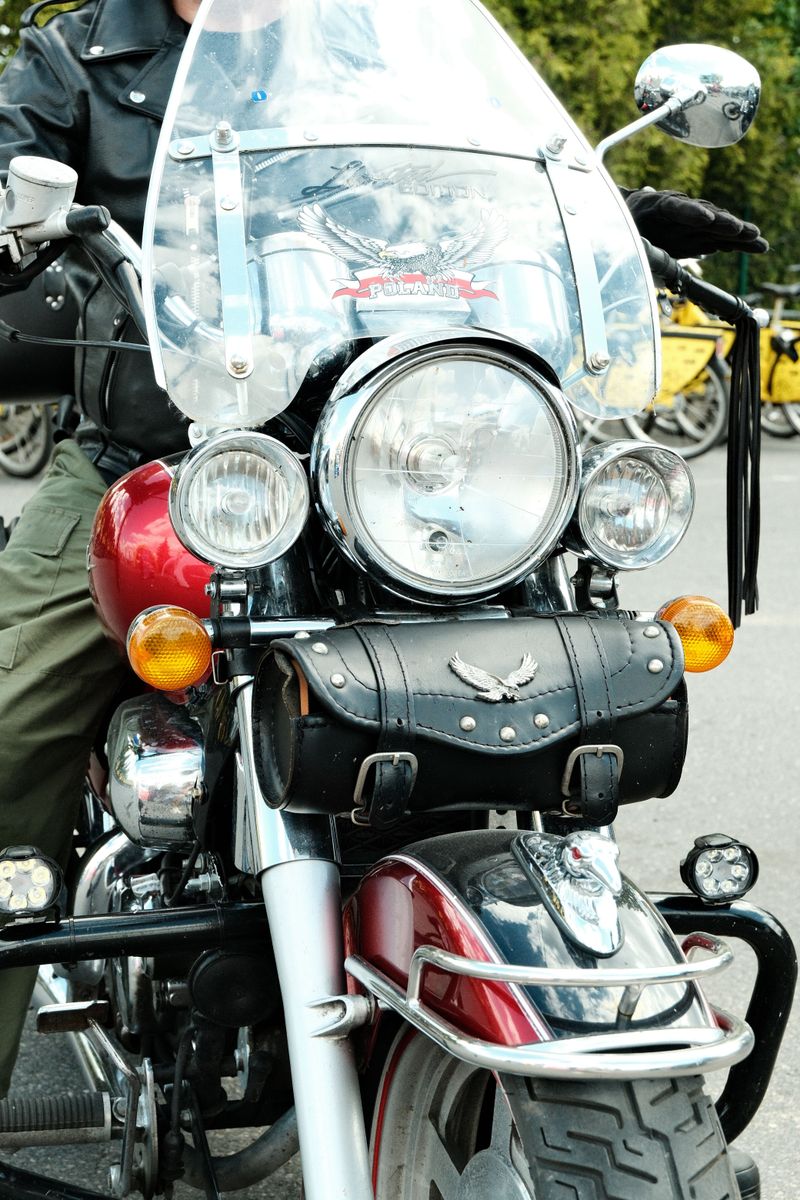
The Gypsy Jokers Motorcycle Club established a notable presence in Oregon during the 1960s, becoming one of the Pacific Northwest’s most recognized riding organizations. While versions of the club existed in other parts of the country, the Oregon chapter developed its own distinct identity rooted in the rugged landscapes and independent spirit of the region.
The dense forests, coastal highways, and mountain roads of Oregon were a perfect setting for a club with an adventurous name.
The club became well known in the Pacific Northwest and developed a reputation for fierce loyalty among its members. Like many clubs of the era, the Gypsy Jokers operated with a strong code of brotherhood and a clear sense of territory.
Their patches and presence on Oregon roads became familiar markers of the local riding scene.
The Gypsy Jokers represent the spread of motorcycle club culture beyond California and into new regions of the American West. Their Oregon roots show how the riding lifestyle took hold across the entire Pacific Northwest during one of motorcycling’s most exciting decades.
Share this story