Planning a Caribbean vacation between June and November feels risky, but it does not have to be. Some islands sit far enough south or east that hurricanes tend to miss them more often than not.
Knowing which islands carry lower storm risk can mean the difference between a relaxing trip and a stressful one. This list covers nine Caribbean islands that give travelers a better shot at clear skies, calm water, and a vacation worth remembering.
Aruba
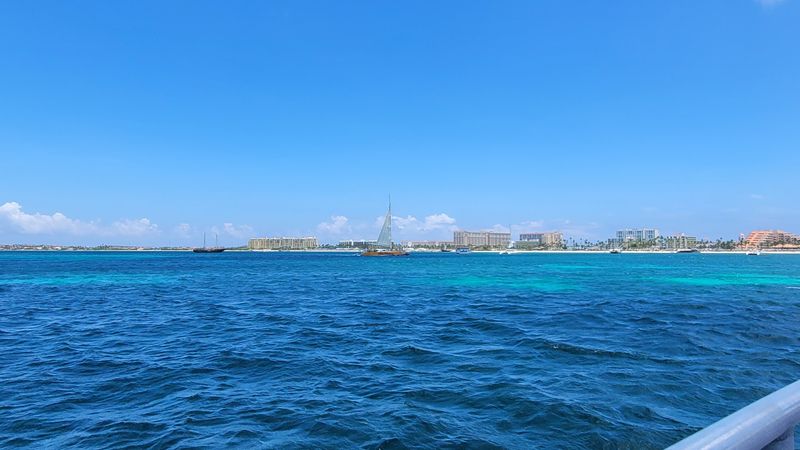
Few islands in the Caribbean can make the same geographic argument that Aruba can. Sitting just 15 miles north of Venezuela, this small Dutch island is positioned well below the main Atlantic hurricane belt, which makes it one of the most consistently recommended warm-weather destinations for summer and fall travel.
Aruba is not a rough-around-the-edges kind of island. Eagle Beach regularly ranks among the best beaches in the Caribbean, and Palm Beach offers a full strip of resorts, water sports, and easy amenities.
The island also has a dry, desert-like interior with cacti, natural pools, and rugged formations worth exploring.
Steady trade winds keep temperatures comfortable year-round, which is a bonus during peak summer heat. For families, couples, or first-time Caribbean visitors who want lower storm risk without giving up convenience or comfort, Aruba delivers a well-rounded, lower-anxiety option that holds up well across most hurricane seasons.
Bonaire
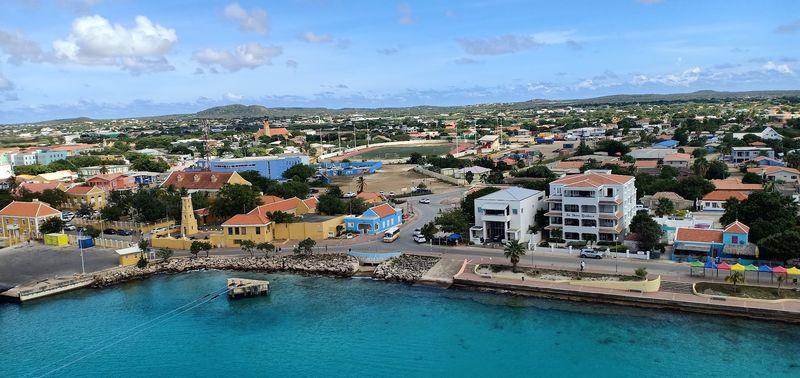
Bonaire does not get the same tourist spotlight as Aruba, and that is exactly what makes it worth knowing about. As the second of the ABC islands, it shares the same southern Caribbean position that keeps it out of the direct path of most major storms, making it a smart pick for hurricane-season planners.
What sets Bonaire apart is its reputation as one of the top shore diving destinations in the world. The island has protected its reef system carefully, and divers can access clear, healthy coral directly from the beach without needing a boat.
Snorkelers do well here too, especially along the western coast.
The pace of life on Bonaire is noticeably slower than on more commercial islands. There are no massive resort strips, which appeals to travelers who prefer a quieter, nature-centered trip.
Washington Slagbaai National Park adds hiking and wildlife watching to an already strong outdoor lineup.
Curacao
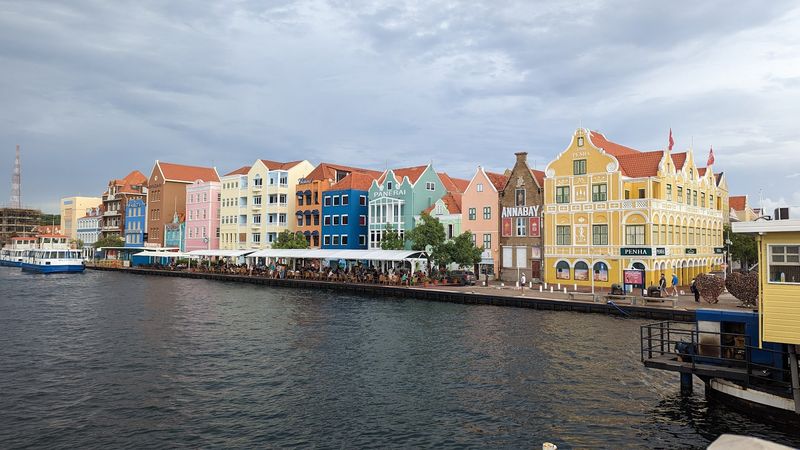
Willemstad alone is reason enough to consider Curacao for a hurricane-season trip. The capital’s pastel-colored Dutch colonial architecture lining the Sint Annabaai waterfront is one of the most visually striking cityscapes in the entire Caribbean, and it earned a UNESCO World Heritage designation for good reason.
Curacao completes the ABC islands trio and carries the same southern Caribbean geographic advantage. While Aruba leans toward resort convenience and Bonaire leans toward diving, Curacao sits comfortably in the middle, offering beaches, snorkeling, museums, local restaurants, and a genuine city atmosphere that the other two do not have.
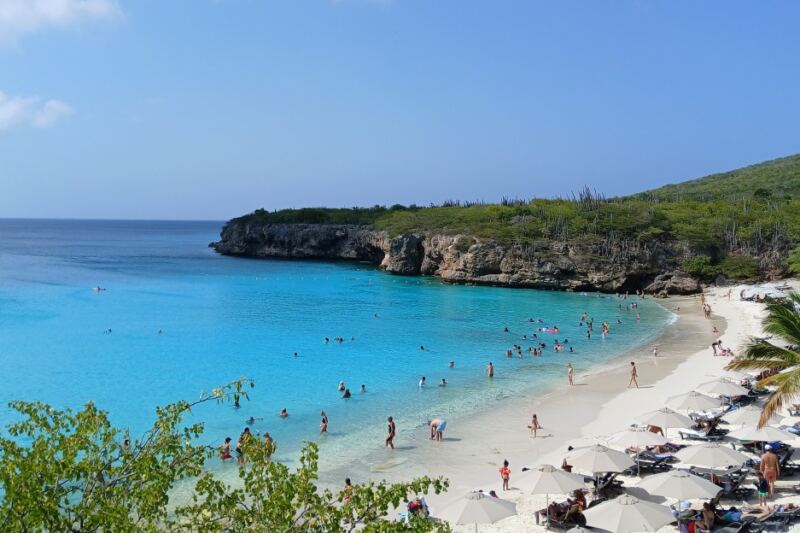
The island has more than 35 beaches, ranging from calm, sheltered coves to more open stretches. Shete Boka National Park on the northern coast shows a wilder, wave-battered side of the island.
Travelers who want both cultural depth and Caribbean scenery during the riskier travel months will find Curacao covers a lot of ground.
Trinidad
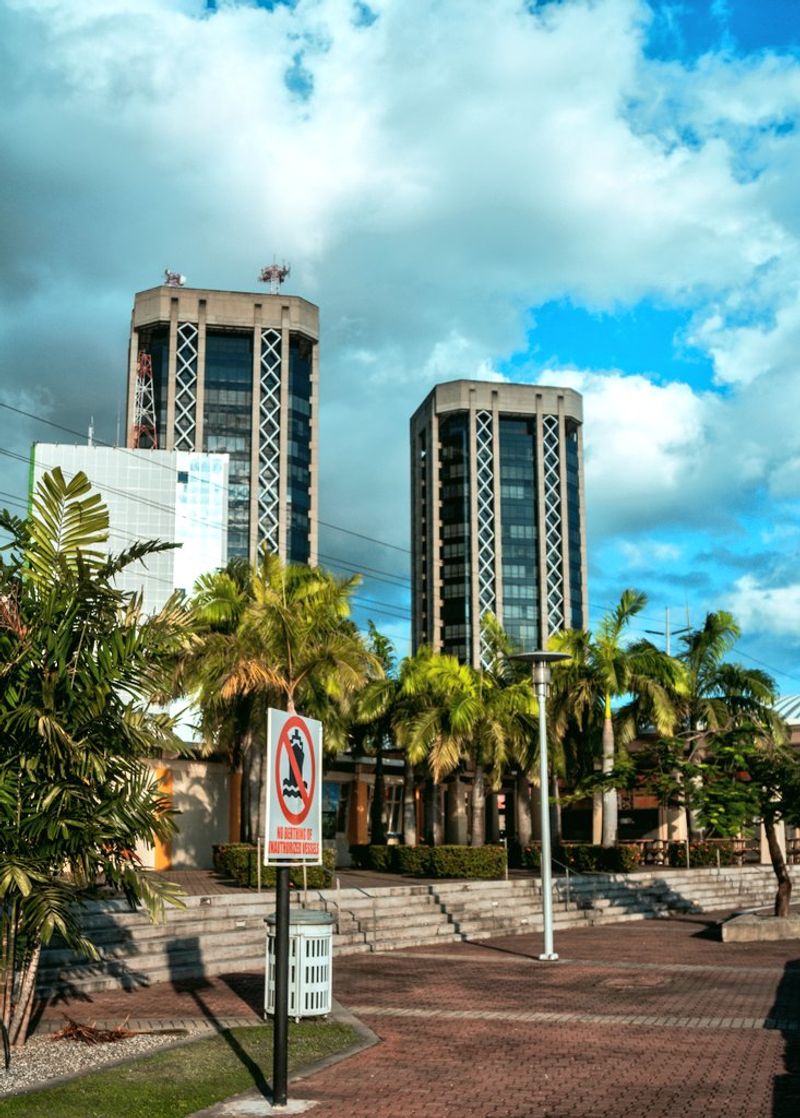
Trinidad is not your typical beach-and-resort Caribbean island, and that distinction works in its favor for a certain kind of traveler. Positioned very close to the coast of Venezuela in the far southern Caribbean, it sits outside the primary hurricane belt, which gives it a geographic edge during the riskier months of the year.
The real draw here is diversity. Trinidad has one of the most active birding scenes in the Western Hemisphere, with the Asa Wright Nature Centre offering a well-known base for wildlife observation.
The food scene reflects a rich cultural mix of African, Indian, Chinese, and Creole influences, producing some of the most distinctive street food in the Caribbean.
Carnival culture, steelpan music, and a lively local identity make this island feel genuinely different from resort-focused destinations. Travelers who want an immersive, culturally rich experience rather than a packaged beach vacation will find Trinidad a refreshing and lower-risk choice.
Tobago
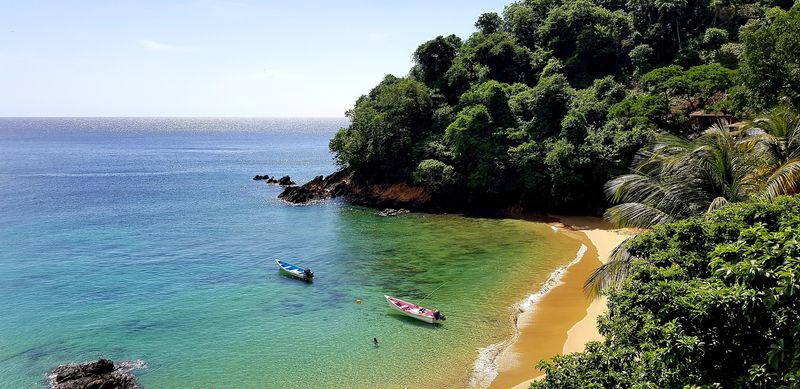
Tobago often gets grouped with Trinidad as a two-island destination, but it earns its own place on this list. The island has a completely different personality from its larger neighbor, offering the kind of laid-back, beach-and-nature Caribbean experience that many travelers picture when they start planning a warm-weather trip.
Pigeon Point Heritage Park is one of the most photographed beaches in the southern Caribbean, with shallow, calm water and a classic thatched-roof pier. The Main Ridge Forest Reserve is one of the oldest protected rainforests in the Western Hemisphere, making Tobago a legitimate nature destination beyond just its coastline.
Because it sits in the southern Caribbean, Tobago carries less hurricane risk than many islands farther north, though travelers should still monitor weather forecasts during peak season. It is a good match for travelers who want beaches, waterfalls, coral reefs, and a relaxed atmosphere without navigating a crowded resort scene.
Barbados
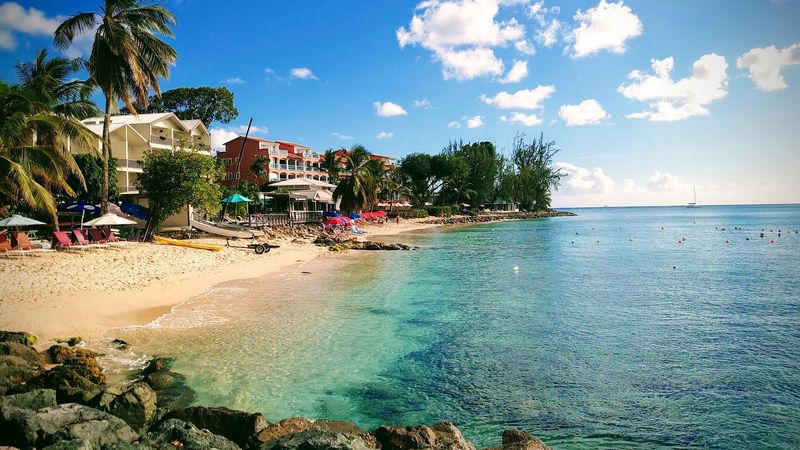
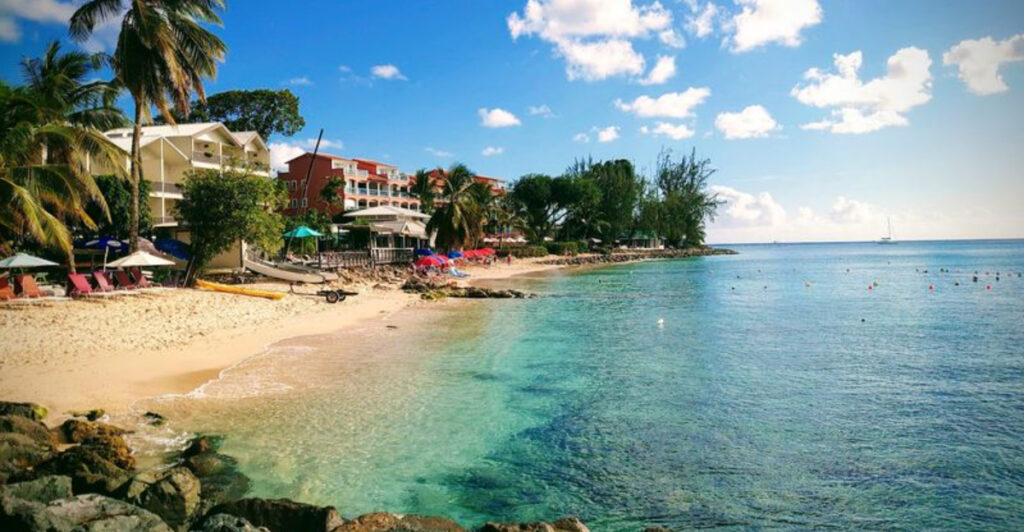
Barbados has geography working in its favor during hurricane season. Positioned farther east and south than most well-known Caribbean islands, it sits at the outer edge of the Lesser Antilles, which has historically helped reduce its direct exposure to major storm tracks.
That does not mean it is immune, but its track record is better than many.
The island packs a surprising amount into a relatively small area. Bridgetown, the capital, holds a UNESCO World Heritage designation covering its historic garrison and colonial core.
The east coast has rugged Atlantic surf, while the west and south coasts offer calmer, swimmable water. Harrison’s Cave, Hunte’s Gardens, and a strong local food scene add variety beyond the beach.
Rum history runs deep here, with plantation tours and heritage sites connected to the island’s sugar industry past. For travelers who want a full destination with cultural layers, good infrastructure, and reasonable hurricane-season odds, Barbados is a well-rounded choice.
Grenada
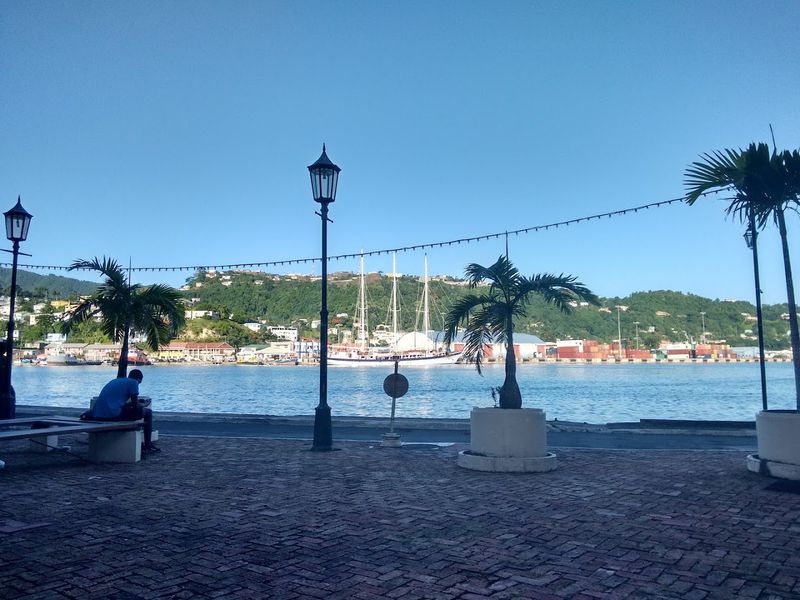
Known as the Spice Isle, Grenada produces nutmeg, cinnamon, cloves, and cocoa, and the agricultural identity of the island gives it a distinct character that most beach-focused Caribbean destinations do not have. Spice plantations and local markets offer a genuine look at how the island has sustained itself for centuries.
Grenada generally sits in the lower-risk southern Caribbean zone, though recent storm seasons have reminded travelers that no island should be treated as completely untouchable. Booking flexible travel and checking local conditions close to departure is smart planning for any hurricane-season trip, including this one.
Grand Anse Beach is one of the most consistently praised beaches in the Caribbean, stretching for about two miles with calm, clear water. The island also has an underwater sculpture park off the coast of St. George’s, accessible to snorkelers and divers.
Waterfalls, rainforest trails, and a relaxed local atmosphere round out what Grenada offers during the quieter travel months.
Saint Lucia
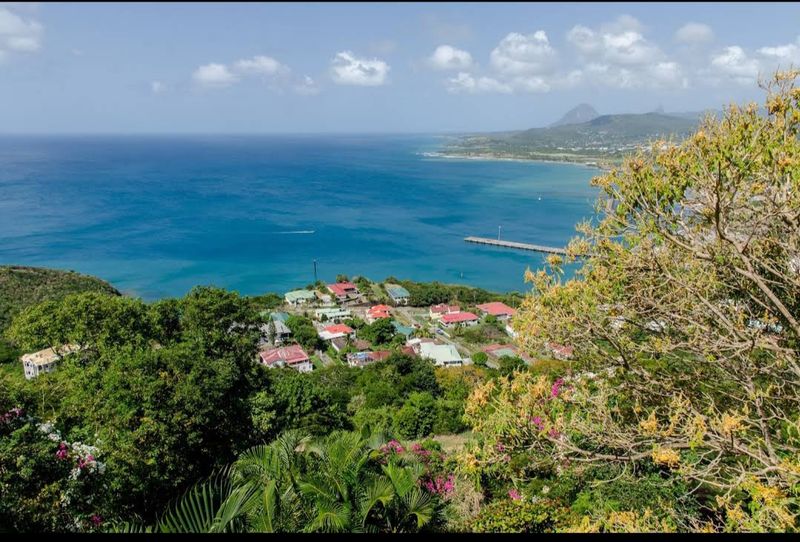
Saint Lucia makes a strong case for itself even during hurricane season, largely because of where it sits in the Lesser Antilles chain. Its southern position within the island group gives it a modest geographic advantage over many northern Caribbean destinations, though travelers planning trips between August and October should still keep a close eye on forecast updates.
The Pitons are the defining image of Saint Lucia. These two volcanic spires rising from the southwest coast are part of a UNESCO World Heritage site and can be hiked, viewed from the water, or admired from nearby resorts.
Hot springs, sulfur vents, and a drive-in volcano add a geological layer that few Caribbean islands can match.
Rainforest hikes, waterfalls, black-sand beaches, and a strong local food culture give Saint Lucia real depth. Travelers who want dramatic scenery and a nature-heavy Caribbean experience rather than a flat, sandy resort island will find this destination genuinely rewarding during the off-peak season.
Martinique
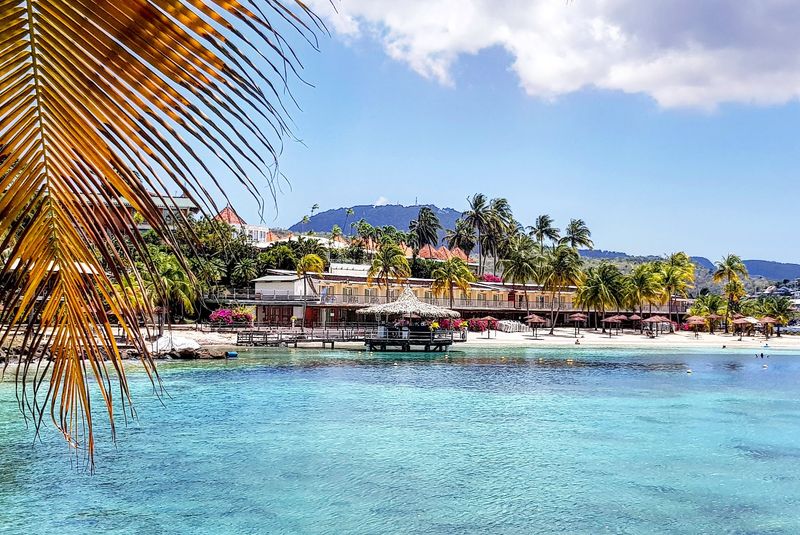
Martinique feels like a corner of France dropped into the Caribbean Sea, and that cultural blend is its biggest selling point. French is the primary language, the food reflects serious culinary tradition, and the island’s towns have a European street-life quality that sets it apart from most other Caribbean destinations.
From a hurricane-season perspective, Martinique sits in the southern Lesser Antilles and carries a lower-to-moderate risk profile compared with islands farther north. It is not in the same low-risk category as the ABC islands, so flexible booking and weather monitoring remain important parts of trip planning.
Mont Pelee, the active volcano in the island’s north, gives Martinique a dramatic landscape backbone, and the surrounding rainforest makes for serious hiking terrain. Beaches range from white sand on the south coast to dark volcanic sand in the north.
Rum distilleries with agricultural heritage status add another layer for travelers interested in the island’s production history and local culture.
Share this story