Most travel guides send you straight to the same crowded hotspots, where tour buses idle outside every restaurant and beach chairs stretch as far as the eye can see. But the world’s coastlines hold a very different kind of experience for those willing to wander a little further off the usual route. These 13 coastal regions reward travelers who prefer unhurried mornings, locally owned cafes, fishing harbors, and long walks with no particular deadline. From a remote Croatian island that has kept its fishing village soul intact to a Japanese peninsula dotted with centuries-old boathouses built directly over the water, each destination on this list has something genuinely distinctive to offer.
You will not find mega-resorts or theme park attractions here. What you will find are places where the pace of life still follows the tide, and where slowing down is not just acceptable but quietly encouraged by everyone who calls these coastlines home.
1. Great Ocean Road Region, Victoria, Australia
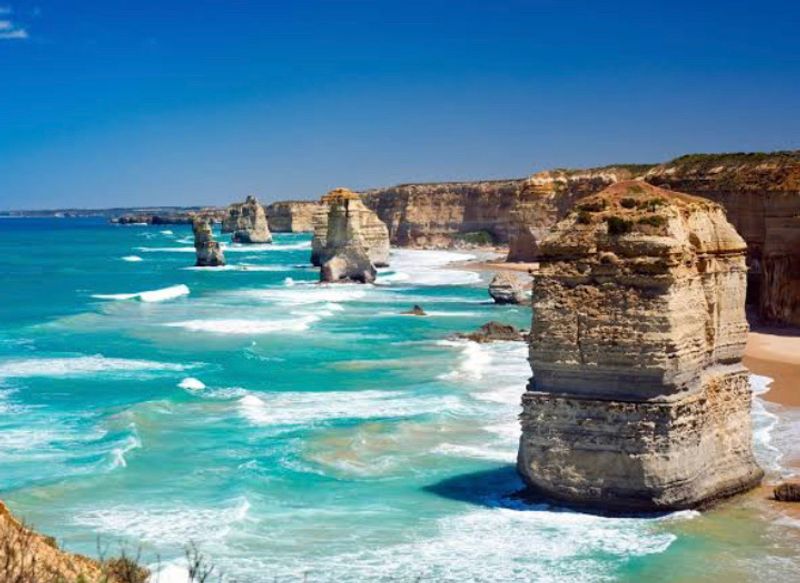
Australia has no shortage of dramatic coastlines, but the stretch of Victorian shoreline beyond the Twelve Apostles is where slow travel truly earns its name.
Small towns like Port Fairy, Apollo Bay, and Lorne each have their own distinct character. Port Fairy preserves rows of heritage bluestone cottages and a working harbor that has operated continuously since the 1840s. Apollo Bay sits between forested hills and open sea, offering a relaxed waterfront strip with fresh seafood co-ops and easy access to the Great Otway National Park.
Coastal walking tracks connect many of these communities, allowing travelers to cover ground at their own pace without ever needing a rigid schedule. Wildlife sightings, including koalas in roadside eucalyptus trees and little penguins returning to shore at dusk, are common and completely free. The region rewards those who resist the urge to rush through and instead treat each town as a proper destination.
2. West Cork Coast, County Cork, Ireland
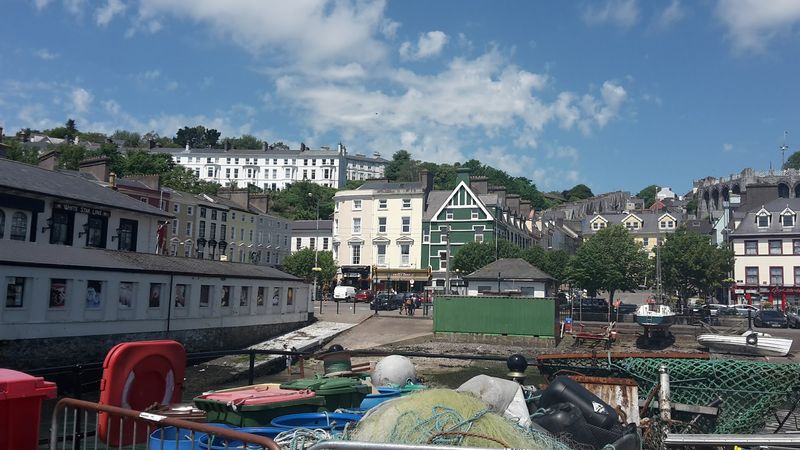
County Cork’s southwestern edge has quietly built a reputation as one of Ireland’s most rewarding regions for travelers who prefer wandering over scheduling.
The harbor towns here are small enough to explore on foot but lively enough to keep you occupied for days. Baltimore is a compact village with a busy sailing community and regular ferry connections to Sherkin and Cape Clear islands. Schull hosts a weekly market that draws local producers from across the Mizen Peninsula, and Union Hall remains a working fishing port where fresh catches arrive daily at the pier.
The Sheep’s Head and Mizen Head peninsulas offer walking routes with unobstructed Atlantic views and almost no tourist infrastructure, which is precisely the point. Coastal drives along narrow hedgerow-lined roads frequently end at viewpoints or quiet coves with no signage and no crowds. West Cork does not try to impress anyone, and that quiet confidence is a large part of its appeal.
3. Costa da Morte, Galicia, Spain
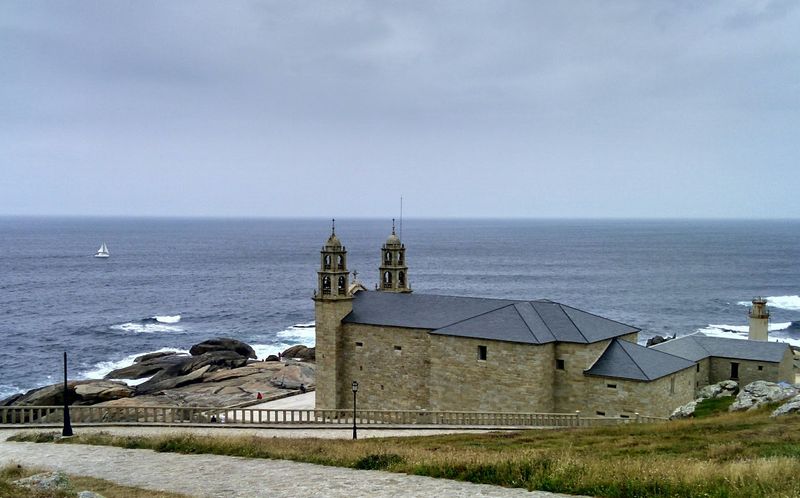
The name translates to Coast of Death, which sounds alarming until you realize it refers to the treacherous shipping conditions of centuries past rather than anything visitors need to worry about today.
This northwestern corner of Spain remains one of the country’s least-visited coastal stretches despite offering some of its most dramatic Atlantic scenery. Muxia sits at the end of a long promontory where pilgrims on the Camino often arrive after completing the route to Santiago de Compostela. Camariñas is known for its lace-making tradition, with workshops still operating in the town center. Laxe has a long arc of sheltered beach backed by a historic village with a 14th-century church.
Seafood here is treated with straightforward respect rather than elaborate preparation. Percebes, the barnacle-like crustaceans harvested by local fishermen from exposed rocky outcrops, appear on menus throughout the region. The Costa da Morte rewards travelers who are comfortable with a destination that has no interest in being discovered.
4. Northumberland Coast, Northumberland, England
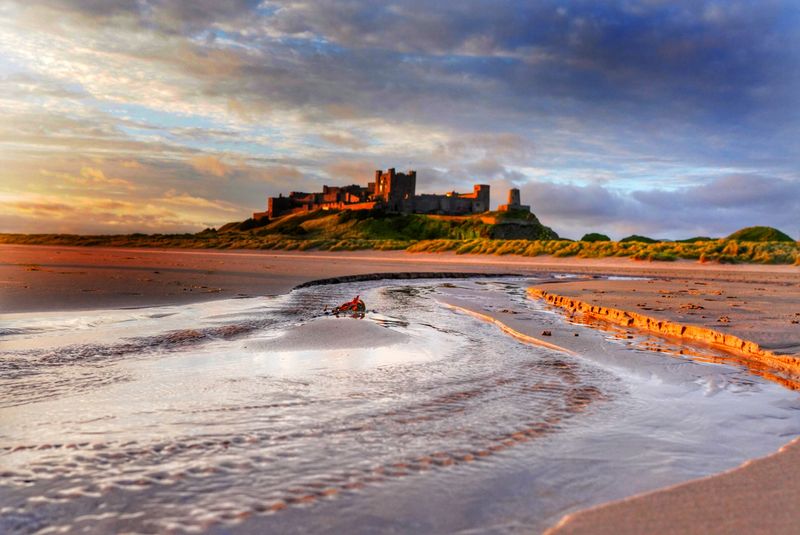
England’s northeastern shoreline is one of those places that makes you wonder why everyone is queuing for Cornwall when this exists.
The Northumberland Coast Area of Outstanding Natural Beauty stretches for 39 miles and includes some of the least crowded beaches in the entire country. Bamburgh’s castle rises dramatically above a broad sandy beach and has stood in various forms since at least the 6th century. Seahouses is the departure point for boat trips to the Farne Islands, where grey seals and thousands of nesting seabirds occupy rocky outcrops just offshore.
The village of Alnmouth sits where the River Aln meets the sea, offering a tidal estuary, colorful painted houses, and a relaxed pub culture that suits an evening after a long coastal walk. Holy Island, also called Lindisfarne, is accessible only at low tide via a causeway, adding a tidal drama that forces even the most impatient visitor to slow down and wait.
5. Otago Peninsula, Dunedin, New Zealand
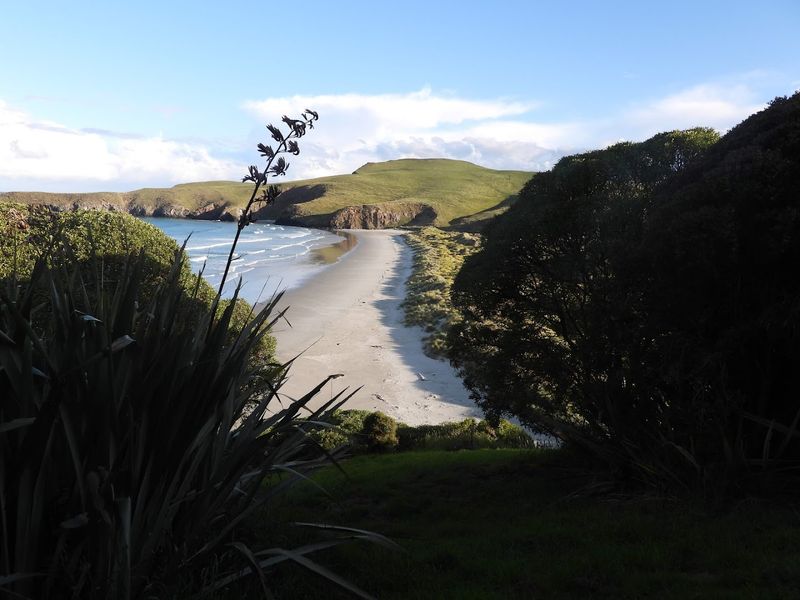
Most visitors to Dunedin spend a day on the Otago Peninsula and leave wishing they had booked more nights.
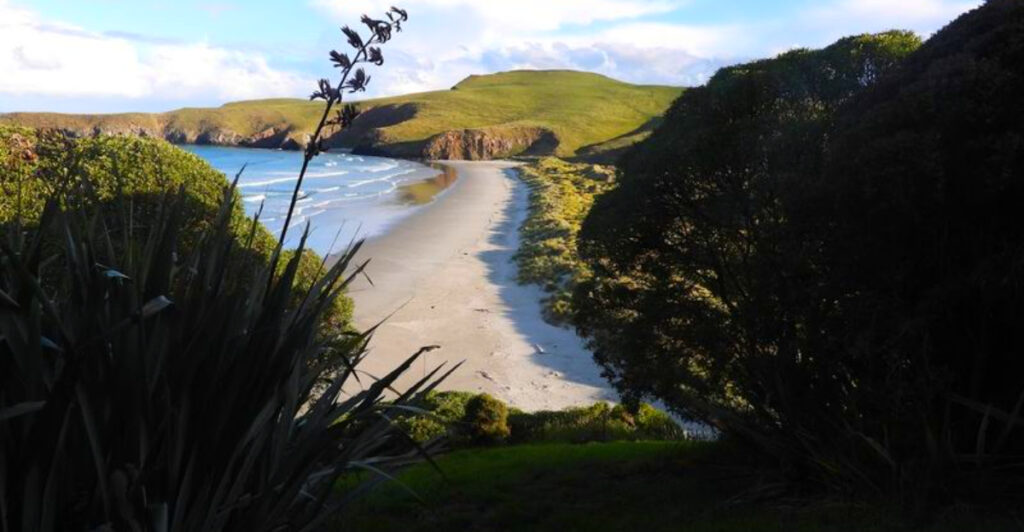
The peninsula extends 24 kilometers into the Pacific and hosts one of the world’s only mainland royal albatross colonies at Taiaroa Head, where these birds with wingspans exceeding three meters nest, raise chicks, and return year after year. Little blue penguins come ashore at dusk at several accessible viewing spots along the coast. New Zealand sea lions haul out on beaches at Sandfly Bay, a short walk through sand dunes from the car park.
Beyond the wildlife, the peninsula has a quiet rural character with sheep farms, small cafes, and historic homesteads including Larnach Castle, New Zealand’s only castle, perched on a hilltop with panoramic views of the harbor. The road that loops around the peninsula is narrow and winding in the best possible way, encouraging drivers to pull over frequently and simply look around.
6. Bohuslän Coast, Västra Götaland County, Sweden
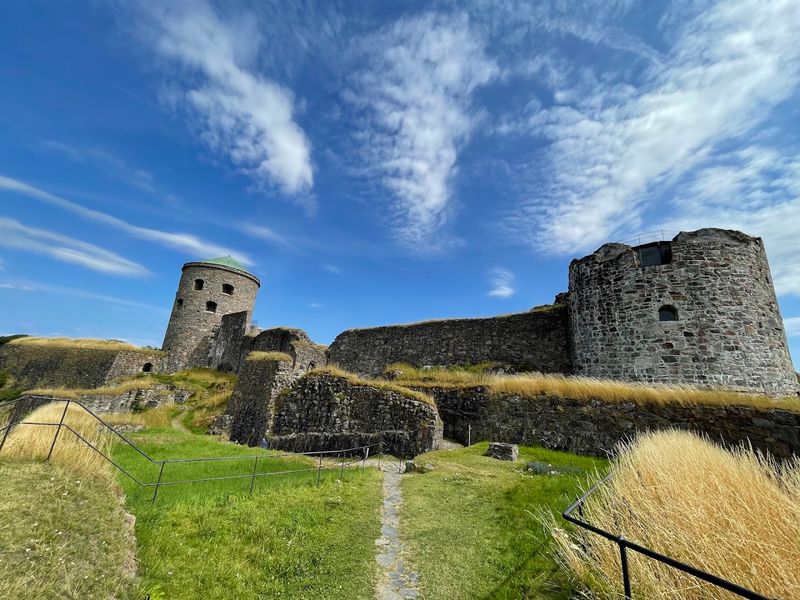
Sweden’s answer to slow coastal travel is a 160-kilometer stretch of granite islands, sheltered inlets, and cheerful fishing villages that collectively form one of Scandinavia’s most underrated shorelines.
Smögen is the most visited of the Bohuslän communities, with a long wooden boardwalk lined by shops and seafood stalls where freshly caught shrimp are sold directly from the boats. Fjällbacka occupies a dramatic position between a sheer rock face and the sea, and has been a summer retreat for Swedish artists and writers for generations. Grebbestad is quieter still and known primarily among locals for its oyster production.
Island ferries connect the offshore archipelago throughout summer, making it possible to spend several days hopping between small islands with basic accommodation and walking paths. The coastal footpath system here is well maintained and passes through both inhabited villages and uninhabited nature reserves. Traveling the Bohuslän Coast slowly is not just recommended; it is practically built into the infrastructure.
7. Ocracoke Island, North Carolina, United States
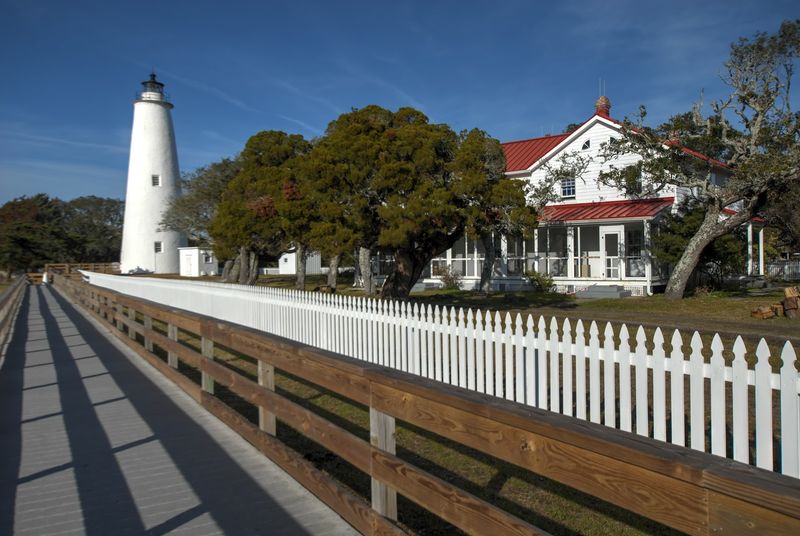
Getting to Ocracoke requires a ferry, and that ferry ride is the first sign that this island operates on its own schedule.
The village at the southern end of the island has fewer than 1,000 year-round residents and a main street where bicycles genuinely outnumber cars during the warmer months. The Ocracoke Lighthouse, built in 1823, is the second-oldest operating lighthouse in the United States and is compact enough to feel almost residential compared to other historic towers along the Outer Banks. Locally owned shops sell handmade crafts, regional books, and nautical supplies rather than mass-produced souvenirs.
The beaches here are part of Cape Hatteras National Seashore, meaning no development, no beach chairs for hire, and no vendors. Wild horses descended from colonial-era Spanish mustangs still roam the northern end of the island. Ocracoke has a particular kind of stubborn character that resists trends, and travelers who appreciate that quality tend to return year after year.
8. Coromandel Peninsula, Waikato, New Zealand
Two hours from Auckland but seemingly a world removed from city life, the Coromandel Peninsula has been attracting artists, surfers, and general escapists since the 1970s counterculture movement found its way to these shores.
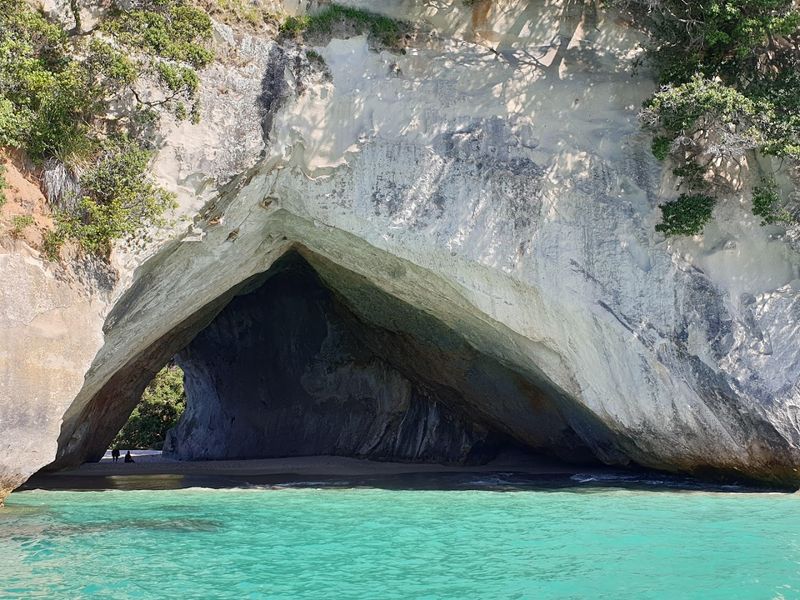
Cathedral Cove is the peninsula’s most photographed spot, a sea arch accessible only on foot or by kayak that frames a sheltered beach backed by pohutukawa trees. Hot Water Beach draws visitors who bring spades to dig their own thermal pools in the sand at low tide, a genuinely strange and enjoyable activity that requires zero prior planning. Coromandel Town itself is a small historic settlement with a working arts community, weekend markets, and a narrow-gauge railway that climbs into the surrounding hills.
Quieter communities like Tairua, Pauanui, and Whitianga each have their own beaches, estuary walks, and locally owned cafes that rarely see tour groups. The peninsula’s winding roads and limited mobile coverage actively discourage rushing, which turns out to be one of its greatest assets.
9. Snæfellsnes Peninsula, Western Region, Iceland
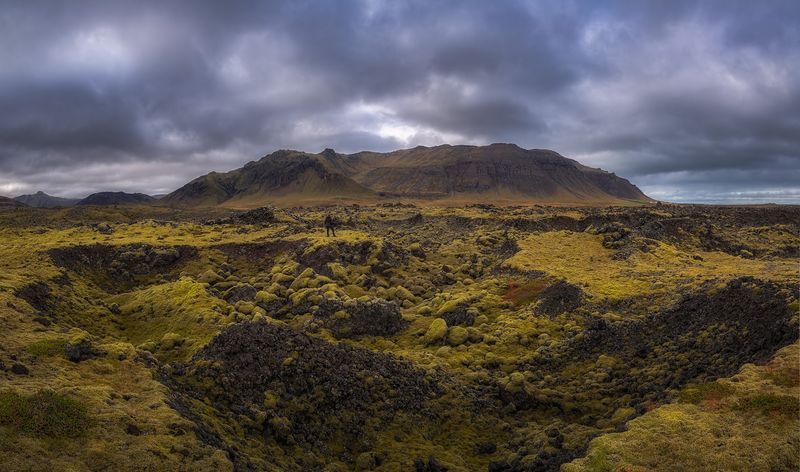
Iceland’s most famous landscapes tend to cluster around the Golden Circle and the south coast, but the Snæfellsnes Peninsula has been quietly offering something just as spectacular with considerably fewer visitors.
The glacier-capped Snæfellsjökull volcano anchors the western tip of the peninsula and inspired Jules Verne to set the entrance to his fictional underground world there in 1864. Stykkishólmur is the peninsula’s main town, with a distinctive red lighthouse on a basalt island in the harbor and a ferry service to the Westfjords. Arnarstapi and Hellnar are tiny coastal hamlets separated by a four-kilometer walking path that passes lava arches, sea cliffs, and Arctic tern nesting grounds.
Traditional fishing remains part of daily life in several peninsula communities, and dried fish racks along the roadside are a common sight between October and April. The peninsula’s compact size makes it possible to cover significant ground while still stopping frequently enough to appreciate what makes each location distinct.
10. Fleurieu Peninsula, South Australia, Australia
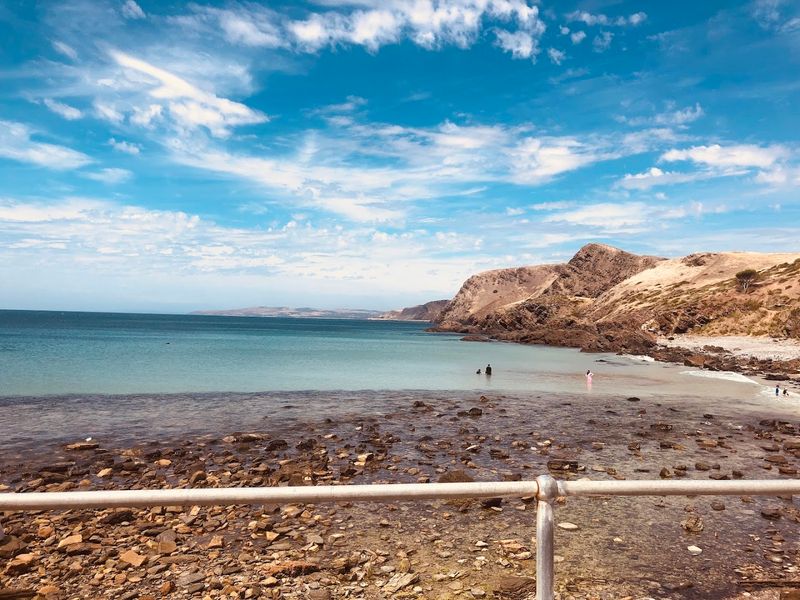
South Australia’s Fleurieu Peninsula is one of those places that residents of Adelaide treat as their personal backyard, which means it is well-maintained, genuinely loved, and not yet overrun by international tourism.
Victor Harbor is the peninsula’s largest town and home to Granite Island, connected to the mainland by a causeway along which a horse-drawn tram has operated since 1894, making it one of the world’s last remaining horse tram services. Port Elliot has a sheltered beach popular with bodyboarders and a historic pub dating to the 1850s that remains the social hub of the community. Normanville offers a quieter alternative with a long sandy beach, a caravan park, and almost no infrastructure beyond what a small seaside town needs.
Southern right whales visit the sheltered waters between Victor Harbor and Encounter Bay between June and September, drawing dedicated wildlife watchers from across the country. The Heysen Trail, one of Australia’s longest walking routes, passes through the peninsula’s hinterland and connects to the coast at several points.
11. Pembrokeshire Coast, Wales, United Kingdom
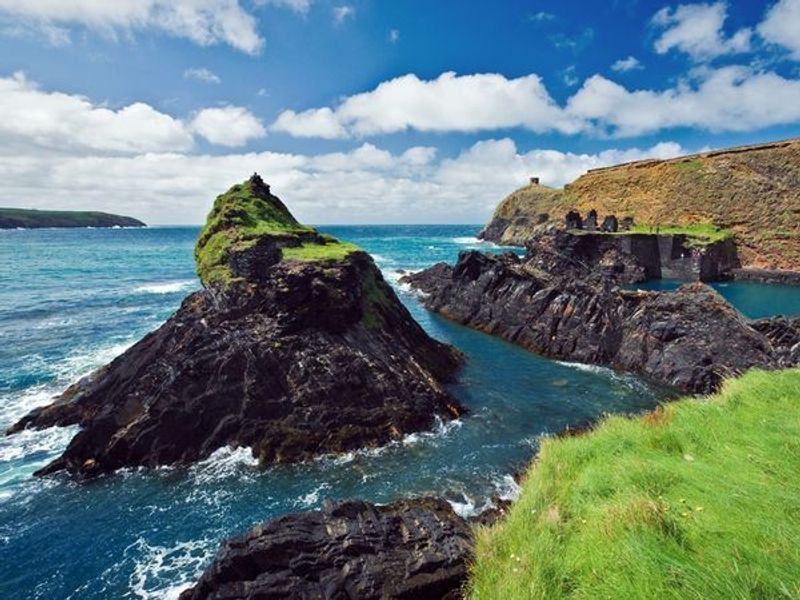
Wales packs a remarkable amount of coastline into a relatively small country, and Pembrokeshire represents the finest stretch of it by most measures.
The Pembrokeshire Coast National Park is the only national park in the United Kingdom defined primarily by its coastline, and the 186-mile Pembrokeshire Coast Path winds through it in its entirety. St Davids is technically a city despite having a population of fewer than 2,000 people, a distinction it holds because of its magnificent 12th-century cathedral. Solva is a tidal inlet village where the main street runs along a sheltered harbor that dries out at low tide, leaving boats resting at angles on the mud.
Newport in Pembrokeshire is separate from the Welsh city of the same name and is a small market town with an estuary, a Norman castle, and access to the Preseli Hills inland. Puffins, grey seals, and choughs nest along the coast, providing consistent wildlife interest throughout the warmer months without requiring any specialist equipment or guided tours.
12. Vis Island, Split-Dalmatia County, Croatia
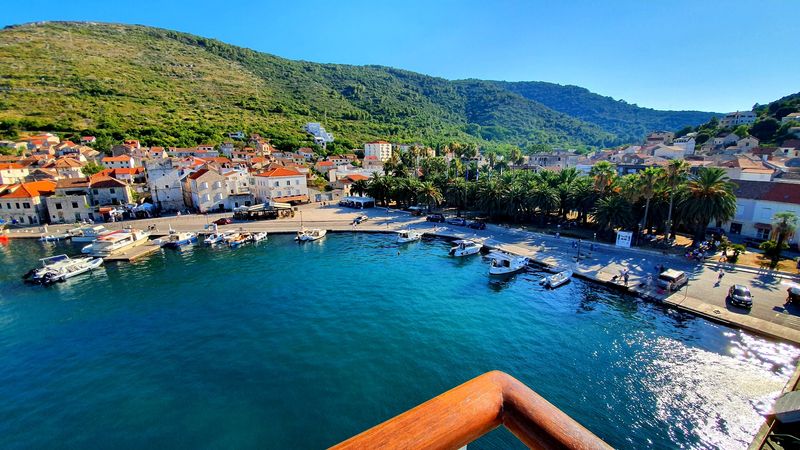
Croatia’s Adriatic coast has become one of Europe’s busiest summer destinations, but Vis Island has maintained a different atmosphere entirely, largely because getting there still requires a two-hour ferry ride from Split.
That distance has historically kept visitor numbers lower than on closer islands like Brac or Hvar, and the island’s economy reflects this with a continued reliance on fishing and agriculture. Indigenous grape varieties including Vugava and Plavac Mali are grown on steep terraced vineyards and produce wines that rarely leave the island in significant quantities. Vis Town has a layered history that includes Greek, Roman, and Venetian periods, with ancient remains visible alongside 19th-century Austrian fortifications.
Komiza on the western shore is an even smaller fishing village with a 16th-century Venetian tower and a handful of restaurants where the menu changes based on what was caught that morning. Boat trips from both towns reach secluded coves and the Blue Cave on nearby Bisevo island, an attraction that has not managed to make Vis feel crowded despite its fame.
13. Setouchi Region, Inland Sea, Japan
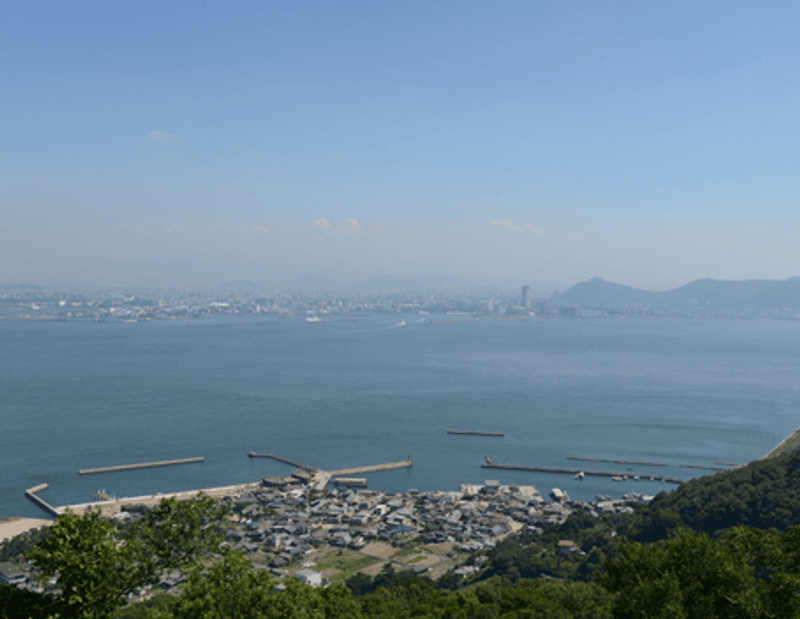
Japan’s Seto Inland Sea contains over 700 islands, and the Setouchi region that stretches across its calm waters is one of the country’s most rewarding destinations for travelers willing to let ferry timetables dictate their pace.
Naoshima has built an international reputation as an art island, with museums designed by architect Tadao Ando integrated into the landscape and site-specific installations scattered through the village streets. Shodoshima is larger and more agricultural, famous for olive cultivation and soy sauce production, with traditional breweries open for visitors to observe the fermentation process. Tomonoura on the mainland coast is a historic port town whose harbor layout has changed so little since the Edo period that it has been used as a film and animation location repeatedly.
Island ferries here run on reliable schedules and carry bicycles, making it practical to cycle around each island before catching the next boat. The absence of large hotels on most islands means accommodation tends toward small guesthouses where owners often provide the most useful local knowledge available.
Share this story