Ancient castles have stood for centuries, quietly holding onto secrets that even the most determined historians cannot fully unlock. Some mysteries have been solved through careful archaeological work, but others have resisted every investigation thrown at them. What makes these particular puzzles so fascinating is that they involve real places, documented events, and credible witnesses, yet the answers remain just out of reach. From vanishing royals to sealed underground tunnels and treasures that were never recovered, here are 13 castle mysteries that continue to baffle experts around the world.
1. The Hidden Chamber Beneath Rosslyn Castle
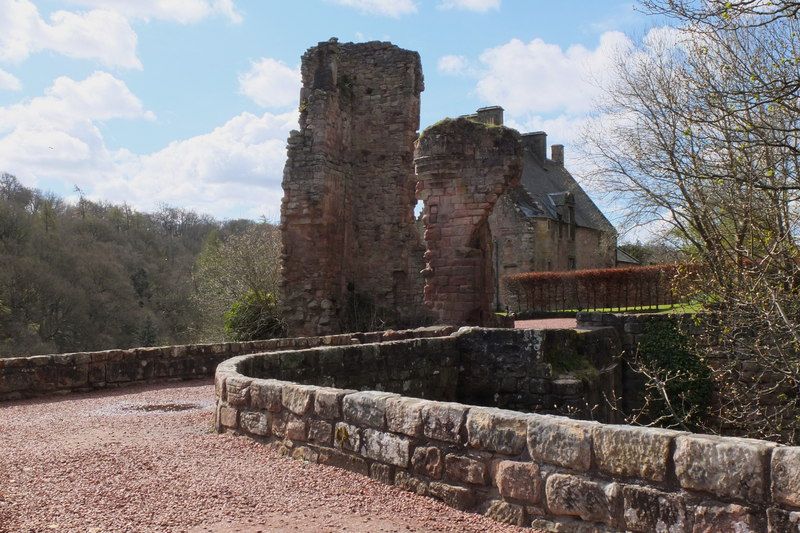
Rosslyn Chapel tends to attract most of the attention in the small Scottish village of Roslin, but the nearby castle has quietly accumulated its own collection of unanswered questions over the centuries.
Local tradition has long insisted that sealed underground chambers and forgotten tunnel networks extend beneath the castle’s foundations. These stories are not purely the product of imagination. Portions of underground passageways connected to the site have been physically documented by researchers and local historians.
The problem is that no investigation has ever determined the full extent of what lies below. Partial surveys have confirmed some structural anomalies beneath the ground, but access to certain areas remains blocked by collapsed sections or sealed stonework.
Whether additional rooms exist behind those walls, and what purpose they may have originally served, remains an open question. The St. Clair family, who built both the castle and the famous chapel, left behind no written inventory of every space they constructed on the property.
2. The Lost Treasure of Chateau de Montségur
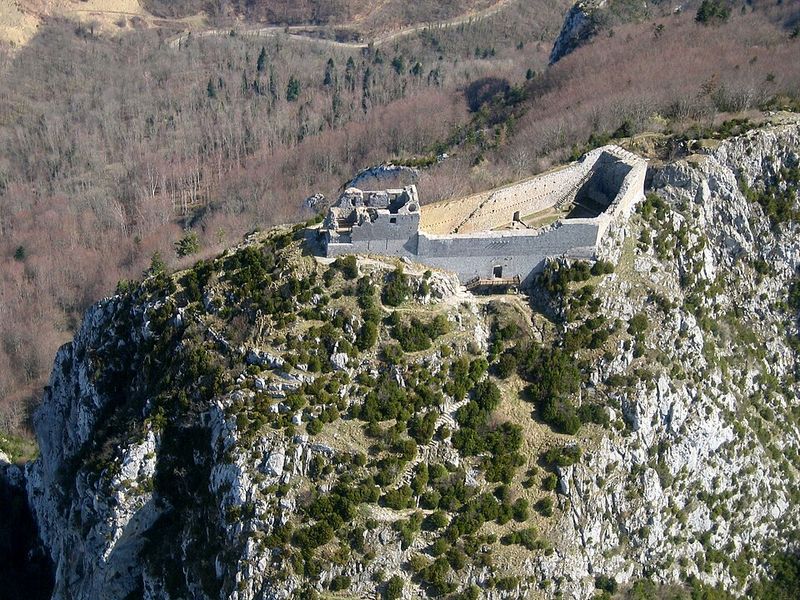
When French royal forces finally breached the Cathar stronghold of Montségur in March 1244, the siege had lasted nearly a year. The terms of surrender allowed the remaining defenders a two-week truce before they faced consequences for their resistance.
During that period, a small group reportedly escaped under cover of darkness carrying something described in contemporary accounts only as the Cathar treasure. No document from the time identifies what was actually taken.
Theories have ranged from gold and silver to sacred religious manuscripts, and more speculative interpretations have linked the missing cargo to the Holy Grail. None of those theories has produced a shred of verifiable physical evidence.
Archaeologists have surveyed the mountain and the surrounding region extensively. Some small artifacts have been recovered near the site, but nothing approaching a significant cache of valuables. The identity of those who escaped, their destination, and the contents of whatever they carried remain completely unresolved more than 780 years after the castle fell.
3. The Secret Tunnels of Edinburgh Castle
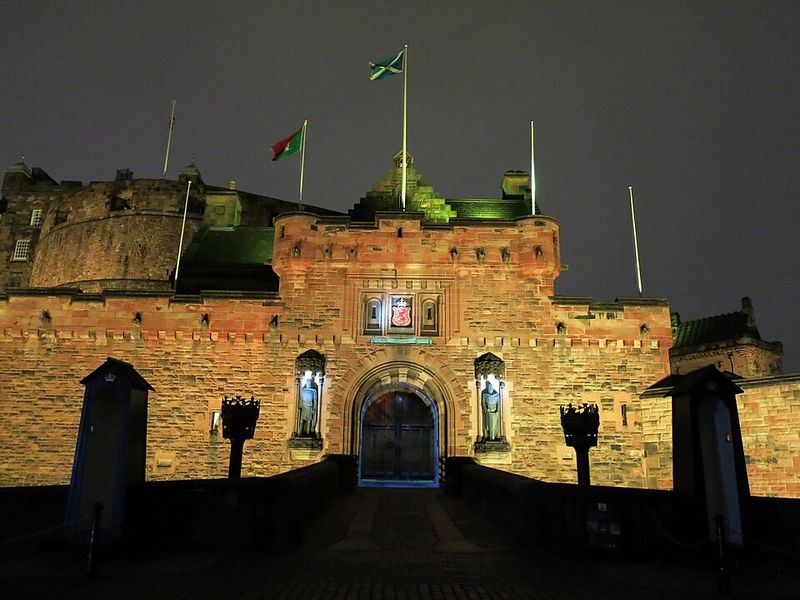
Few castle legends have proven as stubborn as the tunnel stories attached to Edinburgh Castle. For centuries, local accounts have described underground passages stretching from the fortress beneath the Royal Mile and into the Old Town below.
The most famous story involves a piper who was supposedly sent into one of the tunnels to map its direction by playing his bagpipes above ground. His music reportedly stopped without warning, and no trace of the man was ever found.
Archaeologists working beneath the Old Town have confirmed the existence of various underground structures, vaults, and chambers. However, the specific tunnel network described in the piper legend has never been fully located or traced to its supposed origin beneath the castle.
Some historians believe the stories grew from real but unconnected underground spaces that were later woven into a single dramatic narrative. Others maintain that sections of genuine medieval tunnels may still exist beneath the city, sealed by centuries of construction above them.
4. The Missing Crown Jewels of King John
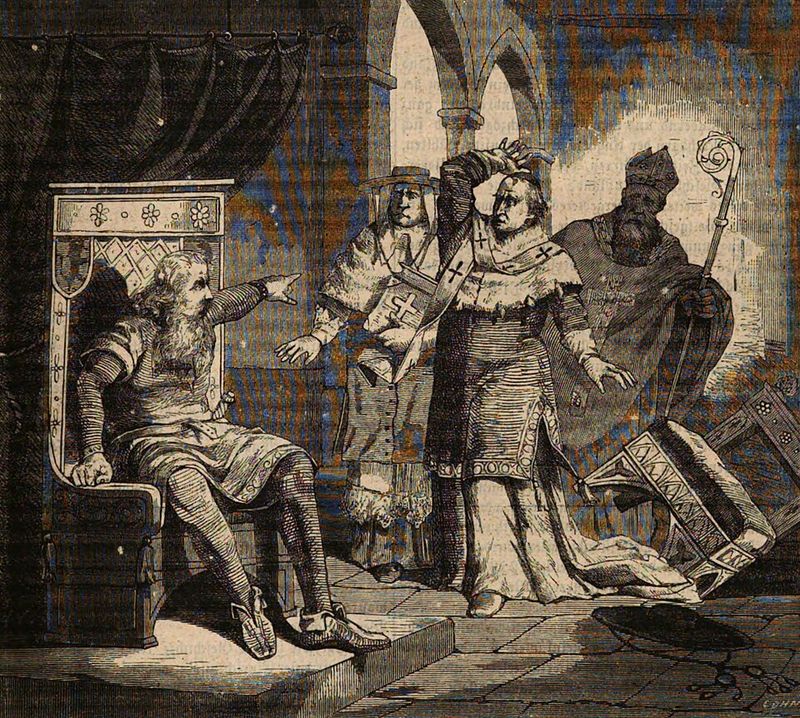
King John of England had a difficult final year. By October 1216, he was retreating across eastern England with his army, his treasury, and what remained of his royal regalia. He chose to cross the tidal estuary known as The Wash, a notoriously unpredictable stretch of marshland and tidal flats along the Norfolk and Lincolnshire coast.
According to the chronicler Roger of Wendover, writing shortly after the event, the baggage train became overwhelmed by rising tides and was lost. King John himself survived, but he was gravely ill and reached Newark Castle, where he passed away just days later.
What exactly was in that baggage train has never been established. Some accounts suggest it included crown jewels, gold plate, and significant financial reserves. Others argue the story was exaggerated by later writers.
Treasure hunters have searched The Wash for centuries without producing any confirmed finds from John’s convoy. Whether the treasure truly sank, was quietly recovered, or never existed in the quantities described remains genuinely unknown.
5. The Ghostly White Lady of Hohenzollern Castle
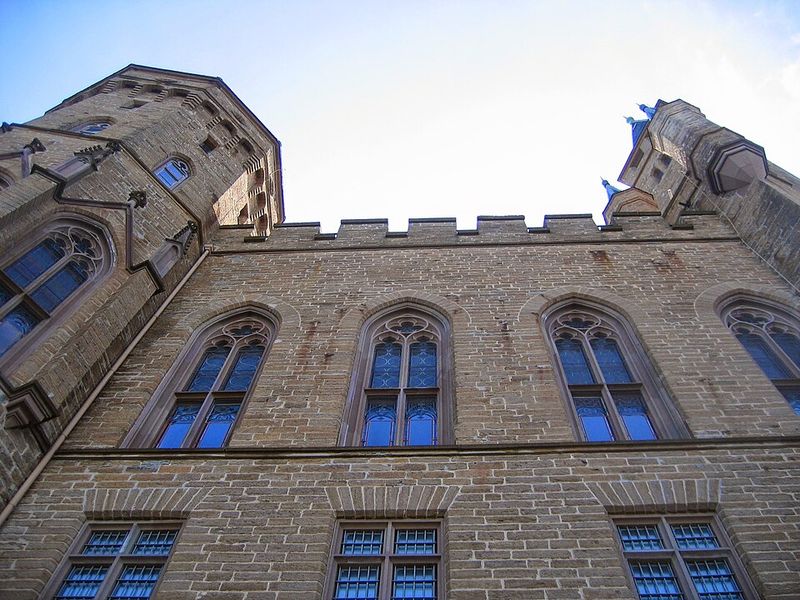
Hohenzollern Castle in Baden-Württemberg has been rebuilt multiple times over its history, but one feature of its reputation has remained remarkably consistent: the recurring accounts of a mysterious female figure known as the White Lady.
Reports of this apparition stretch back several centuries and share a consistent pattern. The figure is said to appear before significant events affecting the Hohenzollern family, functioning almost like an unofficial family herald of change.
Historians have attempted to trace the legend to a specific historical figure without success. Several candidates from the castle’s documented history have been proposed, including a countess from the medieval period, but no single identification has gained scholarly acceptance.
What makes this case genuinely puzzling is not the supernatural element, which historians naturally set aside, but the documented consistency of the reports across such a long timeframe. Accounts from different centuries describe the figure in similar terms, suggesting a persistent cultural tradition whose origin point has never been pinpointed in any surviving written record.
6. The Princes in the Tower
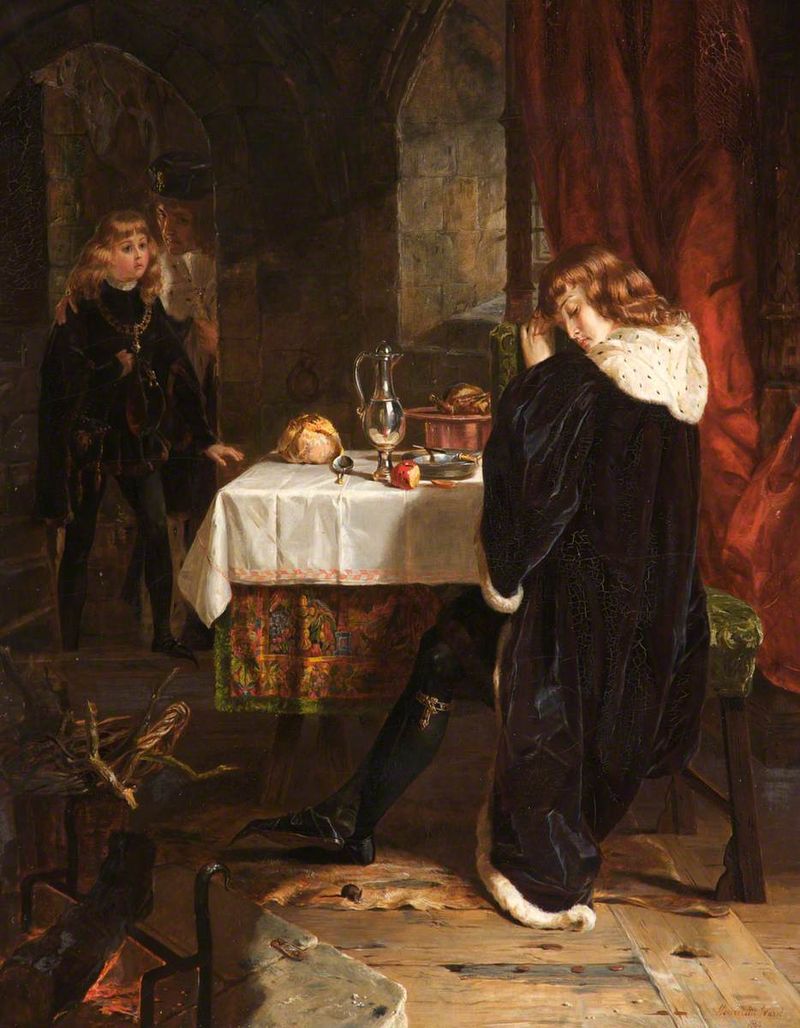
Royal succession has always been a dangerous game, and few cases prove that more clearly than the fate of Edward V and his younger brother Richard, Duke of York. In 1483, both boys were placed inside the Tower of London by their uncle, Richard, Duke of Gloucester, shortly before he claimed the throne as Richard III.
No credible record documents what happened to them after that point. The boys simply stopped appearing in public records, and no official explanation was ever provided.
In 1674, workers renovating a staircase inside the Tower uncovered skeletal remains believed to belong to two children. Those remains were placed in Westminster Abbey, but modern forensic identification has never been completed due to restrictions on examining royal burial sites.
Historians have debated for over five centuries whether Richard III ordered their removal from the world, or whether another political figure was responsible. No confession, no trial, and no conclusive physical evidence has ever resolved this case.
7. The Vanishing Builders of Corvin Castle’s Well
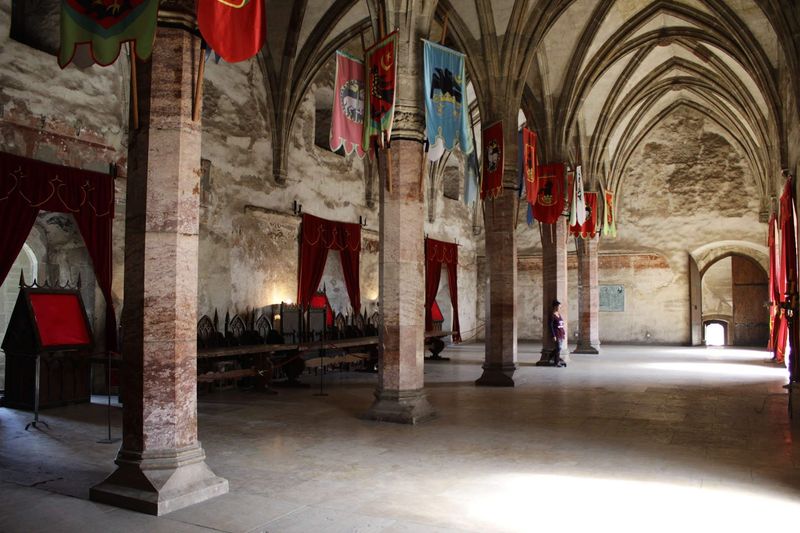
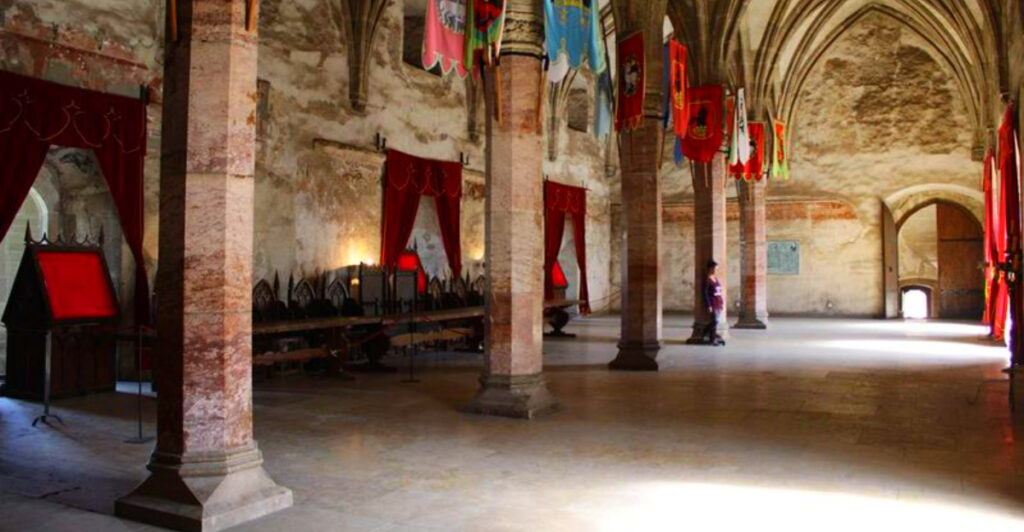
Corvin Castle in Hunedoara, Romania, is one of the most visually striking Gothic fortresses in Europe, but its most debated feature might be a well rather than any of its towers. The castle’s well is approximately 30 meters deep, carved through solid rock, and according to local legend, the work was done by Ottoman prisoners who were promised freedom upon completing it.
The story claims that after 15 years of labor, the prisoners reached water but were denied the freedom they had been promised. An inscription carved into the well’s interior is often cited as proof of their frustration and betrayal.
The problem is that scholars have never reached consensus on the inscription’s exact wording, its original language, or even whether it dates from the medieval period at all. Some researchers believe the inscription is authentic. Others argue it was added later to support a legend that was already circulating.
The historical record of who actually dug the well, and under what conditions, contains no reliable documentation from the castle’s own administrative records.
8. The Hidden Rooms of Windsor Castle
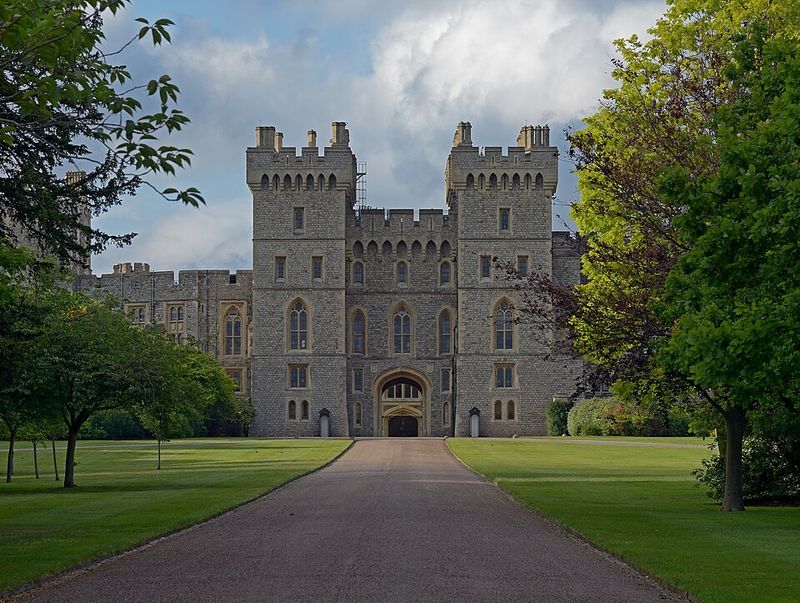
Windsor Castle holds the distinction of being the oldest continuously occupied castle in the world, with a history stretching back to the Norman Conquest of 1066. That kind of longevity comes with a particular side effect: layers upon layers of construction, renovation, and rebuilding that have effectively buried portions of the original structure.
Over the centuries, workers carrying out routine maintenance or major restoration projects have repeatedly uncovered spaces that were not recorded in any existing architectural plan. Forgotten staircases, sealed doorways, and rooms that simply dropped out of the castle’s official record have turned up during various phases of work.
The challenge for historians is that Windsor’s building records are incomplete, particularly for its earliest medieval phases. Fires, political upheavals, and deliberate alterations during the reign of multiple monarchs have created gaps in the documentation.
Researchers suspect that sections of the original medieval layout may still exist behind later walls, effectively sealed in place by centuries of renovation work that prioritized function over historical preservation.
9. The Underground Secrets of Predjama Castle
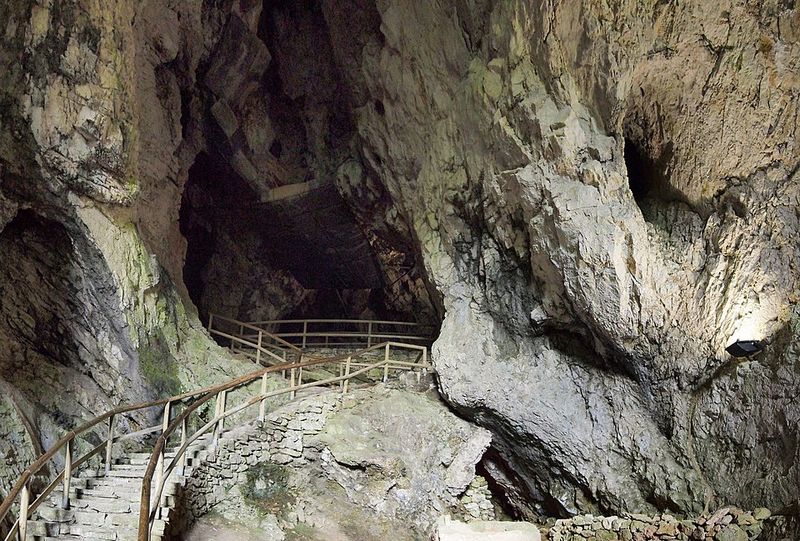
Built directly into the mouth of a limestone cave in Slovenia, Predjama Castle is one of the most architecturally unusual fortresses ever constructed. Its position gave occupants a significant tactical advantage: access to a network of natural caverns that allowed movement in and out of the castle even during extended sieges.
The most documented case involves Erazem of Predjama, a 15th-century knight who reportedly held out against a Habsburg siege for more than a year by using the cave passages to receive supplies from outside. The siege reportedly ended not through military force but through a tip from an informant inside the castle.
Researchers have explored portions of the cave system connected to the castle, but the full extent of the medieval passage network has never been definitively mapped. Some sections remain physically inaccessible due to cave-ins and water accumulation.
Historians continue to study which routes were actually used during the famous siege, and whether additional man-made modifications to the natural caves were created during the castle’s occupation that have since been lost to time.
10. The Fate of the Missing Crown Jewels at Dublin Castle
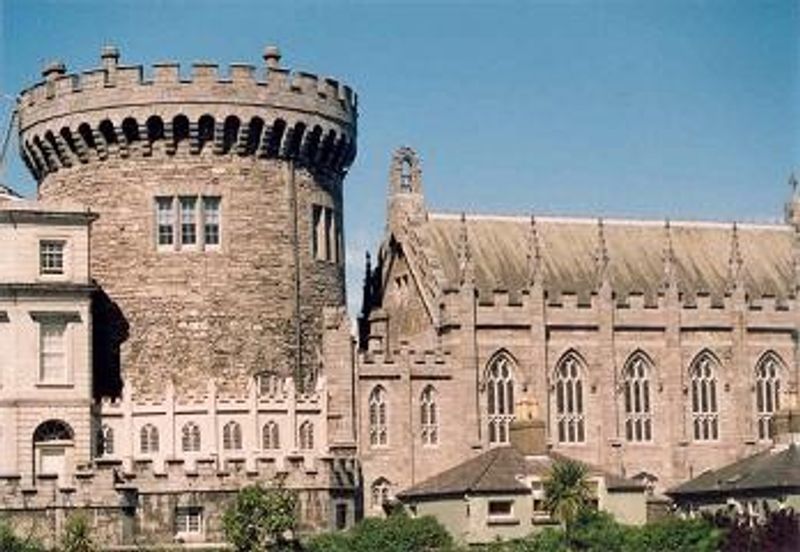
In the summer of 1907, something remarkable happened at Dublin Castle: the Irish Crown Jewels vanished. These were not minor decorative pieces. The collection included the diamond-studded star and badge of the Order of St. Patrick, pieces of significant historical and monetary value that had been stored in a safe inside the Office of Arms.
The theft was discovered just days before a scheduled royal visit by King Edward VII, making the embarrassment as significant as the loss itself. An extensive investigation followed, involving police and government officials at the highest levels.
Despite that investigation, no one was ever charged with the theft. The jewels have never been recovered or surfaced in any documented sale or collection. Suspicion fell on various individuals connected to the castle, but no prosecution was ever brought forward.
Theories about the theft have ranged from inside jobs to politically motivated removal, but over a century later, the official record remains a blank. The jewels’ location is completely unknown.
11. The Strange Symbols at Chateau de Chinon
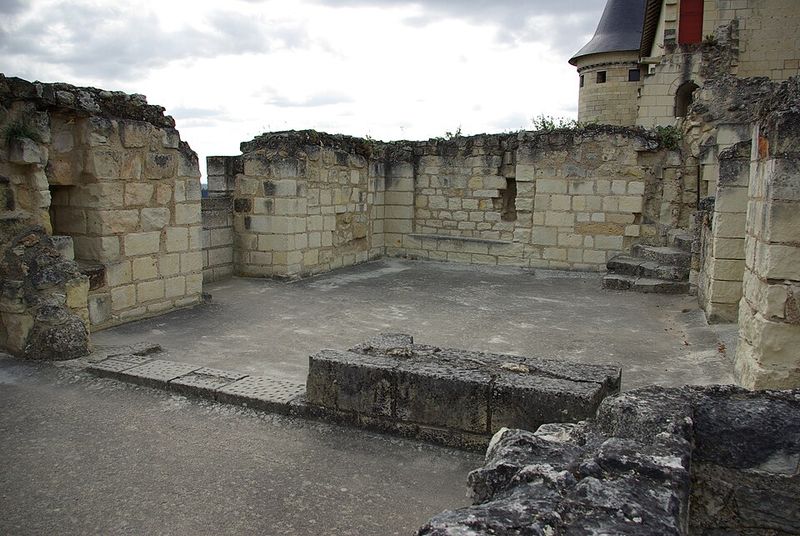
Chateau de Chinon carries significant weight in French history. This is where Joan of Arc first met the Dauphin, the future Charles VII, in 1429, convincing him of her mission with what witnesses described as an almost inexplicable certainty. The castle’s walls hold carvings and symbols whose meanings have never been fully agreed upon by researchers.
Some of the markings are consistent with medieval masons’ marks, a standard practice where craftsmen identified their work using personal symbols. Those have been catalogued and largely explained.
Other carvings are less straightforward. Certain symbols do not match any known guild or craft tradition from the region or period, and their placement within the castle does not follow the patterns typical of decorative or structural marking.
A subset of researchers has proposed connections to the Knights Templar, who had a documented presence in the Chinon region and whose trial documents were actually discovered in the Vatican Archives in 2001. Whether those symbols carry any coded meaning or represent something more ordinary remains a genuinely open question among medieval historians.
12. The Disappearance of Czocha Castle’s Hidden Treasure
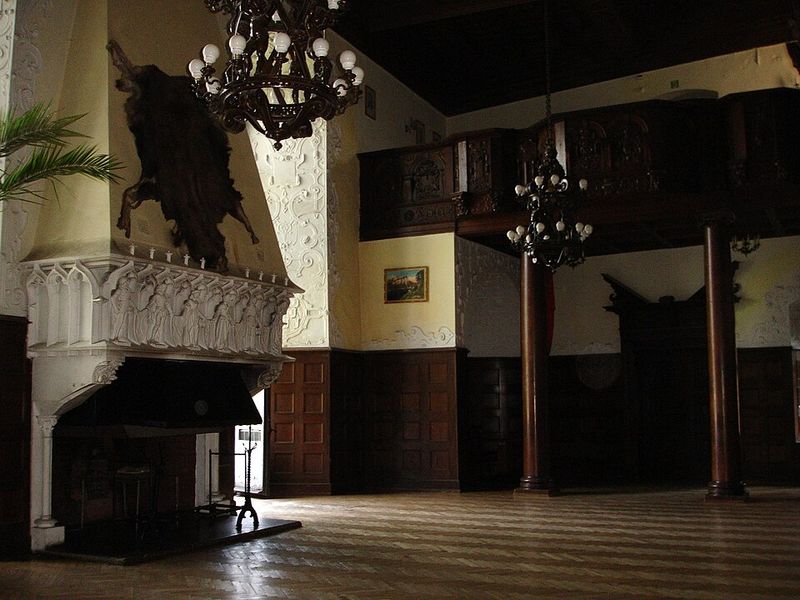
Czocha Castle in southwestern Poland has a long and layered history, passing through multiple owners across several centuries before becoming a landmark in the region. Its final chapter before the modern era coincided with one of the most chaotic periods in European history, and that timing is central to its most persistent mystery.
As the Second World War drew toward its conclusion, stories circulated that valuables were concealed within the castle before advancing forces arrived. This was not an unusual practice. Many estates and fortresses across Poland and Germany were used as temporary hiding places for art, currency, and private collections during that period.
Subsequent searches of Czocha Castle have revealed hidden compartments, concealed spaces, and structural modifications that suggest the castle was used for storage at some point. However, no significant cache of valuables has ever been definitively identified and recovered.
Whether any treasure actually remains inside the walls, was quietly removed before searchers arrived, or was never there in the quantities described by local accounts is a question that decades of investigation have not resolved.
13. The Lost Passages Beneath Chateau de Chambord
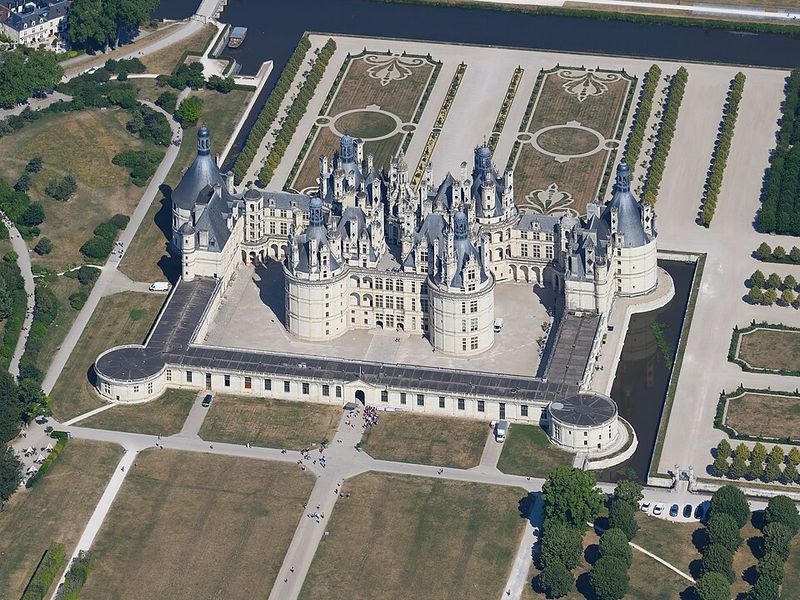
Chateau de Chambord is one of the most recognizable Renaissance structures in the world. Built beginning in 1519 under Francis I of France, it features 440 rooms and a double-helix staircase whose design has long been associated with Leonardo da Vinci, who spent his final years at a nearby estate under the king’s patronage.
The above-ground architecture has been studied extensively. What lies beneath it is less certain. Recurring reports from restoration workers and castle administrators over the years have described sealed corridors and blocked underground passageways that do not appear on any official architectural plan.
Some of these spaces have been opened during renovation projects, revealing forgotten storage areas and utility passages. Others remain physically sealed, their contents and original purpose unknown.
Historians are not certain whether all underground areas connected to the original construction have been located. The castle was modified repeatedly after Francis I, and deliberate sealing of certain spaces during later periods of ownership may have removed them from the documented record entirely, leaving their purpose permanently unclear.
Share this story