There is a small town in Tennessee where the population barely breaks 6,000, yet millions of people from around the world have made a point to visit. The draw is not a theme park or a famous landmark in the traditional sense.
It is a working distillery with a story so layered in history, craftsmanship, and local character that people travel from every corner of the globe just to walk the grounds. From the charcoal-mellowing process to the aging barrel houses and the guides who clearly love every word they share, this place has a way of turning a simple road trip stop into something genuinely memorable.
If you have ever been curious about what makes one small Tennessee town land on nearly every American bucket list, the answer starts at 280 Lynchburg Hwy.
How a Young Man Named Jack Built Something Lasting
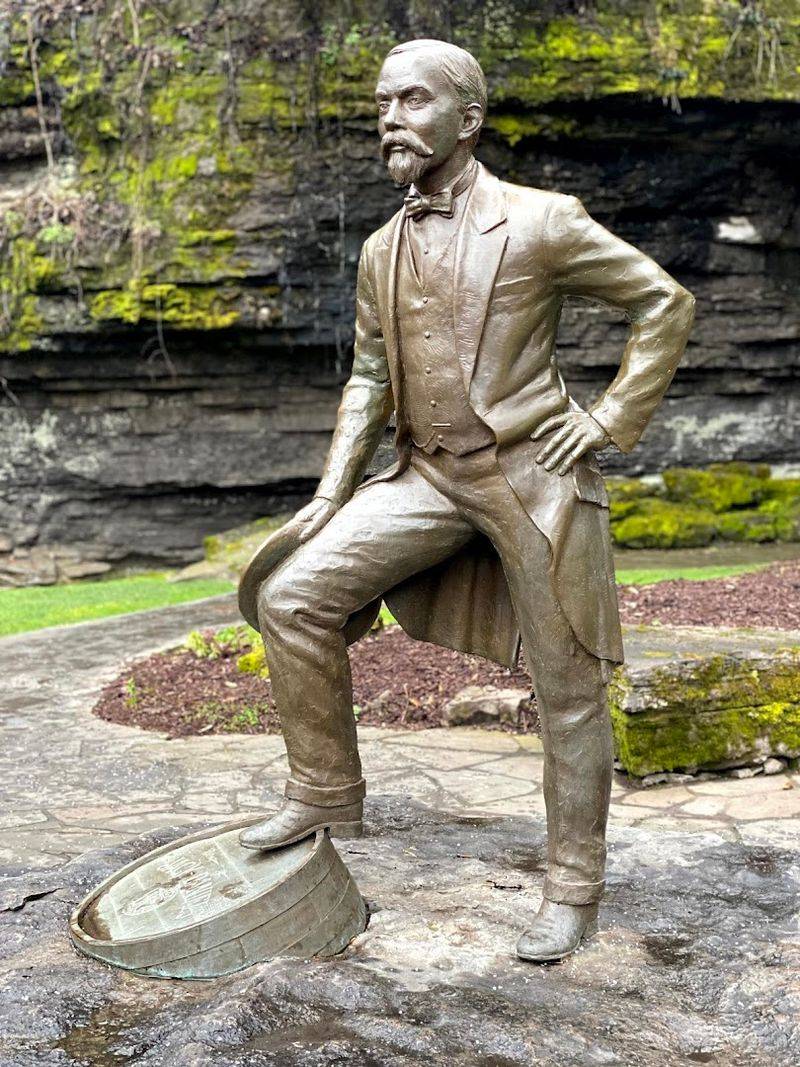
Jasper Newton Daniel, known to the world as Jack, started learning the craft of distilling as a young boy in Tennessee. He learned from a preacher and businessman named Dan Call, who eventually handed the operation over to Jack entirely.
By the time Jack registered his distillery in 1866, he was still a young man with a very specific vision for how things should be done.
One detail that keeps coming up on tours is the connection between Jack Daniel and Nearest Green, an enslaved man who is widely credited with teaching Jack the art of distilling. That relationship has become an important part of the story told on the property today, and tour guides share it with genuine care and depth.
The history between these two figures adds a layer of meaning that goes well beyond the product itself. Understanding that background before you arrive makes the tour significantly richer.
The Charcoal Mellowing Process Nobody Forgets
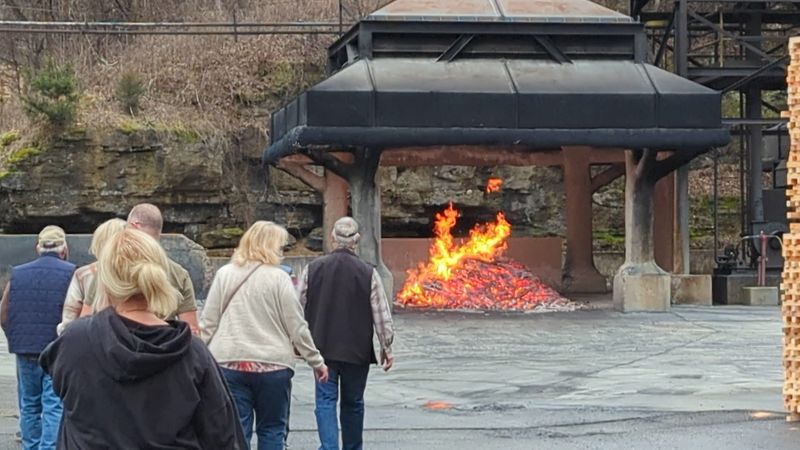
Most people arrive at the distillery knowing the name on the bottle but having no idea what actually makes the product different from other American whiskeys. The answer is something called the Lincoln County Process, and it is the step that sets Tennessee whiskey apart from bourbon.
The spirit is filtered slowly through ten feet of sugar maple charcoal before it ever goes into a barrel.
Watching this process during the tour is one of those moments where you genuinely stop and think about how much patience goes into every bottle. The charcoal is made right on the property by burning sugar maple wood, and the filtering alone takes several days.
Nothing is rushed.
Tour guides explain this step clearly and answer every question the group throws at them. By the time you move on to the next part of the tour, you find yourself looking at the bottles in a completely different way.
Inside the Barrel Houses Where Time Does the Work
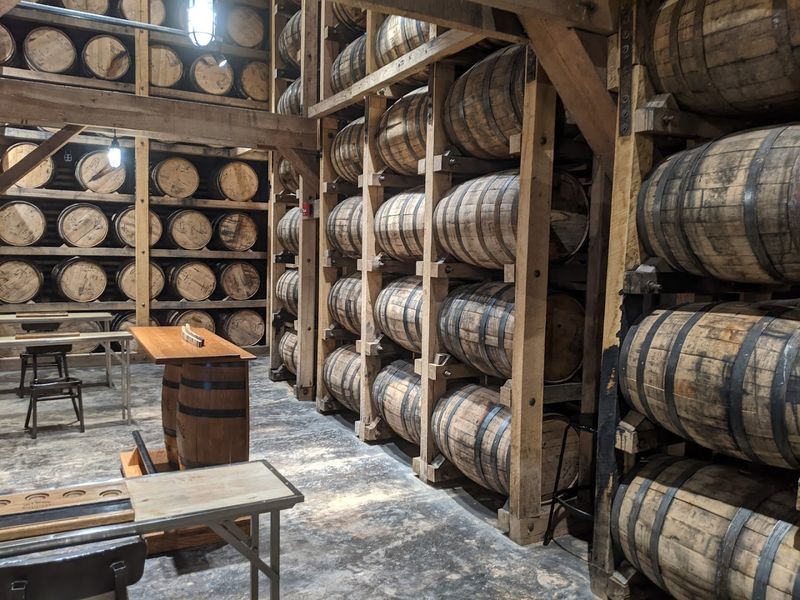
The barrel houses on the property are hard to describe until you are standing inside one. Rows upon rows of white oak barrels stretch up several stories, each one holding spirit that is quietly aging in the Tennessee climate.
The temperature swings between seasons are part of what shapes the final character of what ends up in the bottle.
Each barrel is used only once for aging, which means the demand for new barrels is constant. The cooperages that supply the distillery have their own craft and tradition, and the tour touches on that relationship as well.
Seeing thousands of barrels in a single warehouse gives you a real sense of the scale involved in producing something at this level.
The smell inside a barrel house is something you do not forget. It is warm, woody, and slightly sweet in a way that feels completely tied to the place.
That sensory detail alone makes the barrel house stop one of the most talked-about moments of the visit.
The Old Cabin That Started Everything
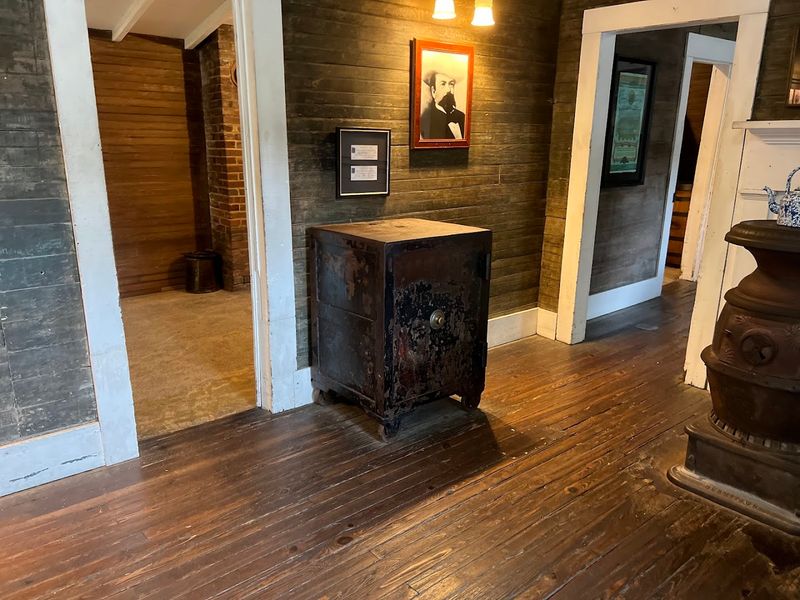
On the property, there is an original cabin that Jack Daniel used when he was running the early operation. It is not a reconstruction or a replica.
The actual structure that Jack worked out of still stands on the grounds, and visitors get to see it as part of the tour.
Standing near it, you get a clear sense of how modest the beginnings were compared to the global brand the distillery eventually became. The cabin is small, weathered, and completely authentic.
It does not try to be more than it is, which makes it more affecting than any polished exhibit could be.
Tour guides use the cabin as an anchor point for the broader story of how the operation grew from one man working in rural Tennessee to a product sold in countries around the world. That contrast between the humble starting point and the current scale of the business is one of the most genuinely interesting parts of the entire visit.
Tour Options for Every Level of Curiosity
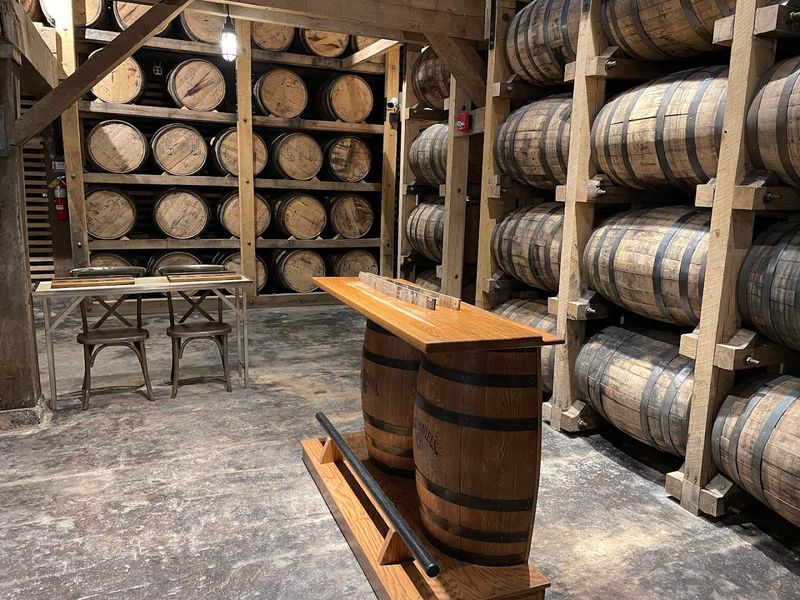
The distillery offers several different tour options, so the experience can be tailored depending on how deep you want to go. The standard history tour covers the production process, the property’s history, and the key steps that go into making the product.
The Bonded Tour goes further, offering a more detailed look at specific aspects of the operation that casual visitors might not encounter otherwise.
Booking in advance is genuinely important, especially on weekends. Multiple visitors have mentioned showing up without a reservation and running into availability issues, particularly during busy events like the World Championship Invitational BBQ held on the grounds annually.
Tour prices are reasonable for what you get, and the guides are consistently one of the most praised parts of the experience. Names like Morgan, Casey, Kim, Hannah Grace, Courtney, and Rooster come up frequently, and the enthusiasm these guides bring to the tour makes a real difference in how much you take away from the visit.
What the Tasting Experience Actually Looks Like
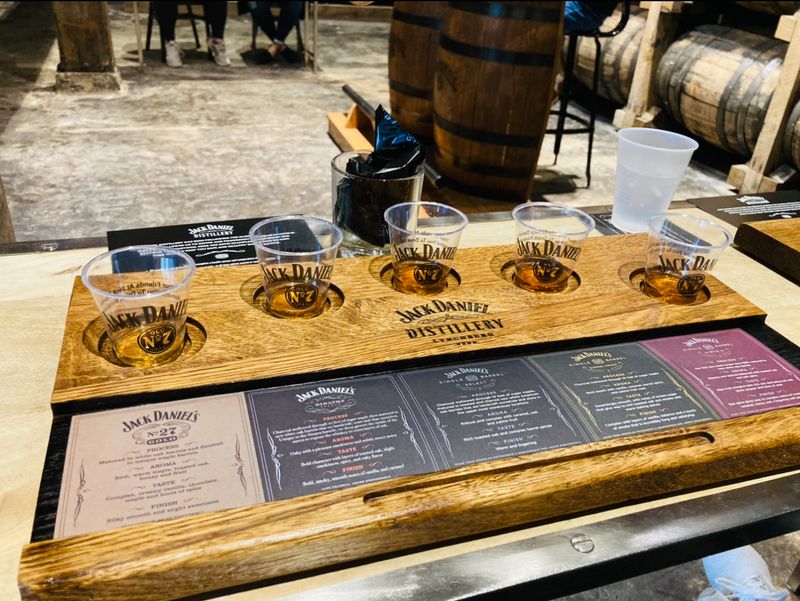
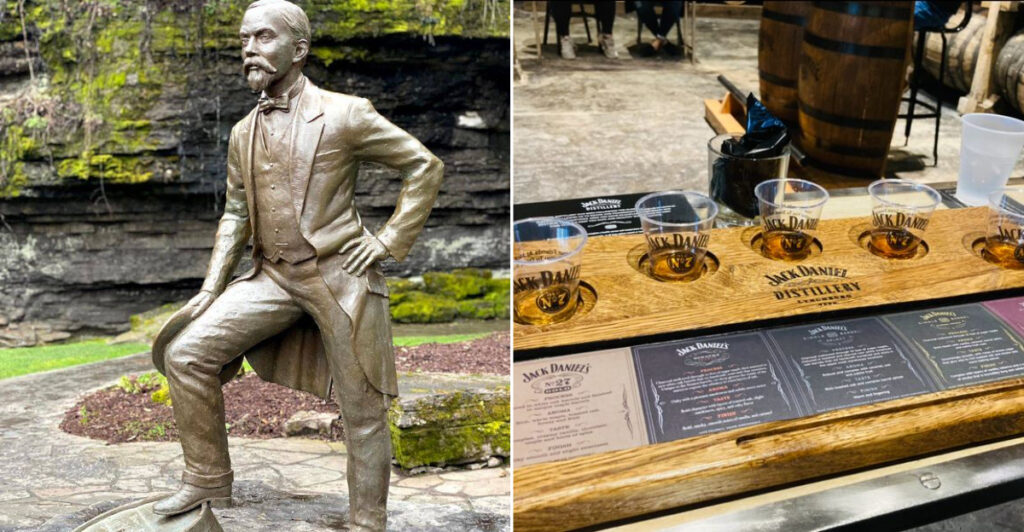
At the end of the tour, visitors get the chance to sample different expressions of the product. The tasting portion is not a large pour, and that is worth knowing ahead of time so the expectation is set correctly.
It is a small, focused tasting designed to highlight the differences between varieties rather than to provide a full serving.
Guides walk through each sample with the same care they bring to the rest of the tour, explaining how different production choices affect the final flavor. The Single Barrel expression tends to get the most attention during tastings, and the blackberry variety has earned its own fans among visitors who might not typically gravitate toward whiskey.
One practical tip that circulates among visitors: if you stop into the White Rabbit Bottle Shop or the souvenir shop after the tour, mention that you were on a distillery tour. Some visitors have reported receiving a free shot glass as a thank-you.
It is a small gesture, but a genuinely appreciated one.
The White Rabbit Bottle Shop and What You Can Only Buy Here
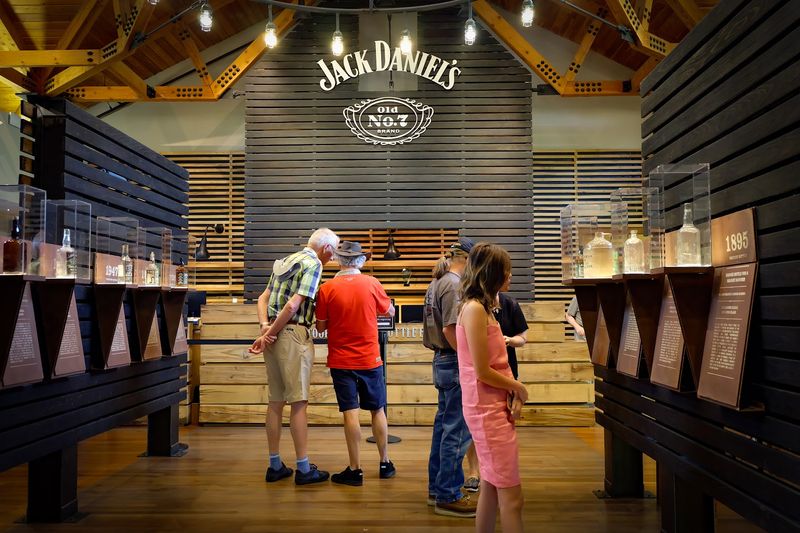
One of the reasons people make a point of visiting in person rather than just ordering online is the White Rabbit Bottle Shop. Certain bottles produced at the distillery are only available for purchase on the grounds, meaning you genuinely cannot get them anywhere else.
That exclusivity turns the shop into a destination within the destination.
Limited-edition releases and Tennessee-only bottles draw collectors and enthusiasts who plan their visits specifically around availability. The staff at the shop are knowledgeable about what is currently in stock and which bottles are particularly notable, and they take the time to explain the differences between options.
Even if you are not a collector, browsing the shop is interesting simply because of how much variety exists under one brand name. The range of products available on-site tells a story about how the distillery has grown and experimented over the years.
Picking up something that cannot be found outside of Tennessee adds a tangible, personal connection to the visit.
The Grounds Tell Their Own Story
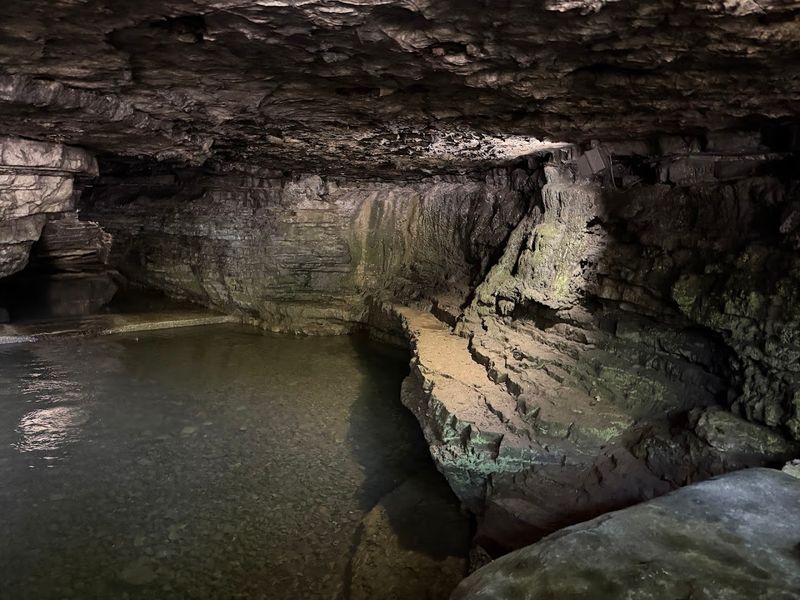
The physical property at the distillery is more than just a backdrop for the tour. The grounds include Cave Spring Hollow, the natural limestone spring that has supplied iron-free water to the distillery since Jack Daniel’s time.
That water source is considered essential to the character of the product, and seeing it in person puts the whole operation into geographical context.
The landscape around Lynchburg is rolling and green, and the distillery grounds feel like they belong exactly where they are. Stone buildings, open paths, and mature trees give the property a settled, unhurried atmosphere that makes visitors want to slow down and look around rather than rush through.
The overall layout is well organized, which makes moving between stops on the tour easy even for people who are not especially familiar with how distilleries work. Everything flows in a logical sequence, and the grounds themselves feel like part of the education rather than just scenery between stops.
Why Lynchburg Itself Deserves Time on Your Itinerary
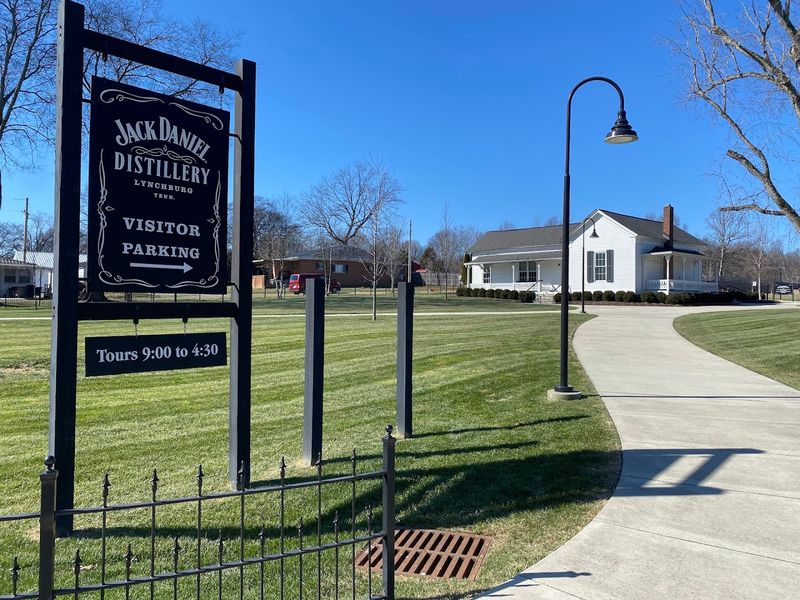
Lynchburg is a small town in every sense of the word, but it carries itself with a kind of confidence that comes from knowing its place in American history. The town square sits close to the distillery and features the Moore County courthouse at its center, surrounded by local shops and a pace of life that feels genuinely unhurried.
Several visitors specifically mention that the town is worth exploring after the distillery tour rather than heading straight back to the highway. Local spots around the square offer food, souvenirs, and a chance to absorb a bit of small-town Tennessee culture that does not feel manufactured for tourists.
Moore County is famously a dry county, which means the product made at the distillery cannot be purchased by the glass at local bars. That quirk of local law is one of the more surprising facts that comes up on tours and in conversations around town.
It is the kind of detail that makes Lynchburg stick in your memory long after you leave.
The Distillery That Put Lynchburg on the Map
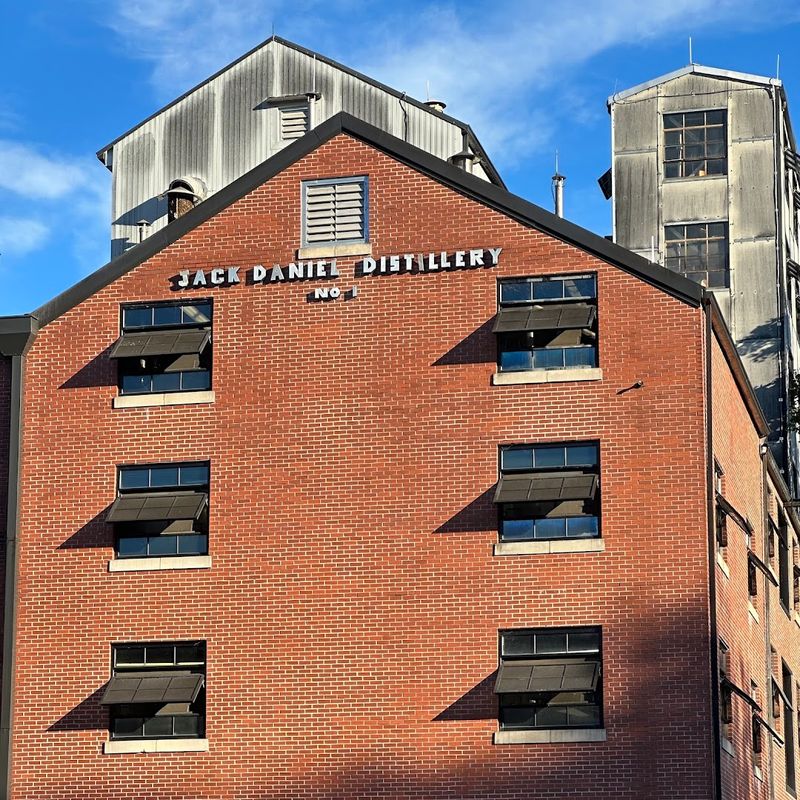
Jack Daniel’s Distillery sits at 280 Lynchburg Hwy, Lynchburg, Tennessee 37352, right in the heart of Moore County. The address is easy to find, and once you arrive, the scope of the property makes it clear this is no small operation.
This is the oldest registered distillery in the United States, a title it has held since 1866.
What surprised me most was how the surrounding town of Lynchburg feels genuinely connected to the distillery rather than just existing alongside it. The property itself is expansive, with stone buildings, open grounds, and a visitor center that welcomes guests every day from 9 AM to 5 PM.
You can reach the distillery by phone at 931-759-6357 or plan your visit through jackdaniels.com.
Getting here is straightforward, and the moment you step onto the grounds, the history of the place settles in quickly. This is a real, working distillery, not a museum replica.
Share this story