Somewhere off a quiet dirt road in East Tennessee, a castle rises from the trees without a single blueprint ever having been drawn. No architect signed off on it.
No contractor managed the build. One man, driven by faith and a vision he says came from somewhere beyond himself, has spent years stacking stone, pressing shells into mortar, and filling corridors with details that stop visitors cold.
This is not a polished tourist destination. It is something rarer and harder to explain, a place that rewards curiosity and leaves most people talking about it for the rest of the day.
How A Castle Grew Without Any Plans
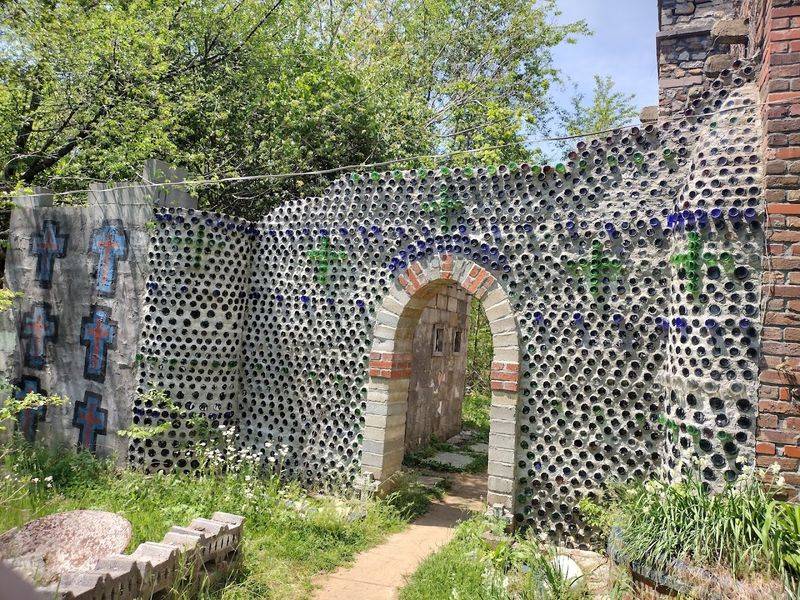
Most buildings start on paper. Greenback Castle started in Junior Banks’ mind and moved directly into his hands.
He worked without blueprints, without diagrams, and without formal construction training, shaping every wall, corridor, and room based entirely on instinct and faith.
The result is a structure that does not follow any conventional design logic. Rooms connect in unexpected ways.
Corridors open into spaces that feel deliberately theatrical. Every surface carries some kind of embedded detail, whether pressed shells, colored glass, tiles, or marbles worked into the mortar while it was still soft.
What makes this particularly striking is that Banks reportedly sold other properties he owned along the road to fund the construction. The castle was not a hobby he squeezed between other obligations.
It was, and still is, the central project of his life. That level of commitment shows in every square foot of the place.
A Religious Vision Pressed Into Stone
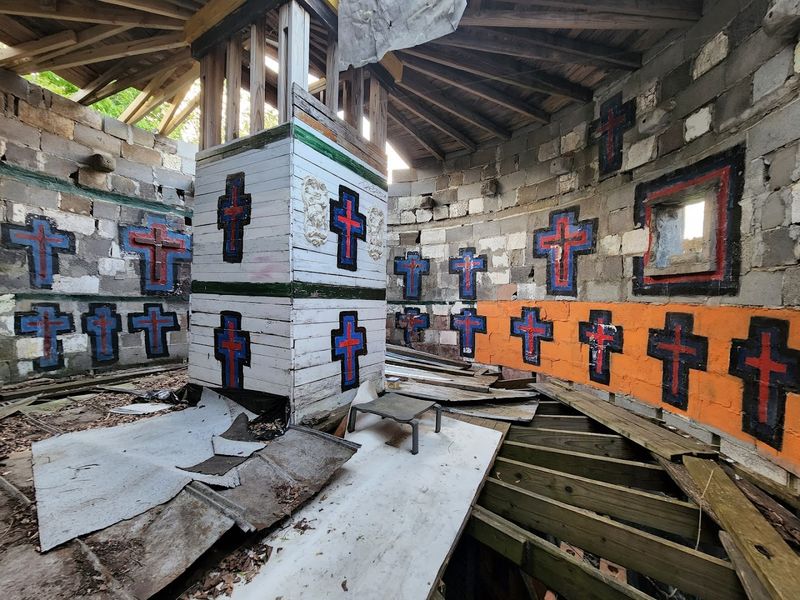
Greenback Castle is, at its core, a religious structure. Junior Banks has been open about this from the beginning.
He built it as a physical expression of his Christian faith, and that intention shows up throughout the property in ways that range from subtle to unmistakable.
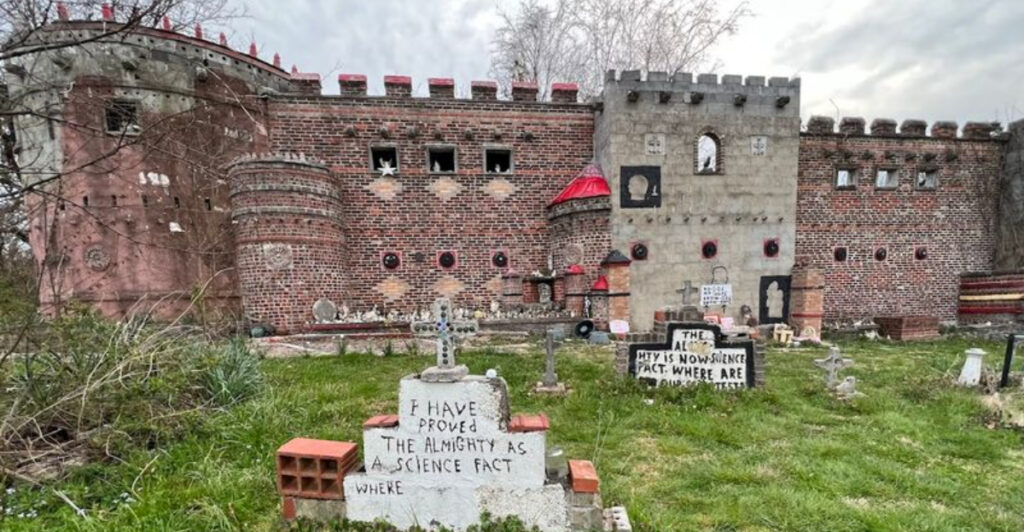
Crosses appear in the stonework. Scriptural references are embedded in the walls.
The overall project, which Banks describes as a fortress of faith, reflects his belief that time is short and that people need a visible reminder of something larger than everyday life.
Visitors who arrive expecting a neutral roadside curiosity sometimes find the religious content surprising. Others find it adds a layer of sincerity to the whole experience.
Either way, it is not hidden or apologetic. Banks built this as a statement, and the statement is woven into every inch of mortar and stone on the property.
The castle is his sermon in three dimensions.
What The Exterior Looks Like Up Close
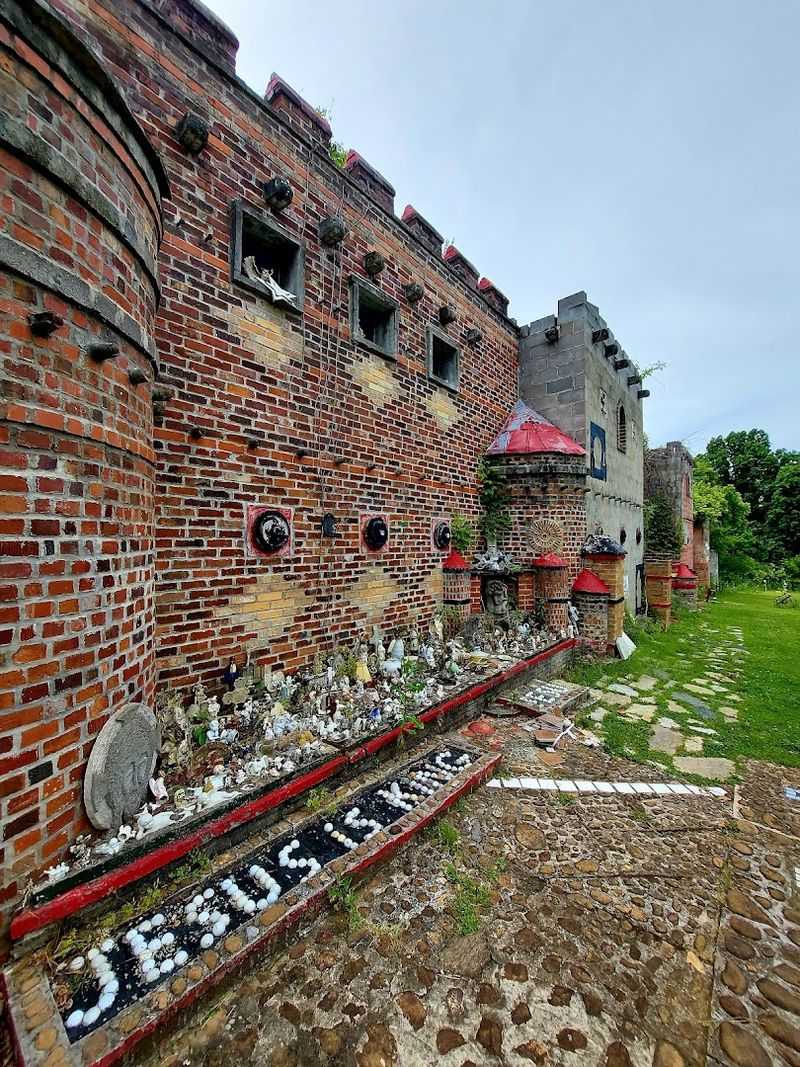
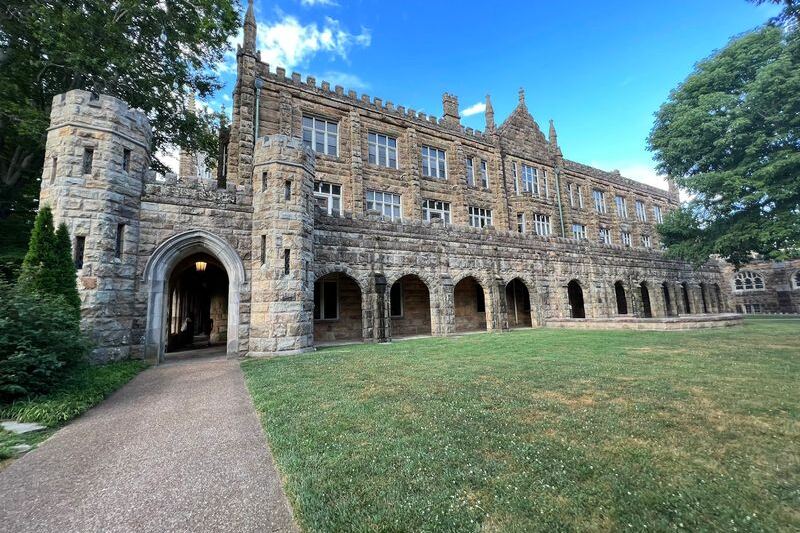
From a distance, the structure reads as a castle in the traditional sense: towers, thick walls, irregular rooflines. Up close, the surface becomes something entirely different and far more interesting to study slowly.
Banks pressed seashells, glass bottles, marbles, ceramic tiles, and fragments of colored glass into the mortar while building. The result is a facade that catches light differently depending on the time of day.
Morning sun pulls out the blues and greens in the glass. Late afternoon brings the warm tones in the tiles forward.
None of this was sourced from a specialty supplier. Banks has welcomed donations of these materials from visitors over the years, which means the exterior is partly a community project without ever being planned that way.
People drop off tiles, shells, and glass, and those contributions get worked into the next section of wall. The castle is literally built from what people bring to it.
Rooms And Corridors That Reward Slow Exploration
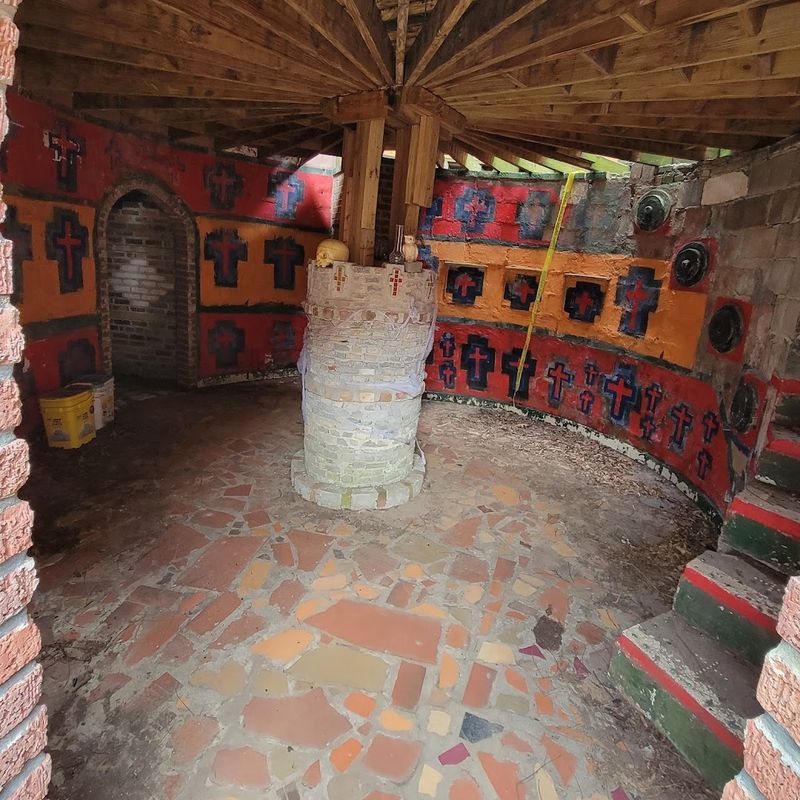
The inside of Greenback Castle is not a museum with labeled exhibits and clear pathways. It is more like a maze that someone decorated while thinking about every surface at once.
Each room holds something different, and visitors who move quickly tend to miss most of it.
Corridors narrow unexpectedly. Ceilings shift in height from one section to the next.
Some rooms feel enclosed and atmospheric. Others open up in ways that feel almost theatrical, as if Banks designed them to produce a specific reaction when you cross the threshold.
Visitors are generally free to wander through rooms and corridors on their own, which makes the experience feel genuinely exploratory rather than guided and controlled. The trade-off is that some enclosed spaces have developed mold over time due to the ongoing and unfinished nature of the construction.
People with strong sensitivities to mold may want to stay in the more open sections of the property rather than the enclosed interior rooms.
The Wildflowers And Trails On The Property
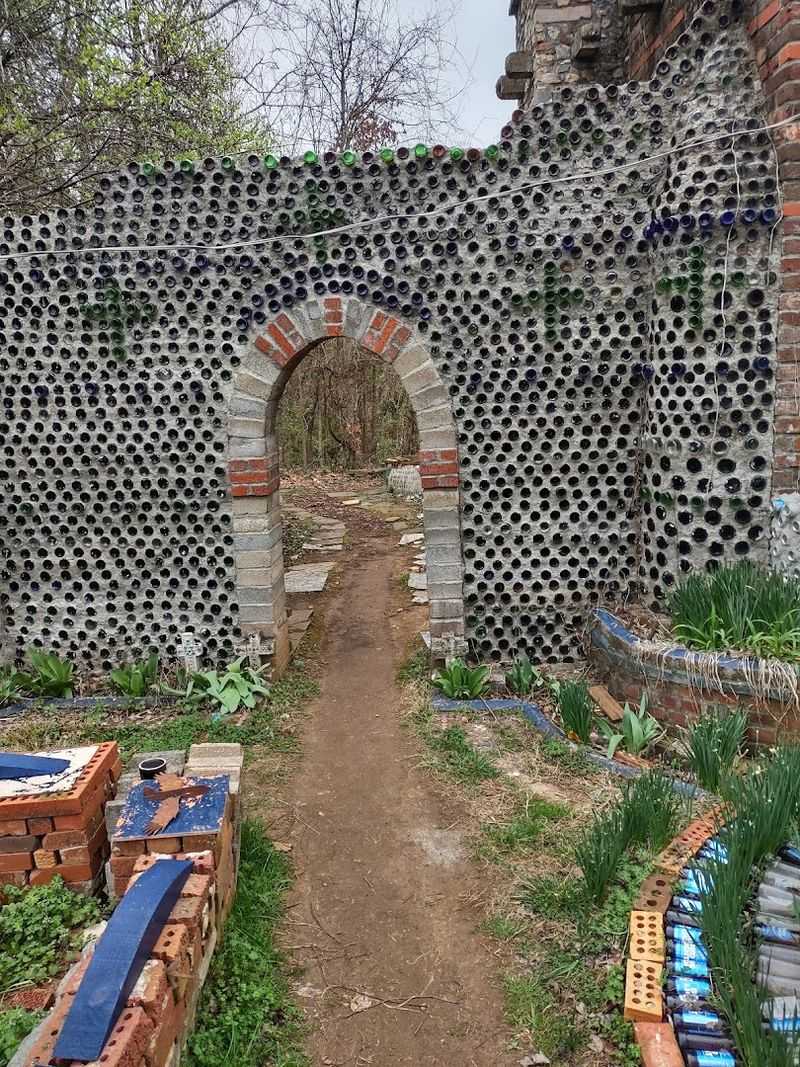
The castle itself gets most of the attention, but the surrounding land is worth slowing down for as well. Trails wind through the property, cut through sections of Tennessee woodland that feel genuinely quiet and unhurried.
Wildflowers grow along both sides of at least one of the cleared side trails, and visitors who catch the property during the right season find the contrast striking. Stone and mortar give way to tall grass and blooms within a few steps, which shifts the whole mood of the visit.
The trees on the property are mature and provide real shade during warmer months, which makes a slow walk through the grounds far more comfortable than the Tennessee summer heat might suggest. Some visitors come specifically to walk the trails and treat the castle almost as a backdrop to a nature walk.
Both approaches work fine here. The property has enough space and variety to support either kind of visit without feeling rushed or crowded.
Getting There And What To Expect On Arrival
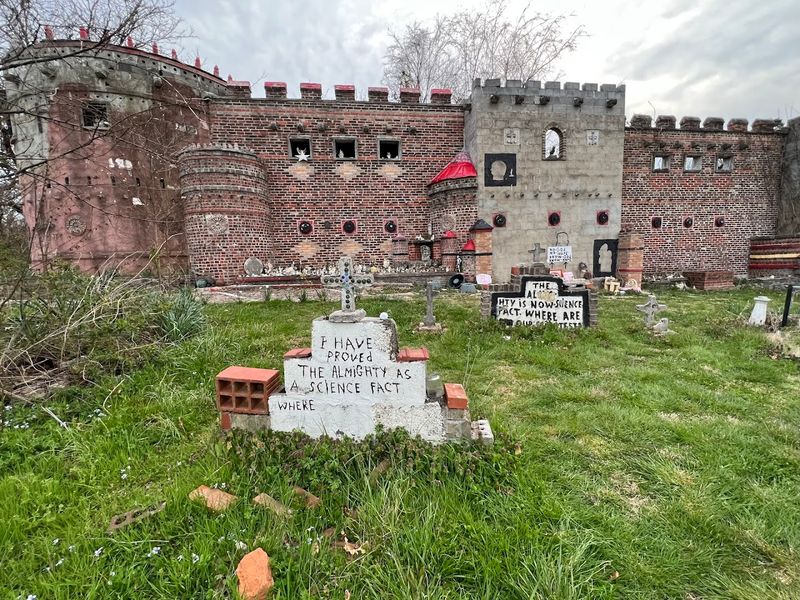
The address is 250 Lee Shirley Rd, Maryville, TN 37801. Getting there involves turning off the paved road onto a dirt road that passes a few other homes before the castle comes into view.
Some visitors find the approach a little unexpected, especially if they were picturing a more formal entrance.
The property opens at 7 AM and closes at 8 PM every day of the week, which gives plenty of daylight hours for a visit without needing to plan around unusual scheduling. There is no admission fee.
The visit is completely free.
Junior Banks lives in the first house on the road, and he often comes out to greet visitors when he hears someone arrive. If he does not appear immediately, waiting near the front of the property usually brings him out before long.
He is the best guide to the place, and a few minutes of conversation with him before exploring tends to make the whole visit more meaningful and easier to navigate.
Why This Qualifies As Genuine Folk Art
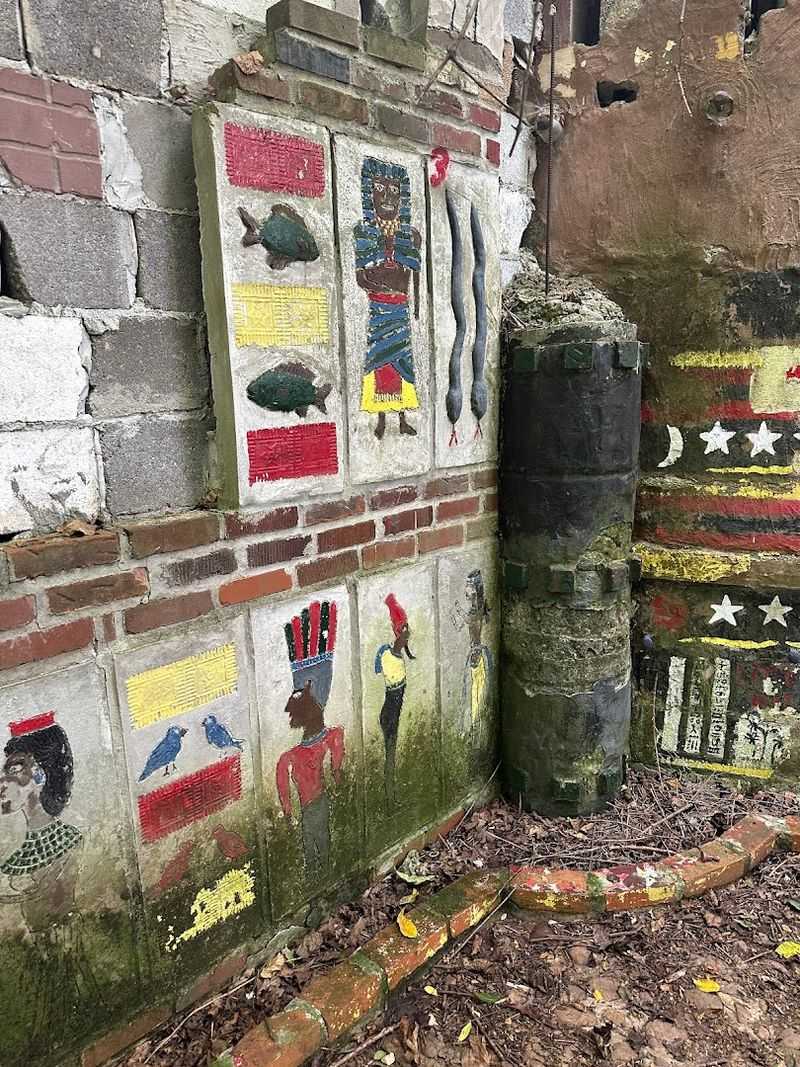
Folk art is defined less by technical skill and more by personal vision executed without formal training. By that measure, Greenback Castle fits the category as well as anything you will find in the American South.
One review compared it directly to Paradise Gardens in Summerville, Georgia, the visionary environment created by Howard Finster. That comparison holds up on several levels.
Both sites were built by individuals driven by religious conviction. Both use found and donated materials pressed into larger structures.
Both reward visitors who slow down and pay attention to individual details rather than scanning the whole from a distance.
Folk art environments like this one are becoming increasingly rare across the country. Many were lost when their creators passed away without anyone to maintain them.
Greenback Castle is still active, still being added to when Banks has the health and resources to work, and still drawing visitors from across Tennessee and beyond who are looking for something genuinely off the standard tourist path.
How Junior Banks Has Kept The Project Alive
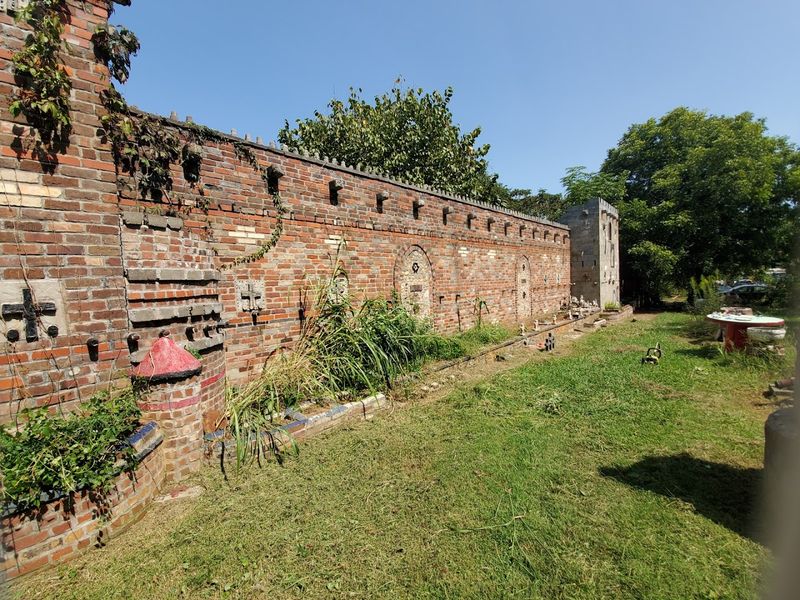
Building a castle without outside funding, professional help, or institutional support is not a short-term project. Banks has sustained Greenback Castle for years through a combination of personal sacrifice and community goodwill that visitors consistently find remarkable.
He sold properties he owned along the road to generate construction funds. When that money ran out, progress slowed.
His health has also made sustained physical work more difficult in recent years, and parts of the castle show the effects of reduced maintenance. Sections have weathered.
Some surfaces have aged in ways that were not planned.
Visitors who feel moved by the project have found practical ways to help. Bringing donations of cement, seashells, glass bottles, marbles, or tiles gives Banks materials he can use directly.
Some people bring groceries, since getting out for errands has become harder for him as he has aged. The castle survives partly because strangers keep showing up and deciding it is worth supporting with whatever they can offer.
What Stays With You After You Leave
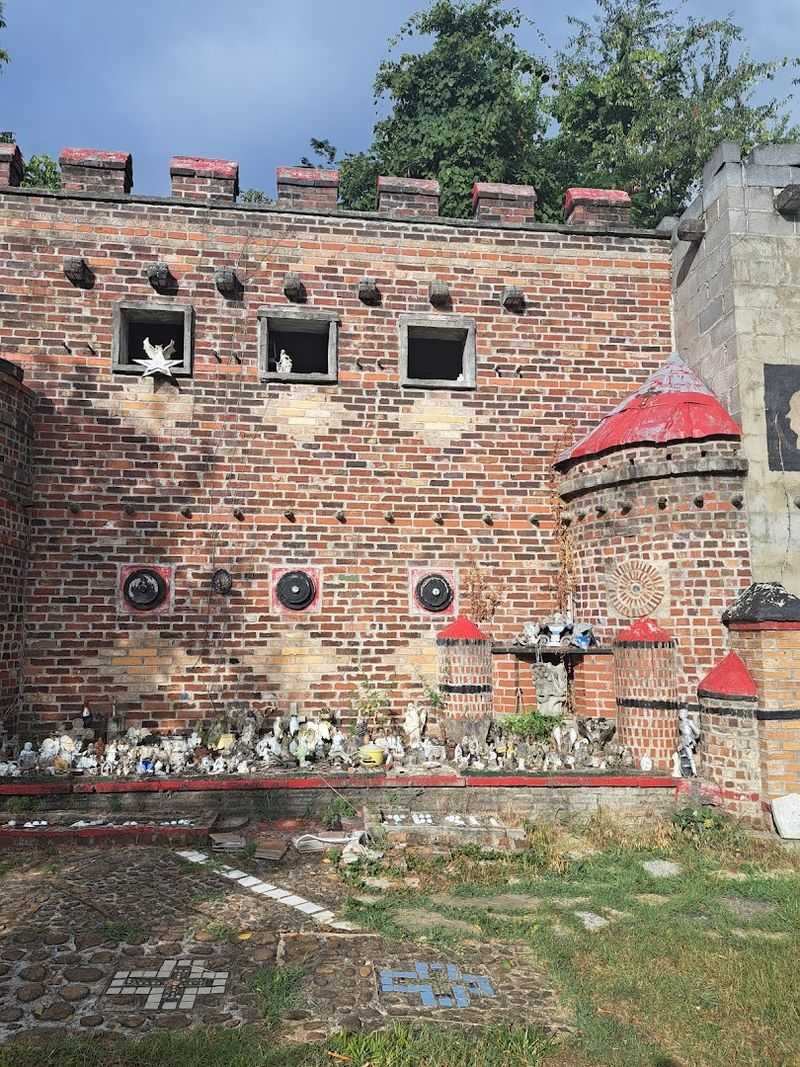
Most roadside attractions leave you with a photograph and not much else. Greenback Castle tends to leave people with something harder to categorize, a kind of lingering curiosity about what drives a person to give that much of themselves to a single idea.
The castle itself is impressive on a purely physical level. The embedded details, the corridors, the scale of the thing built by one person without plans, all of that registers as genuinely extraordinary once you have walked through it.
But the conversation with Junior Banks is what most visitors mention first when they describe the experience to someone else.
He is not performing. He is not running a business.
He built something enormous because he believed he was supposed to, and he shares it freely with anyone who shows up. That combination of conviction, generosity, and sheer stubborn effort is not something you encounter every day, and it tends to stay with people long after they have driven back to the paved road and rejoined ordinary life.
The Man Behind The Castle And The Adress
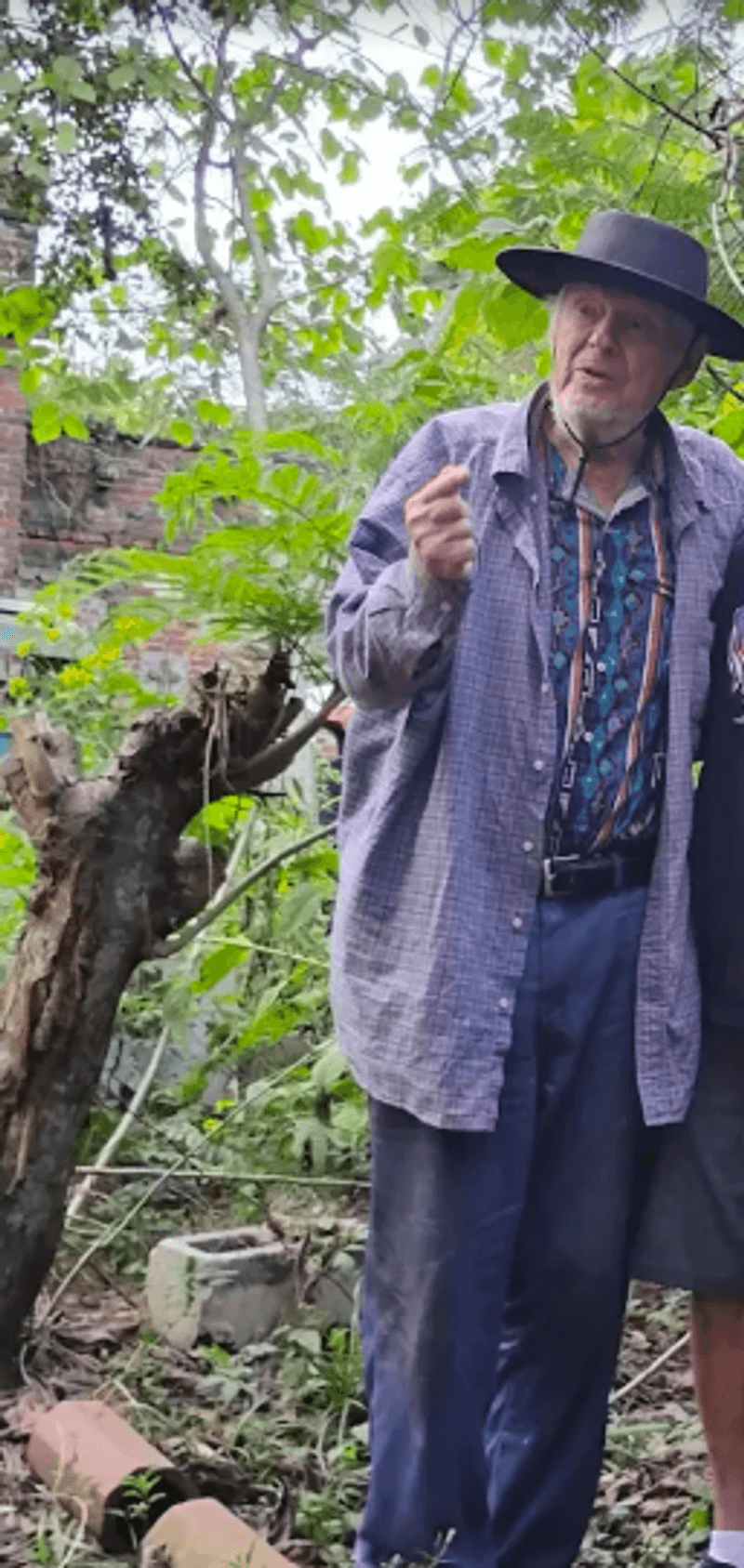
Junior Banks is not a trained builder. He is not a licensed architect.
What he is, by every account from people who have met him, is a man who genuinely believes he was called to build something that would speak to the world about faith.
Known to visitors simply as Junior or Mr. Banks, he lives on the same property at 250 Lee Shirley Rd in Maryville, Tennessee, in the first house you pass as you come up the dirt road. He built Greenback Castle in the United States, in Blount County, Tennessee, without a single blueprint or diagram guiding his hands.
When visitors arrive, he has a habit of appearing from somewhere on the property to greet them personally. He talks freely about why he started, what the structure means to him, and where he hopes it leads.
Most people leave the conversation genuinely moved by his openness.
Share this story