Eastern Europe is filled with enchanting towns where medieval streets, colorful architecture, hilltop castles, and centuries-old traditions have been beautifully preserved. While many travelers flock to Europe’s better-known capitals, these smaller destinations offer authentic charm, breathtaking scenery, and a slower pace that rewards those willing to venture a little farther.
From fairy-tale citadels in Romania to lakeside gems in North Macedonia, each town on this list has a story worth hearing and streets worth wandering.
Cesky Krumlov, Czechia
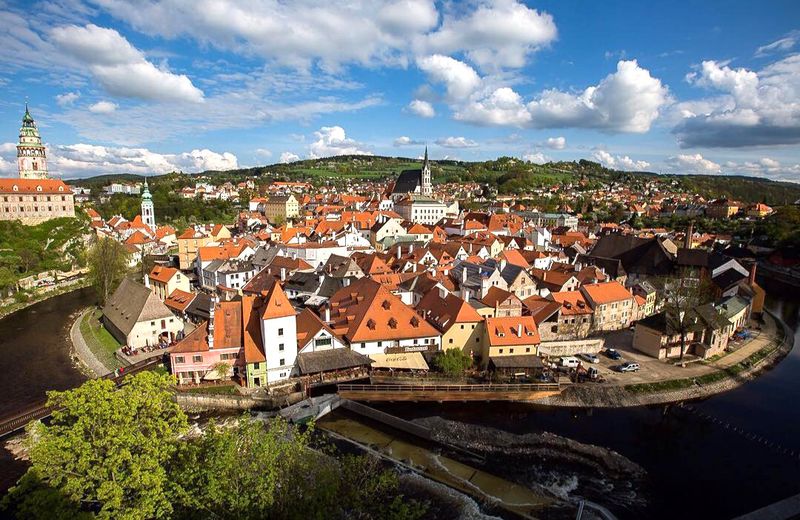
Picture a town so perfectly preserved that stepping onto its cobblestone streets feels like walking straight into the pages of a history book. Cesky Krumlov wraps itself around a lazy bend in the Vltava River, its pastel-colored buildings and soaring castle reflected in the water below.
UNESCO recognized this gem back in 1992, and honestly, the honor was long overdue.
The castle complex here is the second largest in the Czech Republic, packed with baroque theater rooms, ornate gardens, and a rotating open-air stage that still hosts summer performances. Wander the old town without a map and you will stumble upon tiny courtyards, hidden cafes, and views that make you stop mid-step.
Locals are proud of their town but refreshingly laid-back about sharing it.
Summer draws big crowds, so visiting in spring or autumn gives you quieter streets and softer golden light perfect for photos. The town is compact enough to explore on foot in a day, but most visitors wish they had booked an extra night.
Pack comfortable shoes and bring a hearty appetite for svickova, the classic Czech beef dish served everywhere here.
Sighisoara, Romania
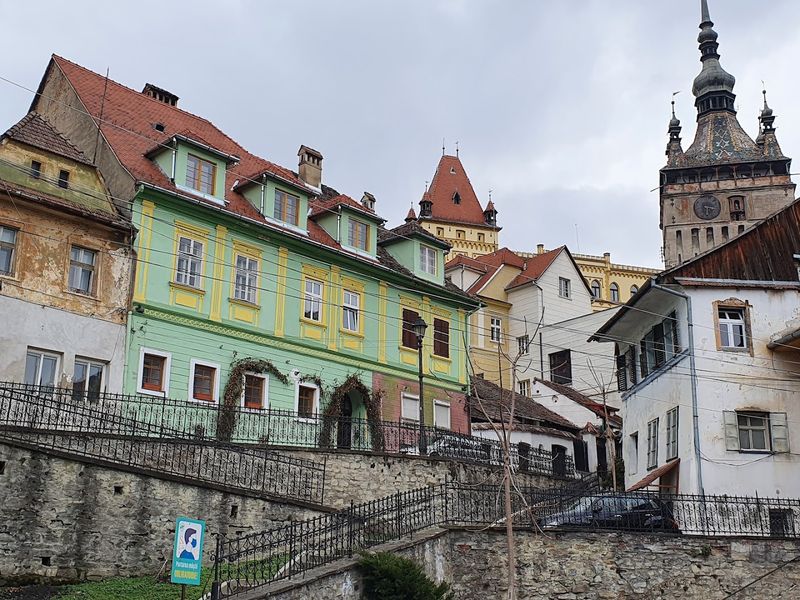
Sighisoara is the kind of town that makes you question whether you have accidentally wandered onto a film set. Its medieval citadel sits on a hilltop, ringed by defensive towers and filled with candy-colored houses that have barely changed in five hundred years.
This is also, rather famously, the birthplace of Vlad the Impaler, the real man behind the Dracula legend.
The Clock Tower is the crown jewel of the old town, offering sweeping views across the rooftops and rolling Transylvanian hills beyond. Climbing the covered wooden staircase up to the hilltop church rewards you with a quiet, almost eerie beauty that feels completely removed from modern life.
Small museums tucked inside medieval buildings add layers of history without overwhelming first-time visitors.
Sighisoara stays busy during its famous Medieval Festival each July, when the streets fill with costumed performers, craftspeople, and musicians. Outside festival season, the town feels wonderfully calm and easy to explore at your own pace.
Stay overnight to experience the citadel after the day-trippers leave, when the lantern-lit streets take on a quietly magical atmosphere that is genuinely hard to forget.
Ohrid, North Macedonia
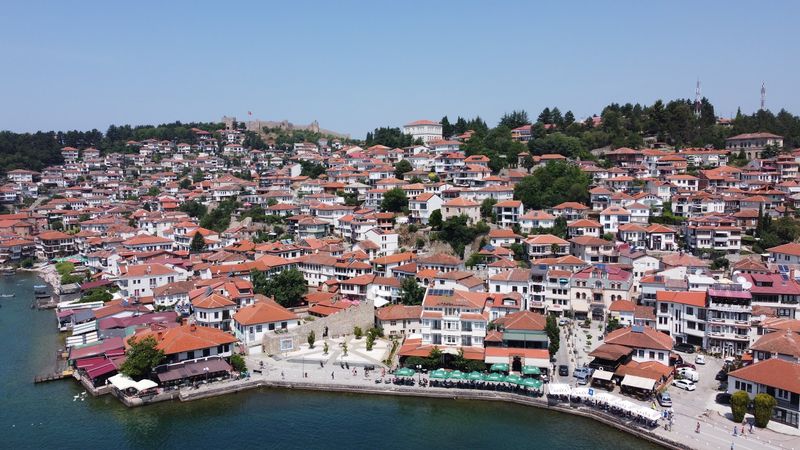
Lake Ohrid is so ancient and so biologically unique that scientists compare it to Lake Baikal in terms of ecological importance. The town that shares its name sits right along the water’s edge, blending Byzantine heritage with a relaxed lakeside lifestyle that visitors find almost impossible to resist.
On warm evenings, the promenade buzzes with locals strolling, fishing, and sharing meals at open-air restaurants.
The Church of St. John at Kaneo is Ohrid’s most photographed landmark, perched dramatically on a rocky cliff directly above the lake. Inside the old town, narrow lanes wind past ancient churches, Roman amphitheater ruins, and traditional stone houses that have been converted into cozy guesthouses.
The combination of history and natural beauty here is genuinely exceptional.
Ohrid is both a UNESCO Cultural and Natural World Heritage Site, a rare double distinction that very few places on Earth can claim. Summer is peak season, but the shoulder months of May and September offer warm weather without the crowds.
Fresh lake trout served at a waterside table as the sun drops behind the mountains is the kind of simple experience that stays with you long after the trip is over.
Kotor, Montenegro
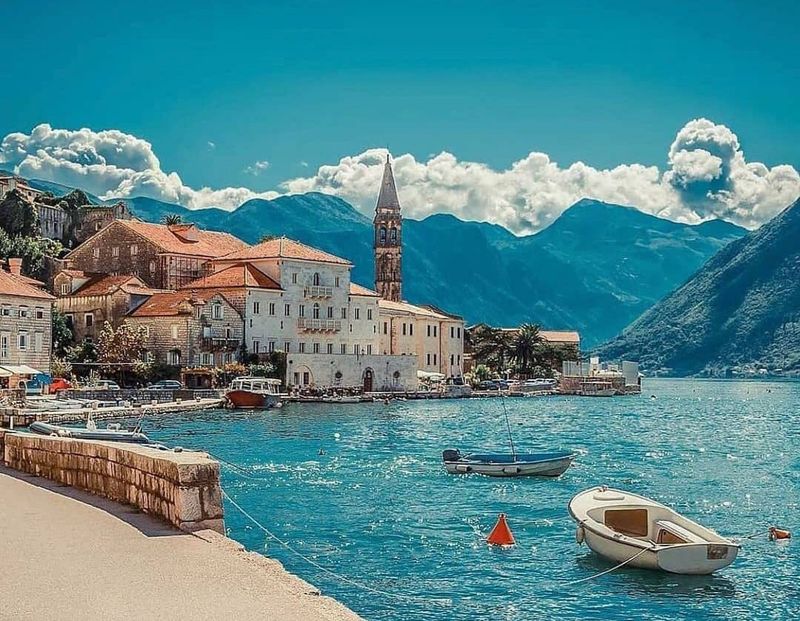
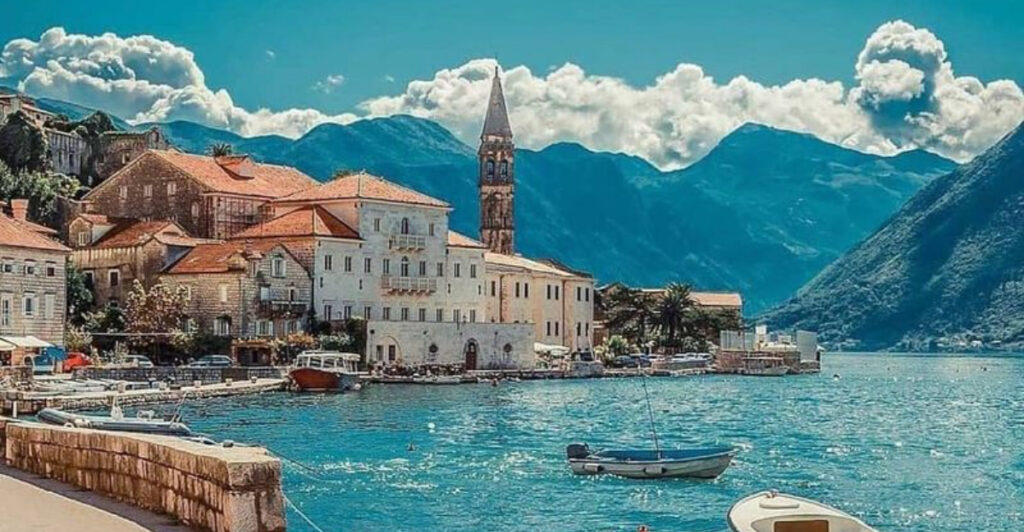
Kotor’s old town is essentially a medieval fortress city that somehow survived centuries of earthquakes, invasions, and Venetian rule without losing its soul. Enclosed by nearly five kilometers of stone walls that snake dramatically up the mountainside behind it, the town sits at the innermost point of the Boka Bay, one of the most stunning natural harbors in all of Europe.
The view from the fortress at the top is worth every step of the climb.
Inside the walls, marble-paved squares open unexpectedly between churches, palaces, and old guild houses. Cats are something of an unofficial mascot here, wandering freely through the alleys and posing shamelessly for tourist photos.
The town even has a dedicated cat museum, which tells you everything you need to know about local priorities.
Kotor is a popular cruise stop, meaning mornings can get crowded fast near the main gate. Arriving early or staying overnight lets you enjoy the old town at its most peaceful, especially at dawn when mist rolls off the bay and the bell towers catch the first light.
The surrounding bay area also offers boat trips, quiet beaches, and the fascinating Our Lady of the Rocks island church just a short ride away.
Berat, Albania
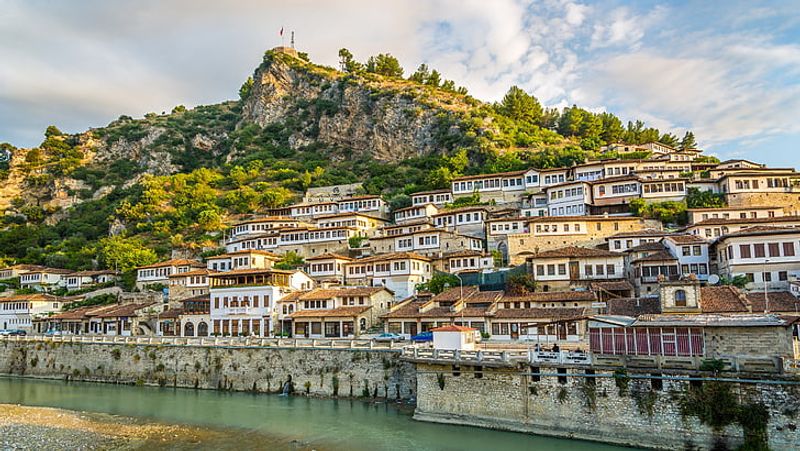
Berat earned its nickname the City of a Thousand Windows honestly. Look up toward the hillside and row after row of white Ottoman houses stare back at you, their large symmetrical windows giving the entire settlement an almost hypnotic, repeating pattern.
It is one of the most visually distinctive townscapes in the entire Balkans region.
The town is split into distinct neighborhoods, each with its own character. Mangalem sits on the western bank, climbing steeply toward the fortress, while Gorica spreads across the opposite hill connected by a charming old stone bridge.
The fortress district at the top is still inhabited, making it one of the few lived-in castle communities in Europe, complete with Byzantine churches, mosques, and friendly residents going about daily life.
Albania as a whole remains one of Europe’s most undervisited countries, which means Berat offers an authentic experience largely free of tourist crowds. Prices are refreshingly low, locals are warm and genuinely welcoming, and the food scene is quietly excellent.
Try ferges, a traditional Albanian dish of peppers, tomatoes, and cottage cheese, at one of the family-run restaurants near the old bazaar. UNESCO listed Berat in 2008, but the secret has not fully spread yet.
Telc, Czechia
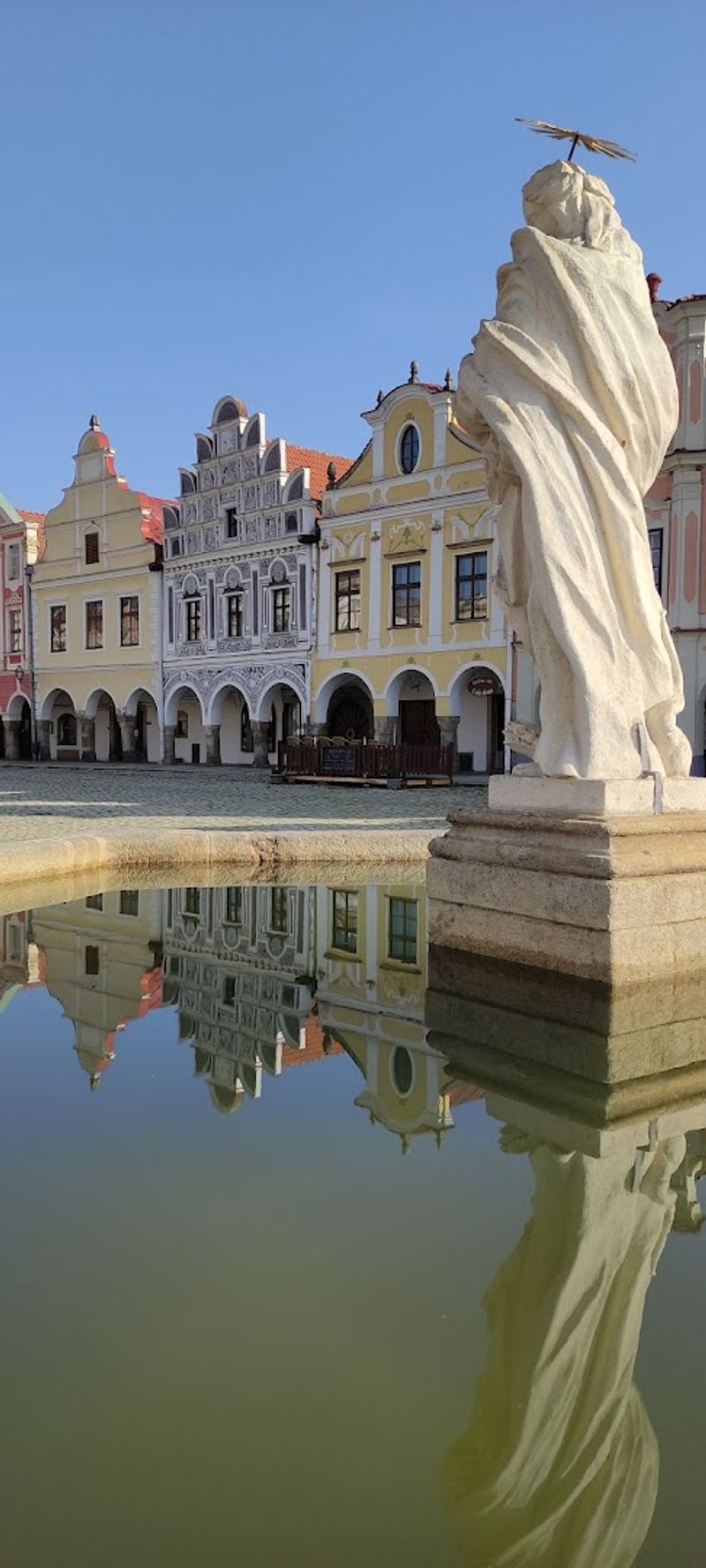
Telc’s main square is so strikingly beautiful that it stops people mid-sentence. Stretching out in a long, graceful arc, it is lined on both sides by Renaissance and Baroque facades painted in shades of cream, ochre, rose, and pale green, each one slightly different from its neighbor.
At one end, a magnificent chateau anchors the whole composition like the final brushstroke of a masterpiece painting.
What makes Telc especially charming is how peaceful it feels even during tourist season. The town’s population is small, the streets are quiet, and the pace of life here is genuinely unhurried.
Swans glide across the ornamental ponds that surround the old town on three sides, adding to the fairy-tale atmosphere that makes first-time visitors reach for their cameras instinctively.
The chateau interior is open for guided tours and contains beautifully preserved Renaissance halls, painted ceilings, and a fascinating collection of period furniture. Telc is easy to visit as a day trip from Brno or Cesky Krumlov, though staying the night means experiencing the square after the tour buses have gone, when the buildings glow softly under evening lights.
UNESCO recognized Telc in 1992, placing it in very distinguished company among European historic towns.
Banska Stiavnica, Slovakia
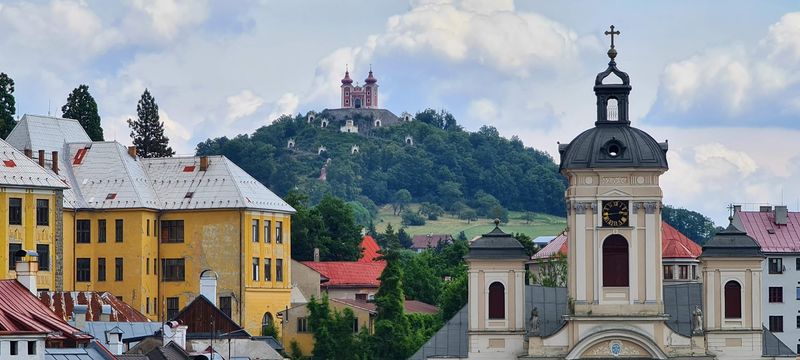
Slovakia’s best-kept secret sits tucked into the folds of ancient volcanic hills, and most people drive right past it without knowing what they are missing. Banska Stiavnica was once one of the most important mining towns in the Habsburg Empire, producing silver and gold that helped fund wars and palaces across Central Europe.
Today, its elegant squares and crumbling grandeur tell that story quietly but powerfully.
The Trinity Square at the town center is lined with baroque buildings in varying states of lovingly maintained decay, giving Banska Stiavnica a slightly romantic, faded-glory feeling that photographers absolutely adore. The hilltop Calvary monument, a series of chapels climbing the hillside above town, offers panoramic views across the forested volcanic landscape that surrounds the valley on every side.
The town is also home to one of Europe’s oldest mining academies, founded in 1762, and its underground mining museum lets visitors descend into original mine shafts for a genuinely memorable experience. Summer weekends bring a lively local festival scene, but the town rarely feels overwhelmed by visitors.
Banska Stiavnica holds UNESCO World Heritage status, yet remains refreshingly off the beaten path compared to more famous Slovak destinations like Bratislava or the High Tatras.
Gjirokaster, Albania
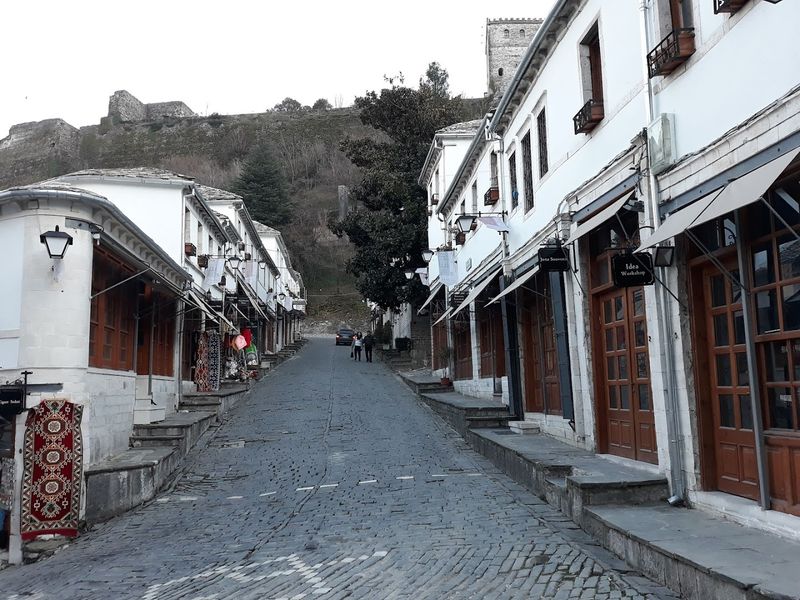
Gjirokaster does not ease you in gently. The town hits you immediately with its dramatic scale, steep stone streets climbing sharply upward, massive slate-roofed houses looming over narrow alleyways, and a fortress so large it contains a captured American military aircraft on permanent display in its courtyard.
There is nowhere quite like it in Europe.
The old bazaar area near the bottom of the hill is a good starting point, with small shops selling handmade goods, local honey, and traditional wool textiles. From there, the climb toward the castle takes you past some of the most architecturally impressive Ottoman-era houses on the continent, many of which have been converted into guesthouses or small museums.
The Skenduli House is particularly worth visiting for its ornate interiors.
Gjirokaster is also the birthplace of Albania’s most famous author, Ismail Kadare, whose novels vividly describe growing up in this stone-cold, beautiful, and slightly brooding town. His descriptions remain accurate today.
The fortress at the top rewards the steep climb with extraordinary views across the Drino Valley toward the Greek border. UNESCO listed the town in 2005, recognizing it as one of the best-preserved examples of Ottoman urban architecture anywhere in the world.
Prizren, Kosovo
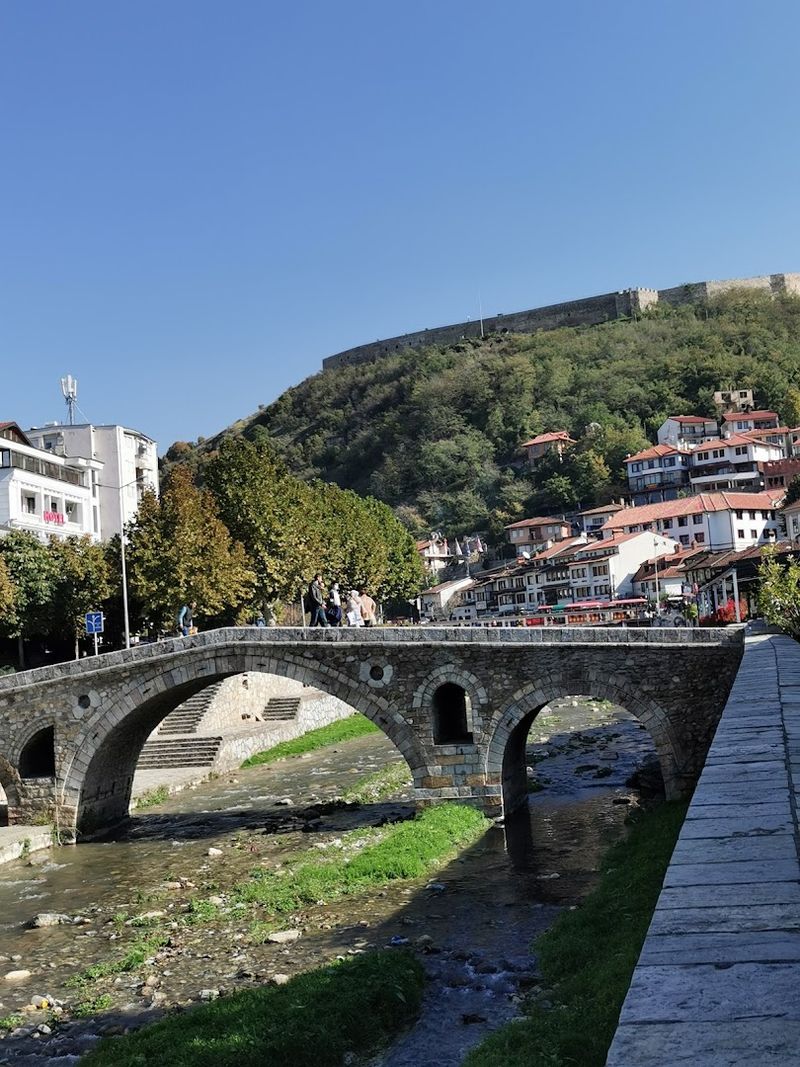
Few towns in the Balkans pack as much history, culture, and sheer visual charm into such a compact space as Prizren. Situated where three rivers meet at the foot of the Sharr Mountains, the town has been shaped by Roman, Byzantine, Serbian medieval, and Ottoman influences, and all of those layers are still visible if you know where to look.
The result is a wonderfully layered and genuinely fascinating place to explore.
The old stone bridge arching over the Bistrica River is Prizren’s most beloved landmark, framed by minarets, church towers, and cafe-lined banks that buzz with activity from morning until well past midnight. The hilltop fortress above the town offers sweeping views across the rooftops and down into the mountain valleys beyond, especially spectacular at golden hour when the light turns everything amber and warm.
Kosovo is one of Europe’s youngest countries and one of its most welcoming to visitors. Prizren hosts the DokuFest documentary film festival each August, which draws filmmakers and culture lovers from across the region and gives the already lively town an extra electric energy.
Accommodation is affordable, food portions are generous, and the locals have a genuine enthusiasm for sharing their city with curious travelers who make the effort to visit.
Sibiu, Romania
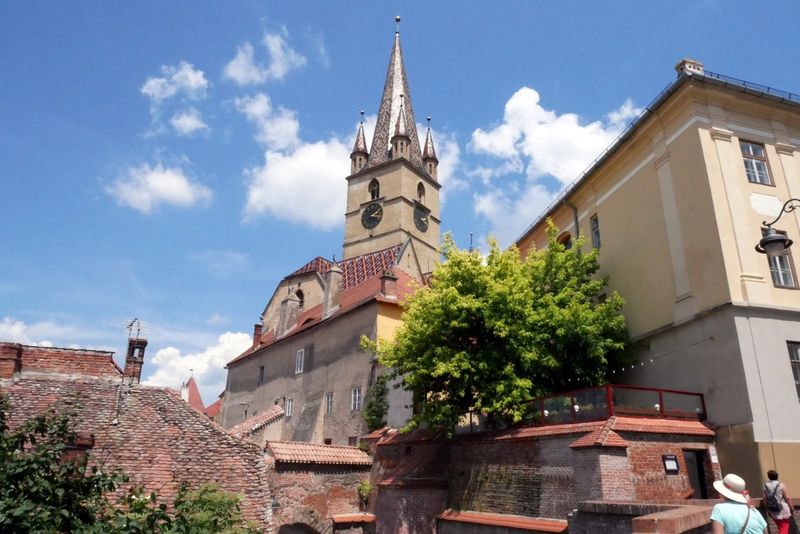
Sibiu has eyes, and they are always watching. The famous dormer windows set into the rooftops of the old town’s baroque buildings are shaped in a way that makes them look unmistakably like half-lidded eyes gazing down at the streets below.
It is one of those quirky architectural details that sticks in your memory long after you leave.
The Large Square at the heart of the old town is one of the finest in Transylvania, ringed by colorful facades and anchored by the imposing Lutheran Cathedral. Connected to it by a bridge is the Small Square, equally charming and lined with cafes where you can sit for hours watching the world go by.
Sibiu served as European Capital of Culture in 2007, and the investment in arts and public spaces made during that period is still very much visible today.
The Brukenthal National Museum, housed in an elegant baroque palace on the main square, holds one of the oldest and most impressive art collections in Romania. Sibiu is also a fantastic base for exploring the Fagaras Mountains and the famous Transfagarasan road nearby.
The town has a strong Saxon German heritage, giving its architecture and food culture a distinctive character that sets it apart from other Romanian towns of similar size.
Krems an der Donau, Austria
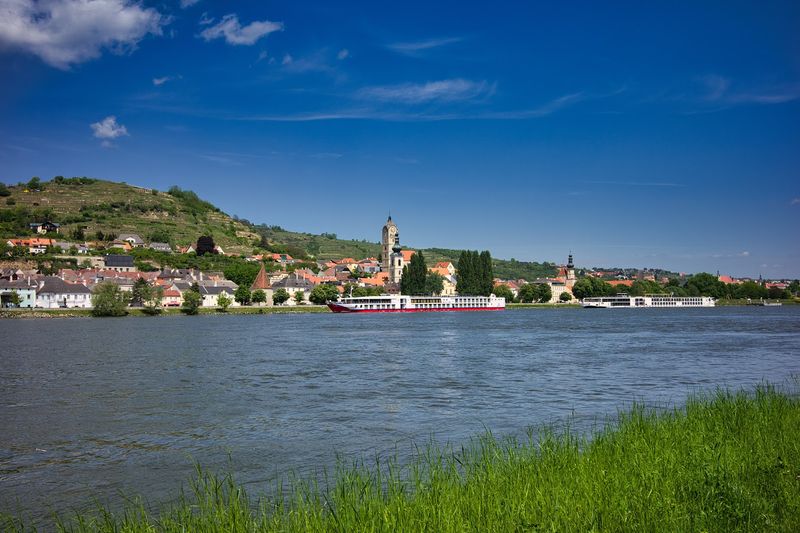
Sitting at the eastern gateway of the Wachau Valley, Krems an der Donau is where Austrian wine culture and medieval history collide in the most pleasant way imaginable. The Wachau Valley is a UNESCO World Heritage landscape of terraced vineyards, apricot orchards, and riverside villages, and Krems serves as its most historically rich entry point.
The town’s medieval lanes and Baroque churches reward slow, aimless wandering.
The Steiner Tor, a striking medieval gate tower, marks the entrance to the old town and sets the tone for what follows: a compact, beautifully preserved historic core full of pastel-painted houses, art galleries, and wine taverns called Heuriger. These traditional wine bars are the social heartbeat of the region, where local vintners pour their latest Gruner Veltliner and Riesling directly to appreciative guests seated on wooden benches in leafy courtyards.
Krems sits at the eastern edge of Austria but has long been shaped by the Danube’s role as a cultural and commercial crossroads between East and West. The Kunstmeile, a string of contemporary art museums along the riverfront, adds a modern creative energy to the town’s historic character.
River cruise ships stop here regularly, but most passengers only scratch the surface of what Krems has to offer. Staying a night or two reveals far more.
Trebic, Czechia
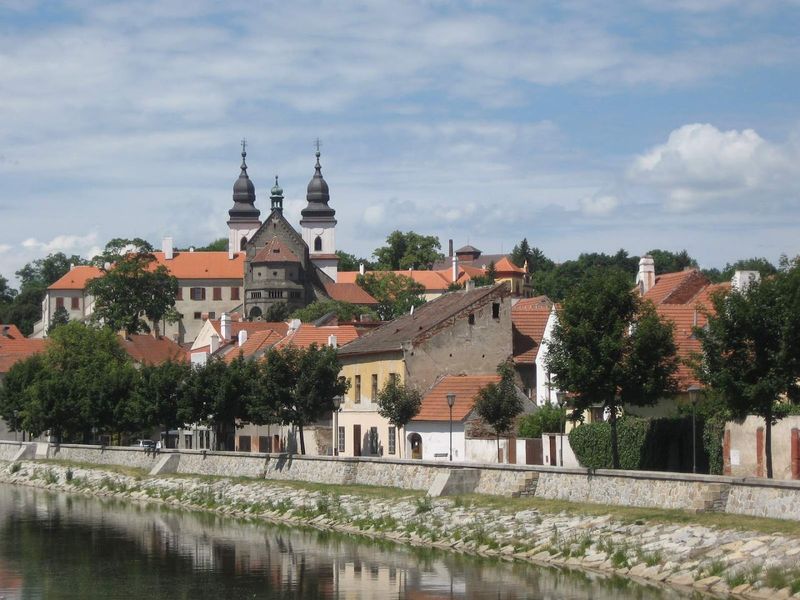
Trebic holds a distinction that almost no other town in the world can match: it has two separate UNESCO World Heritage Sites within its borders. The first is the remarkably preserved Jewish Quarter, one of the best examples of a Central European Jewish settlement still standing.
The second is the Romanesque-Gothic Basilica of St. Procopius, which rises above the river on a wooded hill and dates back to the thirteenth century.
The Jewish Quarter is a sobering and deeply moving place to walk through. Narrow lanes wind between old residential buildings, two surviving synagogues, and a vast Jewish cemetery filled with centuries of carved stone memorials half-hidden beneath ivy and trees.
The area tells a long and complex story about a community that once thrived here and was ultimately destroyed during the Holocaust.
Trebic itself is a quiet, everyday Czech town that does not put on airs for tourists. That authenticity is part of its appeal.
You are unlikely to encounter tour groups or souvenir shops selling Czech crystal here. Instead, you get local bakeries, friendly residents, and a genuine sense of a place that has simply continued living alongside its extraordinary history.
It is the kind of destination that changes how you think about European heritage travel.
Veliko Tarnovo, Bulgaria
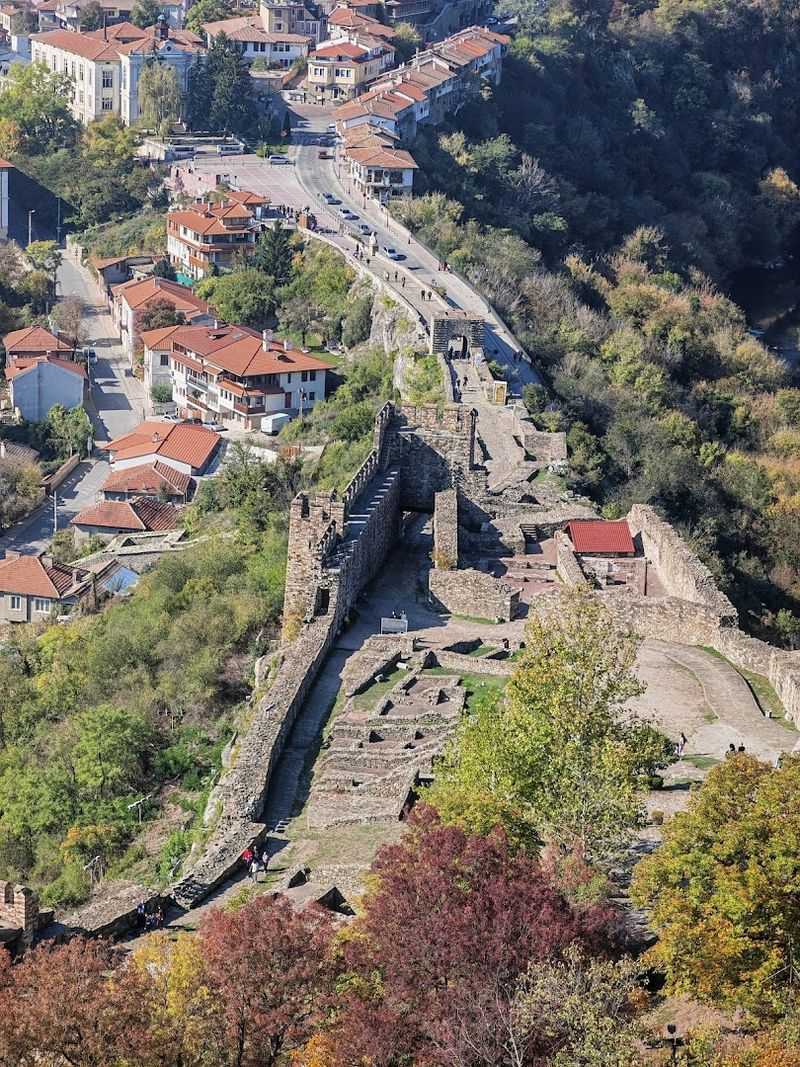
Bulgaria’s old medieval capital does not sit in a valley like a sensible town. It climbs, dramatically and defiantly, up steep ridges above a sharp bend in the Yantra River, with the Tsarevets Fortress crowning the highest point like a stone crown.
The effect, especially when viewed from the opposite hillside at dusk, is genuinely breathtaking.
Tsarevets was the seat of the Second Bulgarian Empire for nearly two centuries, a powerful medieval state that once stretched across much of the Balkan Peninsula. Today, the restored fortress walls and reconstructed towers are open to visitors, and on weekend evenings during peak season, a spectacular sound and light show illuminates the entire complex in dramatic color.
It is theatrical and completely over the top, and absolutely worth seeing.
The old Varosha neighborhood tumbles down the hillside below the fortress in a cascade of nineteenth-century Bulgarian Revival houses, art studios, craft workshops, and small restaurants with terraces hanging over the river. Veliko Tarnovo has a large university, which gives the town a youthful energy that balances its heavy medieval atmosphere nicely.
It is also a practical base for visiting the nearby Arbanasi village and the Dryanovo Monastery, both worth a half-day detour from the main town.
Kazimierz Dolny, Poland
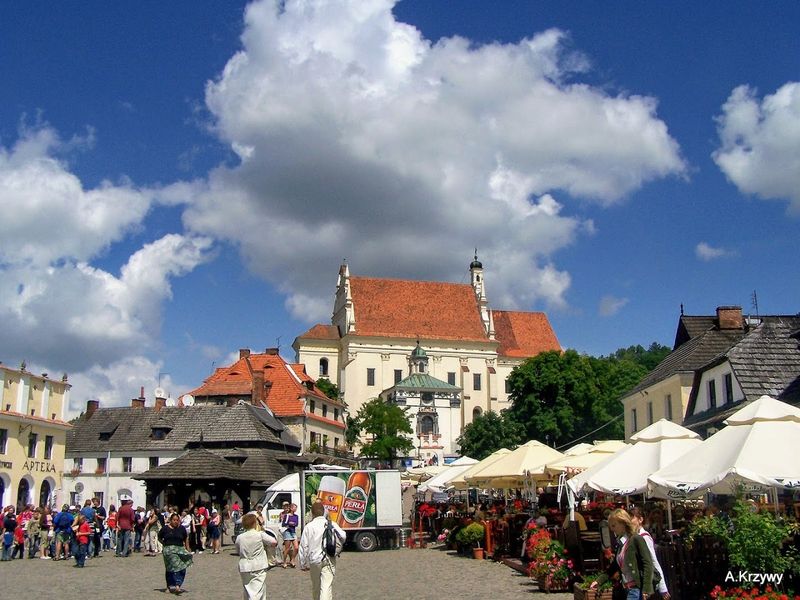
Artists discovered Kazimierz Dolny long before tourists did, and the town has never quite shaken its reputation as Poland’s most creatively inspired small town. Painters, writers, and filmmakers have been drawn here since the nineteenth century, attracted by the quality of the light, the dramatic riverside scenery, and the beautifully preserved Renaissance market square that anchors the old town.
That artistic spirit is still very much alive today.
The market square is flanked by two medieval granary towers and surrounded by Renaissance tenement houses with richly decorated facades, including the famous House of the Przybylo Brothers with its elaborate carved stone reliefs. The Vistula River flows just minutes from the square, and the forested chalk hills rising behind the town are laced with walking trails that offer wonderful views down over the rooftops and water.
Ruins of a medieval castle sit on one of those hills, free to explore and rarely crowded.
Kazimierz Dolny has a strong Jewish history, with a significant pre-war Jewish community whose legacy is remembered through several memorials and a small but thoughtful museum. The weekend market draws visitors from across Poland for handmade crafts, pottery, and the town’s famous cock-shaped bread rolls, a quirky local specialty that every visitor seems to end up photographing before eating.
Bardejov, Slovakia
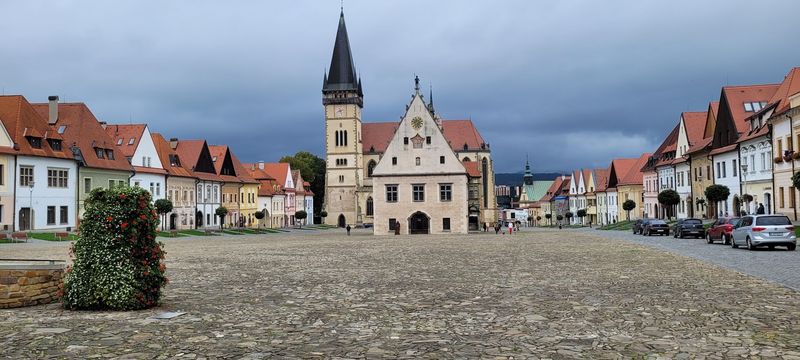
Bardejov is the kind of medieval town that historians get genuinely excited about, and once you see the main square, you will understand why. The rectangular market square is surrounded by an almost complete set of Gothic and Renaissance burgher houses, each slightly different in color and detail, creating a unified yet varied streetscape that has changed remarkably little over the past five centuries.
The sheer state of preservation here is extraordinary.
The St. Aegidius Basilica dominates one end of the square with its powerful Gothic tower and intricately carved stone portal. Inside, eleven original Gothic altarpieces survive intact, a collection so significant that it would be the highlight of any major European museum.
The town hall beside the church is one of the finest examples of Renaissance civic architecture in Central Europe and now houses a local history museum worth at least an hour of your time.
Bardejov also sits close to Bardejovske Kupele, a small spa resort just a few kilometers north that has been drawing visitors for its mineral springs since the eighteenth century. The combination of medieval architecture in town and a relaxing spa nearby makes Bardejov an unusually satisfying stop on any Eastern European itinerary.
UNESCO listed the town in 2000, but it remains genuinely uncrowded and warmly welcoming to the visitors who do find their way here.
Share this story