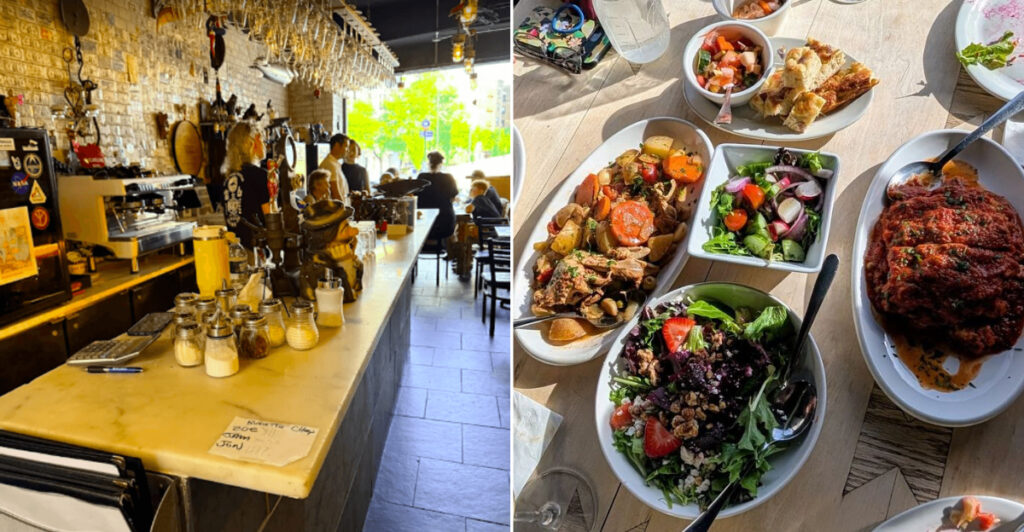
Somewhere on Staten Island, a tiny restaurant has been drawing visitors from Canada, New Zealand, the United Kingdom, and beyond, all willing to take a ferry ride and wait in line just to eat a home-cooked meal. The kitchen is run by grandmothers, and not just Italian ones.
On any given weekend, you might find a nonna from Japan, Puerto Rico, Argentina, Pakistan, or Sri Lanka standing at the stove, cooking the recipes she learned decades ago in her own home country. The idea sounds simple, but the experience is something people talk about for months afterward, and after a Netflix movie brought the story to millions of screens, the reservations became nearly impossible to get.
How the Grandmother Kitchen Concept Was Born
The founding idea behind this restaurant is genuinely unusual. Joe, the owner, started the concept by inviting real grandmothers, nonnas in Italian, to cook their authentic home recipes in the restaurant kitchen on a rotating schedule.
At first, the focus was on Italian grandmothers cooking the kind of food that never shows up on a standard restaurant menu.
Over time, the concept grew into something larger. Grandmothers from countries across the globe were invited to bring their own family recipes and cook alongside the resident Italian nonna.
The rotating schedule means the menu changes depending on which grandmothers are cooking that week.
On one visit, the guest nonna might be from Japan, bringing chicken katsu and eggplant dengaku. On another, she might be from Pakistan, Argentina, Sri Lanka, or Trinidad.
The Italian nonna is always present, providing the anchor, while the visiting grandmother adds a completely different cultural layer to the meal.
Nonna Maria and the Heart of the Kitchen
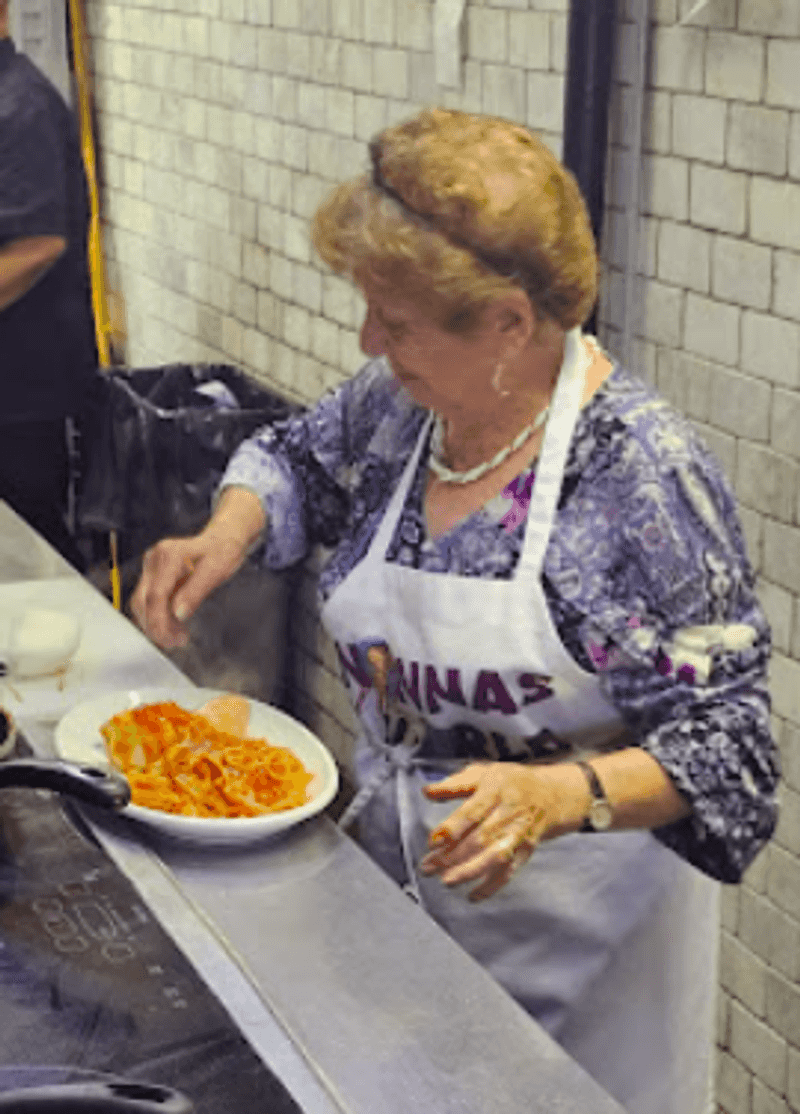
Nonna Maria is the constant at this restaurant, and her presence is something guests mention over and over. She walks the dining room, checks on tables, greets newcomers, and sometimes sits down with guests to chat about the food.
When one visitor ordered the capuzzelle, the slow-roasted lamb head, Nonna Maria walked over and began pulling it apart herself, showing the guest how to get every bit of meat from it.
For many visitors, meeting her is an emotional experience. She is described consistently as warm, light-hearted, and genuinely interested in whether guests are enjoying their meal.
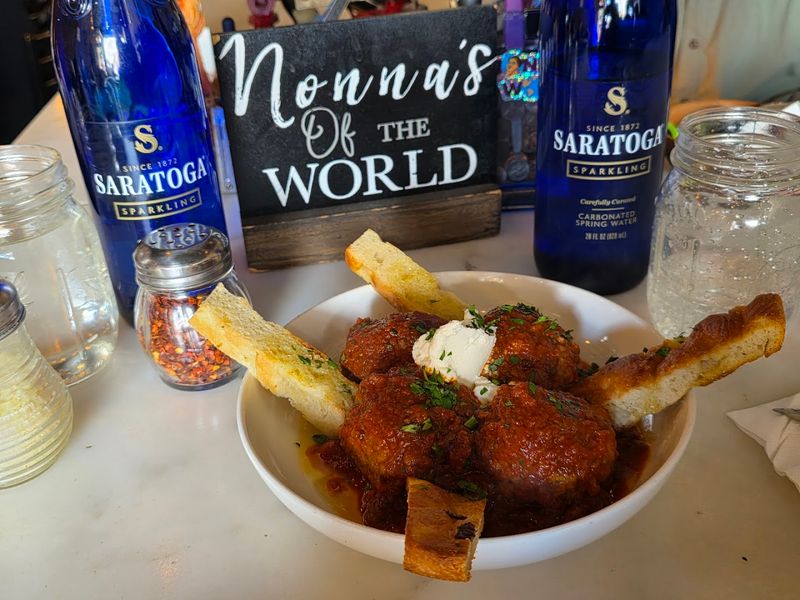
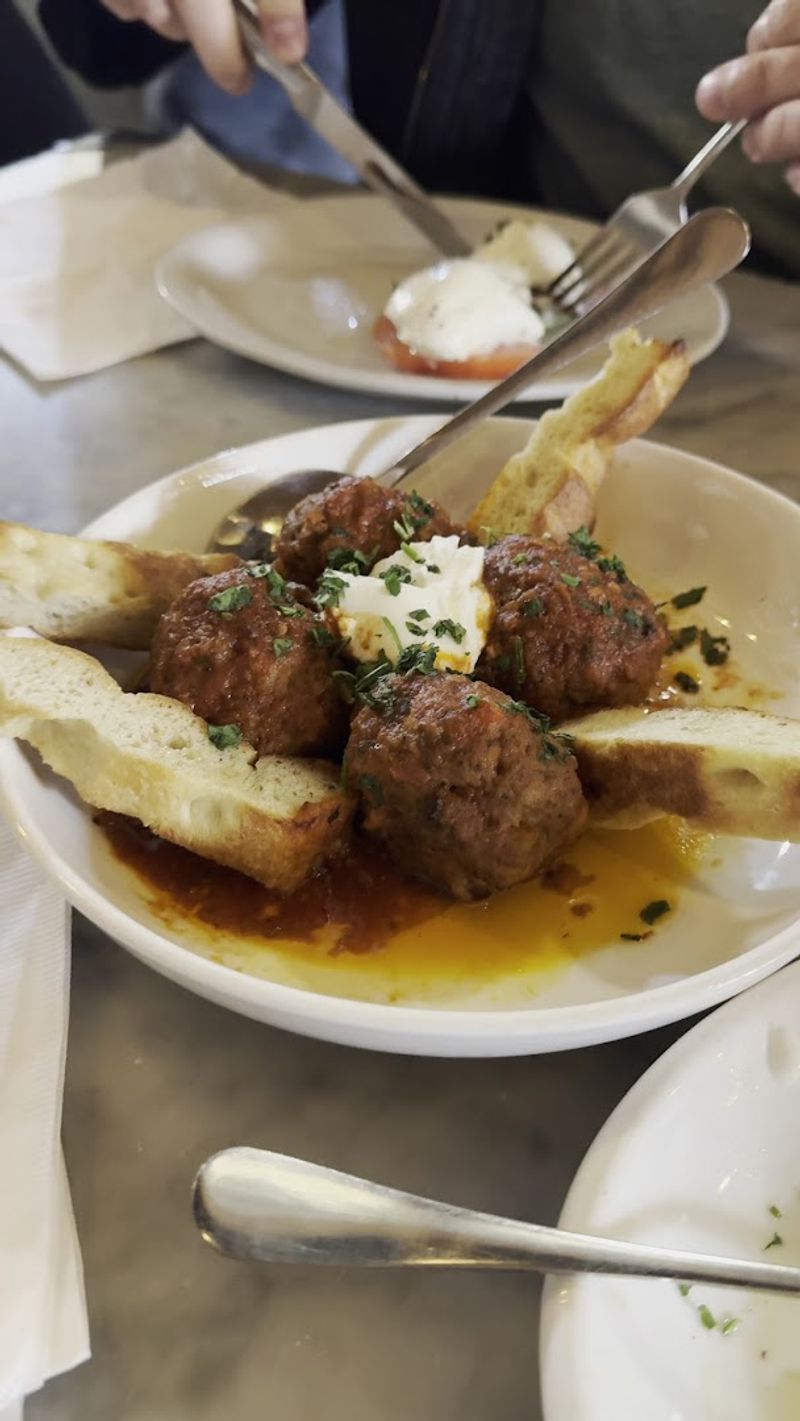
Her meatballs and lasagna are the dishes most people list as their favorites, and both have earned near-legendary status among regulars.
The Menu Changes Every Week
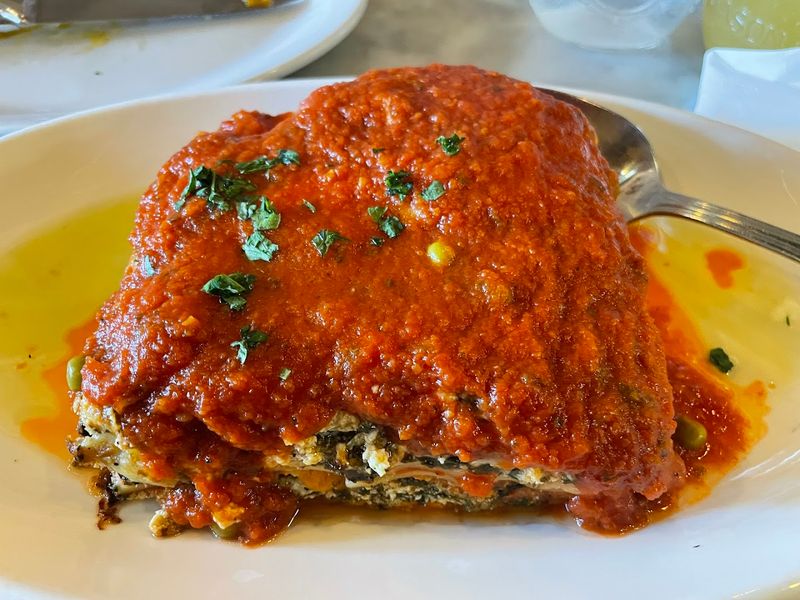
One of the most interesting things about eating here is that you never quite know what the full menu will look like until you arrive. The Italian menu is always present, anchored by classics like lasagna, meatballs, chicken cacciatore, and pasta primavera.
But the second menu, the one belonging to the visiting grandmother, shifts constantly.
Past visiting nonnas have brought recipes from Argentina, Puerto Rico, Japan, Pakistan, Sri Lanka, and Trinidad. Dishes have included fried salt cod, chicken katsu, empanadas filled with meat and cheese, spicy stuffed peppers, and lamb brains.
Some guests mix and match freely between both menus, building a meal that crosses multiple continents in a single sitting.
Standout desserts have included Nutella creme brulee, banana pudding made from scratch, basque cheesecake with raspberry drizzle, black garlic gelato, and fresh cannoli. The banana pudding in particular has developed its own following, described by one visitor as the star of the entire meal.
Getting a Reservation Takes Patience and Strategy
Getting a table here is genuinely difficult, and that is worth knowing before you plan a trip. For a long stretch after the Netflix film released, the WhatsApp reservation line was overwhelmed and the voicemail stayed full.
Some guests described spending months trying to get through before finally reaching Joe directly by phone.
The restaurant has since introduced an online reservation system, which guests say made the process significantly easier once it launched. Reservations are taken on a rolling monthly basis, meaning you can only book within the current month rather than far in advance.
The restaurant is open Friday, Saturday, and Sunday from 12:30 PM to 7:30 PM. It is closed Monday through Thursday.
If you cannot get a reservation, some guests have had luck showing up and waiting outside for a spot to open between seatings. That approach requires flexibility and patience, but it has worked for determined visitors.
Cash only is the payment policy, so come prepared.
The Atmosphere Inside Is Unlike Any Other Restaurant
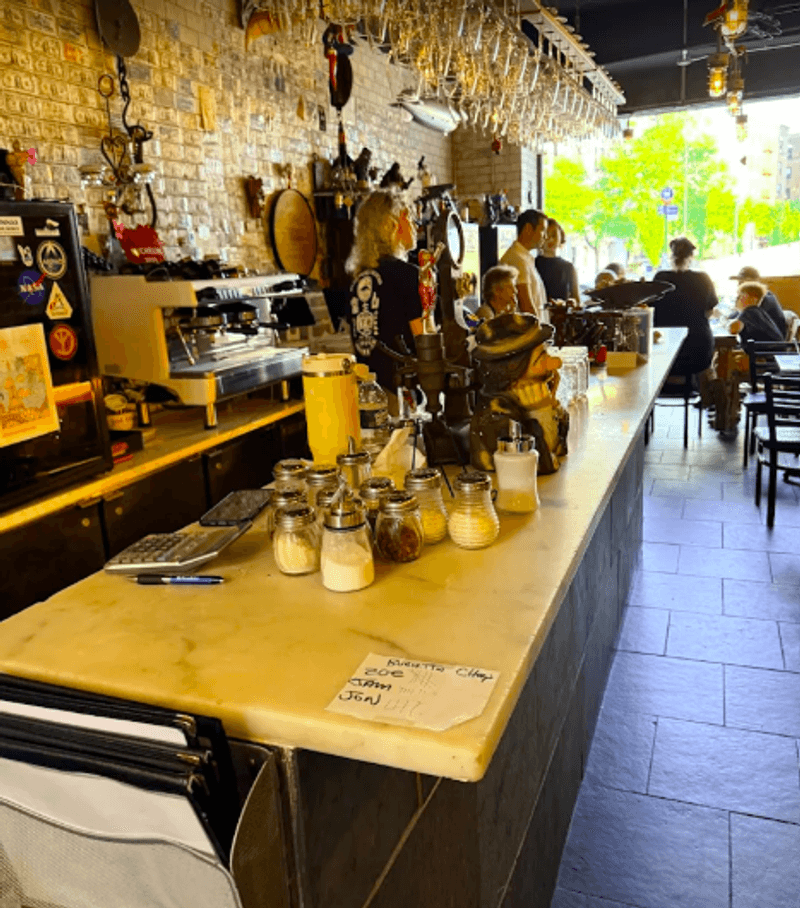
The dining room is small, and that smallness is part of what makes it work. Sitting at the counter means you can watch the kitchen activity directly, seeing the nonnas moving around, plating dishes, and occasionally stepping out to greet guests.
The energy is busy but not chaotic, more like a family kitchen running at full speed than a commercial operation.
The decor has a personality of its own. Alongside photographs and warm lighting, the restaurant features an unexpected collection of superhero and pop culture action figures, including Batman and Superman, scattered around the space.
It is an eclectic detail that has puzzled some guests and delighted others.
The overall feeling most visitors describe is something like being invited into someone’s home rather than dining at a restaurant. The space does not feel designed to impress.
It feels lived-in, specific, and genuine. That combination of intimacy and authenticity is exactly what makes it hard to replicate anywhere else.
Dishes That Guests Cannot Stop Talking About
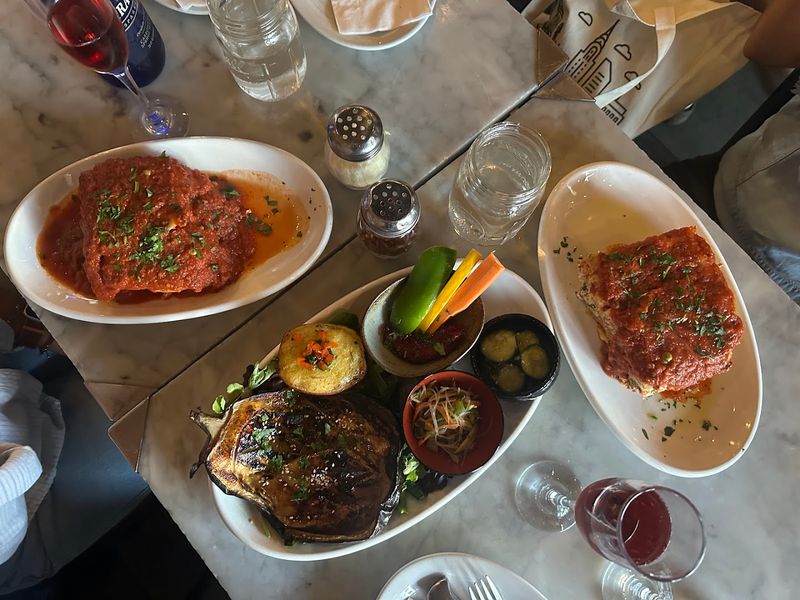
The lasagna consistently earns top billing in guest accounts. It is described as rich, deeply flavored, and built with the kind of careful layering that takes time to get right.
The meatballs are a close second, with multiple visitors calling them the best they have ever eaten, comparing the texture and seasoning to what their own grandmothers used to make.
Chicken cacciatore has also drawn strong praise, noted for tender meat cooked through with tomatoes, onions, and herbs. The capuzzelle, which is slow-roasted lamb head, is an adventurous order that rewards those willing to try it.
It is not for everyone, but guests who ordered it often called it memorable.
On the dessert side, the banana pudding has developed almost a cult following. The cannoli are described as the best some guests have ever tasted.
The Nutella creme brulee and the black garlic gelato have both made appearances on the rotating menu, giving regulars a reason to keep coming back to see what is new.
The Visiting Nonnas Bring Their Whole Story With Them
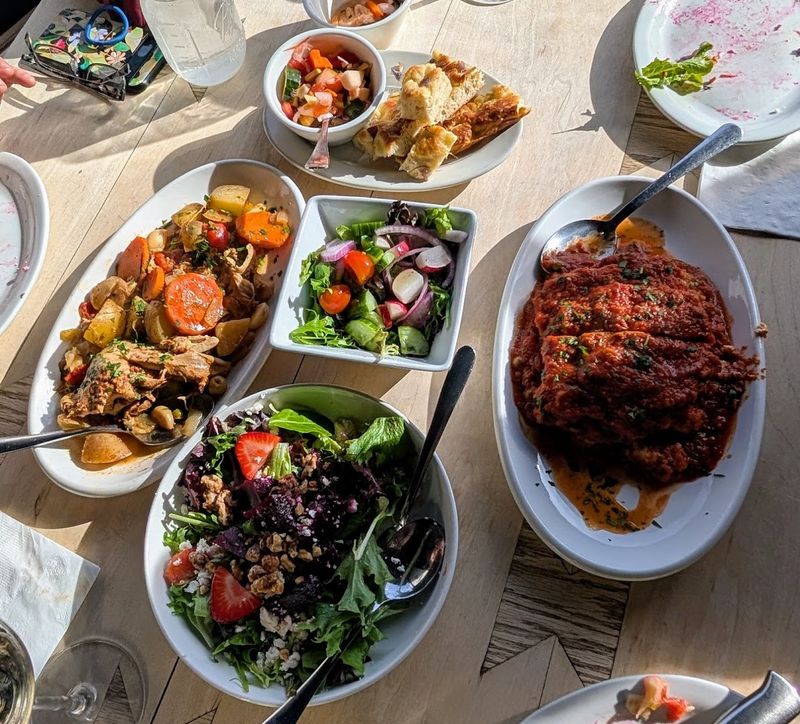
Each visiting grandmother brings more than a recipe. She brings a cooking method, a family history, and a set of flavors that are genuinely hard to find in a restaurant setting anywhere in New York.
Yumiko, a Japanese nonna who visited during a snowstorm weekend, came out of the kitchen to chat with guests while prepping chicken katsu. Irene, visiting from Puerto Rico, cooked empanadas stuffed with meat, cheese, and vegetables that one guest described as delicious enough to eat on the spot before even leaving the restaurant.
The nonnas are not professional chefs. That is the entire point.
Their food carries the imperfections and the soul of home cooking, which is fundamentally different from what a trained line cook produces.
Some visiting grandmothers are outgoing and move table to table. Others are shy and prefer to stay in the kitchen, sending their food out as their form of communication.
Both approaches feel right for a place built entirely around the idea that cooking is its own language.
Why People Travel Hours and Entire Oceans to Eat Here
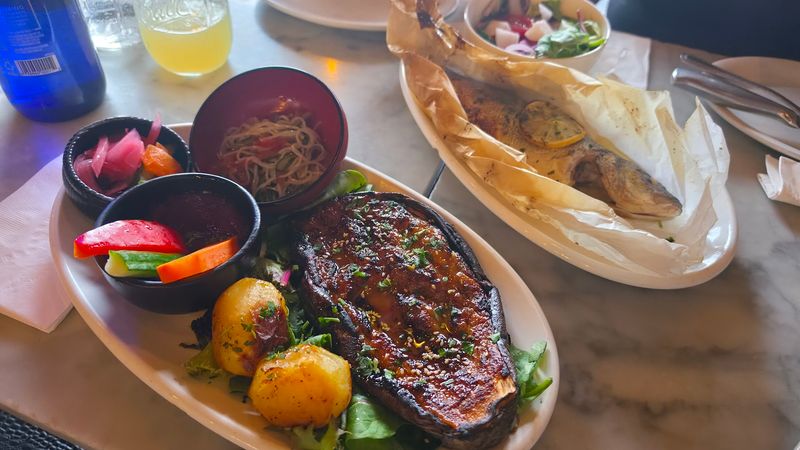
A meal at this restaurant costs more than a typical neighborhood trattoria, and getting there from most of New York City requires a subway ride, a ferry crossing, and a walk. From outside the city, the journey is longer.
From outside the country, it is a genuine expedition. And yet people keep making the trip.
The reviews from guests who traveled from Houston, London, Toronto, and Auckland share a common thread. They are not just describing food.
They are describing a feeling. Several guests mention being reminded of grandmothers they have lost.
Others talk about the experience of watching someone cook with visible care and decades of practice, and how different that feels from eating at a place where the kitchen is invisible and the food arrives without any story attached.
The restaurant is open only three days a week, seats a small number of guests per service, and runs on a cash-only basis. None of that has slowed the interest.
If anything, the difficulty of getting in has made the experience feel more worth having once you finally do.
The Restaurant That Started It All
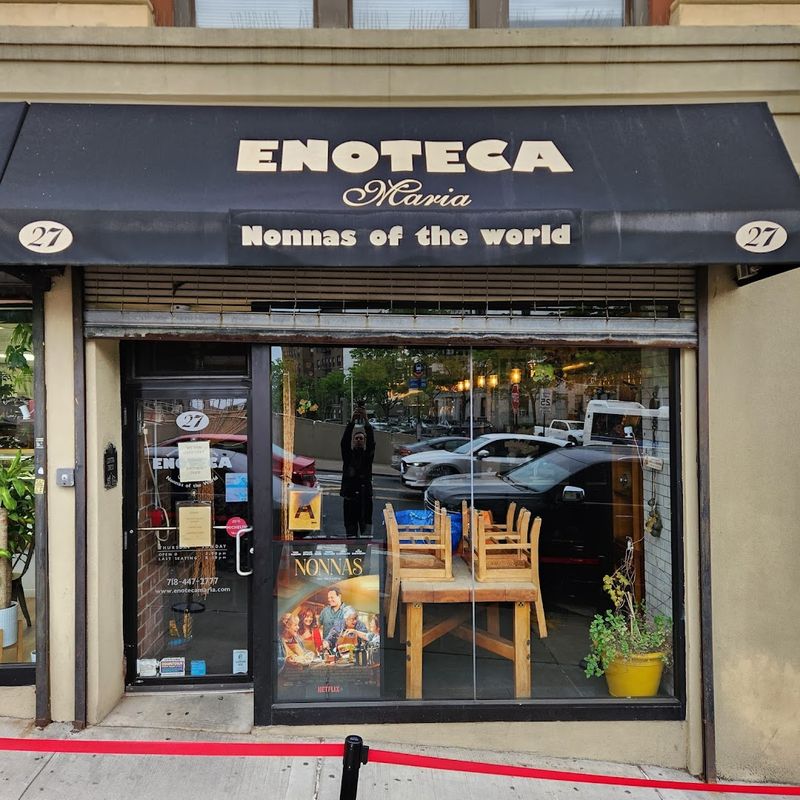
Enoteca Maria, now operating under the expanded identity of Nonnas of the World Community, sits at 27 Hyatt St in Staten Island, New York 10301. The address is easy to miss if you are not looking for it.
The building is small, the space inside is intimate, and nothing about the exterior screams famous destination.
Yet people fly in from New Zealand. They cross the Atlantic from the UK.
They take three-hour drives from Long Island. The restaurant seats a limited number of guests, and a two-hour dining window is the standard, though most visitors say it never feels rushed.
Owner Joe, known warmly to regulars simply as Joey, built this concept from the ground up. He can often be found at the counter, greeting guests by name when reservations were made directly with him.
The phone number is 718-447-2777, and the website is enotecamaria.com.
Share this story