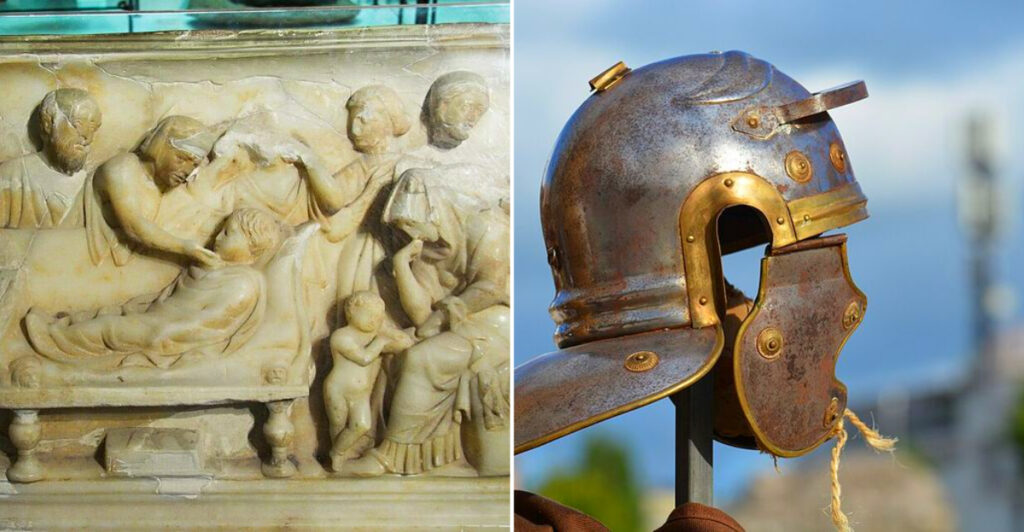
Ancient Rome is often remembered for its mighty emperors, grand arenas, and world-changing engineering feats. Hollywood has filled our imaginations with marble temples, lavish banquets, and fearless gladiators marching through sun-drenched streets. Yet for the overwhelming majority of Romans, everyday life was far less glamorous than the history books suggest. Behind the empire’s magnificent monuments was a society where disease spread rapidly, punishments were severe, and ordinary daily routines carried surprising dangers.
Historians estimate that roughly 80% of Rome’s population lived at or near poverty level, with limited access to clean food, safe housing, or reliable medical care. The gap between the Rome of popular imagination and the Rome of historical record is enormous. If you have ever romanticized life under the Caesars, the following 15 realities might make you grateful you were born in a different century.
1. Most People Lived in Dangerous Apartment Buildings
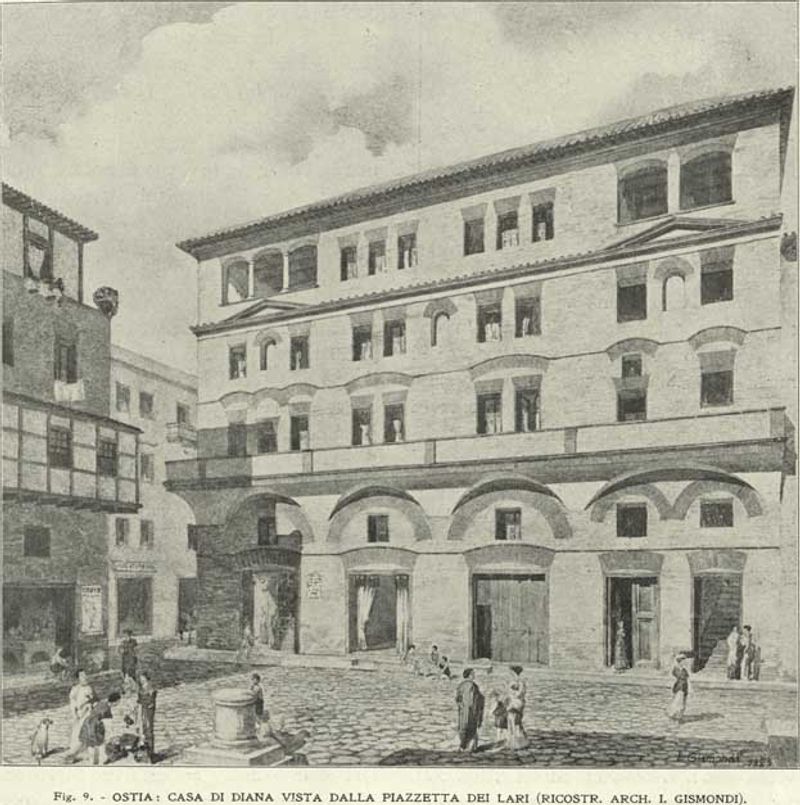
Forget the elegant villas that fill museum paintings. The vast majority of Rome’s urban population lived in crowded apartment blocks called insulae, which were often several stories tall and built as cheaply as possible.
Structural collapses were common enough that Roman writers like Juvenal complained about them openly. Upper floors were frequently made of wood, making fire a constant and terrifying threat with little organized response available to residents.
There was no running water above the ground floor, meaning tenants carried water up steep staircases daily. Wealthier Romans occupied lower, sturdier floors, while the poorest families crowded into the highest, most dangerous levels. Historians estimate Rome had far more insulae than private homes, making this precarious existence the standard urban experience rather than the exception.
2. Clean Drinking Water Was Not Guaranteed
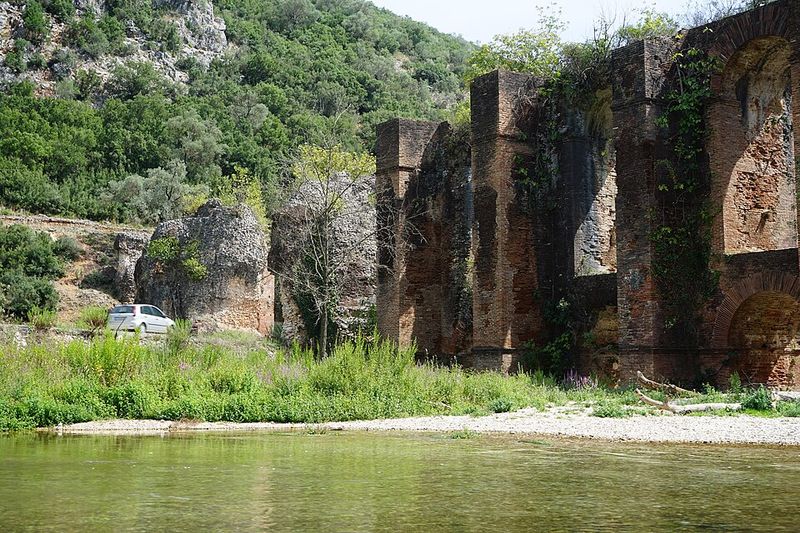
Rome’s aqueducts are celebrated as engineering masterpieces, and rightly so. But access to clean water was distributed very unequally across the city’s population.
Wealthy households paid for direct pipe connections, while most poorer Romans depended on public fountains scattered throughout neighborhoods. During periods of drought, maintenance failures, or political disruption, those fountains could run low or stop entirely.
Lead pipes were widely used throughout the water distribution system, and researchers have found measurable evidence of lead contamination in Roman-era water supplies and even in human remains from the period. The health consequences of chronic low-level lead exposure would have affected large segments of the population without anyone understanding why. Clean, safe drinking water was a privilege of wealth, not a basic guarantee available to every Roman citizen regardless of social standing.
3. Sewers Did Not Make the Streets Clean
The Cloaca Maxima is celebrated as one of antiquity’s greatest engineering achievements, but its reputation has caused many people to overestimate how clean Rome’s streets actually were.
The main sewer system primarily drained public spaces and baths, not private homes. Most apartment dwellers had no direct connection to the sewer network and instead used chamber pots, which were often emptied from windows into the streets below.
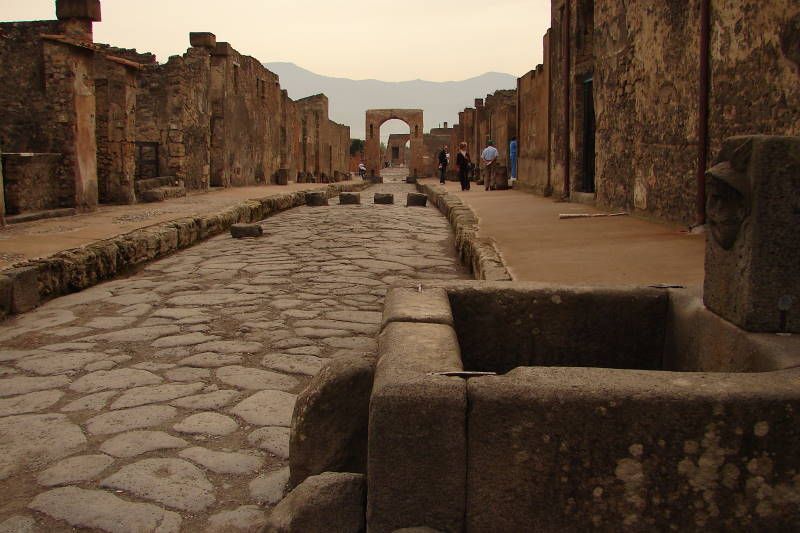
Roman law technically prohibited dumping waste from upper floors, but enforcement was inconsistent and complaints from writers of the era suggest the practice was widespread. Streets accumulated animal waste from livestock, food scraps from vendors, and general garbage between periodic cleanings. Elevated stepping stones found at Pompeii confirm that pedestrians regularly needed to navigate filthy, wet streets just to cross from one side to the other.
4. Deadly Diseases Spread Easily
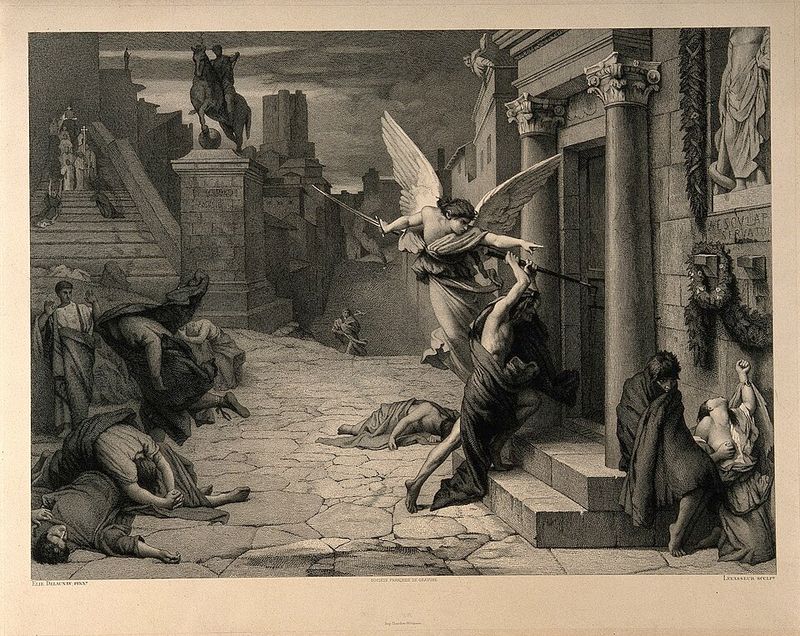
Without modern medicine or germ theory, infectious disease was one of the most powerful forces shaping daily life across the Roman Empire.
Malaria was endemic in many parts of central Italy, including the region around Rome itself. Dysentery, typhoid, tuberculosis, and intestinal parasites were widespread, particularly in densely populated urban areas where sanitation was unreliable and food safety was uncertain.
The Antonine Plague, which struck the empire between 165 and 180 CE, may have killed between five and ten million people across multiple provinces. The Plague of Cyprian followed in the mid-third century and caused additional widespread disruption. Roman doctors had no understanding of bacterial or viral transmission, so containment efforts were largely ineffective. For ordinary citizens, a simple infection that would be treated easily today could escalate into a life-altering or fatal illness within days.
5. Child Mortality Was Shockingly High
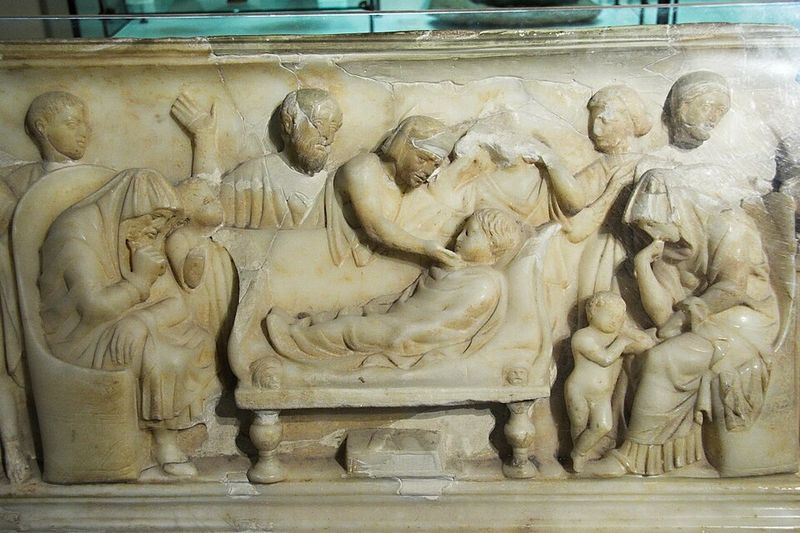
One of the most sobering realities of Roman life is how many children never reached adulthood. Historians and bioarchaeologists estimate that roughly one-third of infants born in the Roman world did not survive their first year of life.
Many more children died before reaching their fifth birthday from infections, malnutrition, contaminated water, and diseases that modern vaccines now prevent entirely. Even in wealthy households with access to better food and medical attention, child loss was a common experience that shaped Roman attitudes toward family and grief.
Roman tombstone inscriptions frequently record the ages of children who passed away at just a few months or years old, offering a quiet but powerful reminder of how fragile early life was. The emotional weight of this reality is visible throughout Roman literature, poetry, and legal customs that developed specifically around the inheritance rights of children who died young.
6. Childbirth Was Extremely Dangerous
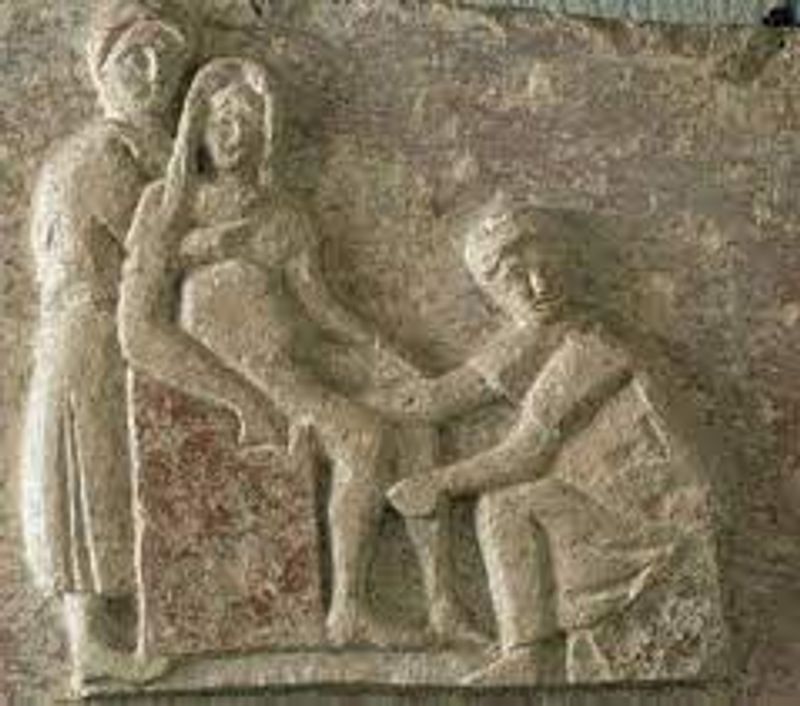
Giving birth in ancient Rome carried risks that are difficult to fully appreciate from a modern perspective. Without antibiotics, blood transfusions, or safe surgical intervention, complications that are routinely managed today could quickly become overwhelming emergencies.
Postpartum infection, excessive bleeding, and difficult deliveries were among the leading causes of early death for women of childbearing age. Roman tombstone inscriptions frequently record women dying young, and many historians believe childbirth complications account for a significant portion of those early deaths.
Midwives provided skilled and valued care, and Roman medical writers like Soranus wrote extensively about obstetric techniques. But even the most experienced midwife had limited tools when serious emergencies arose. The Roman goddess Juno Lucina was specifically invoked during labor, reflecting just how much Roman families understood that the outcome of childbirth was never certain, regardless of preparation or prayer.
7. Crime After Dark Was a Real Threat
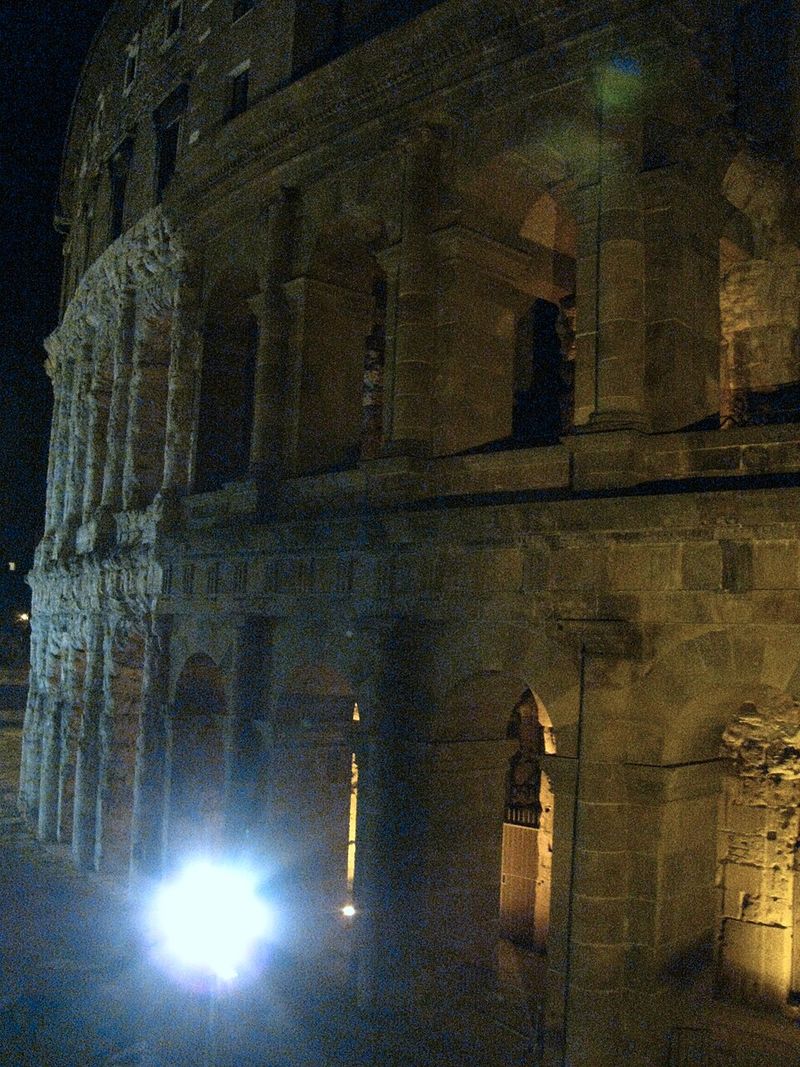
Nighttime in ancient Rome was a genuinely different world from the busy daylight city. Streets had no organized public lighting, and the only illumination came from oil lamps placed outside wealthier homes or carried by individuals themselves.
Rome had no professional police force in the modern sense for most of its history. The Vigiles, established under Emperor Augustus, functioned primarily as a fire brigade with some watchman duties, but their coverage was limited and their authority was inconsistent.
Juvenal, the sharp-tongued Roman satirist writing in the early second century CE, specifically warned readers about the dangers of walking Rome’s streets at night without a group of companions for protection. Theft, assault, and the hazard of objects being thrown from upper-floor windows were all documented risks. For ordinary Romans without servants or bodyguards, the safest strategy after dark was simply to stay home.
8. Food Poisoning Was Common
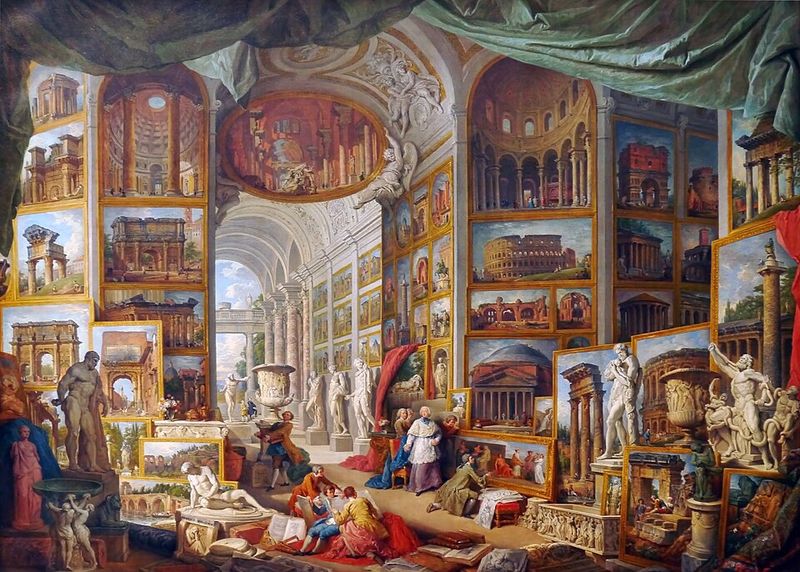
Romans enjoyed a remarkably varied diet that included bread, olive oil, fish, legumes, vegetables, and cured meats. But keeping food safe was a daily challenge that modern refrigeration has made almost invisible to contemporary consumers.
Without any form of cold storage, meat and seafood spoiled rapidly, especially during the long Mediterranean summers when temperatures regularly climbed well above what food safety requires. Market vendors had strong financial reasons to sell questionable goods rather than discard them, and buyers had limited ways to assess freshness with confidence.
Garum, the fermented fish sauce used throughout Roman cooking, was produced through a lengthy fermentation process that, when done correctly, was safe. But improperly prepared batches could harbor harmful bacteria. Archaeological evidence and Roman medical texts both document frequent stomach ailments, and writers of the period offered regular advice about avoiding spoiled food, suggesting the problem was familiar to virtually everyone.
9. Fire Could Destroy Entire Neighborhoods
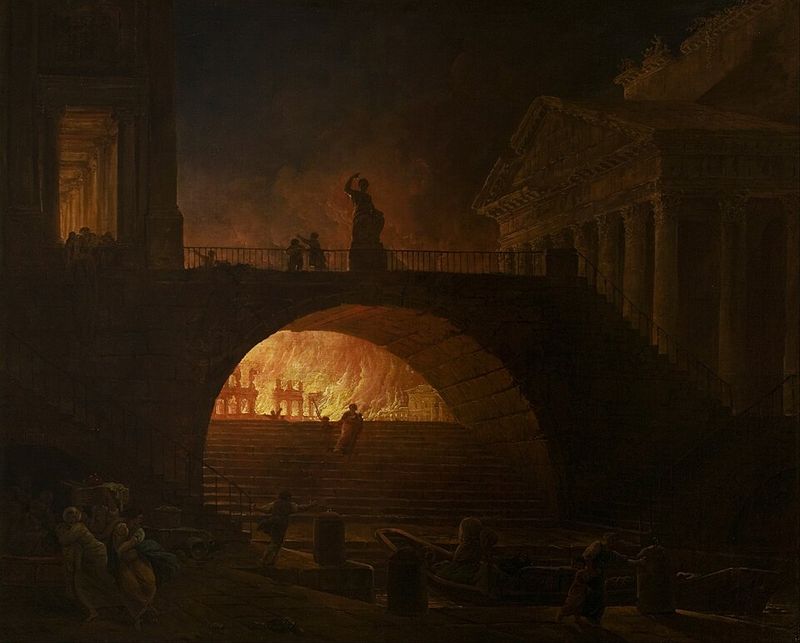
Urban fire was one of the most persistent and destructive threats facing residents of ancient Rome. Open-flame cooking, oil lamps burning through the night, wooden building materials, and tightly packed streets created conditions where a single accident could consume an entire block within hours.
The Great Fire of 64 CE, which occurred during the reign of Emperor Nero, burned for six days and destroyed or severely damaged ten of Rome’s fourteen districts. But that catastrophic event was only the most famous in a long history of urban fires that regularly reshaped the city’s neighborhoods.
Augustus created the Vigiles specifically to address the fire risk, stationing them in posts around the city. Even so, the combination of dense housing, limited water pressure, and the absence of firebreaks meant that once a blaze gained momentum in a residential district, containment was extremely difficult and losses were often severe.
10. Punishments Could Be Horrifically Brutal
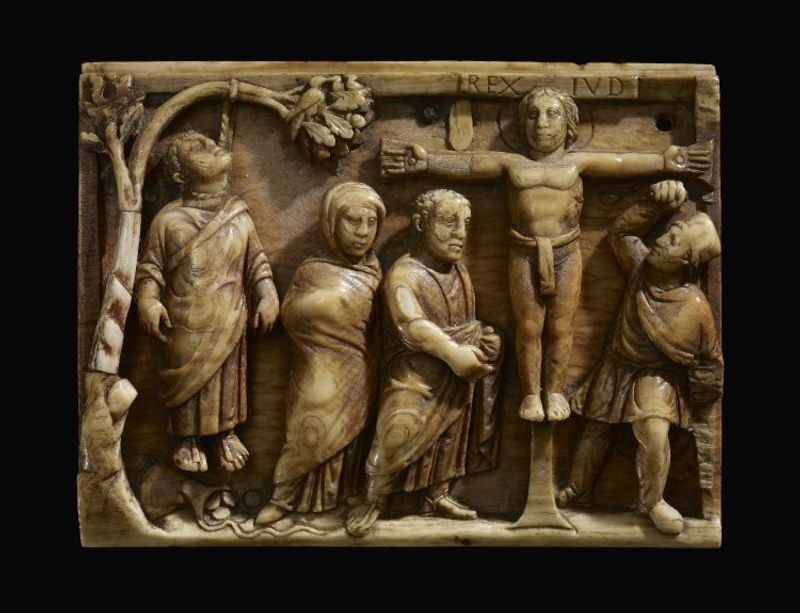
Roman law was sophisticated and influential, forming the foundation of legal systems still used across much of the world today. But the punishments it authorized were often severe in ways that reflect a very different set of values around justice and public order.
A key feature of Roman criminal law was that punishment varied significantly based on social status. Lower-class citizens and enslaved people faced penalties that included public flogging, forced labor in mines, condemnation to fight in arenas, and crucifixion, while wealthier citizens convicted of similar offenses might face exile or a comparatively dignified execution.
Torture was a legally recognized interrogation tool, particularly when questioning enslaved individuals whose testimony was considered legally valid only if obtained under duress. Public punishments served as deliberate community spectacles intended to reinforce social order, meaning that for many Romans, witnessing extreme penalties was simply a routine part of civic life.
11. Slavery Was Everywhere
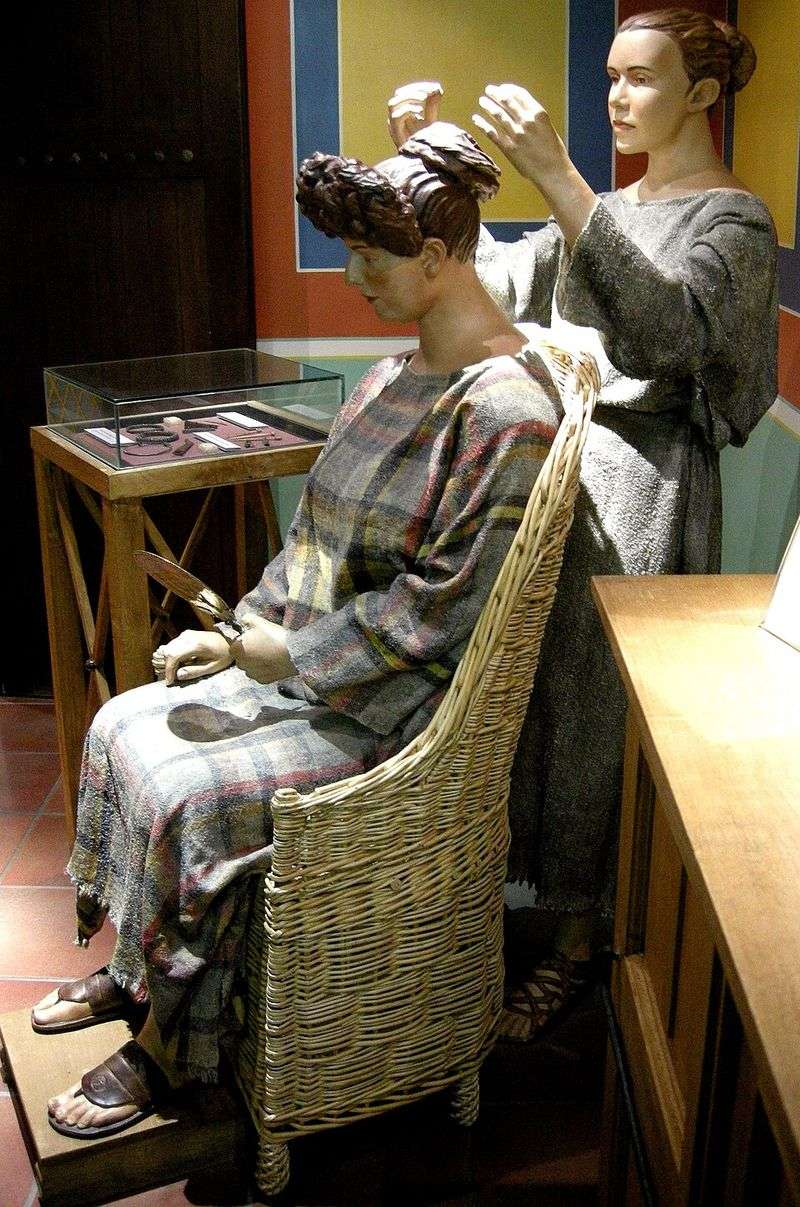
Historians estimate that between 10% and 20% of the Roman Empire’s total population consisted of enslaved people, with the percentage rising even higher in the city of Rome itself and on large agricultural estates.
Enslaved individuals were legally classified as property, with no personal rights, no family protections, and no recourse against mistreatment. They could be bought and sold, separated from their children, subjected to physical punishment, or forced into the most dangerous forms of labor, including work in mines where life expectancy was extremely short.
The Roman economy depended so heavily on enslaved labor that it shaped wages, employment opportunities, and social mobility for free workers as well. Abundant forced labor kept wages near subsistence levels for many free laborers who might otherwise have competed for the same work, creating economic pressure that extended well beyond the enslaved population itself.
12. Air Pollution Was Worse Than You Might Expect
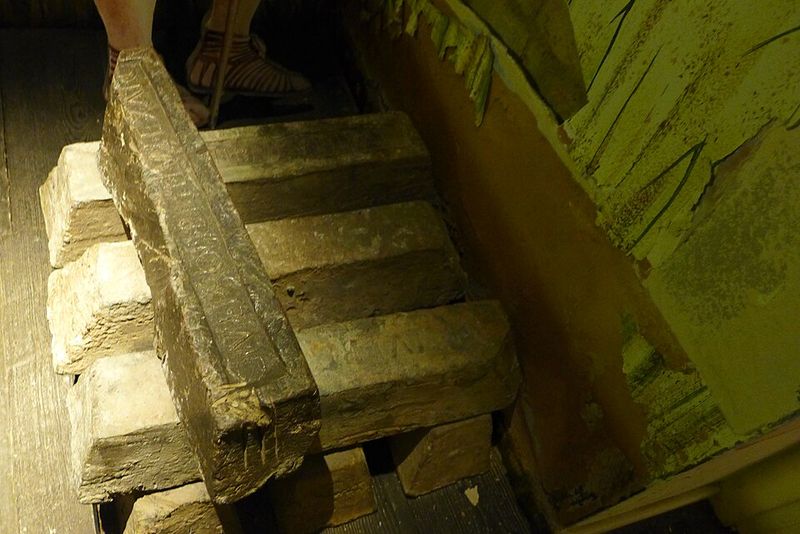
Modern researchers studying ice cores from Greenland and the Arctic have found measurable spikes in atmospheric lead and other metal pollutants that correspond directly with the height of Roman industrial activity, a striking confirmation that ancient Rome’s environmental footprint was real and significant.
Wood-burning fires heated homes, fueled bakeries, powered pottery kilns, and drove metalworking forges across the city around the clock. The combination of industrial smoke and domestic cooking fires in a densely populated urban area created chronic air quality problems that residents had no framework to understand or address.
Mining operations across the empire, particularly silver and lead mining in Spain, released substantial quantities of metal particulates that spread across the continent. Roman physicians documented respiratory illnesses frequently, though they attributed them to climate and imbalanced bodily humors rather than environmental contamination. The health consequences were real even if their cause remained invisible to those experiencing them.
13. Medical Treatments Could Be More Harmful Than Helpful
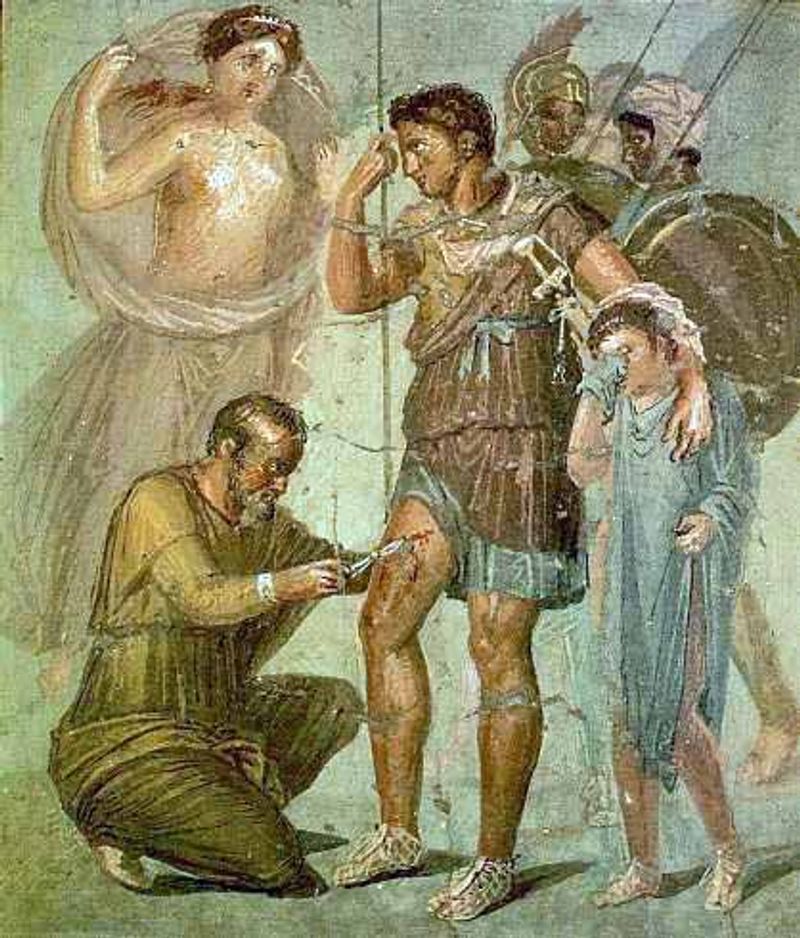
Roman medicine produced genuinely impressive figures, including Galen of Pergamon, whose anatomical writings influenced medical practice for over a thousand years. But impressive scholarship and safe, effective treatment were not always the same thing.
Bloodletting was a widely practiced treatment for a broad range of conditions, based on the theory that illness resulted from imbalanced bodily fluids. Removing blood from an already weakened patient frequently made their condition worse rather than better.
Surgical procedures were performed without anesthesia beyond limited use of substances like mandrake or opium, which were unreliable and difficult to dose accurately. Wound infection was a constant risk because the concept of sterile technique did not exist. Military hospitals, called valetudinaria, provided relatively organized care for soldiers, but for civilians, medical attention meant a physician visiting the home with tools that carried their own risks alongside any potential benefits.
14. Entertainment Was Often Incredibly Violent
The Colosseum held roughly 50,000 spectators and hosted events that drew crowds from across the city and beyond. What filled those seats, however, was entertainment built around combat, suffering, and public executions conducted as midday spectacle between the more prestigious gladiatorial bouts.
Wild animal hunts, called venationes, involved the killing of thousands of animals imported from across Africa and Asia. Criminals and prisoners were sometimes executed publicly in the arena as part of the scheduled entertainment, often in elaborate and theatrical ways designed to hold audience attention.
Gladiatorial combat was not always fatal, and evidence suggests many gladiators survived multiple fights. But the overall culture of Roman public entertainment normalized extreme violence as a form of civic leisure in a way that had no equivalent in most modern societies. Children attended these events alongside adults, treating the spectacle as an ordinary feature of community life.
15. Your Life Could Change Overnight Because of Politics
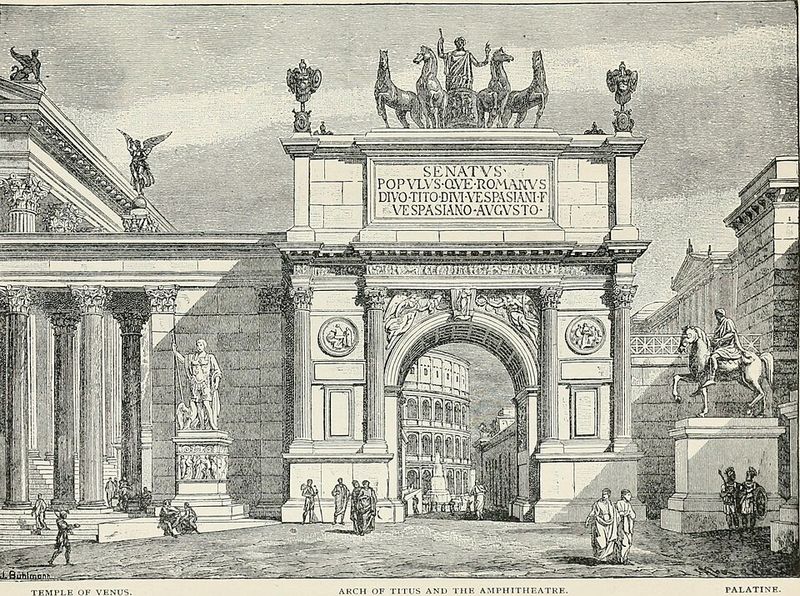
Between 27 BCE and 476 CE, the Roman Empire was ruled by dozens of emperors, many of whom came to power through military force, political conspiracy, or civil conflict rather than peaceful succession.
Political purges were a documented feature of Roman imperial life. Emperors like Sulla, Domitian, and Caracalla conducted systematic eliminations of political rivals, and the consequences often extended to the families, clients, and associates of those targeted. A senator’s downfall could mean the confiscation of an entire household’s property and the displacement of everyone connected to him.
For ordinary citizens living outside the elite, the effects of political instability arrived through heavy taxation to fund civil wars, military requisitioning of food and supplies, disruption of trade routes, and the general uncertainty that came with living in a system where the rules could change completely depending on who held power in any given year.
Share this story