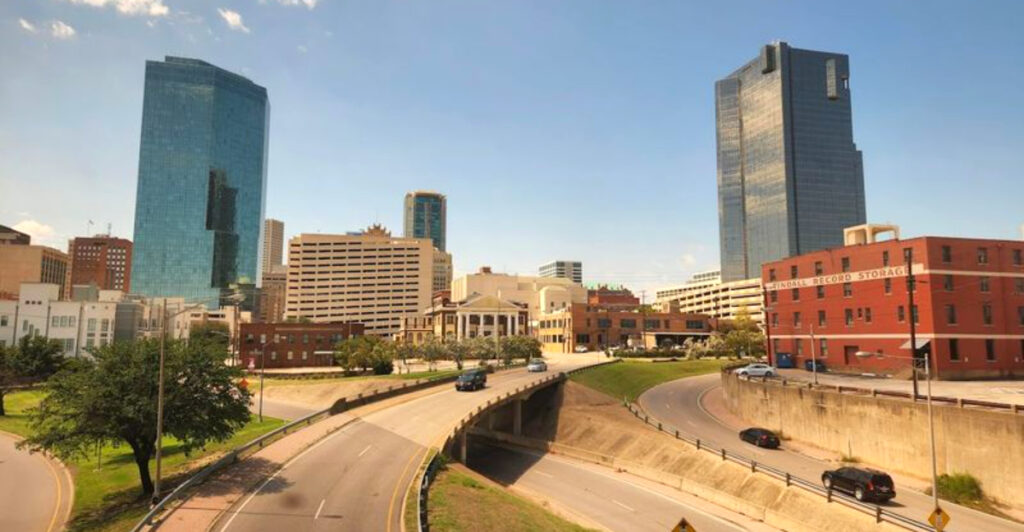
Millions of Mexican-Americans call the United States home, shaping the culture, food, language, and history of cities across the country. From the Southwest to the Midwest, their influence runs deep in neighborhoods, schools, businesses, and local traditions.
Understanding where Mexican-Americans have built the largest communities gives us a clearer picture of how diverse and vibrant American cities really are. Here is a look at 15 U.S. cities with some of the largest Mexican-American populations today.
1. Los Angeles, California
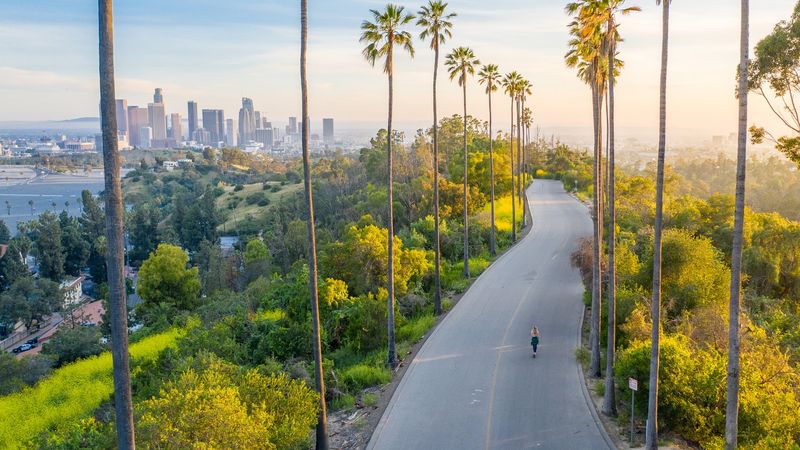
No city in the United States tells the story of Mexican-American life quite like Los Angeles. With well over one million residents of Mexican descent, LA stands as the largest Mexican-American urban community in the country.
Neighborhoods like East Los Angeles have been cultural hubs for generations.
The city’s Mexican roots stretch back centuries, long before California became a U.S. state. Spanish street names, traditional markets, and vibrant murals painted across building walls are everyday reminders of that deep history.
Festivals like Cinco de Mayo and Dia de los Muertos draw enormous crowds each year.
Mexican food is woven into the everyday fabric of LA life, from street tacos to family-owned restaurants that have served the same recipes for decades. The Mexican-American community here continues to grow in political influence, arts, and business leadership across Southern California.
2. San Antonio, Texas
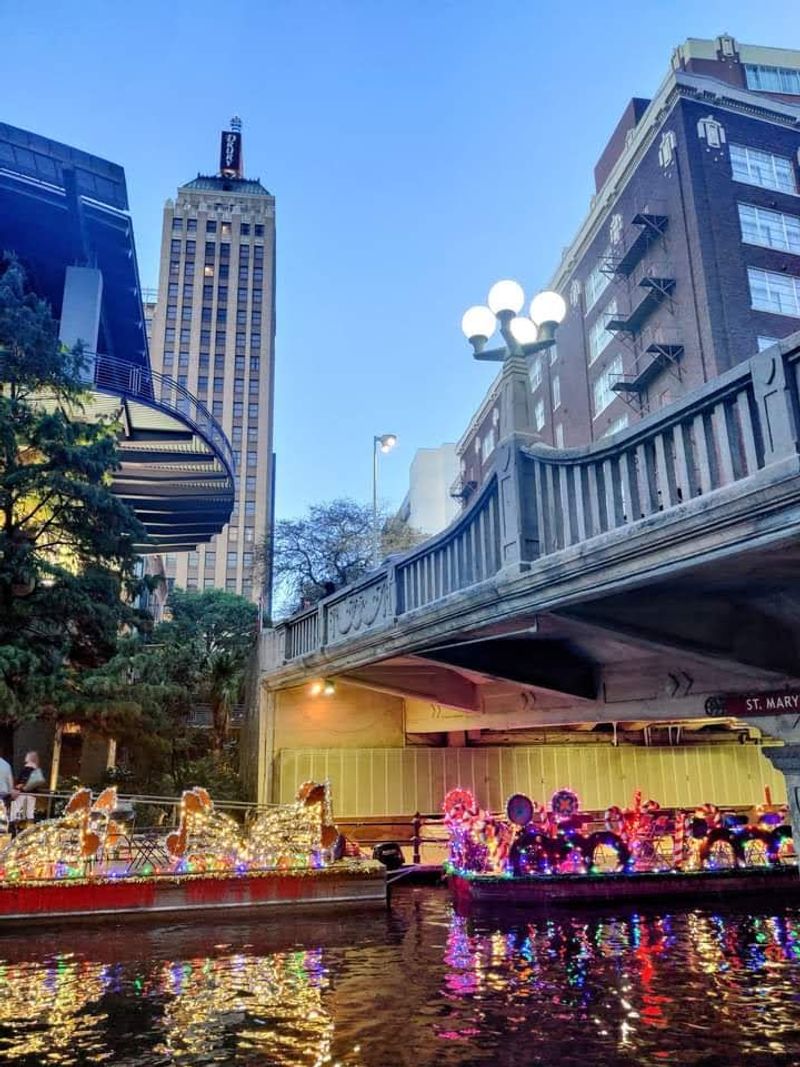
San Antonio wears its Mexican heritage proudly and loudly. Nearly 64 percent of the city’s population identifies as Hispanic or Latino, with Mexican-Americans making up the overwhelming majority of that group.
The city has deep ties to Mexico that go back well before Texas declared independence in 1836.
The famous River Walk is lined with Mexican restaurants, shops, and cultural events that celebrate this shared identity year-round. Fiesta San Antonio, one of the largest festivals in the state, draws over three million visitors and honors the city’s multicultural roots with parades, music, and food.
San Antonio is also home to strong Mexican-American political leadership. Several mayors and city council members have come from the community, shaping local policy and public life.
For many families here, being Mexican-American is not just a background, it is the very heartbeat of the city itself.
3. Houston, Texas
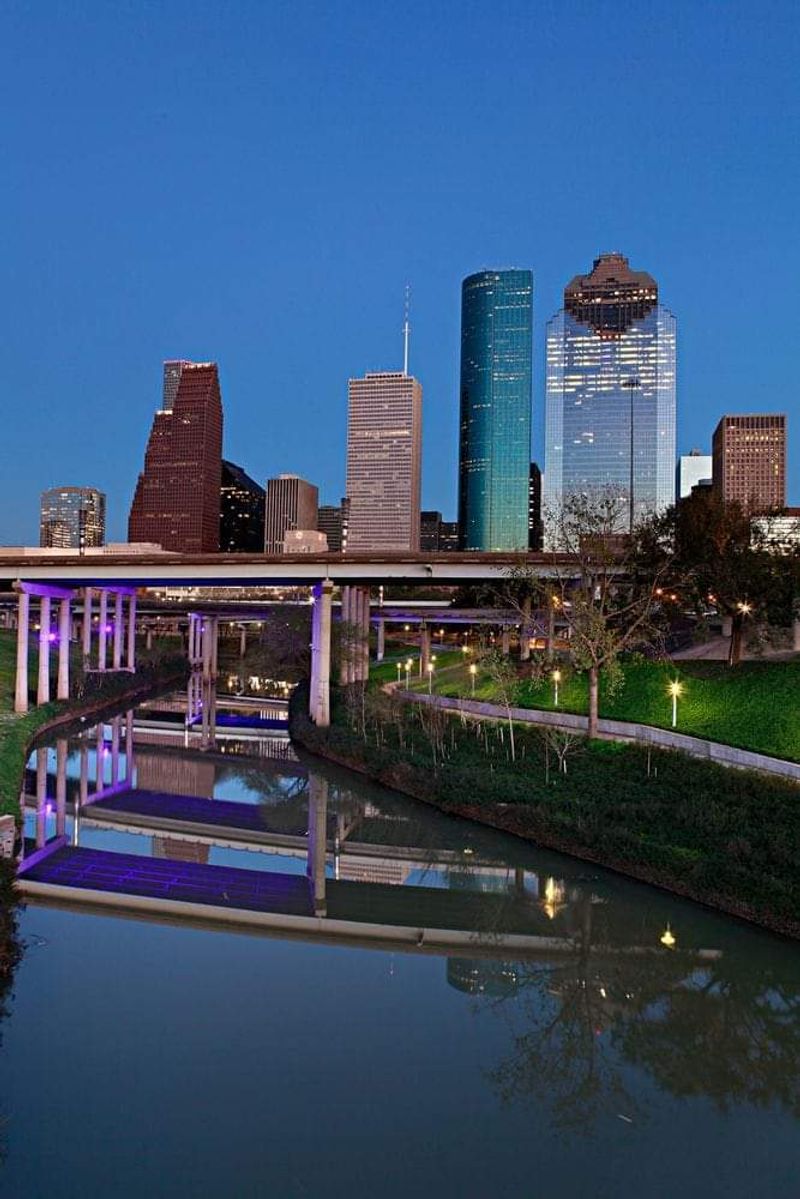
Houston is one of the most ethnically diverse cities in the entire United States, and its Mexican-American community plays a central role in that story. Over 900,000 residents claim Mexican heritage, making this Texas city one of the top destinations for Mexican-American families across the nation.
The East End neighborhood, sometimes called Segundo Barrio, has historically been the heart of Houston’s Mexican-American life. Today it continues to evolve while holding onto its cultural roots through murals, local businesses, and community events.
Lowrider shows, traditional quinceañeras, and street markets are all part of the local rhythm.
Houston’s economy has benefited enormously from Mexican-American workers and entrepreneurs in industries ranging from construction and healthcare to food service and technology. The community’s political voice has also grown stronger, with elected officials representing Mexican-American interests at city, county, and state levels.
Houston keeps growing, and so does its Mexican-American presence.
4. Phoenix, Arizona
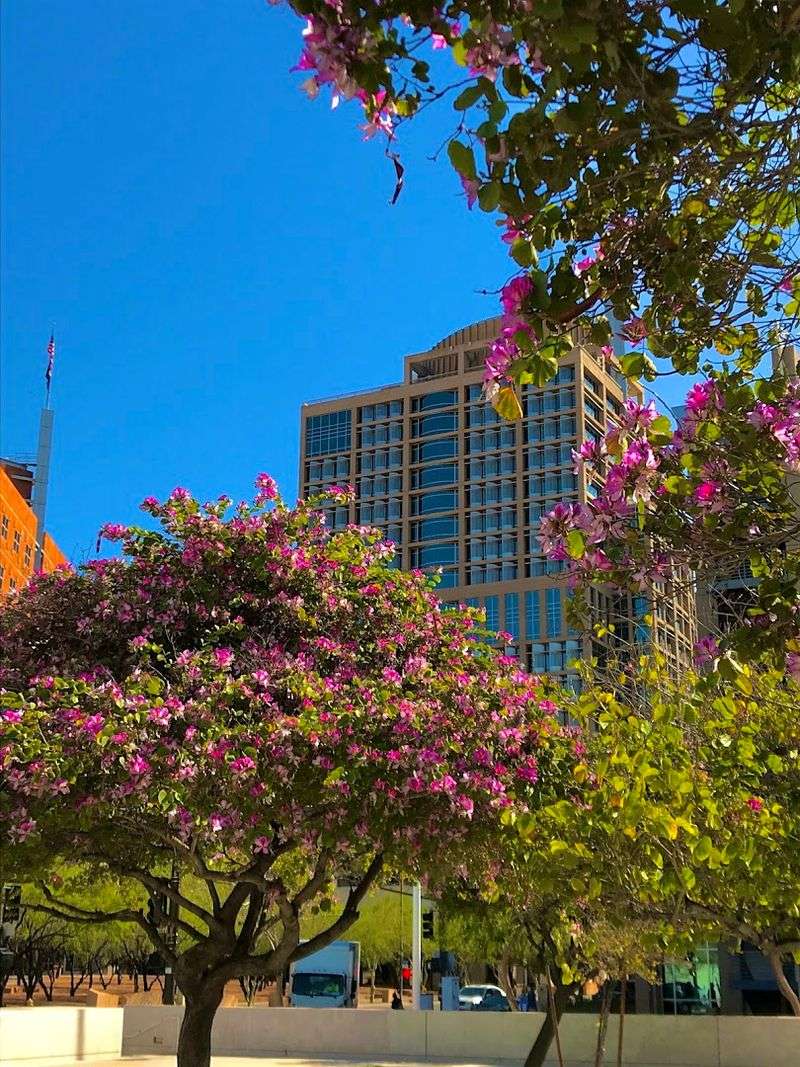
Phoenix sits close enough to the U.S.-Mexico border to feel its cultural influence every single day. Mexican-Americans make up roughly 40 percent of the city’s population, bringing traditions, languages, and flavors that have shaped Phoenix into a uniquely bicultural place.
The city’s growth over recent decades has been fueled in large part by this community.
South Phoenix has long been considered the cultural center of Mexican-American life in the city. Community organizations, Spanish-language churches, and local businesses have helped generations of families build stable, thriving lives there.
The Mercado district offers a taste of traditional Mexican commerce right in the heart of the city.
Phoenix also hosts vibrant celebrations of Mexican holidays, including large public gatherings for Mexican Independence Day on September 16. Local schools with high Hispanic enrollment have worked to include bilingual education programs.
This blend of cultures makes Phoenix one of the Southwest’s most interesting and welcoming cities for Mexican-American families.
5. Chicago, Illinois
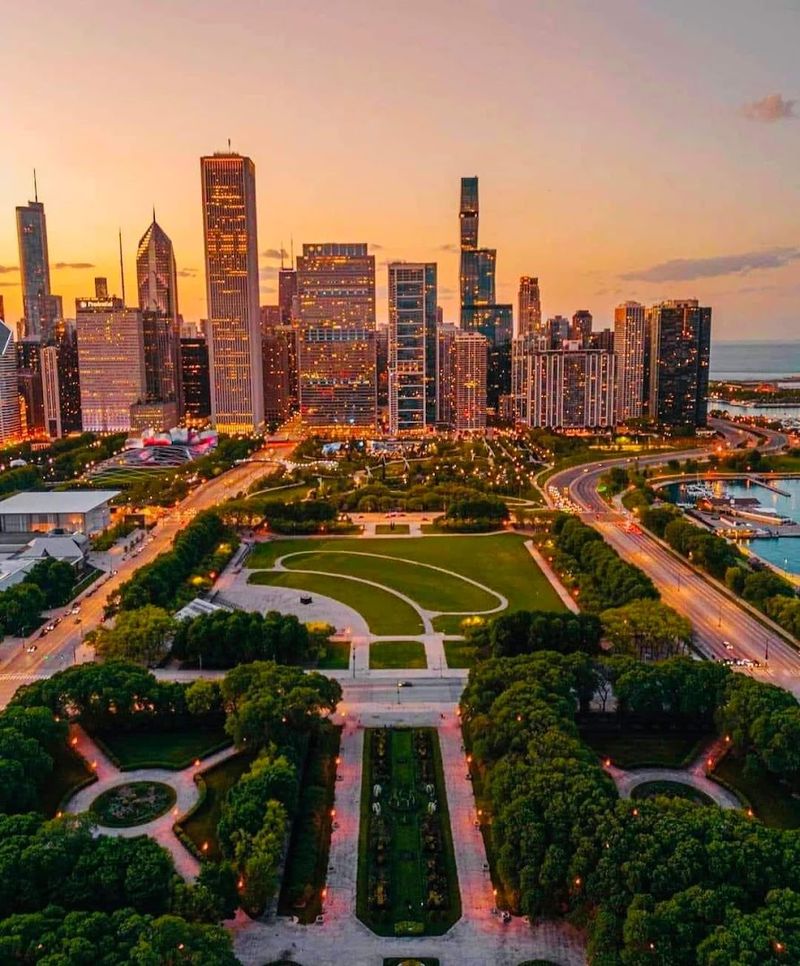
Chicago might not be the first city people think of when it comes to Mexican-American culture, but it absolutely should be. With over 700,000 residents of Mexican descent, Chicago has one of the largest Mexican-American populations of any city outside the American Southwest.
The community began growing here in the early 1900s when workers came north for factory jobs.
The Pilsen neighborhood on the city’s Lower West Side is the cultural soul of Mexican Chicago. Its streets are covered in stunning murals that tell stories of migration, labor, family, and pride.
The National Museum of Mexican Art, located right in Pilsen, is the only Latino museum recognized by the American Alliance of Museums.
Little Village, another key neighborhood, is often called the Mexican commercial capital of the Midwest. Its 26th Street corridor generates hundreds of millions of dollars in retail sales annually.
Chicago’s Mexican-American community has built something remarkable far from the border, and it shows every day.
6. El Paso, Texas
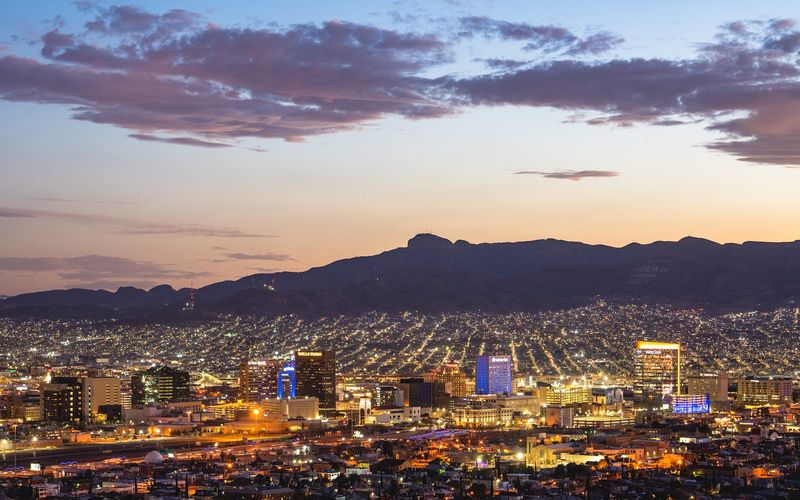
El Paso is unlike almost any other city in America. Sitting directly on the U.S.-Mexico border across from Ciudad Juarez, it is a place where two countries blend so naturally that the line between them sometimes feels invisible.
About 80 percent of El Paso’s population is Hispanic, with Mexican-Americans forming the vast majority of that group.
Life here moves to a binational rhythm. Many residents have family on both sides of the border, cross regularly for work or shopping, and speak Spanish and English interchangeably throughout the day.
The food, music, and customs of both nations live side by side in total comfort.
El Paso consistently ranks as one of the safest large cities in the United States, a fact that often surprises outsiders. Strong community bonds and a shared sense of identity contribute to that stability.
For Mexican-Americans here, this city is not just a place to live, it is a way of life passed down through many generations.
7. Dallas, Texas
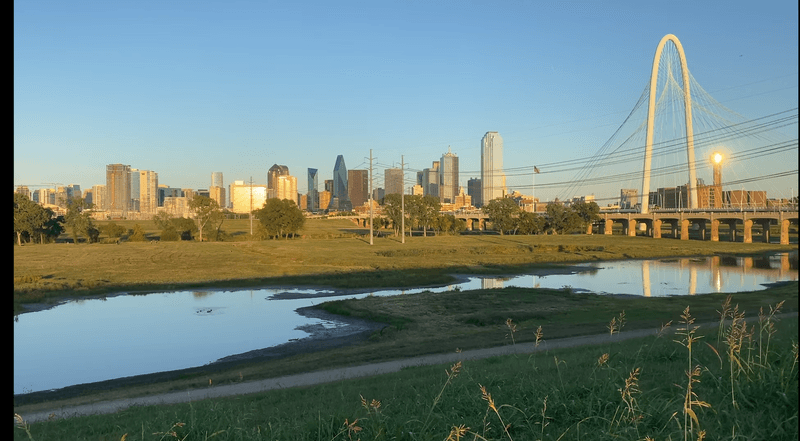
Dallas has transformed dramatically over the past few decades, and its growing Mexican-American population is a big reason why. Today, roughly 42 percent of Dallas residents identify as Hispanic or Latino, with Mexican-Americans leading that demographic.
The community has reshaped neighborhoods, politics, and the city’s cultural identity in meaningful ways.
Oak Cliff, located just south of downtown Dallas, has become a thriving Mexican-American hub. Its streets feature authentic taquerias, panaderias, and family-run shops that serve the community with pride.
Cultural events like the Dallas Cinco de Mayo celebration bring thousands of people together each spring in a festive display of heritage.
Mexican-American workers in Dallas have contributed significantly to the construction, hospitality, and service industries that keep the city running. Entrepreneurs from the community have also launched businesses that serve both Spanish-speaking and English-speaking customers.
Dallas is a city on the rise, and its Mexican-American community is helping lead the way forward.
8. San Diego, California
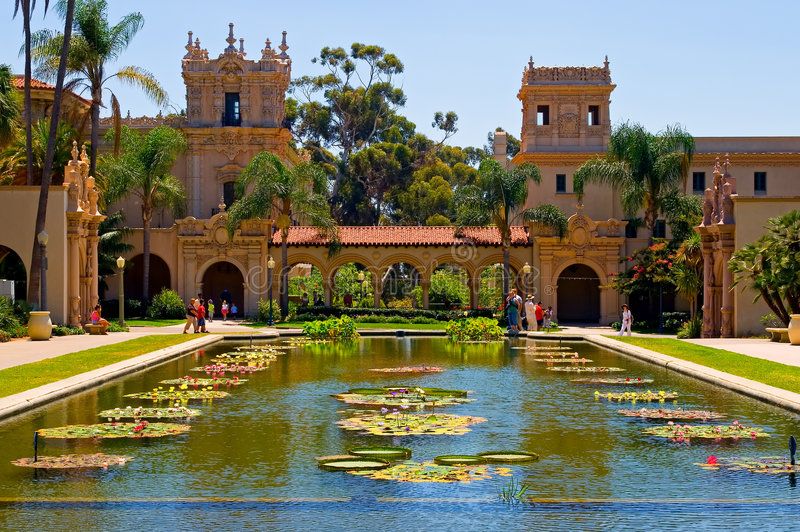
San Diego’s location just 15 miles north of Tijuana makes it one of the most naturally bicultural cities in the United States. Mexican-Americans make up a significant portion of the city’s 1.4 million residents, and their influence is deeply embedded in everything from architecture to food to local government.
The Barrio Logan neighborhood is the historic heart of Mexican-American San Diego.
Chicano Park, located in Barrio Logan, is a landmark of Mexican-American pride and resilience. Its massive painted pillars under the Coronado Bridge tell the story of the community’s fight to protect its space and culture.
The park was established in 1970 after residents took a stand against a planned highway patrol station on land promised to the community.
San Diego’s Mexican-American community continues to shape the city in powerful ways. From local elections to arts and education, their contributions are everywhere.
The city’s proximity to Mexico keeps cultural connections fresh and alive across generations, making San Diego a truly unique border community.
9. New York, New York
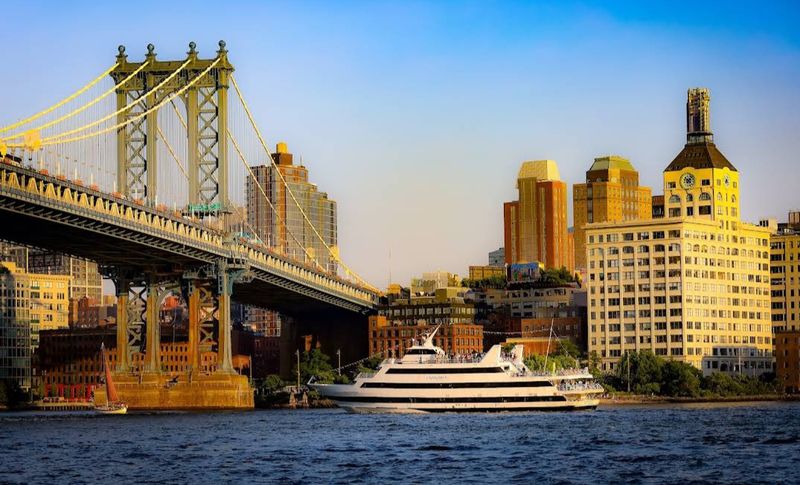
New York City might seem like an unlikely home for a large Mexican-American population, but the numbers tell a different story. Over 300,000 people of Mexican descent live in the five boroughs, making it one of the fastest-growing Latino subgroups in the city.
Many arrived from the Mexican state of Puebla, earning parts of the Bronx and Brooklyn the nickname Puebla York.
Unlike the Southwest, New York’s Mexican community is relatively young in terms of its history here, with major growth occurring from the 1980s onward. Immigrants settled into working-class neighborhoods and built tight-knit communities centered around churches, soccer leagues, and local restaurants.
Their presence has added a new layer to New York’s already incredible cultural mix.
Mexican restaurants and taquerias now appear in nearly every borough, serving both the community and adventurous New Yorkers. Cultural celebrations like the Mexican Independence Day parade in Manhattan draw large, enthusiastic crowds.
New York’s Mexican-American story is still being written, and it grows richer every year.
10. Fort Worth, Texas
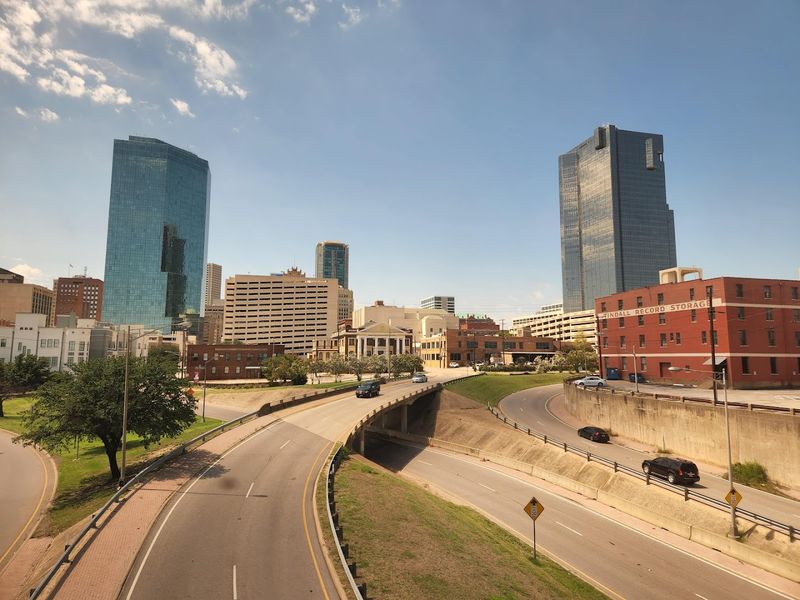
Fort Worth may live in Dallas’s shadow in some ways, but its Mexican-American community shines on its own terms. Hispanic residents make up over 35 percent of Fort Worth’s population, with Mexican-Americans forming the core of that group.
The Near Southside and Northside neighborhoods have been home to Mexican-American families for generations.
The Northside, sometimes called the Mexican-American Northside, is particularly rich in cultural life. Its streets feature murals, family-owned restaurants, and community centers that have served as gathering places for decades.
The area hosts local festivals and events that bring the broader Fort Worth community together to share in Mexican traditions and food.
Fort Worth’s Mexican-American residents have contributed significantly to the city’s economy, particularly in construction, meatpacking, and the service industry. Community organizations have worked hard to improve access to education and healthcare for families in these neighborhoods.
Fort Worth continues to grow, and its Mexican-American roots run deeper than many people might expect.
11. San Jose, California
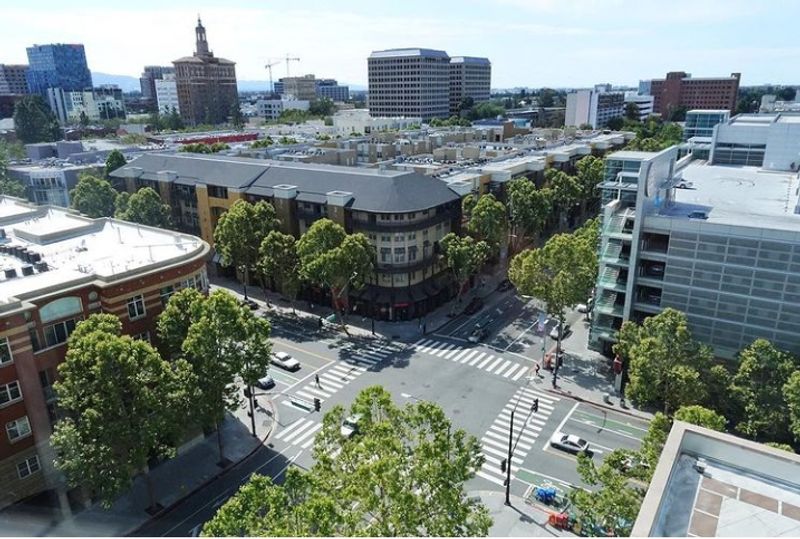
San Jose sits at the heart of Silicon Valley, but long before tech companies moved in, Mexican-American families were already calling this city home. Today, roughly 33 percent of San Jose’s population is Hispanic, with Mexican-Americans making up the largest share.
The Eastside of the city has historically been the center of Mexican-American community life.
The Eastside is known for its colorful murals, vibrant street life, and strong sense of neighborhood pride. Organizations like the Mexican Heritage Corporation have worked for years to preserve and promote Mexican culture through arts, education, and public events.
The Mexican Heritage Plaza serves as a major venue for cultural performances and community gatherings throughout the year.
Despite the pressures of rising housing costs in the Bay Area, many Mexican-American families in San Jose have held on and continued to build their lives here. Their contributions to local businesses, schools, and civic life remain essential.
San Jose’s Mexican-American community is a cornerstone of the city’s identity, even as the city rapidly changes around them.
12. Fresno, California
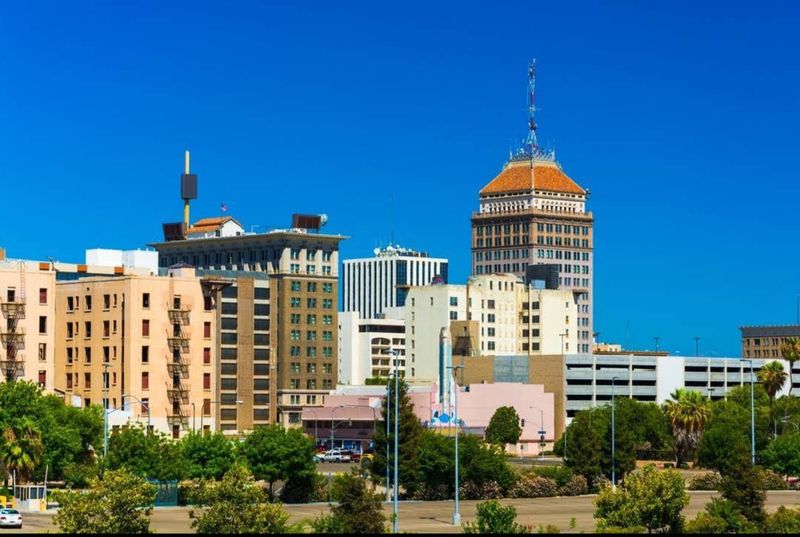
Fresno sits in the heart of California’s Central Valley, a region that feeds much of the nation and has long depended on Mexican-American farmworkers to do it. Today, Hispanics make up over 50 percent of Fresno’s population, with Mexican-Americans representing the dominant group.
The city’s story is deeply connected to the labor and sacrifice of agricultural workers and their families.
Cesar Chavez, the legendary labor leader who co-founded the United Farm Workers union, organized many of his early efforts in this very region. His legacy is honored in Fresno through schools, streets, and community events that remind residents of how far the Mexican-American labor movement has come.
That history of hard work and advocacy is part of the city’s DNA.
Beyond agriculture, Mexican-Americans in Fresno have built strong presences in education, local government, and small business. Community celebrations like the Fresno Hmong New Year often share space with Mexican cultural events, reflecting the city’s broader diversity.
Fresno is a working city with a proud and enduring Mexican-American spirit at its core.
13. Austin, Texas
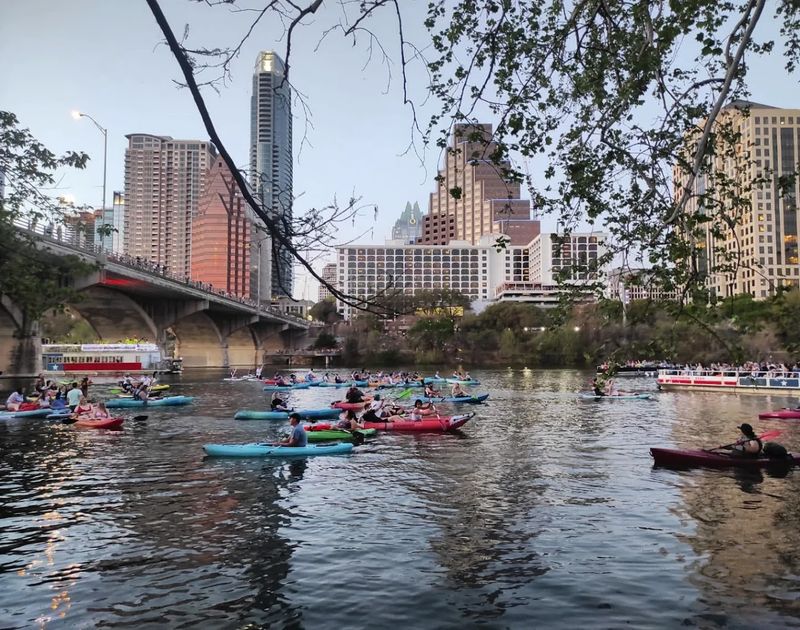
Austin has become one of the fastest-growing cities in America, but beneath all the tech industry buzz is a Mexican-American community with roots that go back much further than any startup. Hispanic residents make up about 33 percent of Austin’s population, with Mexican-Americans forming the heart of that group.
East Austin has long been the cultural center of Mexican-American life in the city.
For decades, East Austin was home to working-class Mexican-American families who built churches, schools, and businesses that defined the neighborhood’s character. As Austin boomed and gentrification pushed into the area, many families faced displacement, making the preservation of Mexican-American culture an ongoing and important conversation in the city.
Despite those pressures, Mexican-American cultural traditions remain strong in Austin. Taco culture, which Austin is famously known for, owes a direct debt to Mexican culinary traditions.
Dia de los Muertos celebrations, mariachi performances, and local advocacy groups all keep Mexican-American identity alive and visible in this rapidly evolving Texas capital.
14. Tucson, Arizona
Tucson has one of the longest and most layered Mexican-American histories of any city in the United States. Before it was an American city, it was a Spanish colonial settlement and later part of Mexico.
That layered past gives Tucson a sense of Mexican-American identity that feels ancient and unshakeable. About 43 percent of the city’s residents identify as Hispanic or Latino.
The Barrio Viejo neighborhood in downtown Tucson is one of the best-preserved examples of traditional Mexican-American urban life anywhere in the Southwest. Its adobe homes, narrow streets, and colorful facades feel like a living museum of Sonoran culture.
The neighborhood has faced development pressures for years but continues to hold its ground as a protected historic district.
Tucson’s food scene is deeply rooted in Sonoran Mexican cuisine, which is distinct from other regional Mexican styles. Flour tortillas, carne seca, and Sonoran hot dogs are local staples that reflect this unique culinary tradition.
In 2015, Tucson became the first U.S. city designated a UNESCO City of Gastronomy, a title that honors its deep food heritage.
15. Santa Ana, California
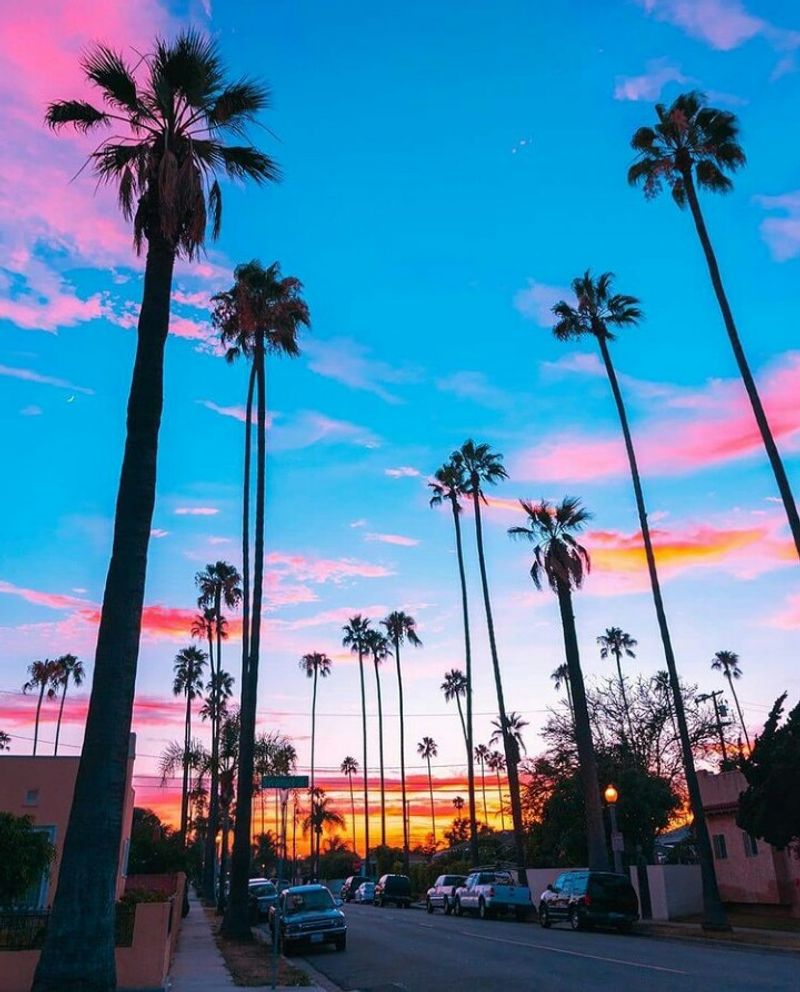
Santa Ana is a small city by geographic size but enormous in cultural weight. Located in Orange County, California, it has one of the highest concentrations of Mexican-Americans of any city in the entire country.
Over 75 percent of its population is Hispanic, and the community’s influence touches every corner of city life, from street food to city hall.
The downtown Fourth Street corridor, known locally as La Cuatro, is the commercial and social heart of Santa Ana’s Mexican-American community. Vendors, restaurants, and shops line the street with offerings that feel more like a Mexican marketplace than a typical American downtown.
The area is lively, colorful, and deeply rooted in the traditions that families brought with them from Mexico.
Santa Ana also has a strong tradition of community activism. Residents have organized around issues like immigration rights, affordable housing, and access to education.
That civic energy has produced local leaders who advocate loudly for their neighbors. Santa Ana may be small on the map, but its Mexican-American community makes it one of the most culturally significant cities on this entire list.
Share this story