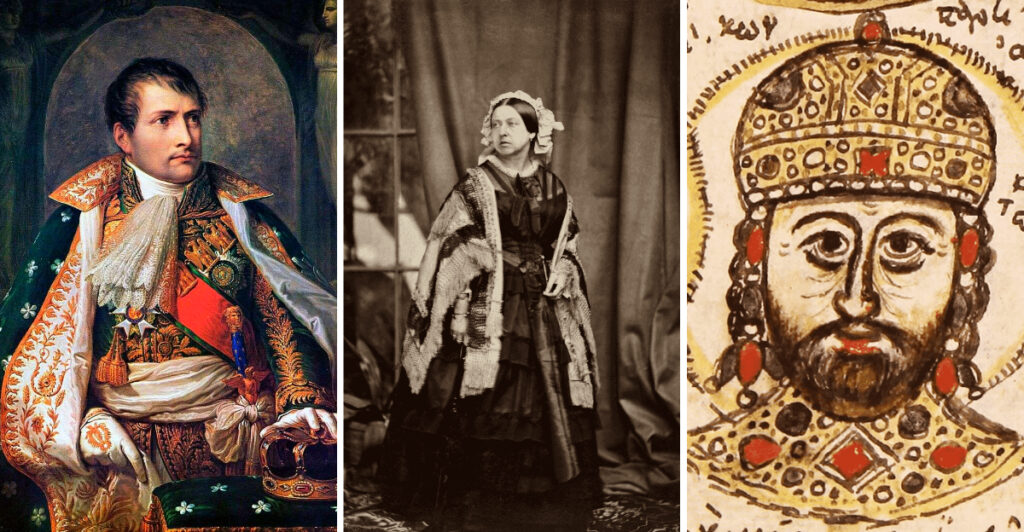
Throughout history, certain individuals have stood at the crossroads of time, their lives and deaths marking the close of entire civilizations, empires, or ways of life. When these figures passed, the world they had known, and in many cases shaped, disappeared with them.
From ancient Egypt to the Soviet Union, their stories stretch across thousands of years and dozens of cultures. Understanding who they were and what their endings meant helps us see how dramatically history can turn on a single life.
1. Cleopatra VII (30 BC)
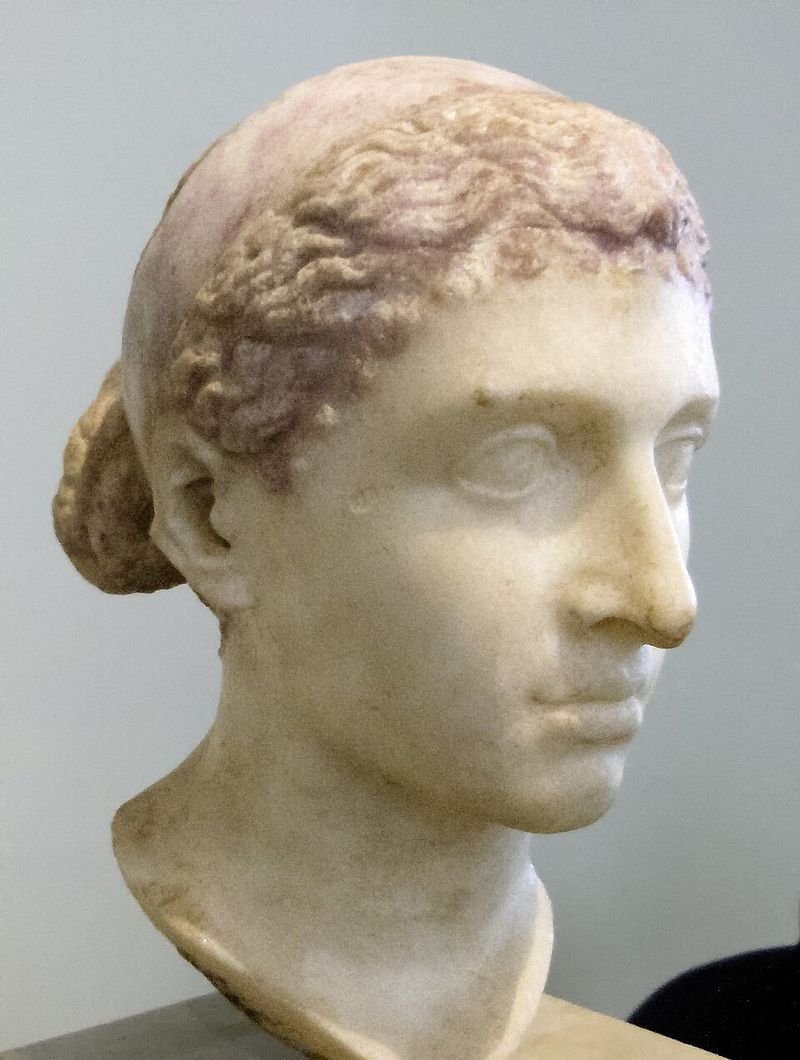
Few rulers have captivated the world’s imagination quite like Cleopatra VII, the last active pharaoh of ancient Egypt. Born into the Ptolemaic dynasty, she was sharp, multilingual, and politically savvy in ways that few leaders of her time could match.
She spoke nine languages and was the first Ptolemaic ruler to actually learn Egyptian.
Her alliances with Julius Caesar and later Mark Antony kept Egypt independent for years, but after Antony’s defeat at the Battle of Actium in 31 BC, the situation became hopeless. When Octavian’s forces closed in, Cleopatra chose death over the humiliation of being paraded through Rome as a captive.
She died in 30 BC, and Egypt became a Roman province almost immediately.
With her death, three thousand years of pharaonic tradition effectively came to a close. Ancient Egypt as an independent civilization ended not with a war, but with a queen’s final act of defiance.
2. Julius Caesar (44 BC)
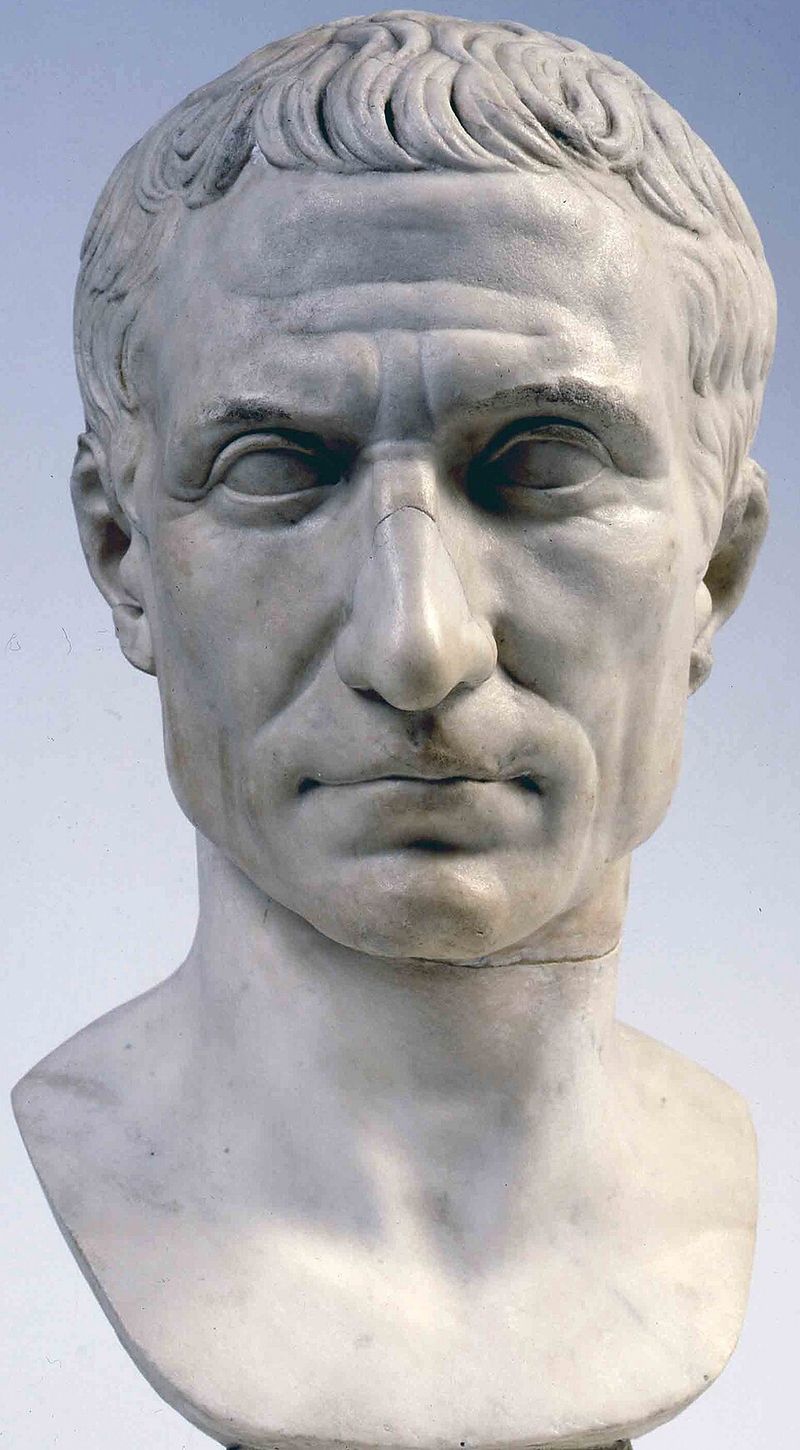
On the Ides of March, 44 BC, Julius Caesar was stabbed 23 times on the floor of the Roman Senate. His assassins, led by Brutus and Cassius, believed they were saving the Roman Republic.
Instead, they accidentally destroyed it.
Caesar had spent years consolidating power, crossing the Rubicon, defeating rivals, and accumulating titles that made him look more like a king than a consul. Senators feared Rome was sliding toward monarchy, and they were not entirely wrong.
But killing Caesar did not restore the old republic. It launched a brutal civil war that eventually brought his adopted son Octavian to power as Rome’s first emperor, Augustus.
The Roman Republic had existed for nearly five centuries before Caesar’s rise. His assassination was meant to preserve it, but the chaos that followed only proved the old system could no longer hold.
A new imperial age had already begun.
3. Constantine XI Palaiologos (1453)
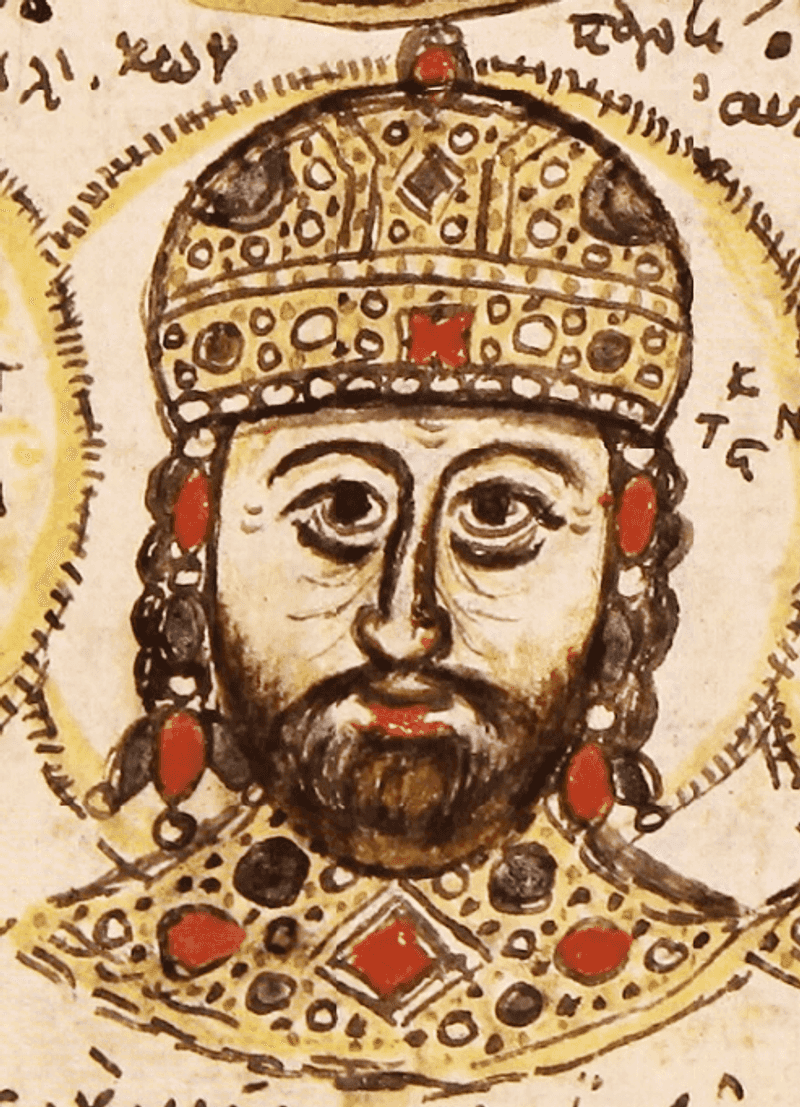
Constantine XI Palaiologos knew what was coming. When Ottoman Sultan Mehmed II surrounded Constantinople in the spring of 1453, the Byzantine emperor had fewer than 10,000 defenders against an army of over 80,000.
He could have fled. He chose to stay.
On May 29, 1453, as Ottoman forces breached the city walls, Constantine reportedly tore off his imperial regalia and charged into the fighting. His body was never positively identified.
That single detail, a vanished emperor, made him a legendary figure in Greek memory for centuries.
His death closed the chapter on the Byzantine Empire, the eastern continuation of Rome that had survived for more than a thousand years after the western empire fell. Constantinople became Istanbul, and the last echo of ancient Rome was finally silenced.
Historians often mark 1453 as the end of the Middle Ages in Eastern Europe and the dawn of the Ottoman-dominated era.
4. Richard III (1485)
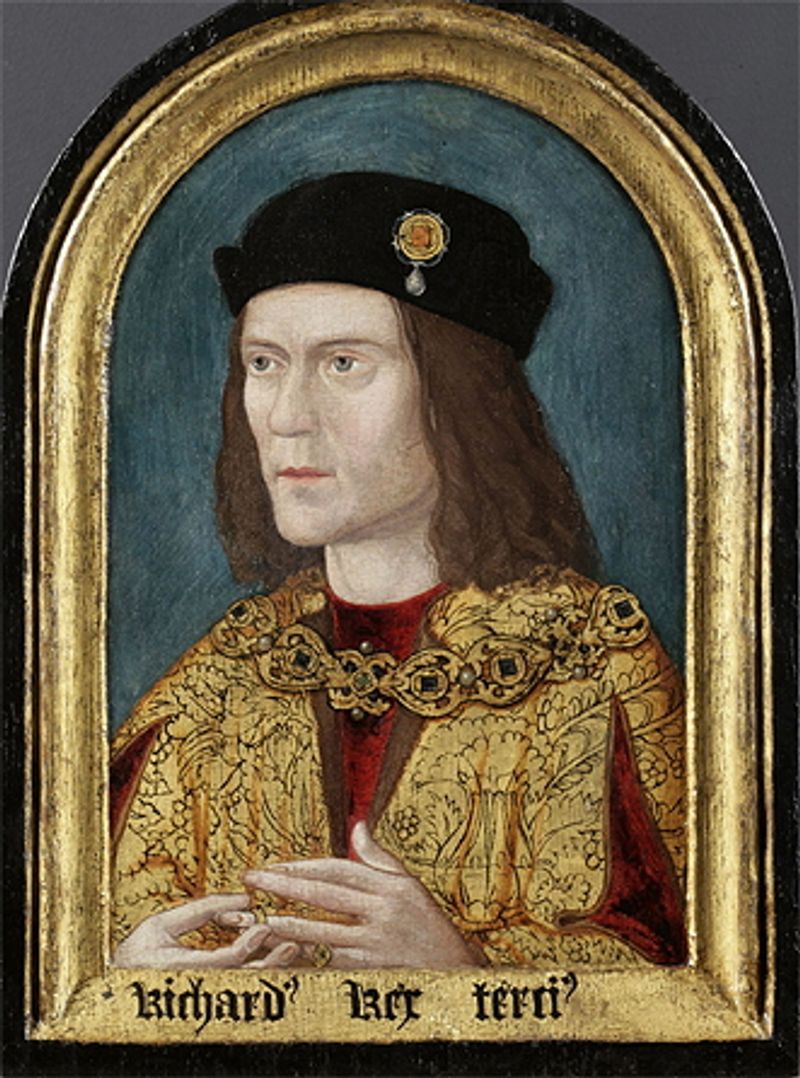
Richard III has one of history’s most dramatic exits. On August 22, 1485, at the Battle of Bosworth Field, he became the last English king to die fighting in battle.
Accounts suggest he charged directly toward Henry Tudor in a desperate attempt to end the fight personally. It did not work.
His death ended the Plantagenet dynasty, which had ruled England for over 300 years. It also concluded the Wars of the Roses, the decades-long civil conflict between the houses of York and Lancaster.
Henry Tudor took the crown as Henry VII and founded the Tudor dynasty, one of England’s most famous royal lines.
Richard’s reputation took a further beating from Shakespeare, who painted him as a scheming, physically twisted villain. Modern historians have revisited that portrayal with more nuance.
Regardless, his fall at Bosworth was a turning point that reshaped English monarchy and politics in ways that echoed for generations.
5. Montezuma II (1520)
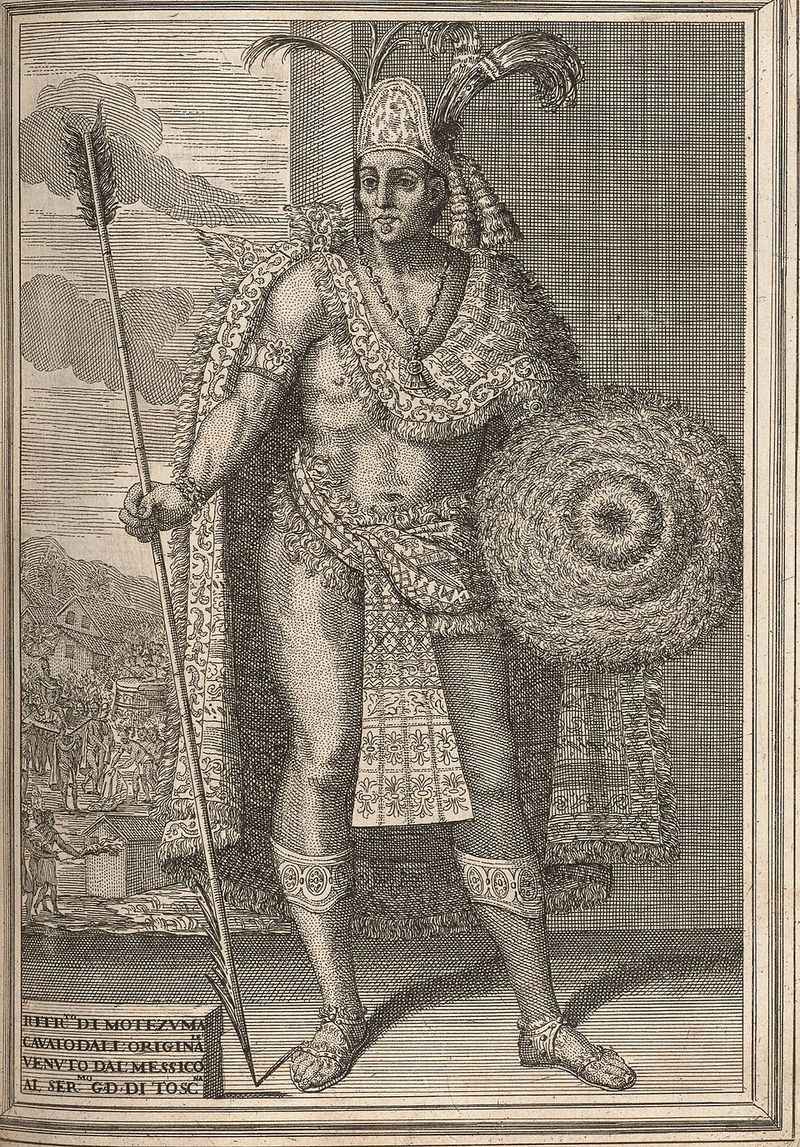
Montezuma II ruled the Aztec Empire at its peak, commanding a vast network of tributary states across central Mexico. When Spanish conquistador Hernan Cortes arrived in 1519, Montezuma’s response was cautious and, ultimately, fatal.
Some accounts suggest he believed Cortes might be a returning deity. Others argue he was simply buying time.
He was taken captive by the Spanish and held in his own palace. In 1520, during a violent uprising by his own people, Montezuma died under disputed circumstances.
Spanish accounts claim he was stoned by angry Aztec citizens. Aztec sources suggest the Spanish killed him.
Either way, his death marked the beginning of the end for the Aztec Empire. Within two years, Tenochtitlan had fallen to Spanish forces, and one of the most sophisticated civilizations in the Americas was dismantled.
Montezuma’s reign stands as the last chapter of fully independent Aztec rule, before colonization changed everything.
6. Atahualpa (1533)
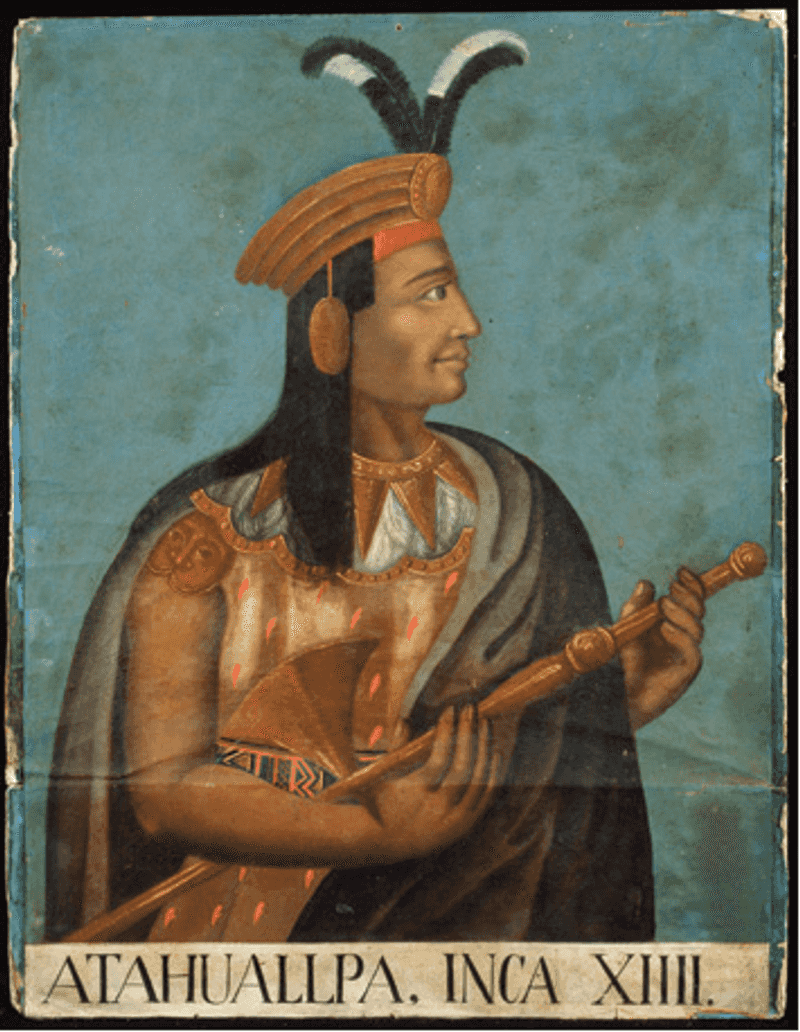
Atahualpa had just won a brutal civil war against his own brother when Spanish conquistador Francisco Pizarro arrived in Peru with fewer than 200 men. The contrast in numbers made the encounter seem almost absurd.
But Pizarro had horses, steel, and the element of surprise on his side.
At the Battle of Cajamarca in 1532, Pizarro’s forces ambushed Atahualpa’s entourage, killed thousands of unarmed attendants, and captured the emperor himself. Atahualpa offered an enormous ransom, filling a room with gold and silver, in exchange for his freedom.
The Spanish took the treasure and executed him anyway in 1533.
His death collapsed the central authority of the Inca Empire almost overnight. Without the emperor, the vast administrative network that held together millions of people across the Andes fell apart.
The Spanish moved quickly to fill the vacuum, and the largest empire in pre-Columbian America was gone within a few years.
7. Napoleon Bonaparte (1821)
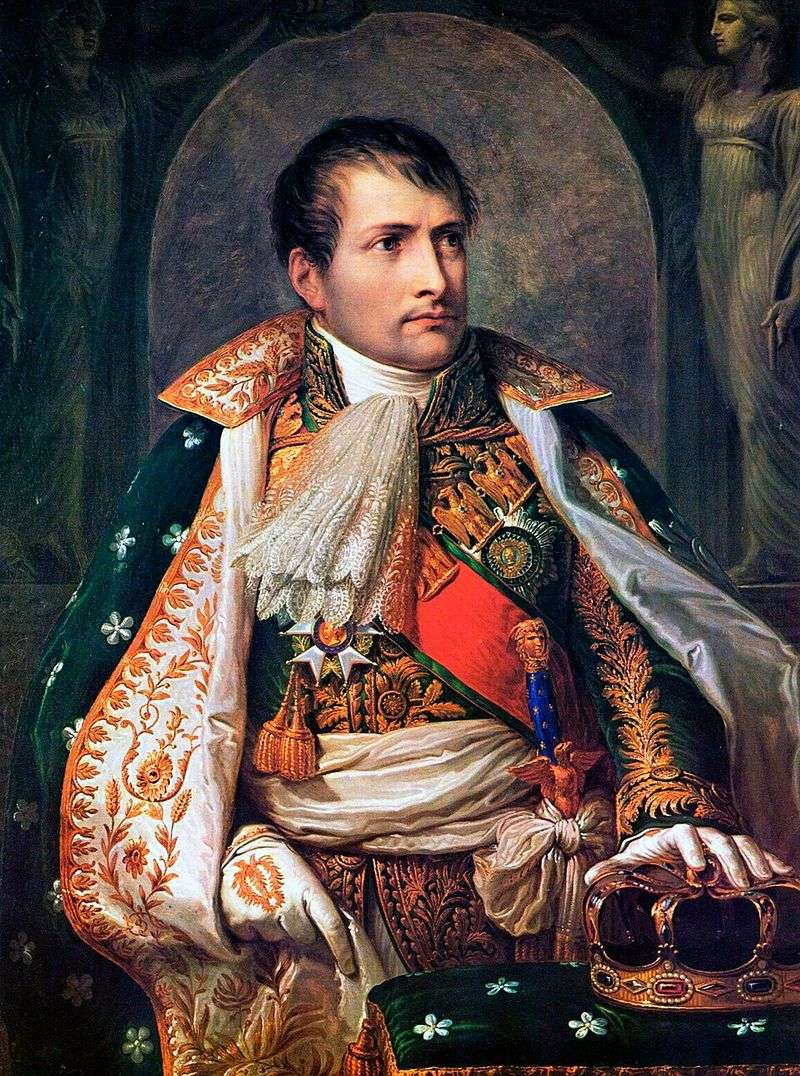
Napoleon Bonaparte reshaped Europe more thoroughly than almost any leader before or since. At his height, he controlled much of the continent, rewrote legal codes, reorganized governments, and kept rival nations in a near-constant state of war and alliance-shifting.
His Napoleonic Code still influences legal systems in dozens of countries today.
After his final defeat at Waterloo in 1815, he was exiled to the remote South Atlantic island of Saint Helena, where he spent his last six years under British supervision. He died there in 1821, likely from stomach cancer, though theories of arsenic poisoning have circulated for years.
He was 51.
His death did not just end one man’s life. It closed an entire era of European history defined by revolutionary warfare, nationalist ambition, and the collapse of the old monarchical order.
The Congress of Vienna had already tried to put Europe back together. Napoleon’s death confirmed that the old world could never fully return.
8. Queen Victoria (1901)
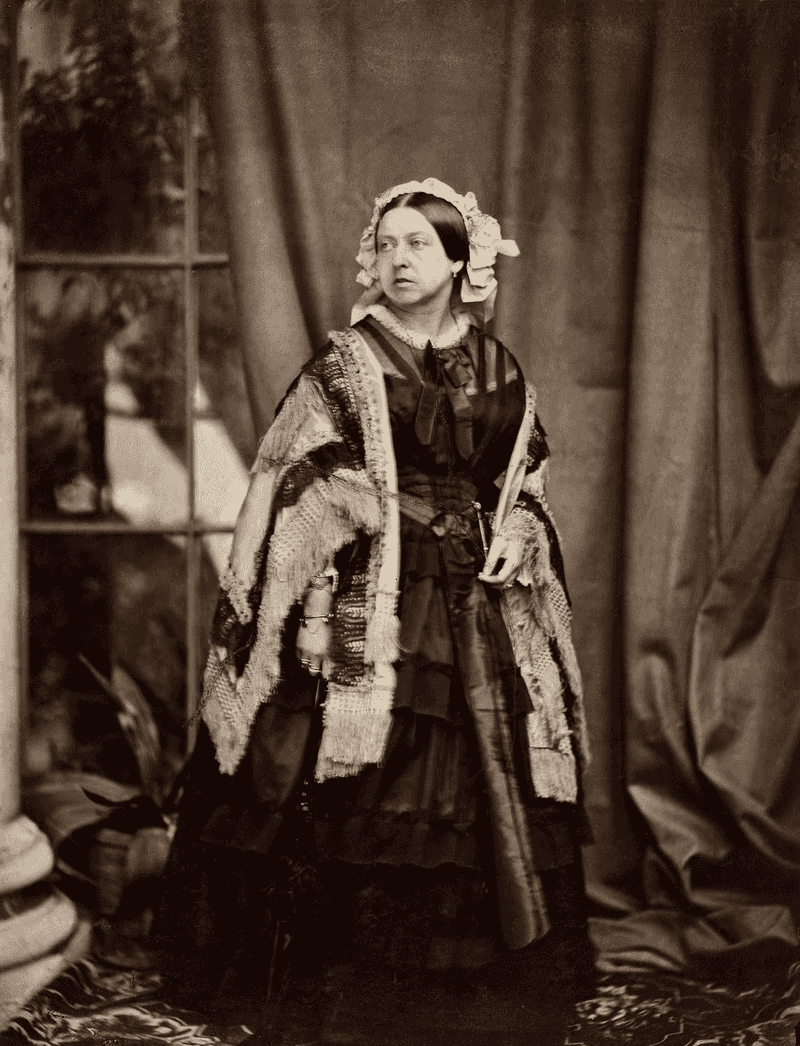
Queen Victoria reigned for 63 years and seven months, making her one of the longest-serving monarchs in British history. When she took the throne in 1837, Britain was already a powerful nation.
By the time she died in 1901, the British Empire covered roughly a quarter of the world’s land surface. Her reign was so defining that an entire era bears her name.
The Victorian Era was marked by industrial expansion, social reform, scientific discovery, and rigid moral codes that shaped everything from family life to global politics. Victoria herself was a deeply personal monarch, famously devoted to her husband Prince Albert, whose death in 1861 sent her into decades of mourning.
When she died at Osborne House on January 22, 1901, the sense of loss was global. Her passing symbolized the close of a confident, empire-building age.
The 20th century that followed would be far more turbulent, and the world she had presided over would never look the same again.
9. Tsar Nicholas II (1918)
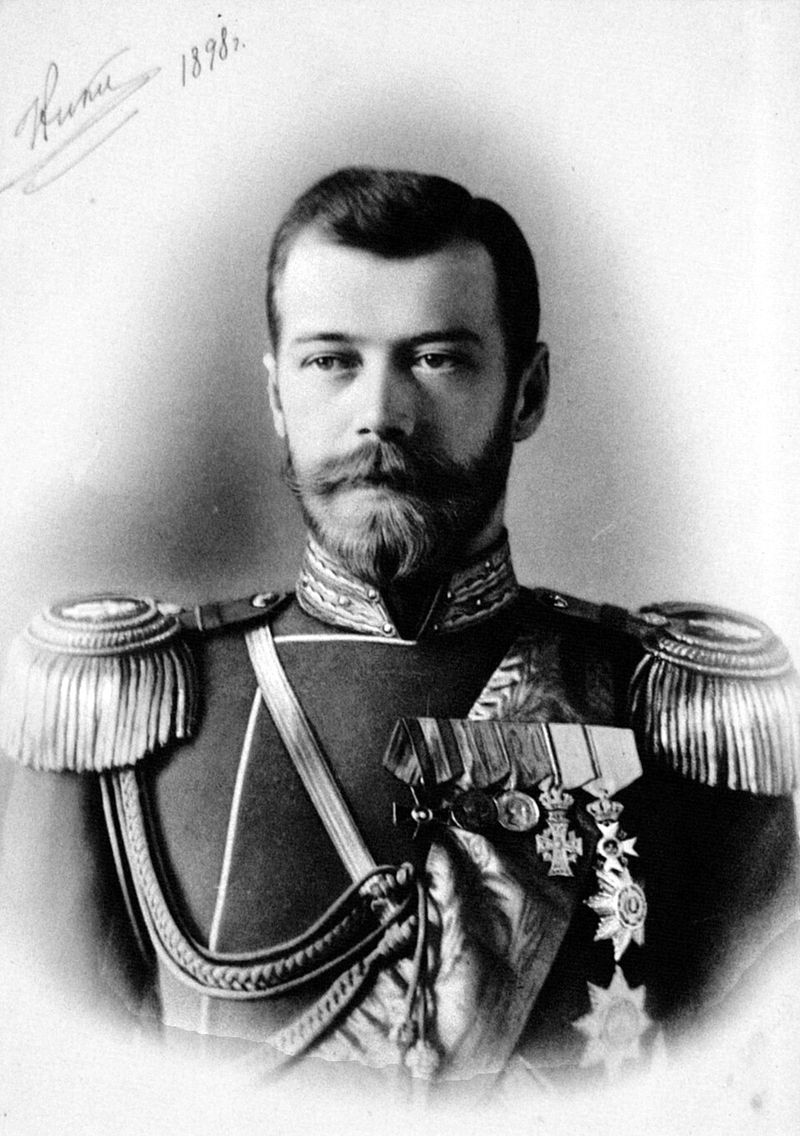
Tsar Nicholas II inherited the Russian Empire at a time when it was already under enormous pressure. He was not a cruel man by nature, but he was deeply ill-suited for the upheaval his reign would demand.
His resistance to reform, combined with military disasters in World War I, fueled the revolutionary fires that ultimately consumed his dynasty.
After abdicating in 1917 during the February Revolution, Nicholas and his family were held under house arrest. When the Bolsheviks consolidated power, they saw the Romanovs as too dangerous to leave alive.
In July 1918, Nicholas, his wife Alexandra, their five children, and several attendants were executed in a basement in Yekaterinburg.
The killings ended more than 300 years of Romanov rule and closed the door on imperial Russia entirely. The Soviet Union that rose in its place was a fundamentally different kind of state, built on ideology rather than dynasty, and Nicholas became a tragic symbol of a vanished world.
10. Winston Churchill (1965)
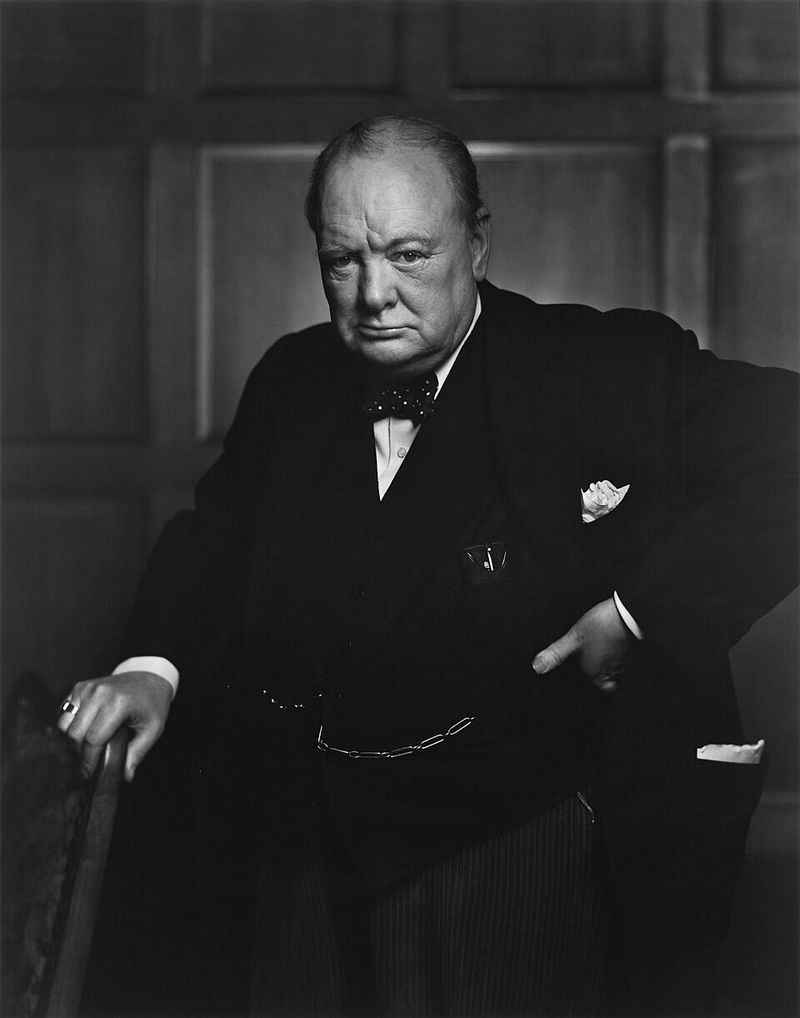
Winston Churchill did not just lead Britain through World War II. He embodied a particular idea of what Britain was, a proud, stubborn, unyielding island nation that would not bow to any enemy.
His wartime speeches still rank among the most powerful ever delivered in the English language, and his leadership during Britain’s darkest hours earned him a place in history that few statesmen have matched.
After the war, he served a second term as prime minister before retiring from frontline politics. He spent his final years painting, writing, and watching the empire he had fought to preserve gradually dissolve as former colonies gained independence.
He died on January 24, 1965, exactly 70 years after his father.
His death was mourned across the world, but in Britain it felt like the closing of a particular chapter. The age of global empire, of unapologetic British power and moral certainty, had been fading for years.
Churchill’s passing made that ending official in the public imagination.
11. Mao Zedong (1976)
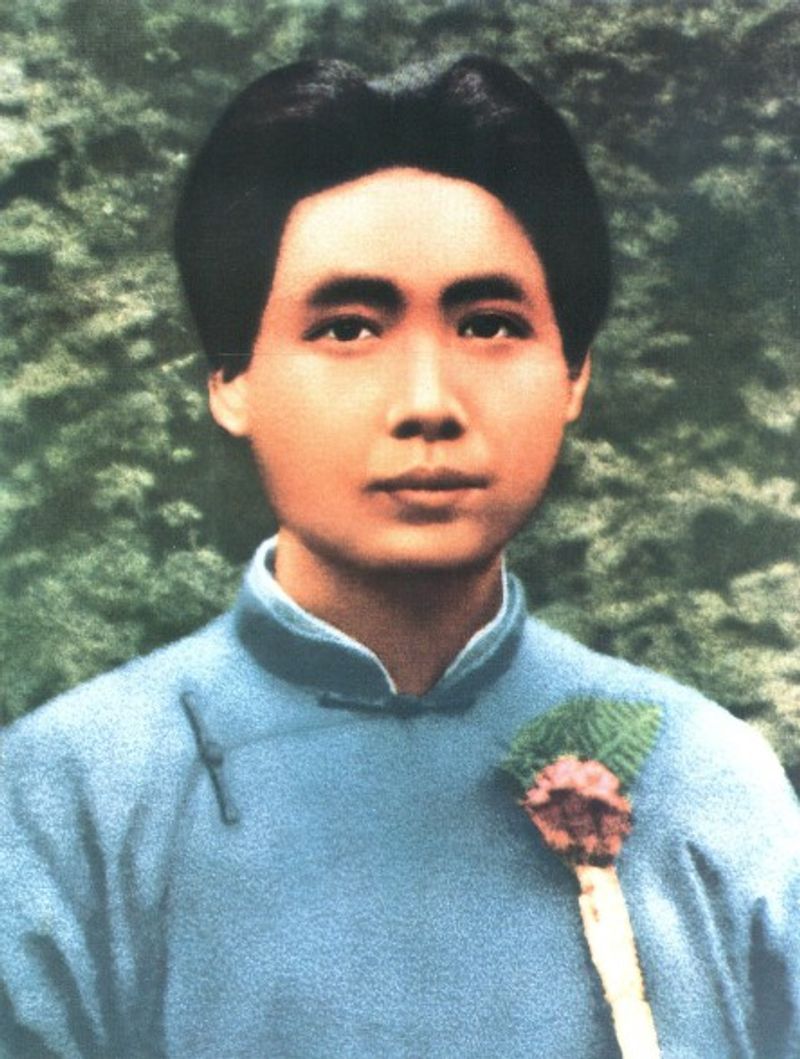
Mao Zedong founded the People’s Republic of China in 1949 and ruled it with near-total authority for nearly three decades. His impact on China was colossal and deeply contradictory.
Land reforms lifted millions out of feudal poverty, while campaigns like the Great Leap Forward and the Cultural Revolution caused tens of millions of deaths through famine, violence, and political persecution.
By the time he died on September 9, 1976, Mao was physically diminished but still politically dominant. His death triggered an immediate power struggle.
The radical Gang of Four, including his widow, attempted to seize control and were arrested within weeks.
What followed was a dramatic shift in direction. Deng Xiaoping emerged as China’s new leader and introduced sweeping economic reforms that opened China to foreign investment and market principles.
The Maoist era of revolutionary ideology gave way to pragmatic modernization, transforming China into the economic powerhouse it is today. Mao’s death was truly a turning point.
12. Mikhail Gorbachev (2022)
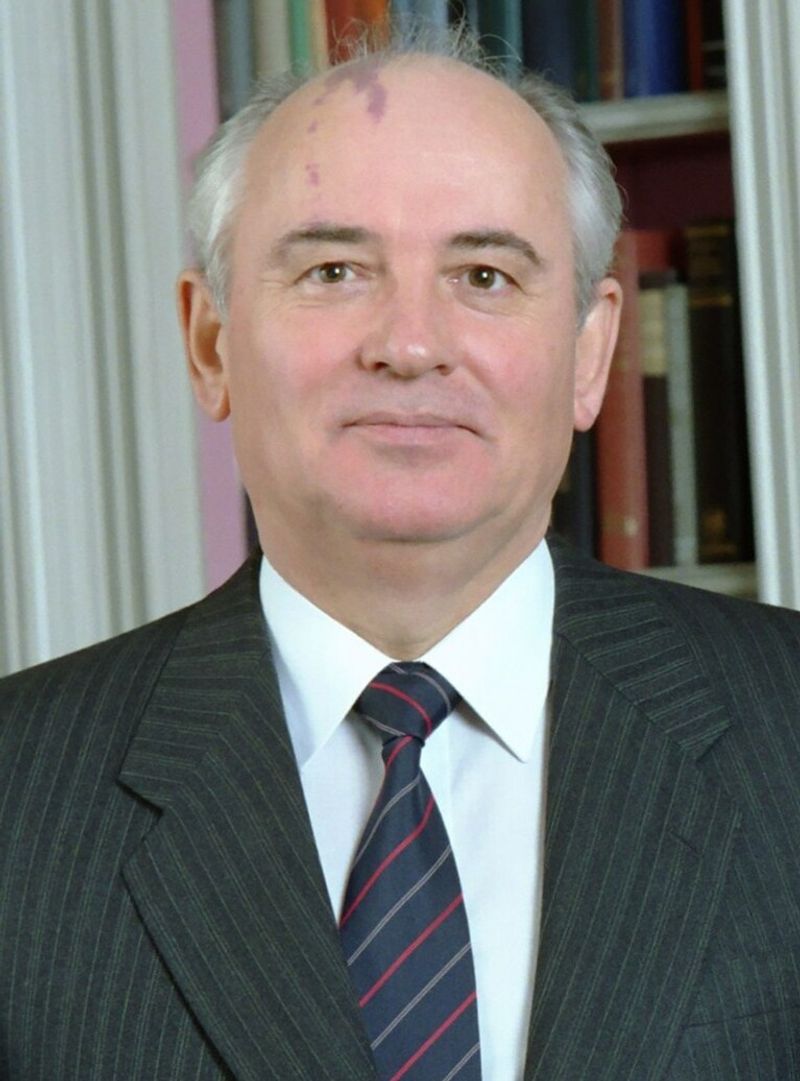
Mikhail Gorbachev came to power in the Soviet Union in 1985 with a mission to reform a system that was quietly collapsing from within. His policies of glasnost, meaning openness, and perestroika, meaning restructuring, were meant to modernize Soviet communism.
Instead, they unleashed forces that neither he nor anyone else could control.
By 1991, the Soviet Union had dissolved, and 15 independent nations emerged from its ruins. Gorbachev himself resigned on December 25, 1991, handing the nuclear launch codes to Russian President Boris Yeltsin in a moment that marked the definitive end of the Cold War era.
He was praised in the West and viewed with more complicated feelings at home.
When he died on August 30, 2022, at age 91, the world lost its last direct link to the Soviet leadership. His death felt symbolic, the final closing of a chapter that had defined global politics for nearly half a century.
The USSR was long gone, but Gorbachev had been its living memory.
Share this story