Some camping trips are nice. Others stay with you for years.
The destinations on this list fall into that second category, places where the scenery, the wildlife, or the sheer scale of the landscape makes you feel like you are somewhere truly extraordinary. Whether you are a seasoned backcountry camper or someone who just wants to sleep under stars with a great view nearby, there is something on this list worth planning for.
These are not just pretty spots on a map. Each one offers a different kind of outdoor experience, from Patagonian granite towers to Jordanian desert skies to Norwegian coastlines lit by the midnight sun.
If you have ever thought about turning a camping trip into a real adventure, this list gives you fifteen reasons to start planning now.
Banff National Park, Canada
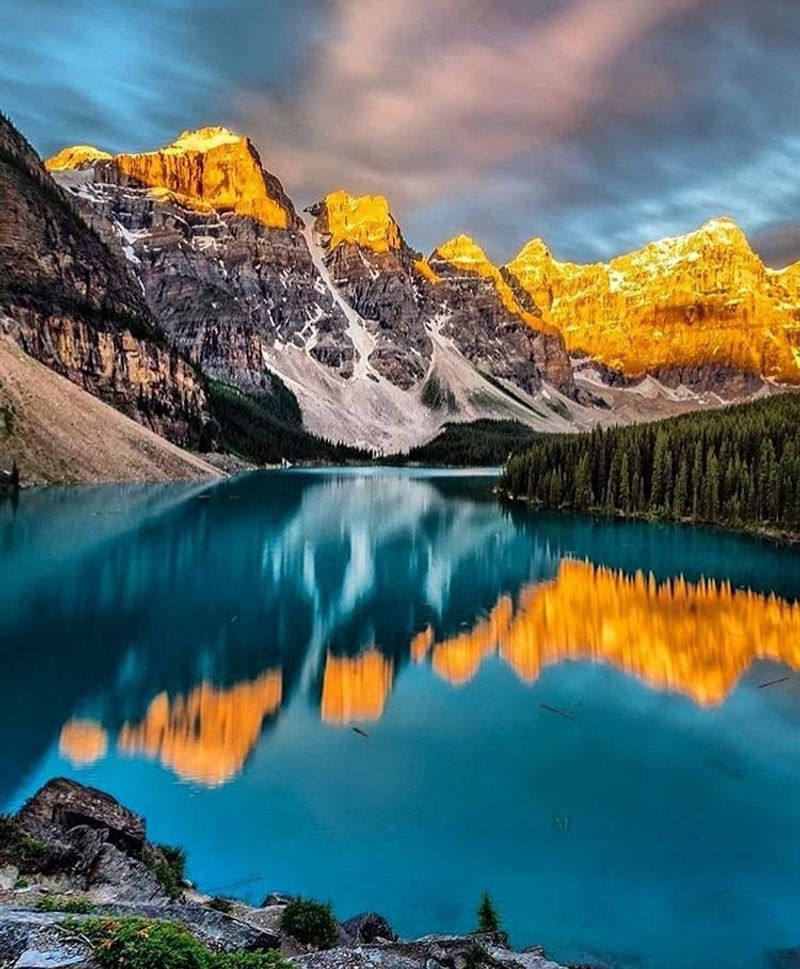
Few places on Earth combine turquoise lakes, mountain peaks, wildlife sightings, and a well-organized campground system quite like Banff National Park. Located in the Canadian Rockies, this park has been drawing campers for generations, and for good reason.
The scenery is dramatic in every direction.
Parks Canada offers a range of camping options here, from reservable front-country sites to backcountry routes for more experienced hikers. Whether you want to base yourself near a popular lake and take scenic drives, or use a campground as a launchpad for serious trails, Banff accommodates both styles.
Summer is the busiest season, and reservations fill up fast, so booking early is not optional if you want your preferred dates. Early mornings in the park are especially rewarding, when wildlife is most active and the light on the mountains is at its most striking.
Plan ahead and give yourself more than one night.
Yosemite National Park, California, USA
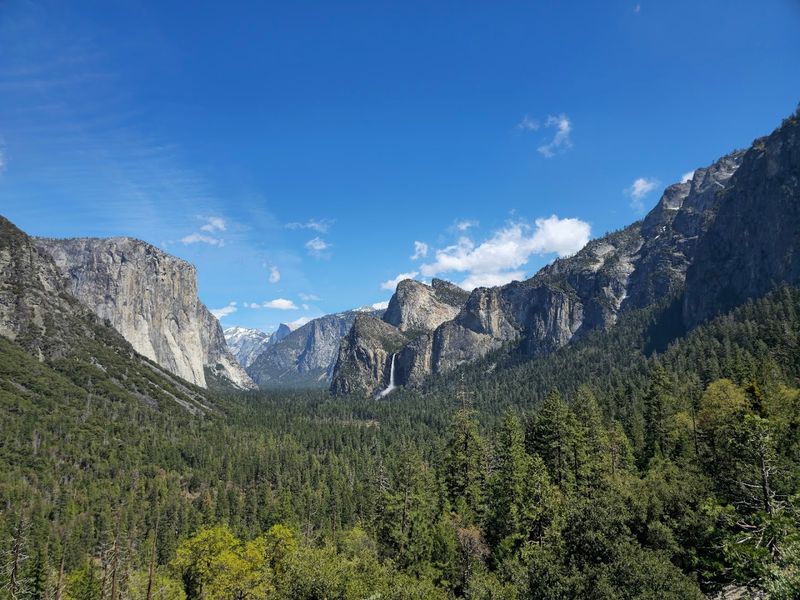
The scenery at Yosemite is almost hard to believe the first time you see it in person. Granite walls rise thousands of feet above the valley floor, waterfalls drop from impossible heights, and giant sequoias stand in quiet groves that feel ancient and humbling.
Camping here puts you inside all of it.
Campground reservations at Yosemite go through Recreation.gov, and popular sites in Yosemite Valley book out months in advance. The National Park Service releases reservation windows in specific batches, so knowing those dates is key to securing a spot.
Leaving this to the last minute rarely works out.
The payoff for planning carefully is real. Waking up inside the park before the day-use crowds arrive gives you a completely different experience.
Morning light on El Capitan, quiet walks through meadows, and the sound of the Merced River nearby are the kinds of details that make campers come back year after year.
Torres del Paine National Park, Chile
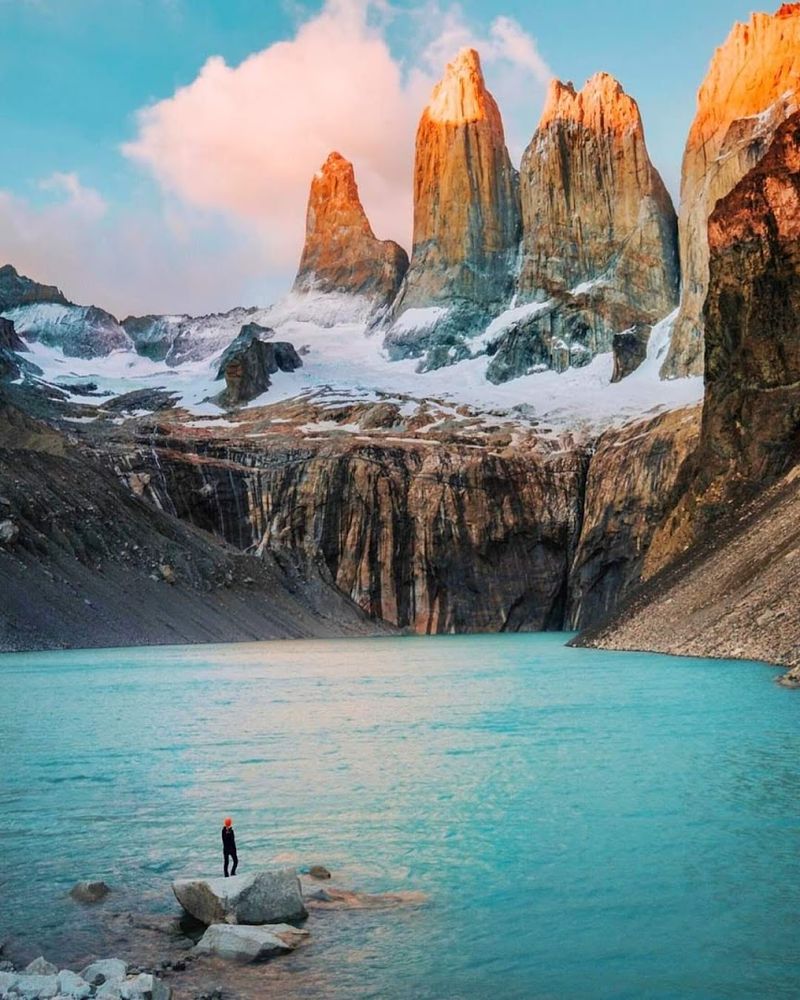
At the southern tip of South America, Torres del Paine delivers some of the most dramatic mountain scenery on the planet. The park is built around a cluster of sharp granite towers that rise above blue lakes, glaciers, and wind-swept plains.
It is the kind of landscape that stops you mid-step.
Camping here is structured and requires advance reservations. Multi-day routes like the W Trek and the O Circuit are the main draws, connecting a series of campsites and refugios across the park.
Reservations for the 2026 to 2027 season are released in stages through the park’s main operators, so early planning is essential.
This is not a casual drop-in destination. Weather in Patagonia can shift quickly, and the terrain demands proper gear and preparation.
For travelers who put in the planning work, though, Torres del Paine rewards them with overnight experiences that are genuinely hard to match anywhere else in the world.
Wadi Rum, Jordan
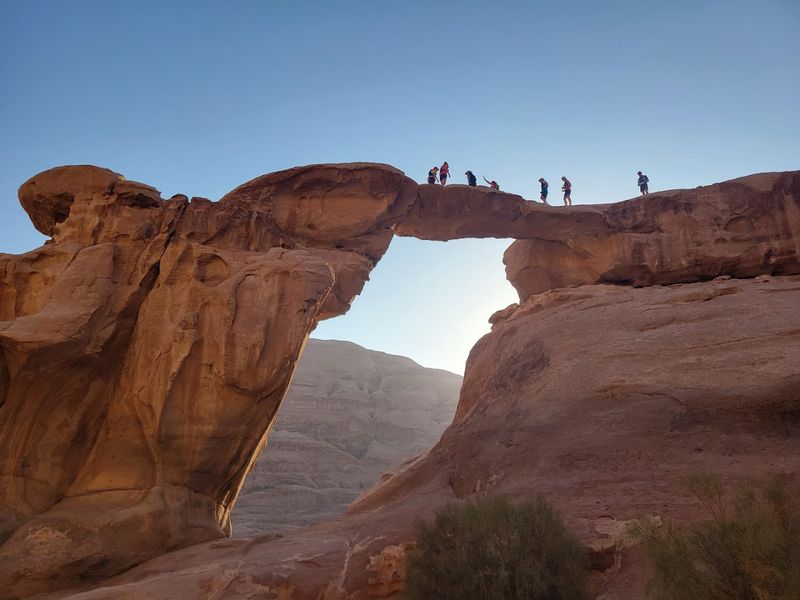
Wadi Rum operates on a completely different camping logic than most destinations on this list. There are no forests, no waterfalls, and no mountain trails.
What you get instead is red sandstone desert, towering cliffs, vast silence, and some of the most spectacular night skies a traveler can find anywhere.
Most visitors book through one of the active Wadi Rum camp operators, which offer guided jeep tours, camel rides, and traditional Bedouin-style overnight stays. Going independently into the desert is not recommended, and the guided experience actually adds cultural depth that makes the trip more memorable, not less.
The stargazing here has a reputation that is well-earned. Because the area sits far from major cities and light pollution is minimal, the night sky on a clear evening is extraordinary.
Combining that with the surrounding landscape and the warmth of Bedouin hospitality makes Wadi Rum one of the most unique overnight experiences in the Middle East.
Kruger National Park, South Africa
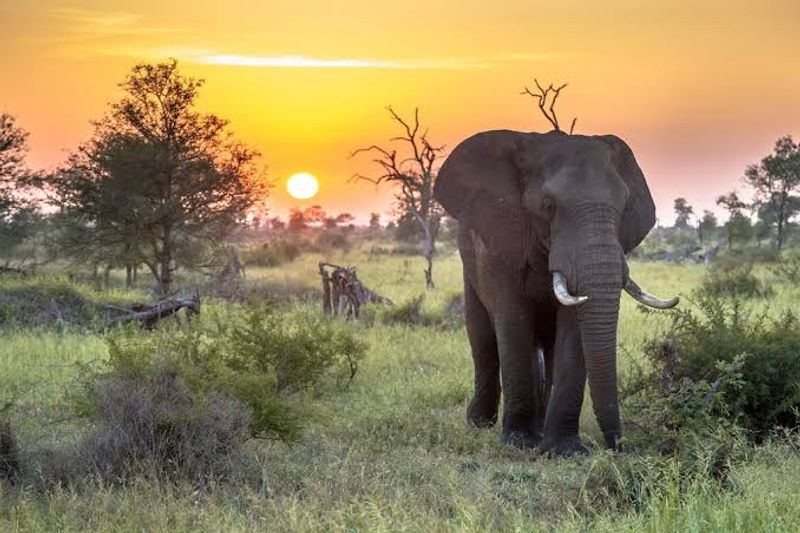
Camping inside Kruger National Park is not the same as camping next to pretty scenery. You are sleeping inside one of Africa’s most iconic safari landscapes, where elephants, lions, leopards, rhinos, and buffalo move through the land around you.
The atmosphere of the place is unlike anything else.
SANParks describes Kruger as nearly 2 million hectares of wildlife-rich terrain. The main rest camps are well-equipped, with facilities including shops, cafeterias, communal kitchens, laundries, and petrol stations.
It is camping with a practical support structure that makes it accessible even for first-time African visitors.
The rhythm of a Kruger camping trip tends to organize itself naturally around early game drives, midday rest, and quiet evenings back at camp. Wildlife sightings on the road between sites are common.
Booking through SANParks in advance is strongly recommended, especially for peak travel months, as the most popular rest camps fill well ahead of time.
Kakadu National Park, Australia
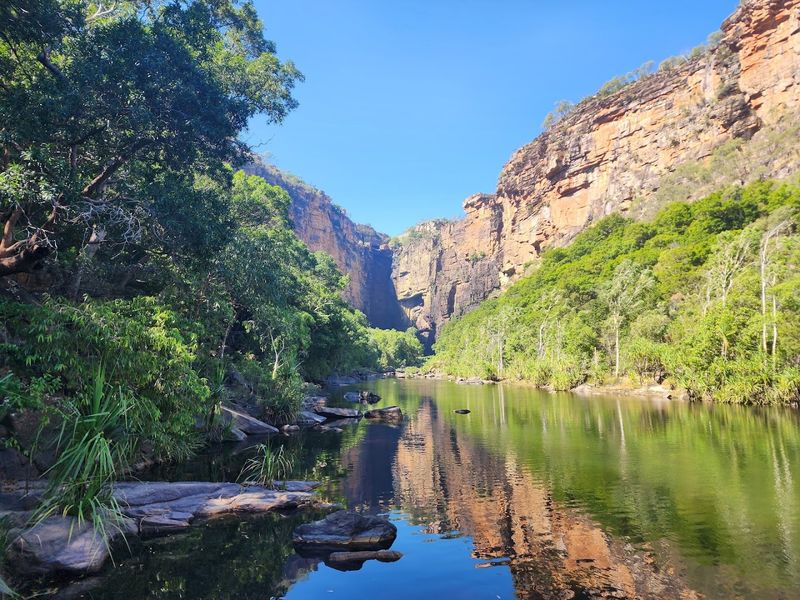
Kakadu is one of those rare places where the landscape and the cultural history are equally compelling. Located in Australia’s Northern Territory, the park covers more than 19,000 square kilometers of wetlands, escarpments, floodplains, and tropical forest.
Ancient rock art sites found here are among the oldest in the world.
Parks Australia notes that Kakadu campgrounds operate on a first-come, first-served basis, with fees collected on site by campground managers. The park is also heavily seasonal.
Access can change significantly between the dry season and the wet season, and some areas may be closed during certain months.
Campers should check current access conditions through Parks Australia before finalizing any plans. When the timing is right, the birdlife alone is worth the trip.
Kakadu hosts hundreds of bird species, and the early morning activity around the wetlands is extraordinary. This is a destination that rewards patience and proper preparation in equal measure.
Fiordland National Park, New Zealand
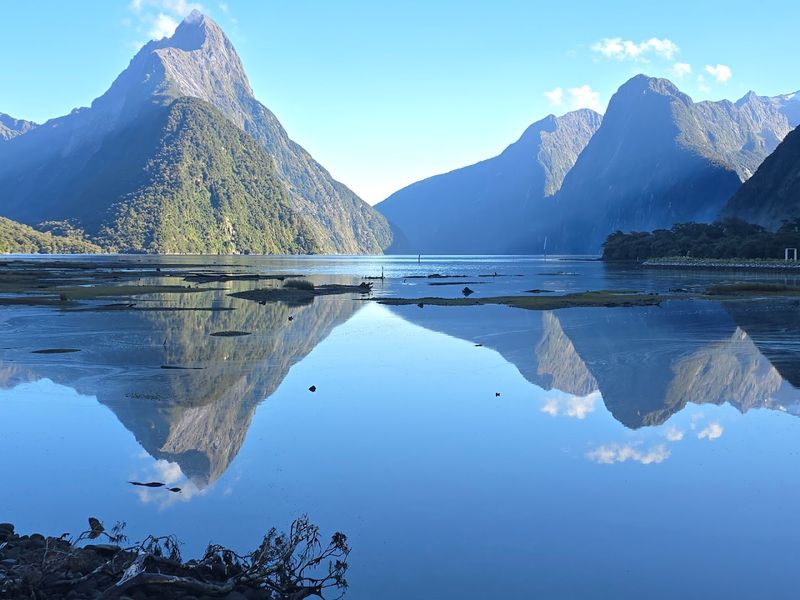
Fiordland sits in the southwest corner of New Zealand’s South Island and covers a landscape that feels genuinely untouched. Rainforests, glacial lakes, towering peaks, and deep fiords make up a park that has been described as one of the most scenically dramatic in the world.
The weather is famously unpredictable, which is part of what keeps it so green.
New Zealand’s Department of Conservation manages more than 300 conservation campsites around the country, including options in and around Fiordland. Regional campsite brochures are available through the DOC website, covering forest, lakeshore, and remote settings at varying levels of facility.
Campers should plan carefully and check official DOC information before choosing a site, as conditions and access can vary. The rain is real and sometimes relentless, so waterproof gear is not optional.
For travelers who come prepared, Fiordland offers an outdoor experience that feels raw, quiet, and completely removed from the ordinary pace of travel.
Vatnajokull National Park, Iceland
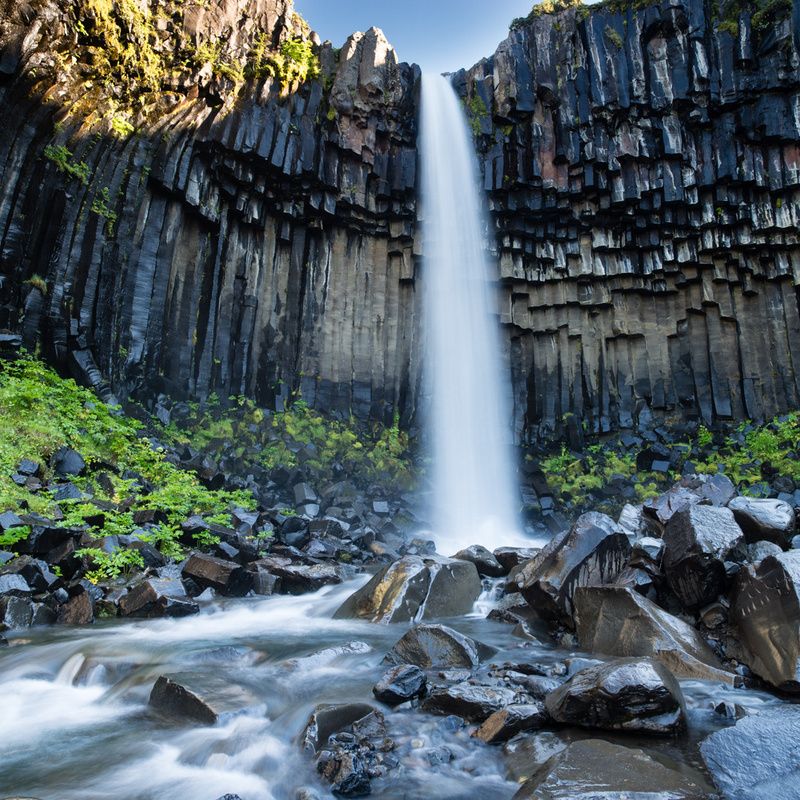
Iceland’s Vatnajokull National Park covers a terrain that looks like it belongs on another planet. Glaciers, black-sand outwash plains, active volcanic zones, and powerful waterfalls all exist within the same protected area.
It is one of the largest national parks in Europe, and the scale of it takes time to absorb.
The park’s official site notes that visitors can enjoy hiking, driving, camping, and bird watching, and recommends checking visitor centers for current road and weather updates before heading out. Conditions in Iceland can shift quickly, and some routes are only accessible during specific seasons.
Skaftafell is a particularly useful base for campers. Its official campground is listed as open year-round, with space for roughly 400 tents and a dedicated area with electrical hookups for those with campers or trailers.
The proximity to glacier hike departures and the Svartifoss waterfall trail makes Skaftafell one of the most practical and rewarding camping hubs in the entire country.
Lofoten Islands, Norway
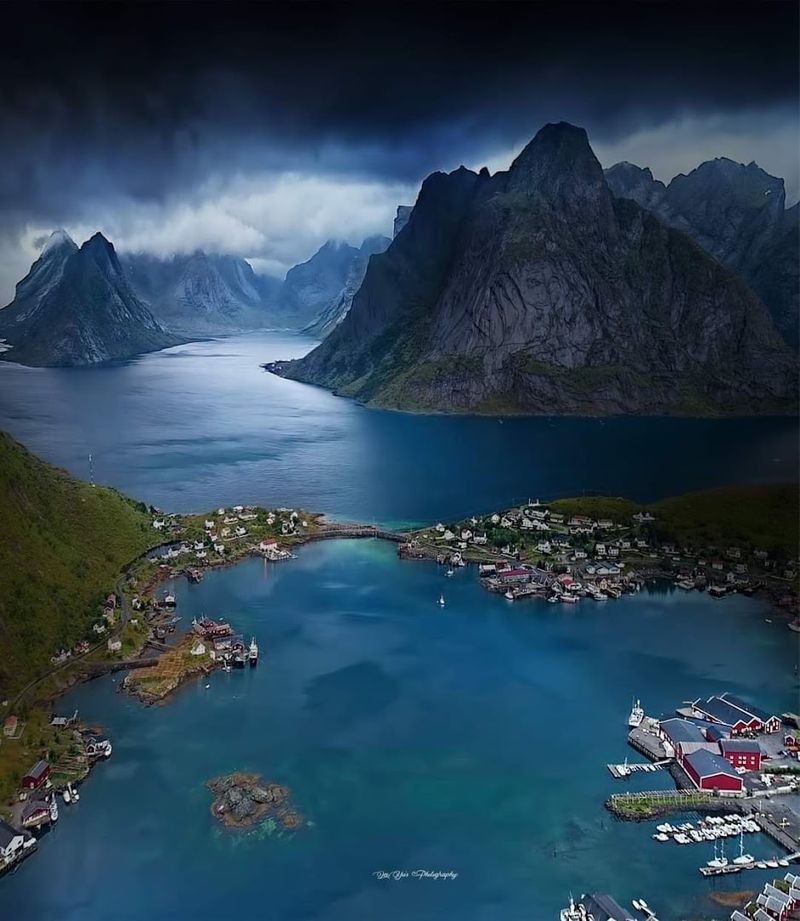
The Lofoten Islands sit above the Arctic Circle off Norway’s northwest coast, and the landscape there has a quality that is hard to describe without sounding like an exaggeration. Jagged peaks drop straight into the sea, red fishing cabins line sheltered harbors, and beaches here are genuinely white-sand despite the northern latitude.
Visit Lofoten highlights camping as one of the best ways to move through the islands freely, and the region has multiple campsites available for travelers. Depending on the season, visitors can experience the midnight sun in summer or the northern lights in winter, two phenomena that make the camping experience here feel genuinely special.
Because Lofoten is environmentally sensitive and increasingly popular, responsible camping practices matter. Using official campsites or designated areas and following local regulations is expected.
The islands reward travelers who treat them with care, offering a combination of coastal scenery, outdoor activity, and fishing village character that is rare to find all in one place.
Grand Canyon National Park, Arizona, USA
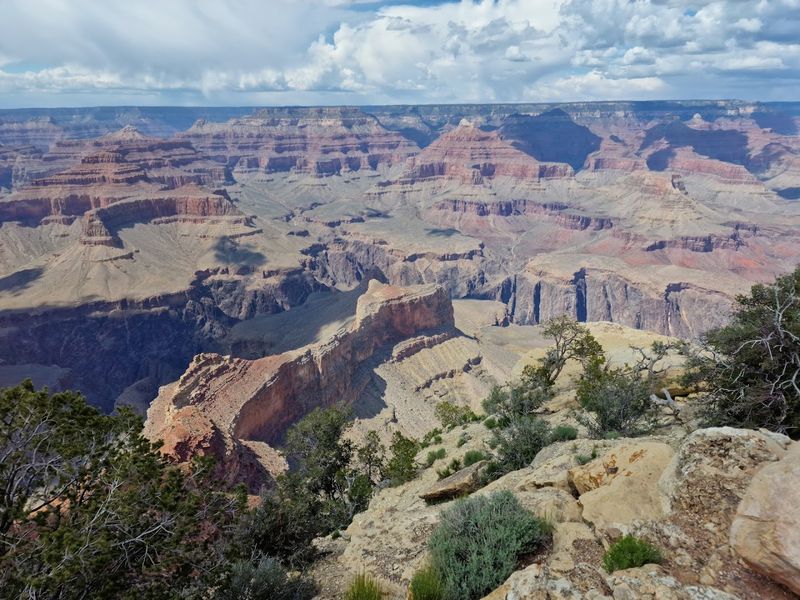
The Grand Canyon is one of those places where the scale simply does not register until you are standing at the edge. The layers of red, orange, and purple rock stretch for miles in every direction, and the light shifts constantly throughout the day, making the view from camp feel different every time you look up.
For most campers, the South Rim is the most reliable and accessible choice. The National Park Service currently lists Mather Campground and Trailer Village on the South Rim as open year-round.
Reservations are available and strongly recommended for busy seasons.
It is worth noting that recent damage and closures have affected parts of the North Rim and some well-known routes, so checking current NPS updates before planning is a smart step. The South Rim remains a solid and well-supported base for canyon camping.
Early morning light on the canyon walls and clear desert nights are the rewards that keep campers returning.
Grand Teton National Park, Wyoming, USA
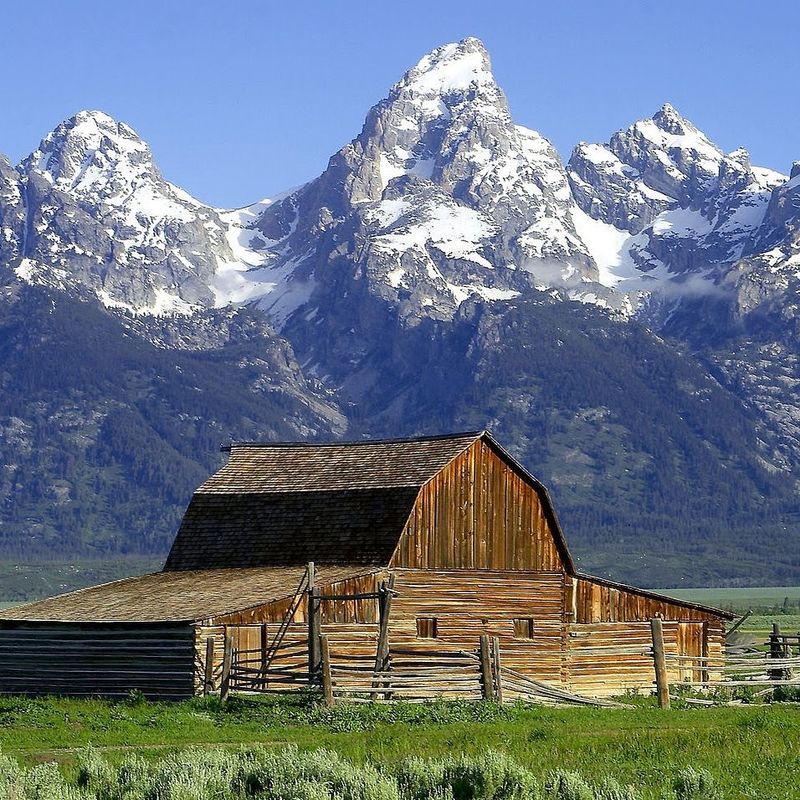
Grand Teton is a park where the mountains feel almost aggressive in how close and steep they are. Unlike ranges where peaks sit at a comfortable distance, the Tetons rise sharply from the valley floor with very little transition, creating one of the most dramatic foreground mountain views in North America.
The National Park Service lists around 1,000 campsites across seven park campgrounds, with reservations available through Recreation.gov. Options range from tent-only sites to RV-friendly areas, and backcountry permits open up more remote overnight possibilities for experienced hikers.
Grand Teton also makes an excellent pairing with Yellowstone, which sits just to the north. Many road-trip campers combine both parks into a single multi-week trip, using the campgrounds as a base for exploring wildlife, geothermal features, and mountain trails across both parks.
Sunrise views from camp, with the Tetons turning pink above the treeline, are the kind of mornings that make the drive worth every mile.
Zion National Park, Utah, USA
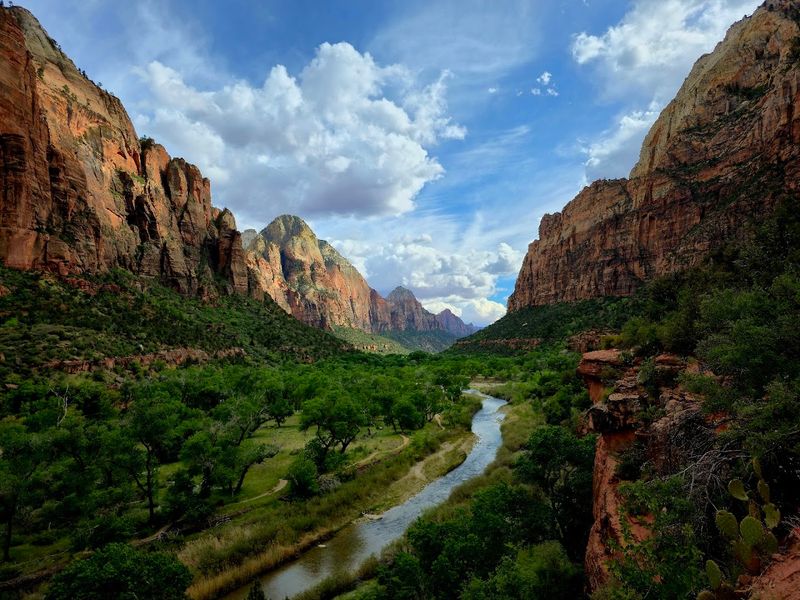
Red rock canyon walls, narrow slot canyons, and desert light that shifts from gold to deep orange as the sun moves across the sky. Zion National Park in southern Utah delivers scenery that photographs well but feels even better in person, especially when your tent is already pitched and you have nowhere else to be.
The National Park Service lists Watchman Campground as open year-round, with reservations available up to six months in advance. South Campground and Lava Point operate seasonally with shorter reservation windows.
Booking early is important because Zion is consistently one of the most visited national parks in the country.
A free shuttle system connects campgrounds to major trailheads inside the canyon, which makes it easy to access popular hikes without driving. Angels Landing and the Narrows are the two most well-known trails, but shorter canyon walks also offer impressive scenery without the crowds.
Zion rewards campers who arrive early and stay flexible with their daily plans.
Lake District National Park, England
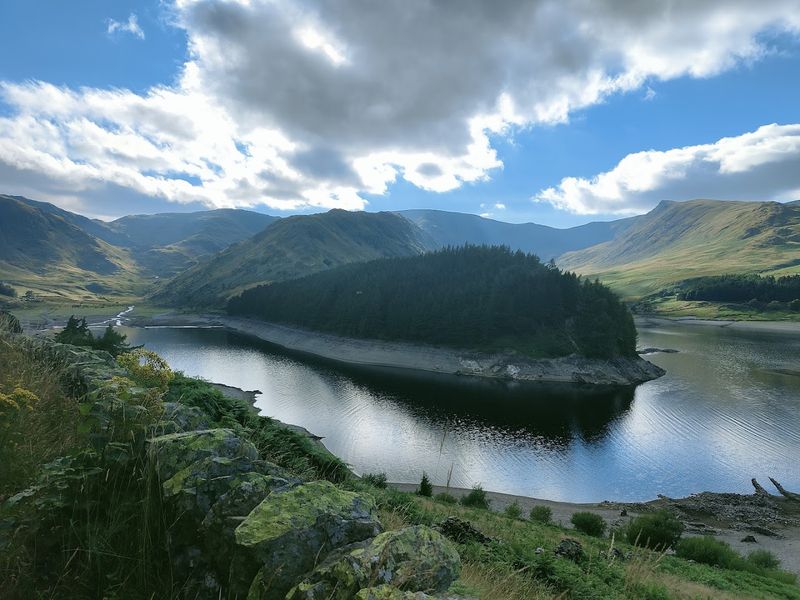
The Lake District offers a gentler kind of camping experience compared to many destinations on this list, and that is exactly the point. Located in northwest England, the park is built around a collection of lakes, valleys, and fells that inspired writers and poets for centuries.
The landscape is beautiful without being overwhelming.
The Lake District National Park Authority notes there is a wide range of campsites available, from basic remote valley sites to more comfortable options near towns like Keswick or along the shores of Windermere and Ullswater. This variety makes it easy to match a campsite to your comfort level and travel style.
Stone villages, walking routes of varying difficulty, and local food stops are all within easy reach of most campgrounds. This makes the Lake District a particularly strong choice for first-time international campers or families who want a genuine outdoor experience without feeling completely cut off.
The pace here is unhurried, and that turns out to be one of its best qualities.
Namib-Naukluft National Park, Sesriem, Namibia
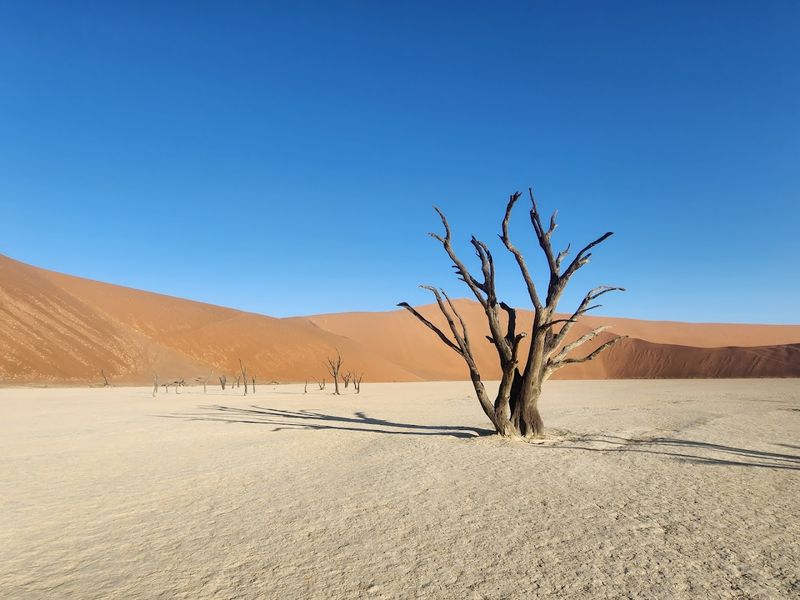
Desert camping in Namibia operates on its own timeline. The best moments at Sesriem come at first light, when the famous dunes of Sossusvlei glow in shades of deep red and amber before the sun climbs high enough to bleach out the colors.
Getting up before dawn is not a hardship here. It is the whole point.
Sesriem Campsite, listed by Namibia Wildlife Resorts, sits at the gateway to Sossusvlei and near Sesriem Canyon, making it the primary base for exploring the dunes. The campsite puts guests close enough to enter the restricted dune area at opening time, which matters when you want to reach Big Daddy or Dune 45 before the heat peaks.
The landscape around Sesriem feels almost lunar in its stillness and scale. Nights are cold and clear, with star visibility that rivals Wadi Rum.
For travelers who want a desert camping experience that feels genuinely remote and visually unlike anything else, Namibia belongs near the top of the planning list.
Jasper National Park, Canada
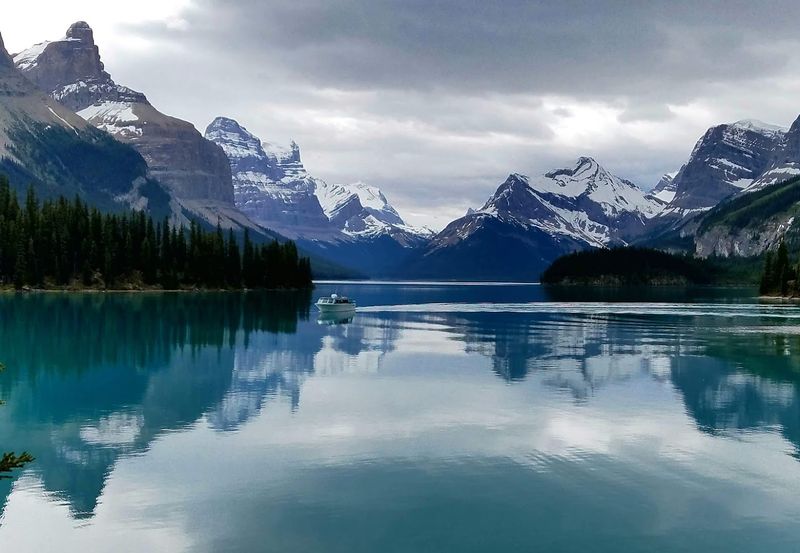
Jasper sits in the northern section of the Canadian Rockies and has a reputation for feeling slightly wilder and less crowded than some of its southern neighbors. The park covers more than 10,000 square kilometers of mountains, glaciers, lakes, rivers, and forest, and wildlife sightings along the roads are genuinely common.
Parks Canada provides current camping information for Jasper, including operating dates, reservable windows, and campground-specific details. Because the park has experienced significant wildfire impacts in recent years, checking current campground status and road conditions through Parks Canada before booking is an important step, not just a suggestion.
For travelers who plan carefully, Jasper rewards the effort. The Icefields Parkway, which connects Jasper to Banff, is one of the most scenic drives in North America and passes directly through the park.
Combining a Jasper camping trip with a drive along the Parkway gives you a route that is hard to match anywhere on the continent for sustained mountain scenery.
Share this story