Most people drive past Lebanon, Tennessee without a second thought, but tucked just off the highway is a state park sitting on top of one of the rarest ecosystems in the entire country. Cedar glades are geological oddities found almost nowhere else on earth, and this park has some of the finest examples you will ever see.
The thin rocky soil, the wildflowers that bloom in impossible conditions, and the ancient limestone beneath your feet tell a story that goes back millions of years. If you have ever wanted to walk through a landscape that genuinely surprises scientists, this is your chance.
The Geological Secret Hiding Under Your Feet
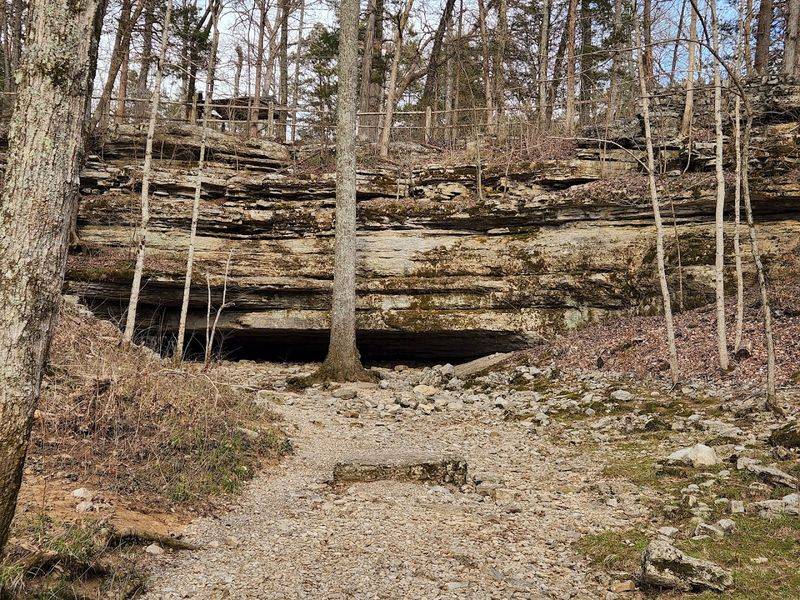
The whole personality of this park starts underground. Beneath the soil lies a thick layer of limestone that formed when shallow seas covered Middle Tennessee hundreds of millions of years ago.
That rock is so close to the surface in some spots that almost nothing can grow there, creating the open, rocky clearings called cedar glades.
Rain moves through the thin soil quickly, which means the ground can be bone dry in summer and waterlogged in spring. Most plants simply cannot handle those swings, but a small group of specialized species has evolved to thrive in exactly these conditions.
The sinkholes you notice along the trails are not random dips in the earth. They form when water slowly dissolves the limestone below, causing the ground to drop.
Some are shallow and grassy, others are surprisingly deep. The whole landscape is essentially a slow-motion geological performance, and you get a front-row seat by simply walking the trails.
Why Cedar Glades Are So Rare Worldwide
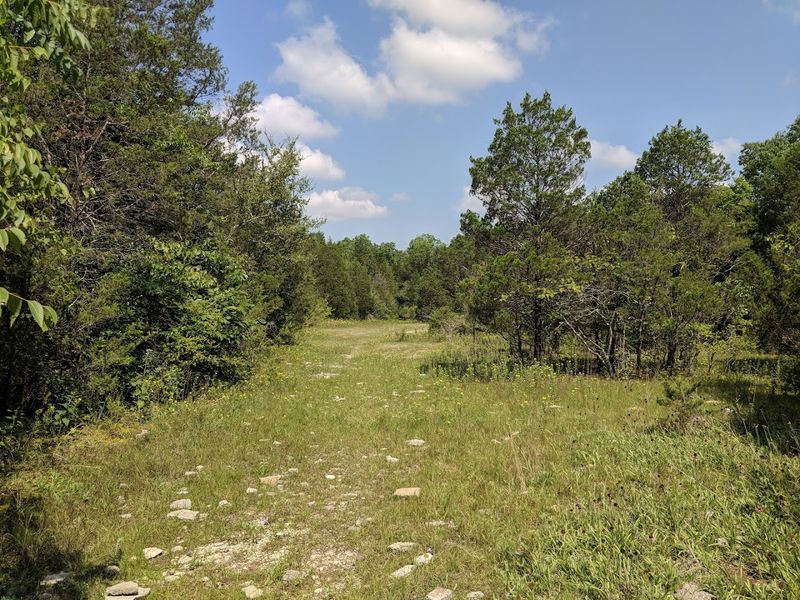
Cedar glades are not just uncommon in Tennessee. They are considered one of the rarest natural communities in North America.
The specific combination of shallow limestone soil, extreme temperature swings, and seasonal flooding creates conditions so unusual that only a handful of plant species have adapted to survive there.
The glades found in Wilson, Rutherford, and southeastern Davidson County represent the largest and most intact examples anywhere on the planet. Scientists who study rare ecosystems treat this region as genuinely significant, not just regionally but globally.
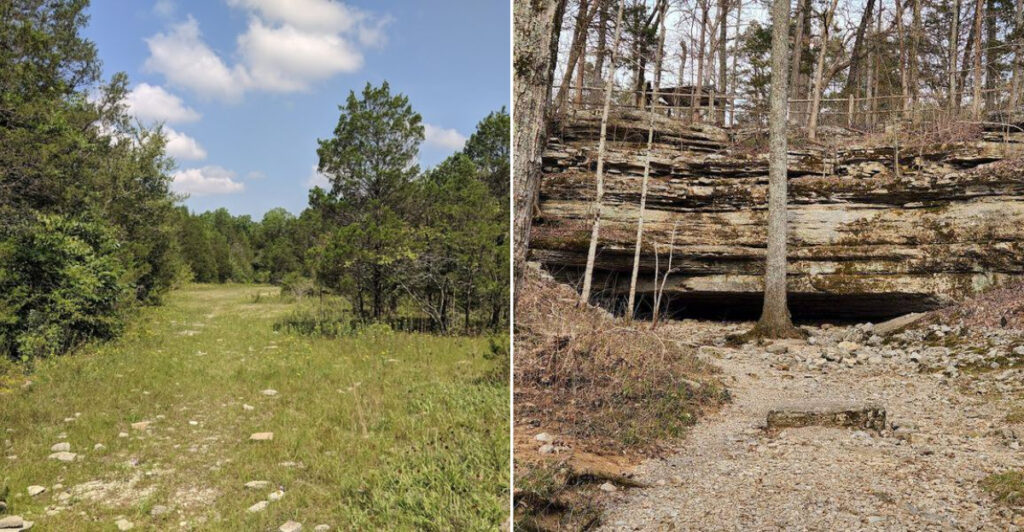
What makes the glades visually striking is how abruptly they appear. You can be walking through a shaded cedar forest and then step into a wide, sun-baked rocky clearing in just a few paces.
The contrast is sharp and a little disorienting in the best way. Most visitors do not expect the landscape to shift that dramatically, and that surprise tends to stay with people long after they leave the park.
The Wildflowers That Refuse To Give Up

Spring at Cedars of Lebanon delivers one of the most quietly spectacular wildflower shows in the Southeast. Several species that bloom here are found almost nowhere else on earth, including the Tennessee coneflower, which is a federally protected plant that grows naturally only in a small cluster of Middle Tennessee counties.
Limestone glade cress, glade wild pink, and other specialized plants push through the rocky ground every year with a persistence that feels almost stubborn. They have evolved root systems and moisture strategies that allow them to survive soil conditions that would kill most garden plants within a week.
The bloom window shifts depending on rainfall and temperature, but late March through May tends to offer the most color. The rock gardens within the park were designed specifically to showcase these native species up close, giving visitors a concentrated view of plants that might otherwise require a long hike to find scattered across the glades.
Eight Miles Of Trails Worth Every Step
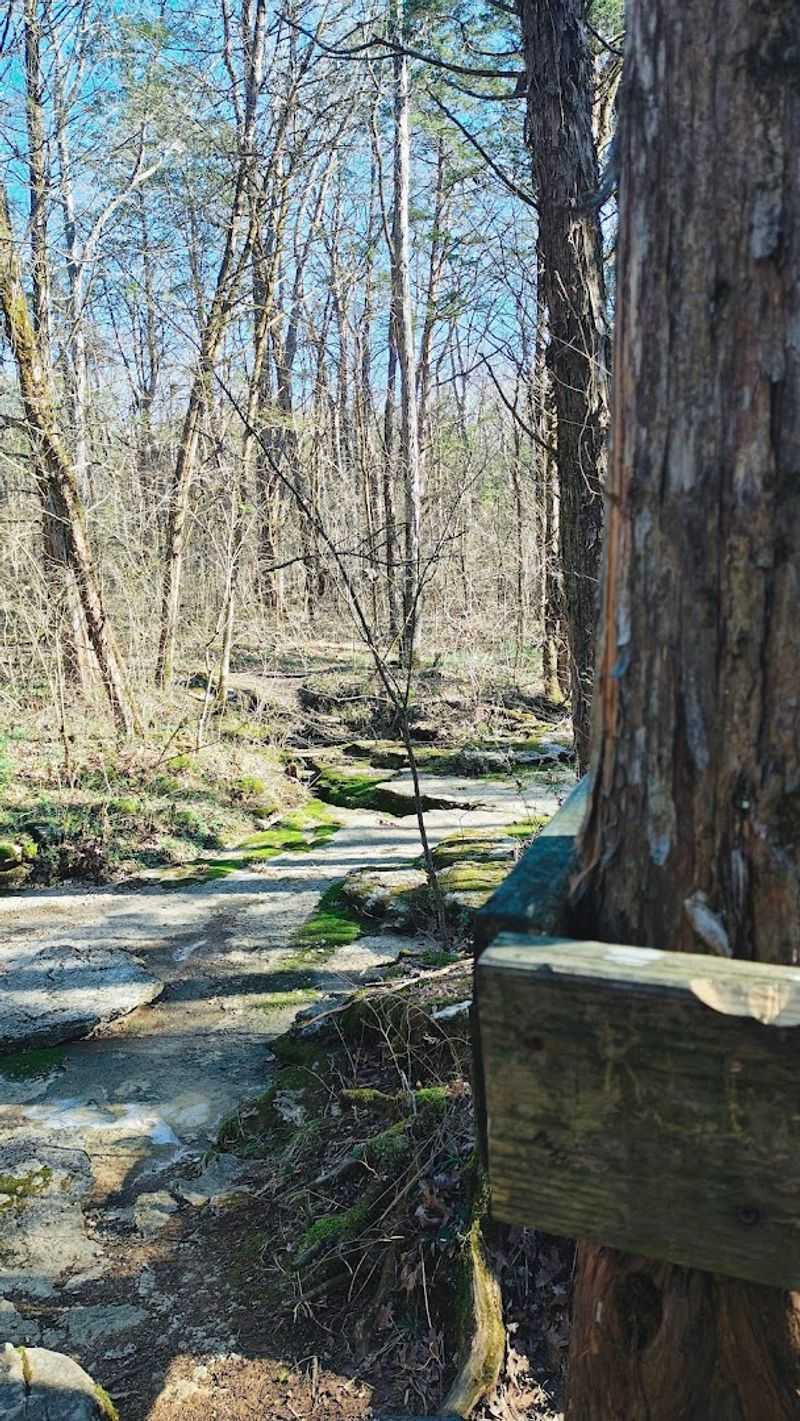
The park offers about eight miles of trails total, ranging from a paved accessible path to longer loops that take you deep into the cedar forest and across open glade clearings. Cave Creek Trail is one of the most popular, partly because it is wheelchair accessible and partly because it passes through a variety of terrain types in a short distance.
Hikers who want more mileage can connect multiple trails and spend several hours exploring without retracing their steps. The shade from the cedar canopy keeps things cooler than you might expect during summer, though the open glades can get intensely sunny and warm.
Horses share some of the trails, which adds a pleasant layer of activity to the experience. Seeing a group of riders pass through the cedars while you are on foot gives the park a distinctly different atmosphere from most state parks in Tennessee.
Trail conditions are generally well-maintained and the signage is easy to follow.
Jackson Cave And What Lives Inside It
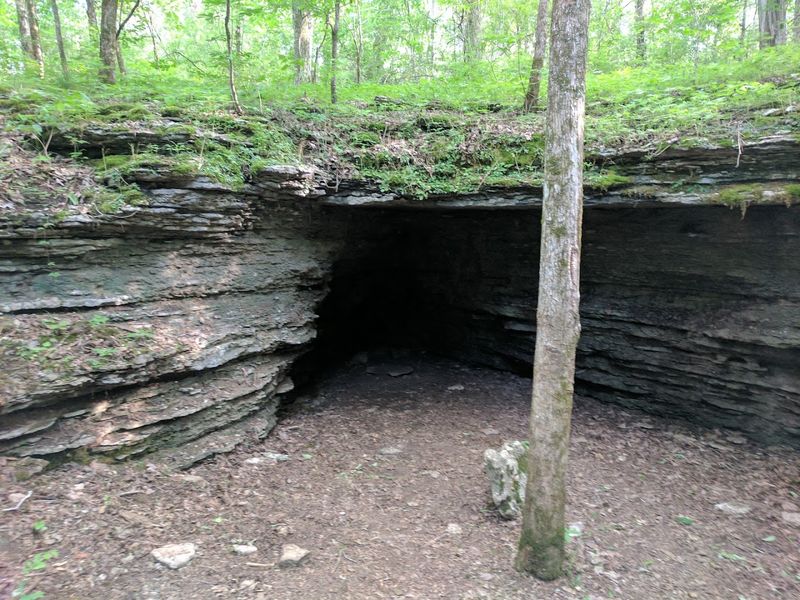
Jackson Cave is one of the more unusual features at Cedars of Lebanon, and guided tours make it accessible to visitors who want to go beyond the surface trails. The cave formed through the same limestone dissolution process that creates the sinkholes throughout the park, making it a natural extension of the geological story happening above ground.
Inside, the cave provides habitat for cave-adapted species, including the endangered Nashville crayfish and several bat species. The controlled environment of a guided tour means visitors get close access without disturbing the wildlife that depends on the cave for shelter and breeding.
Tours are offered seasonally, and availability can vary, so checking ahead with the park office is a good idea before making it the centerpiece of your visit. Those who do make it inside tend to find it one of the more memorable parts of the trip.
The transition from open cedar glade to underground limestone chamber is genuinely striking.
Horseback Riding Through The Cedar Forest
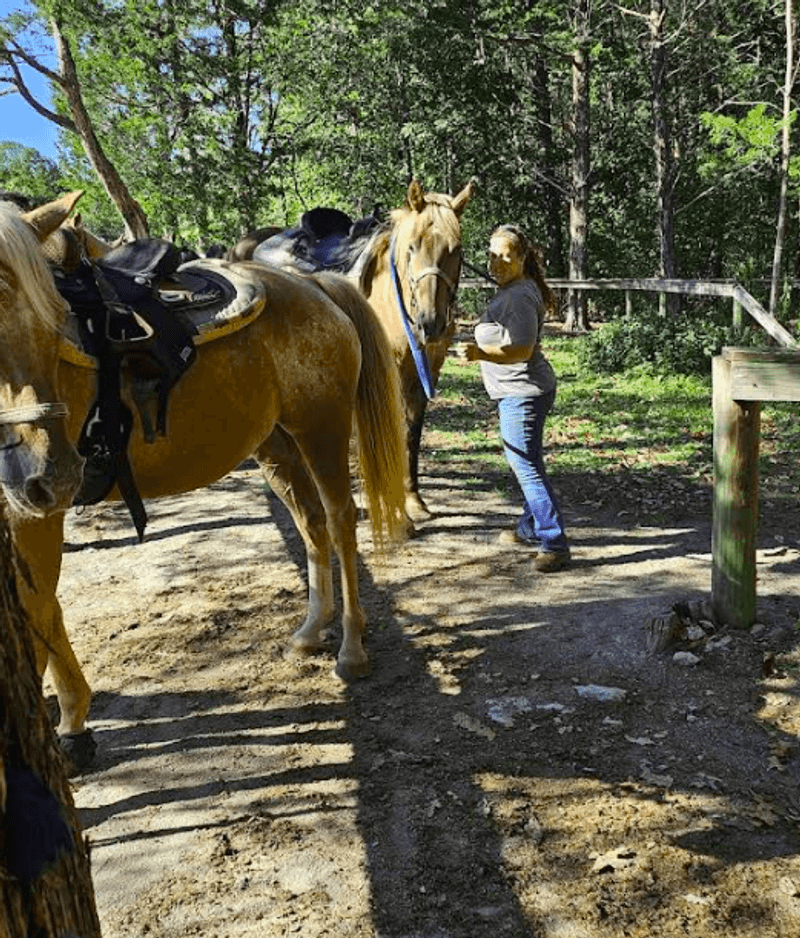
The equestrian program at Cedars of Lebanon has built a solid reputation among visitors looking for something more active than a standard hike. Guided trail rides take guests through the cedar forest on calm, well-trained horses, with guides who share information about the park’s ecology and history along the way.
The horses used in the program are described consistently as gentle and responsive, which makes the experience approachable even for riders who have never been on a horse before. Guides keep the pace relaxed and the atmosphere friendly, turning the ride into a genuine conversation rather than a silent procession through the trees.
The park also has horse stables and facilities for visitors who bring their own horses, which draws equestrian enthusiasts from across the region. Trails designated for riding cover a meaningful portion of the park’s total acreage, giving riders enough variety to keep the experience interesting across multiple visits.
Reservations are recommended, especially on weekends.
Camping Options That Actually Give You Space
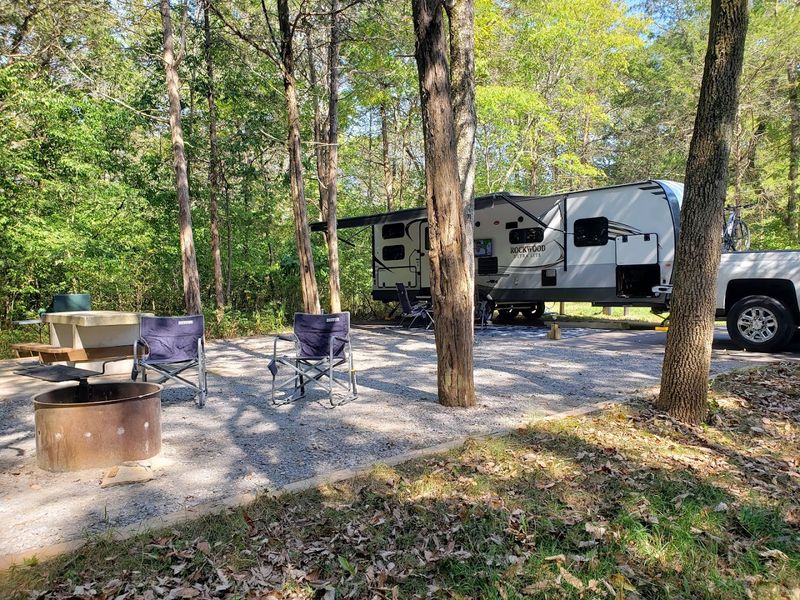
Campsites at Cedars of Lebanon tend to be generously sized, with enough distance between sites to feel like you have your own section of the forest. The campground accommodates both tent campers and RV setups, including larger rigs like fifth wheels and enclosed trailers.
Dump stations are available for those who need them.
The park does not offer sewer hookups at individual sites, which is worth knowing before you book. Restrooms are kept reasonably clean and are positioned close enough to most sites to be convenient without intruding on the natural atmosphere.
Fire rings are a standard feature, and the larger sites like numbers 12, 14, and 109 have received favorable mentions for their layout and spacing. The campground has a social quality to it, with staff described as consistently friendly and approachable.
Pet-friendly policies make it a practical choice for families traveling with dogs, and the surrounding trail access means you can head straight into the woods from your campsite.
The Cabins And What To Know Before You Book
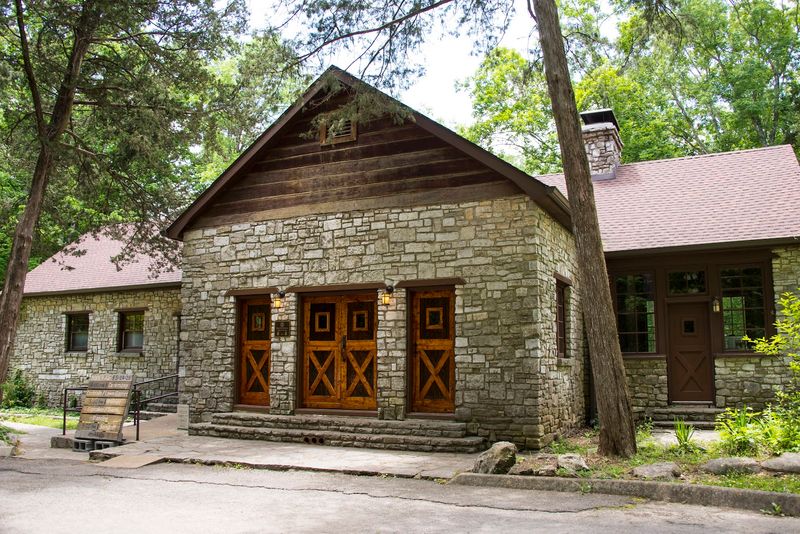
Rental cabins give visitors an option beyond tent camping, and the setting inside a working state park makes the experience feel meaningfully different from a standard vacation rental. Waking up with trail access outside your door and cedar trees visible from the window is a straightforward kind of pleasure that is hard to replicate elsewhere.
Cabin quality has drawn mixed feedback over the years. Some visitors report well-maintained interiors and responsive staff who address issues quickly, while others have noted cleanliness concerns including dishes that were not properly washed between guests.
Reading recent reviews before booking and contacting the park directly with any specific questions is a reasonable approach.
The park staff has shown a willingness to address problems when guests communicate them clearly. One visitor mentioned reporting a Wi-Fi issue at their cabin in the morning and having it resolved by the same afternoon.
That kind of responsiveness matters when you are trying to relax and do not want small problems to derail the trip.
The Nature Center And What It Teaches Kids
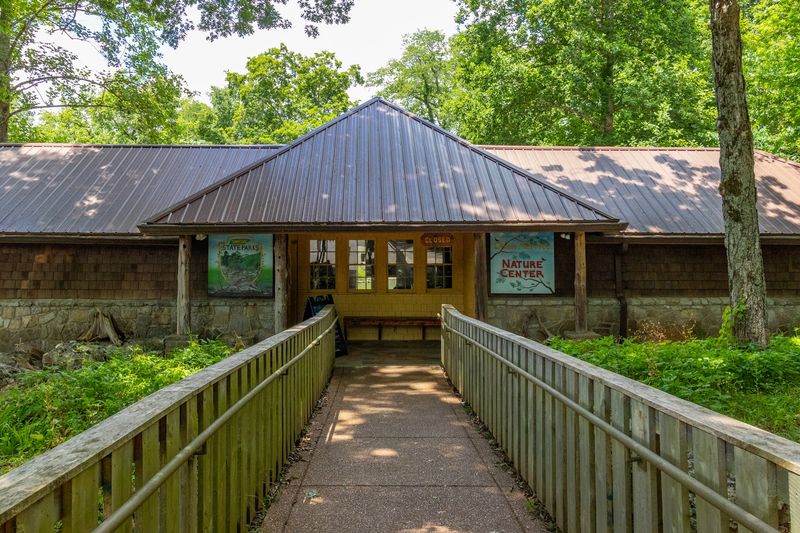
The Nature Center at Cedars of Lebanon serves as an educational anchor for the park, particularly for families with younger children. Programs offered there have included live animal demonstrations, with at least one snake handling event drawing strong enthusiasm from kids who got to hold a large snake under staff supervision.
Staff at the Nature Center are described as knowledgeable and genuinely engaged with visitors, offering practical information about the park’s ecology alongside the hands-on experiences. The combination of live animals and clear explanations tends to land well with school-age children who might otherwise lose interest in a purely trail-based visit.
Hours and program availability can shift seasonally, and the center has occasionally been closed during certain visits, so confirming the schedule before planning your trip around it makes sense. The cave creek trail nearby and the adjacent playground create a natural cluster of activities that work well together for a half-day family outing at the park.
Birdwatching And Wildlife You Might Actually See
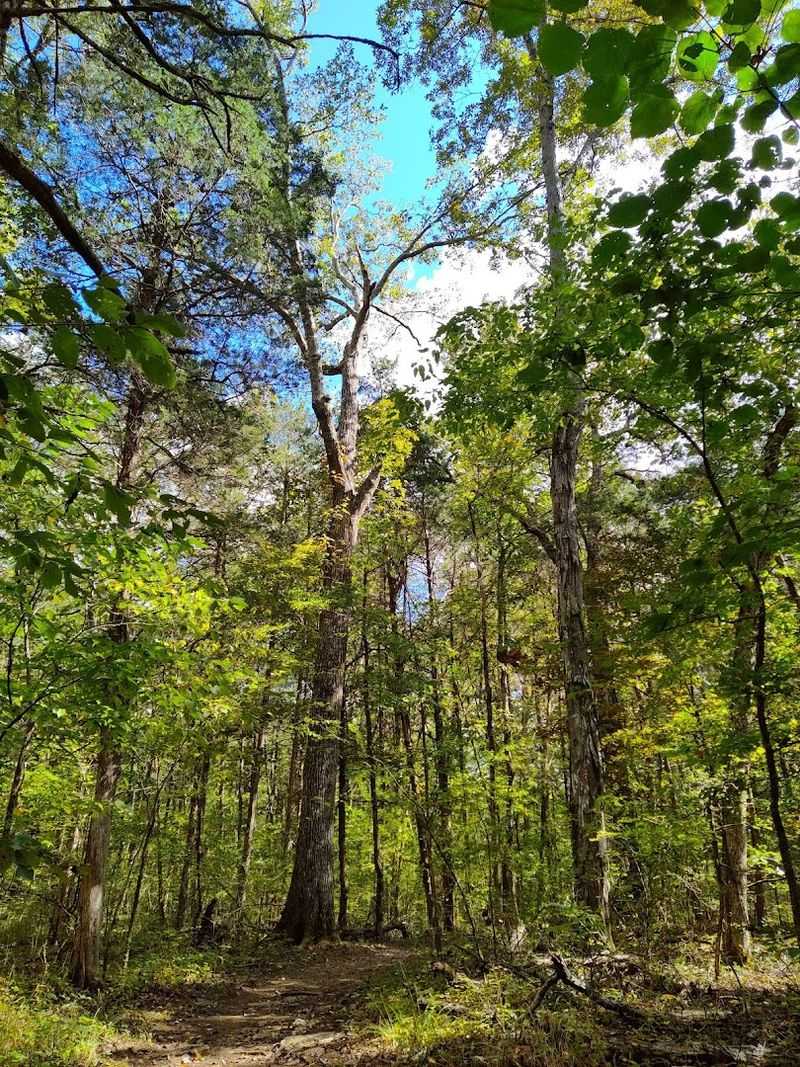
Wildlife at Cedars of Lebanon rewards patient observers more than casual passersby. The cedar forest and glade edges create a mix of habitat types that attract a solid variety of bird species, making the park a worthwhile stop for birdwatchers.
Cave Creek Trail in particular has been noted as a productive spot for bird activity.
Deer move through the park regularly and are spotted often enough that families with children tend to see them without much effort. Frogs show up near the wetter areas, especially in spring when the glade depressions hold standing water.
A copperhead sighting has been noted on at least one visit, which is a good reminder to stay on trails and watch where you step.
Wild ducks and water fowl use sections of the park as nesting habitat, adding another layer to the wildlife experience. The park does not have dramatic concentrations of large animals, but the variety across different habitat types keeps things genuinely interesting for people who pay attention.
Seasonal Reasons To Visit More Than Once
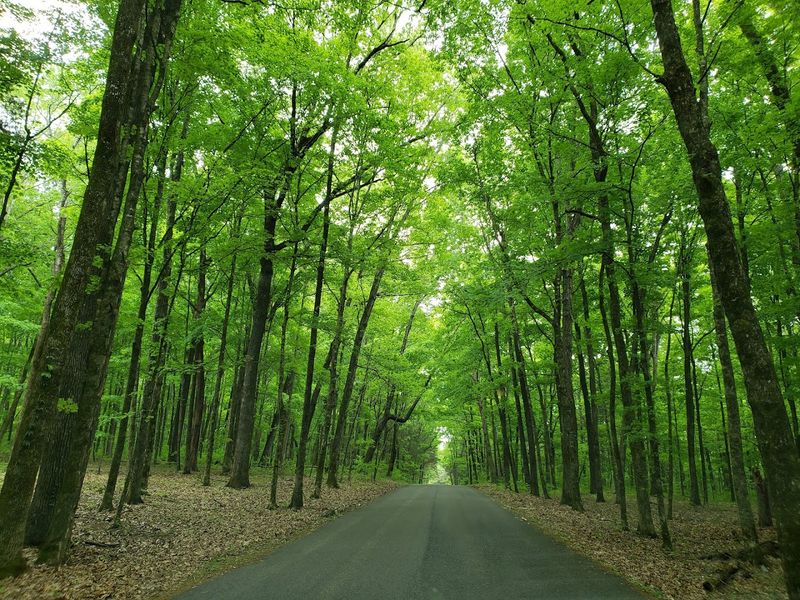
Every season at Cedars of Lebanon offers something worth seeing, and the park genuinely changes character throughout the year. Spring brings the wildflower bloom across the glades, which is arguably the most visually dramatic period.
The rock gardens fill with color and the trails are cooler and more comfortable for long walks.
Summer shifts the experience toward shade-seeking, and the dense cedar canopy earns its reputation during hot Tennessee afternoons. The splash pad that replaced the former pool gives families with young children a reason to visit even on the warmest days.
Fall brings quieter trails and the satisfying crunch of leaf litter underfoot, while the cedars themselves stay green year-round since eastern red cedars are evergreens. Winter visits have their own appeal, with the limestone and moss becoming more visible once the understory thins out.
One regular visitor mentioned returning specifically to check on a particular tree’s growth across different seasons, which captures the kind of relationship this park tends to build with people.
Practical Tips For Getting The Most From Your Visit
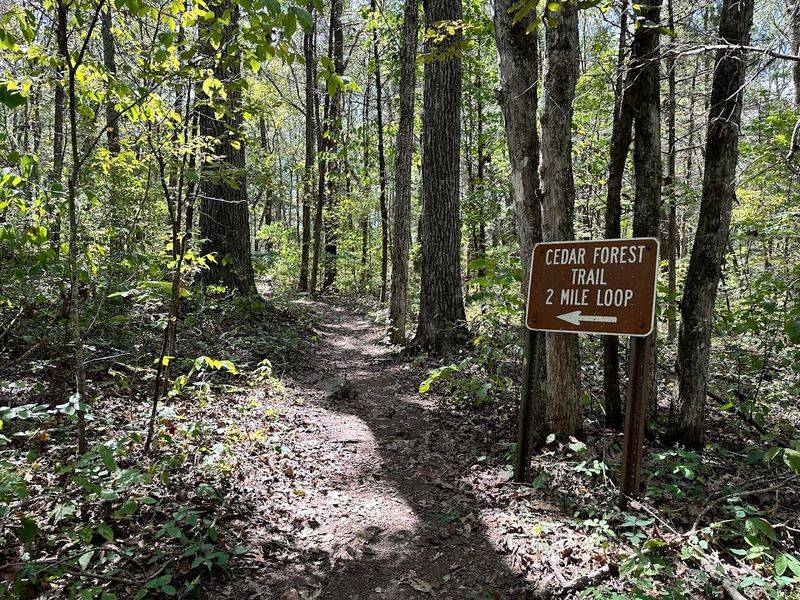
Free parking is available throughout the park, and no entry fee is charged for day visitors, which makes spontaneous trips easy to justify. The park office staff are consistently described as helpful and willing to answer questions about trails, programs, and current conditions before you head out.
Comfortable walking shoes with ankle support make a real difference on the rockier glade sections of the trail system. Bringing water is important, especially in warmer months when the open glades offer no shade and the sun reflects off the pale limestone.
Cell service can be inconsistent in parts of the park, so downloading a trail map before you arrive is a practical step. The park phone number is 888-867-2757 for questions about cabin availability, cave tours, or horseback riding reservations.
Arriving on a weekday morning gives you the quietest experience on the trails. The park is smoke-free throughout, and the overall atmosphere tends to be relaxed and family-oriented without feeling crowded.
Where Exactly You Will Find This Place
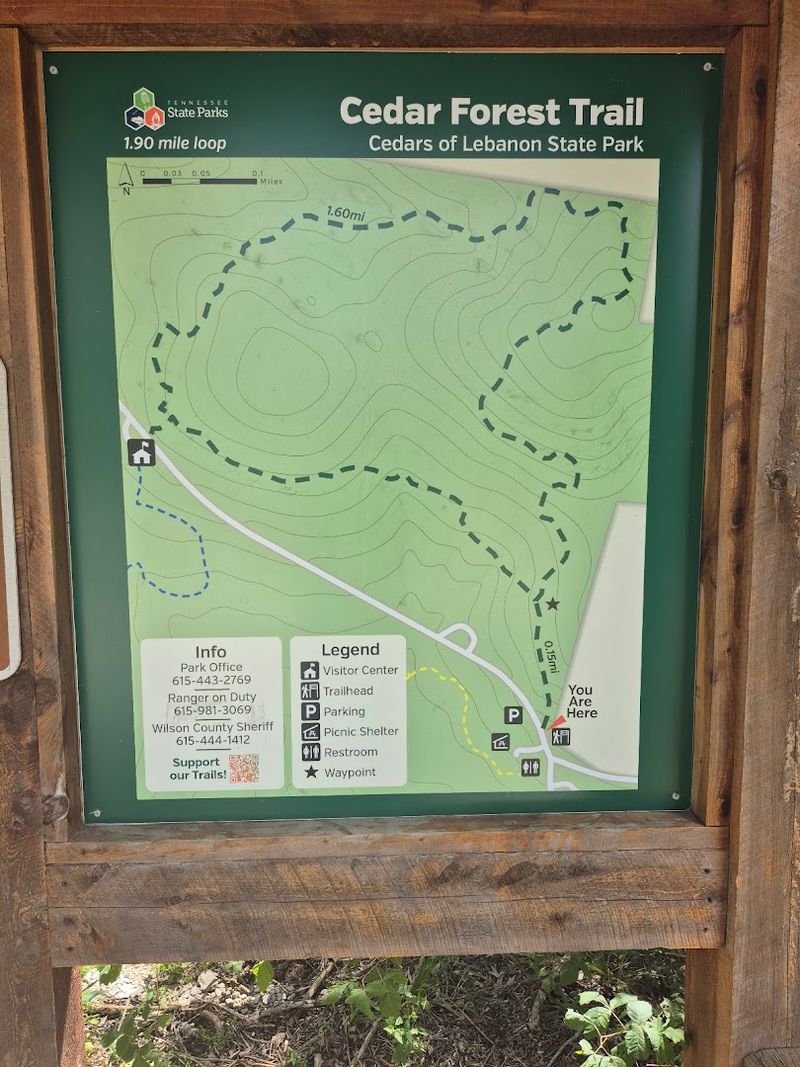
Cedars of Lebanon State Park sits at 328 Cedar Forest Rd, Lebanon, TN 37090, about 30 miles east of Nashville in Wilson County. The park covers roughly 900 acres and is managed by the Tennessee State Parks system, which you can reach at 888-867-2757 or browse at tnstateparks.com/parks/cedars-of-lebanon.
Lebanon is a mid-sized town with enough restaurants and gas stations to make your trip comfortable, but the park itself feels genuinely removed from everyday noise once you step onto the trails.
The park sits in a region of Middle Tennessee where the underlying limestone bedrock shapes nearly everything above ground. Wilson County, along with parts of Rutherford and Davidson counties, holds the highest concentration of cedar glades in the world.
Getting here is straightforward, parking is free, and the gates are open year-round for day visitors.
Share this story