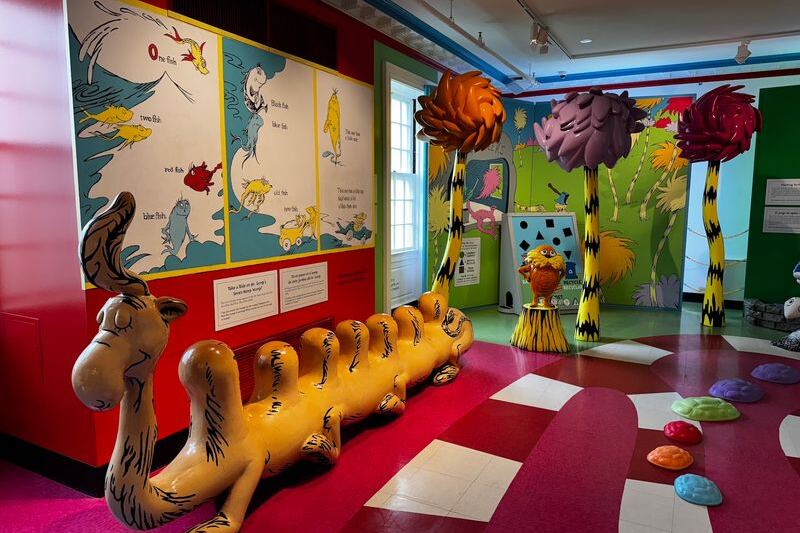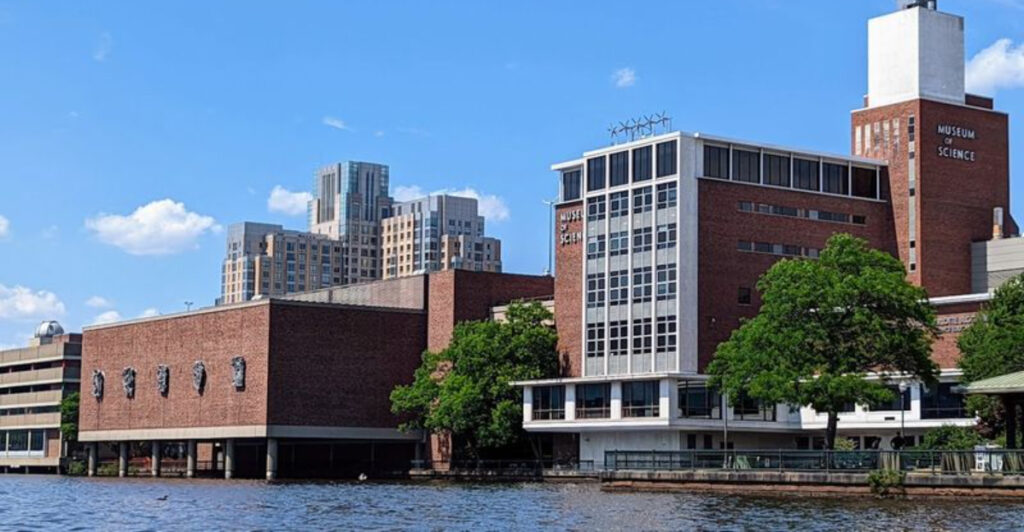
There is a place in Boston where you can watch a million volts of electricity arc through the air, sit inside a dome while stars wheel overhead, and eat lunch with a view of the Charles River all in the same afternoon. Most people expect a science museum to be a quiet walk past glass cases and labeled diagrams.
What you actually find here is closer to a full day of hands-on discoveries that keep pulling you from one floor to the next. From a robot dog to an Engineering Design Workshop, from AI exhibits to a 4D theater, this place rewards curiosity at every turn, whether you are eight years old or eighty.
The Lightning Show That Stops Everyone Cold
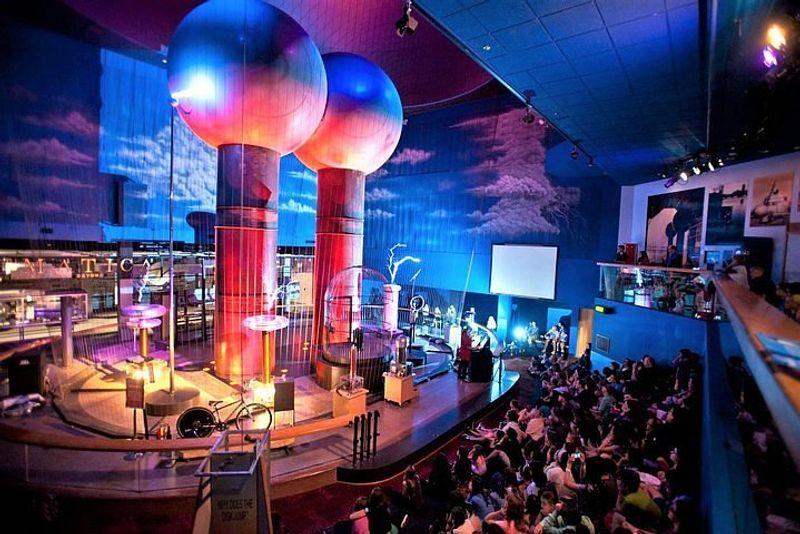
Nothing in the museum draws a crowd quite like the Theater of Electricity. The room houses two of the largest Van de Graaff generators ever built for public demonstration, capable of producing sparks that reach over a million volts.
When the show begins, the air in the room actually changes. You can feel a faint charge before the first bolt even fires.
The demonstration covers the science of static electricity, lightning formation, and electromagnetic phenomena, but the real draw is watching a staff presenter stand near a metal cage while bolts crack around them. It sounds dangerous and looks even more dramatic than it sounds.
The show runs on a first-come, first-served basis, so arriving at least 20 minutes early is worth the effort.
Both kids and adults tend to go completely quiet once the generators spin up. That silence, followed by the collective gasp when the first bolt fires, is something you do not forget quickly.
Three Floors That Never Run Out of Things to Do
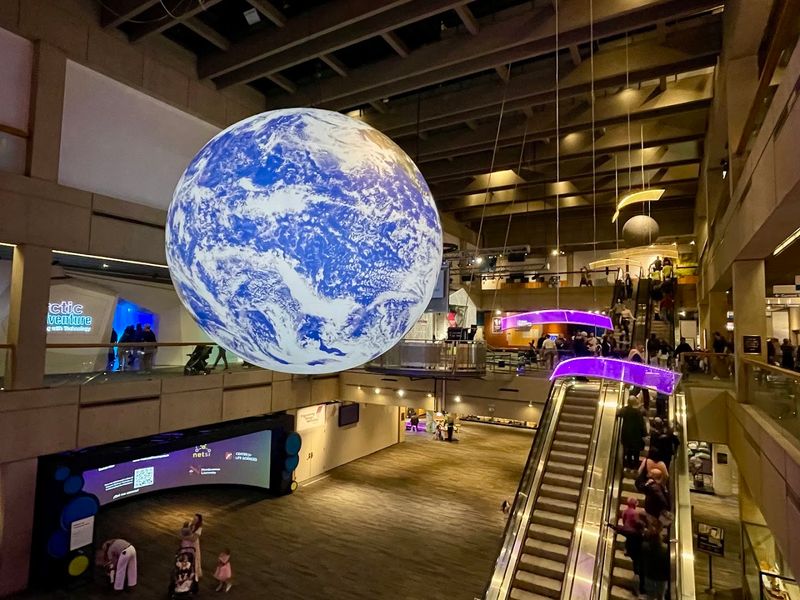
The museum spreads across three well-organized floors, and clear signage makes it genuinely easy to navigate without feeling lost. Each floor focuses on different areas of science, from natural history and earth science on the lower level to physical science, technology, and engineering on the upper floors.
There is no single correct path through the building, which makes repeat visits feel fresh.
The lower level holds the Natural Science area, which features bones, shells, taxidermy animals, and geological specimens that you can examine up close. The upper floors lean into interactive territory, with stations where visitors solve engineering puzzles, test physical principles, and work through design challenges.
Most families report spending between three and four hours without covering everything. Some visitors have stayed a full day and still felt like they missed sections.
The museum does a reasonable job of offering content that scales from a five-year-old to a curious adult with no background in science at all.
The Planetarium Takes You Somewhere Else Entirely
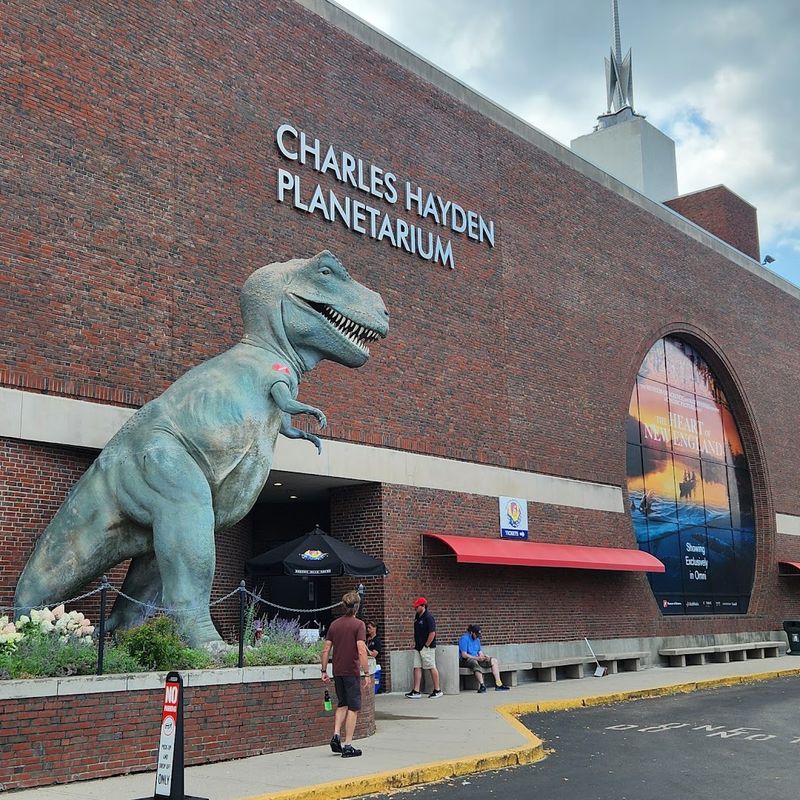
The Charles Hayden Planetarium has been projecting stars onto its domed ceiling for decades, and the experience still holds up in a way that a flat screen simply cannot replicate. The dome wraps around you completely, and the effect of watching the night sky rotate overhead while sitting in a darkened room is genuinely immersive.
It is the kind of thing that reminds you how rarely most people actually look up at the sky.
Shows cover topics ranging from the solar system to deep space exploration, and the programming rotates throughout the year. There is a small additional fee on top of general admission, but most visitors who skip it regret the decision once they hear what they missed from someone who went.
The planetarium is not just for kids. Adults who visit on their own frequently cite it as one of the highlights of the day, especially the deep sky programs that cover galaxies and cosmic distances in ways that are genuinely hard to process.
AI and Technology Exhibits That Reflect the Current Moment
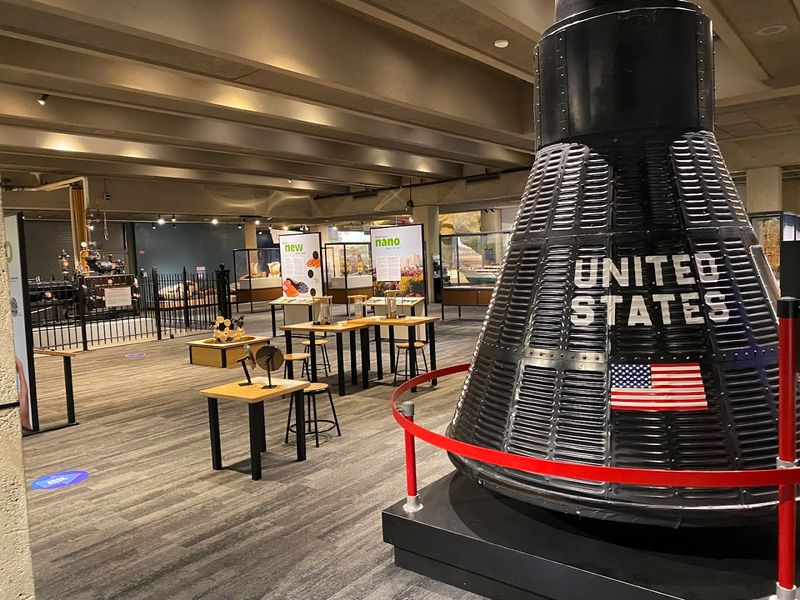
Science museums have a reputation for covering the past better than the present, but the Museum of Science has made a real effort to keep its technology exhibits current. The AI exhibit is a strong example.
It uses interactive stations to explain how artificial intelligence works, how it learns from data, and where it is already showing up in everyday life. The framing is accessible without being condescending.
Visitors can interact directly with AI-driven demonstrations rather than just reading explanations on a panel. That hands-on approach makes abstract concepts feel tangible.
A nine-year-old and a forty-year-old can both come away from the same station having learned something genuinely new.
The museum updates exhibits over time, which means the technology section tends to reflect conversations that are actually happening in the wider world. On a recent visit, the AI room drew a consistent crowd of adults who were clearly there for themselves, not just accompanying younger family members through the building.
The Engineering Design Workshop Where Building Is the Point
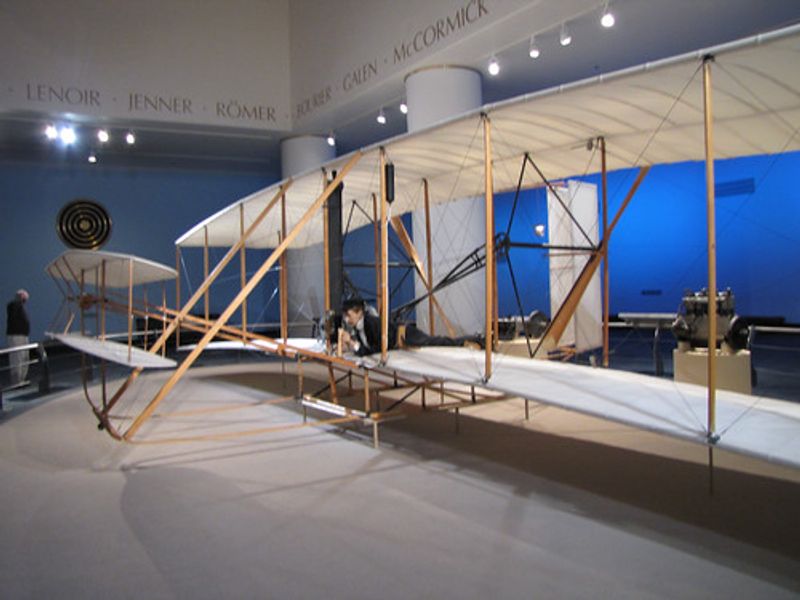
The Engineering Design Workshop is one of those spaces where time moves faster than you expect. The room is set up for active building, not passive observation.
Visitors work through structured challenges using physical materials, and the goal is always to design something that meets a specific requirement, whether that involves weight, height, movement, or structural stability.
Kids aged roughly six to fourteen tend to get the most out of the workshop, but adults who sit down at a station rarely leave quickly. There is something genuinely satisfying about testing a design, watching it fail, and then figuring out what to change.
The engineering process becomes intuitive when you are actually doing it rather than reading about it.
Staff members in the workshop are helpful without taking over the process, which is a harder balance to strike than it sounds. Sessions run throughout the day, and the room can get busy on weekends, so arriving early in the day gives you more room to work and more time at the stations.
Natural Science on the Lower Level Is Worth More Time Than People Give It
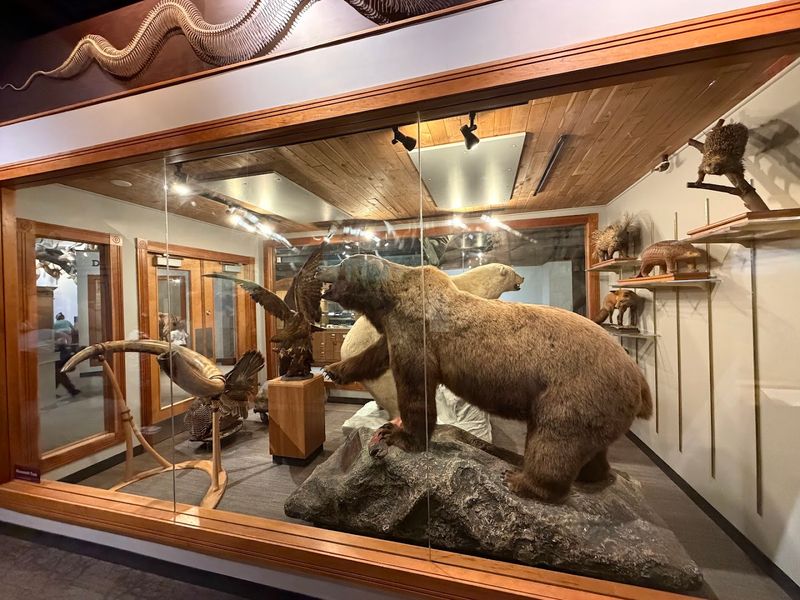
The Natural Science area on the lower floor tends to get less foot traffic than the flashier exhibits upstairs, which actually makes it a pleasant place to slow down. The collection includes taxidermy animals, animal skeletons, shells, fossils, and geological specimens displayed in a way that invites close inspection rather than quick glancing.
Some of the specimens are genuinely striking up close. The detail in a large predator skeleton or the variety within a shell collection is the kind of thing that photographs do not fully capture.
You have to stand there and look at it to appreciate the scale and the craftsmanship of the preservation work.
For visitors who grew up going to natural history museums, this section carries a specific kind of nostalgia. For younger kids who have never seen a full animal skeleton at eye level, the reaction tends to be immediate and enthusiastic.
The lower floor also tends to be slightly quieter than the upper levels, which is its own reward on a busy Saturday.
The Riverview Cafe and What You Can See From Your Table
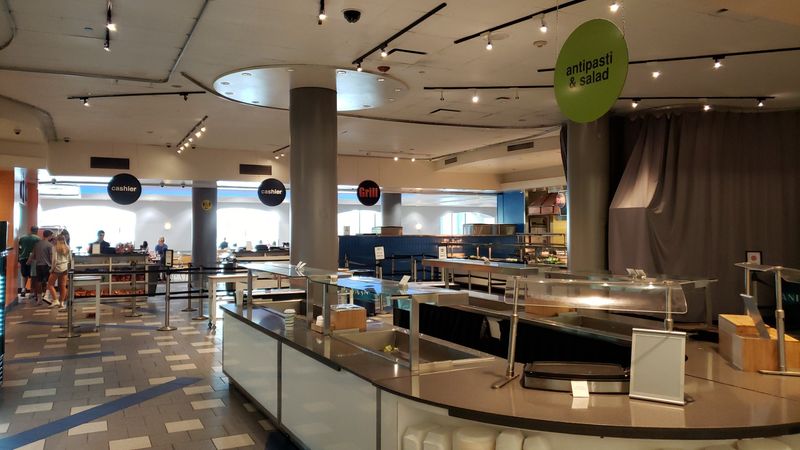
Lunch at the Riverview Cafe is one of those practical stops that turns out to be better than expected. The cafe has large windows that face the Charles River, and on a clear day the view includes the water, the surrounding bridges, and the occasional duck boat making its way through.
It is a working cafeteria, not a fine dining room, but the setting makes it feel like more than that.
The food is described by visitors as affordable and satisfying, with several stations offering different options. There is also a Starbucks on-site, which tends to draw a long line during peak hours.
Arriving slightly before or after the main lunch rush makes the experience considerably more relaxed.
Seating is plentiful, and the cafe is large enough to handle the museum crowd on a busy day without feeling chaotic. It is a good mid-day reset point before tackling the floors you have not reached yet, and the river view does not hurt the mood at all.
Getting There and Parking Without the Usual Boston Headaches
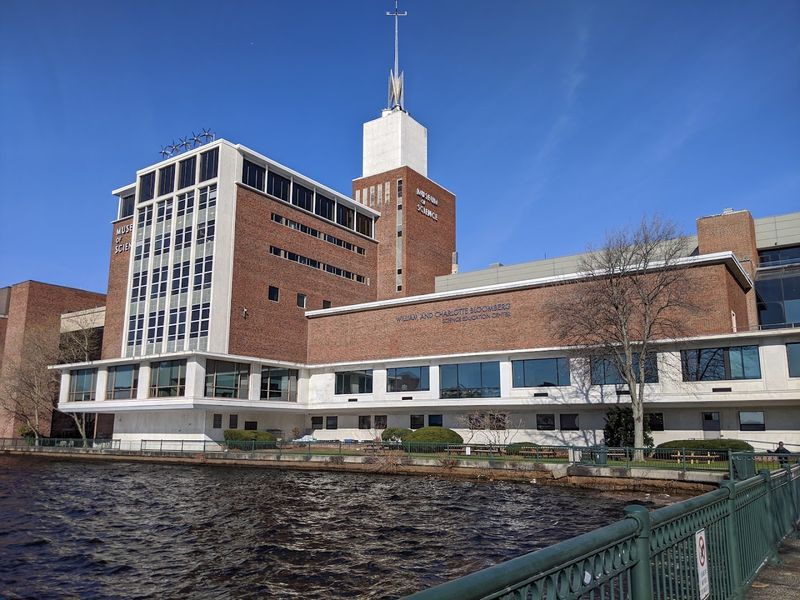
The museum sits on a dam between Boston and Cambridge, which makes the location unusual in the best way. The address at 1 Science Park puts it within walking distance of the North End and the waterfront, and several visitors have noted that the walk from Quincy Market or the New England Aquarium is genuinely manageable on a good day.
On-site parking is available in the museum garage, which is the most convenient option for anyone driving in from outside the city. The garage fills up on busy weekend mornings, so arriving before 11 AM tends to secure a spot without much stress.
Parking is not cheap by any standard, but the convenience factor on a day with kids and bags and strollers usually outweighs the cost.
The museum is also accessible by public transit, and the area is walkable enough that arriving on foot from nearby neighborhoods is a reasonable option for visitors staying in Boston proper.
Tickets, Timing, and How to Get the Most Out of One Visit
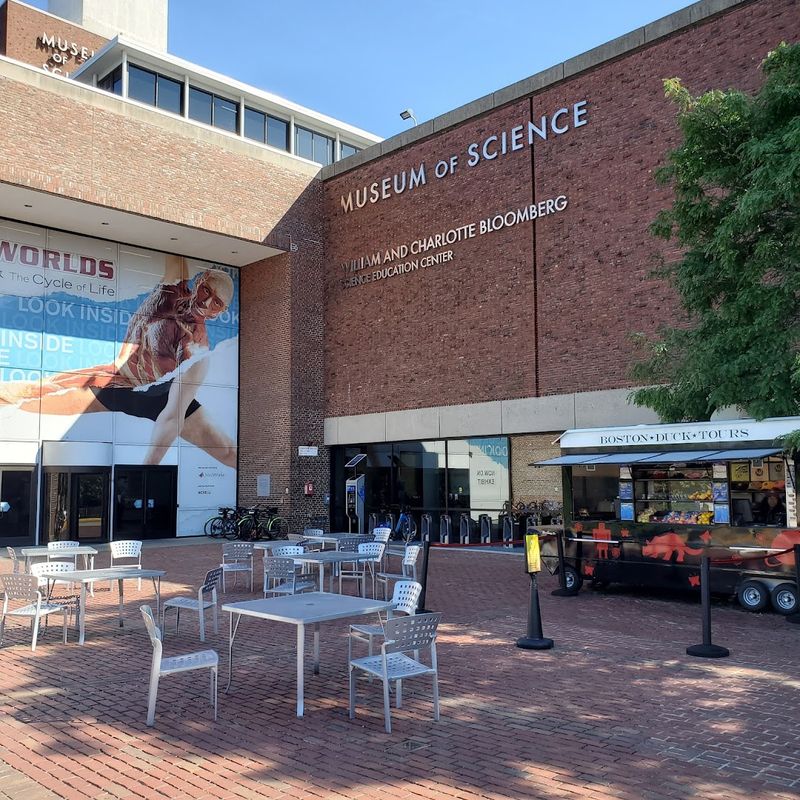
Admission pricing at the Museum of Science is on the higher end compared to free institutions, but the volume of content available makes the day feel worth the cost. For three people including an IMAX ticket, expect to spend over a hundred dollars.
The museum does stamp tickets so that visitors who arrive late can return within six months, which softens the sting if you run out of time on the first visit.
Buying tickets for shows in advance is strongly recommended, especially for the Omni Theater, which sells out on weekends. The electricity show is first-come, first-served, so factoring in arrival time for that one specifically is smart planning rather than overthinking.
The museum also accepts reciprocal memberships from other science centers, which can eliminate the ticket line entirely if you hold a qualifying membership from another institution. Staff at the entrance are consistently described as helpful and approachable, which makes the check-in process smoother than it might otherwise be.
Why This Museum Keeps Bringing People Back
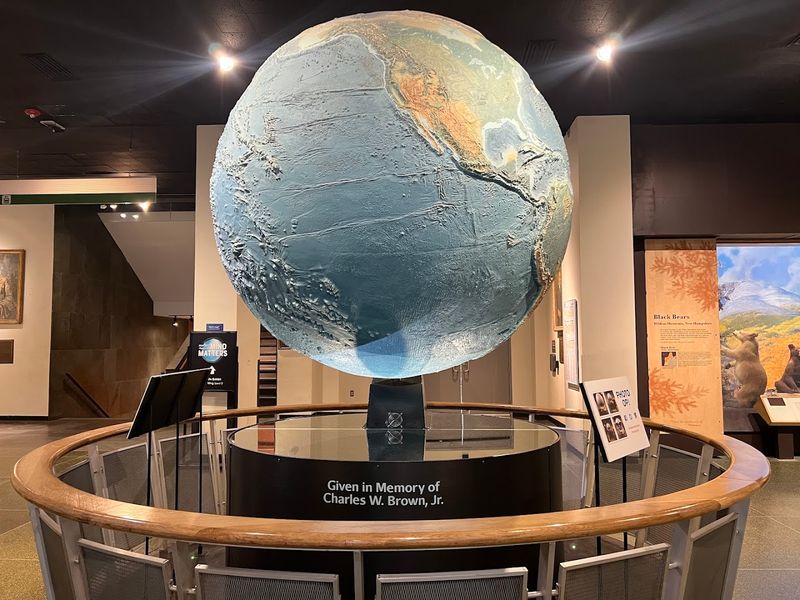
A four-hour visit that still leaves you feeling like you missed something is a specific kind of problem that the Museum of Science creates consistently. The building has enough content across enough disciplines that no two visits follow the same path.
Families who return year after year find new exhibits alongside old favorites, and the museum makes a visible effort to stay current with the science that is actually happening in the world.
The combination of live demonstrations, immersive theaters, hands-on workshops, and a natural history collection gives the museum a range that most single-subject institutions cannot match. Whether you are drawn to space, electricity, engineering, wildlife, or artificial intelligence, there is a floor or a show that speaks directly to that interest.
The river views, the cafeteria with a decent lunch, the staff who know their material, and the sheer variety of things to do all add up to a day that people talk about on the drive home. That kind of staying power is harder to manufacture than it looks.
A Place Called Science Park
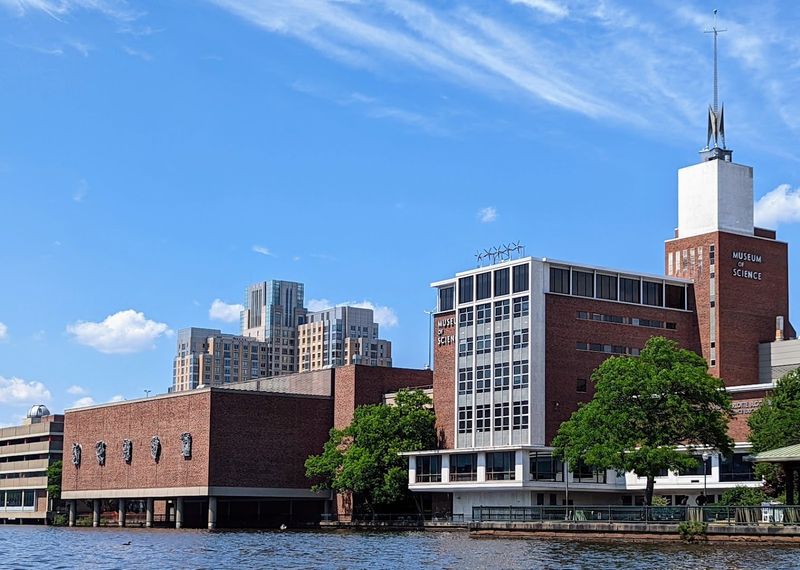
Right at the edge of the Charles River, the Museum of Science sits at 1 Science Park in Boston, Massachusetts 02114. The address itself tells you something.
This is not tucked into a side street or buried in a commercial block. It occupies its own spot on a dam that connects Boston to Cambridge, which means the building is surrounded by moving water on two sides.
The museum has been at this location since 1951, when it moved from its earlier home in the Back Bay neighborhood. Over the decades, it grew from a modest natural history collection into one of the most visited science centers in the entire country.
The phone number is 617-723-2500, and the website is mos.org if you want to check showtimes or buy tickets before arriving. General hours run 9 AM to 5 PM every day of the week.
Share this story