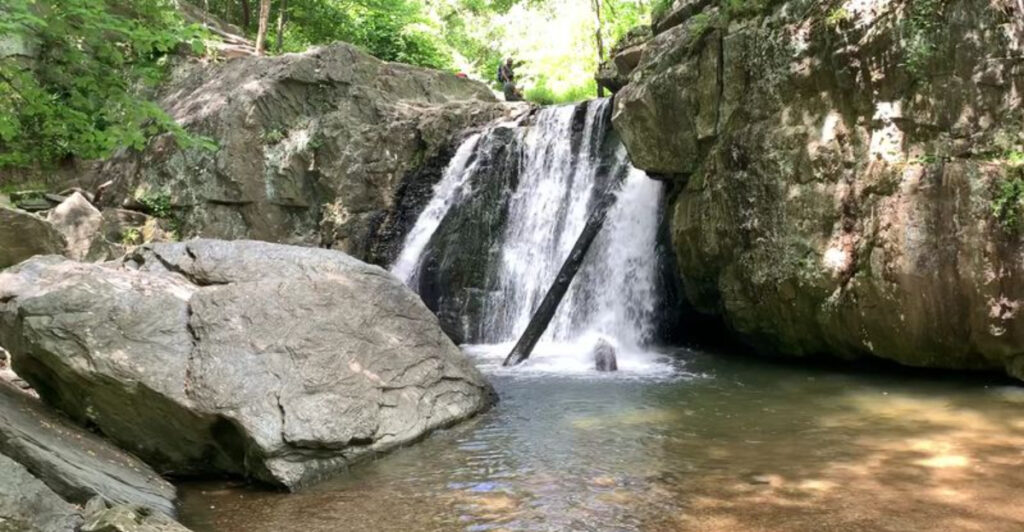
Somewhere in the wooded hills of Harford County, Maryland, a short trail winds through tall trees and mossy rocks before revealing something that stops most people mid-step. The sound reaches you before the view does, a steady rush of water dropping 17 feet into a clear, calm pool below.
Not many people outside the region know this place exists, and that is honestly part of what makes it worth the drive. From family outings to solo nature walks, this trail delivers a payoff that feels much bigger than the distance you actually hike.
Keep reading to find out exactly what to expect, how to plan your visit, and why this quiet corner of Maryland keeps drawing people back season after season.
The Waterfall Itself Is Worth Every Step
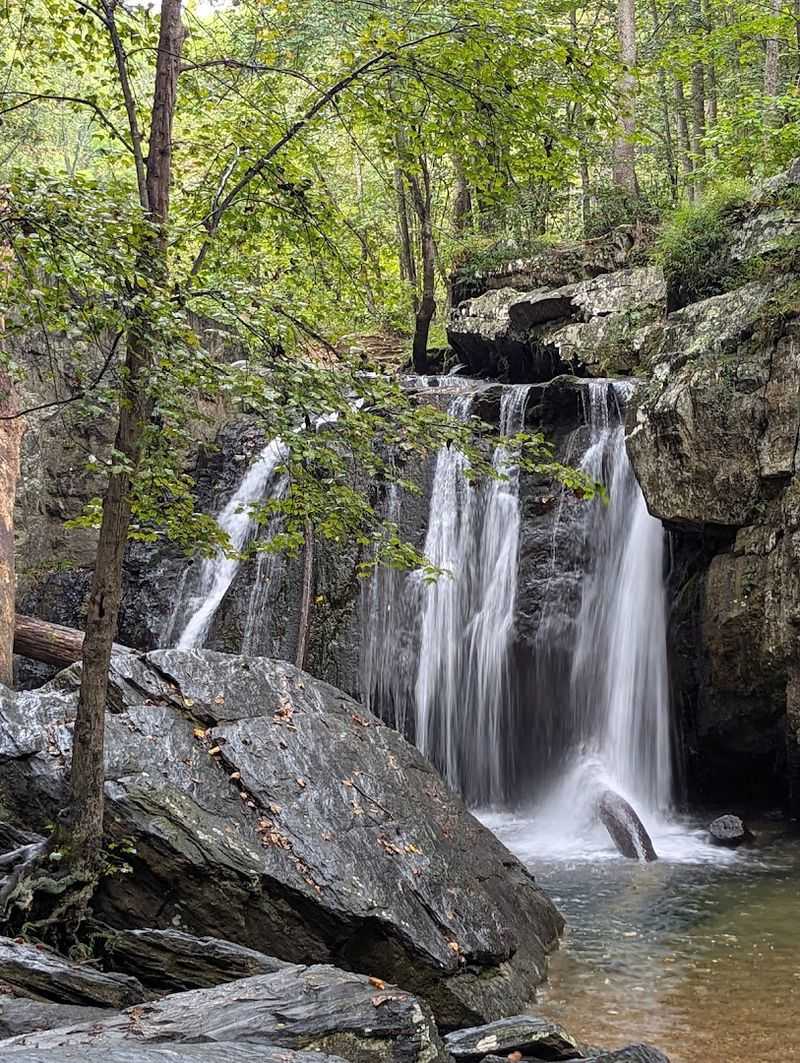
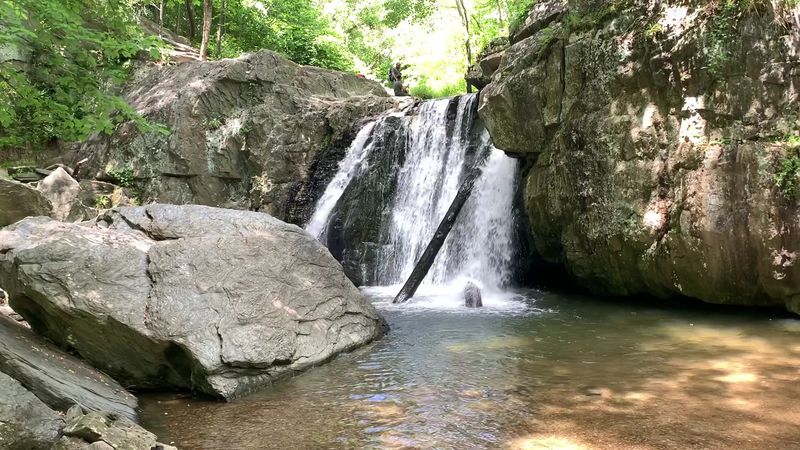
At 17 feet tall, Kilgore Falls is the second-largest natural waterfall in Maryland. The water drops over a wide, flat rock face and lands in a clear pool that invites wading on warm days.
The sheer width of the falls gives it a presence that feels larger than the height suggests.
The best view requires crossing the stream. Most people hop across on rocks or wade through shallow water near the base of the falls.
Water shoes make this much easier and keep the experience comfortable. The stones in the stream can be slick with algae, so careful footing matters.
Once you cross, the full face of the waterfall opens up in front of you. The rock wall behind the falls creates a natural backdrop that photographs well in almost any season.
Standing there with water misting your face is one of those small moments that tends to stay with you longer than expected.
The Stream Crossing That Adds A Little Adventure
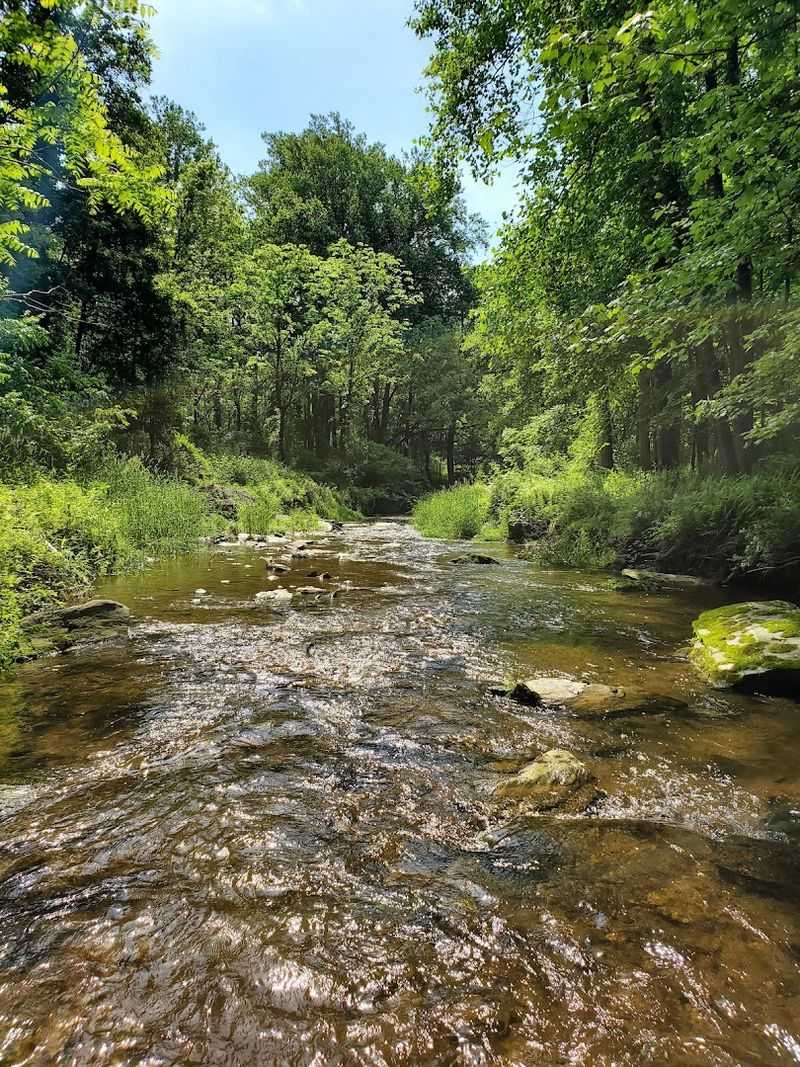
One detail that surprises many first-time visitors is the stream crossing required to reach the best viewpoint. The crossing itself is not deep, typically knee-high or lower depending on recent rainfall, but it does mean your feet will likely get wet unless you plan ahead.
Water shoes or old sneakers you do not mind soaking are the practical choice. Some visitors bring a second pair to change into after the crossing.
Crossing closer to the base of the falls tends to be easier than attempting it further upstream where the current is less predictable.
After heavy rain, the water level rises noticeably and the crossing becomes more challenging. Checking conditions before you go helps avoid disappointment.
The stream itself is part of the charm though. Watching the water move over rocks while you pick your path across adds a small sense of earned arrival to the whole experience.
Getting To The Top Of The Falls Is Possible
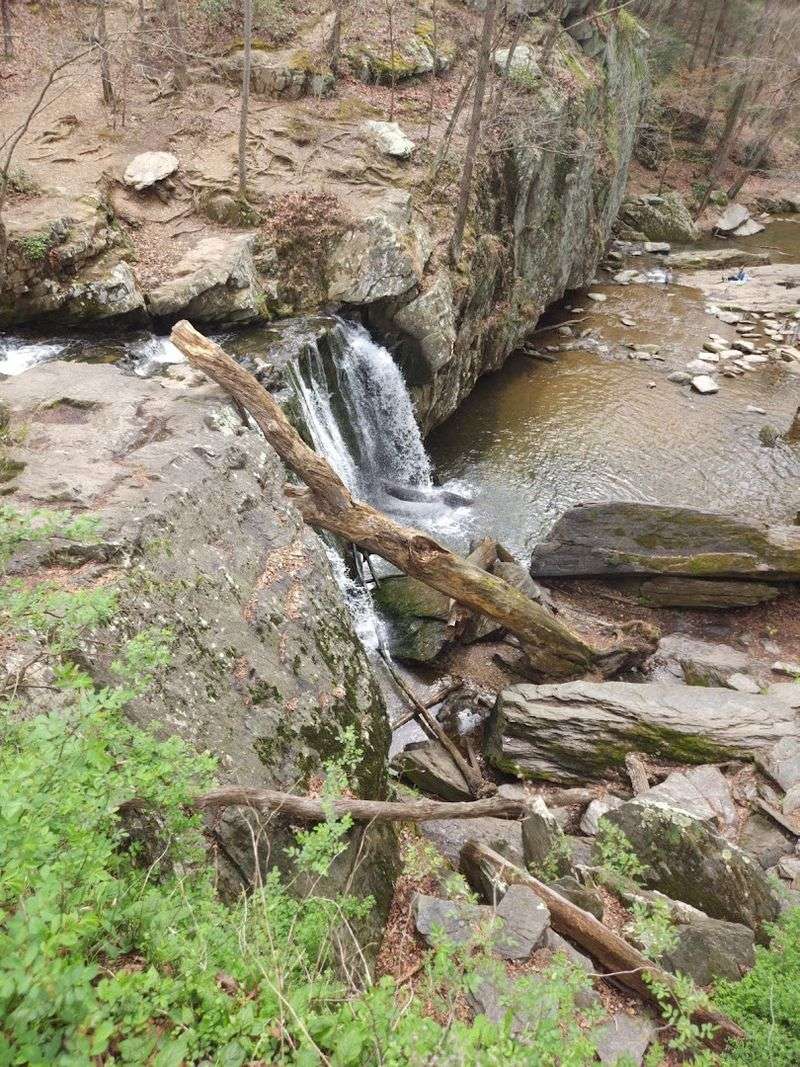
Most visitors see the falls from below, but there is also a trail that leads up to the top of the waterfall. The path branches off from the main trail and climbs the hillside to reach the upper edge of the rock face.
From up there, the perspective is completely different.
Looking down from the top of the falls gives you a clear view of the pool below and the forest stretching out in every direction. The footing near the edge requires attention, especially when the rocks are wet.
Families with young children should stay back from the rim and supervise closely.
The upper trail also connects to additional paths that follow the creek further into the woods. Some visitors use this route to extend their outing beyond the waterfall and explore more of the surrounding forest.
It turns what could be a 20-minute visit into a fuller morning or afternoon in the trees.
Why This Spot Works So Well For Families
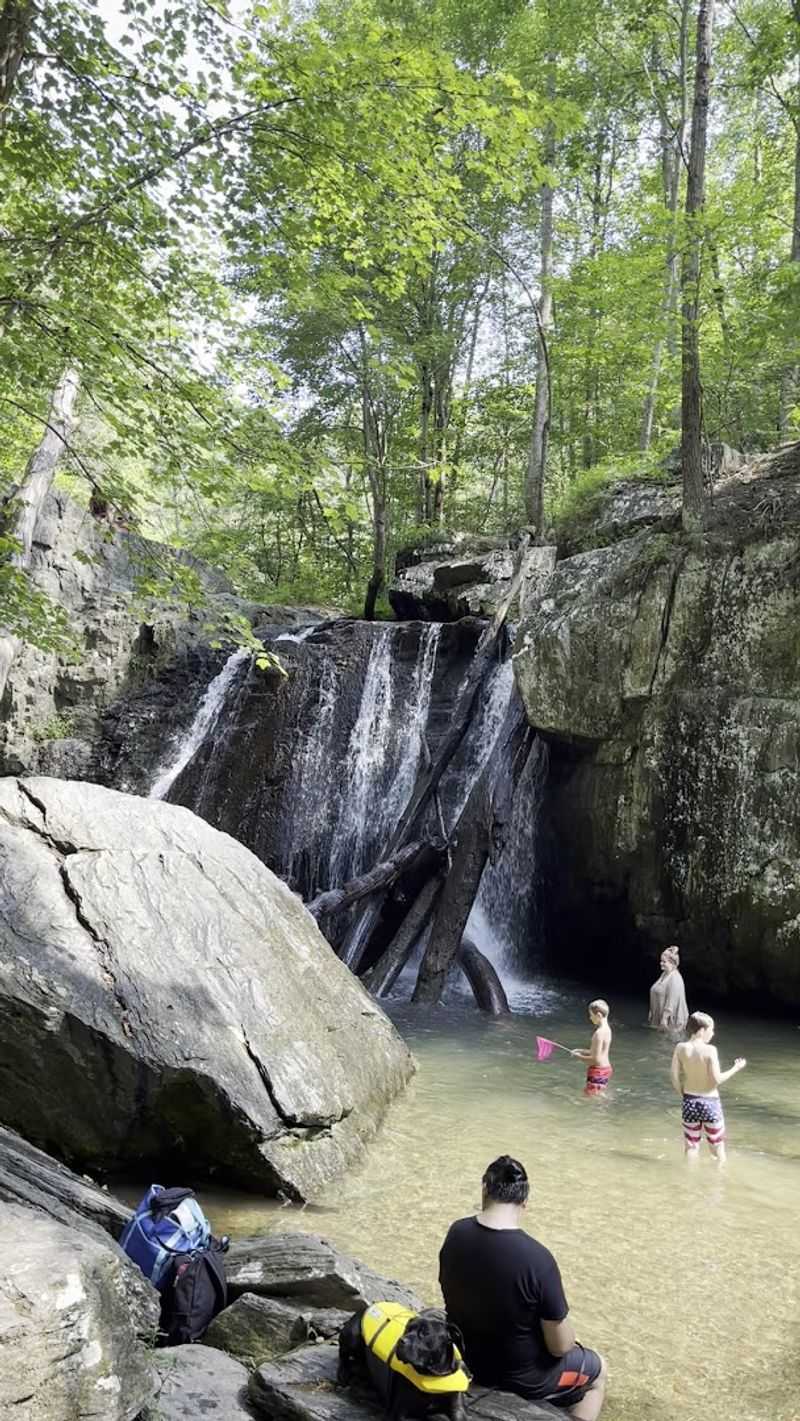
Kilgore Falls has built a quiet reputation as one of the friendliest family destinations in Harford County. The trail is short enough that young children can complete it without complaints, and the waterfall at the end provides an immediate reward that holds their attention.
Kids who would never sit through a long hike will walk this one happily.
The pool at the base of the falls has shallow areas perfect for small children to wade and splash. Deeper spots near the rock walls attract older kids and teenagers who want to swim.
The whole setup gives different age groups something to do at the same time, which is the kind of flexibility families actually need.
Porta-potties are available on site during the busy season, which parents especially appreciate. The overall atmosphere tends to be relaxed and friendly, with other visitors generally respectful of the space.
It has the feel of a neighborhood spot that happens to have a waterfall in it.
What The Forest Looks And Feels Like Along The Way
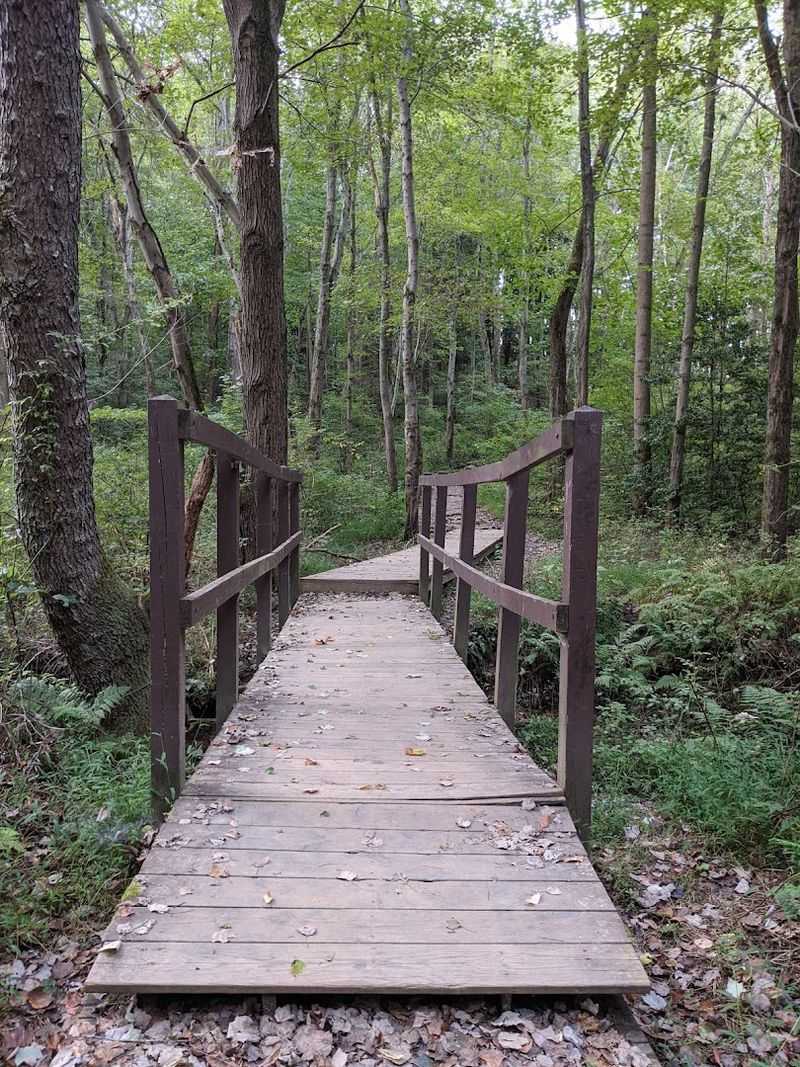
The trail to Kilgore Falls runs alongside Falling Branch creek for most of its length, and the creek is a constant companion. Water moves steadily over smooth rocks while tall hardwood trees form a canopy overhead that blocks out most of the sun.
On a warm day, the shade alone makes the walk feel like a relief.
The forest floor is covered in ferns, moss, and fallen leaves depending on the season. In spring, the greenery along the creek bank is dense and vivid.
By autumn, the same trees shift into oranges and reds that reflect in the water below. Each season changes the visual tone of the hike without changing the trail itself.
Birdsong is a consistent background sound along the path. The combination of moving water and forest noise creates a kind of natural quiet that is hard to find close to suburban Maryland.
Even on busy weekends, the walk in feels noticeably calm compared to the parking lot.
Swimming And Wading In The Pool Below The Falls
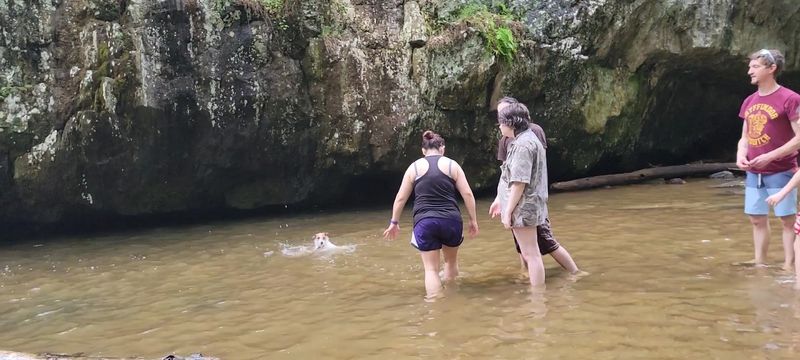
The pool at the base of Kilgore Falls is one of the main reasons people return year after year. The water stays cool even on hot summer days, which makes it a natural draw during Maryland’s humid July and August.
Shallow areas near the edges allow younger kids and cautious waders to enjoy the water without going deep.
Closer to the rock walls and the base of the falls, the water gets noticeably deeper. Some visitors jump from the lower rocks into these deeper sections.
The water is generally reported to be clean and clear, though conditions vary with rainfall and season.
There are no lifeguards on duty, so swimming is entirely at your own risk. Parents should keep a close eye on children near the deeper areas.
Bringing a towel, a change of clothes, and a dry bag for your phone makes the whole experience more relaxed. Most people who wade in end up staying longer than they planned.
How The Falls Look In Winter And Why Cold Weather Visits Are Underrated
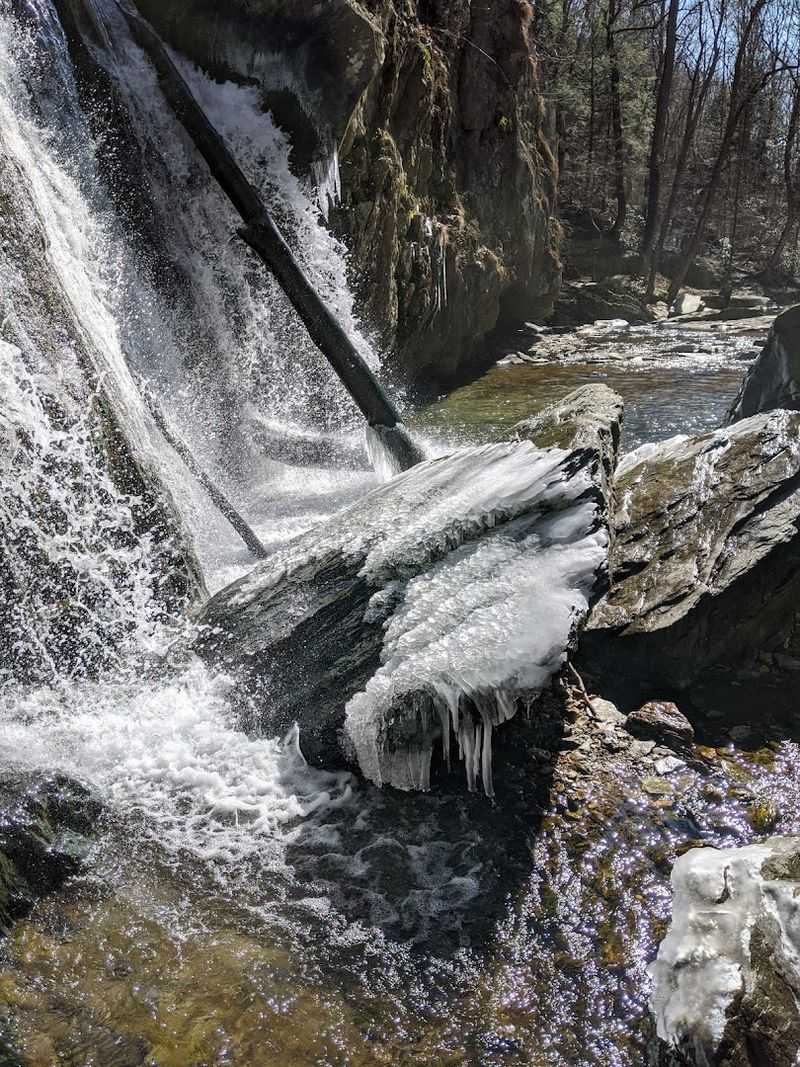
Winter at Kilgore Falls is a completely different experience from the busy summer months. Without leaves on the trees, the light comes through differently and the rock face of the falls is more exposed and dramatic.
Ice sometimes forms along the edges of the waterfall and on surrounding rocks, creating a look that does not exist during warmer months.
Crowds drop significantly from late fall through early spring. On a cold December or January morning, the parking lot may hold only a handful of cars.
That kind of solitude at a place this scenic is genuinely rare and worth planning around.
The trail does require more caution in winter. Ice on the path and wet rocks near the stream can be slippery, so traction-friendly footwear matters more in cold weather than at any other time of year.
That said, visitors who come prepared consistently describe winter visits as some of their most memorable trips to the falls.
The Rock Formations That Surround The Falls
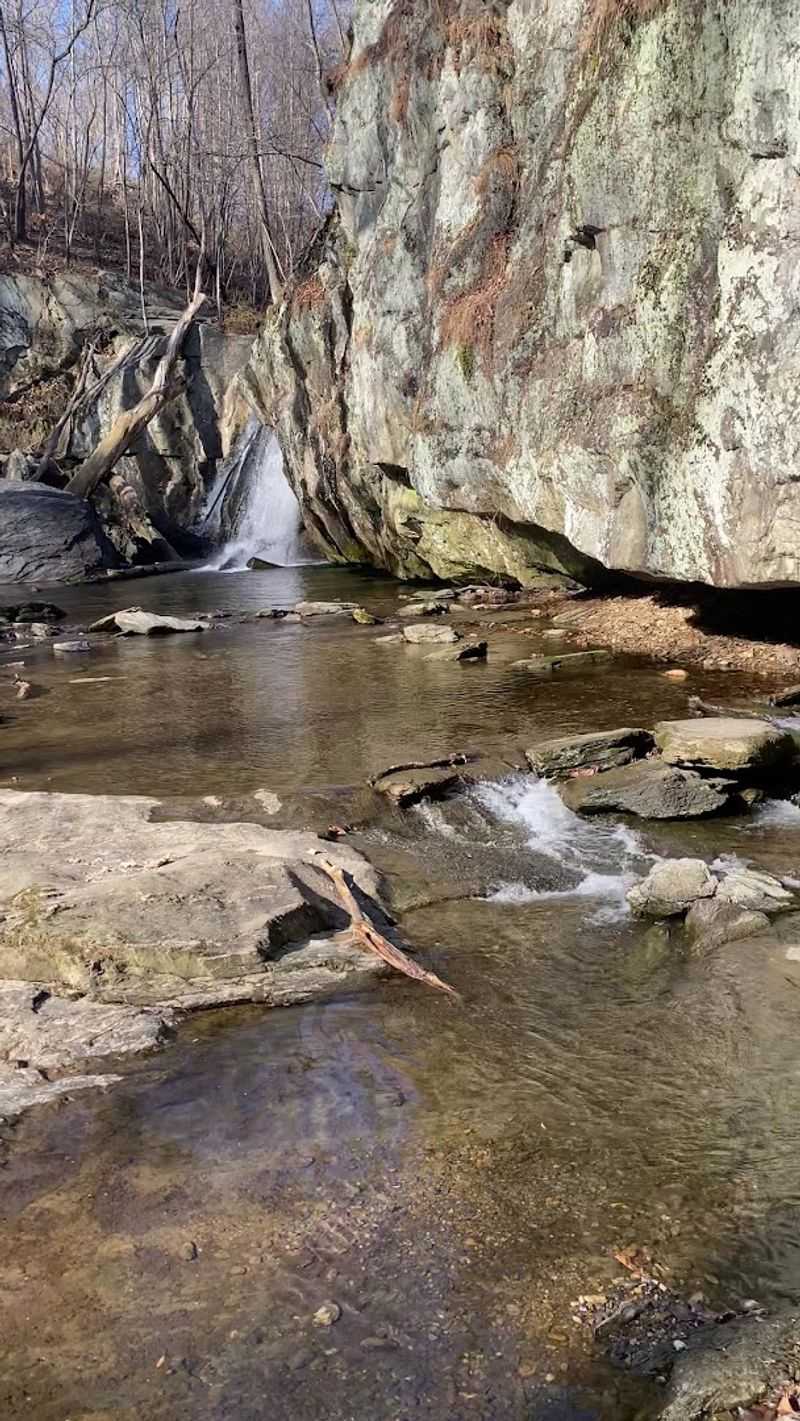
The geology around Kilgore Falls is part of what makes the site visually distinctive. The falls drop over a wide ledge of exposed rock that has been shaped by centuries of moving water.
The surrounding rock walls rise on either side, creating a natural amphitheater effect that concentrates the sound of the falls.
Large boulders sit throughout the stream and pool area, and many visitors use them as seats or perches for taking photos. The rock surfaces near the water are often covered in algae and moss, which gives the scene a deep green color that photographs vividly.
Those same surfaces are what make careful footing so important near the water.
The layered rock face behind the falls shows visible striations from the natural stone formations in the area. Geology enthusiasts will find the exposed rock interesting beyond just its visual appeal.
For everyone else, the boulders simply add texture and character to a spot that already has plenty of both.
Tips For Timing Your Visit To Avoid The Biggest Crowds
Timing is everything at Kilgore Falls, and experienced visitors have figured out the formula. Arriving before 10 AM on any day of the week gives you the best chance of having the falls mostly to yourself for at least a little while.
The difference between 8 AM and noon on a summer Saturday is dramatic in terms of crowd size.
Weekday mornings from June through August are consistently the least crowded windows. If your schedule allows a Tuesday or Wednesday visit, the parking lot is often nearly empty and the trail feels entirely different without the weekend energy.
Late September through November offers a similar quiet, with the added bonus of fall foliage.
Avoiding holiday weekends entirely is smart if crowds bother you. Memorial Day, the Fourth of July, and Labor Day weekend draw the highest traffic of the year.
The reservation system helps manage parking, but the falls themselves and the surrounding area can still get very busy on those peak days.
What To Bring And How To Make The Most Of Your Trip
A little preparation goes a long way at Kilgore Falls. Water shoes are the single most recommended item, and for good reason.
Whether you are crossing the stream or wading in the pool, having footwear designed for wet surfaces makes the whole experience more comfortable and reduces the chance of slipping on algae-covered rocks.
Bringing a packed lunch or snacks turns a quick waterfall visit into a full outdoor outing. The area around the falls has open space where families spread out on rocks or grassy patches to eat and rest.
Bug spray is worth including from late spring through early fall when mosquitoes are active near the water.
A dry bag or waterproof phone case is a smart addition if you plan to cross the stream or wade in. Sunscreen matters even on the trail since open stretches near the water get direct sun.
Leaving the site exactly as you found it keeps the falls accessible and enjoyable for everyone who comes after you.
Where The Trail Begins And What You Are Looking For
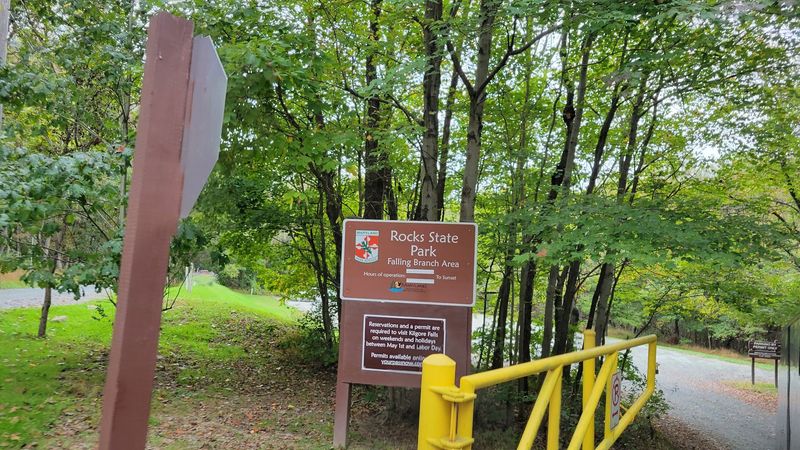
Kilgore Falls sits inside Rocks State Park at 1026 Falling Branch Rd, Pylesville, MD 21132. The trailhead is easy to spot from the small parking lot, and the path wastes no time pulling you into the trees.
Maryland’s Department of Natural Resources manages the area, keeping the grounds clean and the trail well-marked.
The hike from the parking area to the waterfall is short, roughly a quarter mile, making it one of the more accessible natural attractions in the state. You do not need to be an experienced hiker to enjoy this trail.
Tree roots and a few loose rocks appear along the path, so comfortable shoes with grip help.
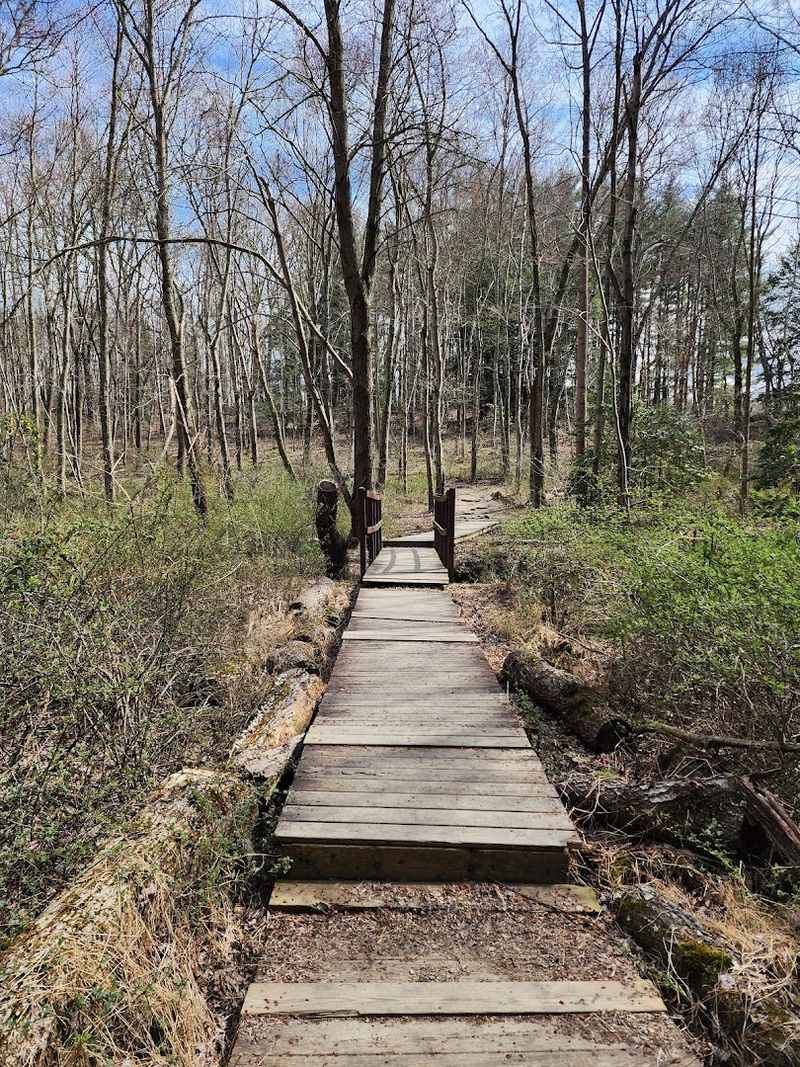
The trail follows Falling Branch creek through a shaded corridor of hardwood trees. By the time you hear the waterfall, you are already close.
First-timers are often surprised by how quickly the scenery shifts from a quiet forest path to something genuinely striking.
Share this story