Beer has been around for thousands of years, but some countries have turned drinking it into a full-blown national passion. From ancient brewing traditions to modern craft scenes, the way a country drinks beer says a lot about its culture and history.
According to Kirin Holdings’ Global Beer Consumption Report for 2025, which tracks over 170 countries, Europe dominates the top spots for per-capita beer consumption. Get ready to raise a glass as we count down the 15 countries where beer flows the most freely per person.
Czechia
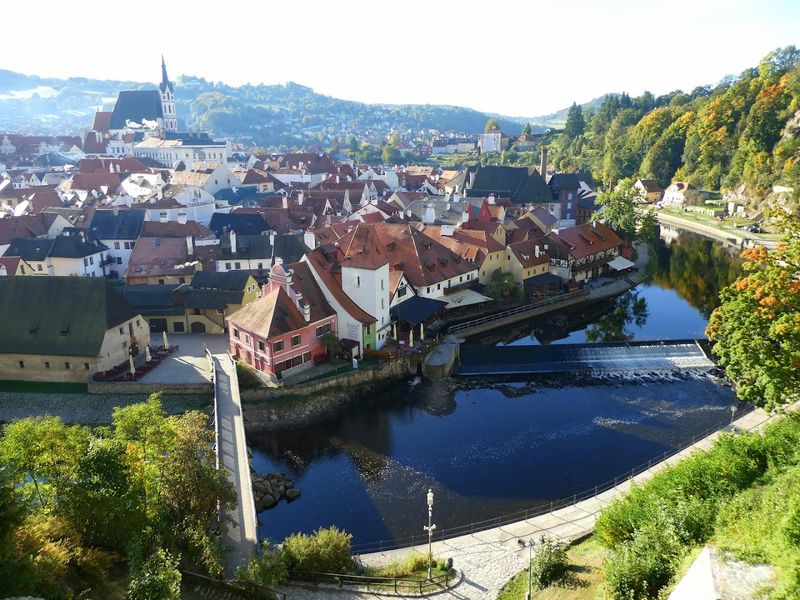
For 32 years running, Czechia has held the undisputed title of the world’s biggest beer-drinking nation per person, and it shows no signs of giving up that crown anytime soon. The average Czech drinks more than 180 liters of beer per year, which works out to roughly a pint a day.
That is not just a habit; that is a lifestyle.
Czech beer culture goes back centuries, with monastery brewing traditions shaping the country long before modern breweries existed. The city of Pilsen gave the world the Pilsner-style lager in 1842, a beer style now copied in almost every country on Earth.
Local brands like Pilsner Urquell and Budvar are national treasures.
Pubs in Czechia are not just places to drink; they are community hubs where neighbors meet, debates happen, and friendships are forged over cold mugs. Beer here is cheaper than bottled water in many places, which certainly helps the numbers.
Czech brewing pride runs so deep that beer quality standards are taken extremely seriously by both brewers and drinkers alike.
Lithuania
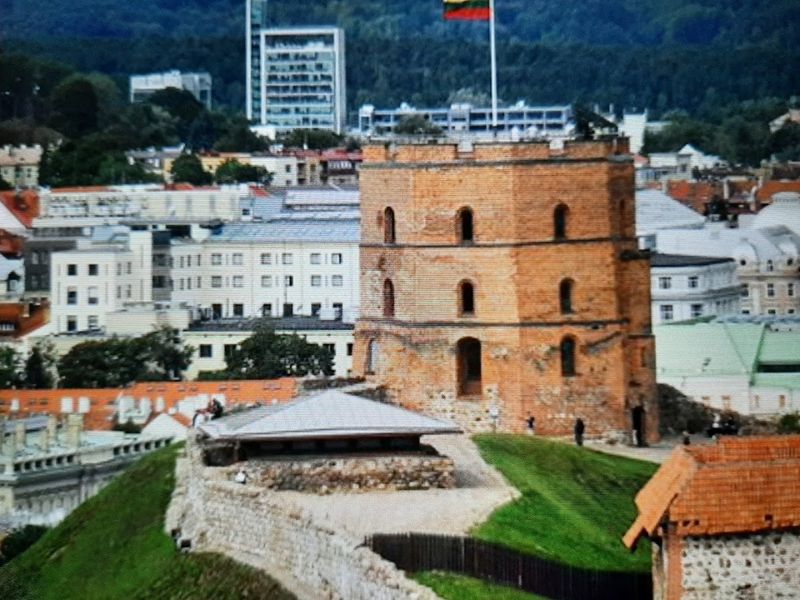
Lithuania might not be the first country that comes to mind when you think about beer, but this Baltic nation is quietly one of the most devoted beer-drinking countries on the planet. Traditional farmhouse brewing, known locally as kaimiskas alus, has been practiced here for centuries and remains a living tradition in rural communities.
It is not just a drink; it is heritage in a glass.
Lithuanian beer culture is fascinatingly diverse. Unlike the standardized lagers dominating much of Europe, Lithuania still produces raw ales brewed with techniques that predate modern yeast-controlled fermentation.
Beer enthusiasts from around the world travel to Lithuania specifically to taste these rare, ancient-style brews that you simply cannot find anywhere else.
The country also has a thriving modern brewery scene layered on top of its old traditions, with craft breweries popping up in Vilnius and Kaunas. Young Lithuanians are embracing both the old farmhouse styles and new experimental recipes with equal enthusiasm.
Whether enjoyed at a countryside festival or a sleek city bar, beer in Lithuania carries a sense of pride and identity that few other nations can match.
Austria
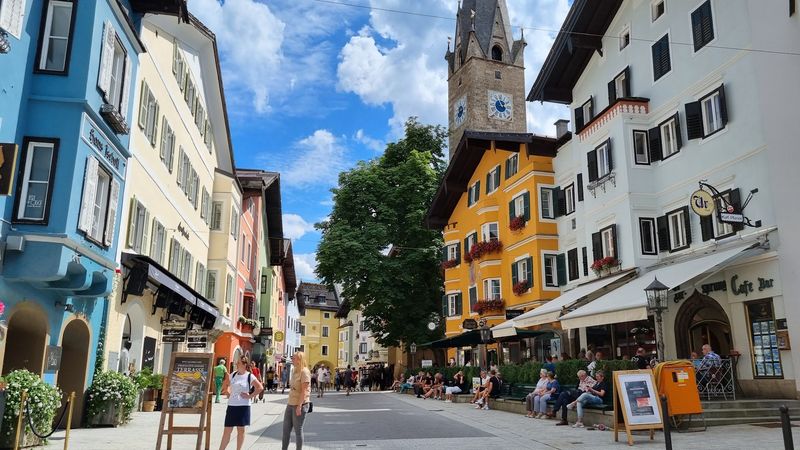
Wedged between Germany and the Czech Republic, Austria has had some seriously impressive brewing neighbors to learn from, and it has absorbed those lessons well. Austrian beer culture blends Alpine charm with centuries-old brewing expertise, producing lagers and ales that are crisp, clean, and deeply satisfying.
The country’s brewing history stretches back to medieval monasteries where monks perfected the craft.
Vienna actually lent its name to a distinctive amber lager style, the Vienna Lager, which became popular worldwide in the 1800s. This malty, smooth beer style originated here and remains a point of local pride.
Brands like Schwechater and Ottakringer have been pouring into Austrian glasses for generations, becoming as familiar to locals as coffee or schnitzel.
Beer halls and garden terraces are central to Austrian social life, especially during summer festivals and winter markets. You will find people of all ages gathered around long wooden tables, clinking steins and sharing plates of hearty food.
The experience is warm, communal, and completely unpretentious. Austria proves that you do not need flashy marketing to build a deeply loyal beer-drinking culture; you just need great beer and good company.
Ireland
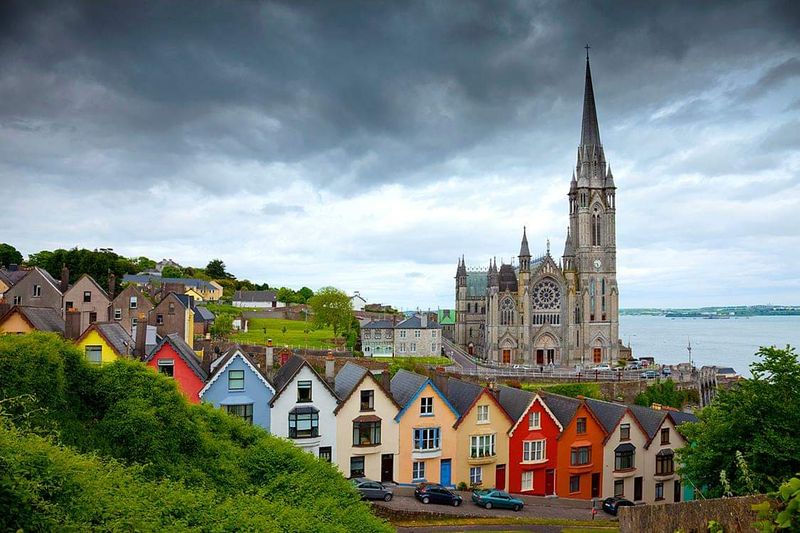
Walk into any Irish pub on a Tuesday afternoon and you will likely find it buzzing with conversation, laughter, and the gentle thud of pint glasses hitting the bar. Ireland’s pub culture is genuinely world-famous, and for good reason.
The pub here is not just a place to drink; it functions as a community center, a therapist’s office, and a live music venue all rolled into one welcoming space.
Stout is the undisputed king of Irish beer, with Guinness being the most recognized Irish export on the planet. Brewed in Dublin since 1759, Guinness has become almost synonymous with Ireland itself.
The ritual of the perfect two-part pour, waiting patiently for the creamy head to settle, is practically a national ceremony that bartenders take very seriously.
Beyond stout, Ireland has embraced ales, IPAs, and a booming craft beer movement with impressive enthusiasm. Breweries like Kinnegar, White Hag, and Wicklow Wolf have earned international recognition for innovative, high-quality beers.
Irish beer culture manages to honor its deeply rooted traditions while staying genuinely open to new flavors and styles, which is a rare and admirable quality in any drinking culture.
Croatia
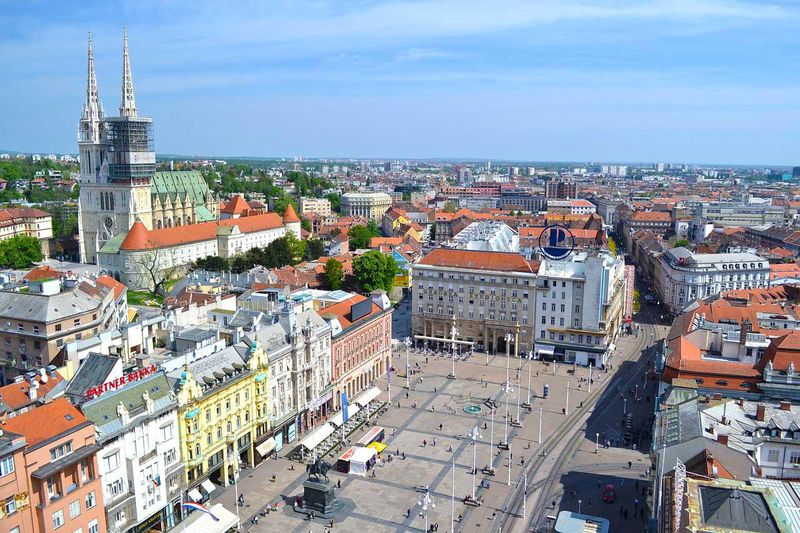
Croatia’s Adriatic coastline draws millions of tourists every summer, and those visitors arrive thirsty. The combination of scorching Mediterranean heat and Croatia’s affordable, refreshing lagers creates a recipe for exceptionally high beer consumption, especially from June through August.
Locals and tourists alike reach for a cold Karlovacko or Ozujsko without much deliberation.
Croatian beer culture is unpretentious and sociable. Beer is the go-to drink at beach bars, festival grounds, and family barbecues across the country.
The domestic brewing industry is well established, with major brands produced locally and distributed widely at prices that make choosing beer over other beverages an easy decision for most people.
What is interesting about Croatia’s ranking is that consumption stays high even outside tourist season. Locals genuinely love their beer year-round, not just when the beaches are packed.
The country’s growing craft beer scene, centered largely in Zagreb, has added a new dimension to what Croatian drinkers expect from their pints. Small independent breweries are experimenting with local ingredients like honey, herbs, and Croatian hops, giving the country’s beer identity a fresh and exciting new chapter alongside its beloved classic lagers.
Estonia
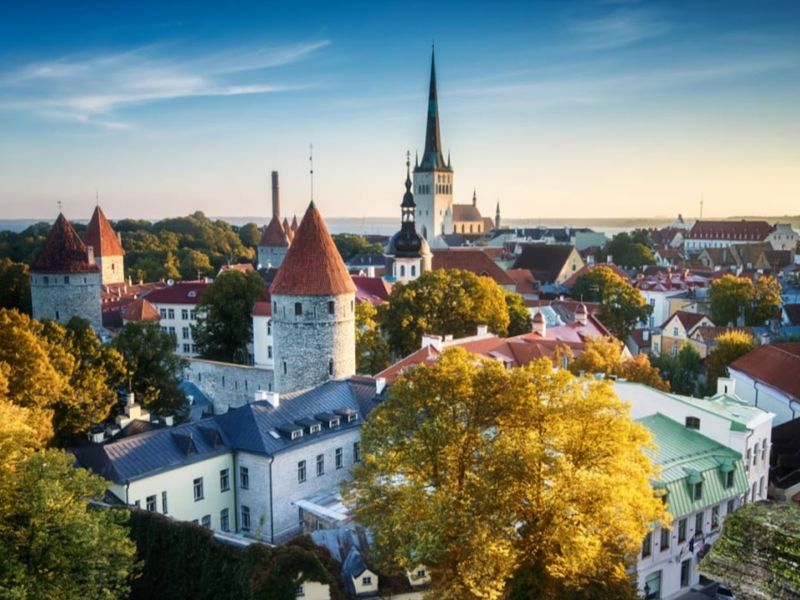
Estonia is a small country with a big thirst for beer, and its brewing story is one of the most interesting in the Baltic region. The country has ancient brewing traditions rooted in farmhouse ale styles similar to those found in neighboring Lithuania and Finland, where local grains and wild yeasts created distinctly earthy, complex beers.
These old techniques are still practiced in some rural communities today.
Over the past decade, Estonia’s craft beer revolution has been nothing short of remarkable. Tallinn, the capital, is packed with microbreweries and taprooms offering everything from sour ales to barrel-aged stouts.
Estonian brewers have earned a strong reputation internationally, winning awards at European beer competitions and attracting serious beer tourists who make Tallinn a dedicated stop on their brewing pilgrimages.
The coexistence of ancient farmhouse traditions and cutting-edge craft brewing gives Estonia a uniquely layered beer culture. You can walk from a centuries-old style traditional ale to a modern double IPA without leaving the same city block in Tallinn.
Estonian drinkers are genuinely curious and adventurous about what goes in their glass, which keeps the local brewing scene constantly evolving and surprisingly exciting for such a small nation.
Spain

Spain surprises a lot of people on this list, mostly because the country is so strongly associated with wine and sangria. But ask any Spaniard on a hot afternoon in Seville or Valencia what they want to drink, and the answer is almost always a cold, fizzy cerveza.
Beer consumption in Spain has been rising steadily for years, quietly overtaking wine in many regions as the everyday drink of choice.
The Spanish approach to beer is all about refreshment and sociability. Spaniards typically drink smaller glasses called canas, which keep the beer ice-cold from first sip to last.
This habit of ordering frequently in small portions means the beer is always fresh and perfectly chilled, which makes the whole experience far more enjoyable in the country’s famously warm climate.
Brands like Estrella Damm, Mahou, and San Miguel have massive loyal followings across the country, but Spain’s craft beer scene has exploded in cities like Madrid and Barcelona. Tapas culture plays a huge role in beer consumption here, since every small plate of food practically demands a cold beer alongside it.
The pairing is so natural and enjoyable that it has become the foundation of Spanish social life.
Slovenia
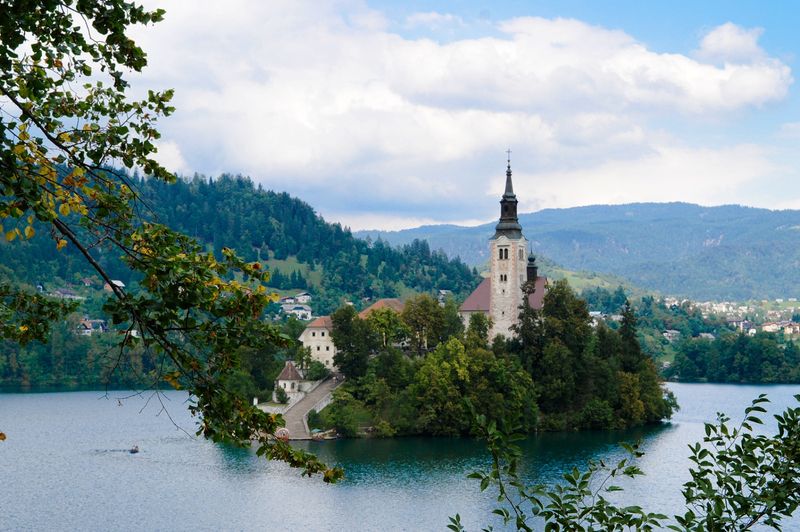
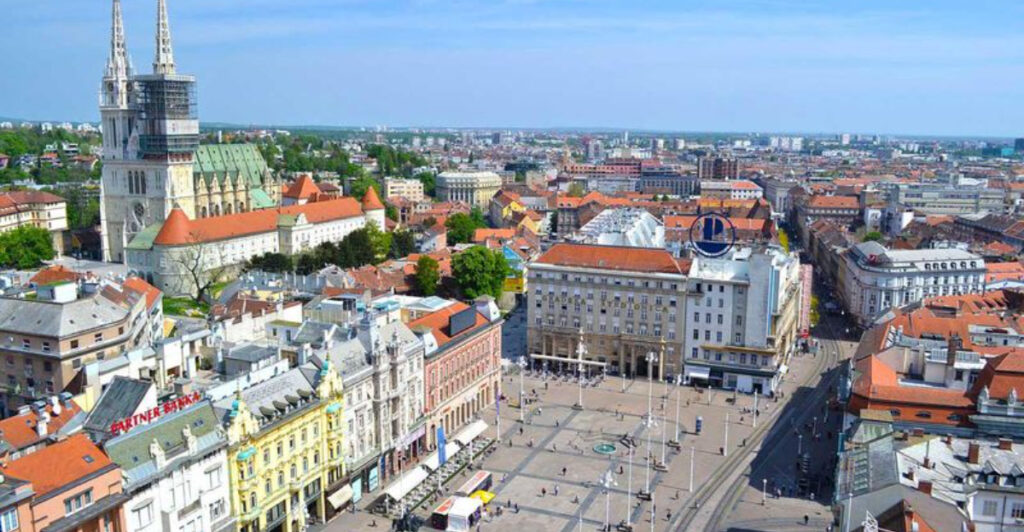
Tucked between Austria, Italy, and Croatia, Slovenia is a small country that punches well above its weight in the beer consumption rankings. Climbing into eighth place globally is no small achievement for a nation of just two million people, and it reflects just how central beer has become to everyday Slovenian life.
Ljubljana’s vibrant bar scene along the Ljubljanica River is a great place to witness this firsthand.
Union and Lasko are the two dominant domestic lager brands that have been quenching Slovenian thirsts for well over a century. These brands are not just beers; they are part of the national identity, and locals defend their preferences between the two with the kind of passion usually reserved for football teams.
The rivalry between Union drinkers and Lasko loyalists is lighthearted but very real.
Slovenia’s craft beer movement has added serious momentum to the country’s already strong consumption figures. Small breweries have been launching across the country, experimenting with Slovenian hops, which are actually world-class and exported globally.
The Savinja Valley produces hops used by breweries in the United States, Germany, and beyond, so it is fitting that Slovenians themselves are embracing bold, hop-forward beers with growing enthusiasm and sophistication.
Romania
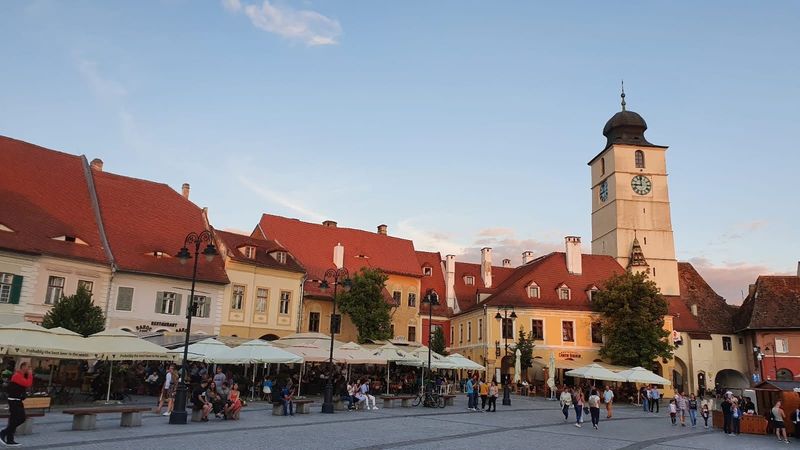
Romania’s beer market is one of the most energetic in Eastern Europe, fueled by a combination of affordable prices, warm summers, and a population that genuinely loves gathering around a cold beer. The country’s beer festivals draw enormous crowds, with events in Bucharest, Cluj-Napoca, and Timisoara becoming major calendar highlights that people plan their summers around.
Domestic brands like Timisoreana, Ursus, and Bergenbier dominate the market and are produced by large international brewing companies that have invested heavily in Romanian facilities. These brands offer consistent, affordable lagers that appeal to a broad audience and keep per-capita consumption numbers impressively high.
Beer is frequently the cheapest drink available at Romanian restaurants and bars, which naturally encourages higher consumption.
Romania also has a growing craft beer community that is gaining traction among younger, more adventurous drinkers in major cities. Brewpubs in Bucharest are attracting curious crowds willing to pay a little more for interesting, locally crafted flavors.
This two-tier market, where mass-market lagers and artisan craft beers coexist, mirrors trends seen across Europe and suggests Romania’s beer culture will only continue to strengthen and diversify in the coming years.
Germany
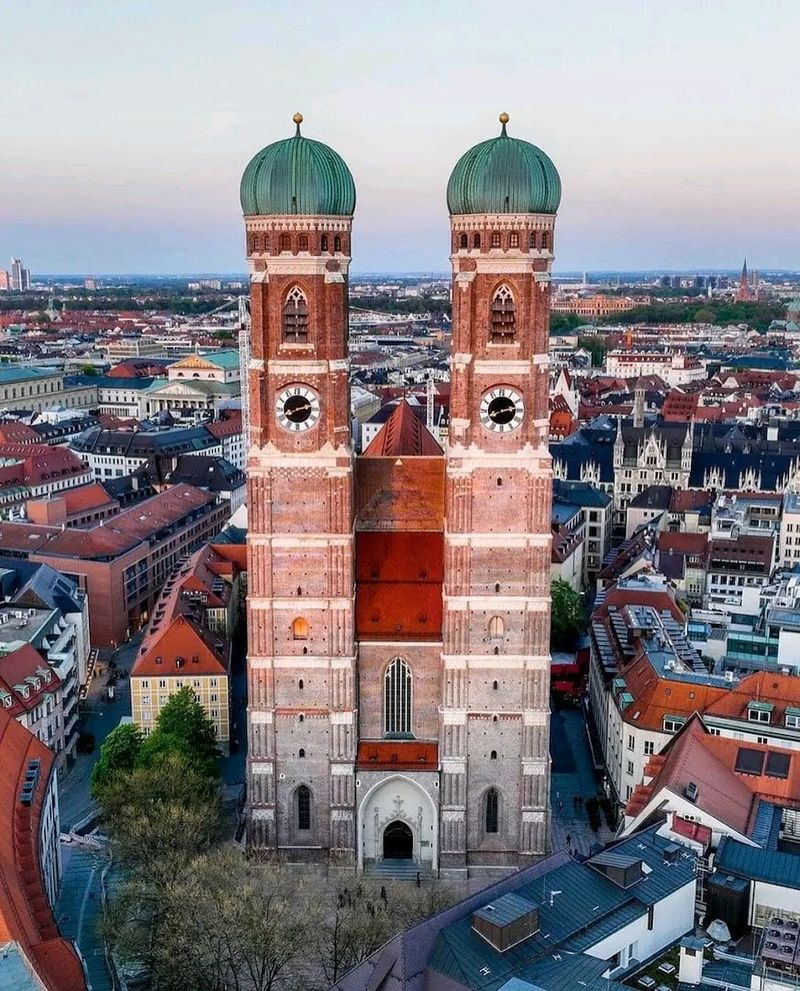
No list about global beer consumption would feel complete without Germany, the country that essentially wrote the rulebook on brewing quality. The Reinheitsgebot, or Beer Purity Law, was established in Bavaria in 1516 and decreed that beer could only be made from water, barley, and hops.
It is one of the oldest food quality regulations in the world and remains a point of enormous national pride.
Oktoberfest alone draws over six million visitors to Munich every year, and those visitors collectively drink around seven million liters of beer during the two-week festival. The image of people in lederhosen raising massive one-liter steins is one of the most recognizable cultural exports Germany has ever produced.
It is joyful, loud, and wonderfully excessive in the best possible way.
Germany has over 1,500 breweries operating across the country, more than any other nation in Europe. Regional beer styles vary dramatically, from Cologne’s light Kolsch to Bavaria’s malty Dunkels and Berlin’s tart Weisse.
Despite slipping slightly in recent per-capita rankings, Germany’s brewing culture remains a global benchmark for quality, variety, and tradition that other countries actively study and try to replicate.
Panama

Panama stands out on this list as the only non-European country in the top 11, which makes its ranking genuinely remarkable. Sitting at the crossroads of North and South America with a tropical climate that rarely dips below sweltering, Panama has built a beer culture perfectly suited to its environment.
Cold beer and hot weather are a combination that practically sells itself.
Balboa and Panama are the two most popular domestic beer brands, and they are practically everywhere you look. Corner stores, roadside restaurants, beach bars, and rooftop terraces all stock these familiar bottles as a matter of course.
Beer is deeply embedded in how Panamanians socialize, celebrate, and unwind after long working days in a humid, energetic country.
Panama’s outdoor dining culture plays a massive role in its high consumption figures. Eating and drinking outside is a year-round activity here, not a seasonal luxury, which means beer accompanies meals far more frequently than in colder climates where people retreat indoors.
The country’s position as a major international transit hub also means a constant flow of visitors who happily contribute to the consumption statistics. Panama proves that great beer culture does not require a European address.
Mexico
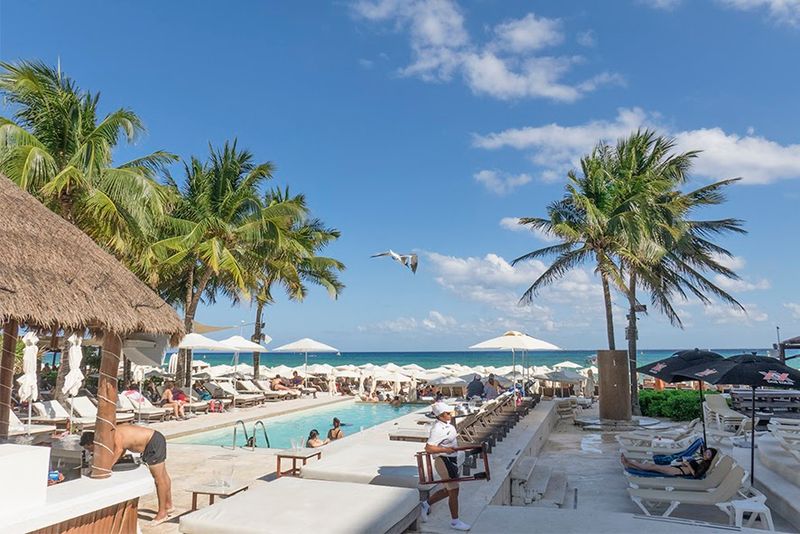
Mexico produces some of the most recognized beer brands on the entire planet, and its people drink them with serious dedication. Corona, Modelo, Pacifico, and Tecate are not just Mexican beers; they are global phenomena that show up at beach bars, backyard parties, and sporting events on every continent.
Mexico’s brewing industry is a genuine powerhouse of international influence.
The country’s warm climate stretching across most of its territory creates ideal conditions for consistent, year-round beer consumption. Whether it is a family gathering in Monterrey, a beach afternoon in Cancun, or a street taco stand in Mexico City, cold beer is almost always part of the picture.
Mexicans have perfected the art of pairing light, refreshing lagers with bold, spicy food in a way that makes perfect culinary sense.
Mexico’s craft beer movement has also gained impressive momentum over the past decade, particularly in cities like Guadalajara, Tijuana, and Mexico City. Independent breweries are producing world-class IPAs, sours, and stouts that have started winning international recognition.
This exciting evolution is layering new complexity onto an already thriving beer culture, giving Mexican drinkers more choices than ever while the country’s iconic global brands continue conquering new markets worldwide.
Poland
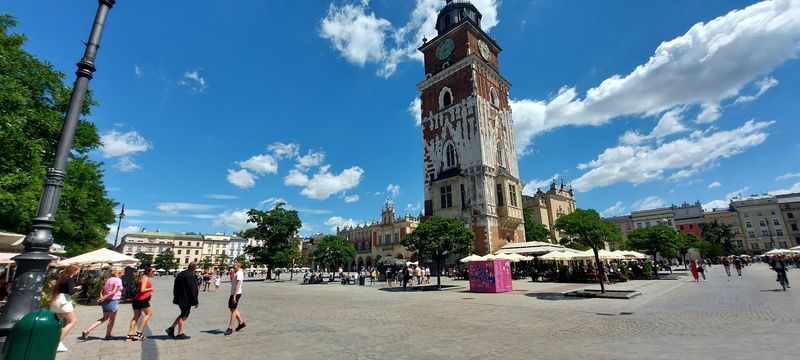
Poland has a long and proud relationship with beer that stretches back to the Middle Ages, when brewing was practiced in monasteries and noble estates across the country. Today, beer is by far Poland’s most consumed alcoholic beverage, comfortably outpacing vodka, which might surprise people who assume vodka is the national drink.
The numbers simply do not lie about where Polish hearts truly belong.
The Polish beer market is dominated by major domestic and international brands like Tyskie, Zywiec, and Lech, which are produced in massive volumes and sold at prices accessible to virtually everyone. These reliable, well-made lagers have built multi-generational loyal followings that remain strong despite the growing competition from newer craft options.
Poles are genuinely attached to their favorite brands in a way that feels almost personal.
Warsaw, Krakow, and Gdansk have all developed thriving craft beer scenes that are drawing younger drinkers into brewpubs and bottle shops with serious enthusiasm. Polish craft brewers have earned European recognition for their creativity, producing everything from Baltic porters, a style with deep historical roots in the region, to experimental fruit sours.
Poland’s beer culture is simultaneously honoring its rich past and charging boldly into an innovative future.
Bulgaria
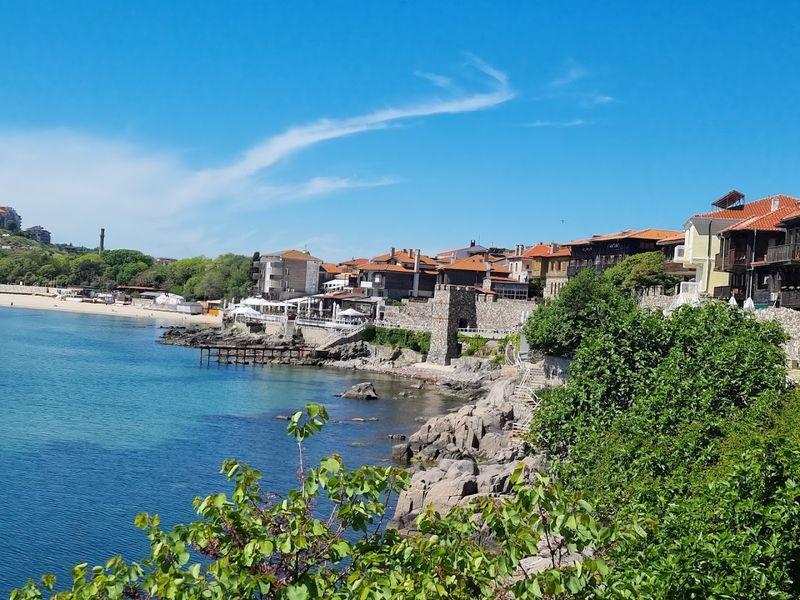
Bulgaria might be better known internationally for its rose oil, yogurt, and ancient history, but inside the country, beer reigns supreme as the warm-weather drink of choice. Bulgarian summers are long, sunny, and genuinely hot, creating the kind of climate where a cold lager on a shaded terrace is less of a luxury and more of a necessity.
Locals treat it accordingly.
Kamenitza, Zagorka, and Shumensko are the dominant domestic lager brands that have been filling Bulgarian glasses for decades. These beers are light, crisp, and affordable, which makes them perfectly suited to long, leisurely meals that Bulgarians enjoy stretching over several hours.
The country’s food culture of sharing multiple dishes over a slow evening pairs naturally with steady, moderate beer drinking throughout the meal.
Bulgaria’s craft beer scene is still developing compared to its neighbors, but small independent breweries are starting to appear in Sofia and Plovdiv, introducing local drinkers to styles and flavors beyond the familiar pale lager. The curiosity is there, and the quality is improving with each passing year.
For now, though, the classic domestic lager still dominates the Bulgarian summer table with an authority that no craft IPA has managed to seriously challenge yet.
Slovakia
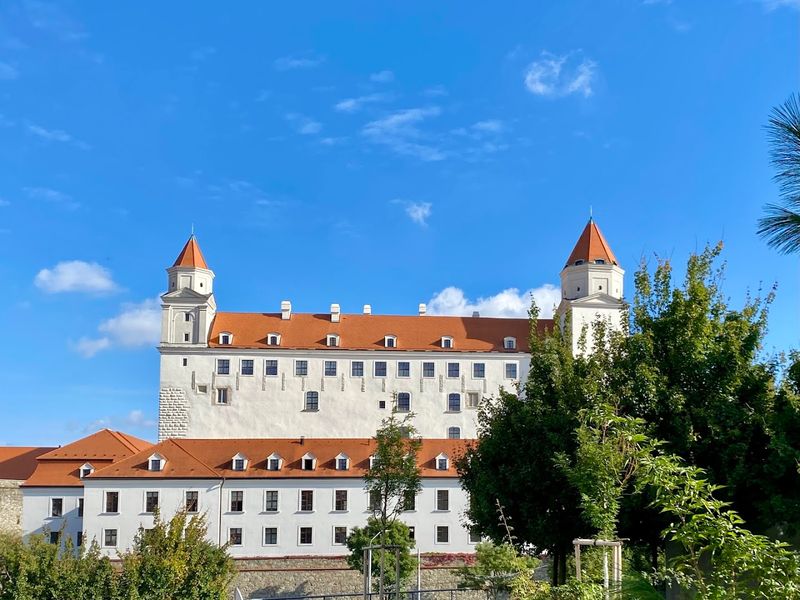
Slovakia rounds out the top 15 with a beer culture that fits perfectly within Central Europe’s long tradition of serious brewing and even more serious drinking. Sharing borders with Czechia, Austria, Poland, and Hungary, Slovakia has been surrounded by legendary brewing neighbors for centuries, and that proximity has clearly had an influence on local tastes and habits.
Good beer culture is apparently contagious.
Zlaty Bazant, which translates to Golden Pheasant, is Slovakia’s most beloved and widely consumed domestic beer brand. It has been brewed since 1964 and carries a nostalgic quality for older Slovaks who grew up with it as a constant presence at family celebrations and summer gatherings.
The brand remains dominant despite increasing competition from international imports and domestic craft producers.
Bratislava’s bar and restaurant scene has become noticeably more diverse and sophisticated over the past decade, with craft beer bars offering an impressive range of local and imported styles. Young Slovaks are exploring beyond the familiar pale lager, showing genuine curiosity about IPAs, wheat beers, and dark ales.
Slovakia’s position in the top 15 reflects both its deep-rooted brewing traditions and a population genuinely enthusiastic about beer in all its many wonderful, varied, and delicious forms.
Share this story