Summer in Europe doesn’t have to mean fighting through tourist crowds at overpriced hotspots. Scattered across the continent are stunning lake towns where the water is just as blue, the scenery just as jaw-dropping, and the atmosphere far more peaceful.
Whether you’re craving Alpine adventures, medieval cobblestone streets, or simply a quiet spot to swim and sip local wine, these 20 lake towns deliver the goods without the chaos. Pack your bags and get ready to discover Europe’s best-kept lakeside secrets.
Bohinj, Slovenia
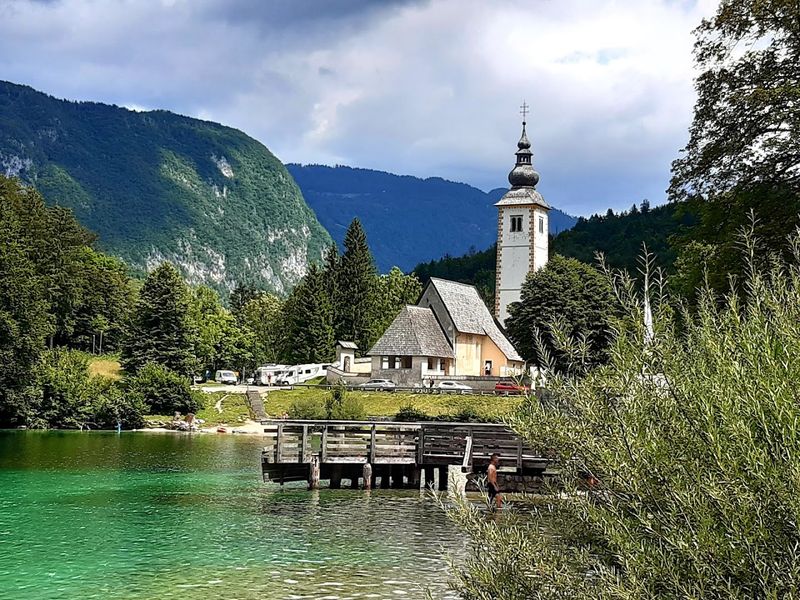
Forget everything you think you know about Slovenian lakes, because Bohinj is the one locals actually visit. Tucked inside Triglav National Park, it sits in a wide glacial valley where the water turns an almost unreal shade of turquoise.
Unlike nearby Lake Bled, you won’t find tour buses circling every corner here.
Swimming spots are plentiful and genuinely crowd-free, even in July. Kayaks and canoes can be rented easily, and the lake’s calm surface makes paddling a genuine pleasure.
Hiking trails fan out from the shoreline toward dramatic waterfalls and high Alpine ridges.
The village of Ribcev Laz serves as a quiet hub with waterfront restaurants serving hearty Slovenian food. Trout dishes are a local specialty worth ordering at least once.
Accommodation ranges from cozy guesthouses to lakeside campsites that put you just meters from the water.
Getting there is simple via bus from Ljubljana or Bled. Visiting in June or early September gives you warm weather without peak-season pricing.
Bohinj rewards slow travelers who prefer nature over nightlife, making it an ideal base for an unhurried summer week in Slovenia.
Hallstatt, Austria
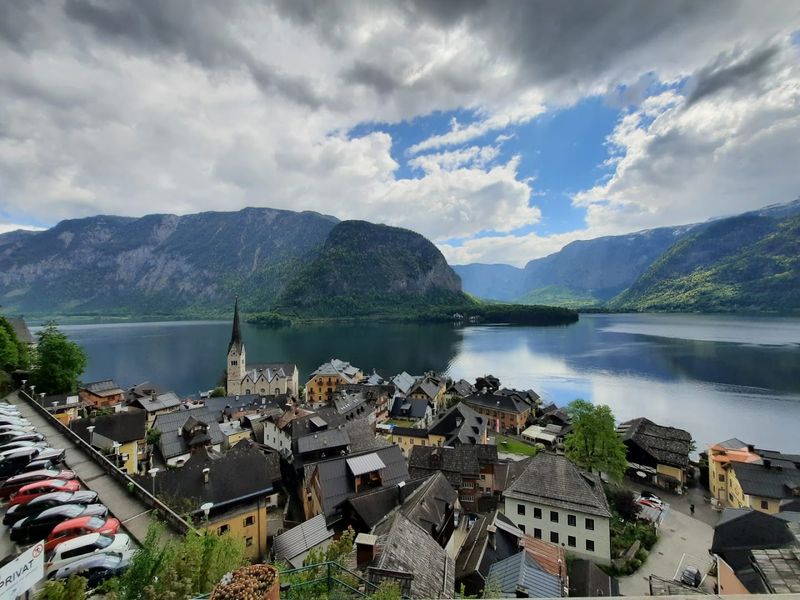
Yes, Hallstatt appears on a million Instagram feeds, but here’s the secret most travel blogs won’t tell you: stay overnight and the place transforms completely. Daytime tour groups clear out by late afternoon, leaving behind a genuinely peaceful Alpine village with extraordinary charm.
The lake glitters, the mountains glow golden, and the whole scene feels almost fictional.
The town’s history stretches back over 7,000 years, making it one of the oldest continuously inhabited settlements in Europe. Salt mining put Hallstatt on the map long before selfie sticks existed.
The local museum does a surprisingly entertaining job of explaining the town’s ancient origins.
Swim in the lake at the public beach near the boat dock or rent a rowboat for a lazy afternoon on the water. The lakeside promenade is perfect for an evening stroll when the crowds have gone home.
Nearby hiking trails lead to spectacular viewpoints above the village.
Book accommodation well in advance, as options are limited and fill up quickly. Staying at a waterfront guesthouse means waking up to mirror-still reflections of those famous colorful houses.
Early morning light here is genuinely magical and worth setting your alarm for.
Zell am See, Austria
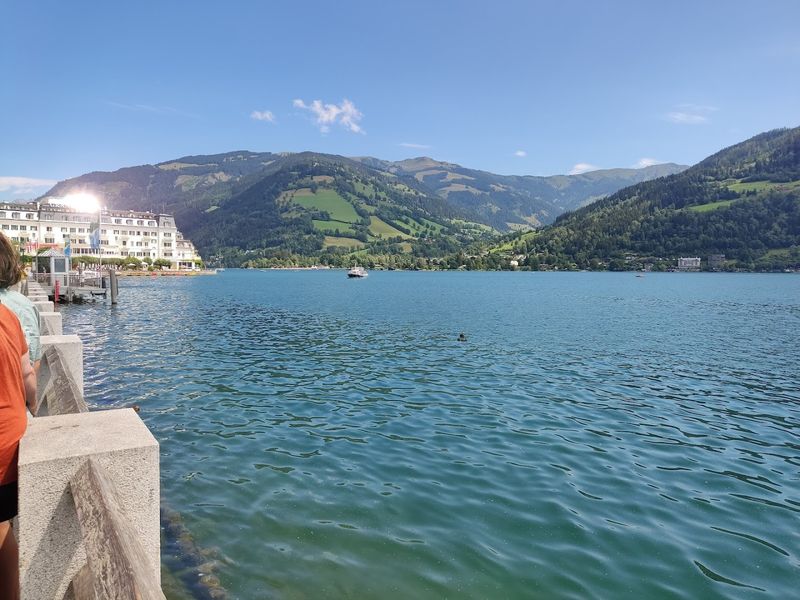
Sitting right at the edge of a sparkling Alpine lake with snow-dusted peaks looming overhead, Zell am See is the kind of place that makes you question why you ever book beach holidays. This compact Austrian town punches well above its weight in terms of scenery, activities, and overall summer atmosphere.
The lake warms up nicely by July, making it genuinely swimmable.
Paddleboarding has become wildly popular here, and rental shops along the waterfront make it easy to get out on the water within minutes of arriving. Cyclists will love the flat lakeside path that circles the entire Zeller See.
For bigger views, a gondola ride up the Schmittenhöhe delivers panoramas that stretch across dozens of Alpine peaks.
The town center is compact and walkable, with good restaurants, bakeries, and lakeside bars that stay lively without becoming overwhelming. Local cuisine leans heavily on Austrian classics like schnitzel and apple strudel, served with portions that mean business.
Evening sunsets over the water are genuinely spectacular.
Zell am See also connects easily to the Kaprun glacier area for day trips. Staying for at least three nights lets you explore the surrounding valleys and villages at a comfortable pace.
Summer crowds exist but never reach suffocating levels.
St. Gilgen, Austria
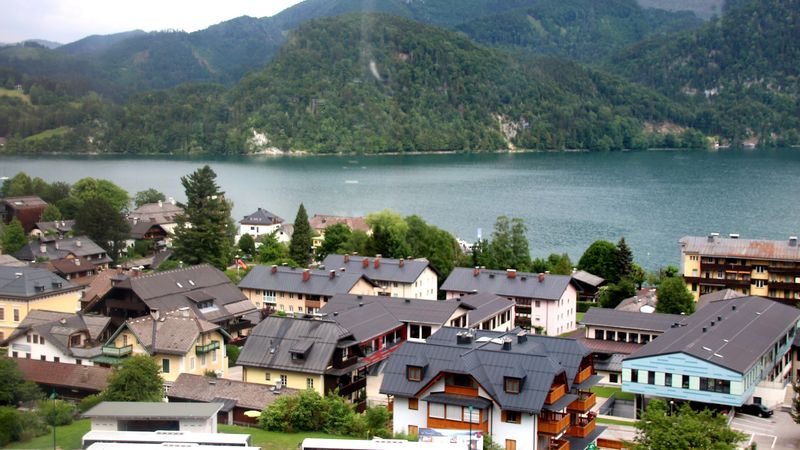
Mozart’s mother was born here, which gives St. Gilgen a cultural bragging right that most small Austrian villages can only dream about. But beyond its musical connections, this flower-filled town on Lake Wolfgang is simply one of the most pleasant spots in the entire Salzkammergut lake district.
Geraniums spill from every window box, and the lake shimmers just steps from the main square.
Boat connections to neighboring Wolfgangsee villages make it easy to explore the area without a car. The regular ferry service is cheap, scenic, and far more enjoyable than sitting in traffic.
St. Wolfgang and Strobl are both worth a quick visit across the water.
Swimming areas are clean, well-maintained, and rarely packed. The water temperature peaks beautifully in late July and early August.
Beach volleyball nets, diving platforms, and grassy sunbathing areas make the lakeside scene genuinely fun for all ages.
Lakeside cafes serve excellent coffee and homemade cake that pairs perfectly with an afternoon of doing absolutely nothing productive. The surrounding mountains offer solid hiking routes for those who need to burn off that strudel.
St. Gilgen stays refreshingly low-key even during peak summer weeks, which is exactly what makes it worth choosing over more famous Austrian resorts.
Mondsee, Austria
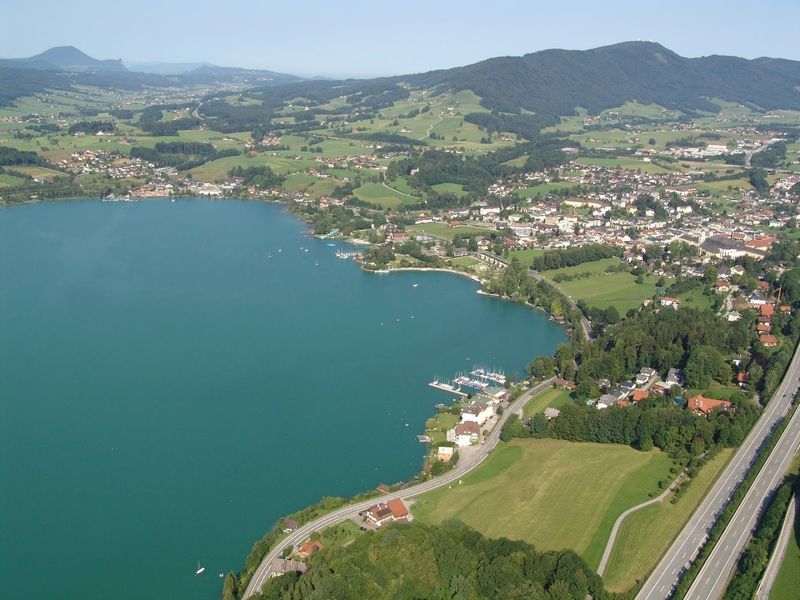
Mondsee has a reputation among Austrians as the lake district’s best swimming spot, and the water temperature backs that claim up convincingly. This lake consistently ranks among the warmest in the entire country, regularly reaching 26 degrees Celsius by midsummer.
Locals flock here on hot weekends, but the town never quite tips into chaotic territory.
The baroque twin-towered church in the main square is instantly recognizable to Sound of Music fans, as the famous wedding scene was filmed inside. Even if you’ve never seen the film, the church is genuinely impressive up close.
The surrounding square is lined with good restaurants and independent shops worth browsing.
Water sports options include sailing, windsurfing, and stand-up paddleboarding, with rental facilities near the main beach. The lake’s shallow northern end warms up fastest and is ideal for families with young children.
Grassy meadows around the shoreline make perfect picnic spots.
Day-trippers from Salzburg arrive regularly, but most leave by early evening, returning the town to its natural quiet rhythm. Staying overnight in one of the lakeside guesthouses means you get the calm mornings and evenings entirely to yourself.
Mondsee is also just a short drive from Salzburg, making it an excellent base for combining city sightseeing with lake relaxation.
Annecy, France
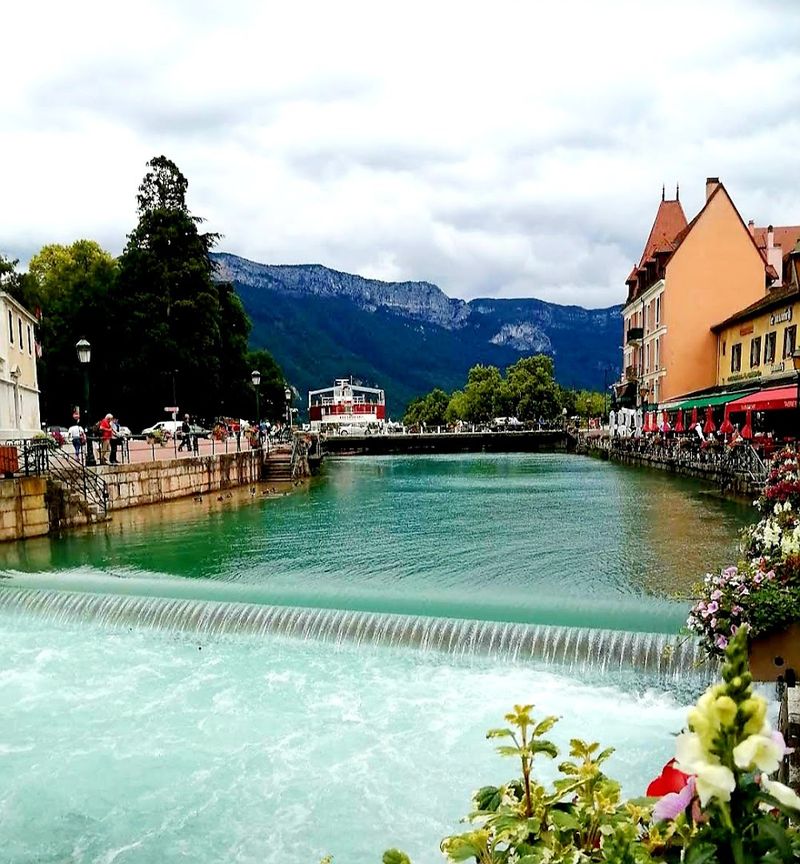
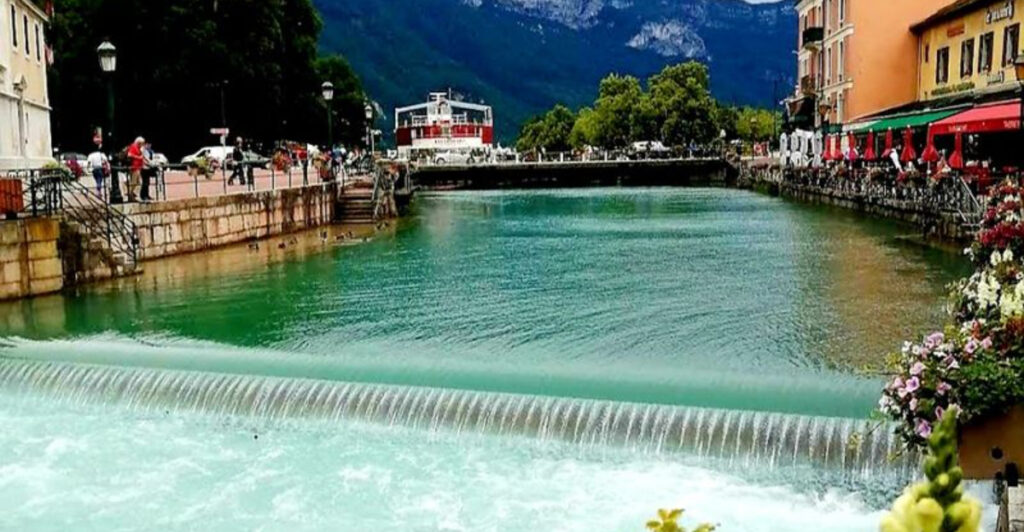
Called the Venice of the Alps, Annecy earns that nickname honestly with its network of flower-covered canals running through a pastel-painted medieval old town. The lake itself is one of the cleanest in Europe, so swimming here feels genuinely refreshing rather than questionable.
Turquoise water, mountain reflections, and a postcard-perfect setting make this a genuinely hard place to leave.
While the old town draws crowds during July and August, the lake’s quieter northern and eastern shores offer peaceful cycling paths and calmer beaches. Renting a bike for a full lake circuit takes around three hours and passes through several charming villages along the way.
The route is flat, well-marked, and extremely popular with locals.
Markets in Annecy are exceptional, particularly the Tuesday and Friday morning events where local farmers sell cheese, charcuterie, and seasonal produce. Picking up supplies for a lakeside picnic is one of the great simple pleasures this town offers.
Local Savoie wines pair beautifully with the regional cheese selection.
Early morning visits to the old town canals reward you with calm, quiet streets before the tourist rush begins. Staying in a village just outside the town center cuts costs significantly while keeping you close to the action.
Annecy rewards visitors who explore beyond the obvious tourist zones.
Yvoire, France
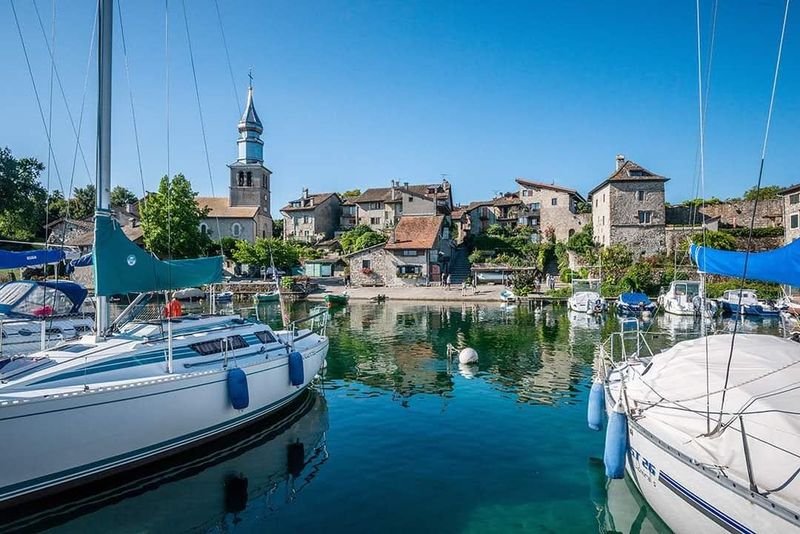
Yvoire looks like someone built a fairy tale village and then forgot to tell anyone about it. Perched on the southern shore of Lake Geneva, this medieval gem has barely changed in centuries, with stone walls, flower-draped houses, and cobblestone lanes that wind down toward the water.
It regularly tops lists of France’s most beautiful villages, and for once the hype is completely justified.
The town’s famous Garden of Five Senses is a beautifully designed botanical garden that engages every sense simultaneously, from fragrant herb beds to textured plant walls. Admission is modest and the experience is genuinely lovely.
It’s popular with families and garden enthusiasts alike.
Waterfront restaurants serve fresh lake fish, particularly perch fillets that are a regional specialty. Eating on a terrace with Lake Geneva stretching out toward the Swiss Alps opposite is an experience that feels almost absurdly pleasant.
Local white wines from the Savoie region complement the food perfectly.
Ferries connect Yvoire to the Swiss side of Lake Geneva, making cross-border day trips surprisingly easy. The village itself takes only an hour or two to explore properly, so combining it with nearby lakeside towns makes sense.
Arriving by boat from Thonon-les-Bains adds a romantic touch to the whole experience.
Ascona, Switzerland
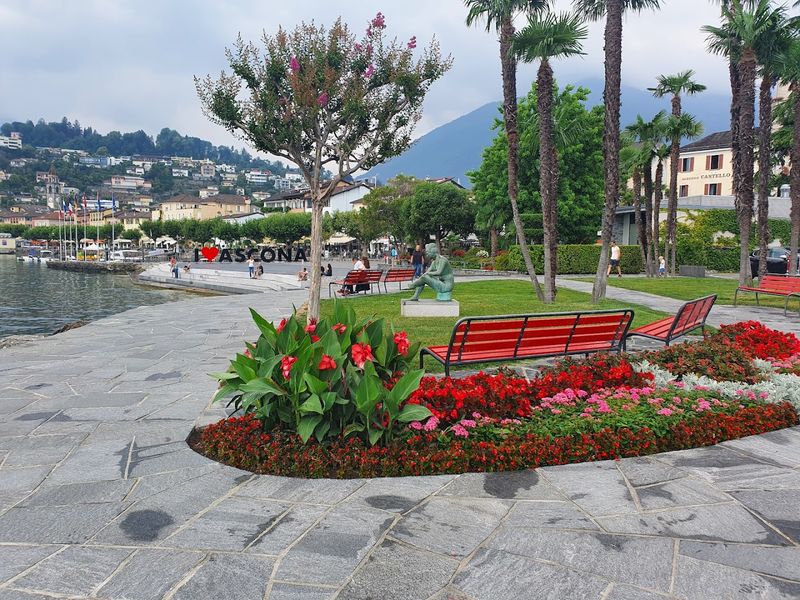
Palm trees and Alpine peaks sharing the same horizon sounds like a geographic impossibility, but Ascona pulls it off effortlessly. Sitting on the Swiss shore of Lake Maggiore in the Italian-speaking canton of Ticino, this town blends Mediterranean warmth with Swiss precision in a way that genuinely works.
The waterfront piazza is one of the most pleasant in all of Switzerland.
Colorful buildings in shades of terracotta, yellow, and rose line the lakeside promenade, creating a backdrop that looks more like the Italian Riviera than central Europe. Outdoor dining here is exceptional, with restaurants serving both Italian and Swiss cuisine steps from the water.
Fresh lake fish, risotto, and local Merlot wine are all worth ordering.
Art lovers will appreciate Ascona’s long history as a haven for artists and intellectuals during the early twentieth century. The Monte Verita cultural center above the town documents this fascinating bohemian history.
The views from up there across the lake are worth the short climb alone.
Boat trips to the Brissago Islands offer a wonderful half-day excursion to a botanical garden set on two small lake islands. The water around the islands is calm and clear enough for swimming.
Ascona stays noticeably quieter than Italian lake towns across the border, which is precisely its greatest advantage.
Weggis, Switzerland
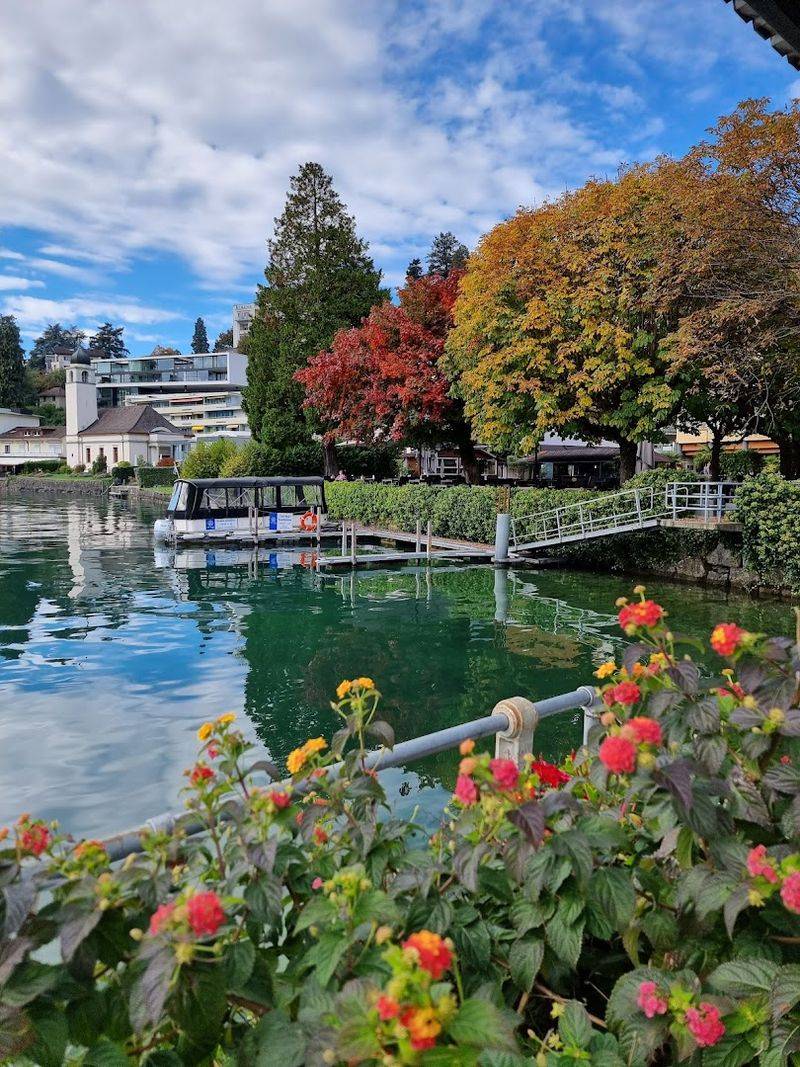
Most travelers rush straight through to Lucerne without ever noticing Weggis sitting quietly on the opposite shore, and honestly, that’s their loss. This small Swiss village enjoys one of the mildest climates in the country, sheltered by Mount Rigi and warmed by the lake’s moderating influence.
Palms and fig trees grow here outdoors, which feels almost scandalous for Switzerland.
The lakefront promenade is immaculate, lined with flower gardens and benches positioned to maximize the view across to Mount Pilatus. Early morning walks along the water with mist still clinging to the surrounding peaks are genuinely unforgettable.
The whole scene has a quiet, refined atmosphere that feels like stepping back in time.
Boat connections to Lucerne run regularly and take about 45 minutes across the lake. Visiting Lucerne as a day trip while staying in Weggis is a smart strategy that saves money and avoids the city’s overnight crowds.
The boat ride itself is one of the most scenic short journeys in Europe.
Local hotels range from grand belle-epoque establishments to simple family-run guesthouses. Swimming in the lake is excellent from the town’s small beach area.
Weggis also sits at the base of the Rigi mountain railway, giving easy access to summit views that stretch across an enormous stretch of the Swiss Alps.
Morcote, Switzerland
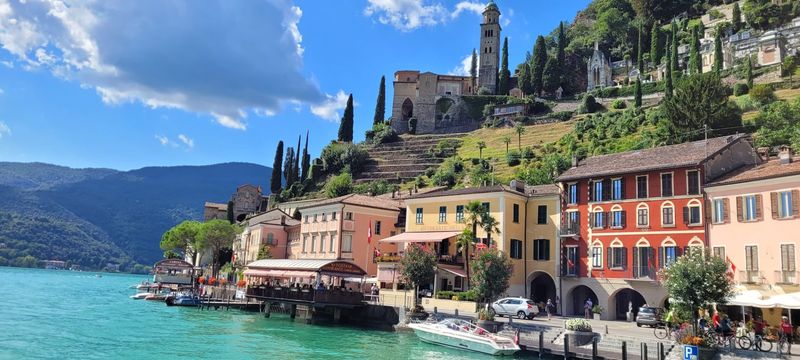
Switzerland’s prettiest village title gets thrown around a lot, but Morcote on Lake Lugano has won it officially on multiple occasions, and a single visit makes the reason obvious. Narrow arcaded streets wind between stone houses stacked up a steep hillside, with subtropical gardens tumbling down toward the water below.
The whole place operates at a delightfully slow pace.
The Church of Santa Maria del Sasso sits above the village and can be reached via a long stone staircase lined with cypress trees. The views from the church terrace across the lake toward Italy are simply breathtaking.
Sunset from this spot is worth planning your entire day around.
Parco Scherrer, a lakeside botanical garden filled with exotic plants, sculptures, and architectural follies, is one of the most unusual and rewarding gardens in the entire country. It’s the kind of quirky attraction that doesn’t get nearly enough attention.
Visiting in late afternoon when crowds thin out makes the experience even better.
The village has very few shops and restaurants, which contributes significantly to its peaceful atmosphere. Day-trippers arrive from Lugano by boat, but most leave before dinner.
Staying in nearby Lugano and visiting Morcote as a half-day boat excursion is a practical and thoroughly enjoyable approach to experiencing this exceptional lakeside gem.
Tihany, Hungary
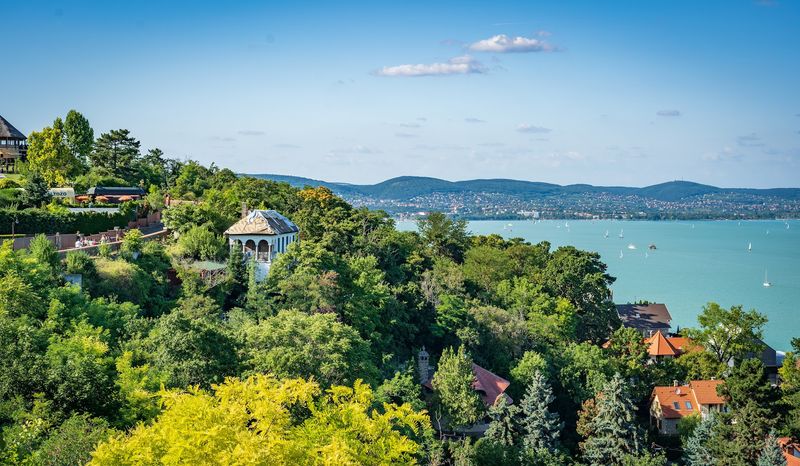
Lavender fills the air across the Tihany peninsula from June onward, which is either the most romantic thing you’ve ever encountered or the most aggressively pleasant sensory experience of your summer. Either way, this volcanic ridge jutting into Lake Balaton is unlike anywhere else in Hungary.
The views from the hilltop abbey stretch across the entire lake in both directions.
The Benedictine Abbey, founded in 1055, contains the crypt of King Andrew I, making it one of Hungary’s most historically significant religious sites. The interior is beautifully preserved and surprisingly moving.
Climbing to the abbey terrace afterward rewards you with one of the finest panoramas in Central Europe.
The village below the abbey is filled with artisan workshops, lavender product shops, and small restaurants serving Hungarian classics like goulash and fresh lake fish. Fogash, a pike-perch unique to Lake Balaton, is the dish to order here.
Local Balaton wines are excellent and very affordable by Western European standards.
Sandy beaches at the base of the peninsula offer good swimming in the warm, shallow waters of Lake Balaton. Sailing and kayaking rentals are available nearby.
Tihany gets busy on summer weekends but quiets down significantly on weekday mornings, making early visits especially rewarding for those who enjoy peaceful exploration.
Balatonfured, Hungary
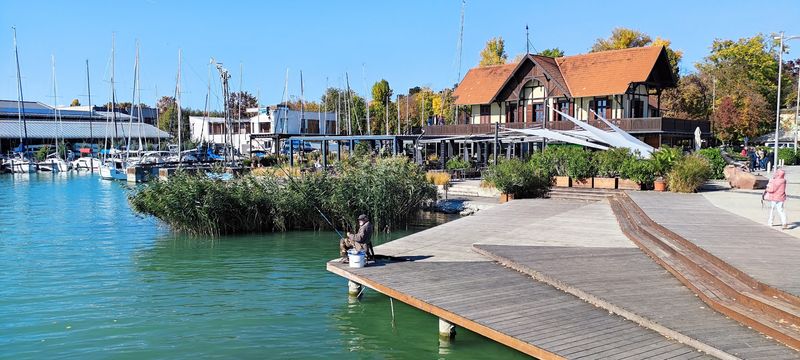
Hungary’s oldest spa and resort town has been welcoming visitors to Lake Balaton’s northern shore since the 18th century, which gives it a graceful, unhurried quality that newer destinations simply cannot fake. Tree-lined promenades, elegant historic villas, and a genuinely pleasant marina set the tone immediately.
This is a town that knows how to do leisure properly.
The Anna Ball, held annually since 1825, is one of Hungary’s oldest and most celebrated social events. Even outside ball season, the town carries a certain refined atmosphere that feels refreshingly old-fashioned.
Szechenyi Square in the center is surrounded by beautiful neoclassical buildings worth admiring slowly.
Sailing is taken seriously here, with Balatonfured hosting major regattas throughout the summer. Renting a sailboat for an afternoon is a genuinely wonderful way to experience the lake from the water.
Lake Balaton is shallow enough that even inexperienced sailors feel comfortable navigating its gentle waves.
The waterfront Tagore Promenade, named after the Indian poet who recovered from illness here in 1926, is lined with trees planted by famous visitors over the decades. Walking it at golden hour while watching sailboats return to the marina is one of those simple travel pleasures that stays with you.
Accommodation options range from grand old hotels to affordable lakeside apartments.
Ohrid, North Macedonia
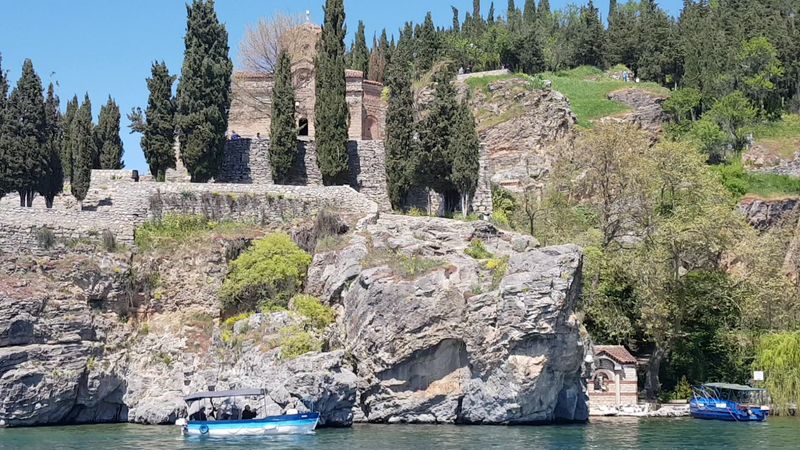
Lake Ohrid is so old and so biologically unique that UNESCO protects it as both a cultural and natural heritage site, which is an extremely rare double honor. The lake itself is estimated to be between three and five million years old, making it one of the oldest in the entire world.
Swimming in it feels oddly significant once you know that fact.
The old town of Ohrid climbs a hillside above the water, packed with Byzantine churches, medieval fortifications, and narrow stone streets that have barely changed in centuries. The Church of Saint John at Kaneo, perched dramatically on a cliff above the lake, is one of the most photographed spots in the Balkans.
Getting there requires a short hike, but the view is completely worth it.
Waterfront restaurants along the promenade serve excellent grilled trout fresh from the lake, alongside Macedonian salads and local wine. Prices are very reasonable by European standards, which makes lingering over long lunches entirely guilt-free.
The cafe culture here is relaxed and genuinely welcoming to visitors.
Summer evenings in Ohrid are wonderfully lively without feeling overwhelming. Street musicians, outdoor bars, and a buzzing but manageable festival scene give the town real energy after dark.
Ohrid punches significantly above its weight as a travel destination and remains one of the Balkans’ finest summer discoveries.
Pogradec, Albania
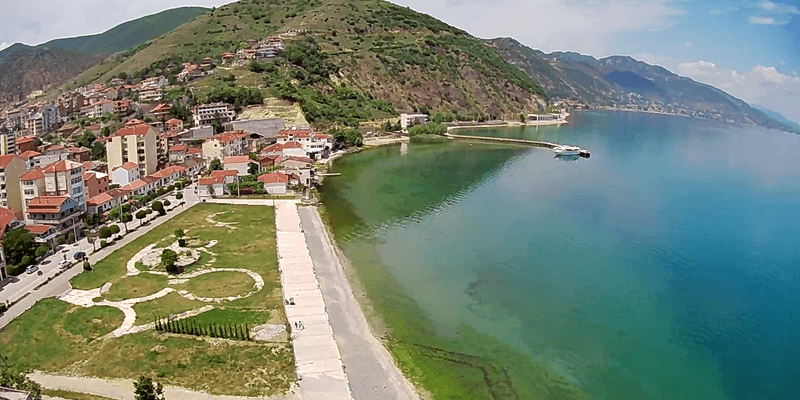
While everyone rushes to the Macedonian side of Lake Ohrid, Pogradec sits quietly on the Albanian shore collecting compliments from the small number of travelers who actually make the effort to visit. The lake here is just as beautiful, the mountains just as dramatic, and the beaches far less crowded.
Albania’s reputation for being off the beaten path works entirely in Pogradec’s favor.
The waterfront promenade stretches pleasantly along the shore, lined with outdoor restaurants and cafes where fresh lake fish is the undisputed star of every menu. Koran trout, a species found only in Lake Ohrid, is the local delicacy that every visitor should try at least once.
Portions are generous and prices remain genuinely affordable.
Beaches along the Albanian shore tend to be pebbly rather than sandy but are kept clean and attract mostly local families rather than international tourists. The water is extraordinarily clear, with visibility extending several meters below the surface.
Swimming here feels like a genuine privilege.
The surrounding mountains offer hiking opportunities that barely appear in any guidebook, making exploration feel like a proper adventure. Pogradec also serves as a convenient base for visiting the ancient ruins at Lin and the Lin Peninsula.
Albania’s improving road infrastructure has made reaching Pogradec from Tirana a much easier journey than it used to be.
Kastoria, Greece
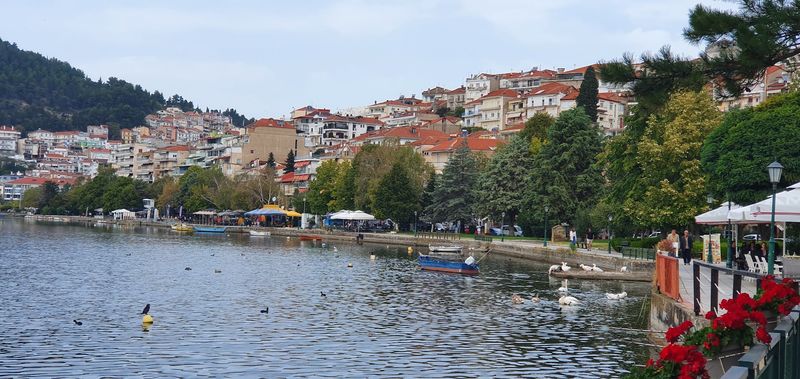
Built on a peninsula that juts into Lake Orestiada like a natural amphitheater, Kastoria is one of Greece’s most underappreciated cities and genuinely one of its most beautiful. Most visitors head straight to the islands or Athens, completely bypassing this northern gem where Byzantine architecture, lake swimming, and exceptional food combine into something quietly extraordinary.
The town’s setting alone justifies the journey.
Kastoria was historically famous throughout Europe as a center of the fur trade, and the legacy of that wealthy merchant era is visible in the magnificent archontika, grand stone mansions built by prosperous traders during the 17th and 18th centuries. Several are open to visitors and give a fascinating glimpse into the town’s prosperous past.
The craftsmanship in these buildings is remarkable.
Walking the lakeside path that encircles much of the peninsula takes about two hours and passes monasteries, waterside tavernas, and peaceful fishing spots. Pelicans occasionally join locals fishing from the shore, which adds an unexpectedly charming dimension to the scene.
The lake reflects the surrounding mountains so perfectly that photographs almost look artificially enhanced.
Greek tavernas here serve northern Greek cuisine that differs noticeably from the Mediterranean dishes found on the islands. Hearty meat stews, local pies, and excellent regional wines define the food scene.
Kastoria is also significantly cooler than southern Greece in summer, making it a genuinely comfortable warm-weather destination.
Bled, Slovenia
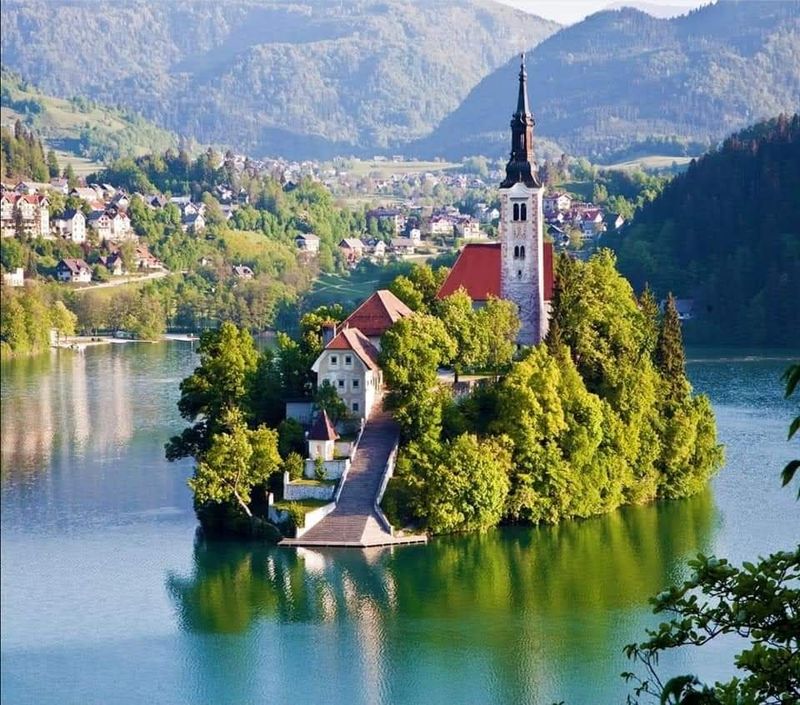
There’s a reason every travel photographer eventually ends up pointing a camera at Lake Bled, and it’s not just because the scene is technically perfect. The emerald water, the island church, the clifftop castle, and the Julian Alps all conspiring to exist in the same frame feels almost unfair to every other lake destination in Europe.
Bled is simply, undeniably, spectacular.
Visiting at dawn or dusk is the open secret that separates a magical experience from a crowded one. By 7am on a summer morning, the lake is serene, misty, and almost entirely yours.
Renting a traditional wooden pletna boat to row to the island church is one of those travel experiences that genuinely lives up to its reputation.
The medieval castle perched 130 meters above the lake offers one of the finest panoramic views in Slovenia. The castle museum and wine cellar inside are both worth exploring.
Climbing up rather than taking a vehicle adds a sense of earned reward to the whole experience.
Bled cream cake, a layered vanilla and cream pastry invented at the Park Hotel in 1953, is the town’s most famous culinary contribution and is absolutely worth every calorie. Dozens of bakeries and cafes serve their own version, and comparing them is a perfectly legitimate way to spend an afternoon.
Bled rewards visitors who plan their timing carefully.
Riva del Garda, Italy
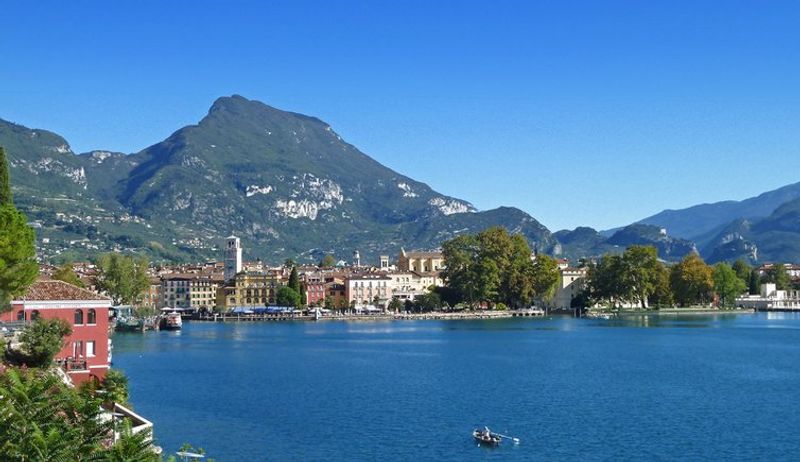
Wedged dramatically between vertical limestone cliffs and the northern tip of Lake Garda, Riva del Garda operates at a completely different energy level from the lake’s busier southern resorts. The mountains here are so steep and close that they cast long morning shadows across the town, creating a cool, sheltered atmosphere even on hot summer days.
It’s the kind of dramatic geography that makes you stop and stare.
Windsurfers absolutely love Riva because predictable thermal winds funnel down from the mountains each afternoon, creating ideal conditions for both beginners and experienced riders. The town’s waterfront is lined with windsurf schools and equipment rental shops.
Watching the colorful sails criss-cross the lake from a waterfront cafe is surprisingly entertaining.
The medieval Rocca fortress sits right at the edge of the water and houses a civic museum with interesting local history exhibits. The fortress tower offers good views across the town rooftops toward the lake.
Admission is inexpensive and the visit takes about an hour.
Cycling paths connect Riva to neighboring lakeside villages, and the northern lake route toward Limone is particularly beautiful. The old town center has excellent pizza, gelato, and aperitivo spots that fill up pleasantly in the early evening.
Riva feels genuinely Italian in a way that some of Lake Garda’s more tourist-heavy spots have somewhat lost.
Limone sul Garda, Italy
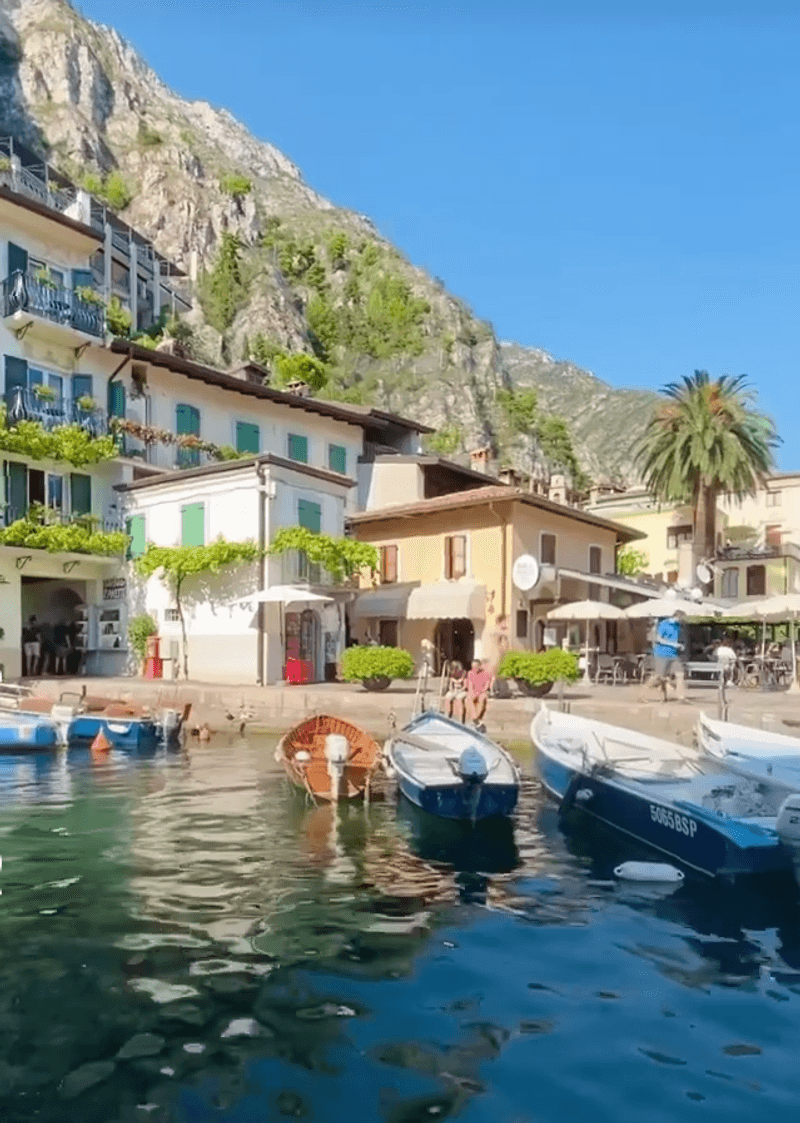
Limone sul Garda clings to the steep western cliff face of Lake Garda like it’s defying gravity, which in architectural terms it practically is. Houses stack up the terraced hillside in shades of yellow, orange, and rose, with the lake dropping away sharply below the village.
The effect from the water, as ferries approach, is genuinely cinematic.
The town’s name comes from its historic lemon groves, once cultivated here in stone pergola structures that still dot the hillside. Lemons this far north in Italy were a remarkable agricultural achievement made possible by the lake’s unusually mild microclimate.
Several original limonaie structures are preserved and open for visits.
The village center is small enough to explore completely in a couple of hours, with a pleasant waterfront promenade, a handful of good restaurants, and a small beach area. Booking a lakeside table for dinner as the sun drops behind the mountains to the west produces a light show that no filter could improve.
Grilled lake fish, pasta al limone, and local olive oil feature heavily on menus throughout the village.
Limone gets busy in summer, but the sheer steepness of the terrain limits development, keeping the crowd density manageable. Arriving by ferry from Malcesine or Riva del Garda is both practical and far more dramatic than arriving by road.
The lakeside walking path north toward Riva is one of the most scenic short hikes on the entire lake.
Orta San Giulio, Italy
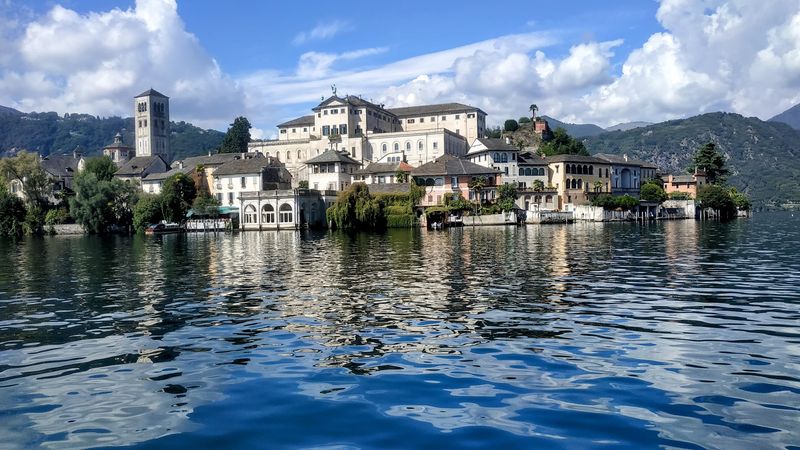
Sandwiched between the fame of Lake Como and Lake Maggiore, little Lake Orta gets overlooked so consistently that visiting feels like discovering a secret someone forgot to share. The medieval village of Orta San Giulio sits on a small peninsula above the water, its cobblestone lanes and Renaissance palazzi almost entirely free of the tour groups that clog its more famous neighbors.
The atmosphere here is genuinely tranquil.
At the center of the lake sits the tiny Isola San Giulio, dominated by a basilica dating back to the fourth century and a Benedictine monastery that still operates today. A short boat ride from the village gets you there in minutes.
The island has a circular meditation path around its perimeter marked with contemplative phrases, which sounds unusual but actually works beautifully.
The main piazza in Orta village is one of northern Italy’s most beautiful, with a 16th-century town hall overlooking the lake and mountains beyond. Sitting at an outdoor cafe here with a glass of Piedmontese wine feels like an entirely reasonable way to spend an entire afternoon.
The surrounding Piedmont region produces exceptional wines that appear on local menus at very fair prices.
Sacro Monte di Orta, a UNESCO-listed hillside sanctuary above the village, offers a peaceful walk through woodland chapels with remarkable Renaissance frescoes. The views down to the lake from the sanctuary are outstanding.
Orta San Giulio is best experienced slowly, over at least two nights.
Fussen, Germany
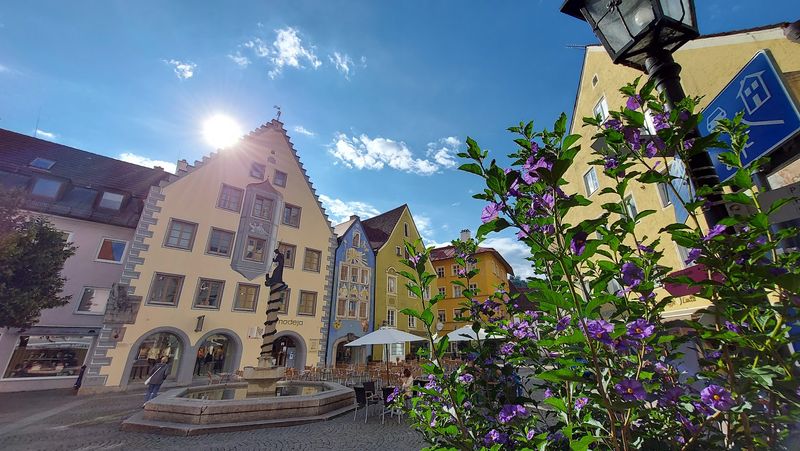
Most visitors to Fussen spend approximately 45 minutes in town before rushing off to photograph Neuschwanstein Castle, which means they completely miss the fact that the town itself is genuinely lovely. The old town center is packed with beautifully painted Baroque buildings, a hilltop monastery, and a lively pedestrian zone that hums pleasantly throughout summer.
The castle is spectacular, but Fussen deserves more than a parking stop.
The Forggensee lake just outside town is Bavaria’s largest reservoir and one of its most scenic, with the Alps providing an absurdly photogenic backdrop. Cycling around the entire lake takes about three to four hours on well-marked paths.
The views of the Alps reflecting in the water on calm mornings are extraordinary.
Alpsee, another lake just minutes from the castle area, offers swimming, rowing boats, and a quieter atmosphere than the tourist-heavy castle grounds nearby. Renting a rowboat and drifting across the still water with the Alps overhead is a wonderfully peaceful counterpoint to the castle crowds.
The water is cold but clean and refreshing on hot summer afternoons.
Fussen’s location at the end of the Romantic Road makes it a natural endpoint for one of Germany’s most famous scenic driving routes. The town’s restaurants serve excellent Bavarian food, with fresh lake fish appearing alongside the expected pretzels and pork dishes.
Summer evenings in the pedestrian zone are lively, sociable, and thoroughly enjoyable.
Share this story