Safety is one of the biggest factors people consider when choosing a place to live or planning a trip. While no city is entirely crime-free, the destinations below consistently earn high marks for low crime, reliable public services, excellent infrastructure, and a strong sense of personal security.
They also perform well in respected rankings such as the Numbeo Safety Index, the Economist’s Global Liveability Index, and major travel safety reports. Whether you are looking to relocate or just explore somewhere new, these cities are worth knowing about.
Abu Dhabi, United Arab Emirates
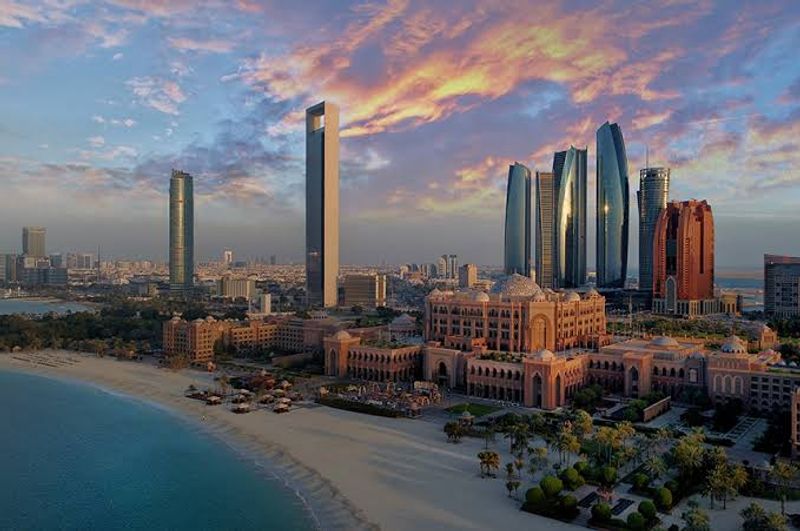
Walking through Abu Dhabi at midnight feels surprisingly relaxed, and that is not an accident. The UAE capital invests heavily in law enforcement, surveillance technology, and community policing, creating an environment where residents and tourists feel genuinely protected around the clock.
Crime rates here are among the lowest ever recorded for a major global city. Violent crime is exceptionally rare, and petty theft is almost unheard of in public areas.
The government enforces strict laws that discourage criminal behavior at every level.
Families relocating to Abu Dhabi often mention how quickly their kids adjust to the freedom of playing outside without worry. Expats make up a large portion of the population, and the city works hard to ensure everyone feels welcome and secure.
Public spaces are immaculate, well-lit, and regularly patrolled.
Travelers visiting for the first time are usually stunned by how orderly everything feels. From the gleaming malls to the waterfront corniche, safety is baked into the city’s design.
Abu Dhabi is not just safe on paper; it genuinely earns that reputation every single day.
Doha, Qatar
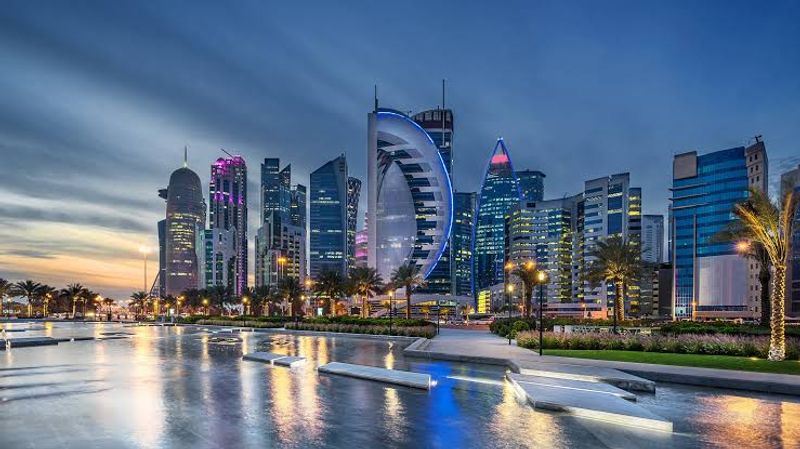
Qatar’s capital pulled off one of the most impressive urban safety transformations of the past two decades, and Doha is now a city that global safety indexes genuinely fight over ranking at the top. Its Numbeo Safety Index score consistently sits above 85, which is extraordinary for a city of its size and international traffic.
Clean, wide boulevards connect modern neighborhoods with traditional souqs, and the transition feels seamless. Public transportation runs efficiently, cutting down on the chaotic traffic situations that often breed road-related incidents in other major cities.
Everything here feels purposeful and well-managed.
Families with young children particularly appreciate Doha’s low crime environment. Parks are well-maintained, street lighting is excellent, and community safety programs are genuinely active rather than just existing on paper.
Visitors frequently comment that they never once felt uneasy during their stay.
The 2022 FIFA World Cup spotlight pushed Doha to sharpen its safety infrastructure even further. Hotels, transit hubs, and tourist areas all received significant upgrades that stuck around long after the final whistle.
For anyone considering the Middle East as a travel destination, Doha is a compelling and reassuring starting point.
Taipei, Taiwan

Forget the myth that big Asian cities are overwhelming and stressful. Taipei quietly shatters that stereotype with one of the most genuinely comfortable urban experiences anywhere in the world.
People here routinely leave laptops unattended at coffee shops while grabbing a refill, and nobody bats an eye.
The city’s public transportation system is world-class, clean, and incredibly safe to use at any hour. Late-night MRT rides feel completely normal, even for solo travelers and women traveling alone.
That kind of freedom is something visitors from other major cities genuinely notice and appreciate.
Taipei’s neighborhoods each carry their own personality, from the buzzing energy of Ximending to the tree-lined calm of Da’an District. No matter where you wander, the sense of personal safety remains consistent.
Locals are famously helpful to confused tourists, adding a warmth that makes the city feel even more welcoming.
Healthcare is excellent, emergency response times are fast, and the city handles natural disaster preparedness better than almost anywhere in Asia. Taipei is not just safe from crime; it is a city built to protect its people on every level.
That holistic approach to safety is what earns it a well-deserved spot on this list.
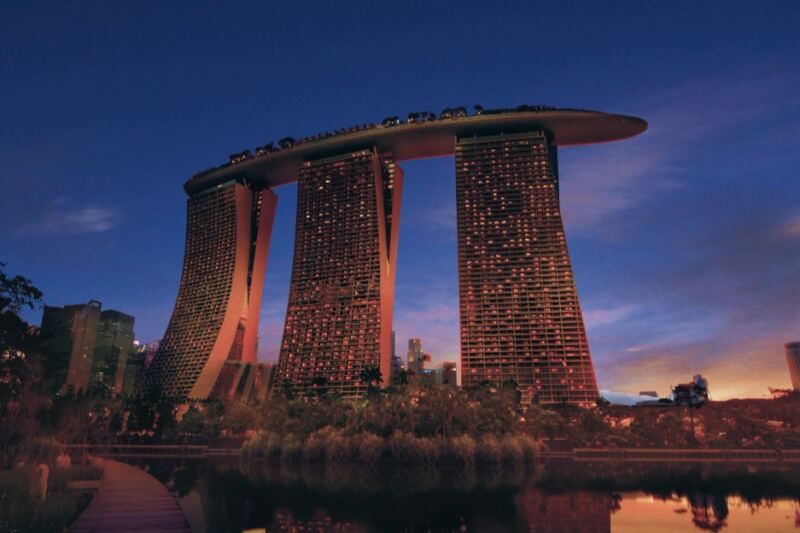
Singapore
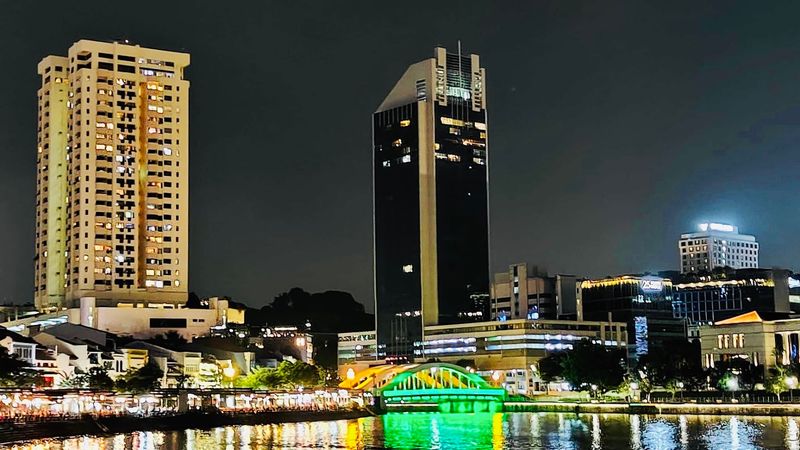
Singapore is basically the overachiever of global safety rankings, and it has been holding that title for decades without showing any signs of giving it up. With one of the lowest crime rates on the planet, this tiny island nation punches so far above its weight that larger countries take notes from its playbook.
Strict laws are a significant part of the equation, and locals largely embrace them as a reasonable trade-off for an exceptionally high quality of life. Tourists sometimes joke about the famous chewing gum ban, but the broader legal framework genuinely produces a city that feels orderly without feeling oppressive.
Public spaces are spotless, well-lit, and monitored effectively. The Mass Rapid Transit system connects virtually every corner of the island efficiently and safely, making car ownership optional rather than necessary.
Solo travelers, senior visitors, and families all report the same thing: Singapore just feels secure in a way that is hard to put into words.
Beyond crime statistics, Singapore invests heavily in emergency preparedness, healthcare infrastructure, and disaster response. The city-state treats safety as a long-term national project rather than a seasonal campaign.
For anyone seeking a stress-free urban experience, Singapore delivers that promise reliably, year after year.
Tokyo, Japan
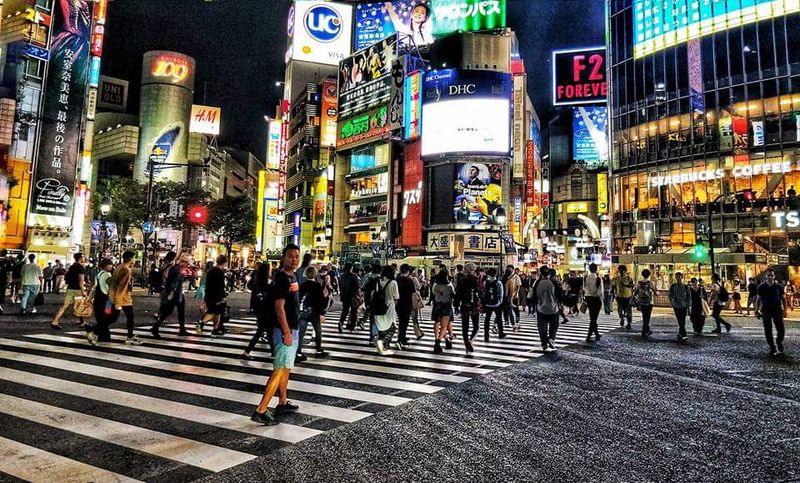
Tokyo holds a record that genuinely baffles urban planners worldwide: it is one of the most densely populated cities on Earth, yet it maintains crime rates that smaller towns would envy. Over 37 million people share this sprawling metropolitan area, and the streets still feel remarkably orderly and calm.
Lost wallets get returned here with the cash still inside. That is not a feel-good rumor; it happens regularly and reflects a deep cultural commitment to honesty and community responsibility.
Visitors from high-crime cities often describe Tokyo as almost surreal in how safe it feels.
The city’s transit system is another safety win, running with legendary punctuality and staffed by helpful personnel at every major station. Navigating Tokyo alone, even without speaking Japanese, rarely produces any genuine anxiety.
Clear signage, reliable apps, and courteous locals make the experience smooth from day one.
Tokyo also handles natural disaster preparedness with extraordinary seriousness. Buildings are earthquake-resistant, evacuation plans are detailed and practiced regularly, and emergency alert systems reach every resident instantly.
The city understands that safety is not only about crime prevention but about protecting people from every possible threat. Tokyo takes all of it seriously, and the results speak for themselves.
Copenhagen, Denmark
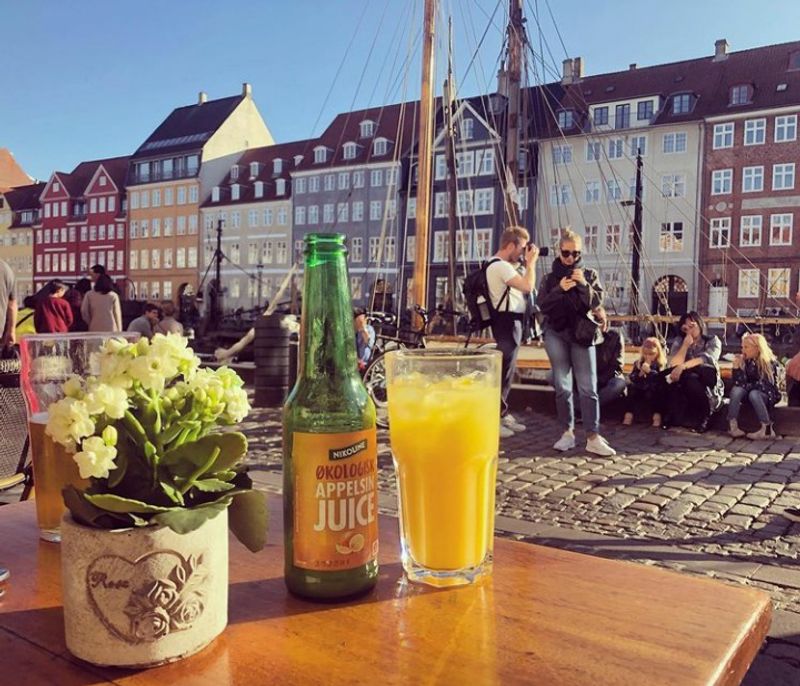
Copenhagen is the kind of city where people leave bicycles unlocked outside cafes and somehow still find them there an hour later. That relaxed attitude toward personal property is not naivety; it reflects a deeply embedded social trust that Denmark has cultivated over generations of thoughtful governance and community investment.
Denmark regularly tops global happiness indexes, and safety plays a massive role in that satisfaction. Low inequality, strong social services, and effective community policing create conditions where crime simply has less room to grow.
The results show up in the numbers consistently year after year.
The cycling culture here is more than a charming quirk. Dedicated bike lanes stretch across the entire city, reducing road congestion and the traffic accidents that come with it.
Copenhagen’s infrastructure actively protects its residents by designing safety into everyday movement rather than treating it as an afterthought.
Tourists exploring Nyhavn’s colorful canal district or wandering through Frederiksberg Gardens rarely encounter anything more alarming than a seagull eyeing their pastry. Nightlife areas are lively but not chaotic, and the city’s approach to managing public spaces keeps things enjoyable without becoming dangerous.
Copenhagen makes safety look effortless, which is honestly its greatest achievement.
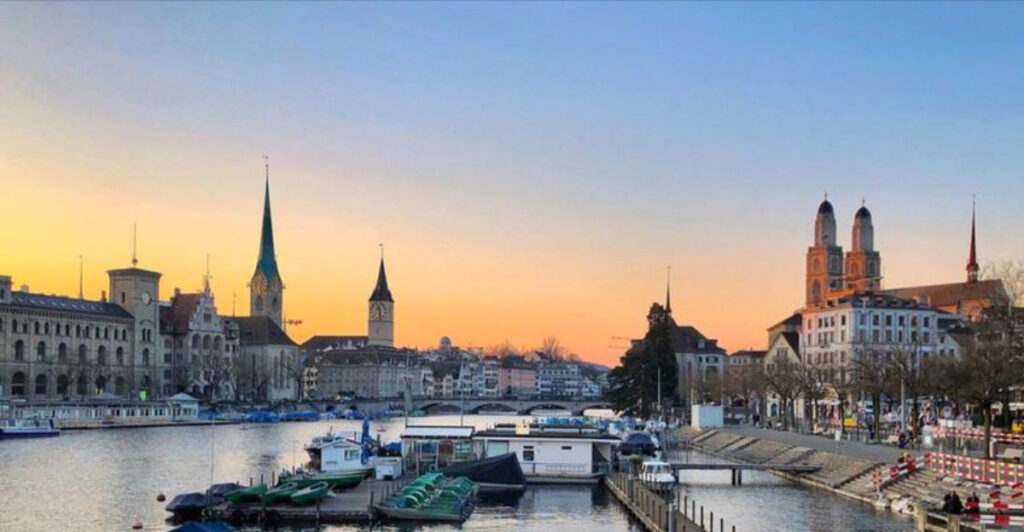
Zurich, Switzerland
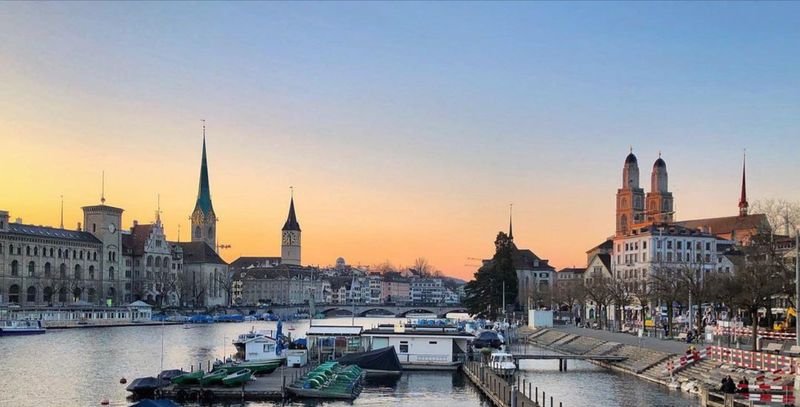
Zurich is the city that makes other cities feel slightly embarrassed about themselves. Spotlessly clean streets, trains that arrive on the exact second they are scheduled, and crime rates so low that local news sometimes struggles to find a lead story.
It is almost aggressively well-run, and residents genuinely love it that way.
Switzerland’s political stability and strong rule of law create a foundation that Zurich builds its safety reputation on. Corruption is minimal, public institutions are trusted, and law enforcement operates with a level of professionalism that earns genuine community respect rather than fear.
The city’s financial district, luxury shopping streets, and historic old town all feel equally safe to explore at any hour. Solo travelers, business visitors, and families all share the same experience: Zurich simply does not produce the low-level anxiety that many urban environments generate.
That consistency is genuinely rare.
Quality of life rankings place Zurich near the top almost every single year, and safety is a core reason why. Healthcare is world-class, emergency services respond quickly, and public spaces are designed with user comfort as a priority.
If you want a city that has figured out how urban life should actually work, Zurich is a very convincing argument.
Amsterdam, Netherlands
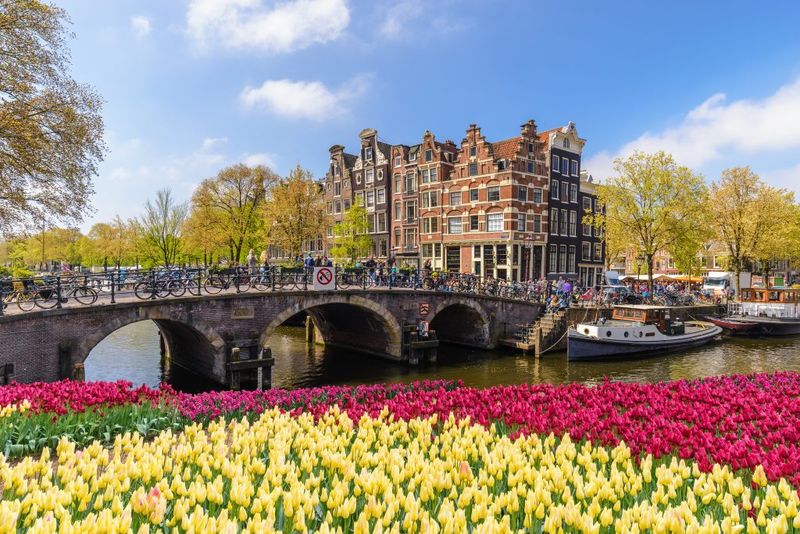
Amsterdam welcomes millions of tourists every year, which makes its consistent placement in global safety rankings all the more impressive. Managing that volume of international visitors without a corresponding spike in crime requires serious urban planning, smart policing, and a city culture that genuinely values public order.
The canal-lined streets create a naturally slower, more pedestrian-friendly pace that softens the chaos usually associated with major tourist destinations. Cycling is the primary mode of transport, reducing road aggression and keeping the city’s energy surprisingly calm even during peak summer months.
Amsterdam’s police force is known for community engagement rather than heavy-handed enforcement. Officers are visible, approachable, and active in maintaining the city’s atmosphere without making residents or visitors feel surveilled or pressured.
That balance is notoriously difficult to strike, and Amsterdam manages it well.
Neighborhoods like Jordaan and De Pijp feel genuinely local and relaxed, even with tourists wandering through constantly. The city has also invested significantly in lighting, public transport safety, and reducing pickpocketing through targeted awareness campaigns.
Amsterdam is not perfect, but for a city of its international profile and tourist footfall, its safety record is something other European capitals actively study and try to replicate.
Vienna, Austria
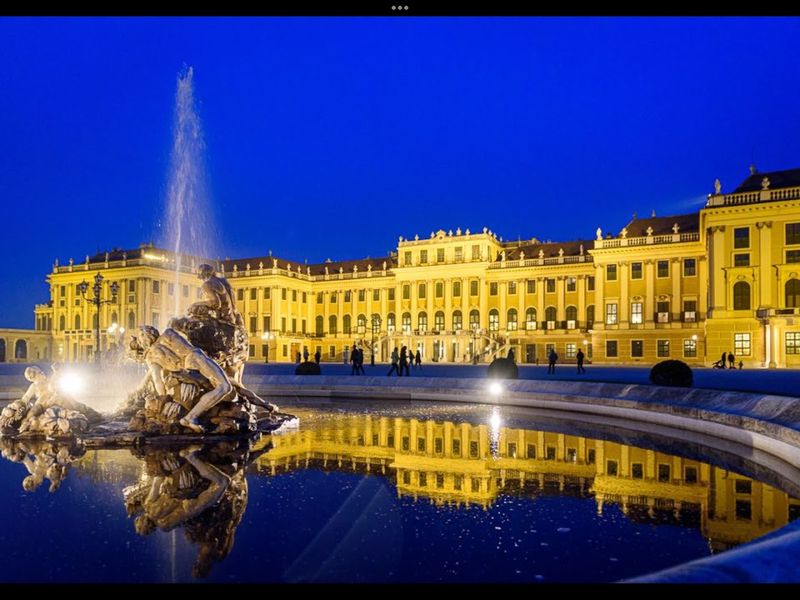
Vienna has topped the Economist Intelligence Unit’s Global Liveability Index so many times that it practically owns the top spot. Safety is a cornerstone of that achievement, and the Austrian capital backs it up with consistently low crime rates, excellent emergency services, and public spaces that feel genuinely inviting at all hours.
The city’s grand Ringstrasse boulevard and elegant coffee house culture give Vienna a timeless, unhurried quality that reduces the frantic energy often associated with capital cities. That slower rhythm contributes to a public atmosphere where confrontation and aggression feel genuinely out of place.
Vienna’s public transportation system is one of Europe’s finest, connecting every district efficiently and safely. The U-Bahn metro runs late into the night, making car-free living not just possible but genuinely comfortable.
Tourists navigating the city solo rarely encounter anything more stressful than choosing between too many incredible museum options.
Healthcare infrastructure here is exceptional, and the city’s emergency response capabilities are among the most reliable in Europe. Vienna also benefits from Austria’s broader political stability and strong social safety net, which reduces the economic inequality that often drives urban crime.
Elegant, efficient, and remarkably safe, Vienna continues to set the standard for what a livable capital city can look like.
Reykjavik, Iceland
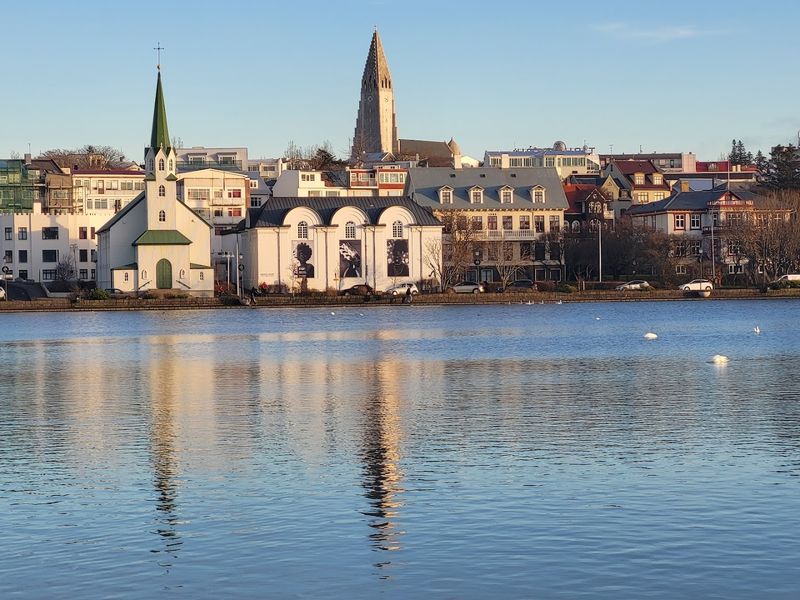
Iceland has essentially no army, minimal police presence by global standards, and crime rates that hover near statistical zero for violent offenses. Reykjavik, its capital, carries all of that national character into an urban environment that feels more like a large, exceptionally friendly village than a European capital city.
The population is small enough that social accountability is genuinely built into daily life. People tend to know each other, or at least know someone who does, and that community fabric creates a natural deterrent to antisocial behavior that no amount of surveillance cameras can fully replicate.
Walking alone at night in Reykjavik is something visitors describe as genuinely pleasant rather than something they do with nervous glances over their shoulders. The city is compact, well-lit, and easy to navigate on foot.
Even during major events and festivals, the atmosphere stays remarkably civil and welcoming.
Iceland consistently ranks as one of the world’s most peaceful countries on the Global Peace Index, and Reykjavik embodies that national identity completely. For travelers seeking a destination where safety is simply a given rather than a concern to manage, Reykjavik offers something increasingly rare in today’s world.
It is calm, beautiful, and genuinely secure in a way that feels almost effortless.
Helsinki, Finland
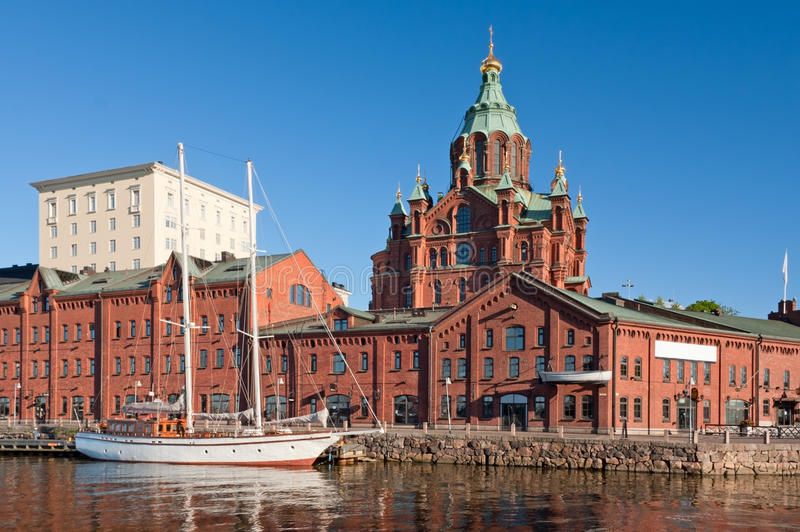
Finland has been named the world’s happiest country multiple years running, and Helsinki is where that national contentment shows up most visibly in everyday urban life. Streets are clean, neighbors trust each other, and the relationship between residents and public institutions is built on genuine confidence rather than reluctant compliance.
Public safety in Helsinki goes well beyond crime statistics. The city’s healthcare system is outstanding, mental health resources are accessible, and social support networks catch people before they fall into situations that might lead to desperation.
That preventative approach to wellbeing produces a safer city from the ground up.
Solo travel in Helsinki is comfortable and straightforward. The public transport system is reliable, well-lit stations are staffed during peak hours, and the city’s compact layout makes getting around on foot or by bike genuinely practical and enjoyable.
Women travelers consistently rate Helsinki among Europe’s most comfortable cities for independent exploration.
Finland’s education system produces a highly informed, civically engaged population, and that shows in how Helsinki manages its public spaces. There is a quiet pride in keeping things orderly and respectful that does not require heavy enforcement to maintain.
Helsinki is proof that investing in people, not just policing, is one of the most effective safety strategies a city can pursue.
Munich, Germany
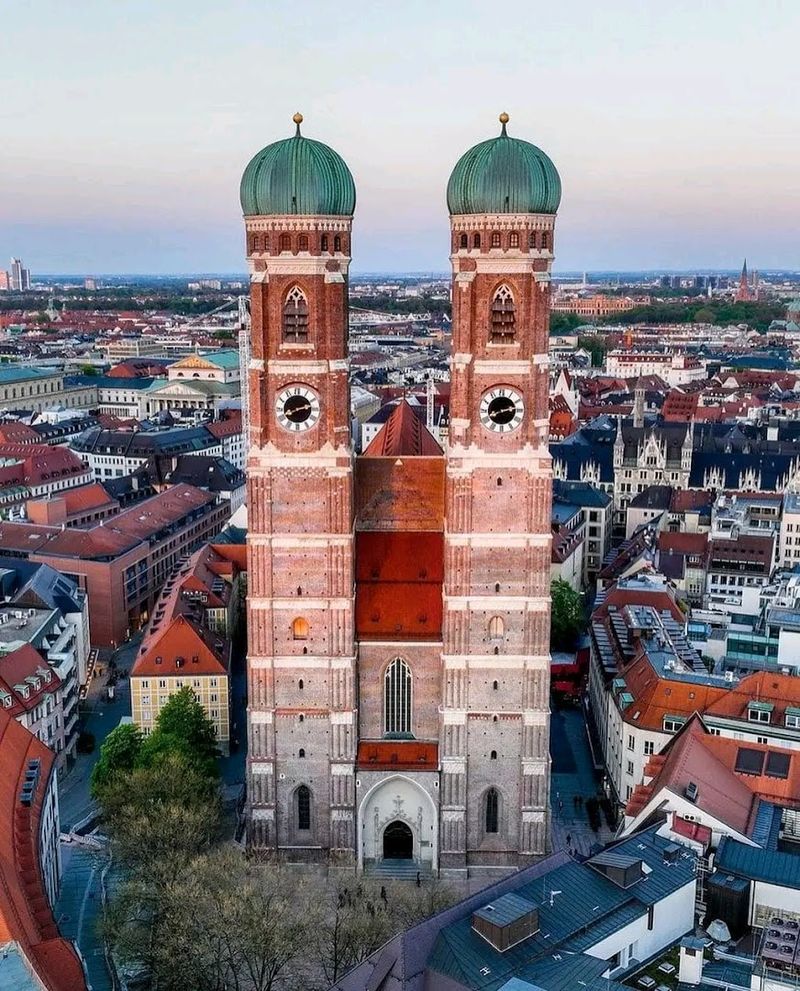
Oktoberfest brings millions of visitors to Munich every autumn, and the city handles that enormous influx of enthusiastic beer drinkers with a level of crowd management that is honestly impressive. Outside of festival season, Munich settles into a rhythm that feels orderly, comfortable, and genuinely livable in ways that other major German cities sometimes struggle to match.
Bavaria’s capital consistently ranks as one of Germany’s safest cities by crime statistics, and residents back that up with high satisfaction scores in quality-of-life surveys. The combination of economic prosperity, strong civic institutions, and a culture that values public order creates conditions where safety feels like a natural outcome rather than a constant effort.
The city’s public transport network, including its S-Bahn and U-Bahn systems, is efficient, clean, and safe to use at all hours. Getting around Munich without a car is not just possible; it is often the preferred choice even for long-term residents.
That well-connected infrastructure reduces the friction and vulnerability that comes with navigating an unfamiliar city.
Munich’s green spaces, including the famous English Garden, are genuinely usable and welcoming around the clock. Families picnic, cyclists cruise, and joggers run without the low-level unease that parks in less safe cities can generate.
Munich makes urban safety look like a perfectly natural side effect of good governance.
Quebec City, Canada
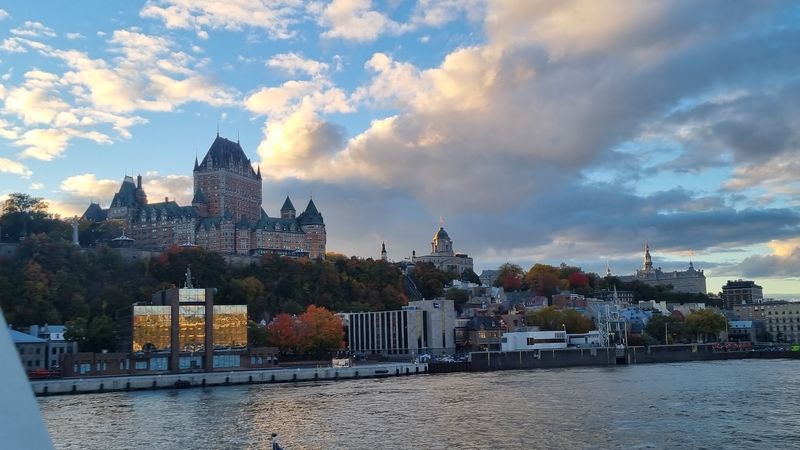
Quebec City is the only walled city north of Mexico, and walking its centuries-old cobblestone streets inside the fortified Old Town feels like stepping into a European postcard. Fortunately, the safety of that experience matches the charm of the setting, which is not always a guarantee with heavily touristed historic districts.
Crime rates in Quebec City are consistently low compared to other major Canadian urban centers. Violent crime is rare, and the city’s strong community identity creates a social environment where people genuinely look out for one another.
That sense of collective care is palpable to visitors almost immediately.
The city is compact and walkable, which makes getting around easy and reduces the isolation that can make travelers feel vulnerable in larger, more sprawling destinations. Public transportation is reliable, and taxi and rideshare services are well-regulated and trustworthy options for moving between neighborhoods.
Winter in Quebec City is spectacular rather than threatening, with the famous Winter Carnival transforming snowy streets into a celebration rather than a hazard. Emergency services are well-resourced and responsive, and the city’s bilingual character means visitors speaking either English or French can access help without language barriers.
Quebec City combines historic beauty with a safety record that makes it one of North America’s most underrated travel destinations.
Ljubljana, Slovenia

Ljubljana might be one of Europe’s best-kept secrets, but travelers who discover it tend to become immediate and enthusiastic advocates. Slovenia’s capital is compact, walkable, and so genuinely low on crime that the city center has been largely car-free since 2007, which says a lot about how seriously Ljubljana takes the quality of its public spaces.
The Ljubljanica River runs through the heart of the city, and its banks are lined with outdoor cafes, pedestrian bridges, and green spaces that locals use freely at all hours. That kind of casual, relaxed use of public space is only possible when residents genuinely feel safe, and in Ljubljana, they clearly do.
Slovenia consistently ranks among Europe’s safest countries, and the capital reflects that national character. Petty crime is minimal, violent incidents are genuinely rare, and the city’s relatively small population creates a community feel that larger European capitals often lose in the shuffle of millions of residents and tourists.
Families and solo travelers alike find Ljubljana approachable and stress-free. The city has invested smartly in cycling infrastructure, green spaces, and pedestrian zones that encourage people to be outside and active, naturally increasing the sense of community presence that keeps public spaces safe.
Ljubljana is small, smart, and quietly excellent in every measurable way.
Bern, Switzerland
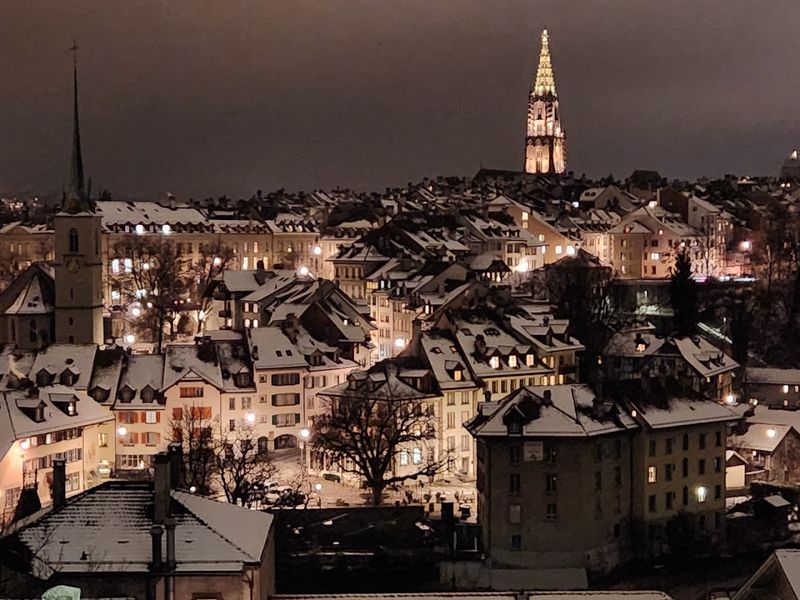
Bern moves at a pace that the rest of the world could learn something from. Switzerland’s federal capital is not trying to compete with Zurich’s financial buzz or Geneva’s international glamour.
Instead, it has quietly built one of Europe’s most comfortable, safe, and genuinely pleasant urban environments, and it seems perfectly happy letting that reputation grow by word of mouth.
The city’s medieval arcaded walkways, called Lauben, stretch for over six kilometers and keep pedestrians sheltered from rain while creating a naturally safe, enclosed public corridor through the heart of the city. That architecture is centuries old, but it functions as practical urban safety design that modern city planners still admire.
Crime rates in Bern are consistently among the lowest in Switzerland, which is already saying a great deal given Switzerland’s national safety standards. The city’s political stability as the seat of the Swiss federal government adds another layer of institutional reliability that residents benefit from daily.
Public transportation here is punctual, clean, and covers the city thoroughly. The surrounding landscape of the Aare River loop and the distant Alps adds a natural beauty that makes living or visiting Bern feel genuinely restorative.
Bern does not shout about its achievements, but for anyone seeking a safe, unhurried, and deeply livable European city, it quietly delivers on every single promise.
Share this story