Drumming is where technical skill meets creativity, and the greatest drummers have transformed rhythm into the driving force behind unforgettable performances. Across jazz, rock, metal, and beyond, certain moments have redefined what the instrument can do and elevated the drummer to center stage.
This list highlights 16 iconic drum performances that left a lasting mark on music history. Whether through innovation, precision, or sheer power, each showcases the talent and influence of the musicians behind the kit.
1. Moby Dick – Led Zeppelin (John Bonham)
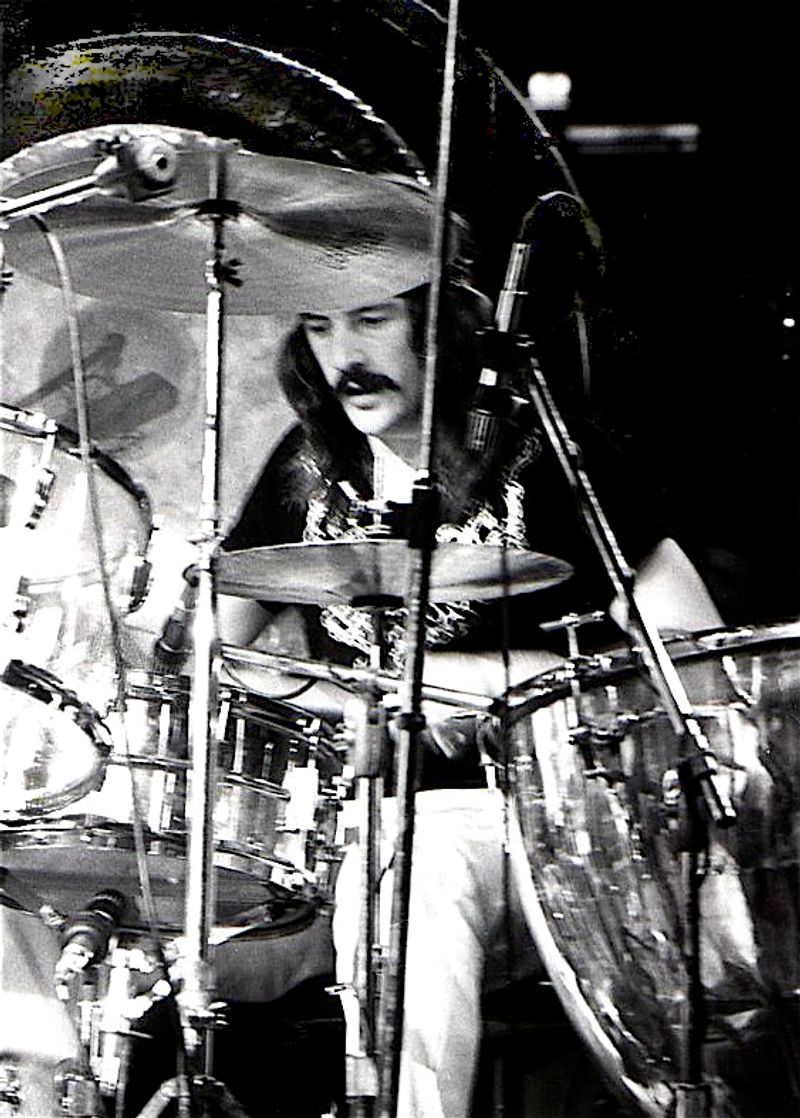
John Bonham did not just play drums on “Moby Dick” — he made the song a personal statement about what one person and a drum kit could accomplish together.
Recorded for Led Zeppelin’s 1969 album “Led Zeppelin II,” the studio version runs about four minutes, but live performances stretched past twenty minutes on some nights.
Bonham used his bare hands during portions of those live sets, which was not a gimmick but a deliberate technique that produced a warmer, more controlled tone on the tom-toms.
He played a Ludwig kit with a 26-inch bass drum, which gave his sound an unusually deep punch that studio engineers at the time struggled to capture accurately on tape.
2. Schism – Tool (Danny Carey)
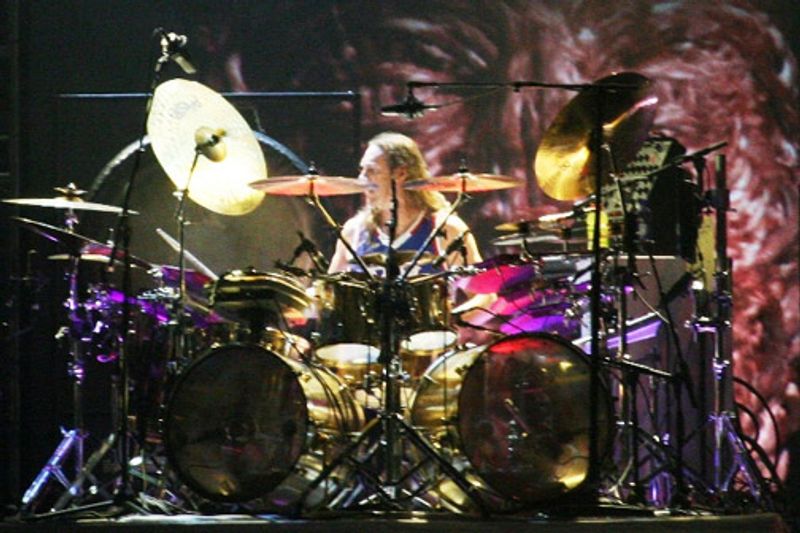
“Schism” from Tool’s 2001 album “Lateralus” opens with a time signature of 5/4, shifts into 4/4, and cycles through at least six different meters across its six-minute runtime.
Danny Carey wrote the drum part to lock with the song’s bass line rather than its guitar riff, which gives the track an unusual internal logic that rewards repeated listening.
Carey studied jazz, world percussion, and formal music theory before joining Tool, and all of that background shows in how he navigates the song’s constantly shifting rhythmic landscape.
The performance earned widespread recognition among drummers and music educators, and “Schism” regularly appears on university syllabi as an example of odd-meter composition in a commercial rock context.
3. Everlong – Foo Fighters (Taylor Hawkins)
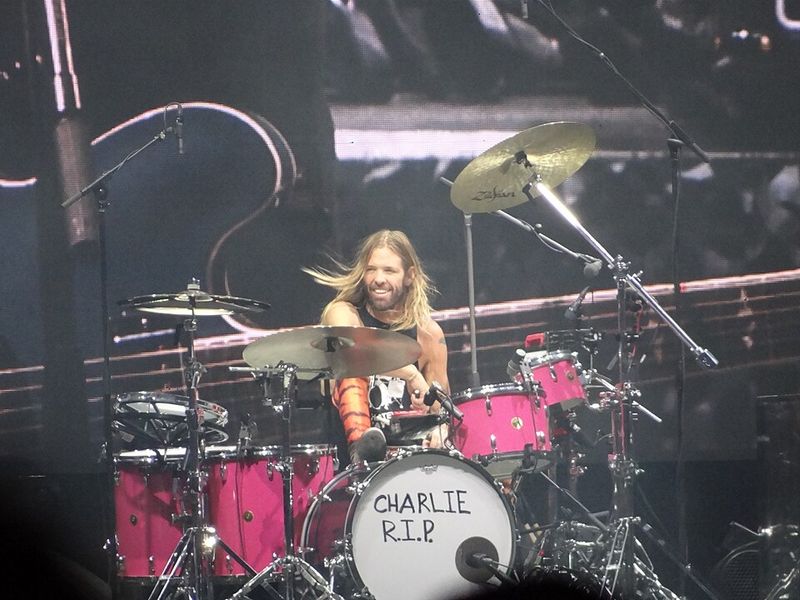
Taylor Hawkins brought a specific kind of physical commitment to “Everlong” that made the song feel urgent every single time the Foo Fighters performed it live.
The original recording featured Dave Grohl on drums for the 1997 album “The Colour and the Shape,” but Hawkins took over live duties and made the part his own through sheer consistency and power.
Hawkins played the song at a slightly higher tempo in live settings, which raised the energy without losing the groove that anchors the verses.
His hi-hat work during the chorus became a signature detail that fans listened for specifically, and his ability to sustain that intensity across full-length sets placed him among the most respected rock drummers of his generation.
4. War Pigs – Black Sabbath (Bill Ward)
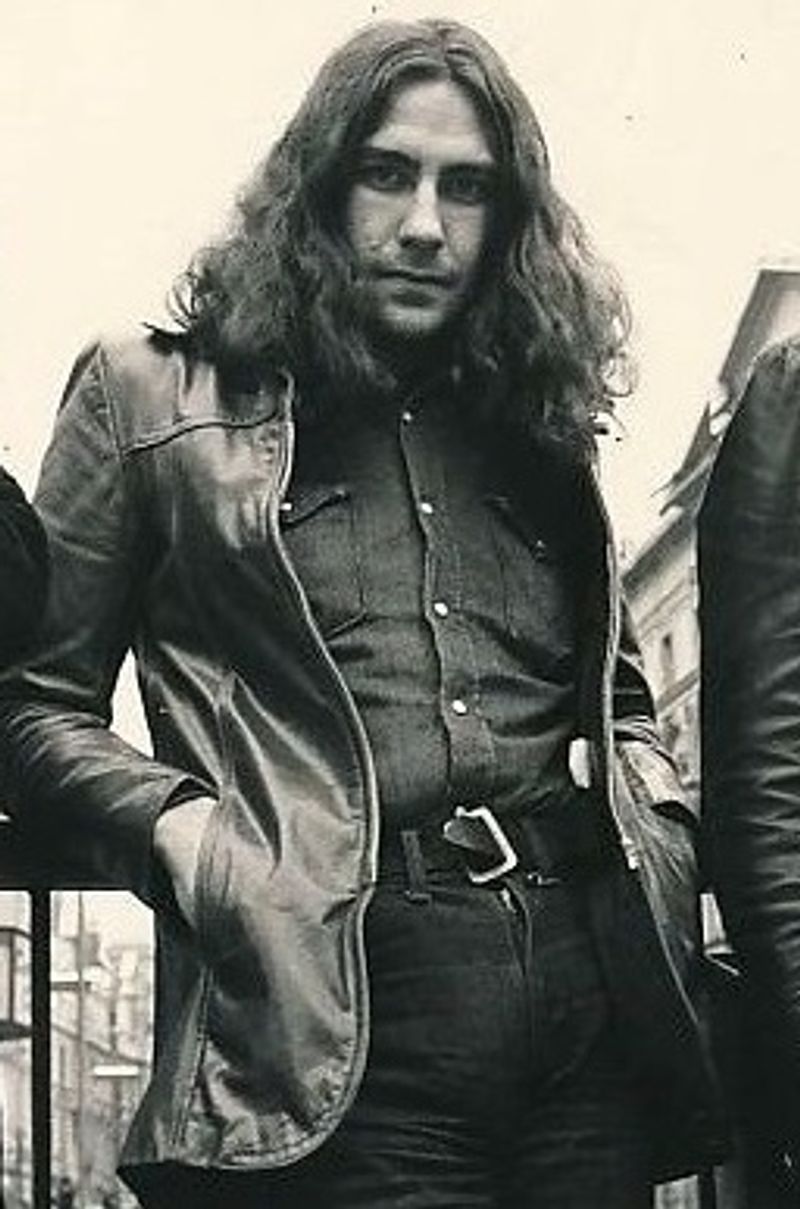
Bill Ward’s drum performance on “War Pigs” from Black Sabbath’s 1970 album “Paranoid” helped establish the rhythmic blueprint for an entire genre of heavy music.
The song opens with a slow, deliberate tempo that Ward controls with precise ride cymbal work before the band accelerates into the main riff, a transition that requires real timing discipline to execute cleanly.
Ward played with a jazz background, which influenced his tendency to swing slightly even within heavy rock contexts, and that subtle quality gives “War Pigs” a feel that later metal drummers often tried to replicate without fully capturing.
His use of the snare on the song’s mid-section breaks has been described by producers as unusually musical for a genre that often prioritized volume over nuance.
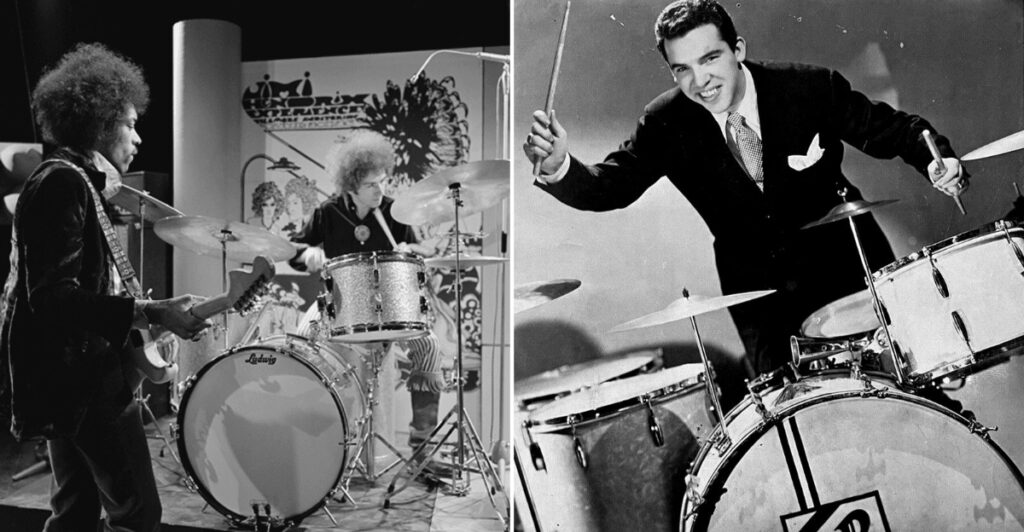
5. Fire – The Jimi Hendrix Experience (Mitch Mitchell)
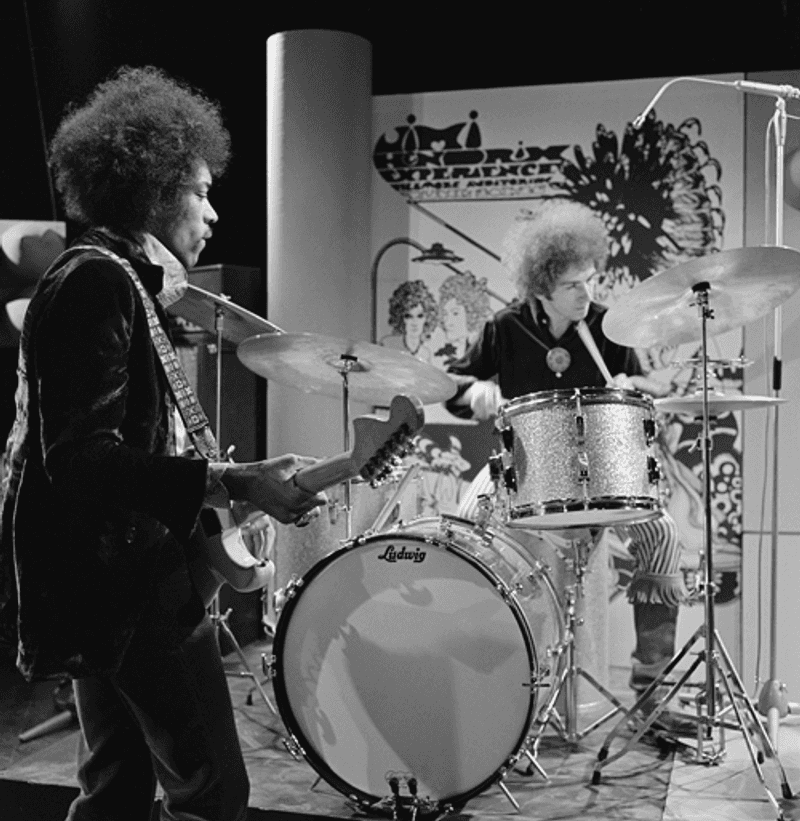
Mitch Mitchell came from a jazz background before joining the Jimi Hendrix Experience in 1966, and that training is all over his performance on “Fire” from the 1967 debut album “Are You Experienced.”
The track moves at a brisk pace, and Mitchell’s snare work during the chorus uses a loose, rolling technique that contrasts sharply with the locked-in style most rock drummers of the era favored.
He improvised slightly differently on each take during recording sessions, which was uncommon for studio work in the 1960s and gave the final version a live-performance energy.
Mitchell’s ability to support Hendrix’s improvisation without overplaying made him essential to the band’s sound, and “Fire” remains a key example of how a drummer can drive a song without dominating it.
6. 46 & 2 – Tool (Danny Carey)
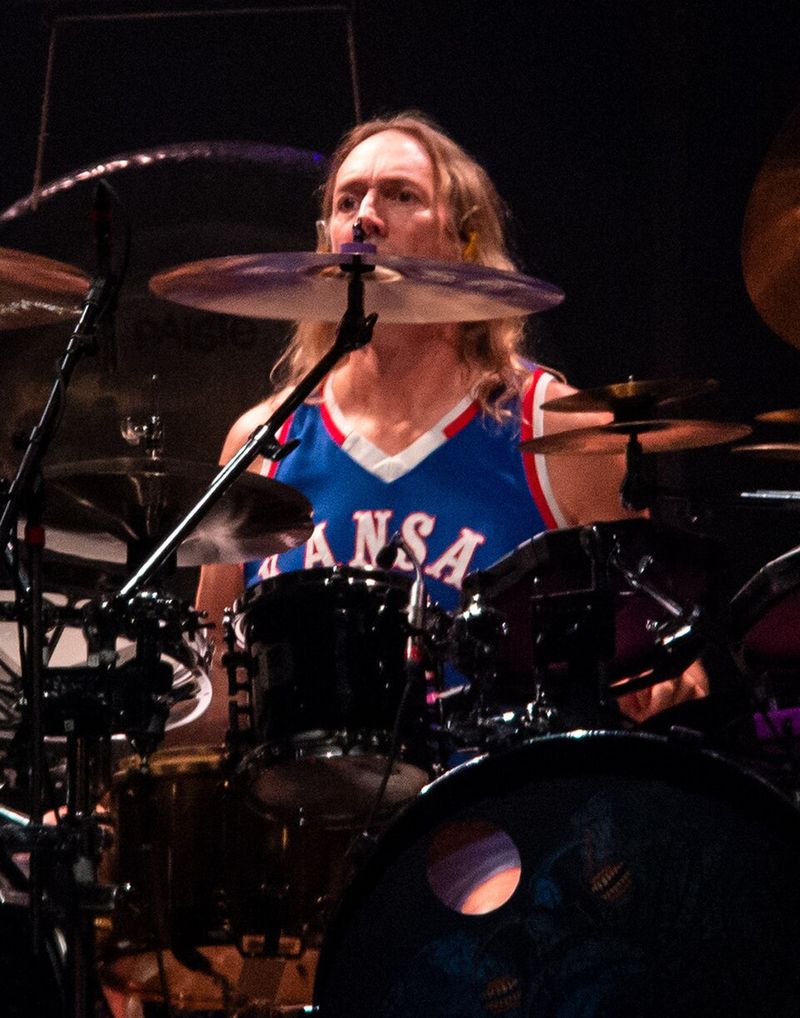
“46 and 2” from Tool’s 1996 album “Aenima” gave Danny Carey a platform to demonstrate how polyrhythmic drumming can serve a song’s emotional arc rather than just its technical requirements.
The track runs just over eight minutes, and Carey’s part shifts from sparse, deliberate hits in the verses to full-kit patterns in the chorus without ever losing the song’s underlying pulse.
Carey uses a large kit that includes orchestral bells, electronic pads, and an extended cymbal setup, which allows him to add tonal variety that most rock drummers simply cannot access.
Live performances of the song have been analyzed by drumming instructors worldwide, and the ride cymbal pattern Carey plays during the bridge is frequently cited as a masterclass in rhythmic restraint and precise timing.
7. Sing, Sing, Sing – Benny Goodman Orchestra (Gene Krupa)
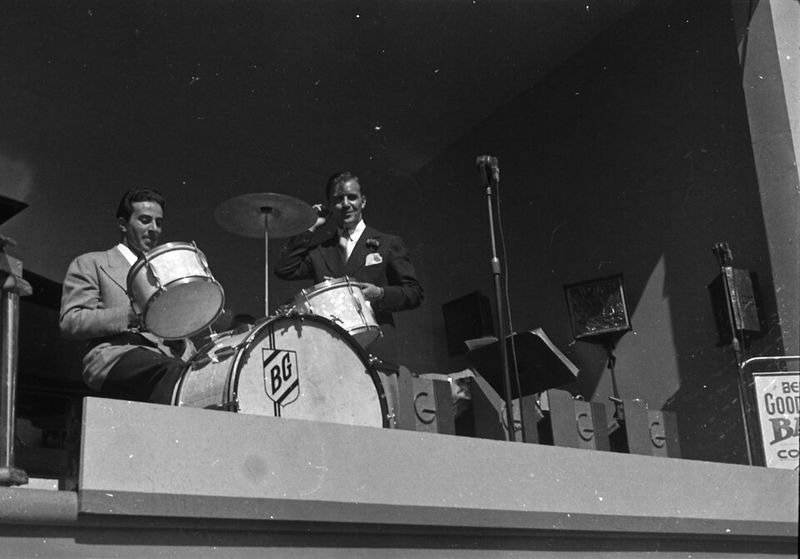
When the Benny Goodman Orchestra recorded “Sing, Sing, Sing” in 1937, Gene Krupa’s drum part transformed what was considered acceptable behavior for a band drummer in a live or studio setting.
Krupa played with visible, physical intensity that audiences in the 1930s found genuinely shocking, because drummers were expected to stay quiet and invisible in the background of big band arrangements.
The Carnegie Hall performance of the song in January 1938 is frequently cited as the moment when jazz drumming became a spectator sport, with Krupa’s extended tom-tom passage drawing extended applause mid-song.
That 1938 Carnegie Hall concert was recorded and eventually released commercially in 1950, and the Krupa sections remain among the most replayed portions of what critics consider one of the most important concert recordings in American music history.
8. Good Times Bad Times – Led Zeppelin (John Bonham)
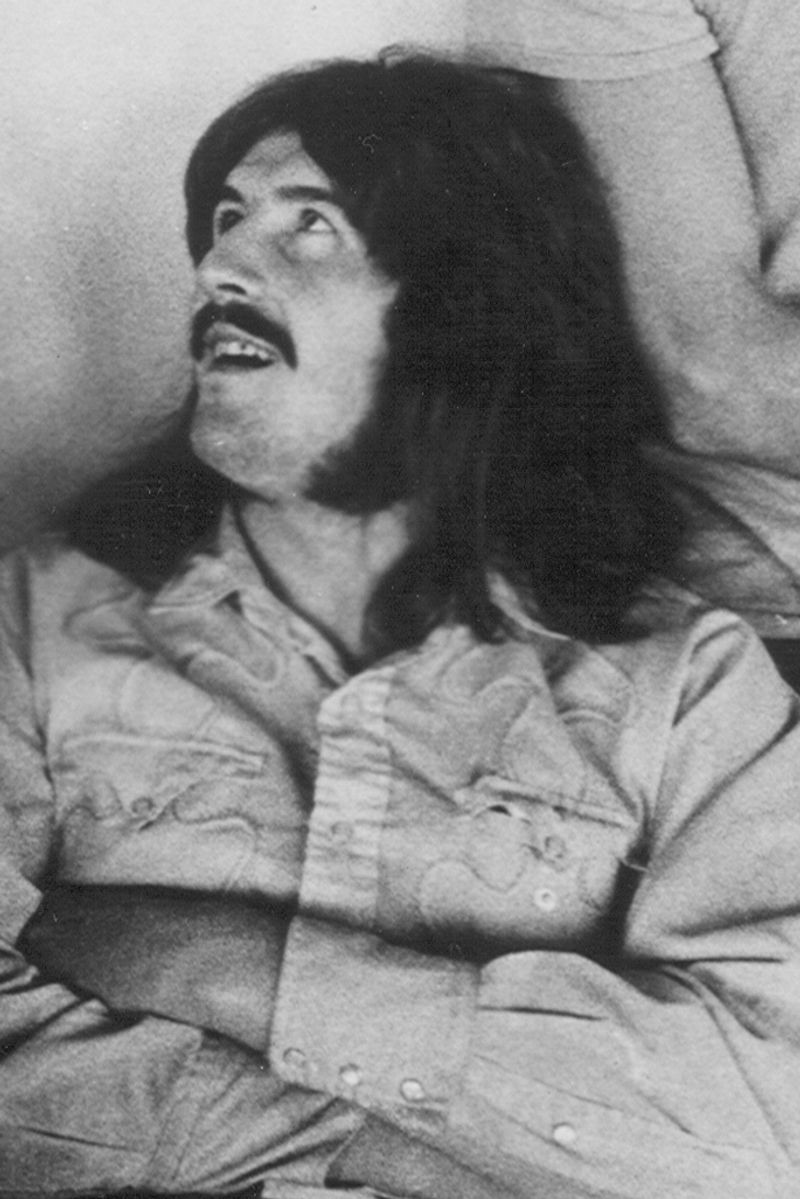
“Good Times Bad Times” appeared as the opening track on Led Zeppelin’s 1969 debut album, and John Bonham’s bass drum pattern in the chorus immediately announced that something different was happening in rock music.
Bonham played a triplet pattern on the bass drum during the chorus, which meant his right foot was executing a jazz-influenced figure that most rock drummers of 1969 were not trained to play.
Producer Jimmy Page later confirmed that engineers struggled to capture the bass drum sound accurately, because the drum room at Olympic Studios was not designed for the volume and low-frequency punch Bonham naturally produced.
The recording became a reference point for studio engineers working with rock drummers throughout the 1970s, and the bass drum sound on that track is still analyzed in audio engineering courses today.
9. Caravan – Buddy Rich
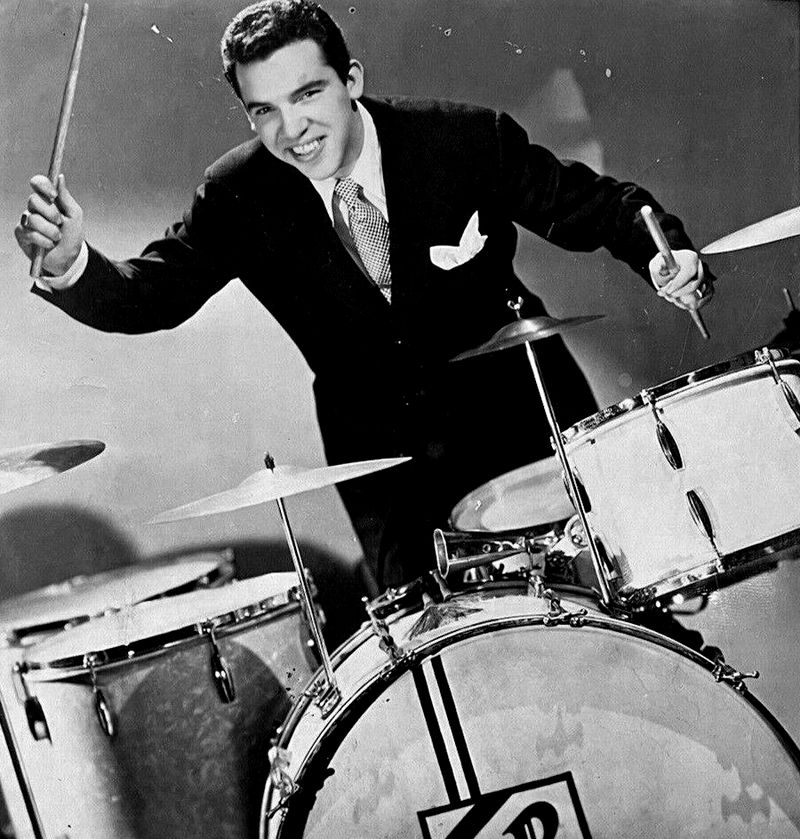
Buddy Rich’s version of “Caravan” became one of the most studied drum performances in jazz history, not because of a single solo moment but because of how he commanded the entire arrangement.
Rich led his own big band starting in 1966, and his live recordings of “Caravan” from the late 1960s and 1970s show a drummer who treated the kit as both a rhythmic engine and a melodic instrument.
His single-stroke roll speed was documented at a level that researchers and fellow drummers found difficult to verify without slow-motion footage, which became available decades later.
Rich never formally studied drums, learning entirely by observation and practice from childhood, which makes the technical precision he brought to complex arrangements like “Caravan” all the more remarkable as a historical fact.
10. Toxicity – System of a Down (John Dolmayan)
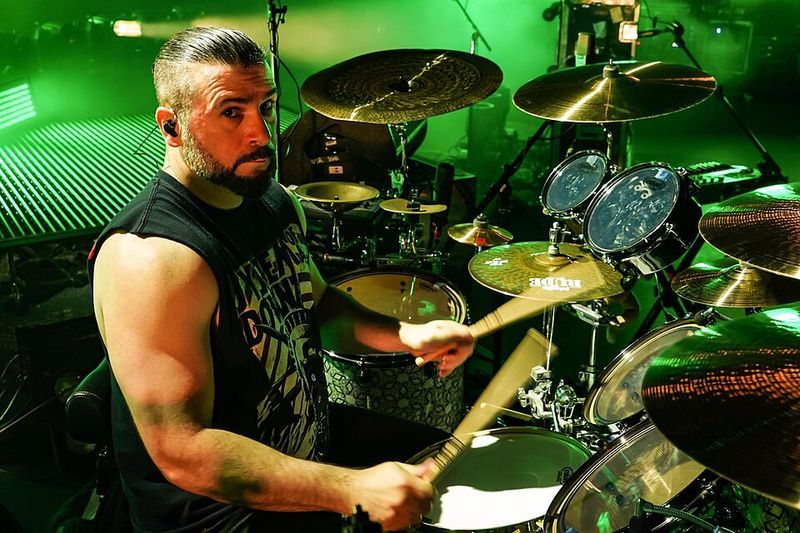
“Toxicity” from System of a Down’s 2001 album of the same name gave John Dolmayan a structure that demanded constant metric flexibility within a hard rock format.
The song shifts between a driving verse pattern and a slower, more deliberate chorus, and Dolmayan navigates those transitions without using fill patterns as a crutch, which is harder than it sounds at performance tempo.
Dolmayan grew up listening to jazz and classic rock, and both influences show in the way he approaches accent placement rather than simply filling every available space with activity.
The album sold over twelve million copies worldwide, which means Dolmayan’s performance reached an enormous audience, many of whom were hearing this style of rhythmically complex hard rock for the first time in a mainstream commercial context.
11. Digital Bath – Deftones (Abe Cunningham)
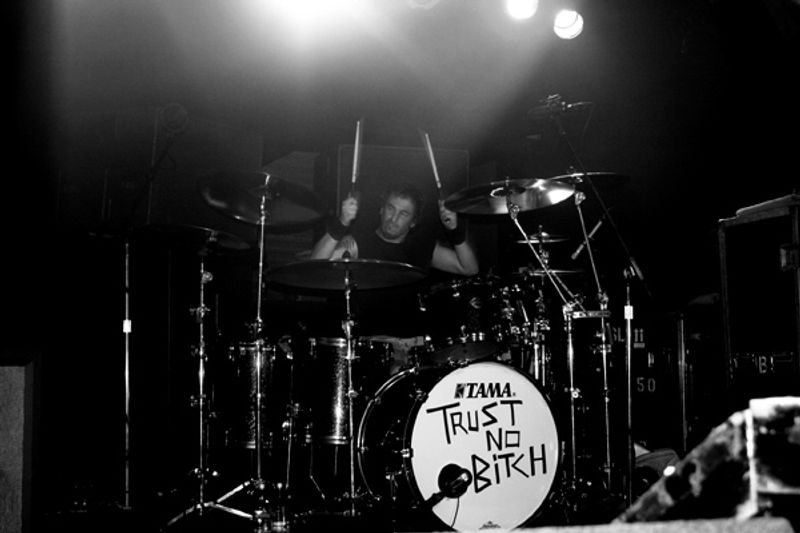
“Digital Bath” from the Deftones’ 2000 album “White Pony” is one of the quieter tracks in the band’s catalog, and Abe Cunningham’s drum performance is built almost entirely on restraint.
Cunningham plays with brushes rather than sticks for much of the song, which was an unusual choice for a band associated with heavy alternative music, and the decision paid off by giving the track a textural contrast that heavier playing would have eliminated.
His cymbal work on the song uses a slow, deliberate ride pattern that locks with the bass guitar rather than the rhythm guitar, creating a rhythmic anchor that sits lower in the mix than typical rock drumming.
“White Pony” debuted at number three on the Billboard 200, and Cunningham’s understated contributions to tracks like “Digital Bath” were frequently cited by critics as central to the album’s crossover appeal.
12. Take Five – The Dave Brubeck Quartet (Joe Morello)
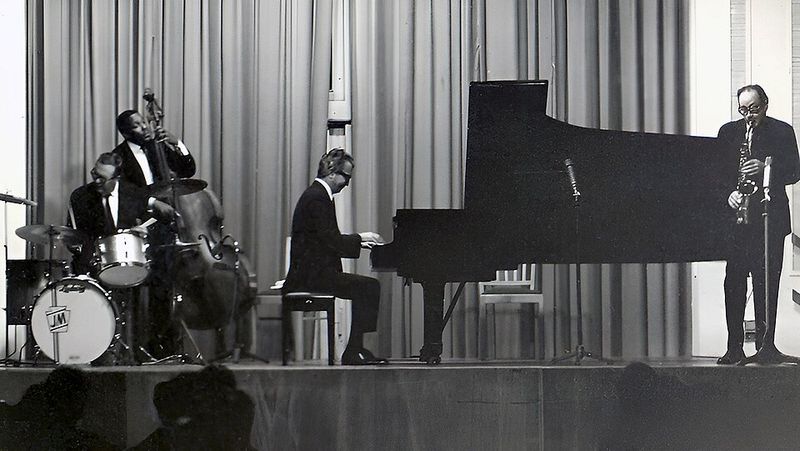
“Take Five” from the Dave Brubeck Quartet’s 1959 album “Time Out” is built on a 5/4 time signature, and Joe Morello’s drum part is the reason the song does not feel awkward despite that unusual meter.
Morello plays a repeating cymbal pattern that groups the five beats into a 3-2 feel, which gives listeners an instinctive rhythmic anchor even if they have never counted an odd meter in their lives.
The song was written by saxophonist Paul Desmond, but Brubeck later credited Morello’s groove as the element that made the track feel accessible rather than academic.
“Time Out” became the first jazz album to sell over one million copies, and Morello’s performance on “Take Five” is considered one of the clearest examples of how a drummer can make complex music feel completely natural.
13. Fool in the Rain – Led Zeppelin (John Bonham)
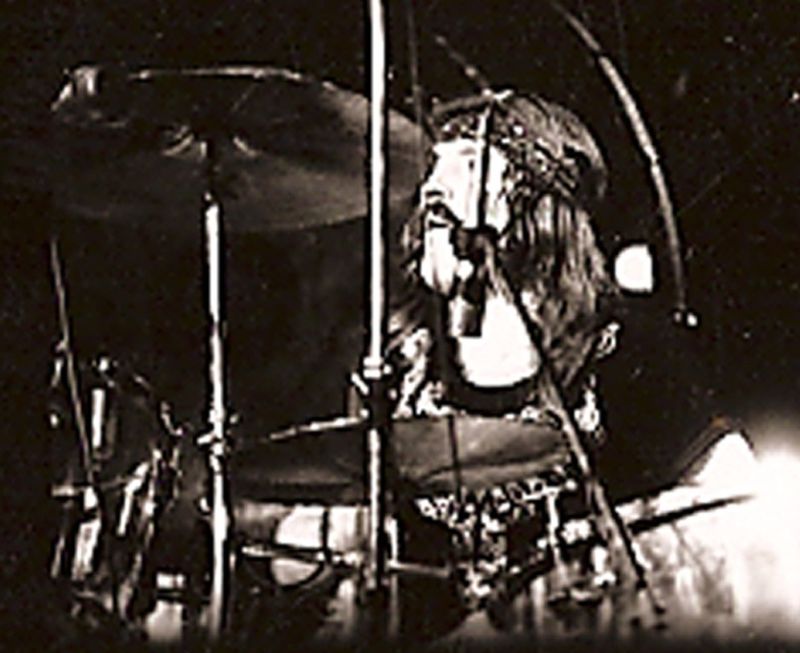
“Fool in the Rain” from Led Zeppelin’s 1979 album “In Through the Out Door” contains a half-time shuffle in the verse that became one of the most studied patterns in rock drumming instruction.
Bonham plays the shuffle with a ghost-note technique on the snare that creates a layered rhythmic texture, meaning he hits the snare at two different volumes within the same bar to produce a rolling, forward-moving feel.
The song’s bridge shifts into a samba rhythm, which Bonham had reportedly learned by listening to Brazilian records, and the transition between the shuffle and the samba is executed without any audible hesitation.
Drumming instructors at institutions including the Berklee College of Music have used the verse pattern from “Fool in the Rain” as a foundational teaching example for groove-based drumming since the early 1980s.
14. Painkiller – Judas Priest (Scott Travis)
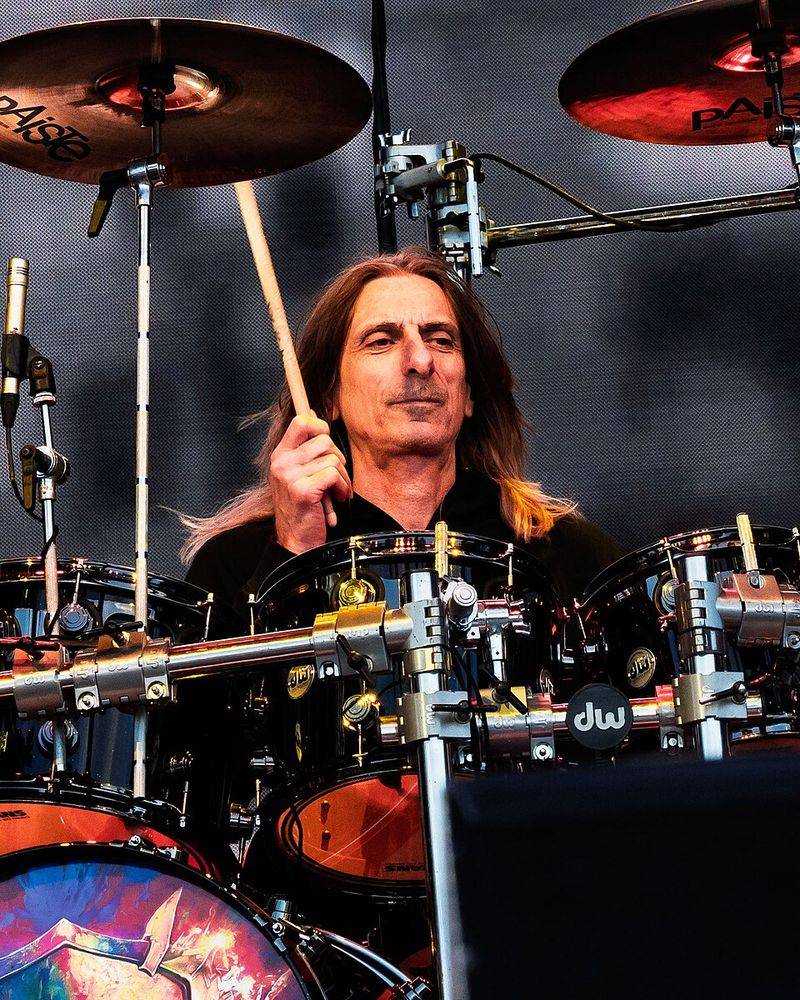
Scott Travis joined Judas Priest in 1989, and the title track of the band’s 1990 album “Painkiller” gave him a platform that few metal drummers have matched in terms of sustained technical demand across a full song.
The track opens with a drum solo that runs nearly thirty seconds before the rest of the band enters, which was an unusual structural choice for a metal song and immediately placed Travis at the center of the listener’s attention.
Travis plays double bass drum throughout most of the song at a tempo that sits around 220 beats per minute, maintaining consistency across the full six-minute runtime without audible fatigue.
“Painkiller” is consistently ranked among the most demanding drum performances in heavy metal, and Travis’s work on the album is credited with raising the technical standard expected of drummers entering the metal genre in the 1990s.
15. Bleed – Meshuggah (Tomas Haake)
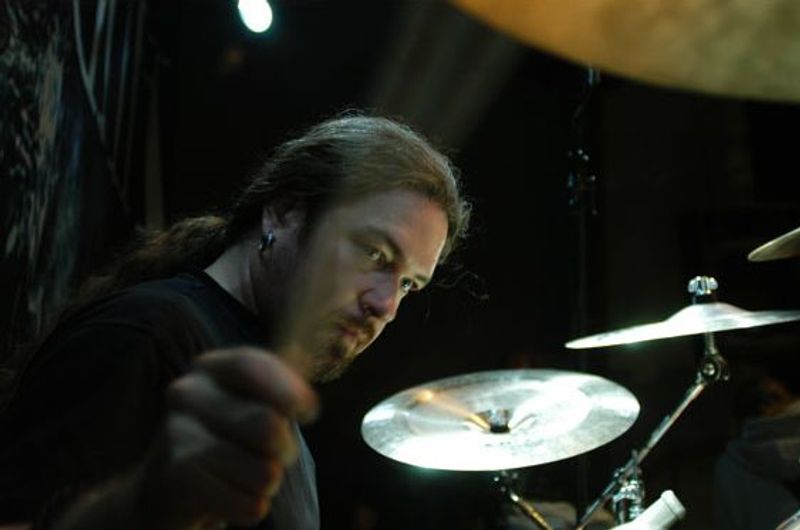
“Bleed” from Meshuggah’s 2008 album “obZen” asks the drummer to maintain a 4/4 bass drum pattern with both feet while the hands play a completely independent rhythmic figure, a technique called polyrhythmic independence.
Tomas Haake sustains this pattern for approximately six minutes, which is physically demanding in a way that most drummers who attempt the part in practice settings cannot replicate for the full duration.
Haake uses an electronic trigger on his bass drum to ensure consistency in the recording, but his live performances of the song rely on acoustic technique, and the difference between the two is minimal.
“Bleed” has been called the most technically difficult drum performance in recorded metal by multiple professional drummers in published interviews, and it remains a benchmark against which extreme drumming performances are measured.
16. Aja – Steely Dan (Steve Gadd)
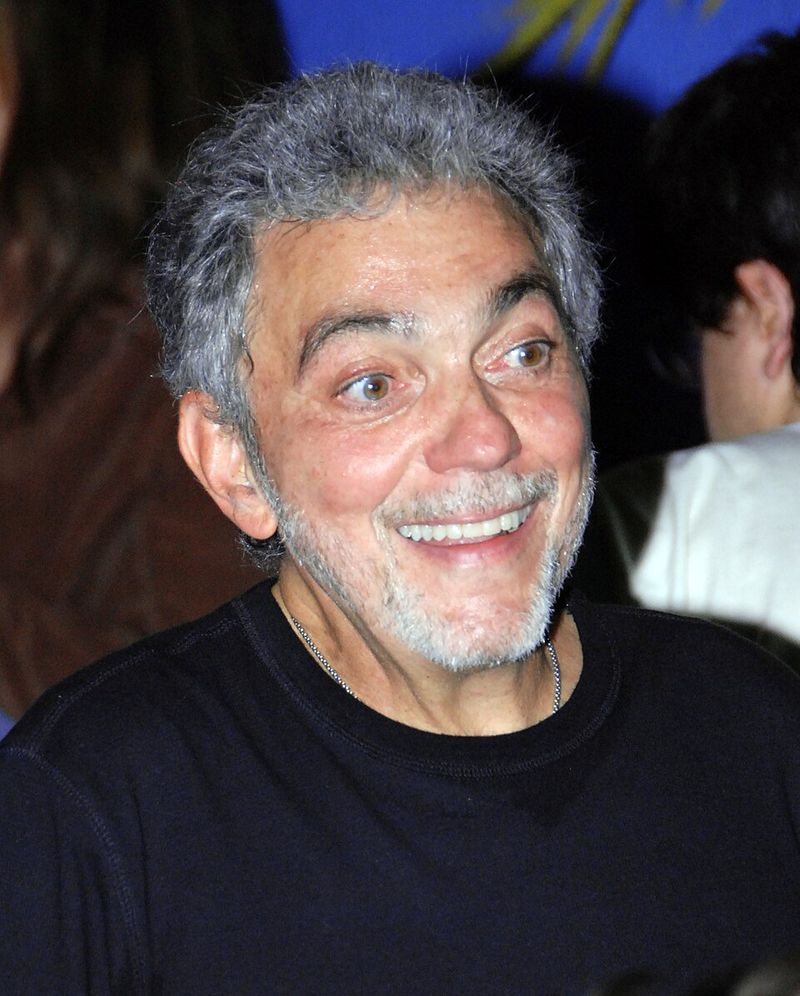
Steve Gadd’s drum performance on the title track of Steely Dan’s 1977 album “Aja” is eleven minutes long and required multiple passes during a recording session that producers Walter Becker and Donald Fagen described as unusually demanding even by Steely Dan’s standards.
The track’s drum part shifts feel and tempo across several distinct sections, and Gadd navigates each transition while maintaining the metronomic precision that Becker and Fagen required of every musician who worked in their studio.
Gadd played the track without a click track for portions of the session, relying on internal tempo control that engineers later confirmed was accurate to within milliseconds across the full length of the recording.
“Aja” won the Grammy Award for Best Engineered Recording in 1978, and Gadd’s performance was specifically cited by the Recording Academy as a contributing factor in the album’s technical achievement.
Share this story