Delaware may be small, but it is rich in history. From remarkably preserved colonial towns to grand Gilded Age estates, the First State offers countless places where the past feels close at hand.
Whether you’re exploring historic museums, strolling centuries-old streets, or touring landmark homes, these 13 destinations provide a fascinating glimpse into Delaware’s heritage. Each offers a unique window into the people and events that helped shape the state.
1. Historic New Castle, New Castle, Delaware
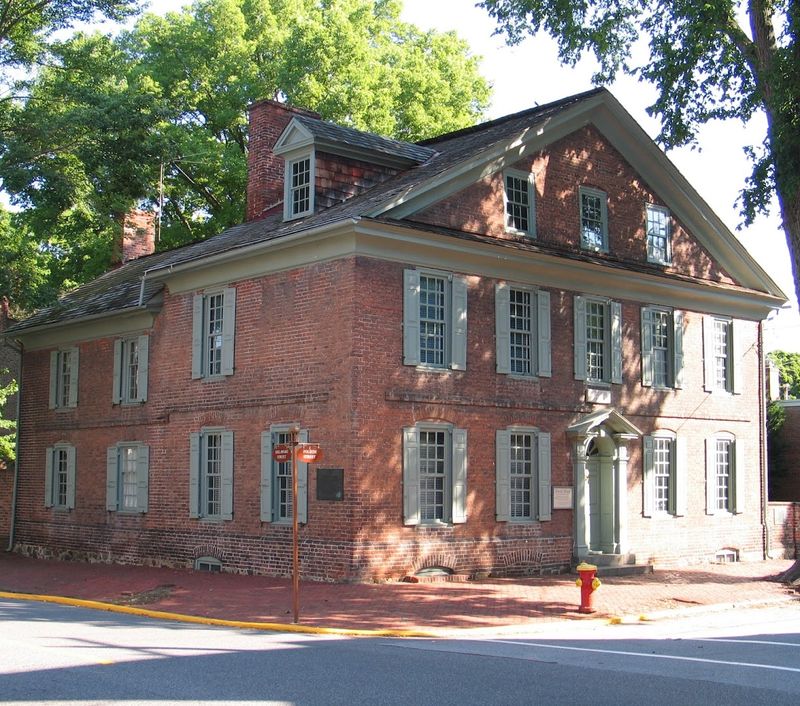
Few towns in America have held onto their colonial identity as stubbornly as Historic New Castle. Continuously inhabited since 1651, the town looks and feels like a place that politely refused to let the modern world rearrange its furniture.
The brick sidewalks, The Green, and Delaware Street form the core of the historic district, where Federal and colonial buildings stand shoulder to shoulder without a strip mall in sight. Over 500 historic structures are preserved here, making it one of the most intact colonial streetscapes on the East Coast.
Visitors can spend a full afternoon simply wandering from the waterfront to the old churches and back again. Immanuel Episcopal Church on The Green is among the oldest in the nation and worth a stop on its own. New Castle rewards patience and curiosity in equal measure.
2. New Castle Court House Museum, New Castle, Delaware
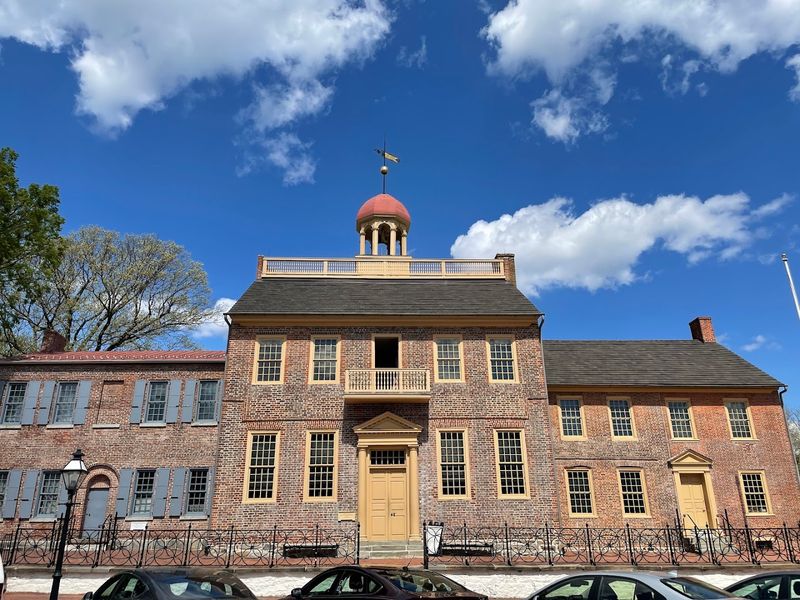
Back in 1776, this courthouse was the setting for one of Delaware’s most consequential moments: the formal separation from Pennsylvania and England. That is not a small detail to walk past on your way to the gift shop.
The New Castle Court House Museum anchors the historic district with a building that still feels central to the town’s identity. Inside, exhibits trace the story of colonial government, early legal proceedings, and the political decisions that helped shape Delaware into its own distinct state.
The architecture alone is worth the visit. The red brick exterior and cupola have barely changed since the building was completed, and the interior preserves the layout of a working colonial courthouse with impressive care. Guided tours are available and add considerable depth to what you see on the walls and in the display cases. History class never looked this good.
3. Read House and Gardens, New Castle, Delaware
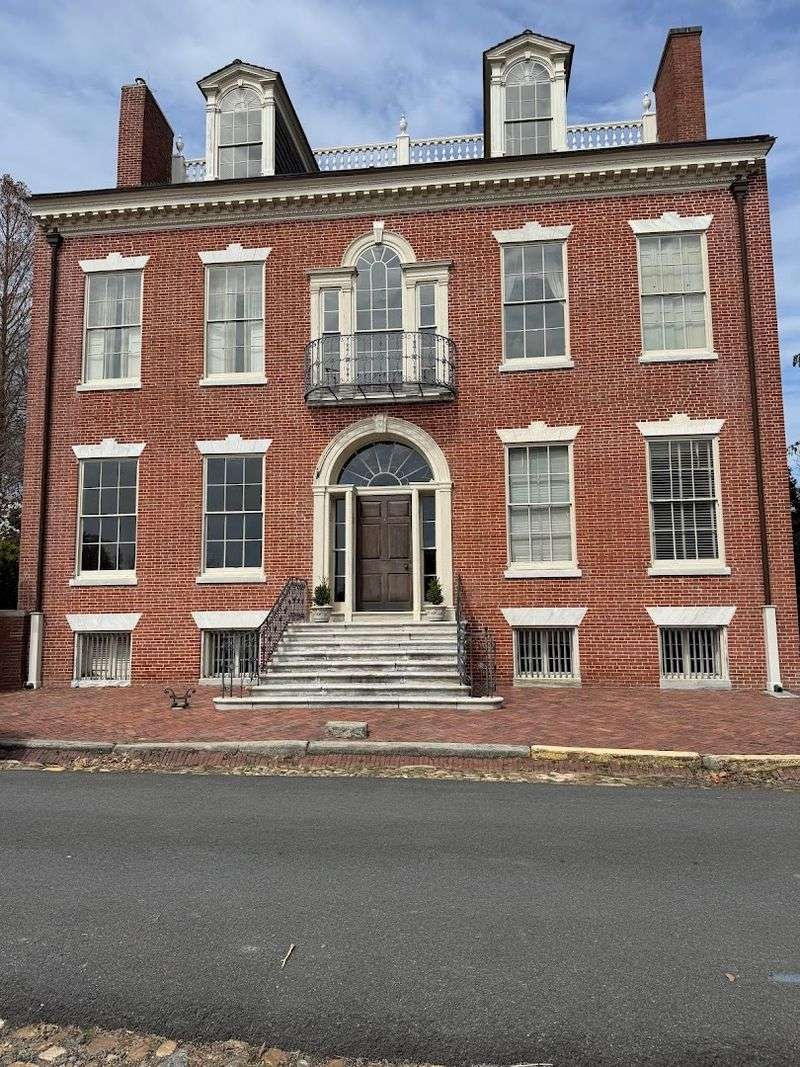
At 14,000 square feet, the Read House is the largest historic house in Delaware, and it earns every inch of that title. Built between 1797 and 1804 for George Read II, whose father signed the Declaration of Independence, the house carries a family legacy that is hard to overstate.
The Federal-style architecture is polished and precise, with elegant interiors that reflect the tastes of a prosperous early American family. The gardens, developed between 1848 and the 1930s, cover 2.5 acres and provide a pleasant outdoor counterpart to the formal rooms inside.
What makes the Read House stand apart from other historic homes is the combination of architectural ambition and personal family history. This was not a public building or a government seat. It was a home, and that lived-in quality gives the visit a different kind of weight. It is a National Historic Landmark and genuinely worth the visit.
4. Hagley Museum and Library, Wilmington, Delaware
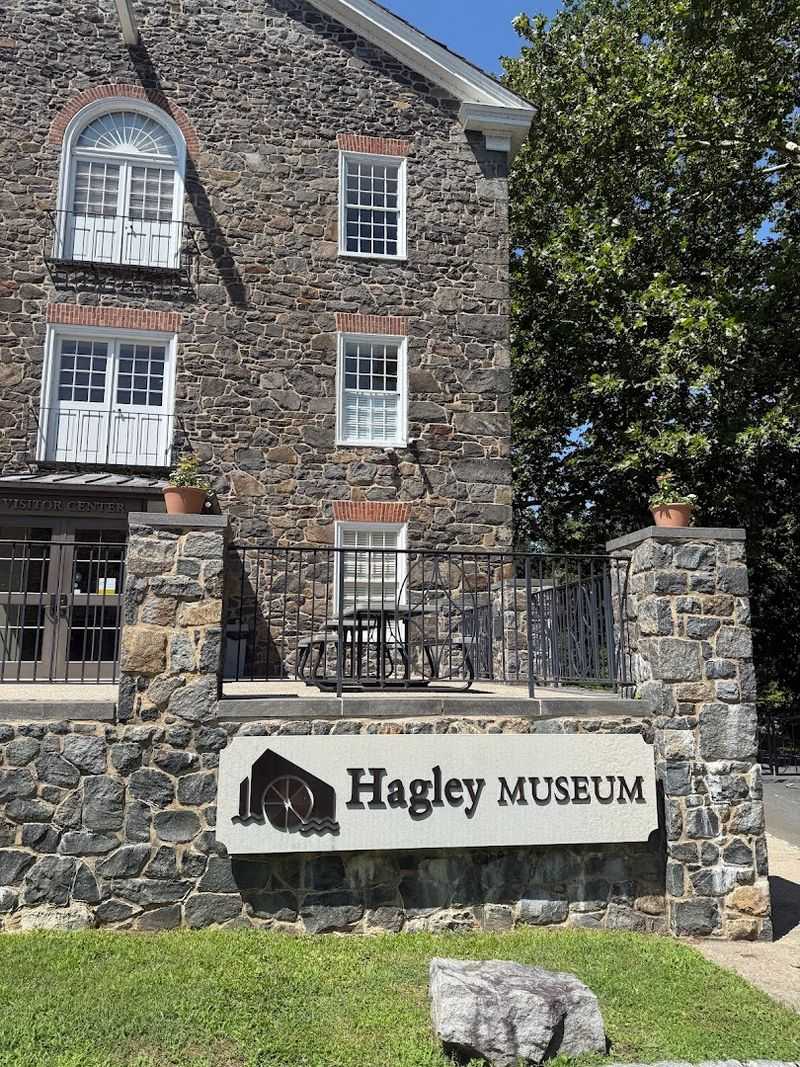
Most industrial history museums feel like they are trying to make machinery interesting. Hagley does not have that problem, because the setting along the Brandywine River does half the work before you even walk through the door.
Established in 1802 by Eleuthère Irénée du Pont, the original gunpowder mills here helped fuel American industry for over a century. The restored powder yards, workers’ homes, and early machinery tell the story of how one family’s enterprise grew into one of the most influential companies in American history.
The museum covers about 235 acres, which means there is plenty of ground to cover on foot. Visitors can tour the du Pont family home, Eleutherian Mills, and explore the workers’ community that grew up around the operation. The mix of industrial history, family story, and riverside scenery makes Hagley one of the most layered and rewarding historic sites in the entire state.
5. Winterthur Museum, Garden and Library, Winterthur, Delaware
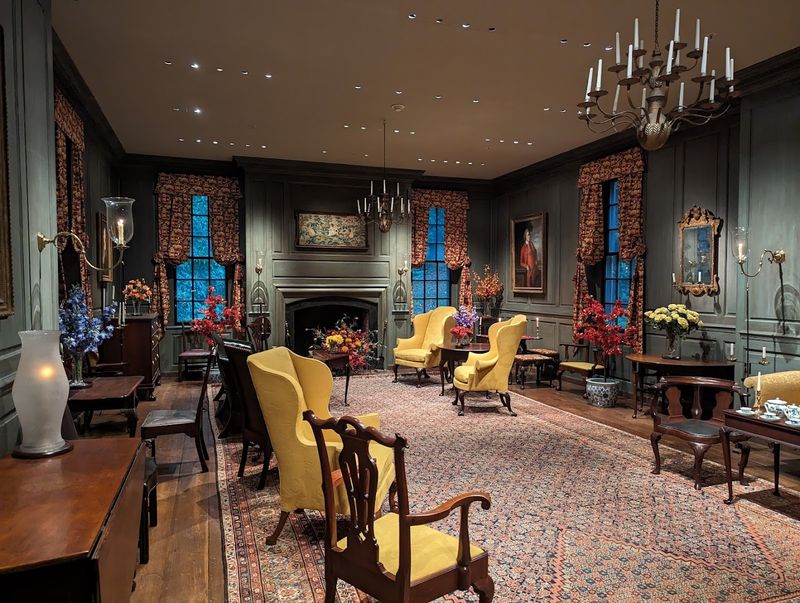
Henry Francis du Pont spent decades turning Winterthur into one of the most extraordinary collections of American decorative arts ever assembled, and the result is a museum that manages to feel both grand and deeply personal at the same time.
The estate holds more than 90,000 objects made or used in America between 1640 and 1860, displayed across 175 period rooms that were designed to show how these pieces actually functioned in everyday life. The attention to historical accuracy in each room is remarkable, and the sheer variety of objects means there is always something unexpected to find around the next corner.
Beyond the house, the 1,000-acre garden is a destination on its own. Designed by du Pont himself, it follows naturalistic principles with carefully planned seasonal displays. The combination of indoor collections and outdoor landscape makes Winterthur a full-day visit that covers an unusual range of American history and design. Plan accordingly.
6. Nemours Estate, Wilmington, Delaware
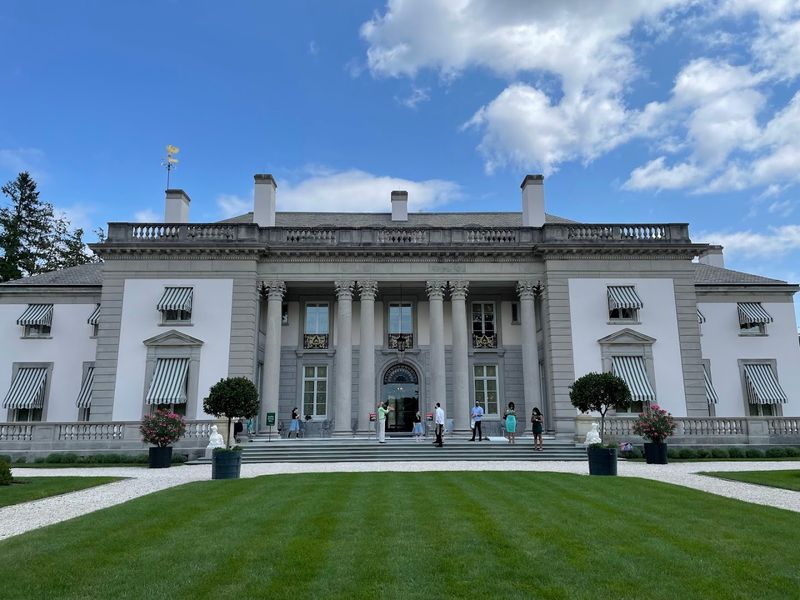
Alfred I. du Pont completed Nemours in 1910, and the estate has been turning heads ever since. Modeled after French neoclassical design, the 77-room mansion and its formal gardens are the closest thing Delaware has to a full-scale European palace experience.
The gardens stretch nearly a third of a mile along a central axis, with fountains, reflecting pools, and sculpted hedges arranged in the grand French formal tradition. The scale is genuinely impressive, and the attention to detail in both the house and the grounds reflects the ambitions of a family that was not shy about doing things at a large scale.
After a major restoration, Nemours reopened with expanded public access and updated museum exhibits that cover both the architecture and the du Pont family history. Guided tours of the mansion walk visitors through rooms that have been meticulously restored to their early 20th-century appearance. It is a Gilded Age experience without the airfare to Europe.
7. Rockwood Park and Museum, Wilmington, Delaware
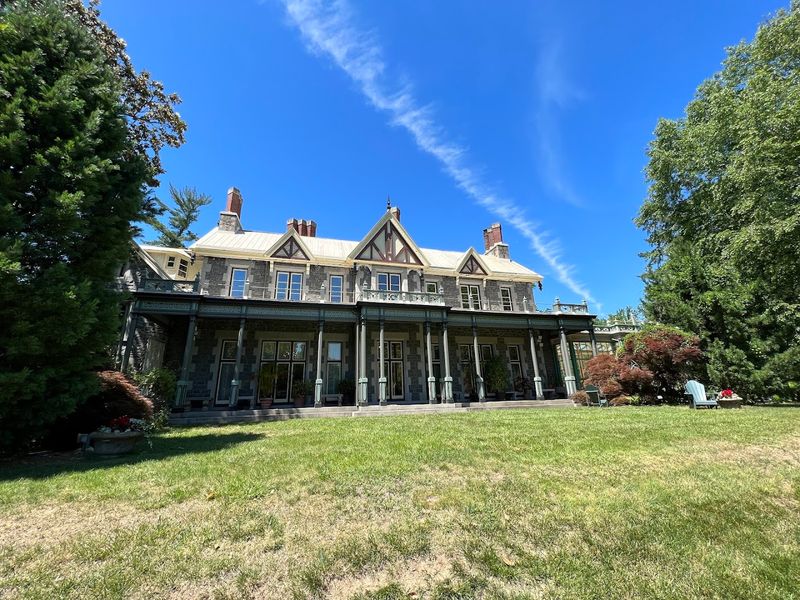
Rockwood Mansion was built in 1851 for Joseph Shipley, a Quaker merchant who wanted a country retreat outside Wilmington, and the estate still carries that sense of private retreat even though it is now a public park and museum.
The house is a fine example of Rural Gothic Revival architecture, a style that was popular in mid-19th-century America and favored picturesque, asymmetrical designs meant to blend with natural landscapes. The interior is furnished with Shipley family pieces and gives visitors a clear picture of prosperous Victorian domestic life.
The surrounding parkland adds to the appeal. Mature trees, open lawns, and garden areas create a setting that feels removed from the city even though Wilmington is close by. Rockwood hosts seasonal events and tours throughout the year, which give different reasons to return across the seasons. For anyone interested in Victorian history without the formality of a grand estate, Rockwood hits a comfortable middle ground.
8. Historic Odessa Foundation, Odessa, Delaware
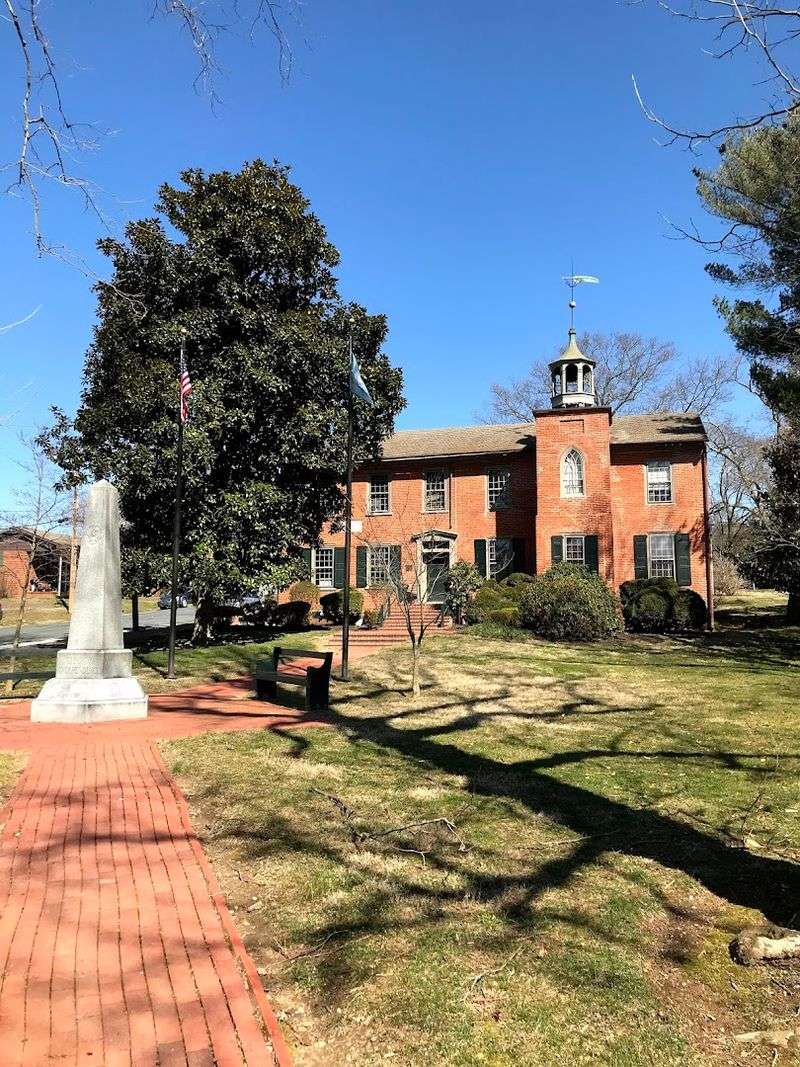
Founded as a Dutch settlement in the 1660s and later developed as an important grain shipping port, Odessa is one of Delaware’s oldest and most quietly impressive historic towns. The wealth generated by grain trade left behind a collection of Federal-style architecture that has survived remarkably intact.
The Historic Odessa Foundation preserves several key properties, including the Corbit-Sharp House from 1774, the Wilson-Warner House from 1769, and the Collins-Sharp House, which dates to around 1730 and is one of Delaware’s oldest standing structures. The Corbit-Sharp House is a National Historic Landmark and also a designated site on the Harriet Tubman Underground Railroad Byway.
Odessa is small enough to cover in a few hours but rich enough in history to justify a longer visit, especially during seasonal tours and events. The preserved streetscape gives the town a coherence that larger historic districts sometimes lack. It rewards visitors who enjoy history told through buildings rather than just exhibits.
9. First State Heritage Park, Dover, Delaware
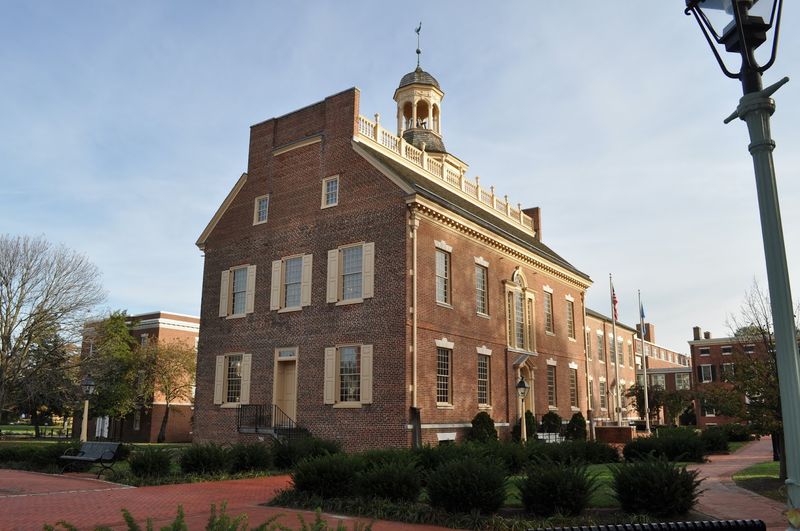
Dover’s historic Green was where Delaware ratified the U.S. Constitution in 1787, earning the state its enduring nickname, the First State. First State Heritage Park brings that founding-era story to life by connecting several key landmarks into one walkable historic district.
The park is not a single building or fenced attraction. It is a collection of interconnected sites around The Green, including the Old State House, the John Bell House, the Legislative Hall, and several museums that cover different chapters of Delaware history. The John Bell House is Dover’s oldest wooden structure and offers living history programs that go beyond standard exhibit formats.
Visitors can pick up a walking tour map and move through the sites at their own pace, which makes the experience feel less like a scheduled museum visit and more like an open-ended exploration of a genuinely historic neighborhood. The scale is manageable, the history is substantial, and parking is not too difficult to find either.
10. The Old State House, Dover, Delaware
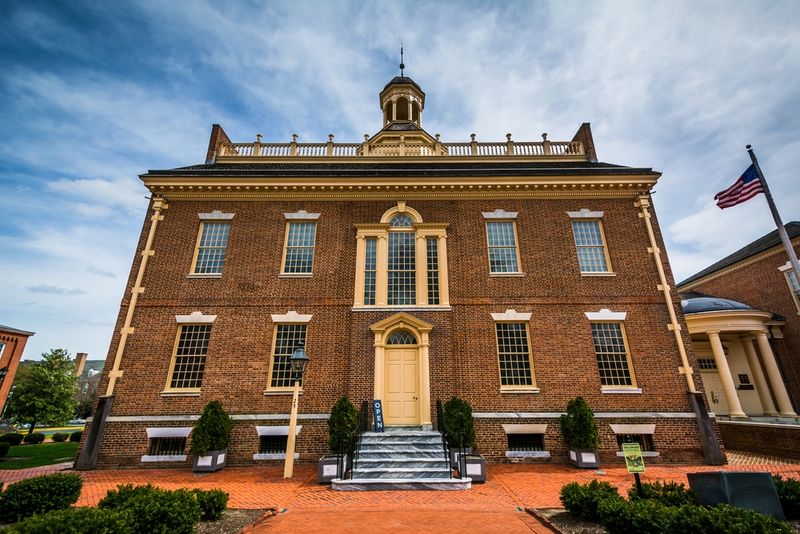
Completed in 1791, the Old State House is one of the oldest surviving state capitol buildings in the United States, and it has the kind of compact, dignified presence that makes a strong impression without needing to be the largest building on the block.
The building served as Delaware’s seat of government for over a century and was carefully restored in the 20th century to reflect its late 18th-century appearance. Inside, the restored courtroom, legislative chambers, and portrait gallery give visitors a direct connection to Delaware’s early political history in a format that feels immediate rather than distant.
The location on The Green ties the Old State House to the broader First State Heritage Park experience, but it also stands well on its own as a focused historic stop. The building is managed by the Delaware Division of Historical and Cultural Affairs and is open for guided tours. It is a compact visit with an outsized amount of history packed inside.
11. John Dickinson Plantation, Dover, Delaware
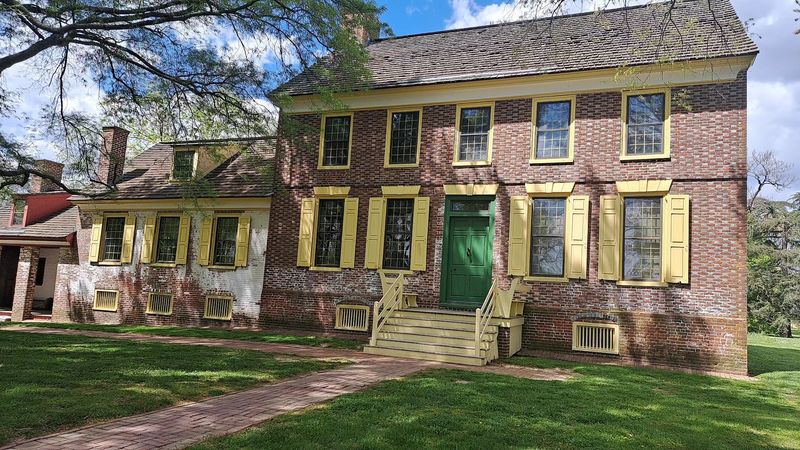
John Dickinson was one of the most important political writers of the American founding era, known as the Penman of the Revolution for his influential pamphlets arguing against British taxation. His plantation outside Dover, intact from 1771, offers a rare chance to connect that historical reputation to a real, physical place.
The preserved house, farm buildings, and grounds reflect both the comfortable life of a prominent Delaware family and the broader social and labor history connected to the plantation. Exhibits address the full picture of plantation life, including the experiences of enslaved people who lived and worked on the property, which adds important context to the visit.
The rural setting reinforces the sense of historical distance in a way that urban historic sites sometimes cannot replicate. Managed by the Delaware Division of Historical and Cultural Affairs, the plantation offers guided tours and seasonal programming. It is a thoughtful and grounded historic experience that goes well beyond a standard house tour.
12. Zwaanendael Museum, Lewes, Delaware
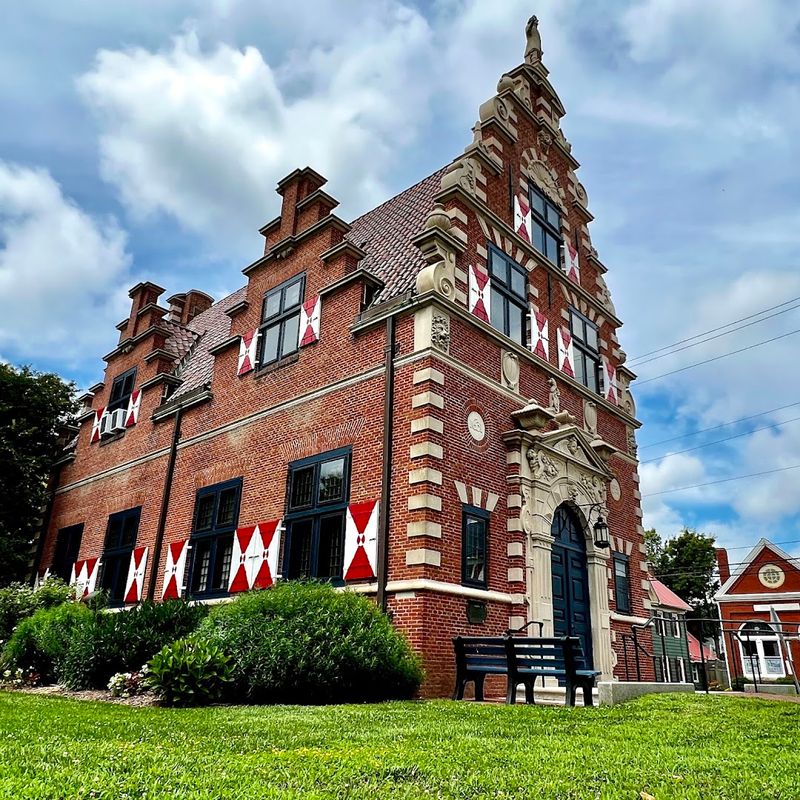
The name alone is worth the trip. Zwaanendael, meaning swan valley in Dutch, was the name given to the first European settlement in Delaware, established by Dutch whalers in 1631 on the site of what is now Lewes. The museum built to honor that history looks exactly as distinctive as the story it tells.
Modeled after the town hall of Hoorn in the Netherlands, the building features an ornate Dutch Renaissance Revival facade with a stepped gable roofline that stands out dramatically against the modest surrounding streetscape. It was completed in 1931 to mark the 300th anniversary of the original settlement.
Inside, exhibits cover Lewes’s maritime history, early European settlement, and the shipwrecks that have occurred along the Delaware coast over the centuries. The combination of an architecturally unique building and genuinely interesting local history makes Zwaanendael one of the most memorable small museums in the state. It punches well above its size.
13. Indian River Life-Saving Station, Rehoboth Beach, Delaware
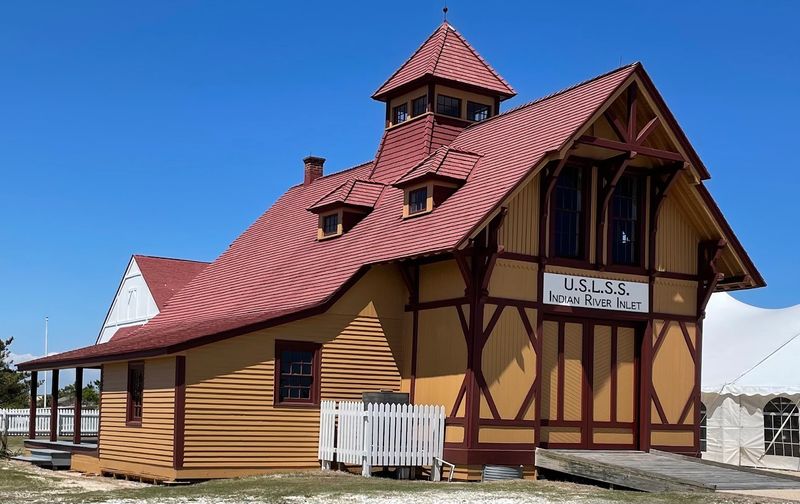
Built in 1876, the Indian River Life-Saving Station is a surviving piece of a coastal rescue network that once stretched along the entire Atlantic seaboard. Before the U.S. Coast Guard existed, crews stationed at buildings like this one were responsible for watching the ocean and responding to ships in distress along one of the most dangerous stretches of the East Coast.
The fully restored station now operates as a museum with exhibits covering maritime history, rescue techniques, and the daily lives of the surfmen who staffed these outposts through harsh coastal winters. Historic reenactors periodically demonstrate turn-of-the-century rescue methods, including the Lyle gun and breeches buoy system used to pull survivors from wrecked ships.
The location near the dunes adds to the atmosphere in a way that a typical indoor museum cannot replicate. The building itself is well preserved and photogenic, and the exhibits are detailed enough to hold the attention of visitors who arrive without any prior knowledge of Life-Saving Service history.
Share this story