Most people don’t expect to find a Rembrandt, a Frank Lloyd Wright-designed library, and Tiffany stained glass windows in downtown Allentown. Yet the Allentown Art Museum brings together all three, along with more than 17,000 works spanning nearly 2,000 years of art, and admission is completely free.
Visitors can explore European masterpieces, American art by Keith Haring and Franz Kline, an internationally significant textile collection, and Tiffany windows that illuminate with a sunrise effect twice every hour. Add free parking and rotating exhibitions, and it’s easy to see why this museum has become one of Pennsylvania’s most rewarding cultural attractions.
Here’s why the Allentown Art Museum deserves a spot on every Lehigh Valley itinerary, whether you’re an art enthusiast or simply looking for one of the state’s best free attractions.
A Downtown Address That Punches Above Its Weight
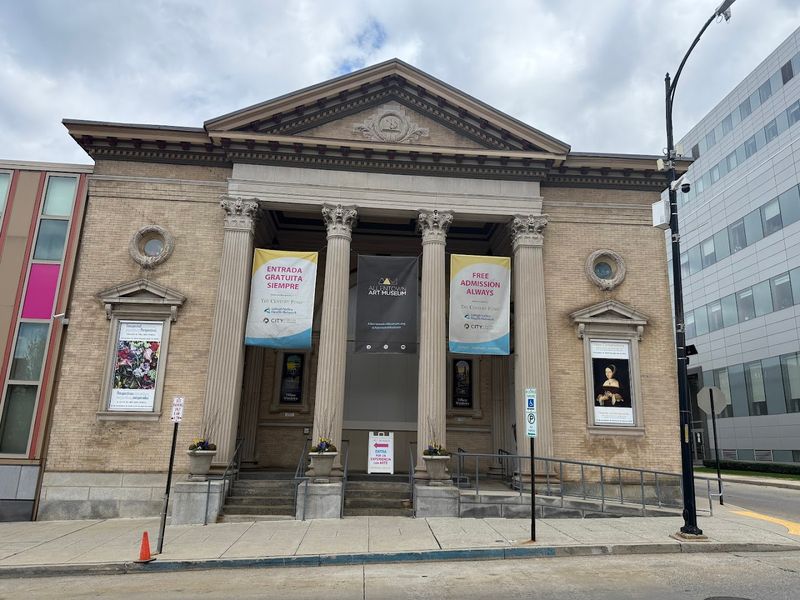
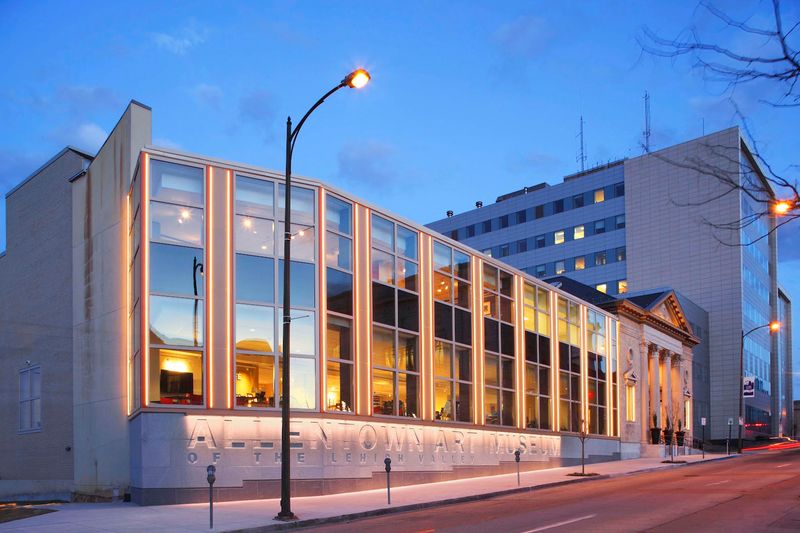
The Allentown Art Museum sits at 31 N 5th St, Allentown, PA 18101, right in the heart of downtown Lehigh Valley, Pennsylvania. The address is easy to reach, and there is a free parking lot directly next to the entrance, which already puts it ahead of most city museums before you even step inside.
The building itself is clean, well-maintained, and more spacious than its exterior suggests. Three full floors of gallery space greet visitors, each one organized to feel distinct from the others. The ground floor carries the bulk of the permanent collection, the upper floors shift into contemporary and rotating work, and the lower level has been used for local and community-focused pieces.
The museum is open Thursday, Friday, and Sunday from 11 AM to 4 PM. You can reach them at +1 610-432-4333 or visit allentownartmuseum.org for current exhibition details before your trip.
The Samuel H. Kress Gift That Started It All
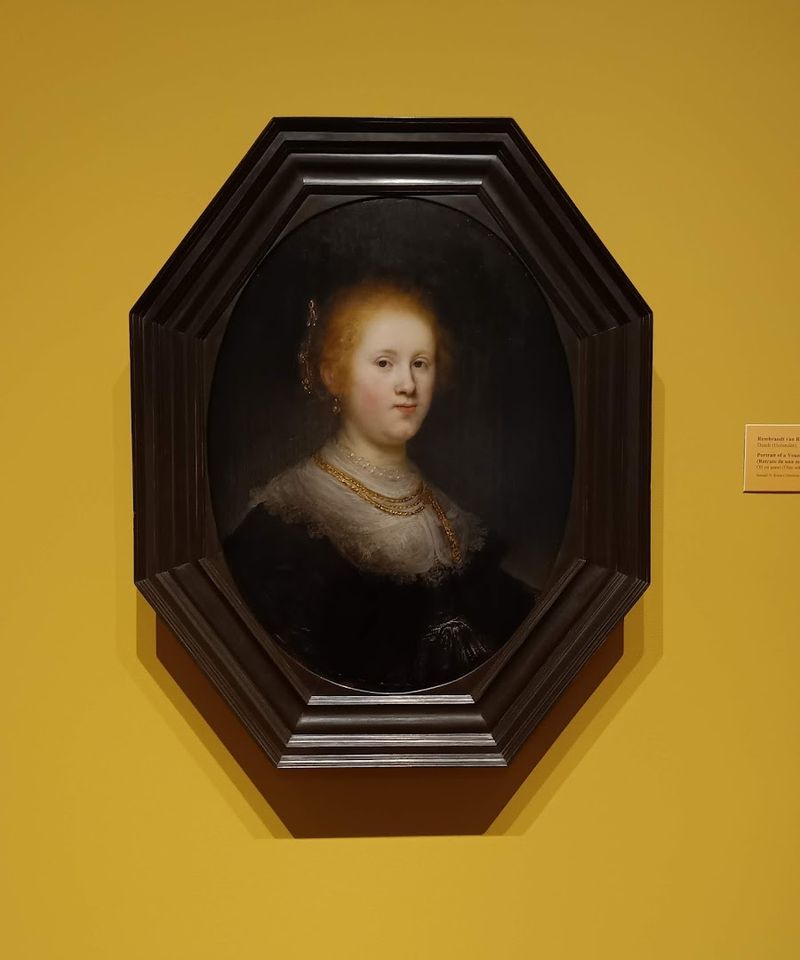
In 1959, philanthropist Samuel H. Kress handed the Allentown Art Museum 53 Renaissance and Baroque paintings and sculptures, and with that single act of generosity, the museum’s identity was essentially written. That founding gift gave the collection a European anchor that most regional museums simply do not have.
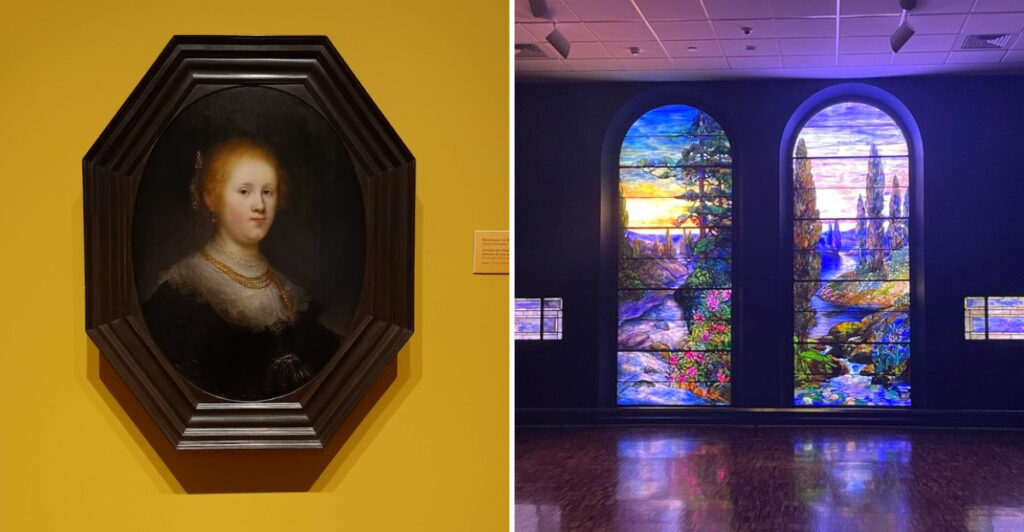
The crown of that collection is a Rembrandt portrait titled “Portrait of a Young Woman,” painted in 1632. Seeing an authenticated Rembrandt in Allentown, Pennsylvania, is the kind of quiet surprise that makes you stop mid-step and reconsider everything you assumed about this city.
The European galleries feel genuinely serious, with well-lit canvases and clear, informative labels that make the work accessible without dumbing it down. Whether you know your Baroque from your Renaissance or you are just learning the difference, this section of the museum rewards curiosity at every level, and it sets a confident tone for everything else the building has to offer.
Tiffany Windows That Recreate a Sunrise on Command
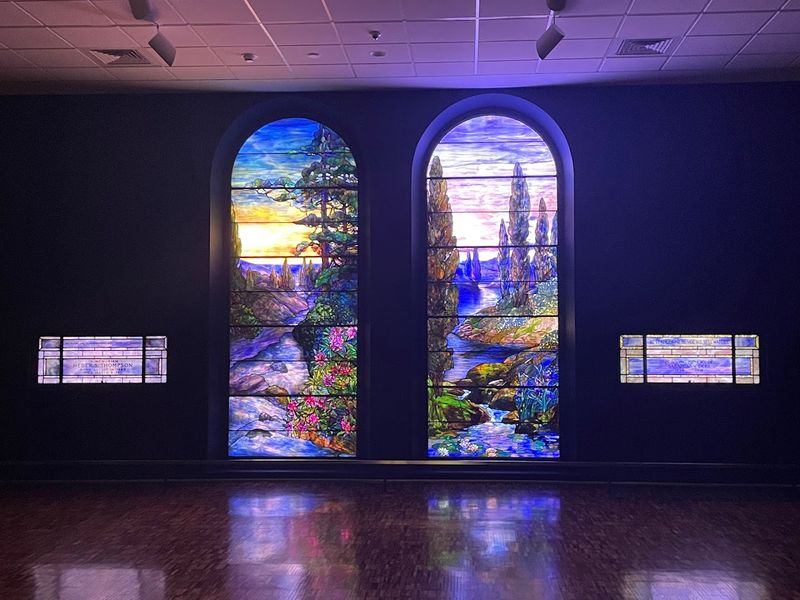
Possibly the most talked-about feature in the entire building, the Tiffany Studios Landscape Memorial Windows are in a category of their own. These two windows were originally acquired from the Pottstown Presbyterian Church, and they depict lush natural scenes filled with water lilies, iris, and rhododendrons in breathtaking detail.
What makes the display genuinely special is how the museum presents them. Twice every hour, a lighting system behind the windows simulates a sunrise sequence, gradually illuminating the glass from behind and revealing layers of color and craftsmanship that static lighting simply cannot show. Watching the panels shift from dim to radiant is one of those quiet, unexpected moments that stays with you.
The museum also holds six Tiffany library lamps, including rare apple blossom and peony designs that are not commonly seen in collections of this type. Art historians and casual visitors alike tend to linger here longer than anywhere else, and honestly, that reaction makes complete sense once you see it for yourself.
Frank Lloyd Wright’s Library, Reassembled and Ready to Explore
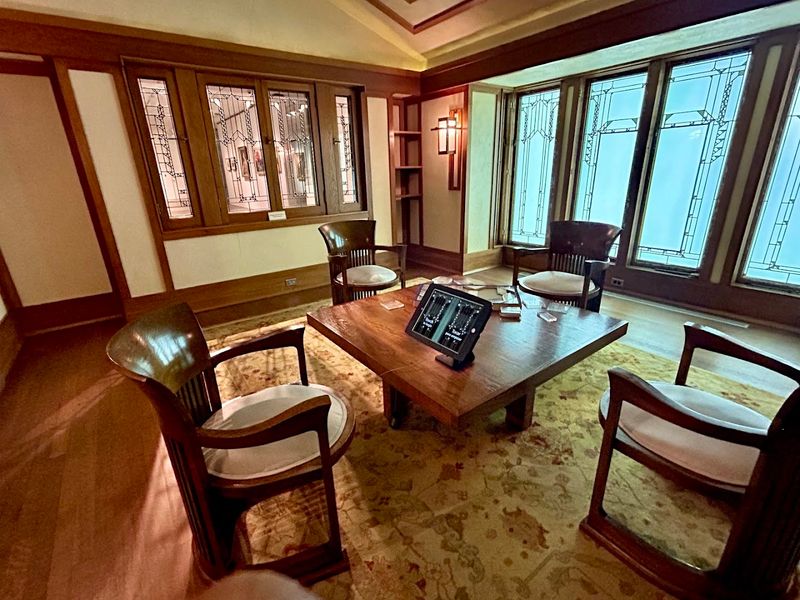
Not every museum can say they have a room designed by Frank Lloyd Wright, but Allentown can. The museum houses a library originally created for the Francis W. Little House, carefully relocated and reassembled within the gallery space so visitors can experience Wright’s architectural vision up close.
Wright designed the room with his signature horizontal emphasis, natural wood tones, and an integrated sense of shelter that makes the space feel both open and intimate at once. Standing inside it is less like looking at a display and more like occupying a moment in American architectural history.
The library sits among the decorative arts holdings, which also include Southeast Asian sculpture and a celebrated textile collection of over 8,000 pieces covering sixteen centuries and six continents. That range is staggering when you think about it. A single afternoon in this building can take you from a Wright-designed reading room to ancient fabric traditions from cultures spread across the entire globe, all without paying a cent.
Over 8,000 Textiles Spanning Sixteen Centuries and Six Continents
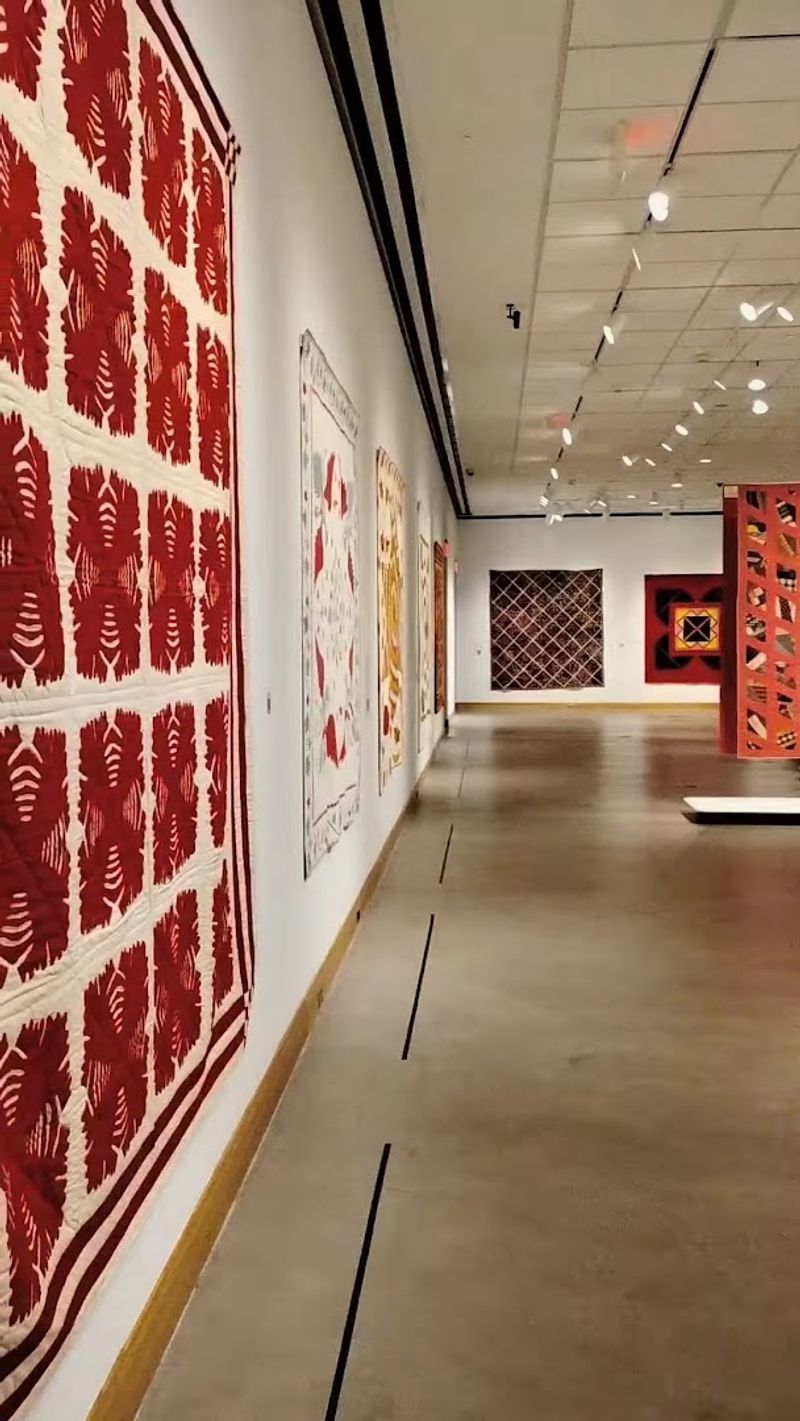
Textiles rarely get the spotlight in art museum conversations, but the Allentown Art Museum’s fabric collection is one of its most quietly impressive holdings. With more than 8,000 pieces representing sixteen centuries of human creativity across six continents, this collection covers more ground than most dedicated textile museums.
The range includes everything from ceremonial garments to decorative weavings, each one a record of the culture, trade routes, and artistic traditions that produced it. Seeing a piece of fabric as a historical document rather than just a material object shifts how you understand it entirely.
The collection is not always displayed in full, so what you encounter on any given visit depends on current exhibitions and rotation schedules. That unpredictability is actually part of the appeal. Repeat visitors consistently discover something they missed or something newly installed, which gives the museum a sense of ongoing discovery rather than a static archive you check off once and forget. There is always a reason to come back.
American Art With a Franz Kline Mural and LGBTQ Voices
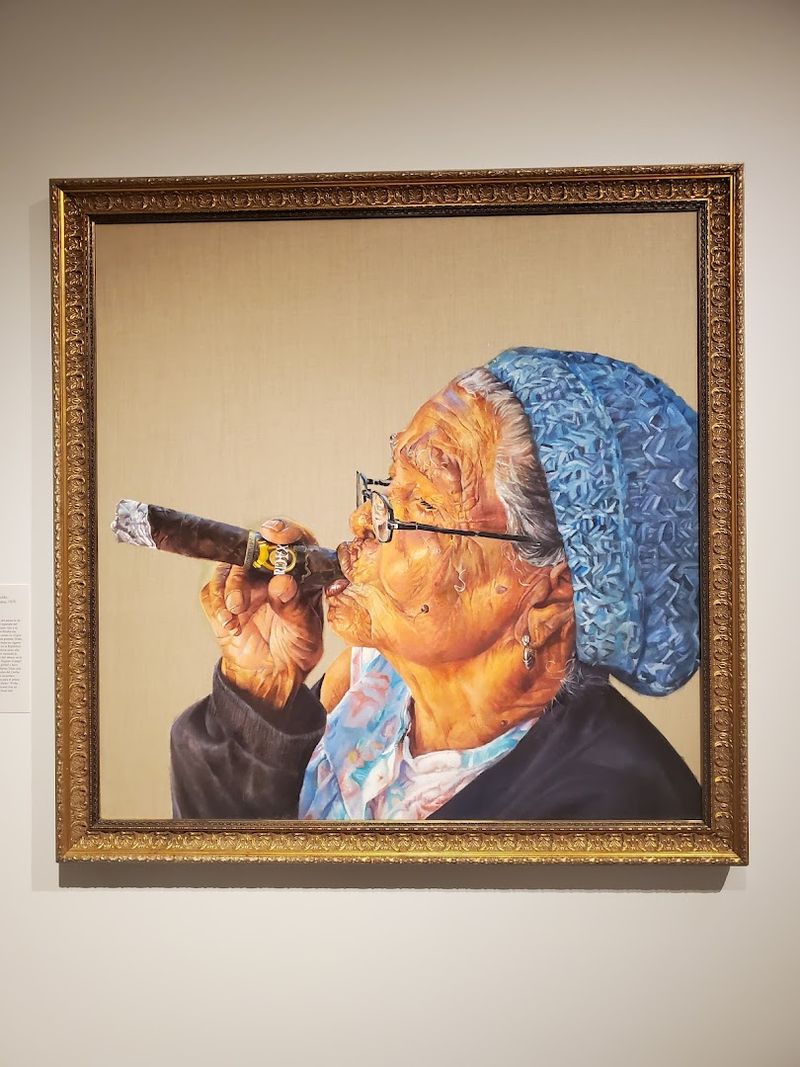
The American art holdings at this museum stretch across three centuries and cover a genuinely wide range of voices. One of the standout pieces is a mural by Franz Kline titled “Lehighton,” a work that carries extra meaning given Kline’s Pennsylvania roots and the abstract expressionist movement he helped define.
The collection also includes works by LGBTQ artists such as Paul Cadmus, Keith Haring, Robert Rauschenberg, Joan Snyder, Mickalene Thomas, and the Canadian collective General Idea. That breadth of representation feels intentional and adds real texture to the American narrative the museum presents.
Keith Haring’s piece draws a steady stream of visitors who grew up seeing his bold graphic style on everything from posters to T-shirts. Seeing his work in a formal gallery setting alongside Rauschenberg and Snyder reframes what you thought you knew about him. The American galleries manage to be both historically grounded and genuinely relevant to contemporary conversations, which is a balance that many larger institutions still struggle to achieve.
Free Admission for Everyone, Every Time
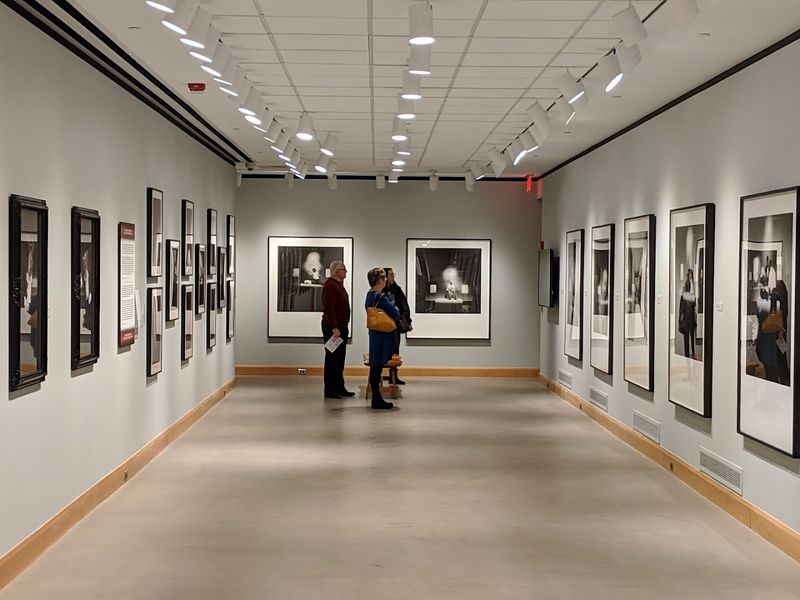
Since August 2022, admission to the Allentown Art Museum has been completely free for every visitor, every day it is open. That policy came from a generous legacy gift, and the museum has committed to maintaining it permanently, which is a rare and meaningful promise in the current museum landscape.
Most comparable institutions charge between 25 and 30 dollars per adult, which adds up fast for families. Here, all you need to provide is your ZIP code at the entrance, which the museum uses to track where visitors are coming from. That is the entire transaction.
Free parking is available directly adjacent to the building, so the financial barrier to visiting is essentially zero. The museum also keeps a complimentary coffee and tea station in the gift shop area, a small but genuinely warm touch that signals how the whole operation is oriented. This is a place that actually wants you to show up, and the no-cost model makes that invitation feel real rather than just promotional.
A Three-Floor Layout That Feels Easy to Navigate
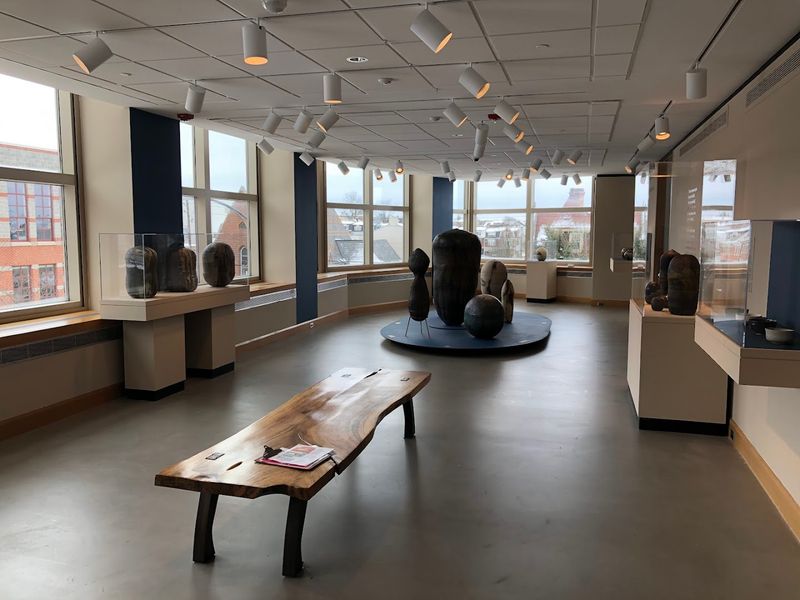
One of the most consistent things visitors mention is how well the museum is organized. Three distinct floors each carry a different feel, which creates a natural sense of progression as you move through the building rather than a single overwhelming block of content.
The main floor holds the core permanent collection, including the European paintings and major decorative arts. The upper level shifts toward contemporary work and the family gallery, which includes interactive art activities on Sundays and occasional other days. The lower level has featured local artists and community-focused programming, with some works even available for purchase.
Labels throughout the galleries are clear and informative without being overly academic. The lighting in most rooms is well-suited to the work on display. Families with young children can bring strollers, and the staff are consistently described as knowledgeable, approachable, and happy to answer questions. The whole experience is designed to feel welcoming rather than intimidating, which makes a real difference for first-time museum visitors.
Current Exhibitions Worth Planning Your Visit Around
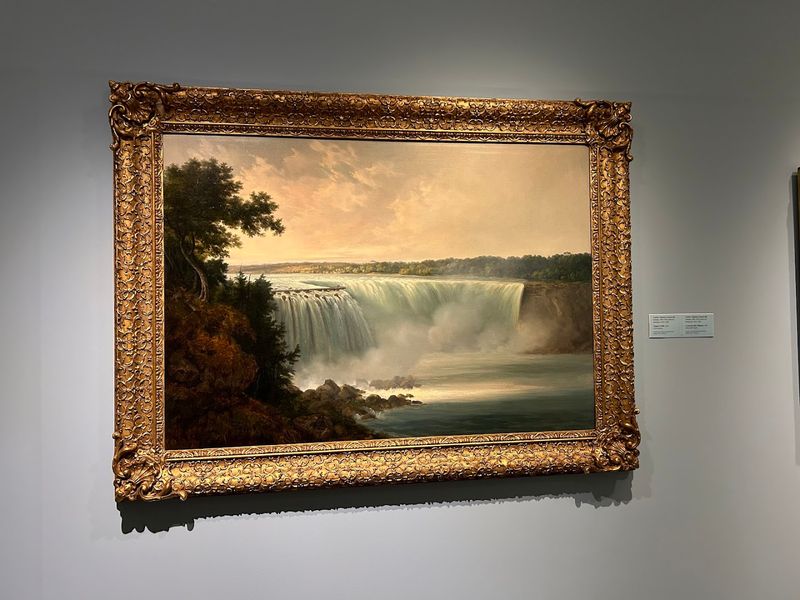
The Allentown Art Museum keeps its programming calendar genuinely interesting throughout the year. As of summer 2026, the museum is running several concurrent exhibitions that cover a wide range of historical and contemporary themes.
“Revolution Retold: Commemorating American Independence in Art and Design” runs through October 18, 2026, and offers a fresh visual perspective on the founding era. “Idyllic Vision: The Hudson River School and American Landscape” pairs with “Kay WalkingStick / Hudson River School” to create a conversation between 19th-century landscape tradition and a contemporary Indigenous artist’s response to that same tradition, both running through October 11, 2026.
“Ellen Berkenblit: The Peacock Room,” which opened in May 2026, adds a more expressionistic, color-driven energy to the mix. The rotating exhibition schedule means that even frequent visitors rarely see exactly the same museum twice. Checking the website before your visit is worth the extra two minutes, especially if you have a particular interest you want to prioritize during your time there.
Educational Programs That Reach Over 60,000 People a Year
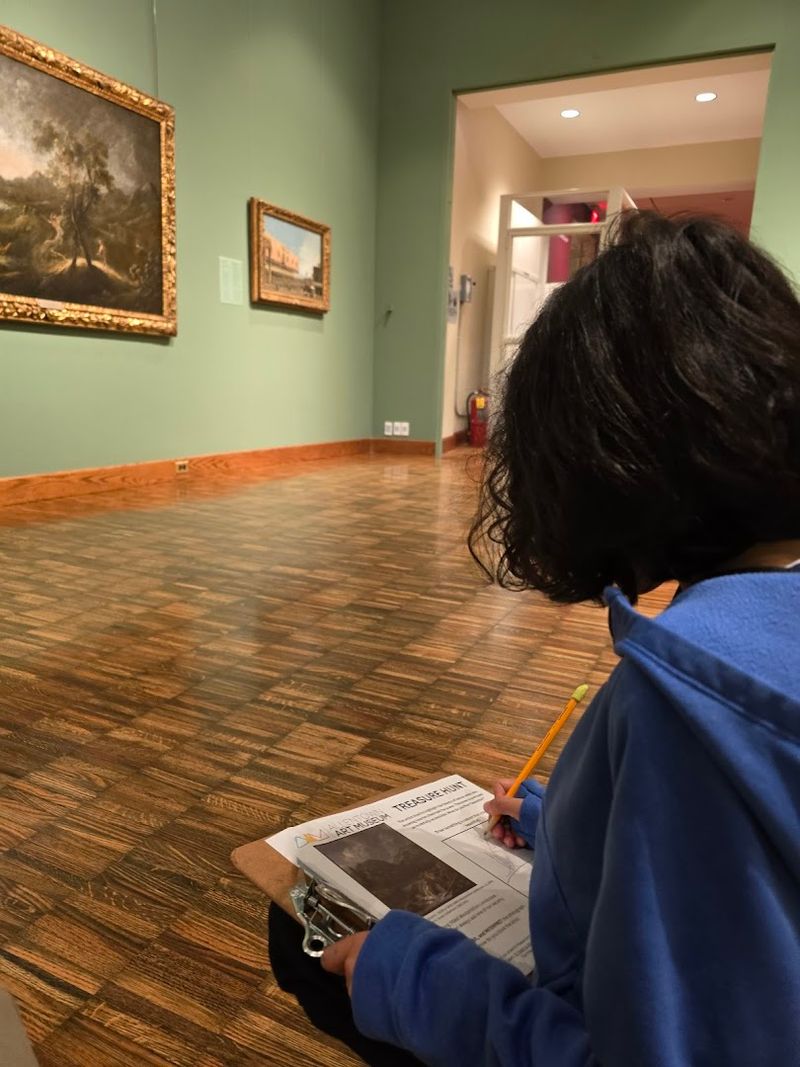
The museum’s reach extends well beyond its physical walls. Each year, the Allentown Art Museum serves more than 60,000 participants through its educational programming, with a significant portion of that number being children reached through in-school initiatives across the Lehigh Valley.
Inside the building, the family gallery on the upper floor hosts art-making activities, scavenger hunts with prizes, and facilitated sessions that are designed to make the museum feel like a participatory experience rather than a passive one. The staff member who runs the art room is consistently described as warm and encouraging, which makes a big difference for younger visitors who might feel uncertain in a formal gallery setting.
The museum serves a metropolitan area of over 750,000 people, and its programming reflects an awareness of that diverse community. Attendance and program offerings have grown significantly in recent years, suggesting that the free admission policy and expanded outreach have genuinely changed who feels welcome here. That shift matters more than any single artwork on the wall.
The Gateway Campaign and What Comes Next
The Allentown Art Museum is not standing still. The institution has announced a major relocation plan called The Gateway Campaign, which will move the museum to a new, purpose-built facility at the intersection of 10th and Hamilton Streets in downtown Allentown.
Construction is expected to begin in 2027 with a projected opening in 2029. The new building is designed to offer expanded exhibition spaces, enhanced educational facilities, improved accessibility, and larger event capacity. The project is also expected to generate substantial economic activity for the surrounding downtown area.
Critically, the museum has committed to maintaining its free admission policy in the new location, which ensures that the expanded space does not come with a financial barrier attached. The current building at 31 N 5th St remains open and fully operational in the meantime, so there is no reason to wait. What exists right now is already worth the trip, and what is coming next suggests the best chapters of this museum’s story are still ahead.
Share this story