Oklahoma is often associated with wide-open prairies, but the state’s outdoor beauty goes far beyond what many travelers expect. Hidden among granite mountains, ancient forests, winding rivers, and quiet canyons are places where nature still feels wonderfully untamed.
Whether you’re craving a solo adventure or a relaxing family outing, these spots deliver scenery and serenity in equal measure. Pack your hiking boots and get ready to discover a side of Oklahoma that will genuinely surprise you.
Wichita Mountains Wildlife Refuge, Lawton, Oklahoma
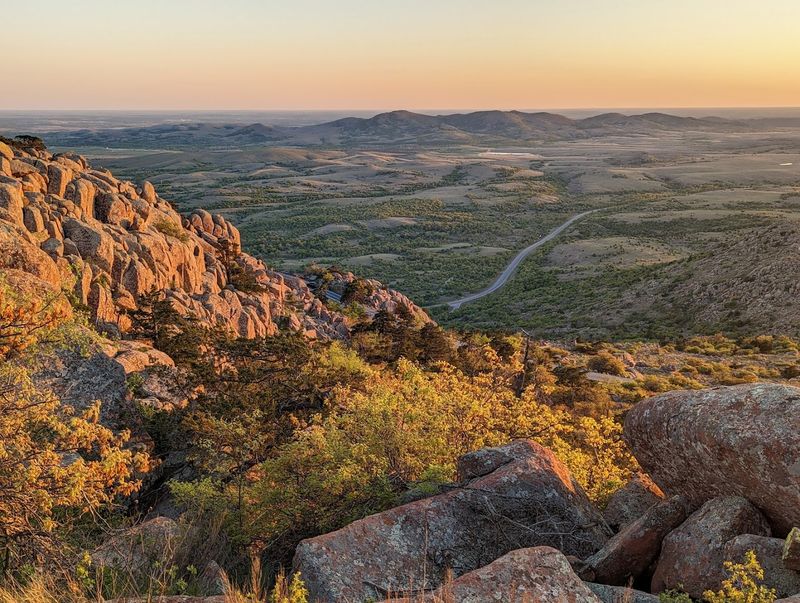
Bison, elk, and longhorn cattle roaming freely across granite-studded hills is not something most people picture when they think of Oklahoma. Covering nearly 60,000 acres, the Wichita Mountains Wildlife Refuge is one of the oldest federal wildlife refuges in the country.
It was established in 1901, which means it has been protecting this rugged landscape for well over a century.
Dozens of hiking trails wind through rocky terrain, past shimmering lakes and up to sweeping summit views. Mount Scott is a popular drive-up overlook, but the lesser-known Elk Mountain Trail rewards hikers with quieter, more dramatic scenery.
Birdwatchers will find plenty to celebrate here too, with hundreds of species passing through each year.
Sunrise at the refuge is genuinely magical. The granite boulders glow warm orange and pink as the light hits them, and you can often hear nothing but wind and distant bird calls.
Admission is free, making this one of Oklahoma’s best outdoor bargains. Whether you spend an hour or a full day exploring, the Wichita Mountains have a way of making the rest of the world feel very, very far away.
Black Mesa State Park and Nature Preserve, Kenton, Oklahoma
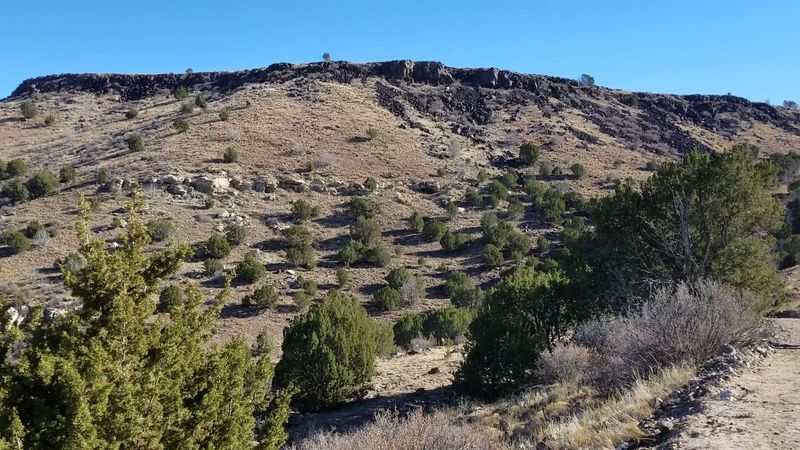
Standing at 4,973 feet above sea level, Black Mesa is the highest point in Oklahoma, and reaching its summit feels like a genuine achievement. The trail to the top is about 8.4 miles round trip, crossing a landscape that looks nothing like the rest of the state.
Volcanic rock formations, juniper trees, and wide-open skies give this far northwestern corner of Oklahoma an almost otherworldly atmosphere.
The area is so remote that light pollution is nearly nonexistent. On clear nights, the Milky Way stretches across the sky in full detail, making Black Mesa one of the best stargazing spots in the entire Great Plains region.
Astronomy enthusiasts travel from across the country just to experience these dark skies.
Wildlife sightings are common along the trail. Mule deer, pronghorn, and even the occasional black bear have been spotted in the surrounding terrain.
The nearest town, Kenton, has a population of fewer than 20 people, so the sense of isolation here is very real. Plan ahead, bring plenty of water, and give yourself a full day to soak in one of Oklahoma’s most underrated and breathtaking outdoor experiences.
Beavers Bend State Park, Broken Bow, Oklahoma
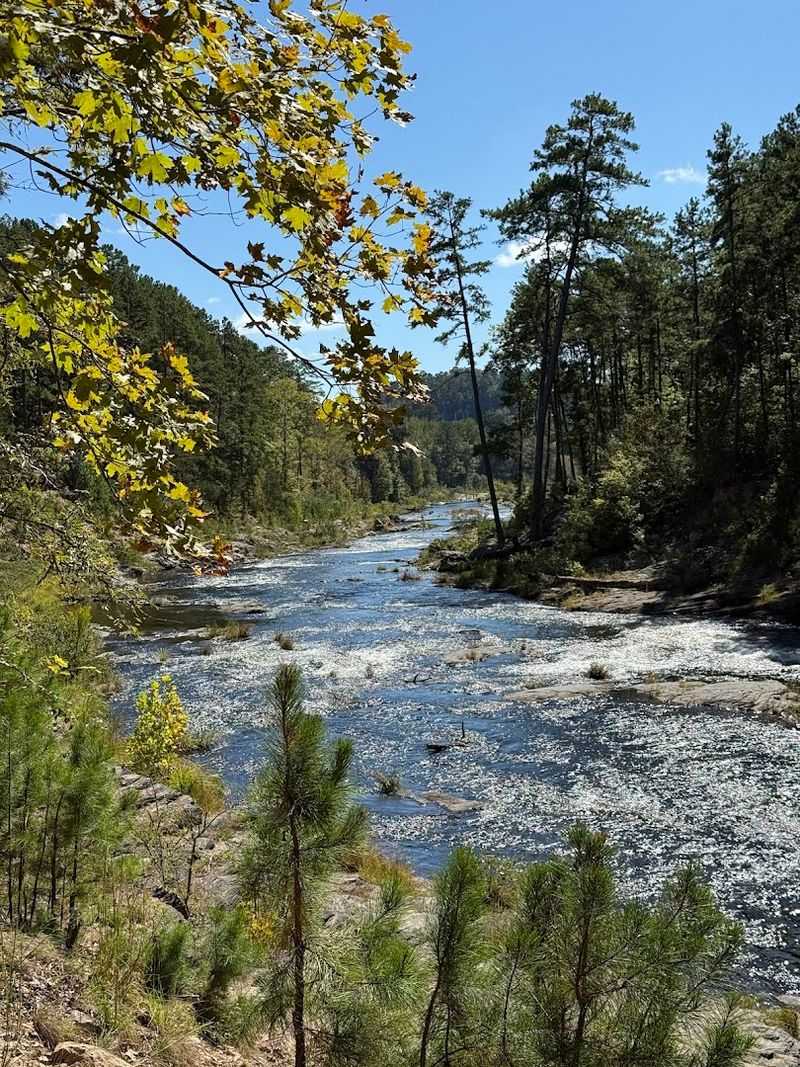
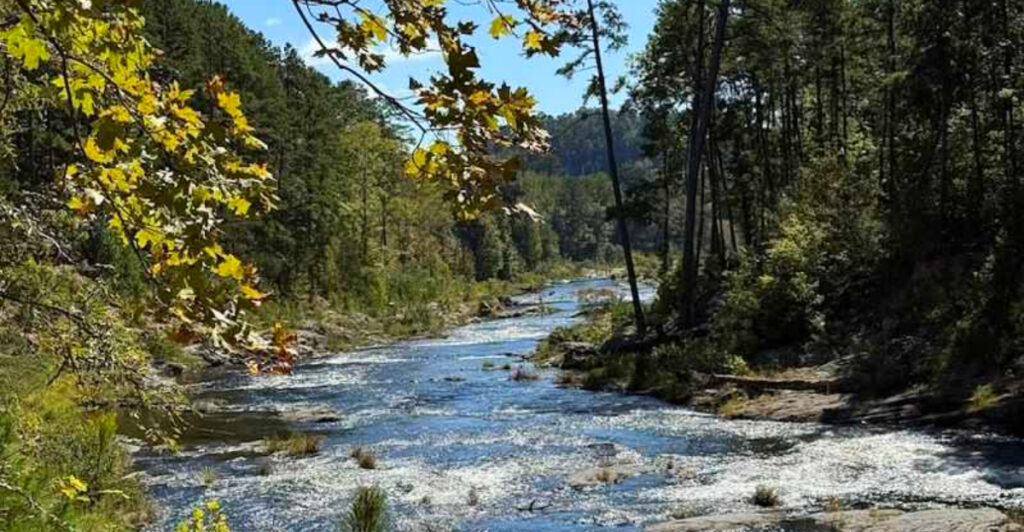
Tall, cathedral-like pine trees tower over the crystal-clear Mountain Fork River, creating a setting that feels more like the Pacific Northwest than southeastern Oklahoma. Beavers Bend State Park is one of the state’s most beloved outdoor destinations, and it earns that reputation every single season.
Fall colors here are particularly stunning, when the mix of hardwoods and pines creates a patchwork of gold, red, and deep green.
Trout fishing is a major draw, with the Mountain Fork River offering some of the best cold-water fishing in the region. Kayaking and canoeing are equally popular, and rental outfitters make it easy for beginners to get on the water.
If you prefer keeping your feet dry, the park has over 20 miles of trails ranging from easy riverside strolls to more challenging ridge climbs.
The park can get busy on summer weekends, but arriving early in the morning or visiting on a weekday makes a noticeable difference. Cabin rentals and campgrounds fill up fast, so booking well in advance is strongly recommended.
Even with crowds, Beavers Bend has enough space and enough trails to help visitors find their own quiet patch of forest whenever they need it.
Tallgrass Prairie Preserve, Pawhuska, Oklahoma
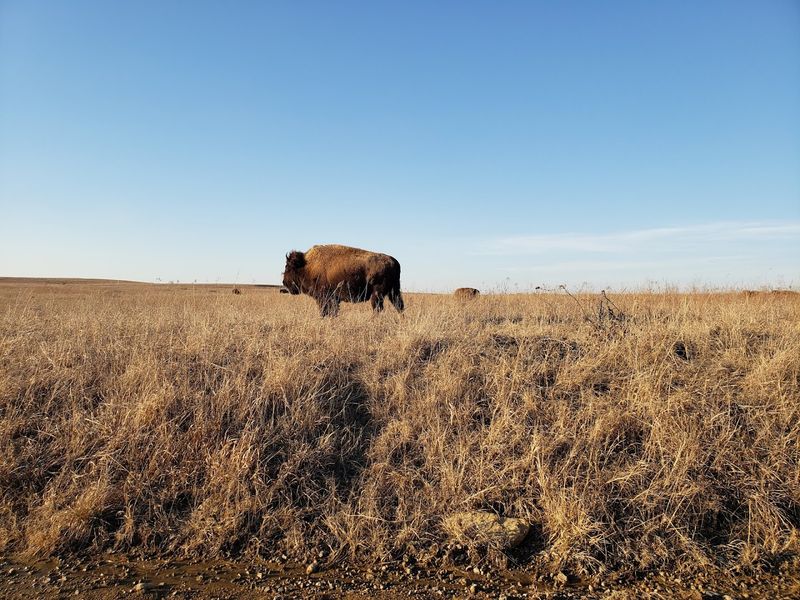
Stretching across nearly 40,000 acres of rolling hills in Osage County, the Tallgrass Prairie Preserve protects the largest remaining tract of tallgrass prairie on Earth. That is not a small claim.
Once covering 170 million acres across North America, this ecosystem has been reduced to less than four percent of its original range, making every acre here genuinely precious.
Around 2,500 free-ranging bison roam the preserve, and spotting them from the gravel road that winds through the property is an experience that stops people in their tracks. The sheer size of these animals, moving slowly through waist-high grass under a wide Oklahoma sky, is humbling in the best possible way.
Wildflowers bloom in spectacular waves from spring through fall.
The preserve is managed by The Nature Conservancy and is open to visitors year-round at no charge. A self-guided auto tour lets you explore at your own pace, and several short hiking trails offer a closer look at the grassland ecosystem.
Birding here is exceptional, with meadowlarks, dickcissels, and upland sandpipers calling from every direction. Bring binoculars, slow down, and let the prairie’s quiet rhythm do its thing.
Gloss Mountain State Park, Fairview, Oklahoma
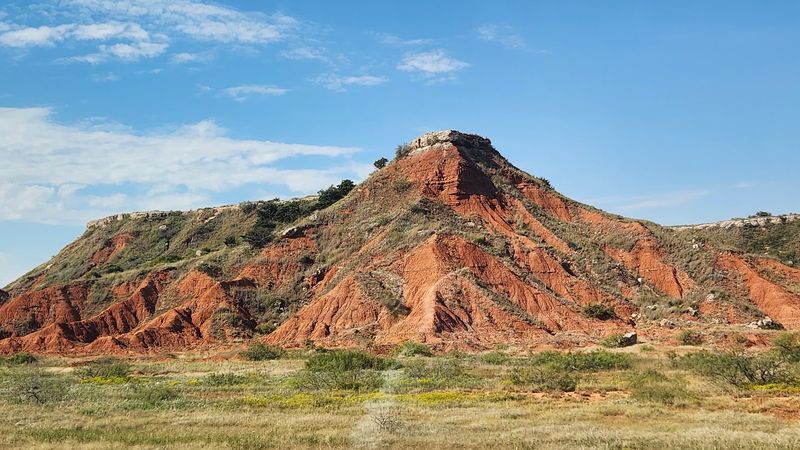
Selenite crystals embedded in the rock faces of these flat-topped mesas catch the sunlight and shimmer like scattered glass, which is exactly how Gloss Mountain got its name. Located near Fairview in northwestern Oklahoma, the park features a short but steep hike up Cathedral Mountain that rewards visitors with panoramic views across miles of open prairie.
The climb takes about 20 minutes each way and is accessible for most fitness levels.
The geology here is genuinely fascinating. Layers of red clay, white gypsum, and sparkling selenite tell a story of ancient seas and millions of years of erosion.
Sunset is arguably the best time to visit, when the mesas glow deep red and orange and the crystals catch the fading light in spectacular fashion.
Gloss Mountain is not one of Oklahoma’s most crowded parks, which is a big part of its appeal. You can often have the trail entirely to yourself, especially on weekday mornings.
The park is free to visit and located just a short drive off US Route 412, making it an easy and rewarding stop during a road trip across western Oklahoma. Bring a camera, because the views from the top are seriously photogenic.
Roman Nose State Park, Watonga, Oklahoma
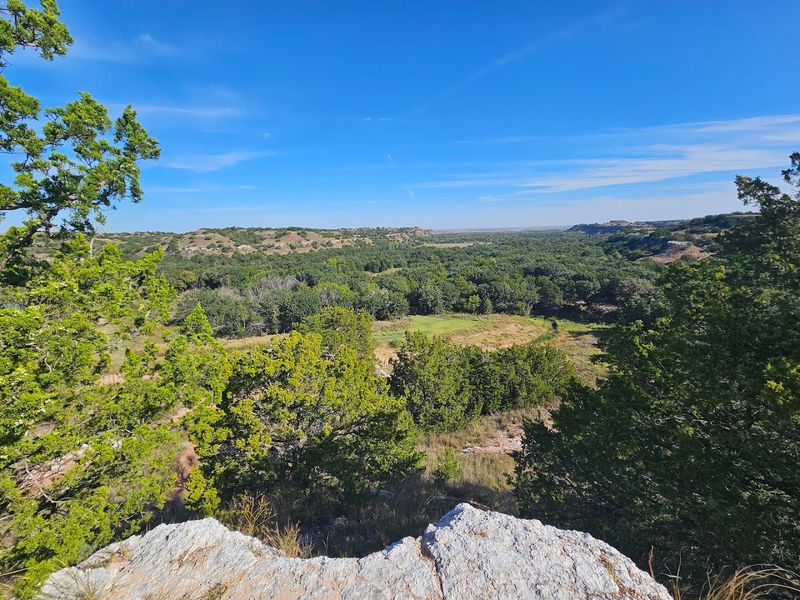
Gypsum bluffs, spring-fed canyons, and a landscape that shifts from rocky ridges to shaded creek bottoms make Roman Nose one of the most visually interesting state parks in Oklahoma. Named after Cheyenne Chief Henry Roman Nose, the park carries both natural beauty and historical significance.
It sits in an area that was central to Cheyenne culture for generations before it became a public recreation area.
The park’s trails range from easy lakeside walks to more rugged canyon routes that offer surprising views around every bend. Spring-fed lakes provide excellent fishing for bass and catfish, and the campgrounds tucked among cedar trees offer a genuinely peaceful overnight experience.
A historic lodge built by the Civilian Conservation Corps in the 1930s adds a touch of old-school charm to the whole visit.
Roman Nose is the kind of place where you can genuinely slow down without feeling like you’re missing anything. The air smells clean, the trails are quiet, and the scenery changes constantly as you move through the park.
Wildlife sightings, including white-tailed deer and wild turkey, are common. If you have never visited and live within driving distance, you are genuinely missing out on one of central Oklahoma’s finest natural escapes.
Chickasaw National Recreation Area, Sulphur, Oklahoma
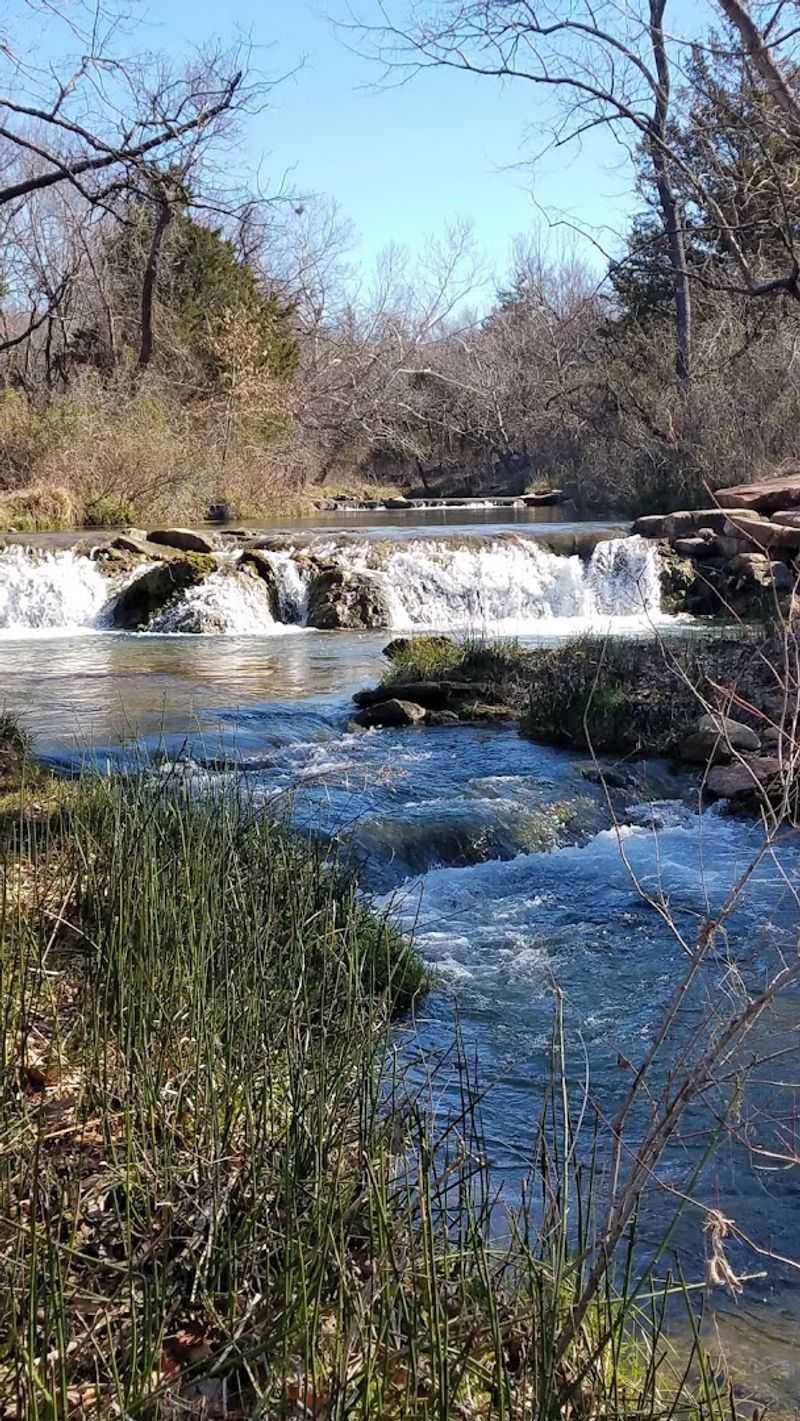
Cool, mineral-rich springs bubble up from the earth at Chickasaw National Recreation Area, creating a network of clear streams and shaded pools that have been drawing visitors since the late 1800s. The area was originally known as Platt National Park, the smallest national park in the country at the time, before being redesignated as a recreation area in 1976.
History and hydrology make for an interesting combination here.
Travertine Creek is the park’s centerpiece, a crystal-clear stream that stays a refreshing temperature even during Oklahoma’s hottest summers. Little Niagara, a small but gorgeous waterfall along the creek, is one of the most photographed spots in the state.
Wading in the cool water on a July afternoon is one of life’s simple and deeply satisfying pleasures.
The park has over 20 miles of trails, ranging from flat creekside paths to hillier woodland routes with broader views. Bison Lake and Veterans Lake offer fishing and paddling opportunities.
Camping options range from primitive sites to full-hookup spots, and the town of Sulphur just outside the park boundary has restaurants and lodging for those who prefer a softer landing. Few places in Oklahoma offer this combination of natural beauty and easy accessibility.
Keystone Ancient Forest, Sand Springs, Oklahoma
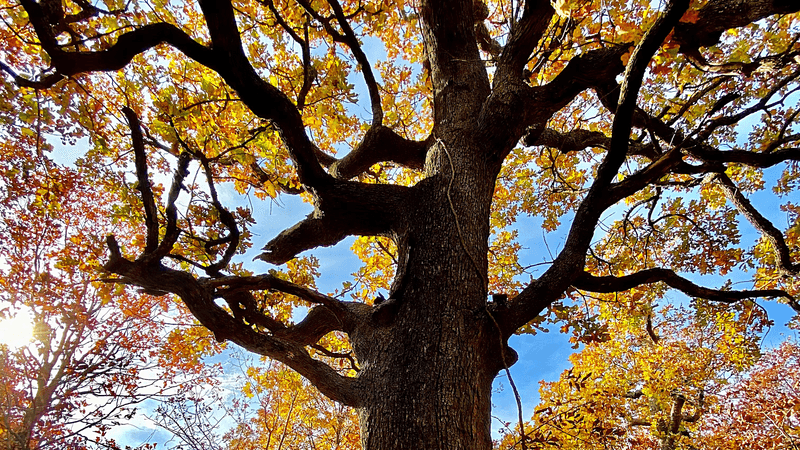
Some of the trees growing inside the Keystone Ancient Forest are over 500 years old, which means they were already mature before European settlers arrived in North America. Located just outside Tulsa near Sand Springs, this protected preserve shelters one of the largest remaining stands of old-growth post oak trees in the region.
Walking among these ancient giants puts time into a genuinely humbling perspective.
The forest is managed by the Sand Springs Home, a nonprofit organization that limits access to protect the ecosystem. Guided hikes are offered on select dates throughout the year, and spots fill up quickly, so registering in advance is essential.
The seasonal schedule keeps foot traffic low, which means the forest remains in remarkably pristine condition compared to more heavily visited natural areas.
Sandstone outcrops, native wildflowers, and a rich understory of ferns and shrubs fill in the spaces between the massive oaks. Wildlife thrives here, including owls, foxes, and a wide variety of woodland birds.
The experience feels far more remote than the drive from Tulsa would suggest. For anyone interested in Oklahoma’s natural heritage, a visit to Keystone Ancient Forest is one of the most meaningful outdoor experiences the state has to offer.
Robbers Cave State Park, Wilburton, Oklahoma
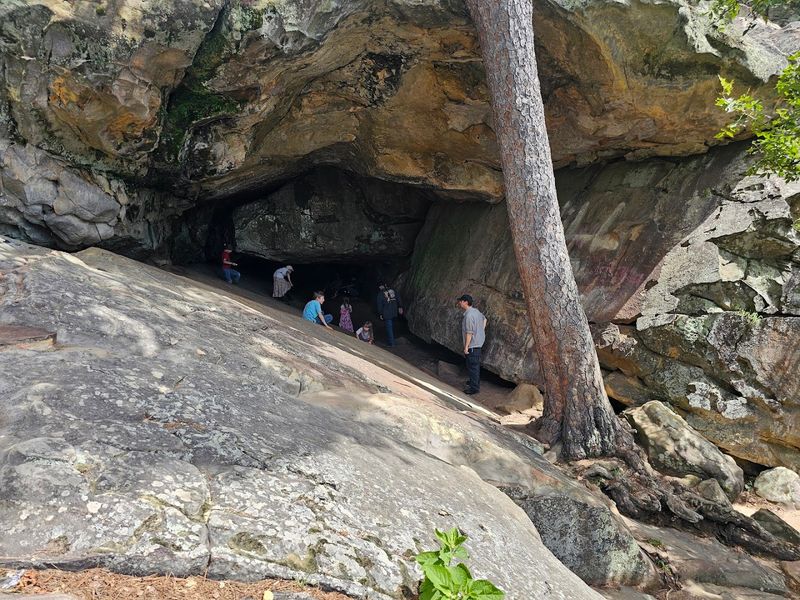
Legend has it that Jesse James and Belle Starr both used the caves and rock formations here to hide from pursuing lawmen, which gives Robbers Cave a backstory that is hard to beat. Located in the San Bois Mountains of southeastern Oklahoma, the park features dramatic sandstone bluffs, forested ridges, and a network of trails that reward hikers with some seriously impressive views.
The outlaw history adds a layer of intrigue to every visit.
The cave itself is a natural sandstone cavern accessible by a short trail, and exploring its shadowy interior is a highlight for first-time visitors of all ages. Beyond the cave, trails like the Lake Wayne Wallace Loop and the Eagle’s Nest route offer quieter, more scenic experiences away from the busier areas of the park.
Horseback riding trails wind through the surrounding forest as well.
Spring and fall are the best seasons to visit, when temperatures are comfortable and the foliage is either blooming or turning. The park has a lake for fishing and swimming, plus cabins and campsites for overnight stays.
Robbers Cave is one of those parks that seems to have something for every type of outdoor visitor, from history buffs and hikers to anglers and families just looking for a great weekend getaway.
Little Sahara State Park, Waynoka, Oklahoma
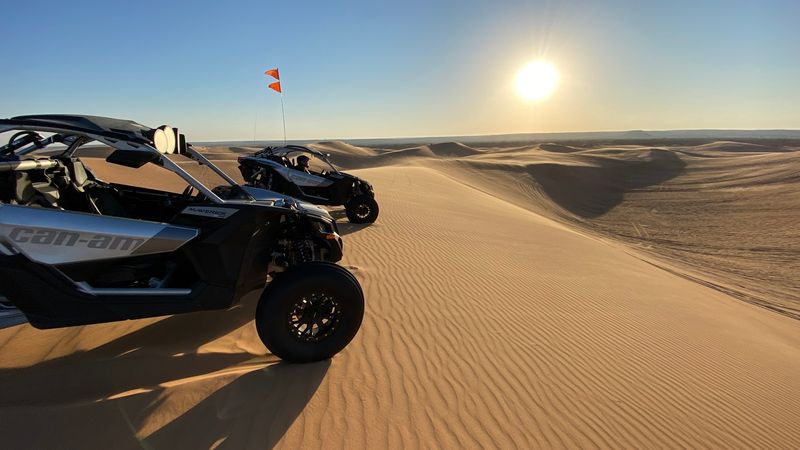
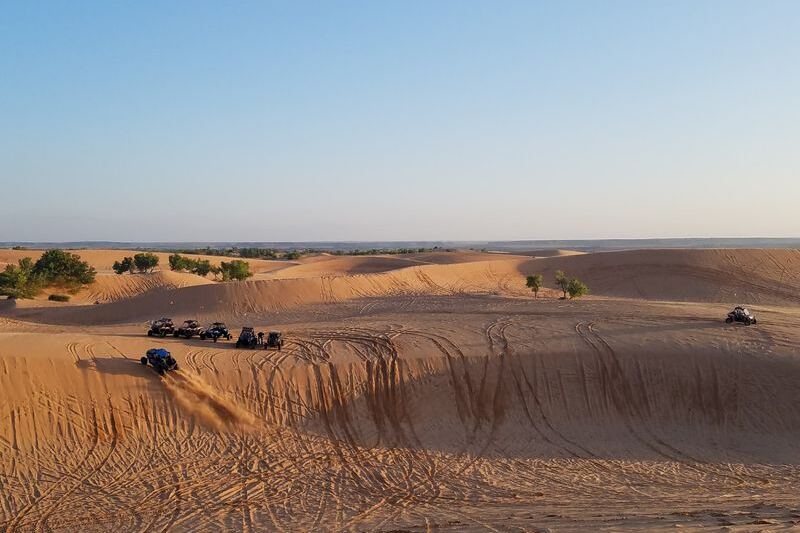
Towering sand dunes rising up to 75 feet in the middle of northwestern Oklahoma sounds like a geographic prank, but Little Sahara is absolutely real and absolutely worth the drive. Covering more than 1,600 acres, this park is famous for off-highway vehicle riding, but the landscape itself is stunning even if you never start an engine.
The way the wind sculpts these dunes into smooth, rolling shapes is a slow-motion art show that never stops.
Sunrise and sunset are the golden hours here, when long shadows stretch across the dune faces and the sand takes on warm amber and rose tones. During those quieter moments, when the OHV crowd has thinned out, the dunes feel almost meditative.
Walking barefoot across the warm sand with nothing but wind in your ears is a surprisingly peaceful experience.
The park is open year-round, and cooler months attract visitors who prefer exploring on foot rather than on wheels. Sandboarding is a popular low-tech option for those who want some dune action without a motor.
Camping is available at the park, and nearby Waynoka has basic amenities. Little Sahara proves that Oklahoma’s landscapes can genuinely surprise even lifelong residents who think they have seen everything the state has to offer.
Natural Falls State Park, Colcord, Oklahoma
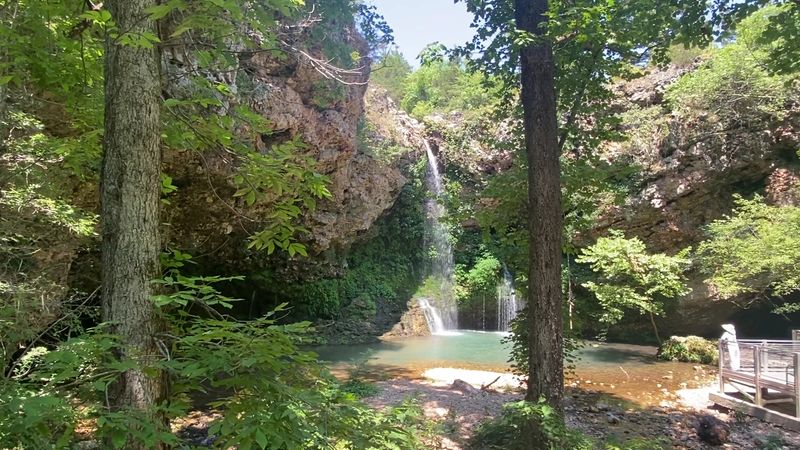
Water tumbling 77 feet into a fern-draped canyon is not something most people associate with Oklahoma, which makes Natural Falls State Park one of the state’s most genuinely surprising destinations. Located in the far northeastern corner of the state near Colcord, the park is tucked into a dense hardwood forest that feels lush and green for most of the year.
A short, well-maintained trail leads from the parking area directly to the falls overlook.
The waterfall is fed by a natural spring and flows consistently throughout the year, though it is most dramatic after periods of heavy rainfall. Standing at the overlook and feeling the cool mist drift up from the canyon below is an instant mood reset on a hot Oklahoma afternoon.
The surrounding forest adds to the atmosphere, with tall oaks and hickories filtering the light into soft, shifting patterns on the trail.
The park also appeared in the 1974 film Where the Red Fern Grows, adding a touch of cinematic history to the visit. A picnic area and playground near the trailhead make it family-friendly, and the short hike means even young children can reach the falls without difficulty.
Natural Falls is one of those rare places that manages to feel hidden and magical even when other visitors are nearby.
Share this story