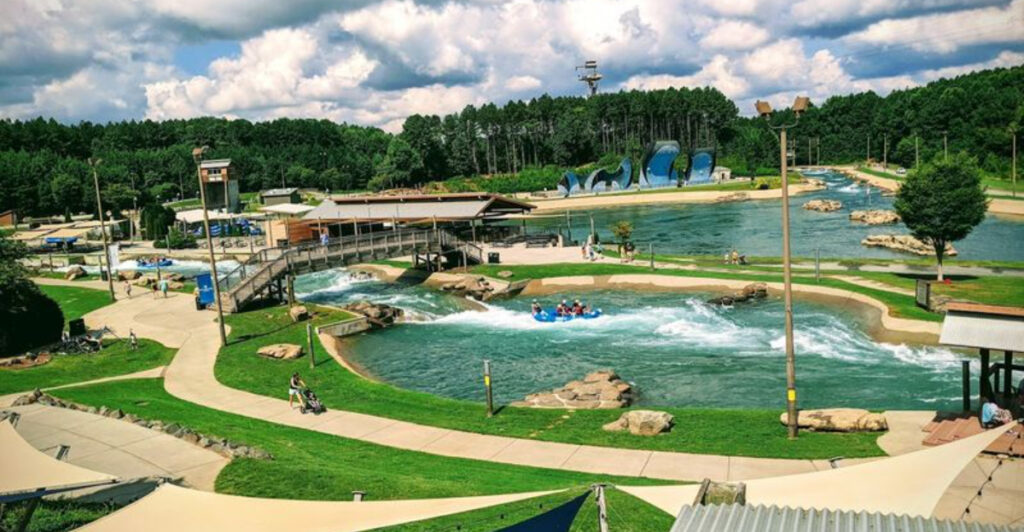
There is a place just outside Charlotte, North Carolina, where a completely manmade river churns out real whitewater rapids every single day, and people line up to take them on. It is not a theme park ride, and it is not a lazy river.
The water moves fast, the waves are real, and the energy on-site is the kind that makes you want to stay all day. Whether you are a first-timer curious about whitewater rafting or someone who has been chasing rapids for years, this outdoor adventure hub has something that will genuinely surprise you.
Read on to find out what makes this place one of the most unique outdoor destinations in the entire country.
Where It All Begins: Address, Location, and Setting
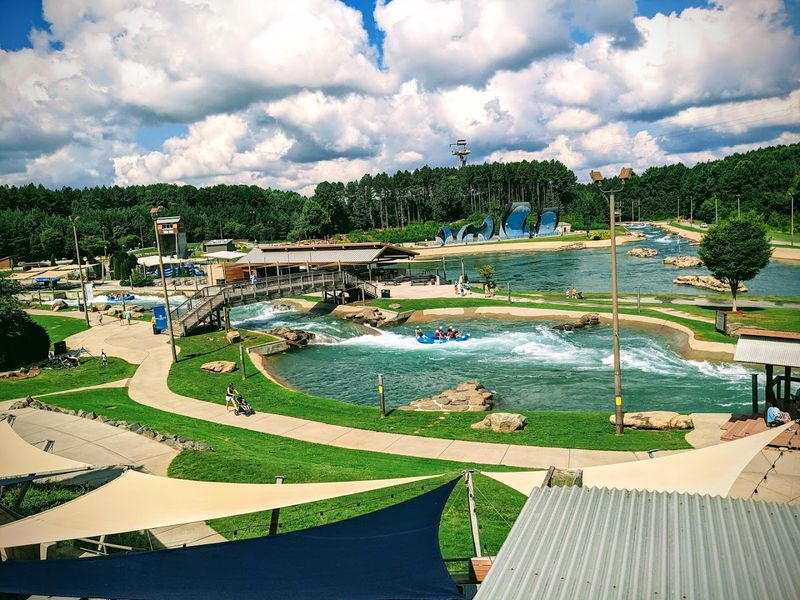
The U.S. National Whitewater Center sits at 5000 Whitewater Center Pkwy, Charlotte, NC 28214, tucked along the banks of the Catawba River on the western edge of the city.
Getting there is straightforward, and once you pull into the property, the scale of the place hits you immediately.
The center spans over 1,300 acres of land, which includes trails, waterways, climbing walls, and open green spaces. It does not feel like a typical urban attraction because the natural surroundings absorb a lot of the noise and crowd.
The Catawba River runs right alongside the property, giving the whole place a rugged, outdoor feel that is hard to manufacture. The manmade whitewater channel is the centerpiece, but the trees, the river views, and the walking paths make the setting feel genuinely outdoorsy rather than artificial.
The center is open daily from 10 AM to 7 PM, and the phone number is +1 704-391-3900 if you need to plan ahead. Buying tickets online before you arrive will save you time and paperwork at the gate.
The Manmade River: How It Works and Why It Is Impressive
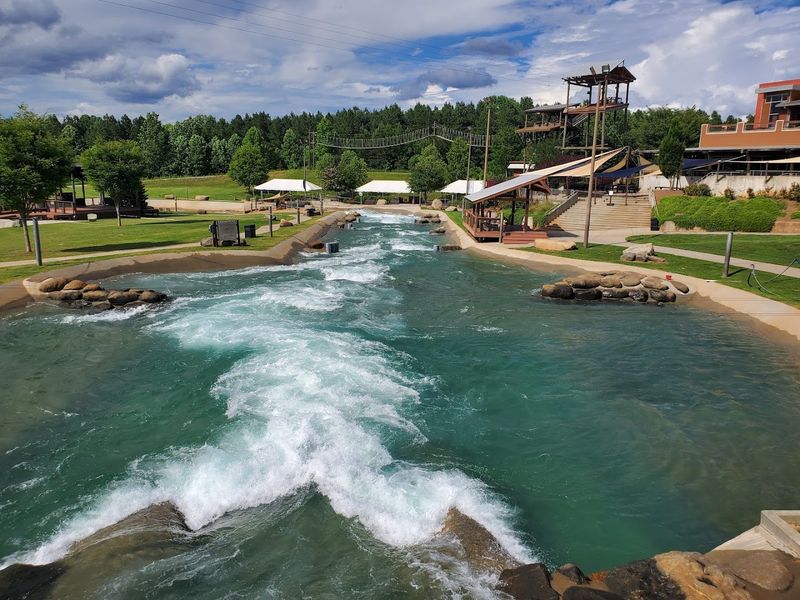
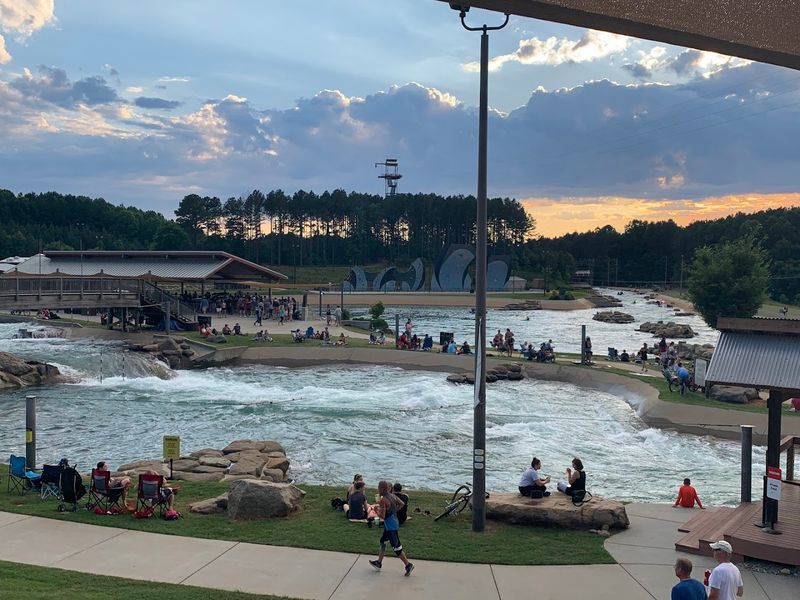
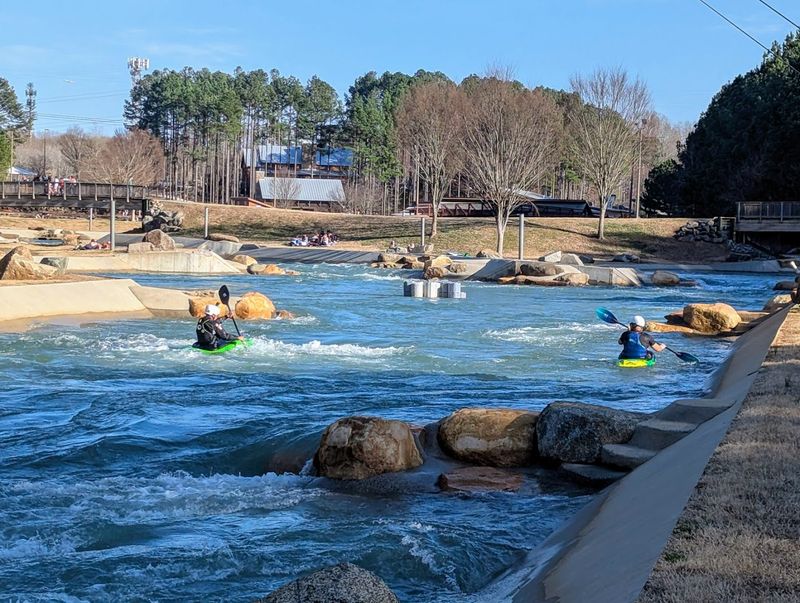
Most rivers take thousands of years to carve their channels. This one was engineered from scratch, and it pumps out class II, III, and IV rapids on demand using a recirculating system that moves up to 1.4 million gallons of water per hour.
The channel was designed to replicate natural whitewater conditions, and it does the job remarkably well. The rocks, the drops, and the wave patterns feel authentic, not like something you would find at a water park.
The system was originally built to host the 2005 Olympic trials for whitewater paddling, and the course standards were set to meet international competition requirements. That background gives the rapids a level of credibility that sets this place apart from other adventure parks.
Guides control the water flow depending on the activity and the skill level of the group on the water. That means the center can dial up the intensity for experienced paddlers or keep things manageable for families with younger kids.
The engineering behind it is genuinely clever, and the result is a river that never runs dry.
Whitewater Rafting: The Main Event
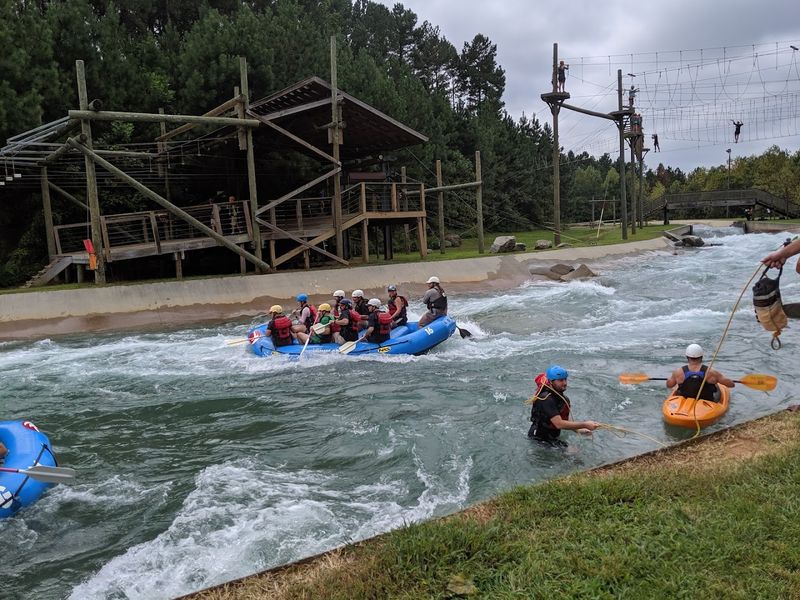
Rafting here is the kind of experience that makes your hands grip the paddle tighter than you planned. The adventure rafting course runs through a series of drops and wave trains that are exciting without being terrifying, which makes it a solid choice for most adults and older kids.
Guides lead every raft trip, and the ones working here take their jobs seriously. They read the water, position the raft for the best lines, and know how to keep the energy high throughout the run.
The family rafting option uses a calmer section of the channel, which works well for groups with younger children who want to join in without the bigger waves.
Each run lasts roughly 45 minutes to an hour, and the guides do multiple laps throughout the day. If the crowds are light, you might even get to go twice, which several visitors have mentioned as a highlight of their trip.
Wearing water shoes or sandals with a back strap is strongly recommended. Sneakers that you do not mind getting soaked also work fine.
Renting sandals on-site is an option, but factoring that into your budget ahead of time helps avoid surprises at the counter.
Kayaking and Stand-Up Paddleboarding on Flat Water
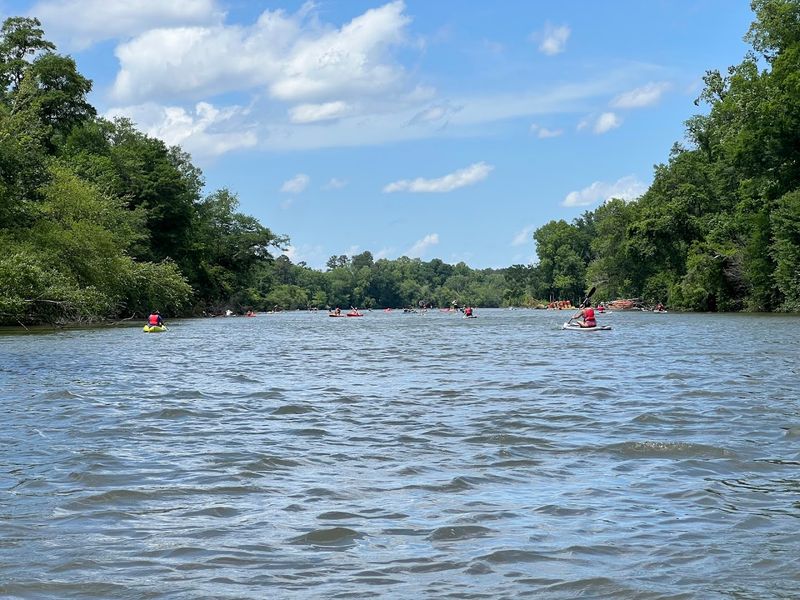
Not everyone who visits wants to take on rapids, and that is completely fine because the flat water section of the property offers its own set of solid options. Stand-up paddleboarding and kayaking on the calm channel give you a chance to work at your own pace without any pressure to keep up with rushing water.
The flat water area sits adjacent to the main channel and has a relaxed atmosphere that feels almost meditative compared to the energy of the rafting course. Rentals are available on-site, and the staff at the equipment area are helpful when it comes to getting you set up with the right gear and a quick orientation.
Paddleboarding here is more of a workout than it looks, especially if you have never done it before. Keeping your balance on the board takes focus, and the mild current in some sections adds just enough challenge to make it interesting.
Kayaking is a popular choice for people who want a bit more control over where they go on the water. Both activities are great for building confidence on the water before potentially working up to the whitewater course on a future visit.
Zip Lines and Aerial Adventures Above the Rapids
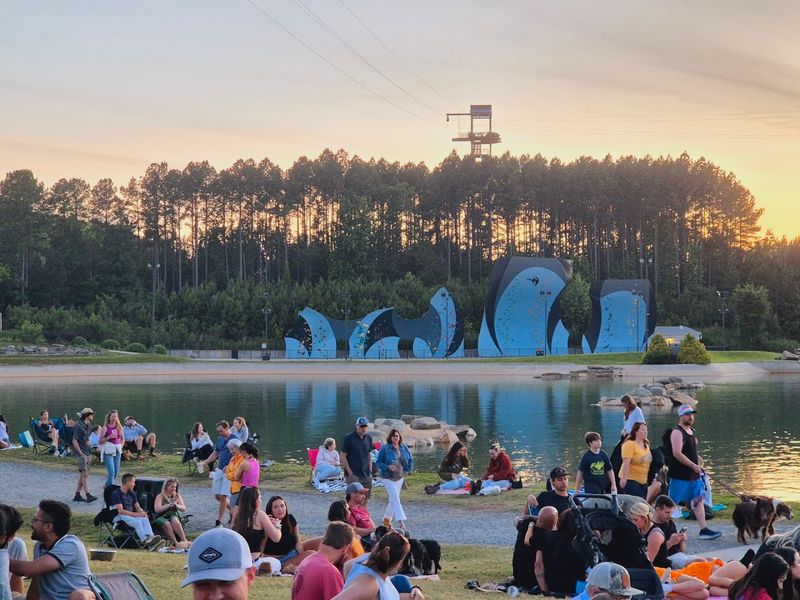
There is something particularly satisfying about flying over a rushing river on a zip line, and the center has made that experience a reality with a tiered system of aerial adventures. The top line to ropes bridges to bottom zip sequence is widely considered the best route, ending with a final zip directly over the rapids.
The setup includes multiple levels of difficulty, from beginner-friendly ropes courses close to the ground to high-altitude zip lines that require a separate ticket on top of the day pass. That extra cost surprises some visitors, so it is worth checking the pricing breakdown on the website before you arrive.
Safety checks at every station are thorough. Staff members verify harnesses multiple times before anyone clips in and launches, and the attention to detail is consistent throughout the course.
One visitor’s child got stuck mid-course and a staff member went up personally to guide her down, which says a lot about the team’s training and responsiveness.
The views from the higher sections of the aerial course are genuinely impressive. You can see the whitewater channel below, the surrounding forest, and the Catawba River in the distance, all from a vantage point that most visitors never expect to reach.
Rock Climbing Wall: A Vertical Challenge with a View
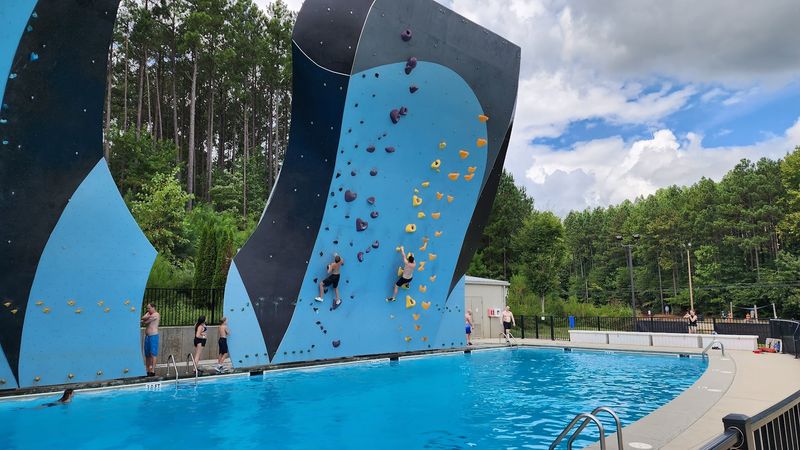
The climbing wall at this center is not your average gym structure. It hangs out over a pool of water, which means a missed hold does not just mean a bruised ego but a splashy landing.
That setup adds a layer of fun and a mild consequence that keeps climbers focused and entertained at the same time.
Routes are available for different skill levels, so beginners can work on the lower sections while more experienced climbers tackle the overhangs and steeper faces. The wall is tall enough to feel like a real challenge, and the water below makes the whole thing feel more like an outdoor adventure than a fitness exercise.
Harnesses and safety equipment are provided, and staff members oversee the climbing area to make sure everything is set up correctly before anyone starts their ascent. The process is smooth, and the team keeps the line moving efficiently even on busy days.
Bringing sneakers with good grip is recommended for climbing. The surface of the wall has varied textures that respond well to rubber-soled shoes, and having proper footwear makes a noticeable difference in how far you can get on the harder routes.
Mountain Biking Trails Through the Woods
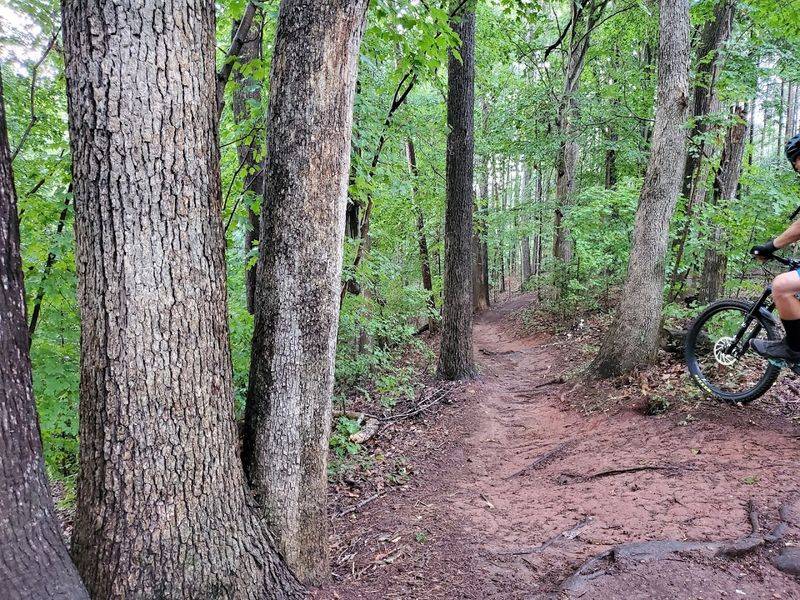
The trail system at the center covers miles of singletrack through the surrounding forest, and the mountain biking options here have developed a strong following among riders in the Charlotte area. The trails range from beginner-friendly loops to more technical sections with roots, drops, and tight turns that keep experienced riders engaged.
Bike rentals are available on-site, which makes it easy to show up without your own gear and still have a full riding experience. The rental fleet is well-maintained, and the staff at the outfitter shop can point you toward trails that match your skill level.
Wearing proper sneakers is important here. The pedals on the rental bikes respond better to stiff-soled shoes than to sandals or flip-flops, and having the right footwear makes a real difference in how much control you have on the trickier sections of trail.
The forest setting makes the biking experience feel removed from the rest of the park, even though you are never far from the main facilities. The sound of the rapids fades as you head deeper into the trees, and for a stretch of time, it genuinely feels like you are miles from the city rather than a short drive from uptown Charlotte.
Walking Trails, Suspension Bridges, and the Catawba River
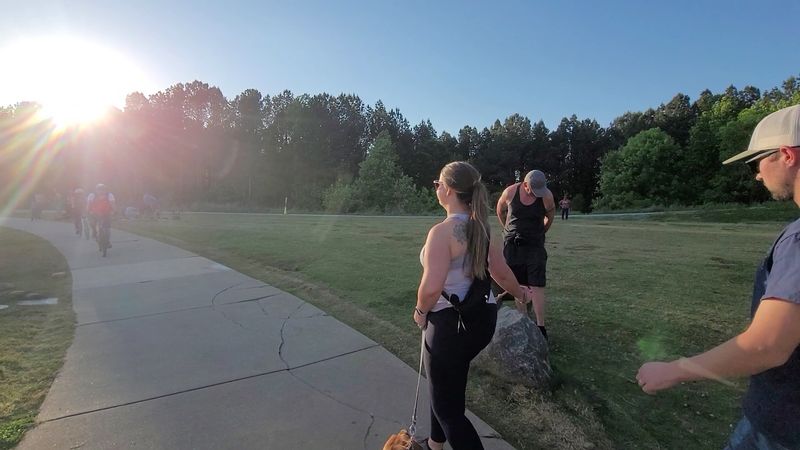
Not every great day at the center involves getting wet or strapped into a harness. The walking trails alone are worth the trip, covering roughly 3.5 miles of paths that wind through the property and lead out to some genuinely beautiful spots along the Catawba River.
The suspension bridge is one of the highlights of any trail walk here. It sways just enough to feel adventurous, and the view from the middle gives you a clear look at the river below and the forested banks on either side.
Crossing it with kids tends to generate a lot of laughter.
The trail system is also dog-friendly, which is a detail that brings a noticeable number of families with their pets to the park on weekends. Seeing dogs trot happily along the paths while their owners take in the scenery adds to the relaxed, community feel of the place.
The walk out to the Catawba River itself is a peaceful end point for a trail loop. The river is wide and calm at the viewing area, and spending a few minutes there before heading back gives you a moment to appreciate just how much natural beauty surrounds this otherwise high-energy destination.
Ice Skating in the Off-Season: A Surprising Winter Attraction
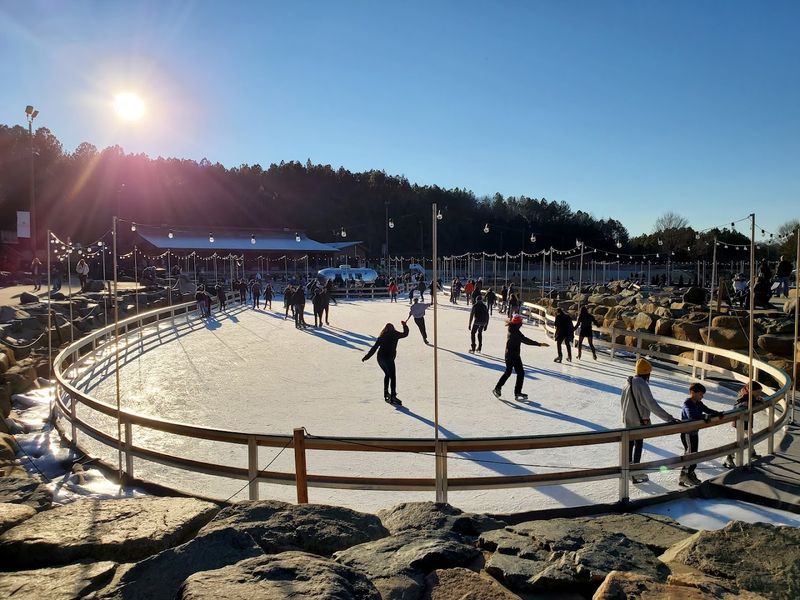
During the winter months, the same channel that hosts kayakers and rafters in warmer weather gets transformed into an outdoor ice skating rink. The Zamboni makes regular appearances to keep the surface smooth, and the whole setup has a festive, community feel that is very different from the summer energy of the park.
A hot chocolate shop sits right in the middle of the rink area, which is exactly the kind of detail that makes a cold day feel worthwhile. Fire pits are scattered around the perimeter for spectators who prefer to watch from a warm vantage point rather than lace up skates themselves.
The ice is not as polished as an indoor rink, but it is more than good enough for casual skating. Bringing extra socks is a practical tip that frequent visitors pass along, since the rental skates can feel loose without an additional layer.
All-day skating runs about $25 per person, which is a reasonable rate for the experience. The staff at the rink area are consistently friendly, and the overall atmosphere during the winter season has a charm that surprises visitors who only associate this place with warm-weather water sports.
Highland Cows, Dogs, and the Community Vibe
One of the most unexpected things about this place is the presence of Scottish Highland cows on the property. These shaggy, photogenic animals have become something of an unofficial mascot for the center, and spotting them during a trail walk tends to stop visitors in their tracks.
The cows are kept in a visible area near some of the walking paths, and they are calm and approachable enough that watching them for a few minutes becomes a genuinely enjoyable detour. Multiple visitors have mentioned them as a highlight of the trip, which says something about how much personality these animals bring to the experience.
The center is also dog-friendly throughout most of the property, which creates a warm, welcoming atmosphere that feels more like a community gathering spot than a commercial attraction. Dogs on leashes are a common sight on the trails and near the water, and their presence adds to the relaxed energy of the place.
The overall vibe here is one of shared enthusiasm for the outdoors. Visitors tend to be friendly, guides are genuinely engaged with their groups, and the mix of activities means you will encounter everyone from competitive paddlers to families out for a casual afternoon walk along the river.
Practical Tips for Getting the Most Out of Your Visit
A little planning goes a long way at the U.S. National Whitewater Center.
Buying tickets online before you arrive is the single most effective way to save time, since it lets you skip the paperwork and head straight to the wristband line when you get there.
Parking currently costs around $10 to $13, so factoring that into your budget is useful. Locker rentals run about $10 for the day, and sandal rentals are in a similar range if you do not bring your own water shoes.
The costs add up, but knowing what to expect removes the sting of surprise fees.
Packing your own snacks and a refillable water bottle is a smart move. Food is available on-site at the restaurant and snack shops, but prices reflect the captive audience.
Sunscreen is also essential because shade is limited in several activity areas, especially around the main channel.
The center rates 4.7 out of 5 stars across more than 11,000 reviews, which reflects just how consistently positive the experience is for most visitors. Annual passes are worth considering if you live within a reasonable drive of Charlotte, since the variety of activities here makes returning multiple times throughout the year genuinely appealing.
Share this story