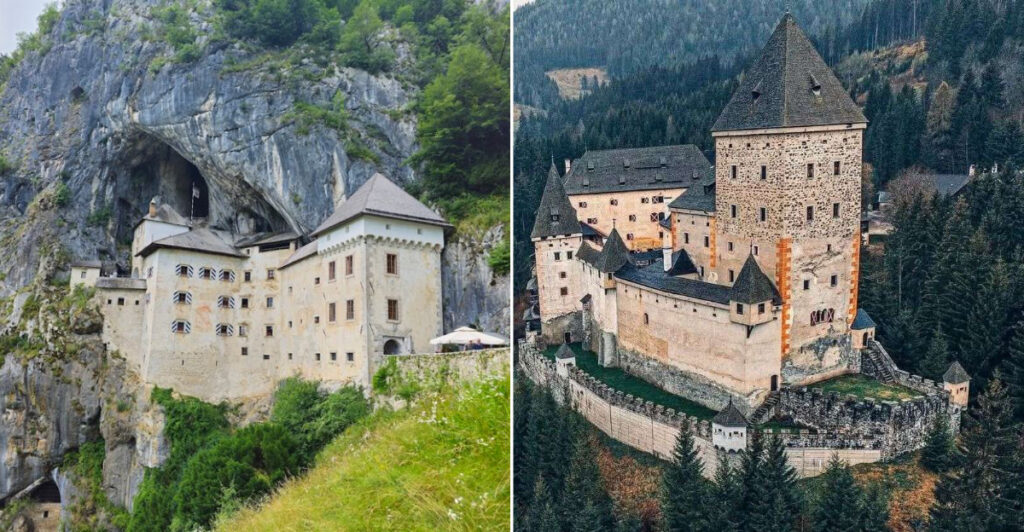
Some castles are famous for their history. Others are famous for something a little harder to explain.
This list covers 15 real castles and historic fortresses around the world that have earned serious reputations for ghost stories, dark legends, and centuries of mysterious activity, and the best part is that you can actually walk through most of them yourself. Whether you are a history lover, a curious traveler, or someone who genuinely enjoys the feeling of standing in a place where strange things are said to happen, these destinations deliver something most ordinary tourist stops cannot.
From Romania to Japan, from Ireland to South Africa, these castles carry real history alongside their haunted reputations. Pack your curiosity, maybe a jacket for those cold stone corridors, and get ready to explore some of the world’s most atmospheric historic sites.
Bran Castle, Bran, Romania
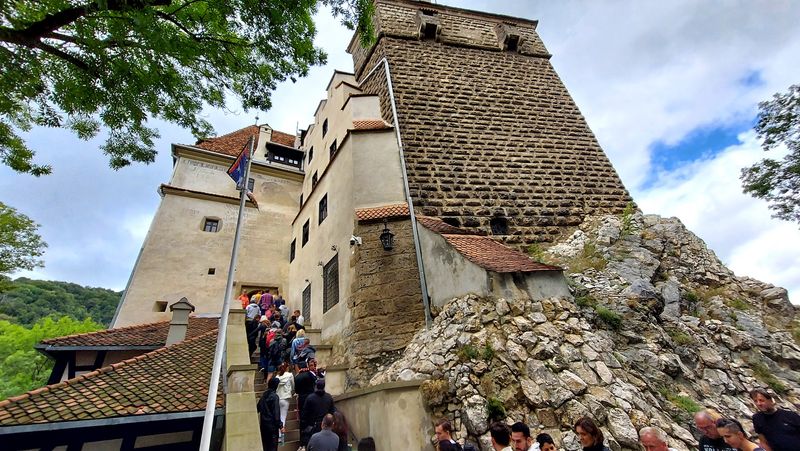
Few castles in the world carry a name as loaded as Bran Castle. Perched in the Carpathian Mountains with its pointed towers and stone walls rising above the treeline, it is exactly what most people picture when they hear the word haunted.
The Dracula connection draws visitors from every continent, though the real history of the fortress is far older and more layered than any single legend.
The official castle site offers guided tours, a Time Tunnel experience, Medieval Torture Chambers, and multiple ticket options for different kinds of visitors. Its Gothic silhouette and mountain backdrop create the kind of atmosphere that photographs cannot fully capture.
Bran has been a royal residence, a military stronghold, and a cultural landmark across different centuries. For travelers who want their history served with a side of folklore, this castle delivers both without requiring any imagination at all.
Chillingham Castle, Northumberland, England
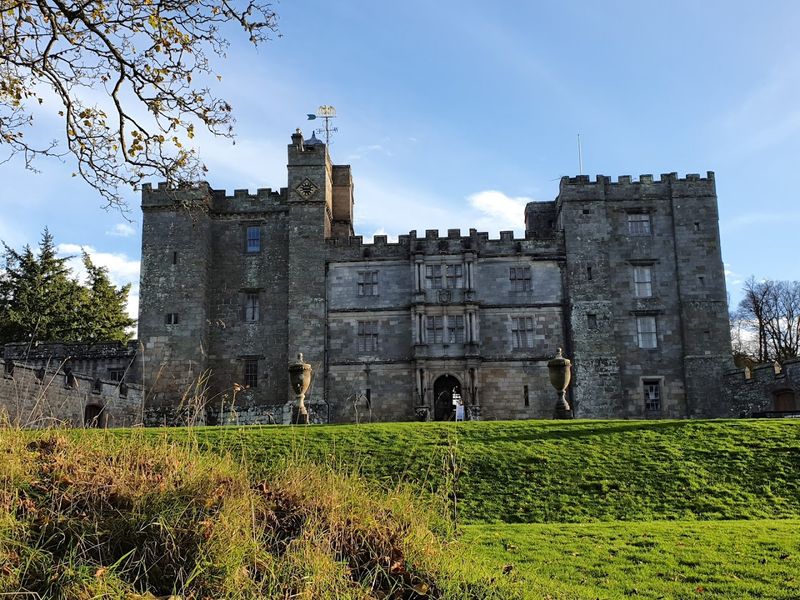
Chillingham Castle does not try to hide what it is. The castle openly leans into its haunted reputation, and that honesty is part of what makes it such a satisfying stop for ghost-curious travelers.
Guided ghost tours take visitors through areas of the castle and grounds where reported activity has been documented over many years.
Beyond the ghost tours, the 2026 visitor season includes access to state rooms, a dungeon, a torture chamber, the garden, a lake, parkland, and a tearoom. That range of offerings makes it appealing even for visitors who are more interested in medieval history than in supernatural stories.
Chillingham sits in the Northumberland countryside, which adds a layer of remoteness that larger tourist castles cannot replicate. If a classic British haunted-castle experience is what you are after, this one earns its reputation honestly and gives you plenty of real history to explore alongside the ghost stories.
Edinburgh Castle, Edinburgh, Scotland
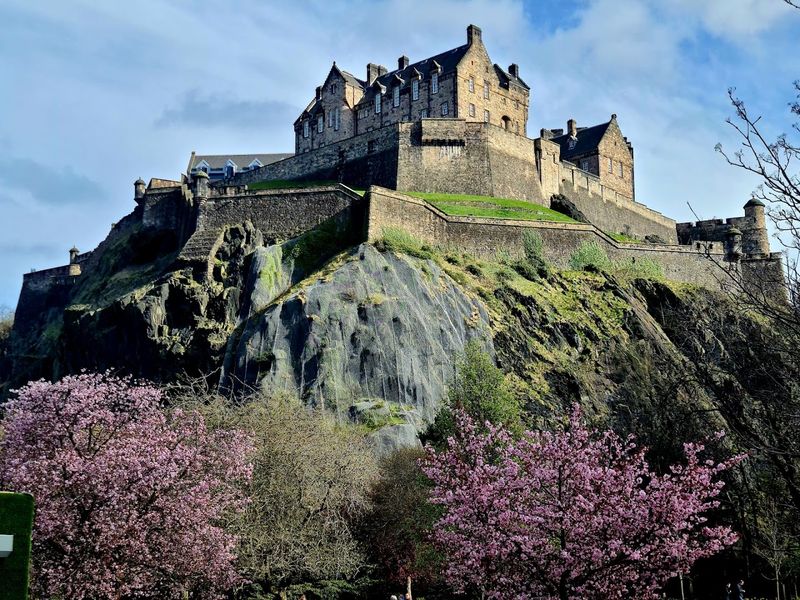
Sitting on top of an ancient volcanic rock in the middle of Scotland’s capital city, Edinburgh Castle is one of those places that feels historic from every angle. The castle has served as a royal residence, a military garrison, and a national symbol across more than a thousand years of Scottish history.
Official tours include audio guides, suggested itineraries, the Honours of Scotland crown jewels, Mons Meg, and the famous One O’Clock Gun that still fires daily. Its haunted reputation connects to stories of ghostly figures spotted in underground vaults, unexplained sounds, and centuries of military activity layered beneath the stone.
Even on a busy tourist day, the castle manages to feel atmospheric. The combination of real, documented history and persistent ghost lore gives Edinburgh Castle a depth that rewards visitors who take time to explore beyond the main courtyard.
Scotland’s most visited historic attraction earns that title for many good reasons.
Tower of London, London, England
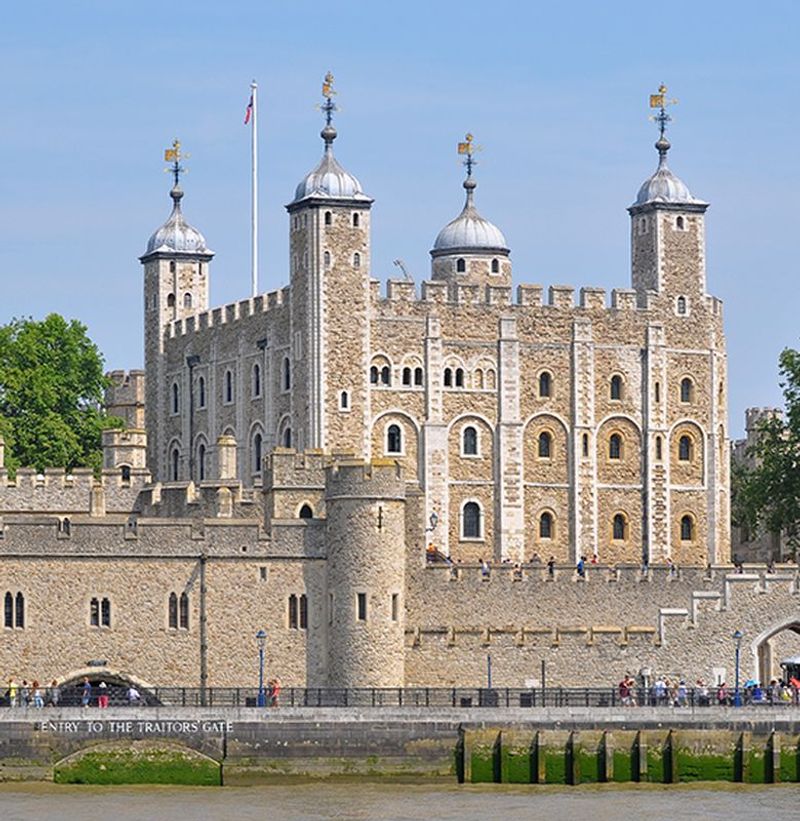
The Tower of London is one of the most storied buildings in the entire world, and its haunted reputation is built on centuries of genuine historical tragedy. As a royal fortress, prison, and place of execution, it holds more dark history per square foot than almost anywhere else visitors can walk through today.
Historic Royal Palaces recommends allowing at least three hours to properly explore the site during opening hours. Ghost legends tied to Anne Boleyn and other figures from Tudor history have made the Tower a fixture on haunted-castle lists for generations, and those stories are woven into the official tours and exhibits.
The Crown Jewels, the Yeoman Warder tours, the medieval palace rooms, and the outer walls all offer different entry points into centuries of royal history. For first-time visitors to London, the Tower combines genuine historical weight with one of the most recognized haunted reputations in the English-speaking world.
Leap Castle, County Offaly, Ireland
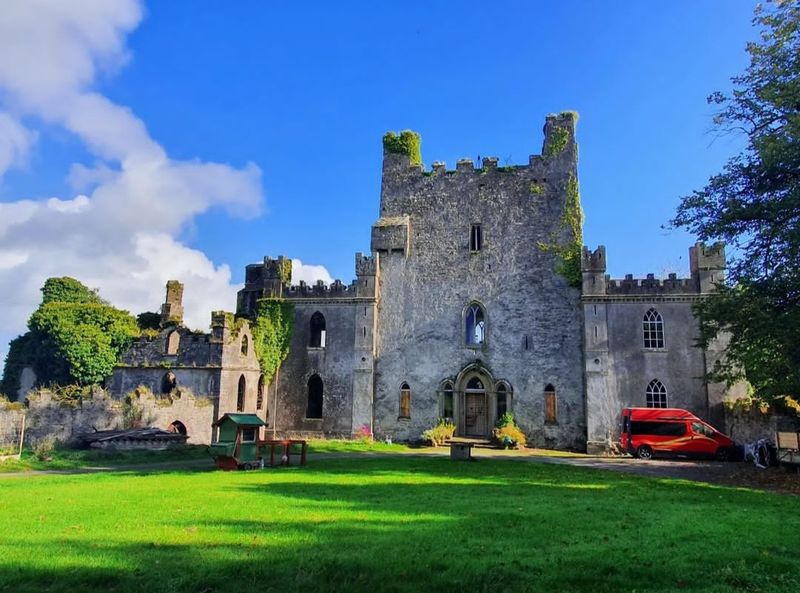
Ireland has no shortage of old castles, but Leap Castle occupies a category of its own when it comes to dark history and haunted reputation. The castle’s own website describes it as the world’s most haunted castle, a claim rooted in centuries of violent conflict, a Bloody Chapel with a documented history of tragedy, and the legend of a dark supernatural presence known as the Elemental.
The castle is privately owned, which means visiting requires some advance planning. Confirming tour availability before making the trip is strongly recommended, as access is not guaranteed on a walk-in basis like a national monument would be.
For travelers who prefer their haunted-castle experiences off the standard tourist trail, Leap Castle offers exactly that. Its remote setting in County Offaly, the weight of its documented history, and the atmosphere of a place that has been both fortress and ruin make it one of Ireland’s most genuinely unsettling historic sites to visit.
Houska Castle, Czech Republic
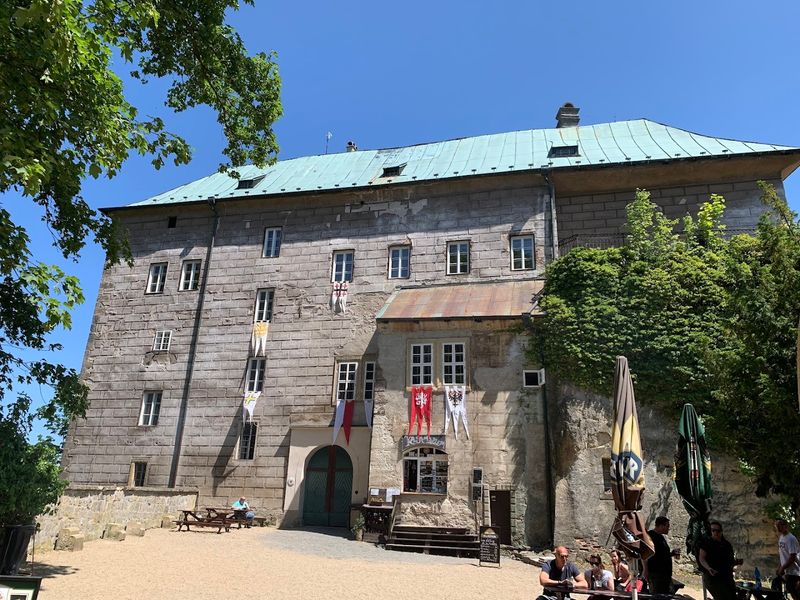
Houska Castle has one of the strangest origin stories attached to any fortified building in Europe. According to local legend, the castle was not built to keep enemies out but to seal something in, specifically a bottomless pit believed to be a gateway to the underworld.
The castle’s own official visitor description uses that legend directly, which tells you something about how central it is to the site’s identity.
The castle is open seasonally from spring through autumn, giving visitors a defined window to plan around. Its remote forest setting adds to the atmosphere in a way that more accessible tourist castles simply cannot match.
Houska’s preserved Gothic architecture, unusual folklore, and off-the-beaten-path location make it a compelling stop for travelers exploring the Czech Republic beyond Prague. If medieval mystery with an extra layer of creepy legend sounds appealing, this is one European castle that genuinely delivers something different from the standard historic-site experience.
Bhangarh Fort, Rajasthan, India
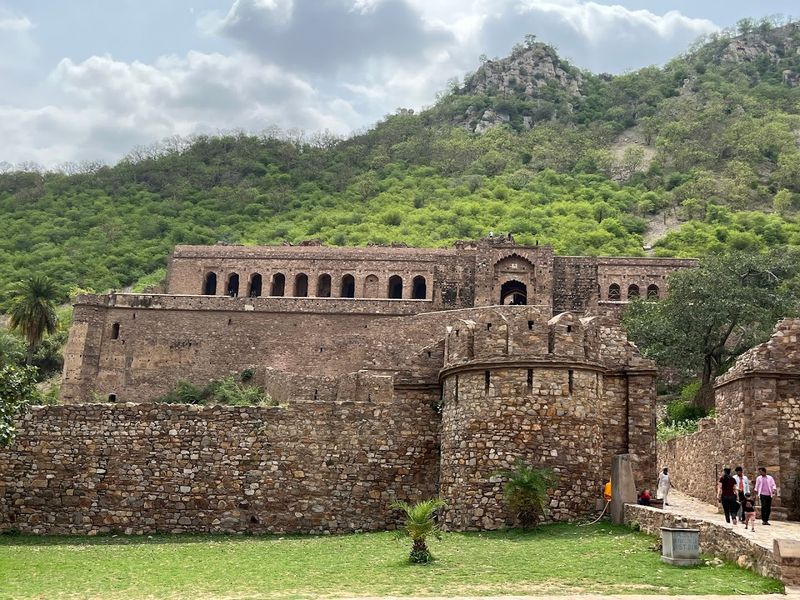
Bhangarh Fort is one of those places where the atmosphere does most of the storytelling. Located in the Aravalli Mountain range of Rajasthan, the fort is a sprawling complex of ruins that includes temples, havelis, palace remains, and ancient marketplaces, all of which were abandoned centuries ago under circumstances that local legend blames on a curse.
Rajasthan Tourism acknowledges the fort’s haunted reputation directly, describing it as a place thought to be haunted that still draws large numbers of visitors because of its atmospheric setting and architectural remains. Permitted visiting hours apply, and the site is a recognized archaeological attraction.
Walking through Bhangarh feels different from visiting a maintained museum castle. The ruins are real, the history is documented, and the legends are deeply embedded in local culture.
For travelers in Rajasthan looking for a historic stop that carries genuine weight beyond its architectural features, Bhangarh Fort is a well-established and accessible destination worth adding to the itinerary.
Corvin Castle, Hunedoara, Romania
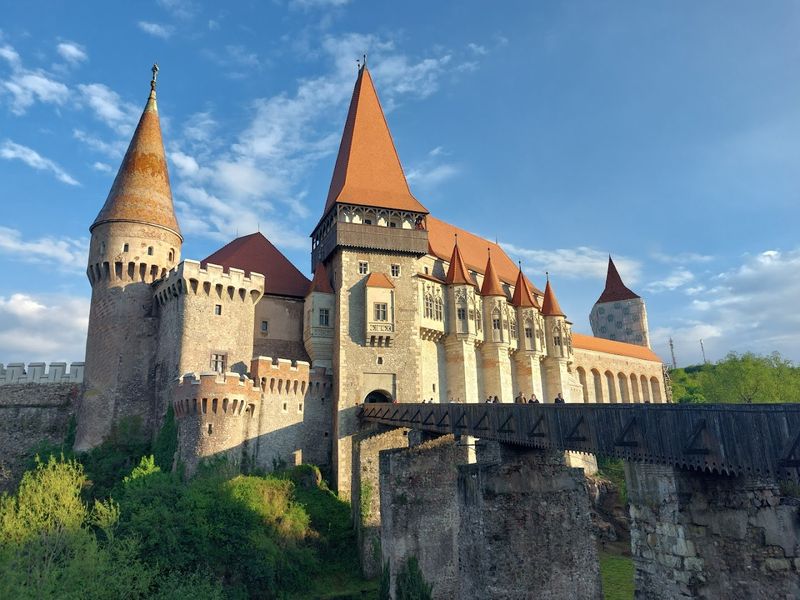
Romania has two castles that consistently appear on haunted and Gothic castle lists, and while Bran gets most of the international attention, Corvin Castle in Hunedoara arguably looks more like the real thing. Its towers, drawbridges, stone halls, and deep courtyard create a silhouette that feels pulled directly from a medieval illustration.
The official visitor page lists 2026 fees and includes access to the Corvin Castle Museum, the House of Guilds, and an archaeology exhibition. Legends connecting the castle to Vlad the Impaler and stories of medieval imprisonment add a darker layer to what is already a visually striking historic site.
Because Corvin is less internationally recognized than Bran, the crowds can feel more manageable, and the experience of walking through its interiors tends to feel more immersive. For travelers already planning a Romania trip who want a Gothic castle that rewards both history lovers and atmosphere seekers equally, Corvin is the stronger architectural choice.
Dragsholm Castle, Horve, Denmark
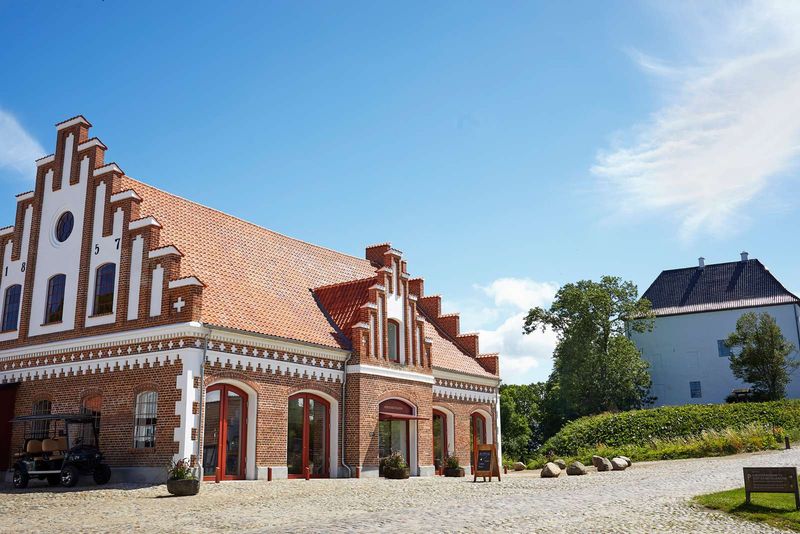
Most haunted castles require you to leave before dark. Dragsholm Slot in Denmark gives you the option to spend the night, which is either a comforting upgrade or a more unsettling proposition depending on your perspective.
The 800-year-old fortress has been converted into a castle hotel, and its official site presents it as a destination focused on hospitality, gastronomy, and overnight experiences.
Travel sources regularly connect Dragsholm to Denmark’s haunted-castle tradition, with ghost stories tied to its long history as a prison and noble residence. The combination of fine dining, historic stone architecture, and centuries of legend makes it one of the more unusual stays available in Scandinavia.
For travelers who want the ghost-castle atmosphere without giving up comfort, Dragsholm offers a genuinely rare combination. Booking ahead is recommended for overnight stays, and the surrounding Danish countryside adds a quiet, scenic context that makes the castle feel even more isolated from the modern world once you settle in.
Chateau de Brissac, Brissac-Loire-Aubance, France
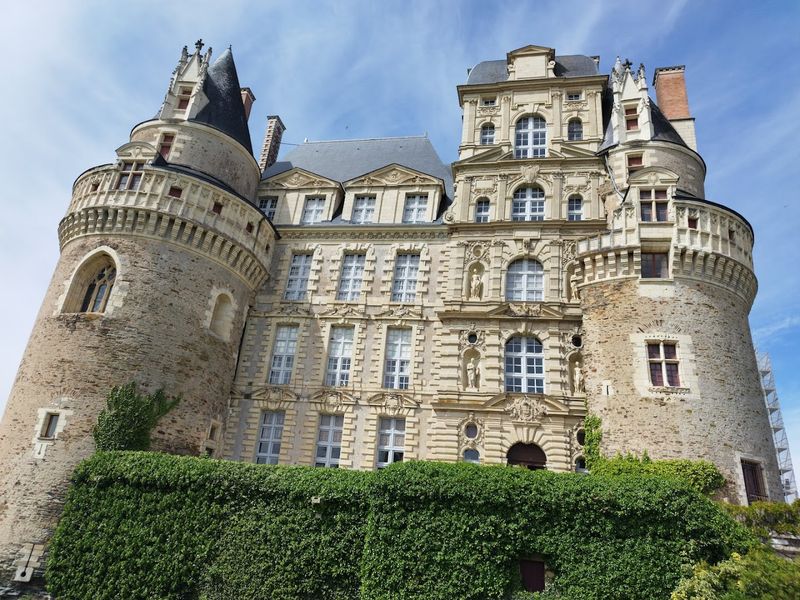
Standing seven stories tall with 204 rooms, Chateau de Brissac holds the distinction of being the tallest chateau in France. From the outside, it looks more like a grand aristocratic estate than a haunted landmark, which makes the ghost story attached to it feel genuinely surprising.
The castle’s most famous legend involves the Green Lady, a tragic figure from the chateau’s past whose presence is said to be felt in certain rooms.
The official site confirms that the chateau is open for visits, with current opening hours and ticket prices listed for guests planning a trip. Its location in the Loire Valley places it within reach of other regional attractions, making it a natural addition to a longer French itinerary.
Brissac is one of those places where elegant surroundings and unsettling history exist side by side without one canceling out the other. The polished rooms and formal gardens make the ghost story feel more unexpected, which somehow makes the whole experience more memorable.
Himeji Castle, Himeji, Japan
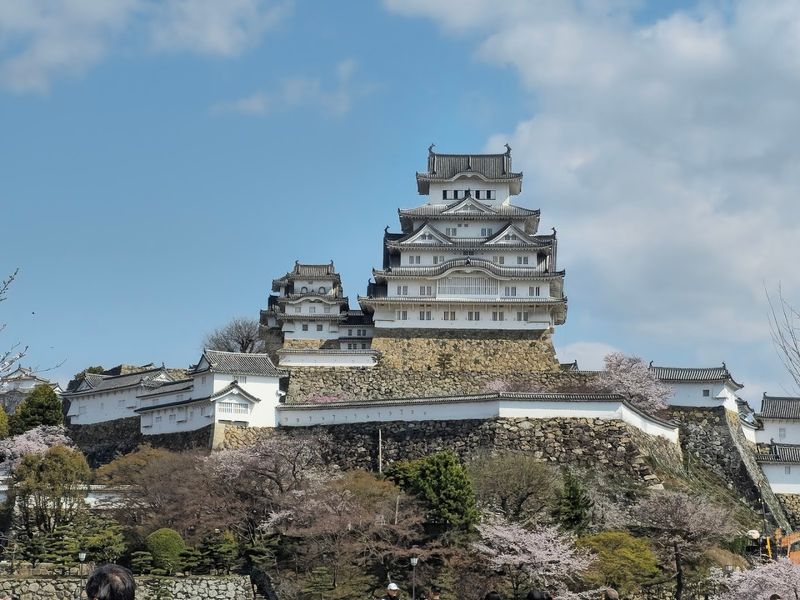
Himeji Castle is widely considered Japan’s finest surviving example of feudal castle architecture, and its white plastered walls and layered rooflines have earned it a UNESCO World Heritage designation. It looks almost impossibly graceful for a military fortress, which makes the ghost story attached to it feel like an unexpected contrast.
The haunted connection comes from the Okiku well legend, a ghost story set within the castle grounds that has been part of Japanese folklore for centuries and continues to appear in modern haunted-castle discussions. The official site provides current visitor information, including specific rules about footwear when entering the wooden Main Keep to protect the cultural property.
Visiting Himeji is a different kind of haunted-castle experience compared to the dark stone towers of Europe. The atmosphere here is quieter and more refined, but the weight of the Okiku legend gives the well on the grounds a distinct chill that visitors who know the story tend to feel immediately upon approaching it.
Predjama Castle, Predjama, Slovenia
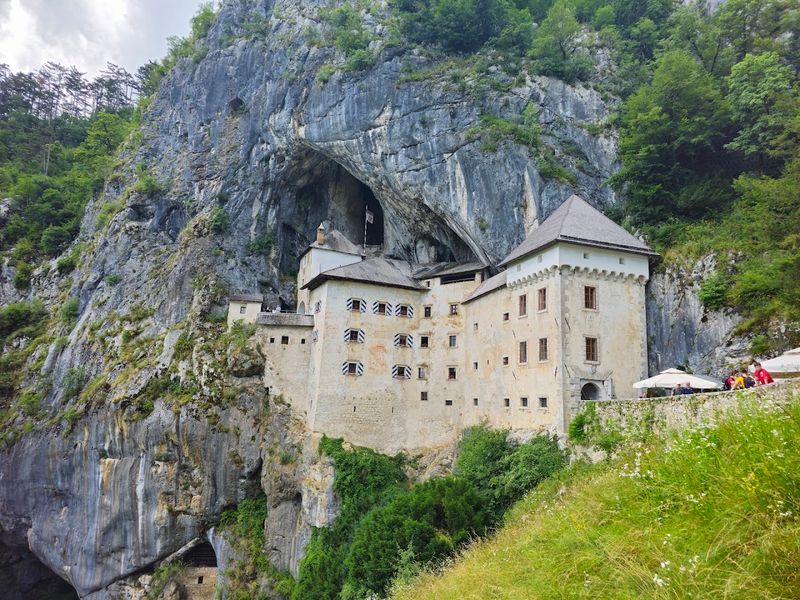
Predjama Castle might be the most visually unusual entry on this entire list. Built directly into a limestone cliff face and cave opening in Slovenia, it looks less like a constructed building and more like something that grew out of the rock itself.
The effect is striking enough that photographs of it regularly appear on lists of the world’s most remarkable castles.
Postojna Cave Park confirms that the castle is open every day of the year, including holidays and during bad weather, with tickets and audio-guide options available. Its legends center on Erasmus of Lueg, a medieval outlaw knight whose story of siege survival, secret passages, and dramatic end is closely tied to the castle’s identity.
The combination of natural cave architecture, medieval history, and accessible daily visiting makes Predjama one of the more approachable haunted-castle stops on the list. Slovenia is still relatively undervisited compared to its neighbors, which means Predjama often feels less crowded than its extraordinary setting deserves.
Castle of Good Hope, Cape Town, South Africa
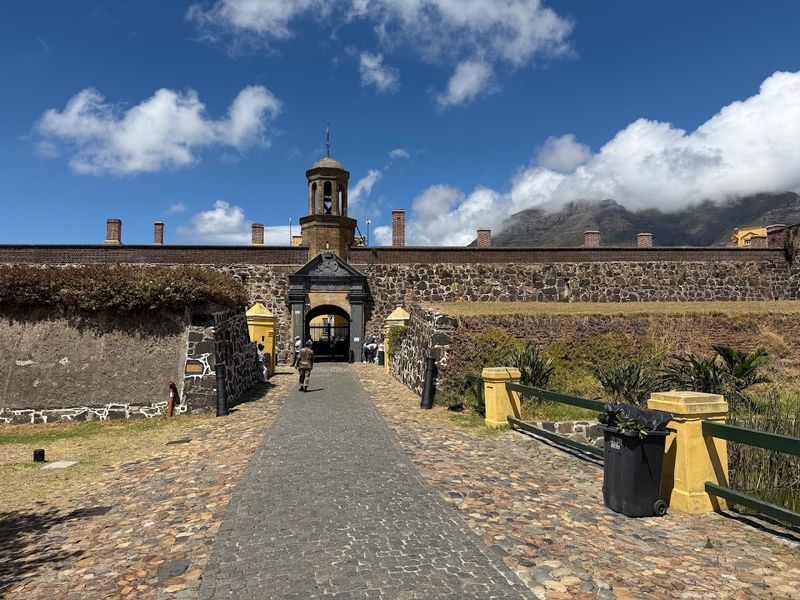
Built in the 1660s by the Dutch East India Company, the Castle of Good Hope is the oldest surviving colonial building in South Africa and one of Cape Town’s most significant historic sites. Its star-shaped bastion design reflects 17th-century military architecture, and its walls have held everything from colonial administration to a functioning prison across its long history.
The official visitor page lists opening times, ticket prices, and accessibility details, and notes that the castle is open 363 days a year, closing only on Christmas Day and New Year’s Day. Ghost stories connected to the site include legends tied to former governors and military figures whose presence is said to linger in certain parts of the fortress.
For travelers in Cape Town looking beyond the mountain and waterfront, the Castle of Good Hope offers a genuinely layered historic experience. The combination of documented military history, preserved architecture, active ceremonies, and haunted reputation makes it one of Africa’s most complete historic-site visits.
Burg Eltz, Wierschem, Germany
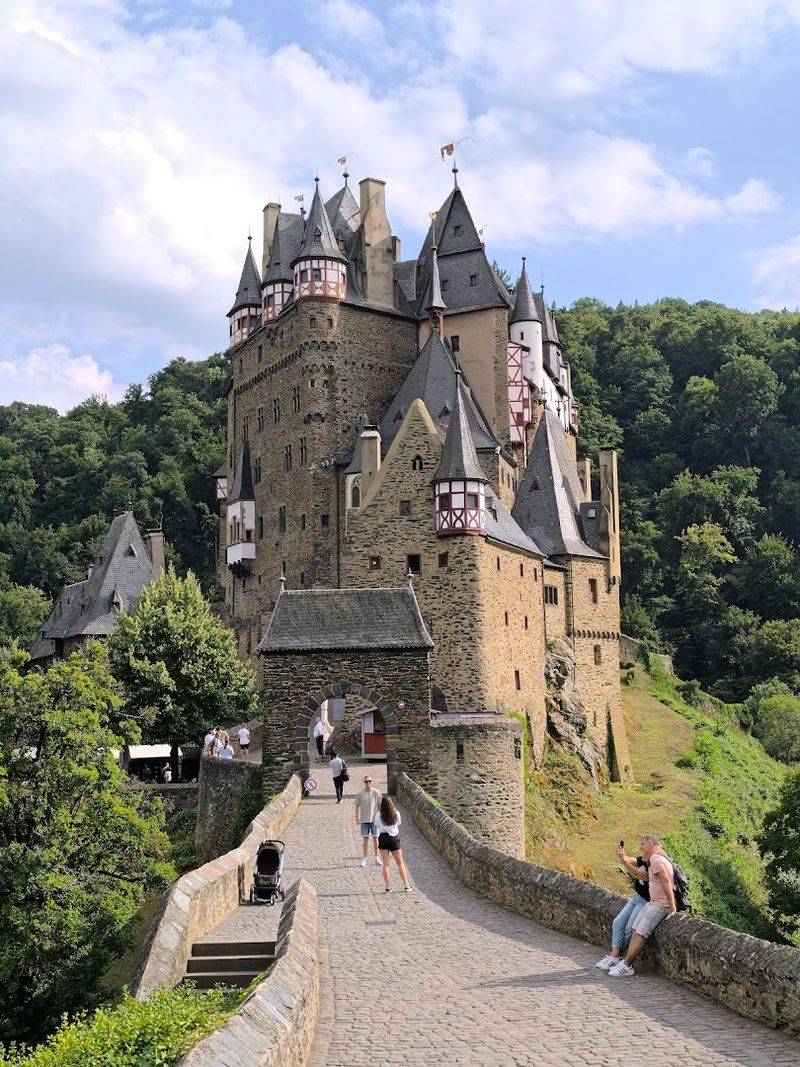
Burg Eltz is the kind of castle that makes people stop scrolling when they see a photo of it. Tucked into forested hills above the Moselle region, its cluster of towers and half-timbered upper floors look like they belong in an illustrated storybook rather than a real valley in western Germany.
The castle has remained in the same family for over 800 years, which adds a layer of continuity that most historic sites cannot claim.
The official site confirms that Eltz Castle is open daily during the 2026 season, with admission covering the guided tour, courtyard access, and the treasury. The haunted legend most often associated with the castle involves Agnes Eltz, whose ghost story gives visitors a piece of local lore to carry through the corridors.
Beyond the ghost angle, Burg Eltz is simply one of Germany’s most photogenic medieval castles. The forested setting, the preserved interiors, and the treasury collection make it a rewarding stop regardless of whether ghost stories are your primary interest.
Moosham Castle, Unternberg, Austria
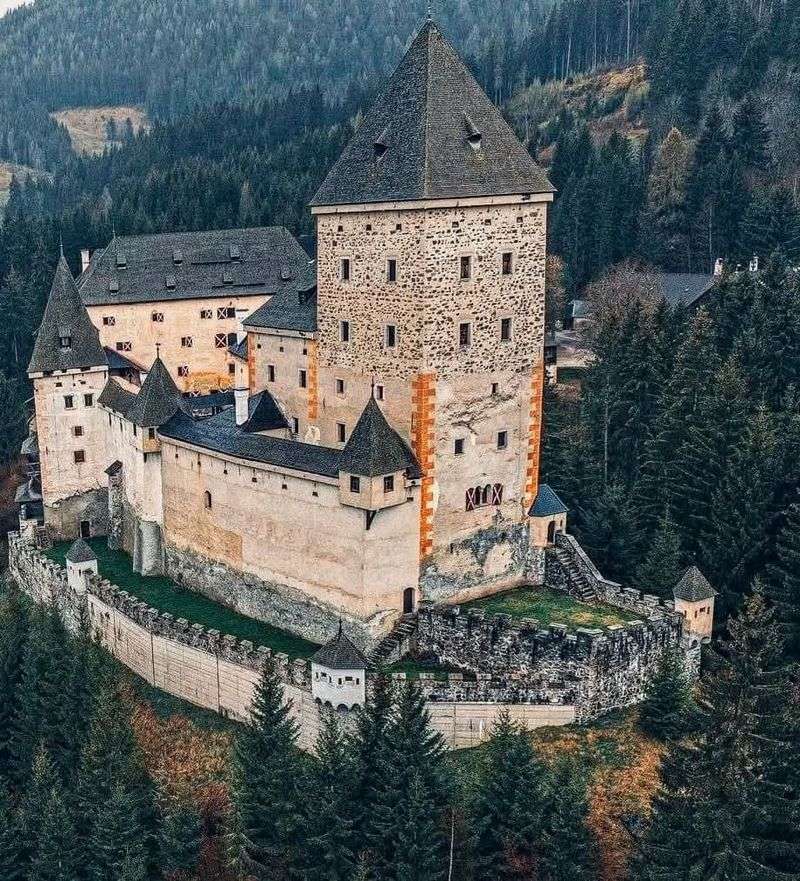
Moosham Castle is not the first Austrian castle that appears on international travel lists, which is exactly what makes it an interesting find. Located in the Salzburg region, the castle carries a reputation built on some of Austria’s darkest historical episodes, including witch trials, werewolf legends, and accounts of strange activity that have persisted in local memory for centuries.
The castle is privately owned but open to the public through guided tours, with its historic collections and preserved medieval atmosphere still drawing visitors who seek out less mainstream haunted-castle experiences. Because it sits outside the major tourist circuits, a visit here feels more like a genuine discovery than a box to check.
For travelers already exploring Salzburg or the Austrian countryside, Moosham offers a detour with real historical weight and genuine folklore behind it. Its combination of witch-trial history, werewolf lore, and medieval architecture gives it a distinct identity that separates it clearly from the more polished castle experiences elsewhere on this list.
Share this story