The 1980s and 1990s gave us some of the most unforgettable action heroes the big screen has ever seen. These were the stars who made Saturday afternoons at the video store feel like a serious mission, and whose movies still get quoted, rewatched, and debated decades later.
From muscle-bound warriors to wisecracking underdogs and trailblazing heroines, this era produced a remarkable range of screen legends who each brought something completely different to the genre. Whether you grew up renting VHS tapes or catching these films on late-night cable, this list covers the icons who defined what action movies could be at their absolute peak.
Arnold Schwarzenegger
Few careers in Hollywood history match the sheer scale of what Arnold Schwarzenegger built during the 1980s and early 1990s. The Terminator, Predator, Commando, and Terminator 2: Judgment Day were not just hits; they were cultural events that reshaped what audiences expected from action films.
The National Association of Theatre Owners voted him International Star of the Decade, a title that felt completely earned. What separated him from other big-screen tough guys was the combination of physical dominance, deadpan humor, and an almost mythological screen presence that few actors have ever matched.
He could play an unstoppable machine in one film and a jungle commando in the next, and both felt completely convincing. Terminator 2: Judgment Day is widely considered his career peak, and watching it today, it is easy to understand why.
Arnold did not just star in action movies; he became the measuring stick for the entire genre.
Sylvester Stallone
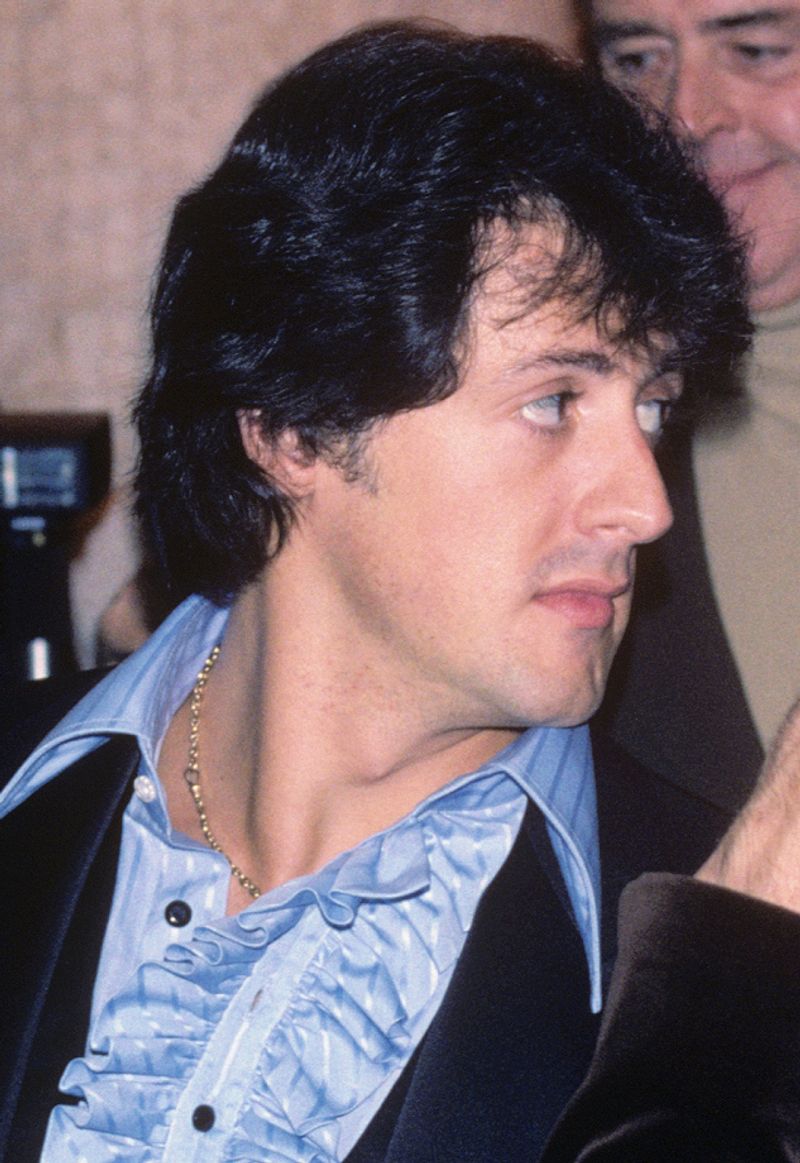
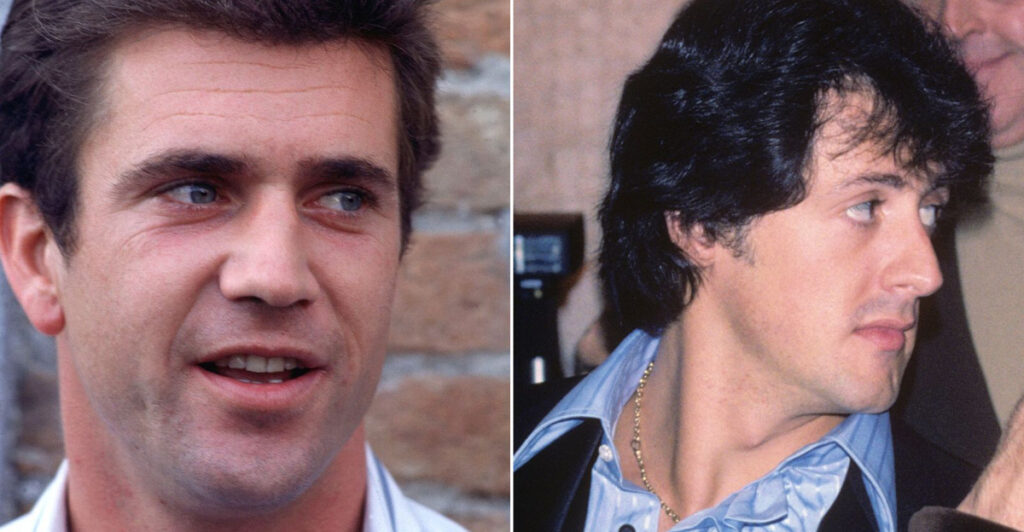
Sylvester Stallone gave the world two of cinema’s most enduring characters, and the fact that Rocky Balboa and John Rambo feel so different from each other says a lot about his range. Rocky arrived in 1976, but it was First Blood in 1982 that launched the Rambo franchise and cemented his action-hero status for a full decade.
Films like Cobra, Tango and Cash, Cliffhanger, and Demolition Man kept him a consistent box-office presence throughout the era. What made Stallone’s action persona compelling was the undercurrent of vulnerability running beneath all that muscle.
Even when the movies leaned into spectacle, his best characters felt bruised and stubborn in a way that felt genuinely human.
Rambo became a symbol of something bigger than any single film, and Stallone’s ability to carry that weight across multiple sequels without losing the emotional core is a real achievement. His influence on the action genre is still felt today.
Bruce Willis
Before Die Hard arrived in 1988, action heroes were mostly built like tanks and rarely showed pain. Bruce Willis changed that formula completely by making John McClane an ordinary guy who bled, complained, and cracked jokes while somehow surviving the impossible.
IMDb describes Willis as known for playing wisecracking or hard-edged characters in action films, and McClane is the perfect example of both qualities working together at full strength. The character was not superhuman; he was exhausted, barefoot, and running on stubbornness, which made every close call feel genuinely tense.
That grounded quality was exactly what the genre needed at the time, and Die Hard went on to inspire countless films that tried to replicate its balance of humor, danger, and personality. Willis brought sarcasm and real screen charisma to a role that could have easily been forgettable.
Instead, it became one of the defining action performances of the entire decade.
Jackie Chan
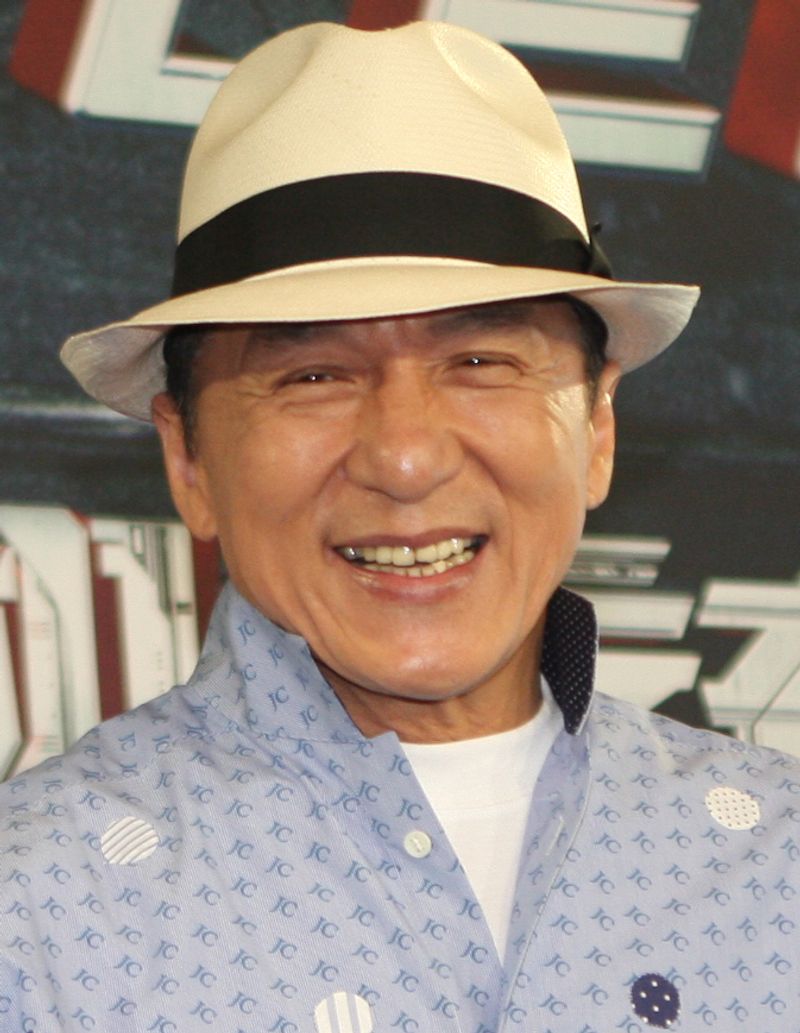
Jackie Chan brought something to action movies that nobody else was doing at the same level: genuine physical comedy woven directly into the fighting. His Hong Kong classics like Drunken Master and Police Story built a global fanbase long before Rush Hour introduced him to mainstream American audiences alongside Chris Tucker.
The appeal was not just the martial arts, though that alone was impressive enough. Chan turned every environment into a playground, using ladders, chairs, shopping carts, and whatever else was nearby as part of the choreography.
The results were funny, inventive, and genuinely dangerous, since he performed nearly all of his own stunts.
Rush Hour became a massive hit and proved that his screen presence translated perfectly across languages and cultures. Chan’s blend of athleticism, timing, and likability gave the action genre a lighter, more joyful energy that felt completely distinct from anything his contemporaries were producing at the time.
Jean-Claude Van Damme

Bloodsport hit theaters in 1988 and introduced Jean-Claude Van Damme to action fans in the most direct way possible: a full-contact underground tournament where his character Frank Dux had to be the last man standing. The film was raw, fast-paced, and built entirely around showcasing his martial arts ability.
From there, Kickboxer, Double Impact, Universal Soldier, and Timecop turned him into one of the most recognizable faces in the video-store era. His high kicks, signature splits, and tournament-fighter persona gave him an instantly identifiable style that fans could spot from a movie poster alone.
Van Damme occupied a specific lane in the action genre, one that combined legitimate martial arts skill with charismatic on-screen energy and a willingness to lean into spectacle. He was not trying to be Arnold or Stallone; he was building his own brand of action stardom, and for a solid decade, it worked extremely well for him.
Steven Seagal
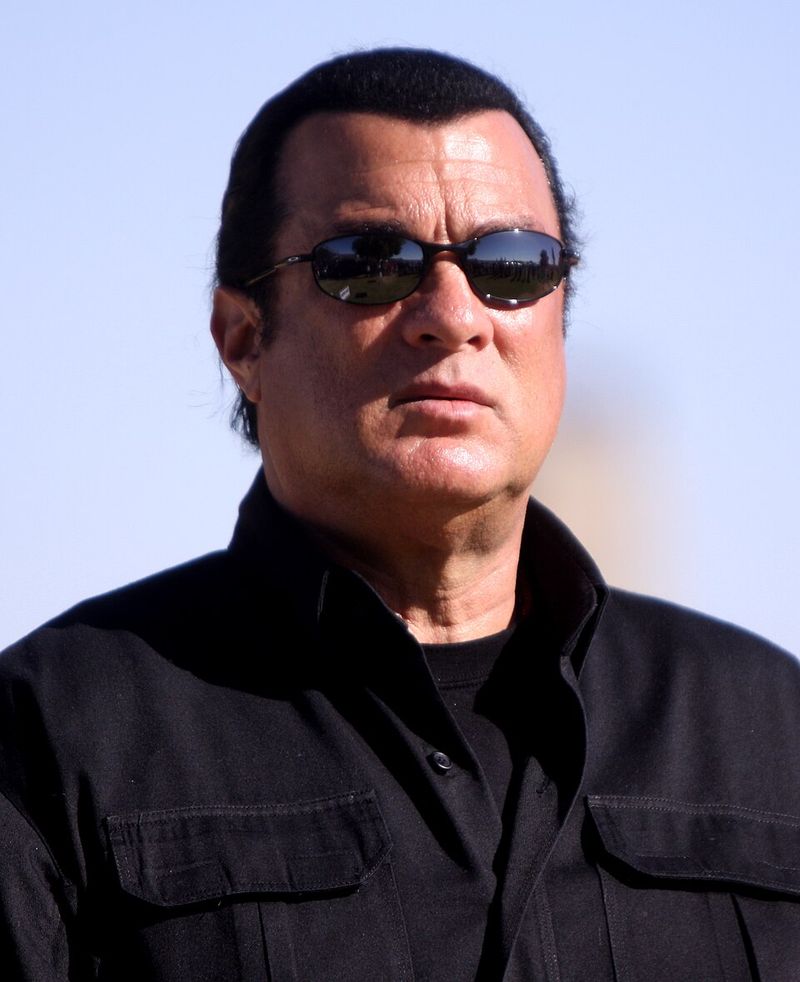
Steven Seagal carved out a distinct corner of the action genre by making stillness feel dangerous. Films like Above the Law, Hard to Kill, Marked for Death, and Under Siege built a career around a character type that was calm, controlled, and already three steps ahead of every threat in the room.
His action style leaned heavily on aikido-inspired movements rather than the flying kicks that defined many of his contemporaries. That approach gave his fight scenes a different rhythm, one that felt less theatrical and more like watching someone efficiently dismantle a problem.
Under Siege, released in 1992, is widely considered his best film, placing him in a Die Hard-style scenario aboard a Navy battleship with Tommy Lee Jones as the villain. IMDb lists him as known for Above the Law, On Deadly Ground, and Under Siege 2: Dark Territory.
For a stretch of years in the late 1980s and early 1990s, he was a genuine box-office draw.
Chuck Norris
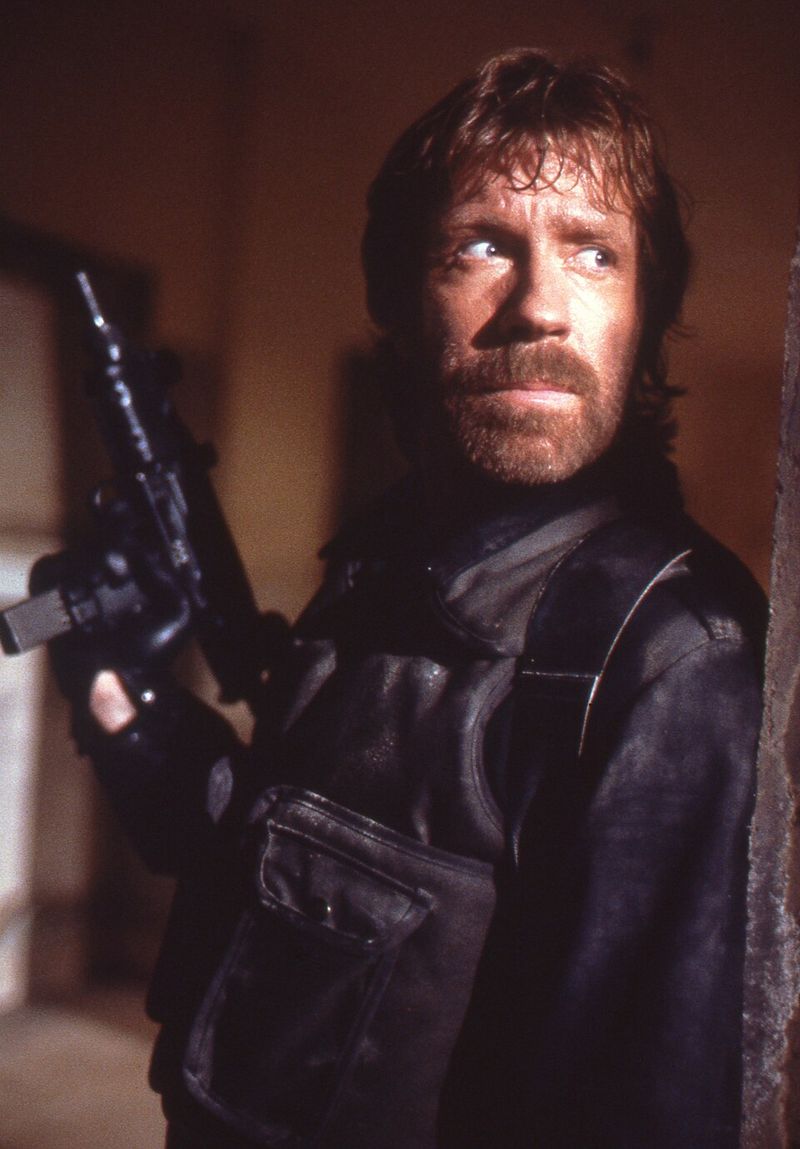
Chuck Norris arrived in Hollywood already carrying real credentials. He was a legitimate martial arts champion before he ever stepped in front of a camera, and that authenticity gave his on-screen presence a weight that pure movie-star training could not easily replicate.
Missing in Action, The Delta Force, Firewalker, and Sidekicks placed him firmly in the 1980s action landscape, usually as a disciplined, patriotic figure who handled threats with minimal words and maximum efficiency. His screen image was clear and consistent: morally certain, almost unbeatable, and never particularly interested in explaining himself.
Walker, Texas Ranger, which ran from 1993 to 2001, introduced his tough-guy persona to a new generation and helped turn him into something larger than any single film. The internet eventually turned Chuck Norris facts into a cultural phenomenon, but the real foundation was a decade of action films that made him genuinely popular worldwide.
His legacy is both earnest and unexpectedly entertaining.
Dolph Lundgren
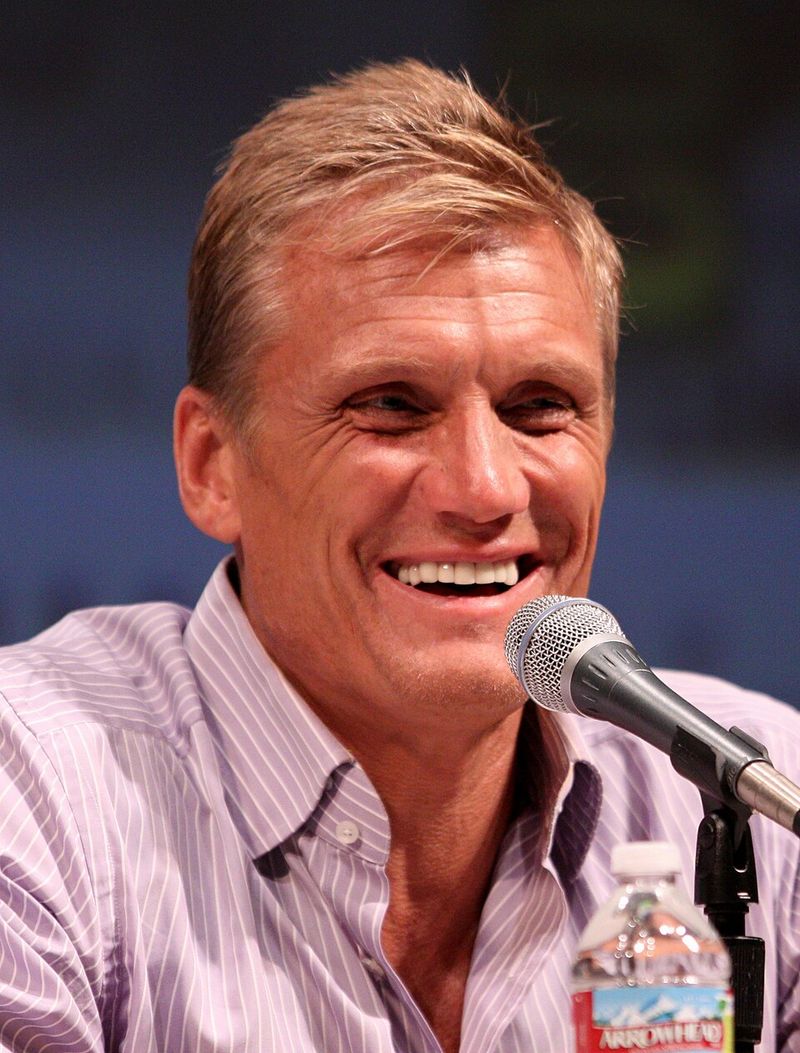
Ivan Drago said almost nothing in Rocky IV, but Dolph Lundgren did not need words. Standing at six feet five inches and built like a statue, he created one of the most visually intimidating opponents in 1980s cinema without relying on a single memorable line of dialogue.
That breakthrough led to a steady run of action films including Masters of the Universe, Red Scorpion, The Punisher, Showdown in Little Tokyo, and Universal Soldier, where he appeared alongside Jean-Claude Van Damme. Lundgren brought a different energy to the genre compared to many of his peers, combining physical size with an icy, controlled screen presence that worked equally well for villains and antiheroes.
What often gets overlooked is that he holds a master’s degree in chemical engineering, which added an interesting contrast to his on-screen tough-guy image. That combination of intellect and physicality gave his performances a slightly unusual quality that made him genuinely interesting to watch across multiple genres.
Mel Gibson
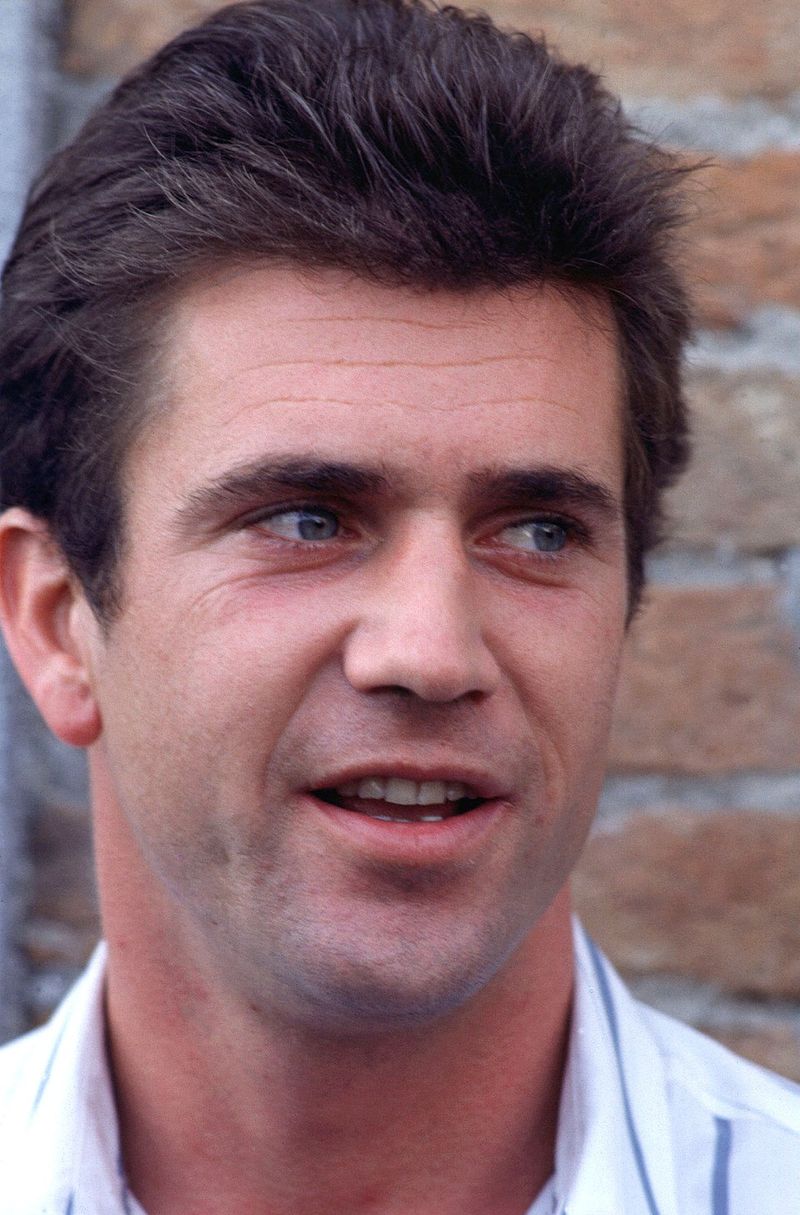
Martin Riggs in Lethal Weapon is one of the great action-hero performances of the 1980s precisely because Gibson played him as someone genuinely on the edge. The character was funny, reckless, emotionally damaged, and completely unpredictable, which made every scene feel like it could go anywhere.
Gibson built his action reputation across two major franchises: Mad Max, where he played the grim survivor Max Rockatansky across three films, and Lethal Weapon, which ran from 1987 to 1998 and became one of the defining buddy-cop series in Hollywood history. The chemistry between Riggs and Danny Glover’s Murtaugh gave the franchise a warmth that kept audiences coming back through four installments.
The Mad Max films showed a different side of his range, leaning into a bleaker, more stripped-down kind of action storytelling. Together, both franchises demonstrated that Gibson could carry wildly different action stories and make both feel completely genuine.
That kind of versatility was rarer than it looked.
Harrison Ford
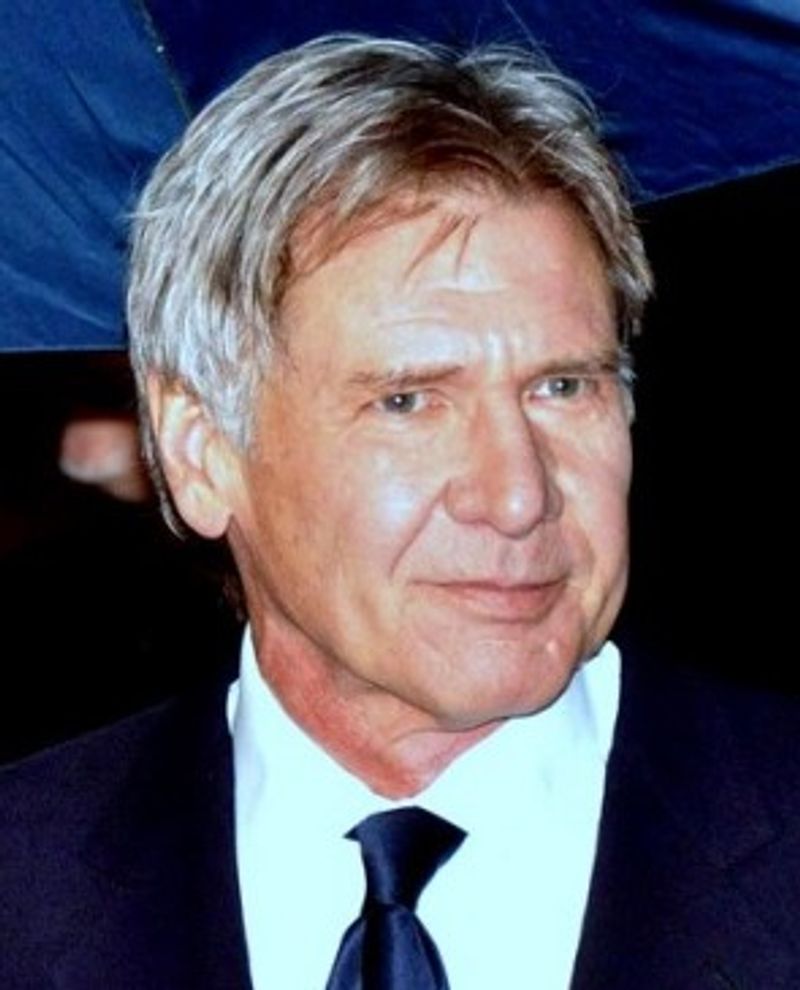
Harrison Ford is one of the few actors who can claim two separate iconic action characters from the same era, and both Indiana Jones and Han Solo from Star Wars remain among the most beloved figures in cinema history. Indiana Jones specifically belongs firmly in the action-adventure tradition, combining archaeology, globe-trotting danger, and dry humor into something completely irresistible.
Raiders of the Lost Ark arrived in 1981 and was followed by two sequels during the decade, keeping Ford at the center of the action-adventure conversation throughout the 1980s. The Fugitive in 1993 added another dimension to his action credentials, placing him in a grounded thriller where survival depended on intelligence rather than firepower.
What made Ford’s action appeal so durable was the sense that his heroes were always improvising. They were smart, slightly irritated, and visibly capable of being hurt, which kept even the most spectacular sequences feeling grounded.
His particular brand of reluctant heroism has never really gone out of style.
Sigourney Weaver
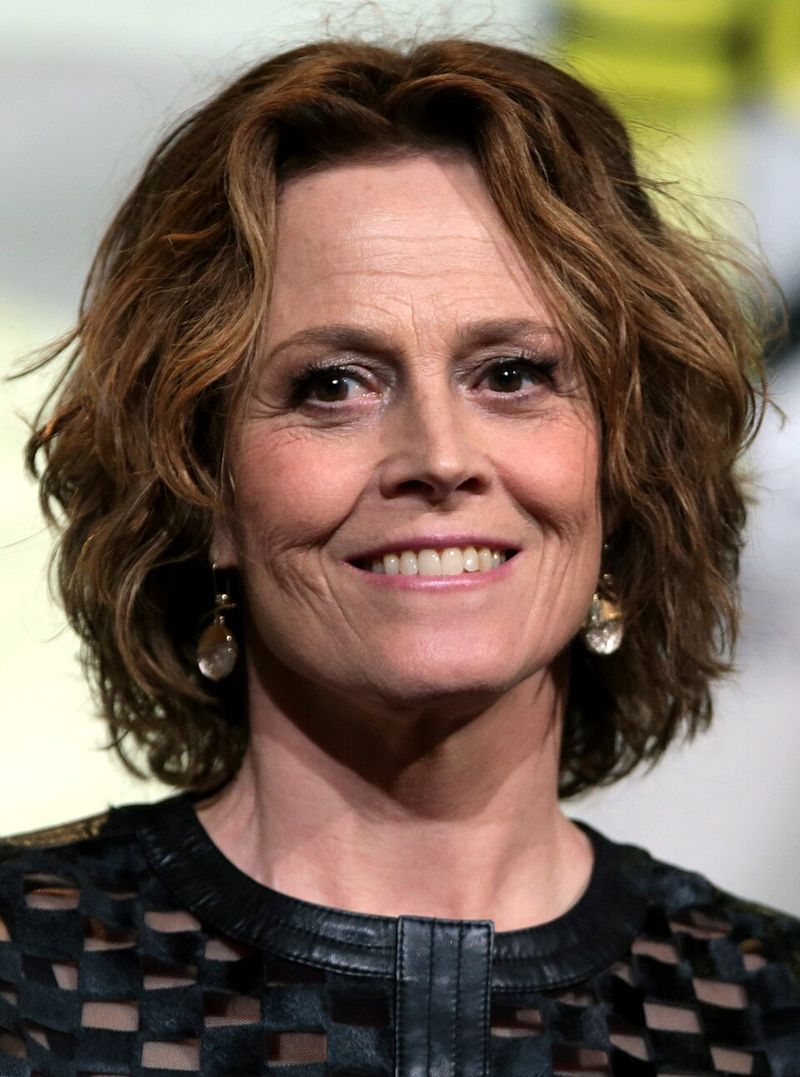
Ellen Ripley did not arrive in Aliens as a conventional action hero, and that was the entire point. Sigourney Weaver built the character from intelligence, fear, and a specific kind of maternal fury that felt completely different from anything else the genre was offering in 1986.
Weaver is widely recognized for pioneering portrayals of action heroines in blockbuster films, and the Ripley character earned that recognition across multiple sequels. The original Alien in 1979 established her as a survivor, but Aliens transformed her into something closer to a warrior, one who picked up heavy weapons not for glory but to protect a child from something genuinely terrifying.
Her performance proved that action heroism did not require a specific physical template, and that emotional stakes could make fight sequences more compelling than pure spectacle. Ripley remains one of the most studied and celebrated characters in science fiction cinema, and Weaver’s work across the franchise holds up remarkably well even now.
Michelle Yeoh

Michelle Yeoh was already a major action star in Hong Kong cinema long before Western audiences caught up with her. Films like Yes, Madam, Magnificent Warriors, Police Story 3: Super Cop, and Tai Chi Master established her as one of the most skilled and watchable action performers working anywhere in the world during the late 1980s and early 1990s.
Her style was graceful and precise in a way that made her fight scenes look both athletic and controlled, which was a genuinely rare combination. The Heroic Trio showed her range within genre filmmaking, while Tomorrow Never Dies brought her to the global James Bond audience and introduced her to millions of new fans.
What Yeoh demonstrated across her Hong Kong work was that martial-arts cinema could carry elegance and power simultaneously without sacrificing either quality. She influenced a generation of action filmmakers and performers, and her later career success has only reinforced how strong her foundation in this era truly was.
Wesley Snipes
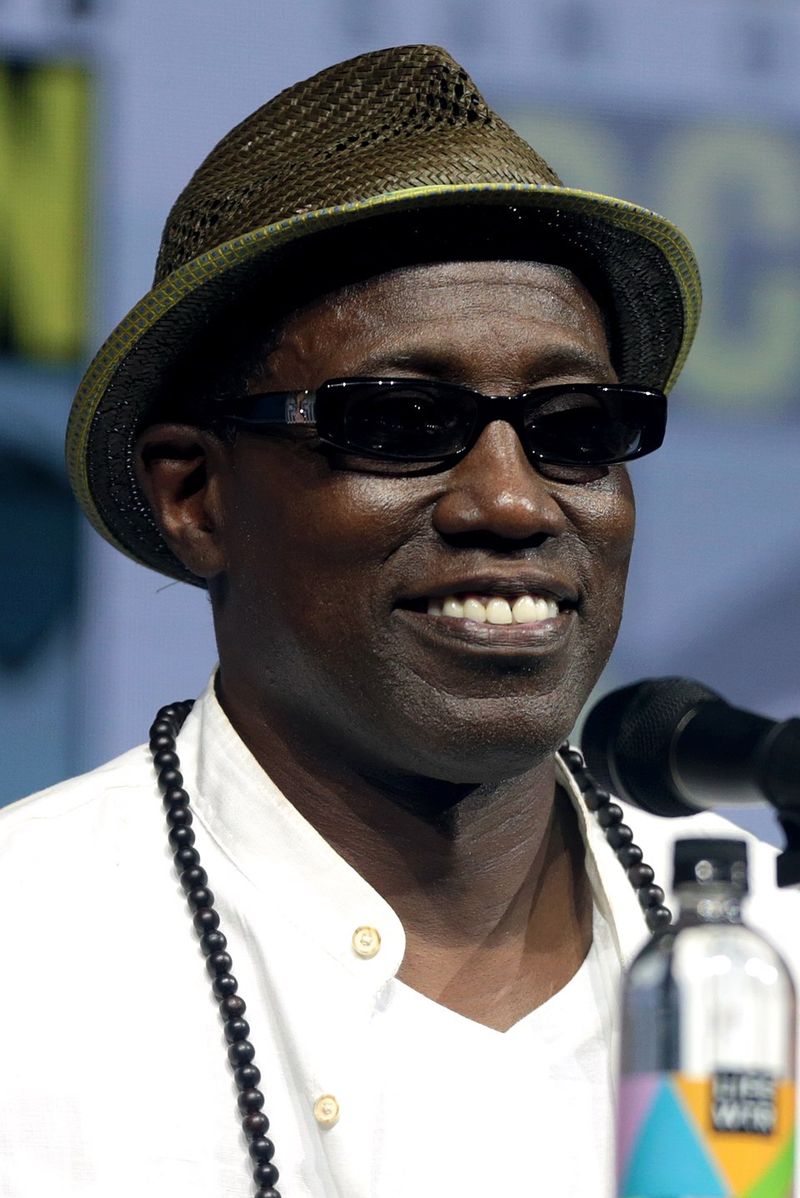
Passenger 57 arrived in 1992 with a premise simple enough to work perfectly: a skilled air marshal trapped on a hijacked plane. Wesley Snipes brought speed, cool confidence, and genuine screen charisma to the role, and the film helped establish him as a credible action lead almost immediately.
Demolition Man, Rising Sun, and U.S. Marshals kept him busy throughout the decade, but Blade in 1998 was the role that secured his place in action history.
Playing a half-human vampire hunter with martial-arts skills and a very specific wardrobe, Snipes created a character that felt fresh, stylish, and genuinely exciting at a time when superhero films were not yet a proven box-office formula.
Blade helped lay important groundwork for the modern comic-book action movie long before the genre dominated multiplexes. Snipes brought physical credibility and effortless coolness to the role in equal measure, and the film’s success showed studios that darker, character-driven superhero stories could absolutely find a large audience.
Linda Hamilton
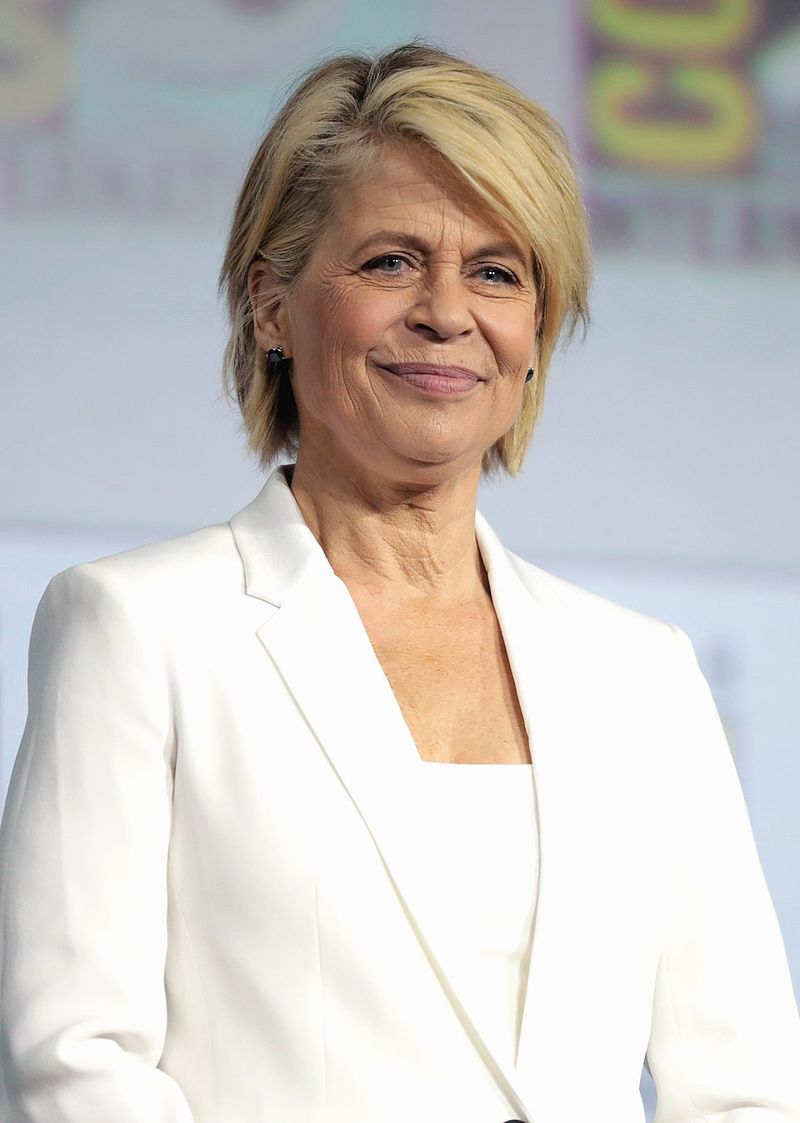
The transformation of Sarah Connor between 1984 and 1991 is one of the most dramatic character evolutions in action movie history. Linda Hamilton played a frightened waitress being hunted in The Terminator, then returned in Terminator 2: Judgment Day as someone who had spent years preparing for a war she knew was coming.
That shift was not just physical, though the visible training was striking enough to become part of the film’s promotional campaign. Hamilton brought a psychological intensity to the second performance that made Sarah Connor feel genuinely formidable rather than simply athletic.
The character had been hardened by knowledge, grief, and years of being dismissed as unstable.
Hamilton’s work in the Terminator franchise helped create one of the most unforgettable female action heroes of the genre’s golden age. Sarah Connor stood apart because her toughness came from a specific backstory rather than a generic action-movie template, and that specificity made her deeply compelling to watch across both films.
Share this story