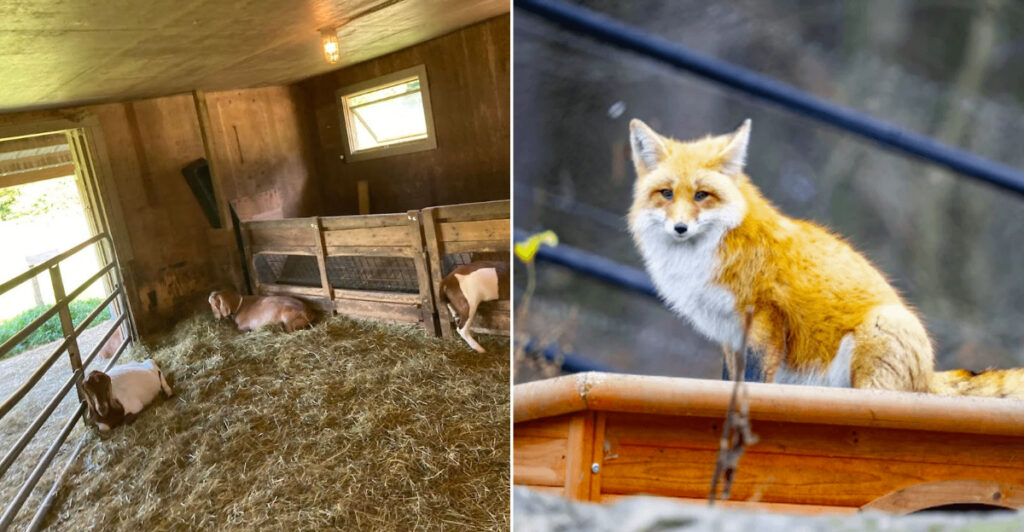
Somewhere along a quiet stretch of road in eastern Massachusetts, there is a place where sheep graze in open fields, red foxes peer through wire enclosures, and hawks perch just a few feet from your face. It is not a zoo, and it is not a petting farm, but it manages to be more interesting than either.
Kids leave with mud on their boots and questions they did not have when they arrived. Adults tend to slow down in a way they did not expect.
This place pulls off something rare: it feels genuinely worth the drive, every single season of the year.
The Working Farm Side That Most People Do Not Fully Appreciate
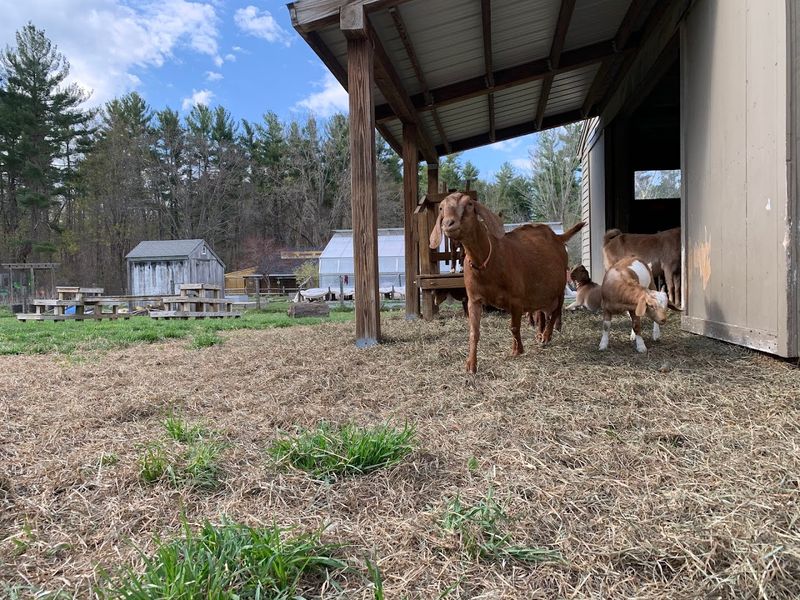
Drumlin Farm is not a display farm set up for tourists. It is a fully operational working farm that raises livestock, tends crops, and produces food that gets sold directly to visitors.
That distinction matters because what you are seeing when you walk through the barns is real agricultural life, not a curated performance.
The farm raises cows, pigs, horses, sheep, goats, chickens, and rabbits. These animals are here as part of an actual farming operation, not just for show.
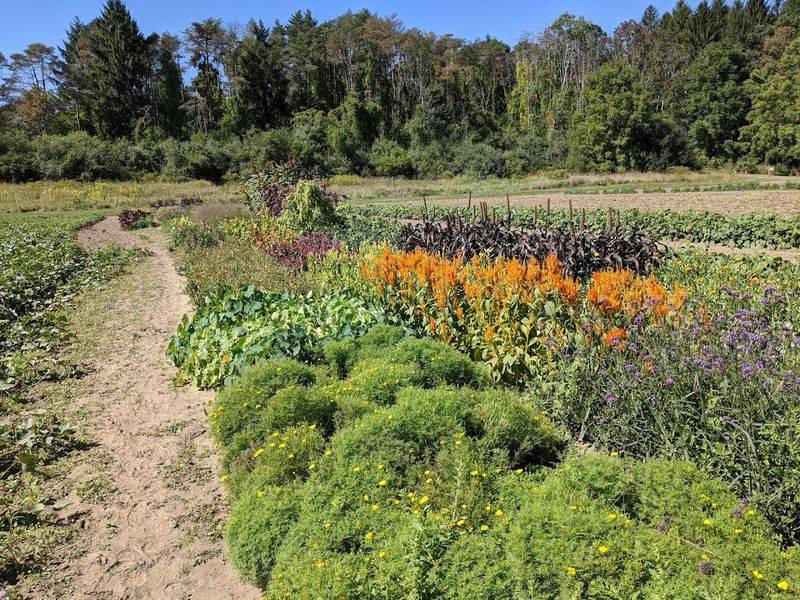
The fields you walk past are actively cultivated, and the produce from those fields ends up at the farm stand near the entrance.
Visitors can purchase farm-raised meat, fresh eggs from the on-site coops, honey, and seasonal vegetables. Watching the same fields where vegetables grow and then buying those vegetables at the stand a short walk away creates a connection to food that is hard to replicate anywhere else.
The Animal Barns Are The First Stop For Almost Every Family
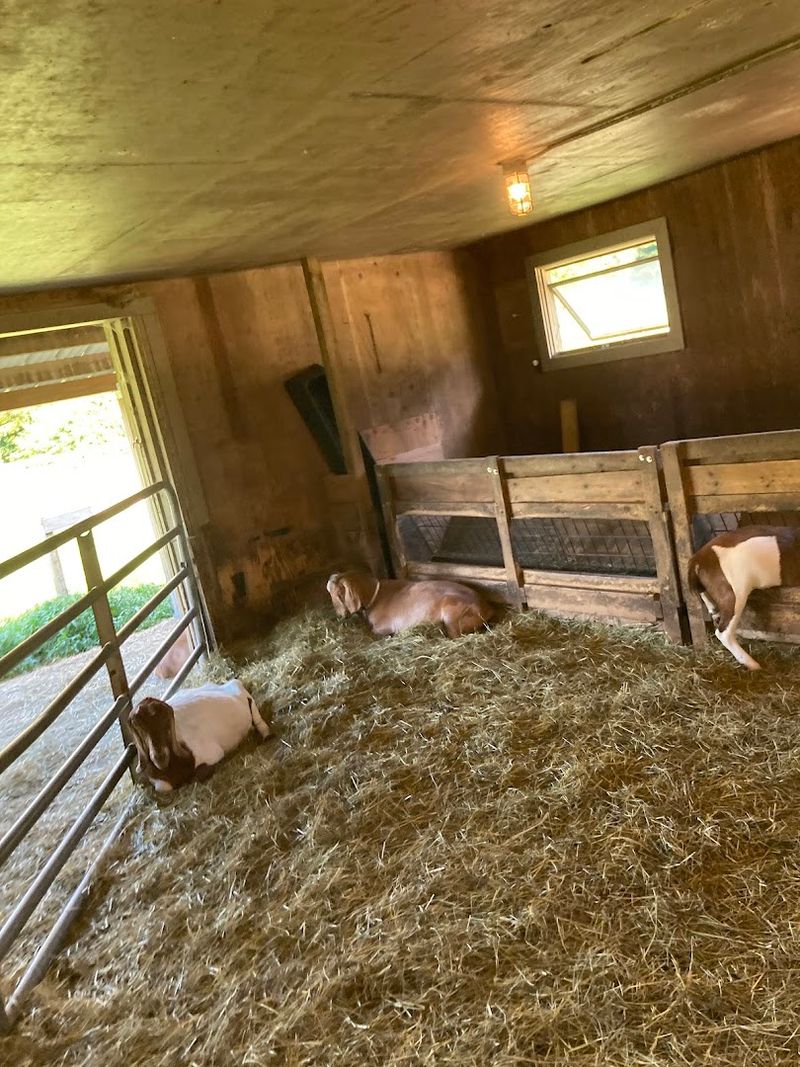
The barns at Drumlin Farm are where most families spend the bulk of their time, and it is easy to understand why. Cows, horses, pigs, goats, sheep, chickens, and rabbits are all housed in accessible enclosures that let you get a close look without the chaos of a petting zoo setup.
The animals are calm and well cared for, and the spaces feel clean and organized.
Each barn area gives you a chance to observe animals behaving naturally rather than performing for treats. You might catch a pig rooting around in bedding, a horse standing quietly in its stall, or a group of goats jostling each other near the fence.
It is straightforward and honest in the best way.
Staff members are often nearby and willing to answer questions. The educational value here is real, especially for younger kids who may never have seen a full-grown cow or a live rabbit up close before this visit.
Spring Lambing Season Changes Everything About This Place
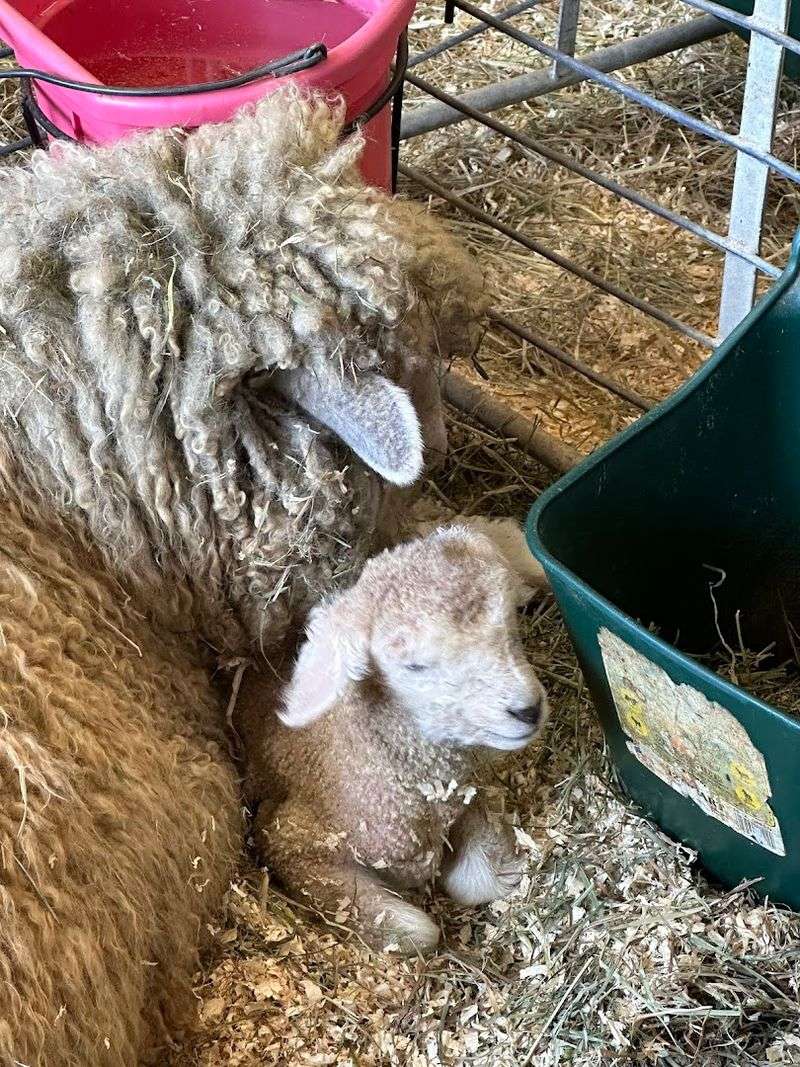
If there is one time of year when Drumlin Farm becomes genuinely electric, it is spring. That is when the lambs, goat kids, and piglets arrive, and the farm shifts into a different gear entirely.
Baby animals are everywhere, and the energy among visitors, especially children, ramps up noticeably.
The lambing season draws larger crowds than any other time of year. Weekends in particular fill up fast, and the parking lot reflects that.
The farm strongly recommends reserving a parking spot and purchasing tickets ahead of time if you plan to visit on a spring weekend. Showing up without a plan during this period can mean a long wait or a turned-away trip.
Seeing a lamb that is only a few days old, still wobbly on its feet and pressed against its mother, is the kind of moment that tends to stay with people. It is the most-talked-about experience on the property, and it earns that reputation honestly.
Native Wildlife Exhibits That Go Well Beyond The Typical Farm Visit
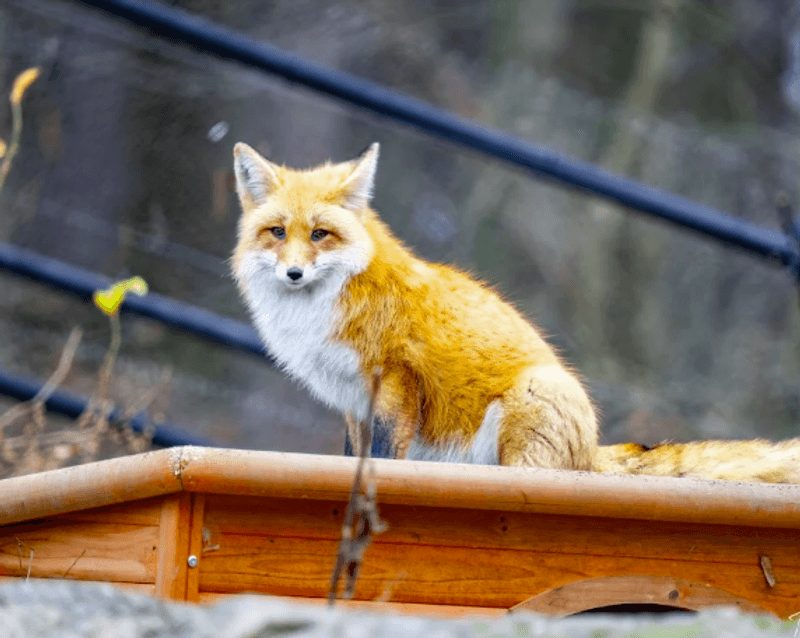
What separates Drumlin Farm from a standard farm visit is the wildlife sanctuary side of the operation. Mass Audubon maintains exhibits featuring native Massachusetts wildlife, and these are not afterthoughts tucked into a corner.
They are a genuine draw on their own.
Red foxes are among the most popular residents. They are active, watchful, and surprisingly close to visitors who approach their enclosure.
Skunks also live on the property, and seeing one up close without any risk involved is a quietly amusing experience. Wild turkeys have been spotted roaming the grounds freely as well.
The bird enclosures are another highlight. Hawks, owls, and a black vulture are on display, and their proximity to visitors is genuinely striking.
A red-tailed hawk perched at eye level is a different experience than spotting one circling overhead in the wild. These exhibits give Drumlin Farm a depth that keeps it interesting for adults who might otherwise feel the farm is aimed only at young children.
The Woodland And Field Trails Offer More Than A Simple Stroll
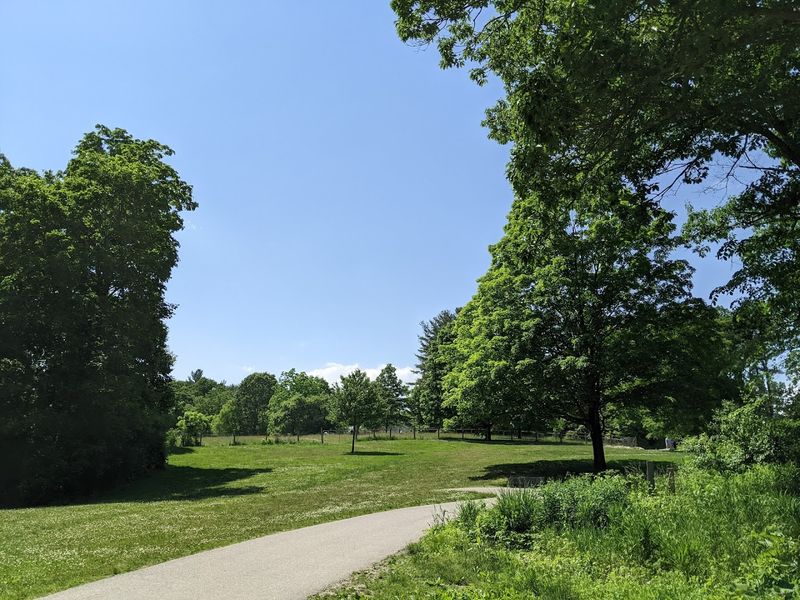
The trails at Drumlin Farm wind through a mix of open fields and wooded areas, covering enough ground to feel like a real nature walk rather than a short loop around the parking lot. The terrain is gentle, which makes it accessible for families with strollers and for older visitors who want a comfortable pace.
One of the trail routes leads up to the top of the drumlin itself, offering an elevated view over the surrounding landscape. The walk through the fields is quiet enough that you are unlikely to run into many other people even on busier days, since most visitors concentrate around the barns and wildlife exhibits.
The trails are good for photography, birdwatching, and general decompression. There are also designated picnic spots along the way, so packing a lunch and settling in for a longer visit is entirely practical.
The combination of farm activity and trail walking gives the day a satisfying rhythm that holds up well from morning to late afternoon.
The Drumlin Itself Has A Geological Story Worth Knowing
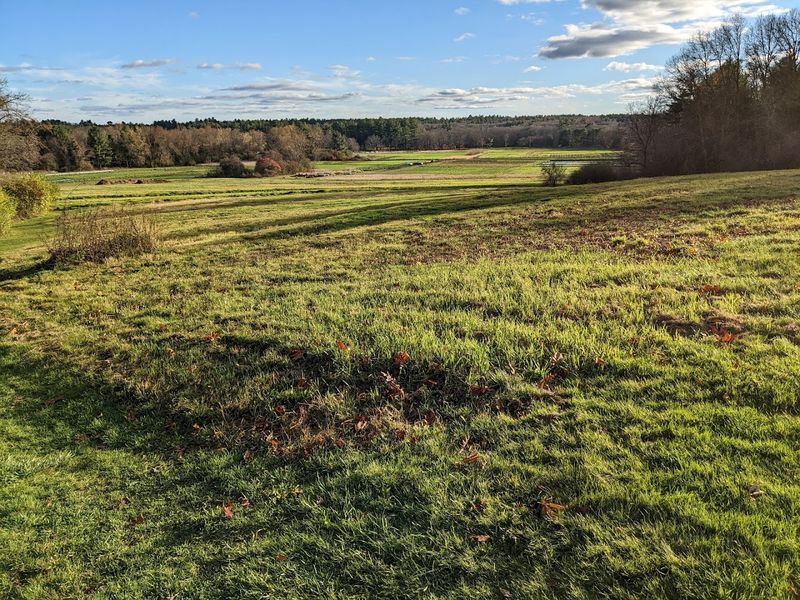
The farm takes its name from the landform it sits on, and that landform has a story that goes back thousands of years. A drumlin is an elongated hill formed by glacial activity, shaped by ice sheets that moved across the landscape during the last ice age.
The one at this property is a textbook example of the formation, gently rounded and oriented in the direction the glacier traveled.
Walking up the drumlin gives you a physical sense of that geological history in a way that a description in a textbook never quite manages. The hill is not dramatic or steep, but standing at the top and looking out over the fields and tree lines gives the visit a different kind of weight.
For kids who are learning about geology or New England history in school, this is one of those rare places where a concept they read about becomes something they can actually stand on. That kind of grounding tends to stick.
Educational Programs Run Throughout The Week For All Ages
Drumlin Farm runs structured educational programming throughout the week, not just during school vacation weeks or special events. Daily programming for visitors is available, and the farm also operates a preschool and a summer camp that draw families from across the region.
The summer camp program is well established and gives kids extended time on the property to learn about farming, ecology, and wildlife care in a hands-on setting. April vacation programming has also been a popular draw for families looking for something active and educational during school breaks.
The farm’s connection to Mass Audubon gives its programming a level of ecological depth that goes beyond what a typical farm visit offers. Staff members are knowledgeable and approachable, and the educational angle never feels forced or lecture-heavy.
It is woven naturally into the experience of just walking around and asking questions, which is exactly how environmental education tends to work best for younger audiences.
The Farm Stand Sells What The Land Actually Produces
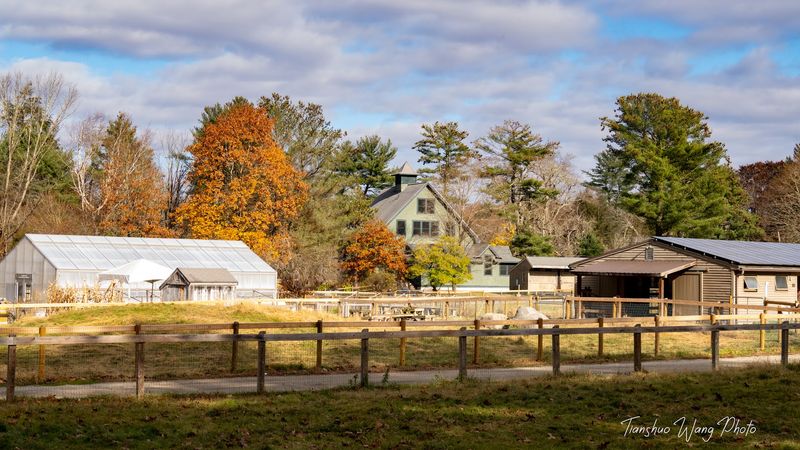
The farm stand at Drumlin Farm is not a gift shop with a vegetable display. It sells what the farm actually grows and raises, including seasonal vegetables, fresh eggs from the on-site chicken coops, honey, and farm-raised meat.
The quality of the produce has a directness to it that comes from the short distance between field and stand.
The stand operates seasonally, so if you visit in late fall or winter, it may be closed. Timing your trip for the warmer months means you can pick up eggs or vegetables as part of the same outing where you walked the trails and visited the barns.
That combination of activity and fresh food shopping makes the visit feel more complete.
Seeing the fields where the vegetables are grown and then buying those same vegetables a short walk away is one of those small but satisfying experiences that tends to reframe how people think about where their food comes from. It is a quiet lesson that lands without any fanfare.
Tractor Rides Add A Classic Layer To The Farm Experience
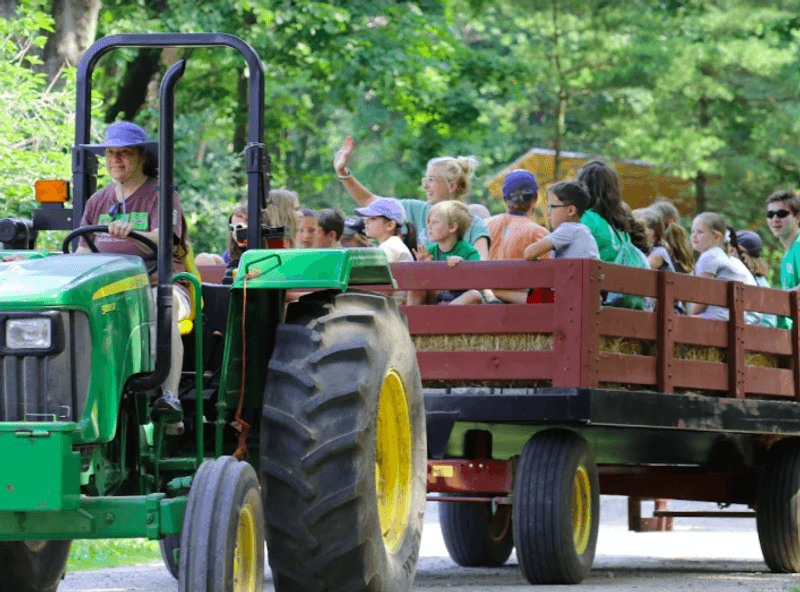
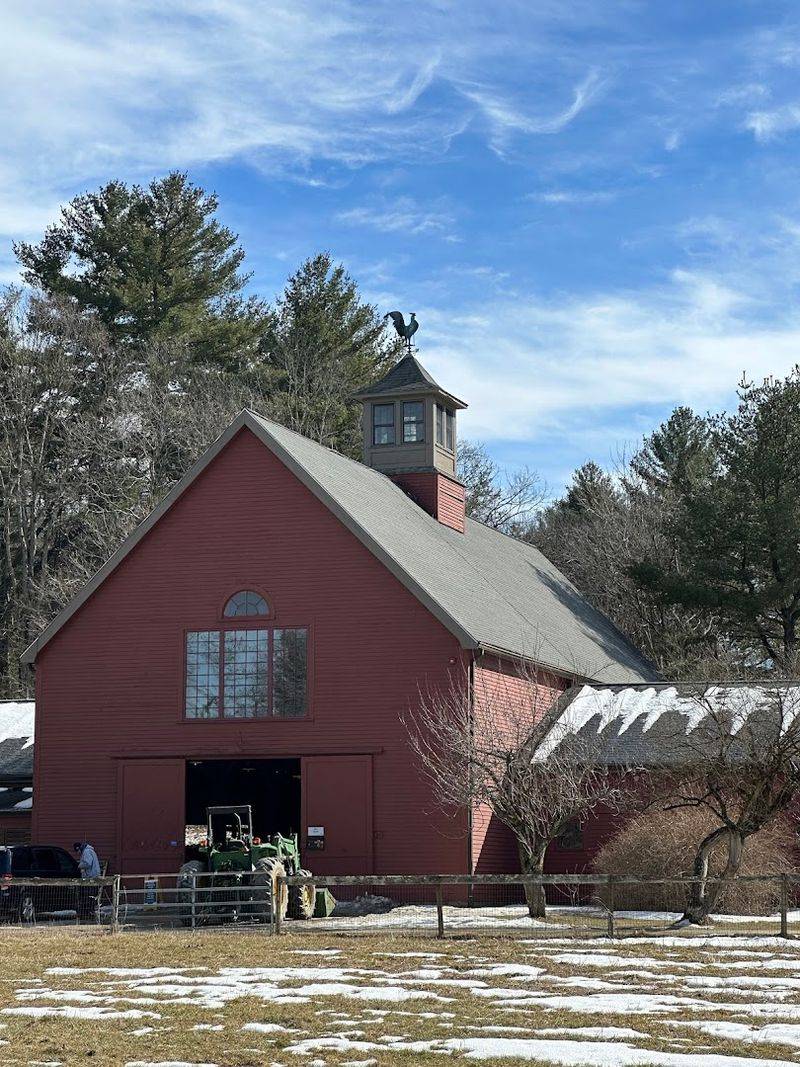
Drumlin Farm offers tractor rides that run through the property, and this is one of those details that is easy to overlook if you do not ask about it at the entrance. The ride picks up at the red barn, which sits roughly in the middle of the farm.
That location detail matters because it is easy to miss if you wander past it without realizing tickets need to be purchased at the admission counter before you start exploring.
The tractor ride gives a different perspective on the farm’s layout, covering ground that walking does not always reach in the same way. It is a slower, more relaxed way to see the fields and get a sense of the farm’s full scale.
For younger kids especially, the ride tends to be a highlight that they talk about on the way home. It has that old-fashioned, unhurried quality that fits the overall tone of Drumlin Farm well.
Simple, but genuinely enjoyable.
Practical Tips That Make The Visit Go More Smoothly
A few logistical details can make a real difference in how smoothly a visit to Drumlin Farm unfolds. The farm is closed on Mondays, so Tuesday through Sunday between 9 AM and 5 PM is your window.
Spring weekends require advance ticket purchases and parking reservations, and this is not a suggestion to take lightly during lambing season.
There are no snack bars on the property, so bringing your own food is a practical move, especially for families with young children who tend to get hungry mid-morning. Picnic spots are available and work well for a longer stay.
Restrooms and hand-washing stations are on-site, which matters after barn visits.
Mass Audubon members pay no admission, making a membership a smart investment for families who plan to visit multiple Mass Audubon properties throughout the year. The farm is also stroller-friendly on most paths, and the terrain is manageable enough that mobility is rarely an issue for most visitors.
Where The Farm Actually Sits And What To Expect At The Gate
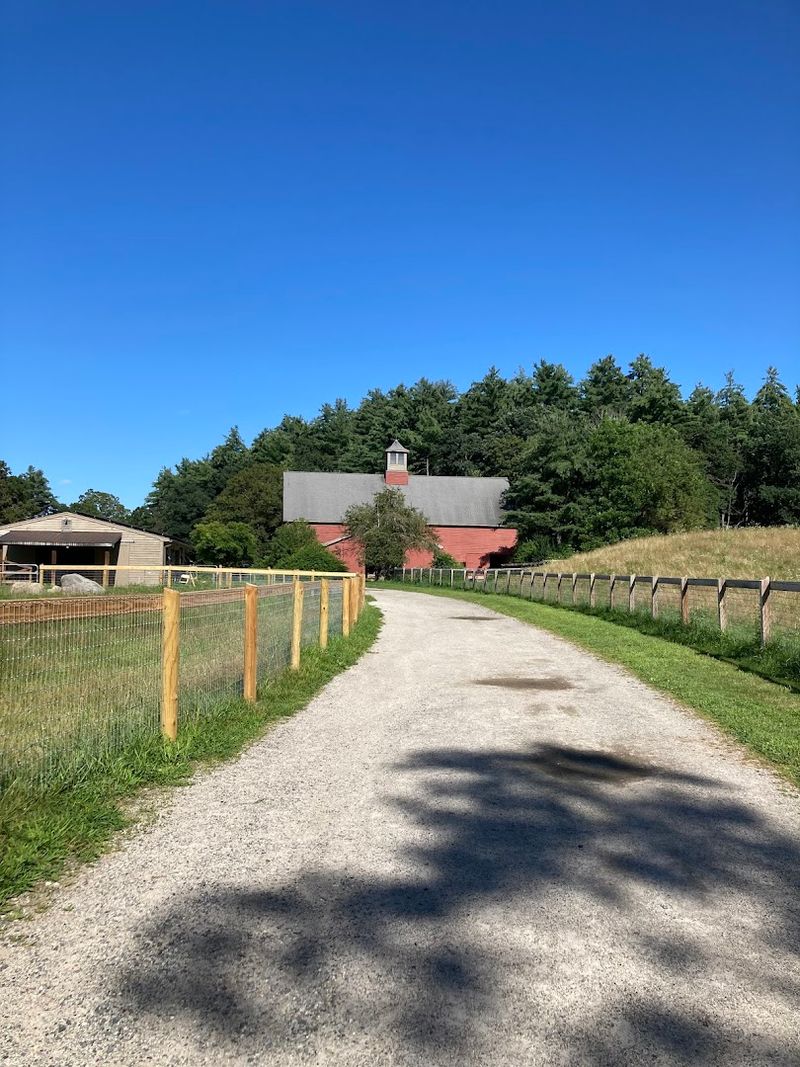
Mass Audubon’s Drumlin Farm is located at 208 S Great Rd, Lincoln, MA 01773, right in the quiet, wooded landscape of eastern Massachusetts. The farm sits on a glacially formed hill called a drumlin, which gives the property its name and its gently rolling terrain.
You can reach it by phone at 781-259-2200 or plan your visit through massaudubon.org/drumlinfarm before heading out.
General admission for adults runs around nine dollars, which is reasonable for everything included. Mass Audubon members get in free, which makes a membership worth considering if you plan to visit more than once.
The farm is open Tuesday through Sunday from 9 AM to 5 PM and is closed on Mondays.
Parking is easy on quieter weekdays, but spring weekends fill up fast. Buying tickets in advance during lambing season is a smart move that saves time and frustration at the gate.
Share this story