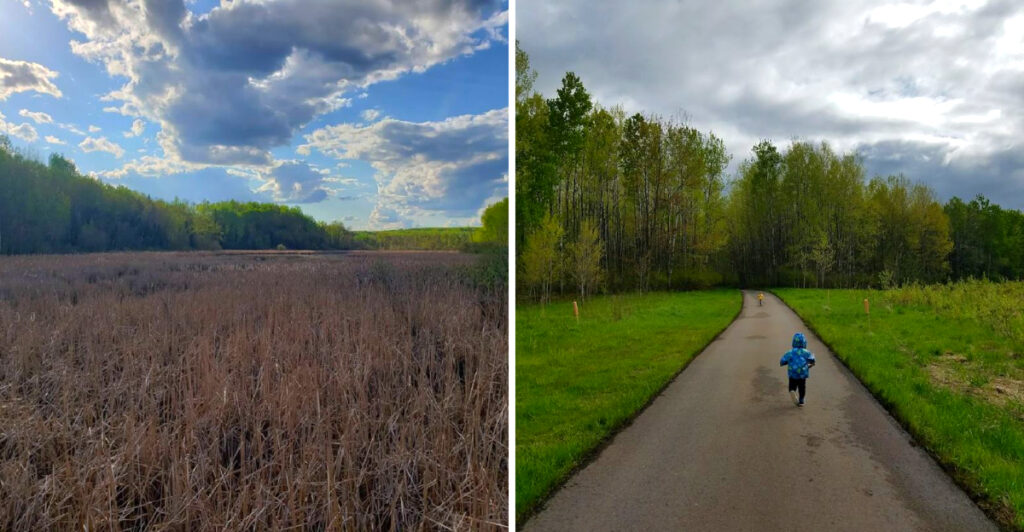
Most people think of Minnesota’s Iron Range as a place of open-pit mines, hockey rinks, and long winters. What they don’t expect is a smooth, paved trail stretching for roughly 135 miles through some of the most striking scenery in the upper Midwest.
This trail runs through forests, past lakes, and alongside the industrial landmarks that shaped an entire region, yet it rarely makes the national headlines that other famous trails enjoy. Once you roll onto it, you start wondering how something this good stayed so quiet for so long.
What the Mesabi Trail Actually Is
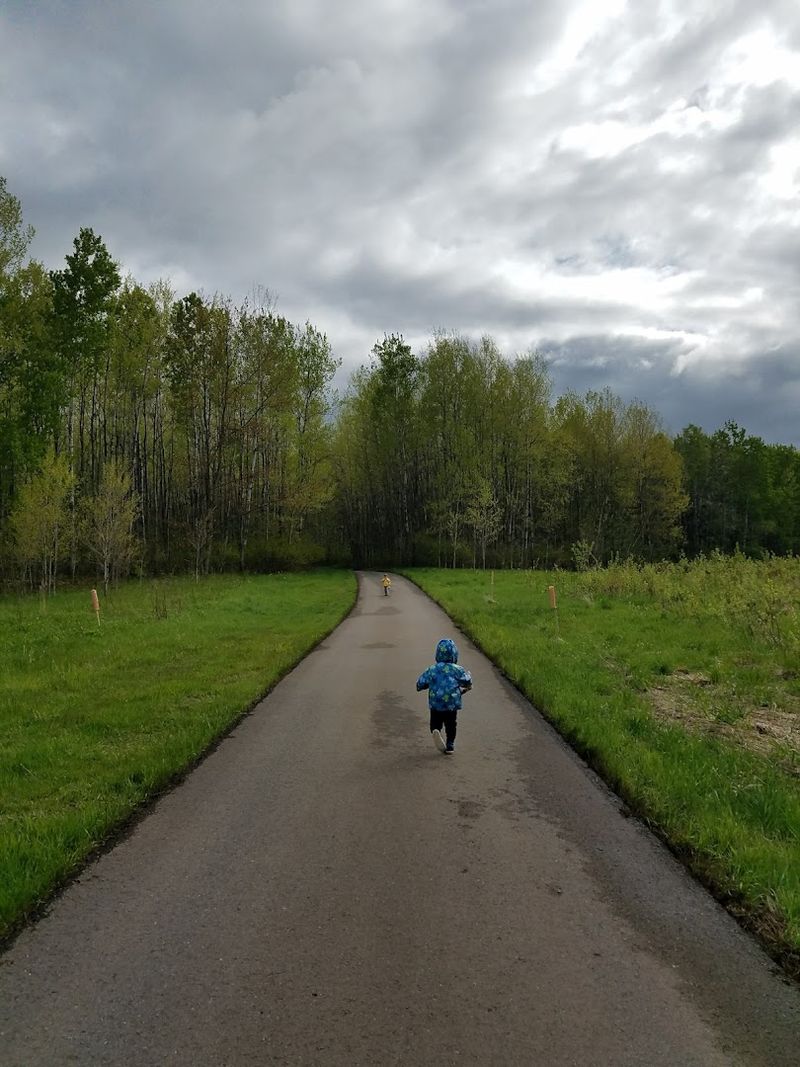
There is a certain satisfaction in discovering that a trail most people have never heard of is genuinely world-class. The Mesabi Trail is a paved, multi-use recreational trail that runs through Minnesota’s Iron Range, connecting communities, natural landscapes, and historical sites across St. Louis and Itasca counties.
The trail stretches approximately 135 miles when fully complete, making it one of the longest paved recreational trails in the entire country. It passes through cities, small towns, forests, and wetlands, giving riders and walkers an incredibly varied experience.
The Mesabi Trail is managed by the St. Louis and Lake Counties Regional Railroad Authority, which has worked for years to develop and maintain this remarkable corridor. Eveleth, Minnesota sits along the trail’s route and serves as one of its most convenient and welcoming access points for visitors exploring the Iron Range section.
Finding the Trail in Eveleth
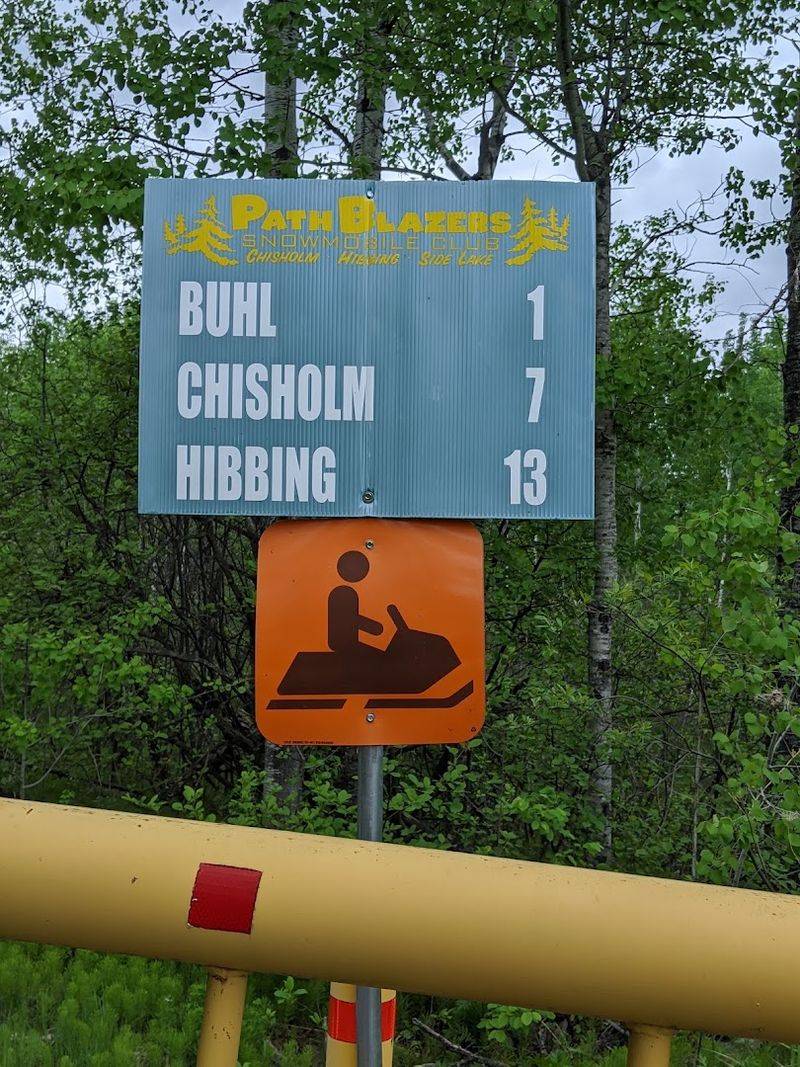
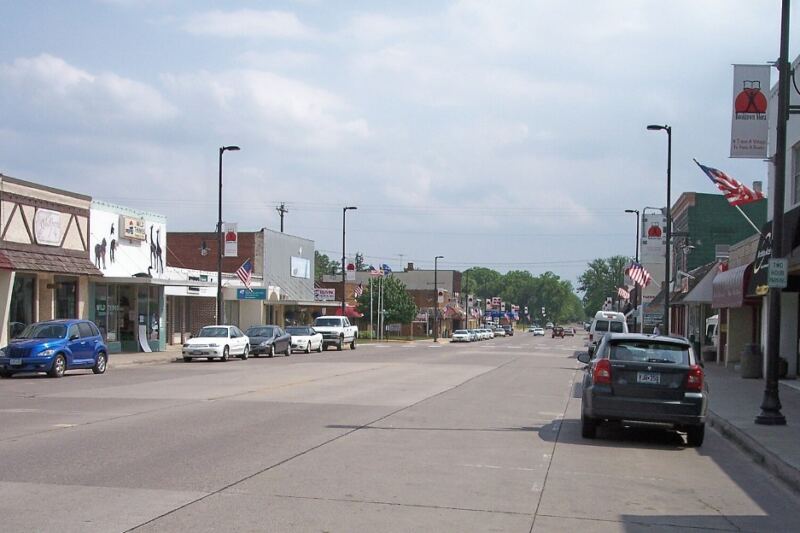
Eveleth, Minnesota is a small city on the Iron Range with a big personality. Sitting at an elevation higher than most Minnesota cities, it has long called itself the “capital of the Iron Range,” and the Mesabi Trail passes right through it, making it a natural starting point for a day on the path.
The city is located in St. Louis County, and trail access in Eveleth connects riders to segments heading in multiple directions. Parking areas near the trail make it easy to load up a bike and get moving without much fuss.
Eveleth is also home to the United States Hockey Hall of Fame, which sits just a short distance from the trail corridor. That combination of athletic heritage and outdoor recreation gives the city a character that feels both proud and unpretentious, the kind of place that doesn’t need to sell itself too hard.
The Iron Range History Running Beneath Every Mile
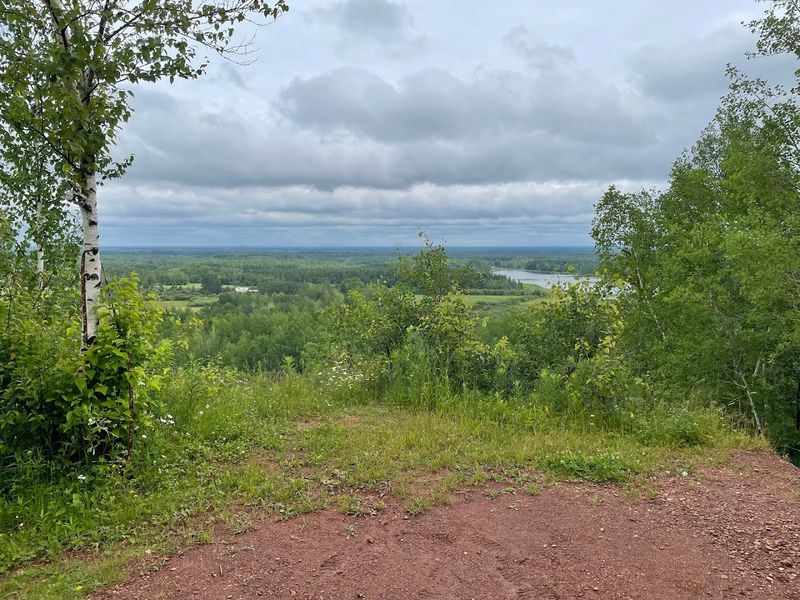
The ground beneath the Mesabi Trail holds one of the most significant geological stories in American industrial history. The Iron Range produced more iron ore than almost any other region on earth during the late 19th and 20th centuries, fueling the steel industry that built bridges, skyscrapers, and warships across the country.
Riding the trail, you pass near the remnants of that era. Massive open-pit mines sit visible from certain trail sections, their terraced walls dropping hundreds of feet into the earth.
These are not ruins but active or recently active operations, and their scale is genuinely breathtaking.
The trail was designed to honor this industrial heritage while giving the landscape a new purpose. Communities that once depended entirely on mining now attract cyclists, walkers, and inline skaters who come specifically to experience this unusual combination of natural scenery and industrial history woven together along a smooth ribbon of asphalt.
The Surface and What Makes It Stand Out
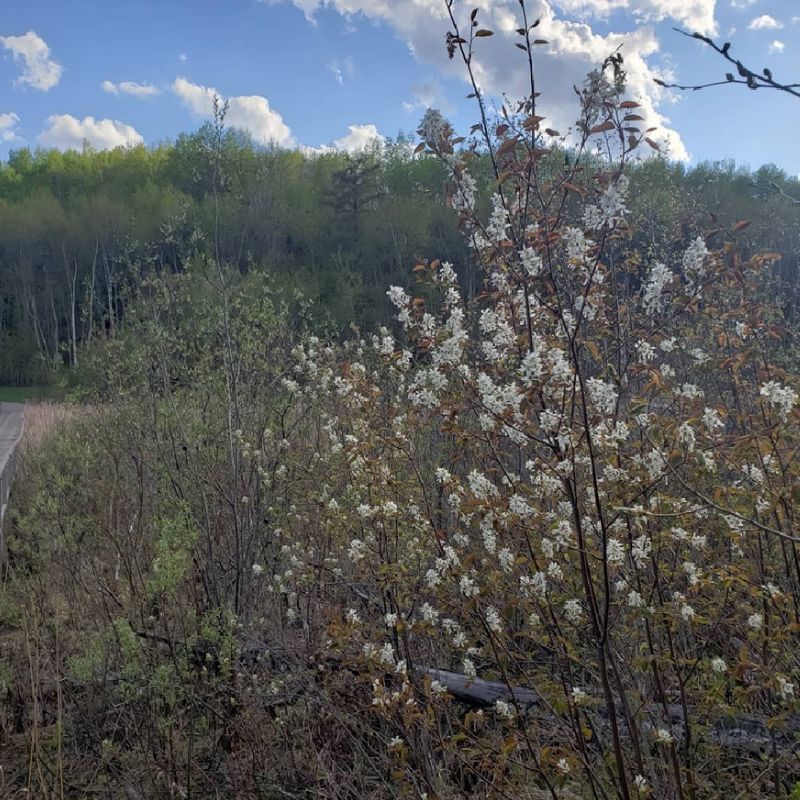
Not all paved trails are created equal, and anyone who has ridden on rough, cracked asphalt knows exactly how much surface quality matters. The Mesabi Trail is known for its well-maintained pavement, which stays remarkably smooth across long stretches of its route.
The trail is ten feet wide in most sections, which is wide enough for cyclists traveling in both directions to pass comfortably. That width also makes it accessible for hand cycles, adaptive equipment, and families riding side by side without feeling crowded.
Trail conditions can vary by season, and some sections are better maintained than others depending on recent weather and repair schedules. Checking current trail conditions before heading out is always a smart move, especially in spring when freeze-thaw cycles can create surface irregularities.
Still, the overall quality of the pavement is consistently one of the things riders mention first when describing their experience.
Wildlife You Might Actually See
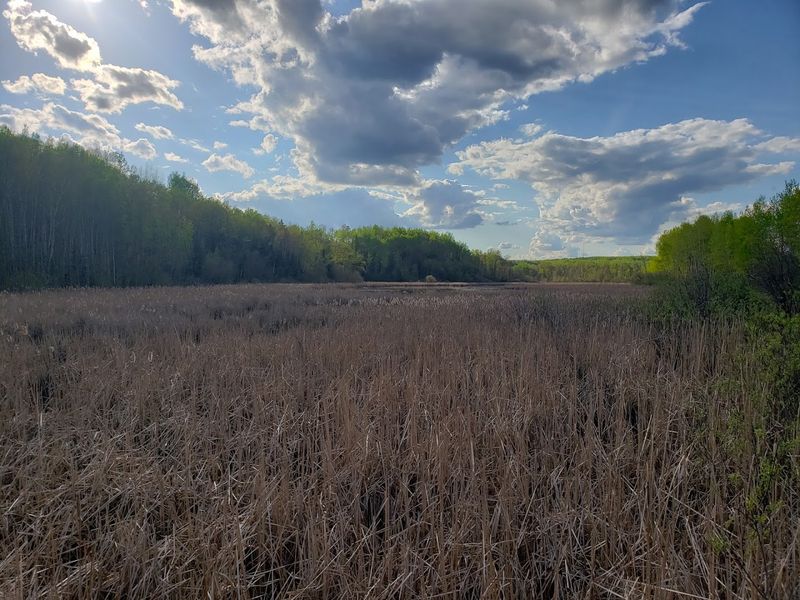
Northern Minnesota has wildlife, and the Mesabi Trail corridor runs through enough forest and wetland habitat that encounters with animals are genuinely common. White-tailed deer are frequently spotted near the trail edges, particularly in early morning or evening hours when they move between feeding areas.
Loons are a fixture on many of the lakes visible from or near the trail, their calls carrying across the water in a way that feels unmistakably northern. Bald eagles are also seen regularly, often perched high in dead trees overlooking open water or riding thermal currents overhead.
Smaller animals like red foxes, sandhill cranes, and a variety of songbirds add life to the trail throughout the warmer months. The trail does not pass through remote wilderness, but the mix of developed land and natural habitat creates a surprisingly rich corridor for wildlife observation, making each ride feel like a small nature excursion.
Seasonal Riding and When to Visit
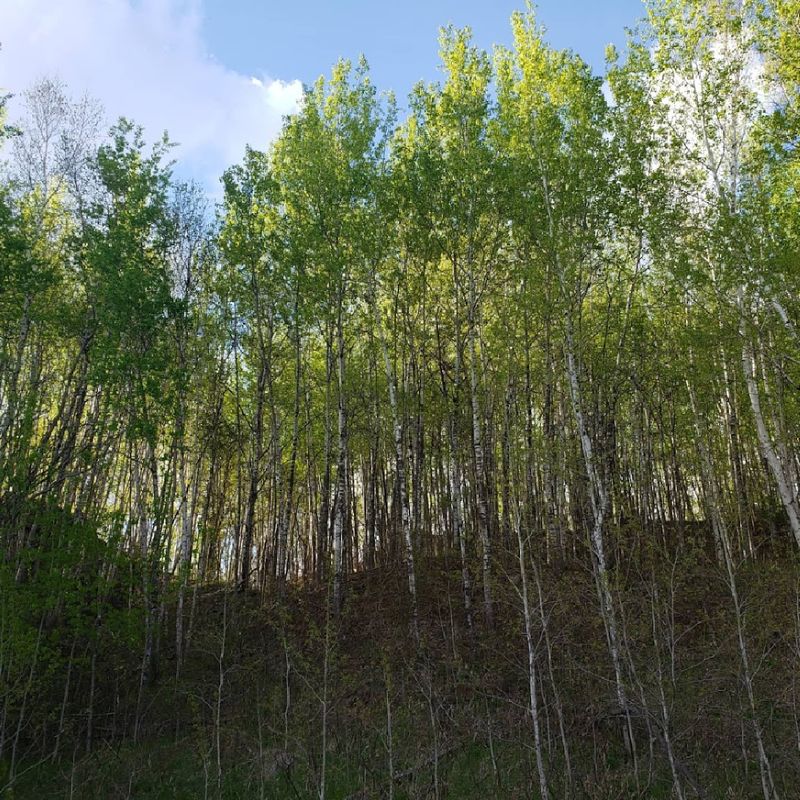
The Mesabi Trail is a warm-season trail, generally open to cyclists and walkers from late spring through early fall. Minnesota winters are serious, and the trail does not operate as a maintained snowmobile or ski route in most sections, so planning around the warmer months is essential.
Summer brings long daylight hours that make extended rides very comfortable. June, July, and August offer the best weather for riding, though July can bring heat and humidity that makes carrying extra water a necessity rather than a suggestion.
Fall is genuinely spectacular on the Iron Range. The forests along the trail shift into deep oranges, reds, and yellows during September and October, and the cooler temperatures make pedaling feel effortless compared to the summer months.
Many riders consider the fall season the single best time to experience the trail, combining perfect riding conditions with some of the most vivid color displays in the Midwest.
Lakes That Keep Appearing Along the Route
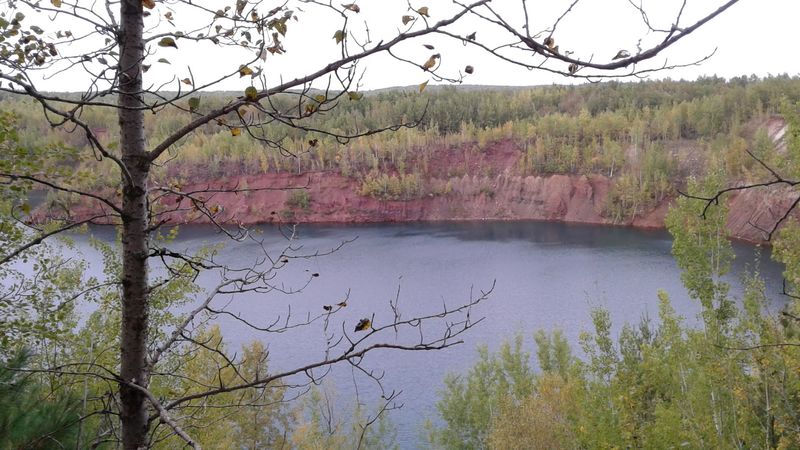
Minnesota’s reputation as the Land of Ten Thousand Lakes is not exaggerated, and the Mesabi Trail corridor proves that point repeatedly. The route passes near or alongside numerous lakes throughout its length, offering views of still water that contrast beautifully with the surrounding forest.
Some of these lakes are large enough to support boating and fishing, while others are smaller, quieter bodies of water that feel almost private when you come upon them unexpectedly. The reflections of pine trees and open sky on calm mornings create a visual stillness that makes you want to stop pedaling and simply look.
Several trail segments run close enough to lake shores that you can hear the water lapping against the banks as you ride. These moments are part of what makes the Mesabi Trail feel like more than just a commuter path or fitness loop.
The lakes give the trail a genuine sense of place that is hard to replicate elsewhere.
Trail Towns Worth Stopping In
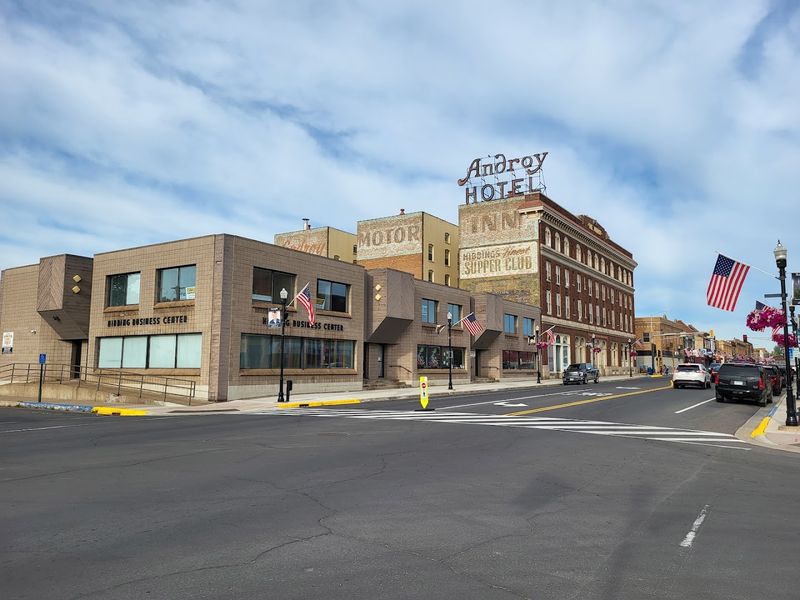
One of the best things about a long trail is the string of communities it connects. The Mesabi Trail links multiple Iron Range towns, and stopping in them is part of what makes the full experience worthwhile rather than simply logging miles.
Virginia, Hibbing, Chisholm, and Gilbert are among the communities along or near the trail route. Each has its own personality shaped by its mining history, immigrant heritage, and the particular way Iron Range towns have always held onto their identity with a quiet stubbornness.
Local cafes and diners near trail access points offer a chance to rest and refuel with straightforward, honest food that reflects the working-class culture of the region. These are not trendy spots designed for tourists but real neighborhood places where locals eat lunch on weekdays.
Stopping in is one of the easiest ways to connect with the character of the Iron Range beyond what the landscape alone can show you.
The United States Hockey Hall of Fame Connection
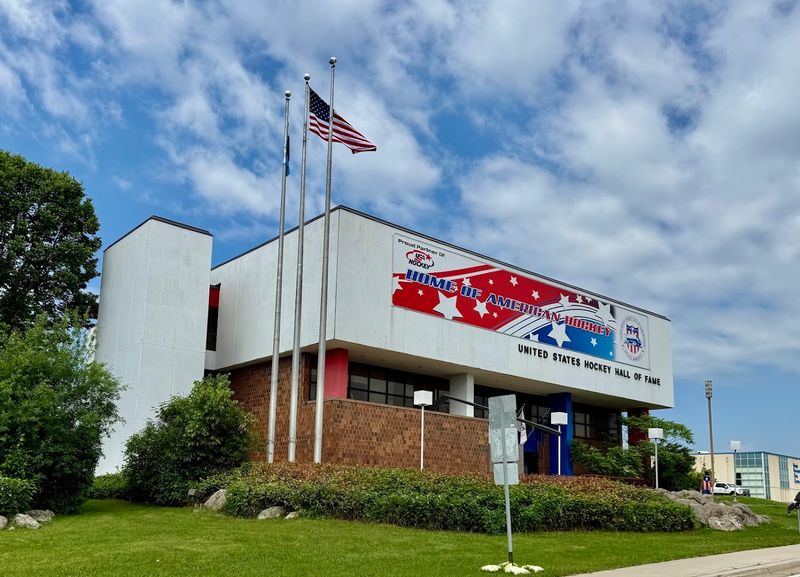
Eveleth takes its hockey seriously, and the United States Hockey Hall of Fame located in the city is proof of that commitment. The Iron Range has produced a remarkable number of elite hockey players over the decades, and Eveleth sits at the center of that tradition.
The Hall of Fame is close enough to the Mesabi Trail corridor that combining a trail ride with a visit makes for a full and satisfying day. The museum traces the history of American hockey from its earliest days through the modern professional era, with exhibits covering both the sport’s development and the players who shaped it.
For riders who are also hockey fans, the combination of the trail and the Hall of Fame creates a genuinely unique Iron Range experience. The giant hockey stick sculpture outside the building has become something of a local landmark, and it makes for one of the more distinctive photo stops you will find anywhere along the trail’s route.
Practical Gear and What to Bring
A trail this long rewards preparation. Carrying enough water is the most important thing to sort out before heading out, especially on summer days when shade is not always available.
Water refill stations exist at some trailheads and in the communities along the route, but gaps between them can be significant on certain segments.
A basic repair kit including a spare tube, tire levers, and a small pump is worth packing even for shorter rides. The trail is well-maintained, but flat tires happen, and being far from a trailhead without repair supplies turns an inconvenience into a much bigger problem.
Sunscreen matters more than many riders expect on open sections of the trail where tree cover disappears. Bug repellent is worth having in the warmer months, particularly near wetland areas where mosquitoes are active.
Layers are always a good idea in northern Minnesota, where temperatures can shift noticeably between morning and afternoon even in midsummer.
Accessibility and Who the Trail Welcomes
The Mesabi Trail was built with accessibility in mind, and its wide, paved surface makes it genuinely usable for a broader range of visitors than many trails. The smooth pavement accommodates hand cycles, wheelchair users, and adaptive equipment that would struggle on gravel or natural surface paths.
Families with young children find the trail approachable because the paved surface is forgiving for smaller bikes and balance bikes. The relatively flat terrain in many sections means that even less experienced riders can cover meaningful distances without feeling exhausted.
Inline skaters also use the trail regularly during the summer months, and walkers who simply want a smooth, well-defined path for a morning walk are equally at home on it. The trail’s design reflects a genuine effort to make long-distance trail recreation available to people who might otherwise feel excluded by rougher terrain or narrower paths found on less developed routes.
The Scenery Between the Towns
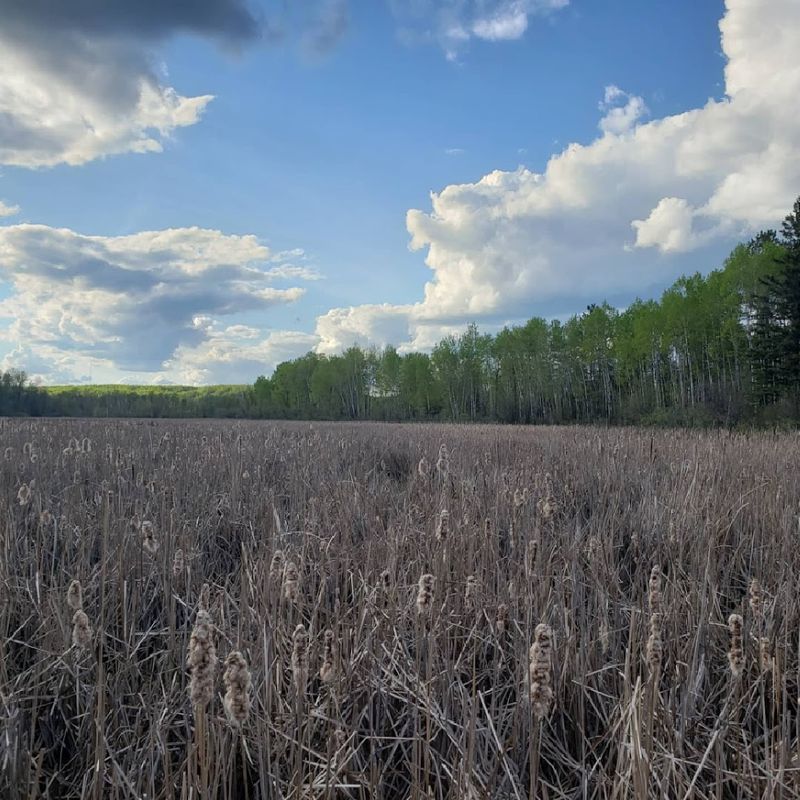
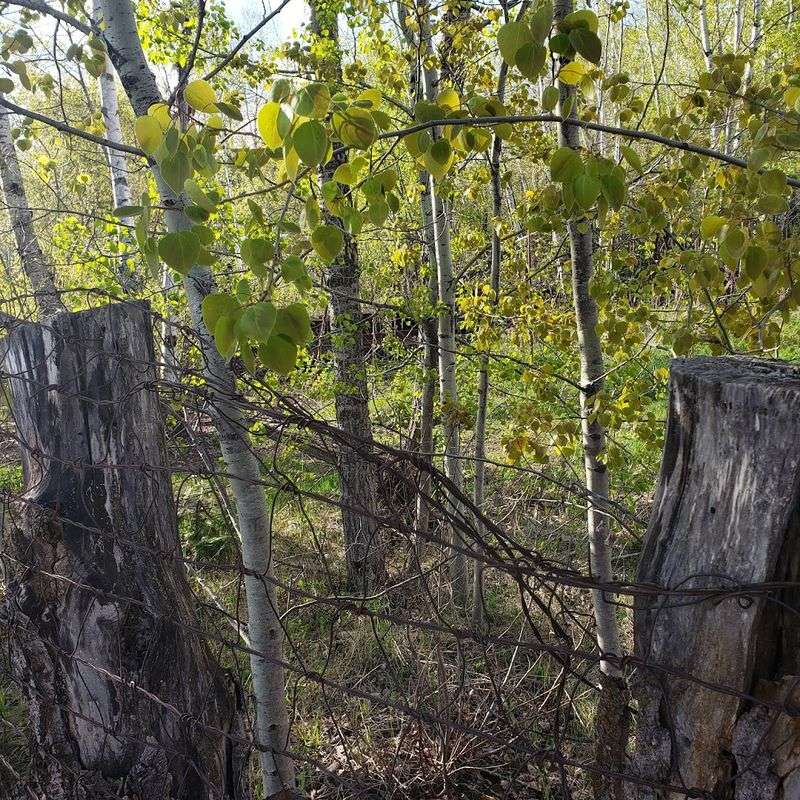
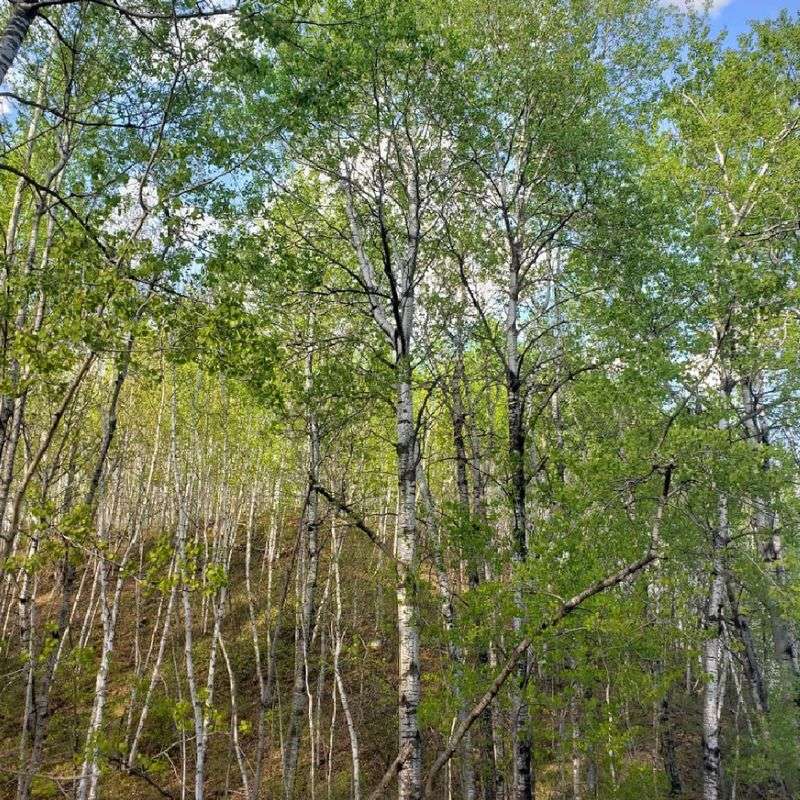
Between the towns and trailheads, the Mesabi Trail passes through stretches of landscape that feel genuinely remote even though communities are never terribly far away. Boreal forest dominates much of the corridor, with stands of birch, aspen, and pine creating a canopy that filters sunlight into shifting patterns on the pavement below.
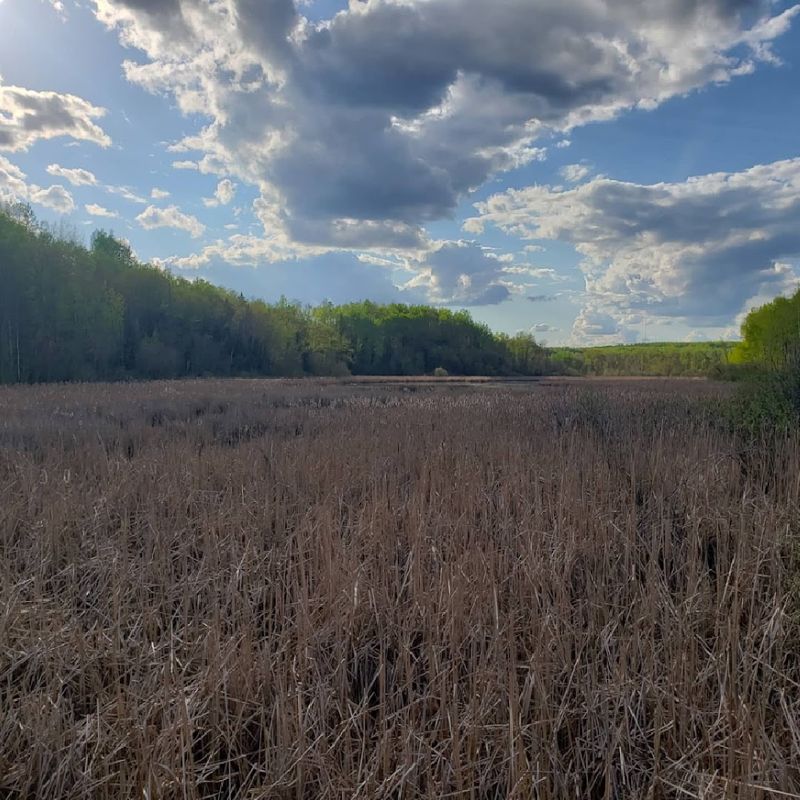
Wetlands appear regularly along the route, their still surfaces reflecting the sky and providing habitat for a variety of birds. The terrain rolls gently in most sections, with enough variation to keep riding interesting without demanding the kind of fitness required for mountainous trails.
There are moments on certain segments where you can look out across an open landscape and see nothing but trees and sky in every direction. Those moments are genuinely rare on paved trails, which more often run through suburban corridors or alongside roads.
The Mesabi Trail’s setting is one of its most underappreciated qualities, and it rewards riders who slow down enough to take it in.
Trail Passes and What They Cost
The Mesabi Trail requires a trail pass for users, which is a detail worth knowing before you arrive. Daily passes and annual passes are both available, and the fee structure supports the ongoing maintenance that keeps the pavement in the condition riders appreciate.
Passes can be purchased online through the Mesabi Trail website or at various vendors along the route.
The pass system is enforced, and trail ambassadors do check for compliance during the riding season. Treating it like a park fee rather than an inconvenience helps frame it correctly: the money goes directly toward maintaining a trail that covers more than a hundred miles of pavement across a region that experiences serious winter conditions every year.
Annual passes make financial sense for anyone planning to ride the trail multiple times in a season. The cost is reasonable relative to other recreational fees in the region, and supporting the trail financially helps ensure it stays in good shape for future visits.
Share this story