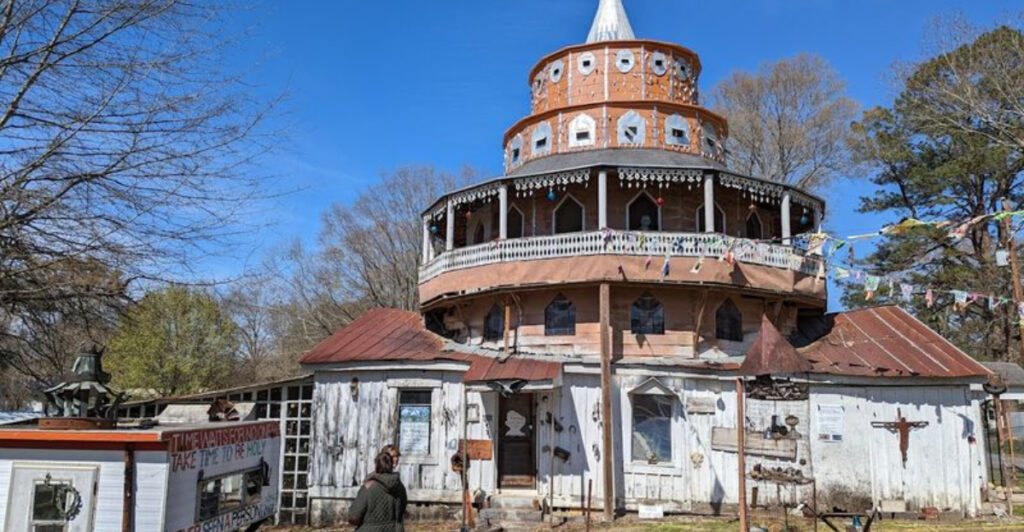
Somewhere in the foothills of northwest Georgia, there is a place where bottle caps, bicycle parts, and hand-painted scripture cover nearly every surface. A self-taught preacher turned artist spent decades building it by hand, and the result is something that does not fit neatly into any category.
Rock and roll history lives here alongside religious vision, raw creativity, and a genuine sense of wonder. Keep reading to find out why this one-of-a-kind destination in a small Georgia town has been drawing art lovers, music fans, and curious travelers from across the country.
Howard Finster: The Preacher Who Became a Folk Art Legend
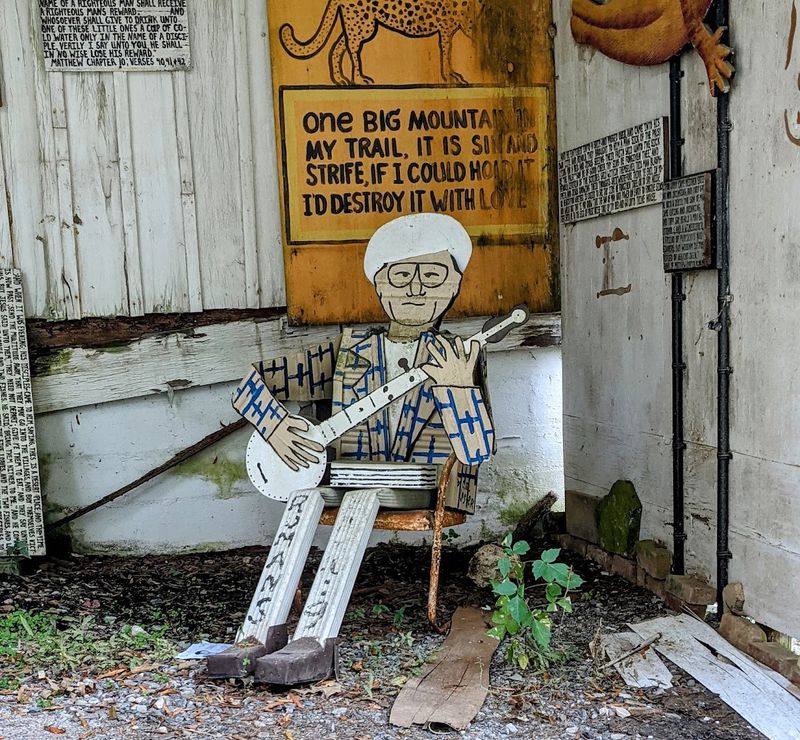
Howard Finster did not set out to become a famous artist. He was a Baptist minister from rural Georgia who, in 1976, received what he described as a divine vision telling him to make sacred art.
He was in his late fifties at the time, and he spent the rest of his life doing exactly that.
Finster created more than 46,000 numbered pieces of art during his lifetime, ranging from small painted panels to massive outdoor sculptures. His work was rooted deeply in Christian faith and frequently included hand-lettered scripture, religious imagery, and portraits of historical figures he admired.
He passed away in 2001, but his legacy has only grown since then. The Paradise Garden Foundation was established to protect and share his vision with future generations.
Visiting the garden feels less like touring a museum and more like walking through the inside of one man’s extraordinary, faith-driven mind.
How Paradise Garden Grew From a Swamp Into a Living Artwork
The land that became Paradise Garden was not exactly prime real estate when Finster started working on it. The area behind his home was a low-lying, swampy patch of ground that most people would have ignored.
Finster saw something else entirely.
He began filling the space with concrete structures, found objects, painted surfaces, and hand-built walkways. Over several decades, the property transformed into a sprawling outdoor environment unlike anything else in the American South.
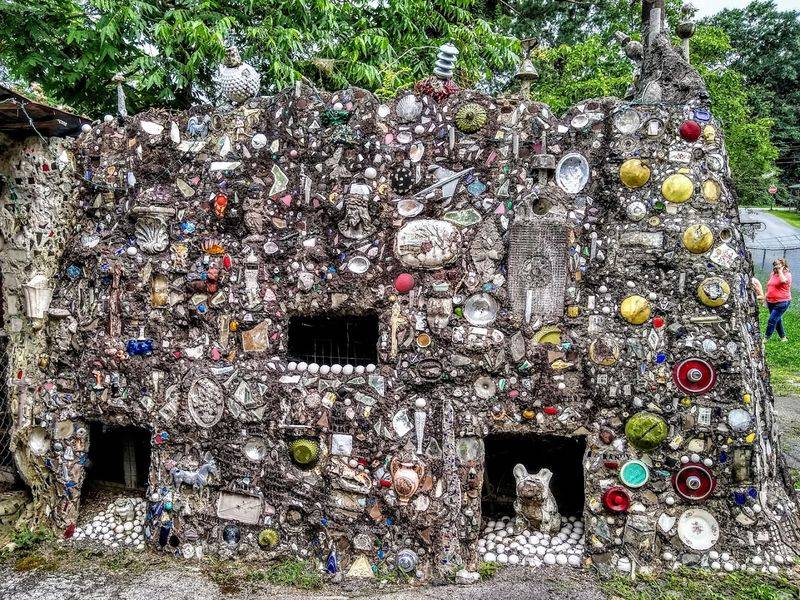
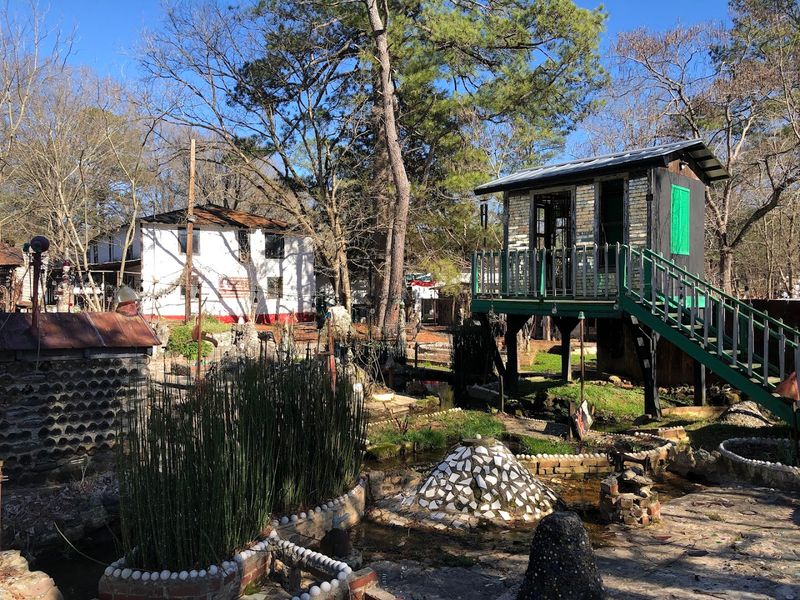
Bottle caps pressed into concrete, bicycle wheels mounted to walls, painted mirrors, and ceramic tiles all became part of the landscape.
The construction was entirely self-driven. Finster did not follow architectural plans or hire contractors.
He built as inspiration came to him, which gives the garden a layered, organic quality that rewards slow exploration. Every corner reveals something new, and repeat visitors consistently report noticing details they missed on earlier trips.
The Bottle Cap and Found Object Art That Covers Everything
One of the first things you notice at Paradise Garden is that almost nothing is left plain. Walls, paths, benches, and building facades are covered in a dense mix of found materials pressed into concrete or attached by hand.
Bottle caps are everywhere, arranged in patterns or simply packed together in dense fields of color and texture.
Bicycle parts, mirrors, coins, clock faces, and pieces of broken ceramics all show up throughout the property. Finster believed that nothing should go to waste, and he collected objects for years with the intention of eventually incorporating them into his art.
Several of his workshops still contain organized collections of sorted metal pieces, giving visitors a glimpse into how his creative process actually worked.
The effect is visually dense but never chaotic. There is an underlying logic to the placement of objects that becomes clearer the longer you spend time in the garden.
It rewards patience and a willingness to look closely.
The Rock and Roll Connection That Still Surprises First-Time Visitors
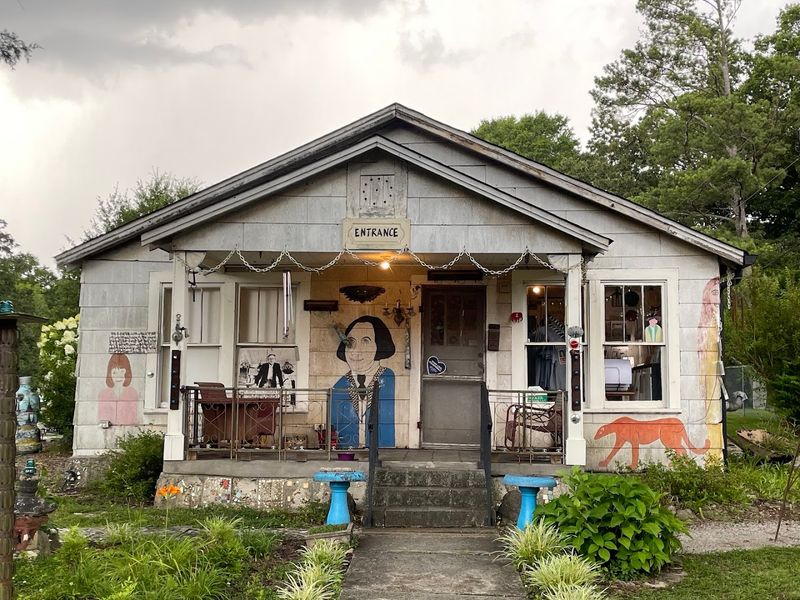
Not many folk artists from rural Georgia end up creating album artwork for internationally known rock bands. Finster did, and that connection is part of what gives Paradise Garden its unexpected range of appeal.
He designed the cover for the Talking Heads album “Little Creatures” in 1985, and he also created artwork for R.E.M.’s “Reckoning” album. Both bands were at the height of their influence at the time, and Finster’s distinctive hand-lettered, image-dense style translated powerfully to the format.
Those album covers introduced his work to millions of people who had never heard of Summerville, Georgia.
R.E.M. was a Georgia band themselves, which made the collaboration feel natural in retrospect. The connection between Finster and the Athens music scene is a fascinating thread in Georgia cultural history.
At Paradise Garden, that history is present not just in the archives but in the way the place continues to attract visitors from creative communities around the country.
The Meditation Chapel and Its Ongoing Restoration Story
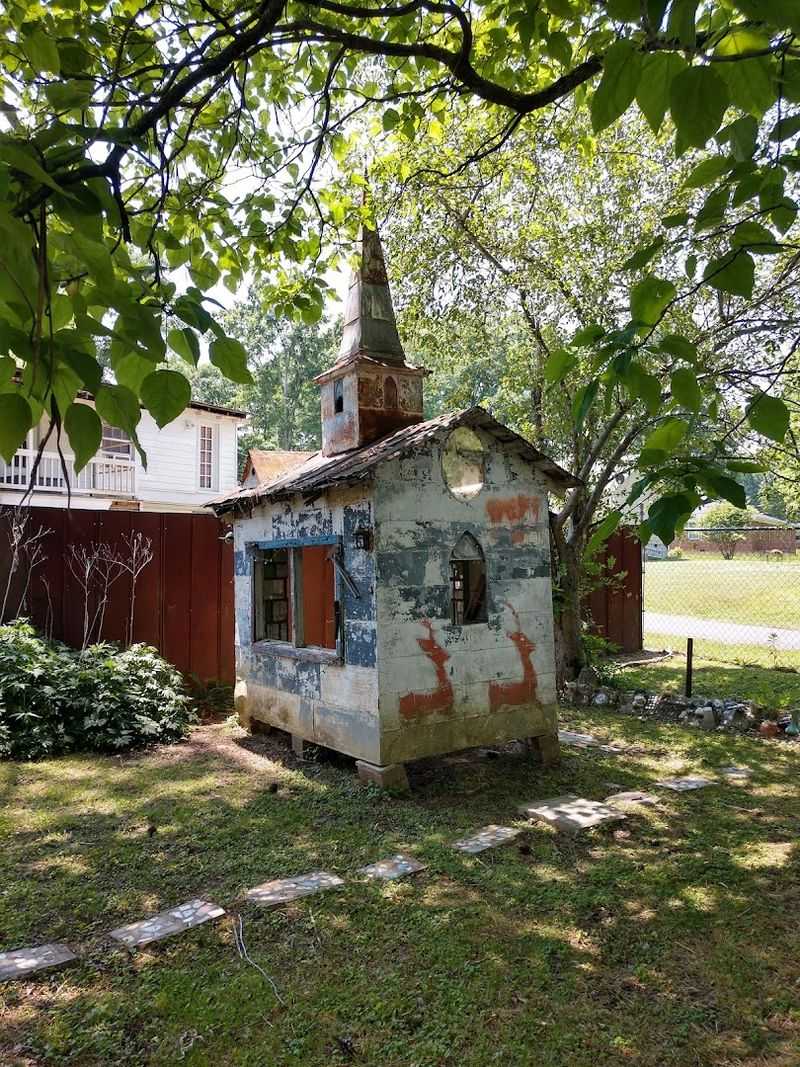
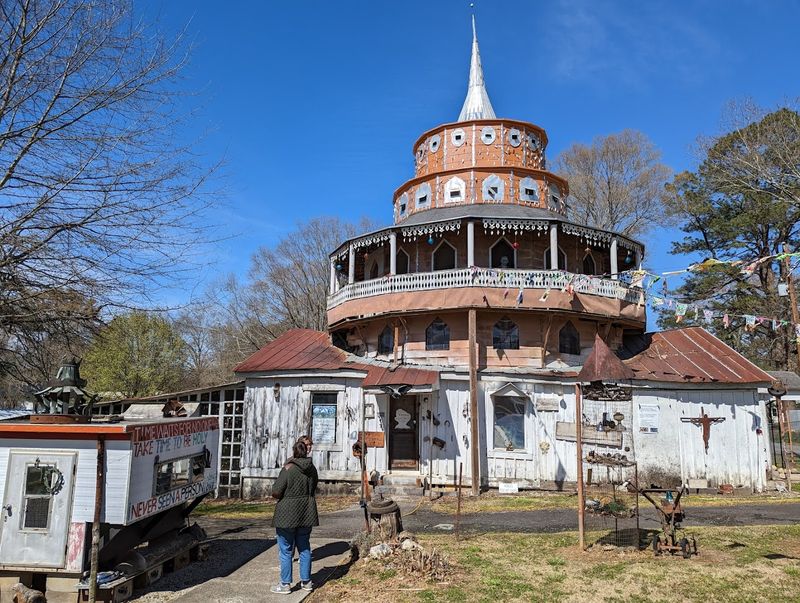
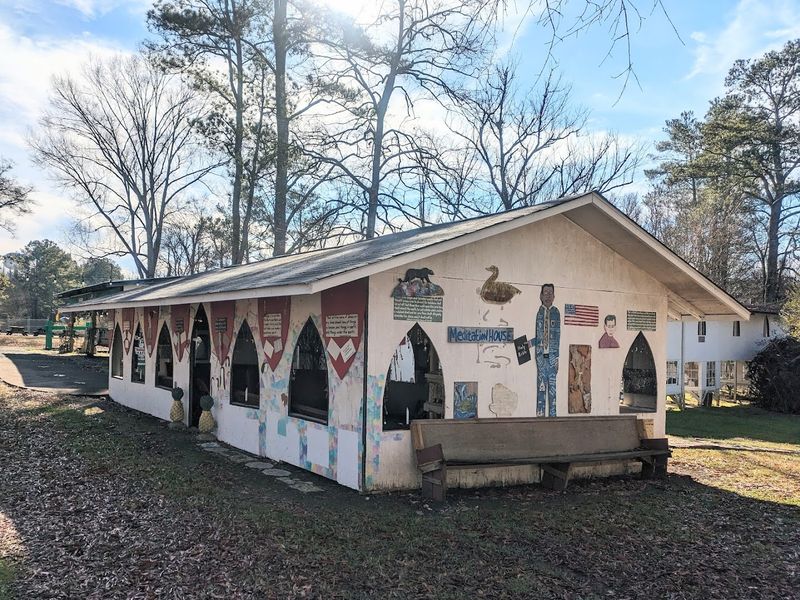
One of the most significant structures on the property is the World’s Folk Art Church, sometimes referred to as the meditation chapel. Finster built this small chapel by hand, and it is covered inside and out with his painted imagery and scripture.
For years, the building was closed to the public due to its condition, but restoration work has been underway thanks to grants, private donations, and community support.
The chapel represents the spiritual core of the entire garden. Finster’s faith was not a background detail in his life or work.
It was the driving force behind everything he created, and the chapel is where that intention is most concentrated and most visible.
During the annual Finster Fest event, the chapel draws long lines of visitors eager to step inside. The restoration has been gradual but meaningful, and the foundation continues to work toward making the full structure accessible to all guests year-round.
Walking the Garden Paths: What a Self-Guided Tour Actually Feels Like
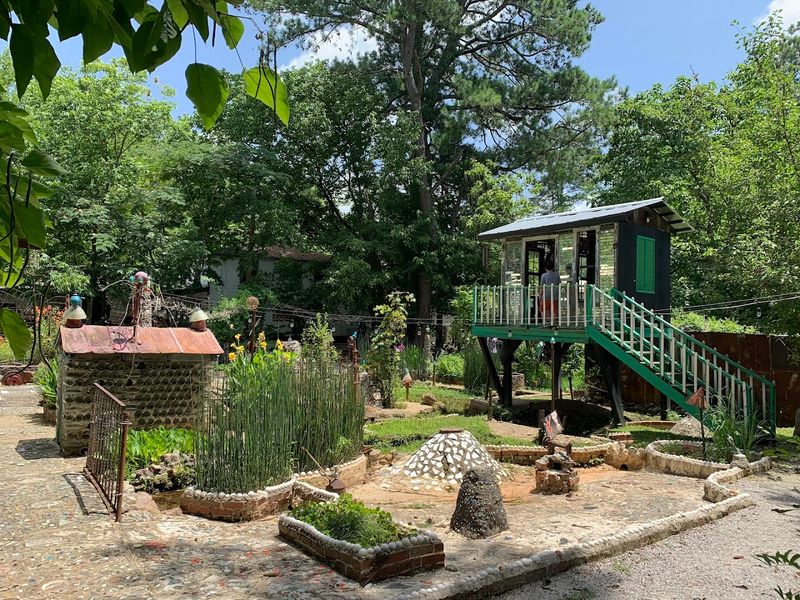
The garden operates as a self-guided experience, which turns out to suit the place perfectly. There are no roped-off sections or hushed gallery rules.
You walk the paths at your own pace, double back when something catches your eye, and spend as much time as you want in any one spot.
Paved paths wind through the property, and the foundation encourages visitors to look down as well as up. Finster embedded art into the ground itself in several areas, so the walking surface becomes part of the experience.
Some sections include bridges, a pond, and open garden areas that shift the mood between dense visual complexity and quieter open space.
Families with children tend to enjoy the property because of its tactile, exploratory quality. The foundation offers a photo scavenger hunt for younger visitors, which adds a layer of structured fun to what is already a pretty engaging environment.
Plan on at least ninety minutes to do the grounds justice.
Finster Fest: The Annual Celebration That Brings the Garden to Life
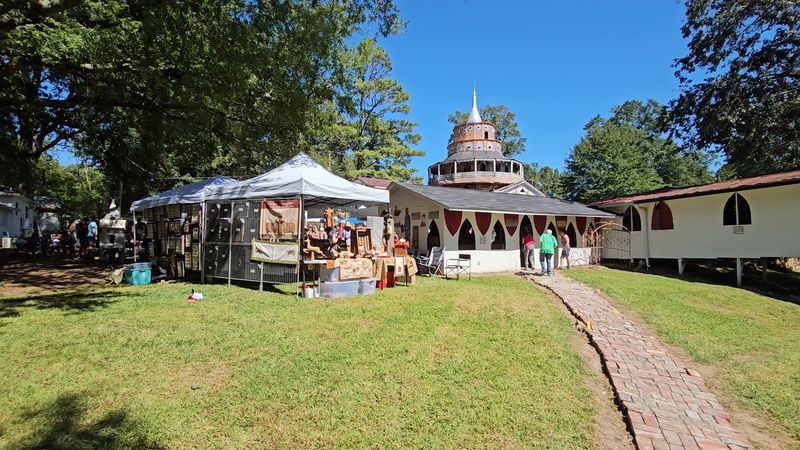
Once a year, the garden hosts Finster Fest, an event that draws folk artists, musicians, and art enthusiasts from across the region. The festival typically takes place in September and fills the property with vendor tents, live music, and original artwork from dozens of participating artists.
The folk art community that gathers for Finster Fest is described by those who attend as genuinely tight-knit and welcoming. Artists display paintings, sculptures, and mixed-media works that share Finster’s spirit of raw creativity and personal expression, even when they come from very different backgrounds and traditions.
Food vendors and live performances add to the atmosphere, making it a full-day outing rather than a quick stop. If you are planning a visit and your schedule has any flexibility, timing your trip around Finster Fest is worth serious consideration.
The energy of the festival adds a dimension to the garden that a regular weekday visit simply cannot replicate.
The Restoration Effort Behind the Garden’s Renewed Life
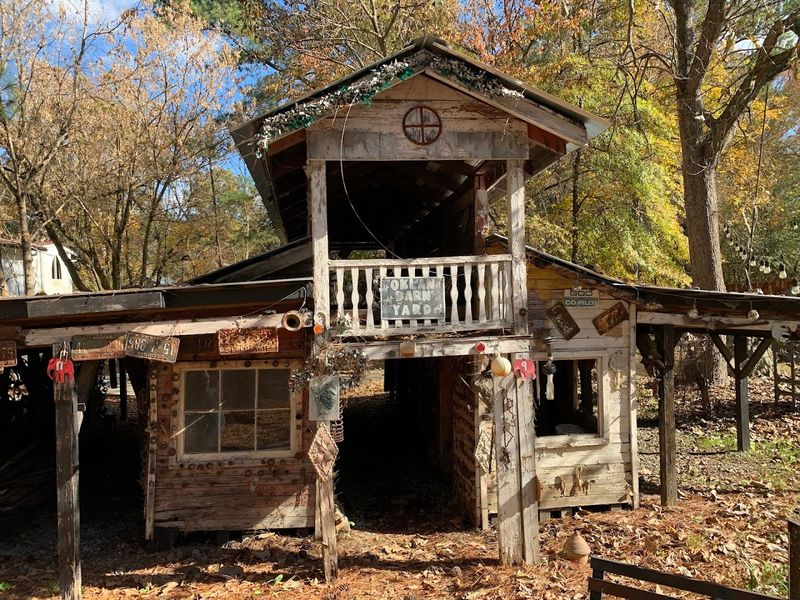
Paradise Garden went through a difficult period after Finster’s passing in 2001. Without consistent funding and maintenance, parts of the property fell into disrepair.
The art that had been built to last in some cases began showing the effects of Georgia’s heat, humidity, and seasonal storms.
The Paradise Garden Foundation stepped in to address this, working over several years to secure grants, attract private donors, and organize volunteer efforts focused on stabilization and restoration. The results are visible throughout the property today.
Structures that were once deteriorating have been carefully repaired, and the overall condition of the garden has improved significantly.
The restoration approach has been thoughtful rather than aggressive. The goal is preservation, not sanitization.
The garden retains its weathered, raw character even as the most vulnerable elements receive protection. That balance between authentic aging and active stewardship is part of what makes Paradise Garden feel honest rather than polished.
Practical Tips for Planning Your Visit to Paradise Garden
A few practical details will make your trip to Paradise Garden smoother and more enjoyable. The garden is open Tuesday through Sunday from 11 AM to 5 PM and is closed on Mondays.
Arriving close to opening time gives you the best chance of a quieter, less crowded experience, especially on weekends during warmer months.
Wear comfortable shoes. The paths are paved, but the property covers enough ground that you will want footwear suited for extended walking.
Summer visits can be hot in northwest Georgia, so bring water and dress accordingly. Fall and spring tend to offer the most comfortable conditions for exploring the outdoor spaces.
The garden is located in Summerville, which is about two hours northwest of Atlanta and sits near the Tennessee border. It makes a natural stop on a road trip through the region, and several visitors combine it with a trip to Cloudland Canyon State Park, which is only a short drive away.
Welcome to Paradise Garden Foundation in Summerville, Georgia
Not every great American art destination sits in a major city. Paradise Garden Foundation is located at 200 N Lewis St, Summerville, GA 30747, tucked into a quiet neighborhood in Chattooga County in northwest Georgia.
The foundation preserves and maintains the life work of Reverend Howard Finster, one of the most celebrated self-taught folk artists in American history.
The property spans several acres and includes outdoor garden paths, mosaic-covered structures, painted walkways, and multiple buildings filled with Finster’s art. A small gift shop and visitor center welcome guests at the entrance, where staff are known for being genuinely warm and knowledgeable.
The garden is open Tuesday through Sunday from 11 AM to 5 PM and is closed on Mondays. You can reach the foundation by phone at 706-808-0800 or visit paradisegardenfoundation.org before your trip.
Admission applies, so check the website for current pricing before you go.
Share this story