 Unearth The Voyage
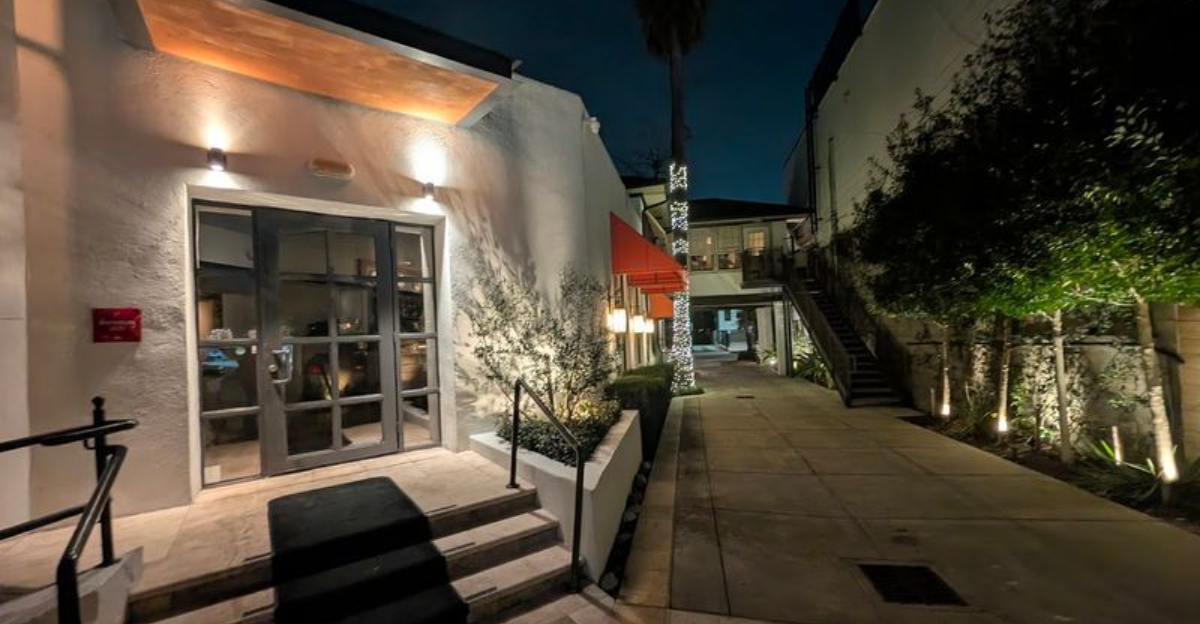
Most people drive past it without a second glance. It looks like a well-kept old house on a quiet residential street, the kind of place where you might expect a family to be sitting down for dinner, not a Michelin-starred chef plating octopus over silky potato puree.
But behind the facade of a 1920s bungalow in Houston, Texas, one of the most quietly extraordinary Spanish restaurants in the entire country is serving Catalan cuisine that has earned international recognition. Once you know what is inside, you will never look at an old house the same way again.
A Bungalow With a Secret Worth Knowing
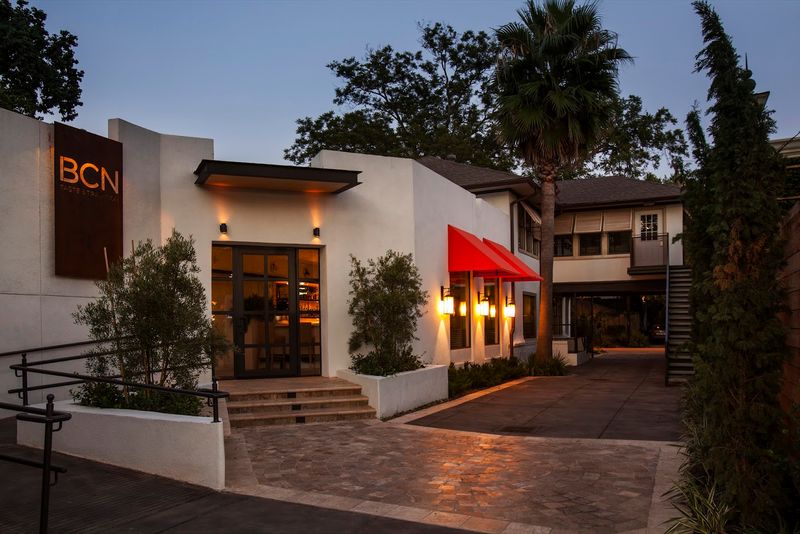
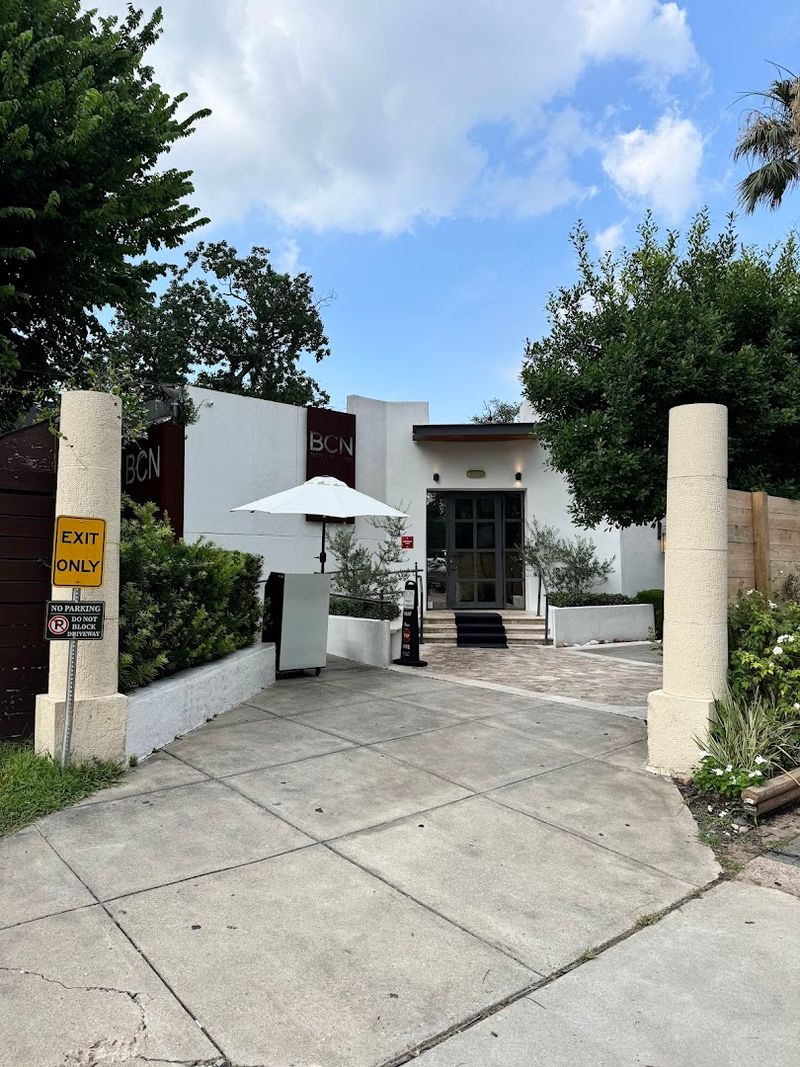
There is something genuinely thrilling about arriving at a Michelin-starred restaurant and realizing it looks nothing like one. BCN Taste and Tradition, located at 4210 Roseland Street in Houston, Texas, United States, occupies a two-story home built in the 1920s.
The structure has been carefully preserved on the outside, keeping its residential character fully intact.
From the street, you could easily mistake it for a neighbor’s house. There is no towering sign, no valet canopy stretching out to the curb, no grand entrance designed to signal importance.
That restraint is entirely intentional.
The contrast between the modest exterior and what waits inside creates an anticipation that begins the moment you step onto the property. Houston has no shortage of impressive restaurants, but very few of them make you feel like you have discovered something that most of the city has somehow missed.
The Michelin Star That Put Houston’s Spanish Scene on the Map
Earning a Michelin star is not a marketing achievement. It is a recognition from one of the most selective culinary authorities in the world, and BCN Taste and Tradition has earned that distinction for its contemporary take on classic Spanish and Catalan cuisine.
For Houston diners who had long celebrated the city’s barbecue and Tex-Mex traditions, the arrival of Michelin recognition for a Spanish fine dining restaurant felt like a genuine turning point. It confirmed what regulars already knew: this kitchen is operating at a level that competes nationally and internationally.
Guests who have dined at Michelin-starred restaurants across Europe consistently say BCN earns its recognition without hesitation. The precision in technique, the sourcing of ingredients, and the coherence of the menu all reflect a kitchen that takes its craft seriously every single service.
Catalan Flavors Translated for a Houston Table
Catalonia is a region in northeastern Spain with its own distinct culinary identity, shaped by coastal ingredients, mountain produce, and centuries of tradition. BCN brings that specific regional character to Houston rather than offering a generic pan-Spanish menu.
The philosophy here is rooted in classic Catalan flavors presented with modern technique. That means dishes are recognizable in spirit but refined in execution.
You taste the tradition behind each plate while also sensing the care and precision of a kitchen working at a high level.
Seafood plays a central role, which makes sense given Catalonia’s long relationship with the Mediterranean coast. The kitchen treats each ingredient with obvious respect, and that respect shows up on the plate in ways that are immediately apparent even to diners who have never visited Spain.
Every bite carries a sense of place.
Iberico Ham and the Art of Letting Quality Speak
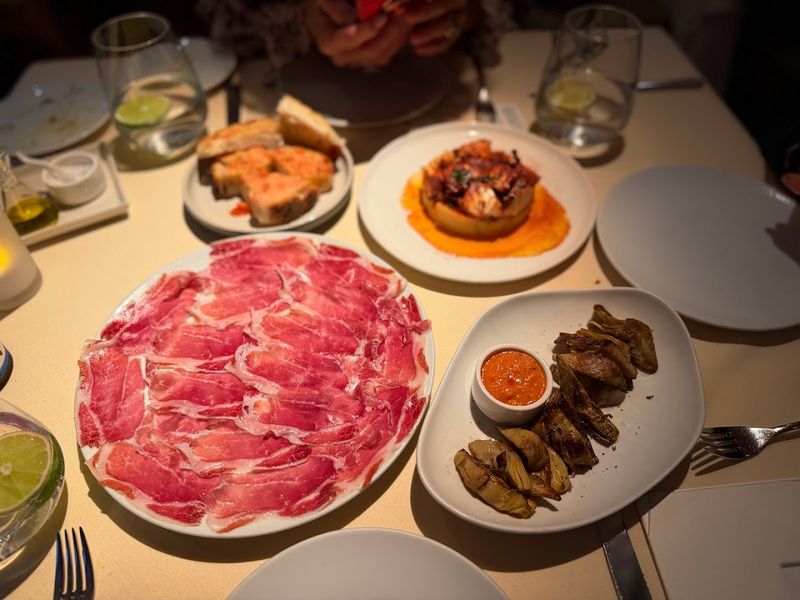
Some ingredients need almost no intervention from a kitchen. Iberico ham is one of them, and BCN understands that completely.
The ham here is treated with the reverence it deserves, presented in a way that lets its complex, nutty, deeply savory character come through without distraction.
Guests frequently single out the Iberico ham as a personal highlight, sometimes to the mild surprise of companions who arrived expecting to be dazzled by more elaborate preparations. There is real confidence in a restaurant that puts a simply presented cured meat among its standout dishes and then delivers on that confidence completely.
The ham pairs naturally with the restaurant’s thoughtfully curated selection of drinks, and the staff is knowledgeable enough to guide guests toward combinations that genuinely elevate both. It is one of those menu moments that feels effortless but reflects years of sourcing and attention behind the scenes.
Patatas Bravas Done With Serious Intention
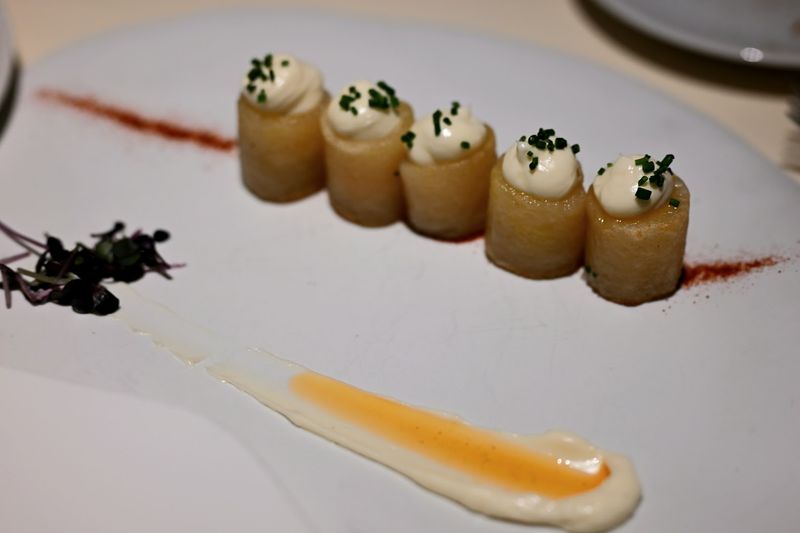
Patatas bravas might be the most common dish on any Spanish menu in the world, which makes it the easiest benchmark for judging a kitchen’s attention to fundamentals. At BCN, the patatas bravas arrive as small, perfectly seasoned bites with a spice level that has genuine character without overpowering the palate.
The texture hits exactly where it should: a light crunch on the outside giving way to a soft, fluffy interior. The sauce carries real depth, and the portion, while compact, is concentrated enough that each piece delivers maximum impact.
It is tempting to overlook patatas bravas on a menu full of more dramatic options, but at BCN they serve as an important signal. A kitchen that executes the simple dishes at this level is a kitchen you can trust completely with everything else.
Order them early and pay attention.
Bomba Rice and the Seafood That Crowns It
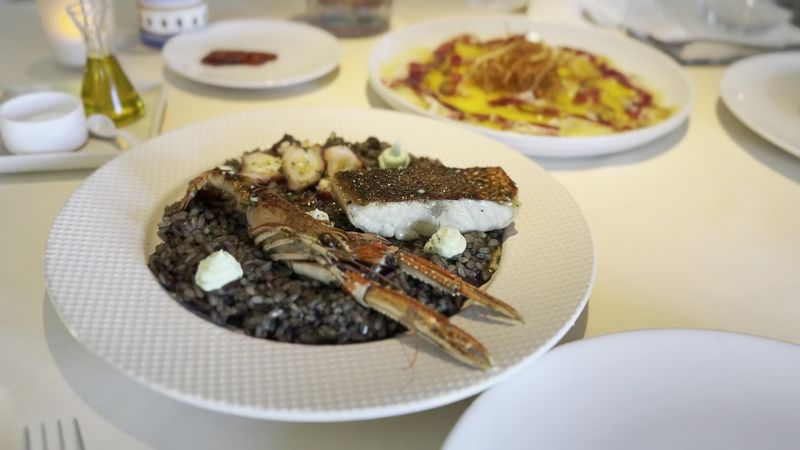
Rice dishes are among the most technically demanding preparations in Spanish cuisine. Getting the texture right, building the flavor base correctly, and timing the finish all require experience and focus.
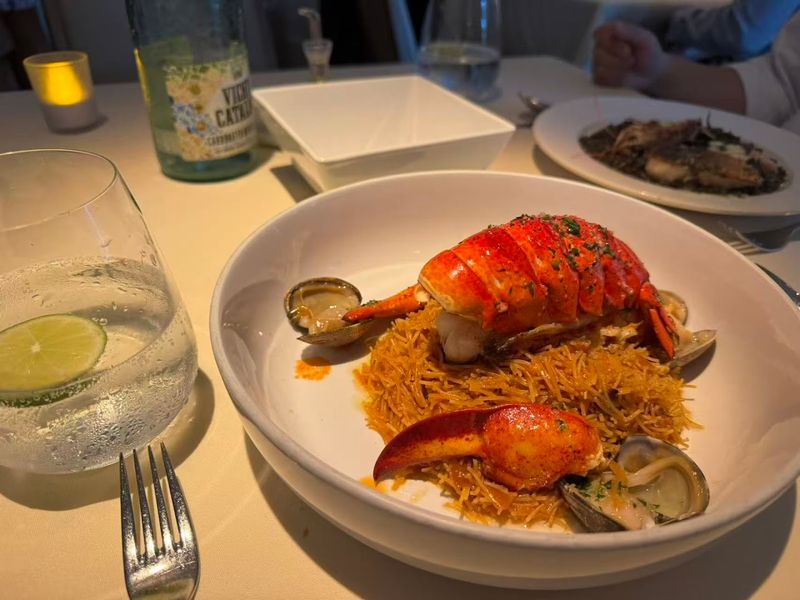
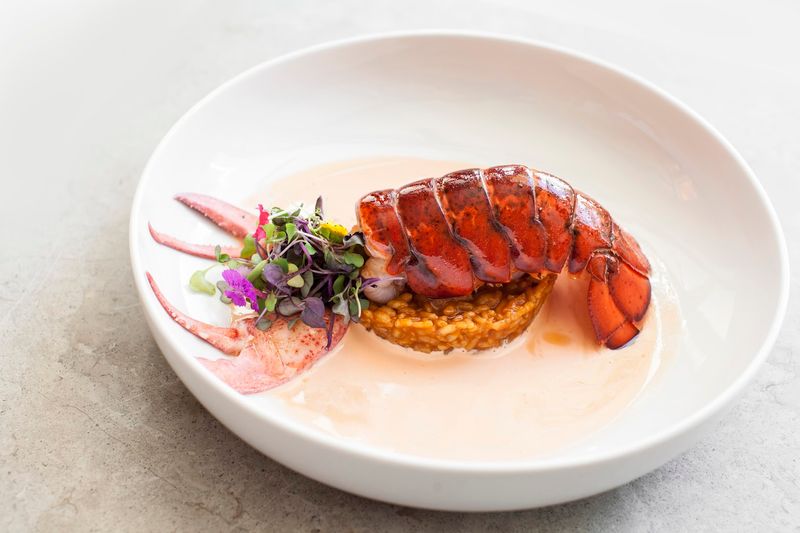
BCN’s bomba rice draws consistent attention, particularly for the quality of the seafood layered over the top.
The langoustine that crowns the dish has drawn particular praise. Its sweetness plays against the savory depth of the rice beneath it, and the combination feels balanced rather than indulgent.
The seafood is cooked to a point where it remains tender and flavorful rather than firm or rubbery.
Opinions on the rice itself have occasionally varied among guests, which speaks to how seriously diners take this dish when they order it. The expectation is high because the reputation is high.
On its best nights, the bomba rice at BCN is a genuinely transporting plate of food that rewards every bite.
The Gypsy’s Arm: A Dessert Worth Remembering
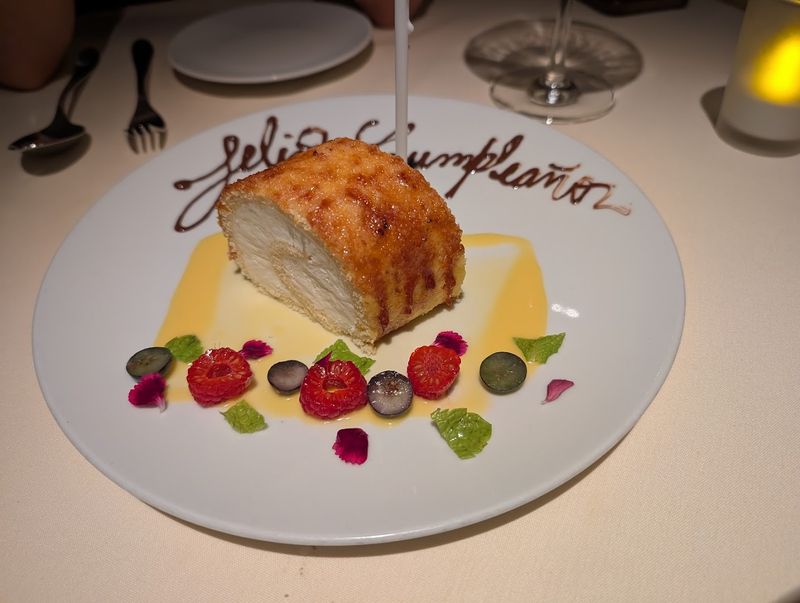
The Gypsy’s Arm, known in Spanish as brazo de gitano, is a rolled sponge cake filled with cream, and BCN’s version has become one of the most talked-about finishes on the menu. The exterior carries a creme brulee-style crust that adds both texture and a caramelized sweetness before the creamy interior takes over.
What makes this dessert memorable is the balance between its components. Nothing is too sweet, nothing is too rich, and the presentation is elegant enough to feel like a proper finale to a Michelin-level meal.
The kitchen occasionally personalizes the plate for special occasions, scripting birthday or anniversary messages with obvious care.
For guests celebrating a milestone, that small gesture transforms a dessert course into something genuinely moving. It is the kind of detail that separates a restaurant that executes technically from one that actually understands why people choose to celebrate at a dinner table.
Picasso, Dali, and Miro Inside a Dining Room
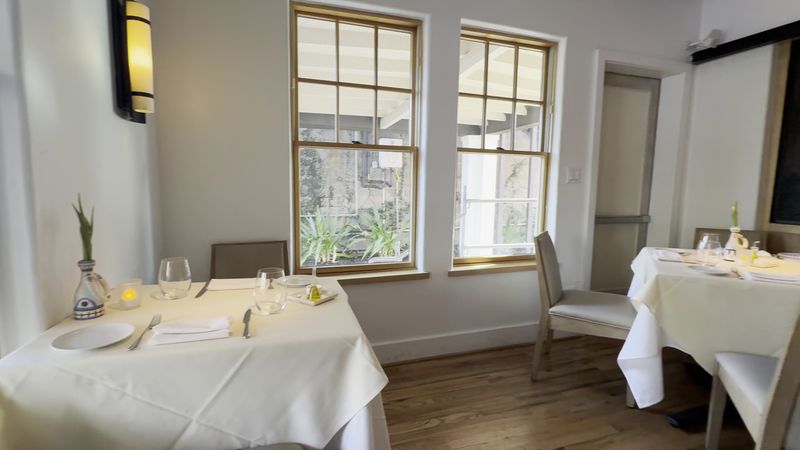
Walking through the rooms of BCN feels less like entering a restaurant and more like entering a private collection. The walls and display spaces hold authentic works connected to some of the most significant names in 20th-century art, including Pablo Picasso, Salvador Dali, and Joan Miro.
Picasso plates and sculptures appear throughout the space alongside Dali works and Miro paintings. These are not reproductions or decorative prints chosen to suggest a cultural atmosphere.
They are real pieces, and their presence changes the feeling of the room in a way that is difficult to fully articulate until you are sitting among them.
One server was observed carefully lifting a Picasso sculpture and placing it directly on a guest’s table for closer viewing. That kind of access to genuine art during a dinner service is rare anywhere in the world, let alone in a converted residential home in Houston.
The Architecture of a 1920s Home Reimagined
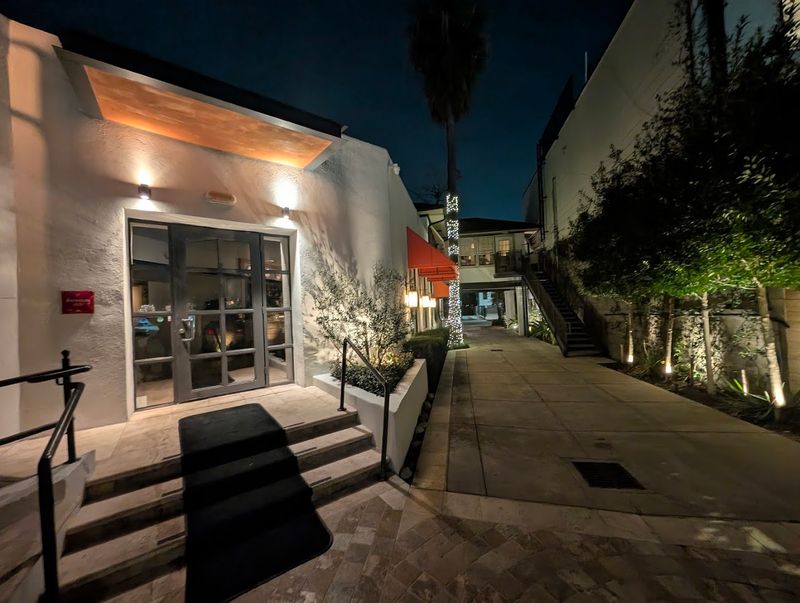
The building itself is part of the experience at BCN, and the owners clearly understood that when they chose not to gut the space and rebuild it as a conventional restaurant interior. The two-story 1920s structure has been reimagined rather than erased, preserving the intimate scale and domestic warmth of a real home.
Dining rooms feel like rooms rather than sections of a larger hall. Ceilings, moldings, and the general proportions of the space all retain their original residential character.
That scale creates a naturally intimate atmosphere that larger purpose-built restaurants spend enormous budgets trying to manufacture and rarely achieve.
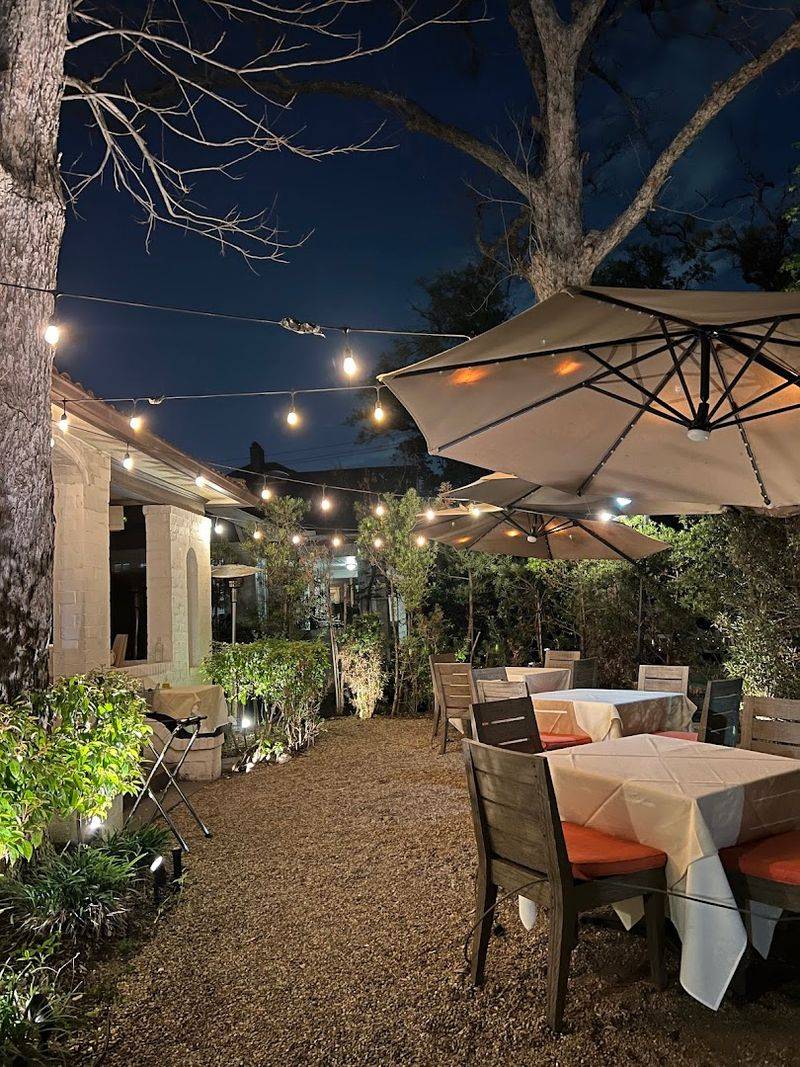
The lighting is warm and considered, working with the architecture rather than against it. Private dining areas are available within the house, and the overall effect is of a space that feels genuinely personal.
Guests frequently describe the ambience as romantic, which is a natural consequence of a setting this thoughtfully preserved.
A Tasting Menu That Tells a Story Course by Course
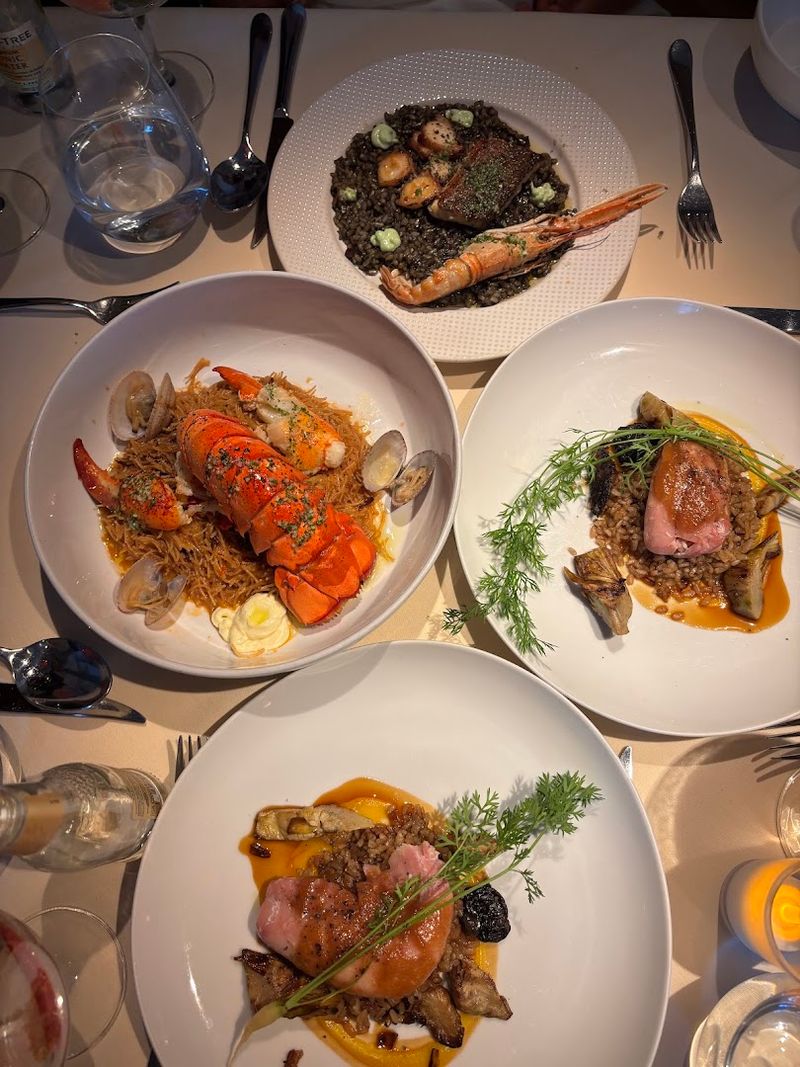
BCN offers a tasting menu format that allows the kitchen to guide guests through a sequence of dishes rather than leaving the experience entirely to individual selection. Each course is introduced with context, and the staff takes time to explain the origins of ingredients and the thinking behind each preparation.
That narration matters more than it might initially seem. Understanding why a dish was constructed a certain way, or where a particular ingredient comes from, deepens the experience of eating it.
The tasting menu at BCN functions as a guided tour through Catalan and Spanish culinary tradition.
Guests who have chosen this format consistently describe the meal as one of the most complete dining experiences they have had in Houston. The progression of flavors builds naturally, and the kitchen paces the courses in a way that leaves guests satisfied rather than overwhelmed.
It is an evening rather than just a dinner.
Why Reservations Here Are Harder to Get Than You’d Expect
BCN operates on a schedule that might surprise first-time visitors. The restaurant opens at 5 PM on weekdays and closes by 8:30 PM most nights, with a slightly later close on Fridays.
Saturday and Sunday service is not offered, which means the available reservation windows are genuinely limited.
That limited schedule, combined with a dining room that prioritizes intimacy over volume, means tables fill up quickly. The restaurant’s Michelin recognition has only increased demand, and guests who wait too long to book often find themselves pushed several weeks out.
Planning ahead is not optional here, it is simply part of the process. The effort involved in securing a reservation does something interesting to the experience itself.
By the time you sit down, there is already a sense of occasion attached to the evening that a casually booked table rarely carries. BCN earns that anticipation and then delivers on it.
What Keeps Guests Coming Back After the First Visit
First-time guests at BCN often arrive because of the Michelin star or the unusual setting. Third-time guests arrive because of something harder to define.
The restaurant has developed a loyalty among its regulars that goes beyond appreciation for good food. People return here because the experience feels personal every time.
The staff remembers preferences, notices occasions, and adjusts the pace of service to match the mood of the table. Couples celebrating anniversaries, friends marking milestones, solo diners treating themselves to something extraordinary: each group seems to leave with the sense that the evening was shaped specifically for them.
That consistency is genuinely difficult to maintain at any level of dining, and BCN maintains it in a building that seats relatively few covers per night. For Houston diners looking for a meal that functions as a real memory rather than just a pleasant evening, this quiet bungalow on Roseland Street remains the answer.



