Some animals have figured out how to live in places that seem completely impossible for life. From the frozen tundra of the Arctic to the boiling waters near underwater volcanoes, these creatures have developed remarkable traits that let them survive where almost everything else would die.
Learning about them helps us understand just how adaptable life on Earth can be. Get ready to meet 14 of the toughest animals on the planet.
1. Tardigrade
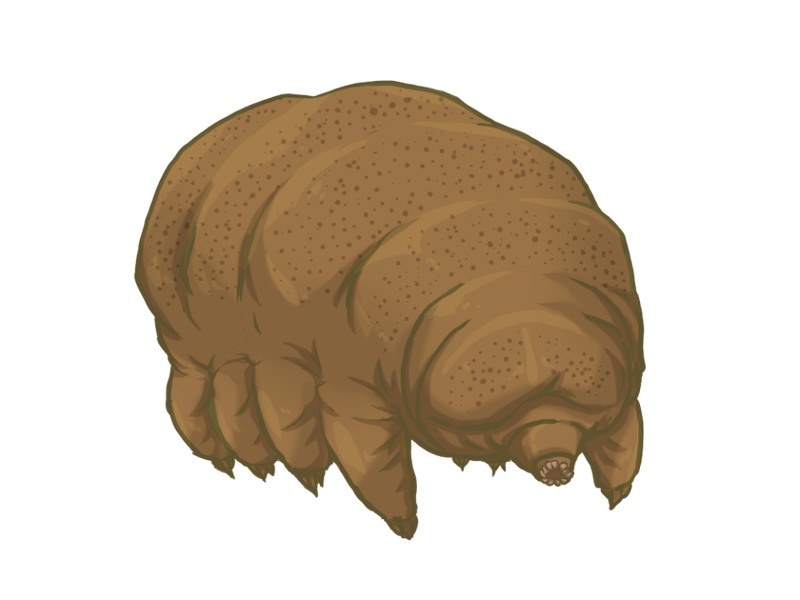
Barely visible to the naked eye, the tardigrade is arguably the toughest animal ever discovered. Also called a “water bear,” this tiny creature measures less than 1 millimeter long but can survive conditions that would destroy almost any other form of life on Earth.
Scientists have found tardigrades surviving in boiling water, deep-frozen ice, intense radiation, and even the vacuum of outer space. They do this through a process called cryptobiosis, where they essentially shut down all body functions and wait out the danger.
Their bodies lose nearly all moisture and curl into a protective, seed-like shape.
When conditions improve, they rehydrate and walk away as if nothing happened. NASA researchers have studied tardigrades to better understand how life might survive on other planets.
These tiny survivors prove that size has absolutely nothing to do with toughness.
2. Pompeii Worm
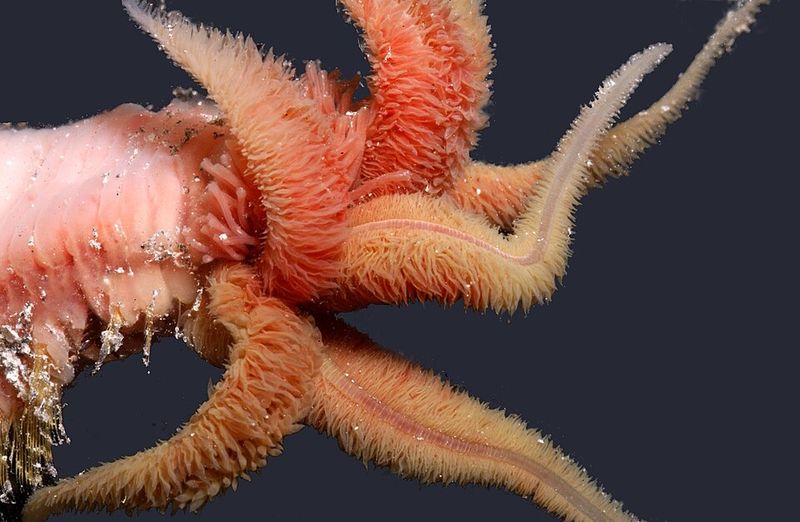
Named after the ancient Roman city buried by a volcanic eruption, the Pompeii worm lives up to its dramatic name. Found near deep-sea hydrothermal vents in the Pacific Ocean, this pale, fuzzy-looking worm makes its home in one of the hottest environments any animal has ever been found in.
Temperatures near these vents can exceed 170 degrees Fahrenheit, yet the Pompeii worm builds papery tubes right on the vent structures and lives inside them. A layer of heat-resistant bacteria coats its back, acting almost like a living insulation blanket that helps manage the extreme temperatures.
Scientists believe the bacteria and worm share a mutually beneficial relationship, each helping the other survive. Discovering how the Pompeii worm tolerates such heat has opened new doors in biology and materials science research.
It is a remarkable example of life finding a way against all odds.
3. Emperor Penguin
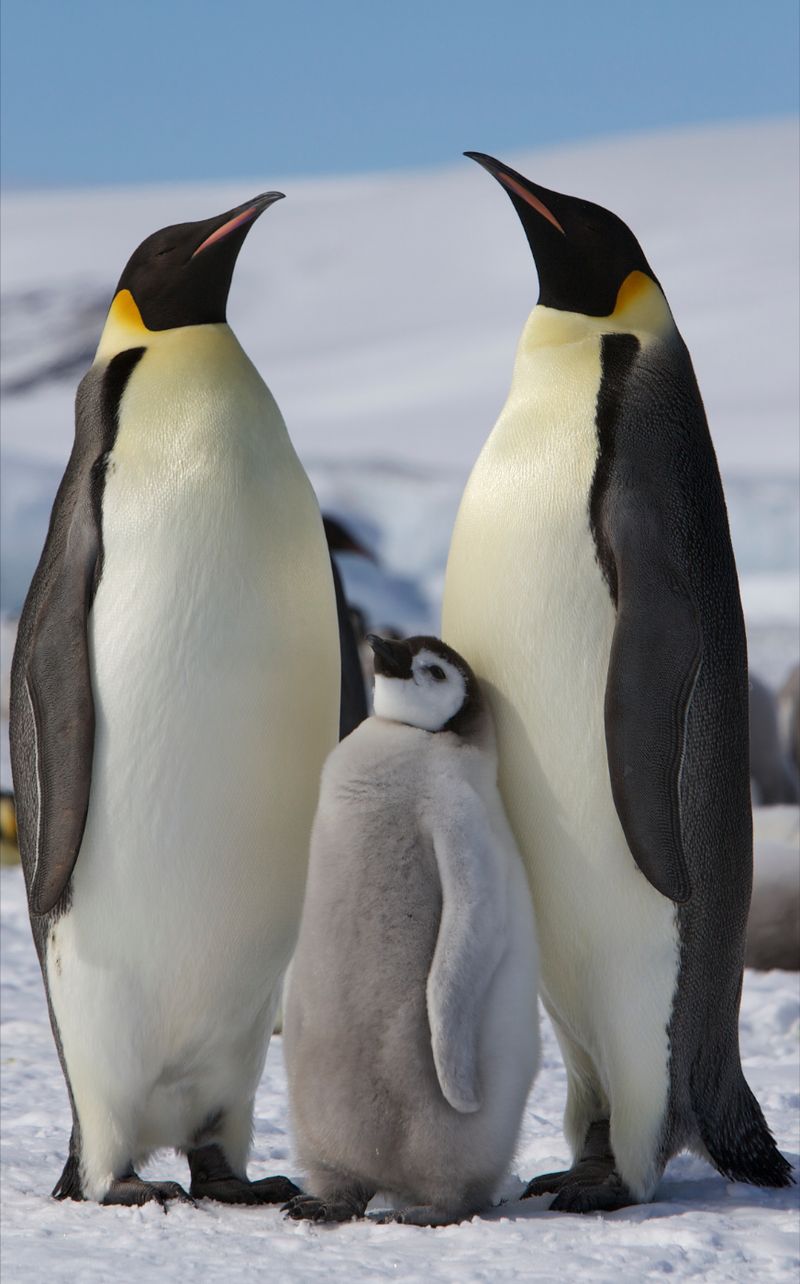
When Antarctic winters hit, temperatures can plunge below minus 75 degrees Fahrenheit with wind chills making it feel even colder. Most animals would flee or perish, but Emperor penguins actually raise their chicks during this brutal season.
They are the only birds on Earth that breed in the middle of an Antarctic winter.
Male Emperor penguins take on the hardest job. After the female lays a single egg, the male balances it on his feet and covers it with a warm flap of belly skin called a brood pouch.
He stands like this for about two months, barely moving, surviving on stored body fat alone.
Meanwhile, hundreds of males huddle tightly together to share warmth, rotating from the cold outer edges to the warm center of the group. By the time the chick hatches, the dedicated father has lost nearly half his body weight.
4. Camel
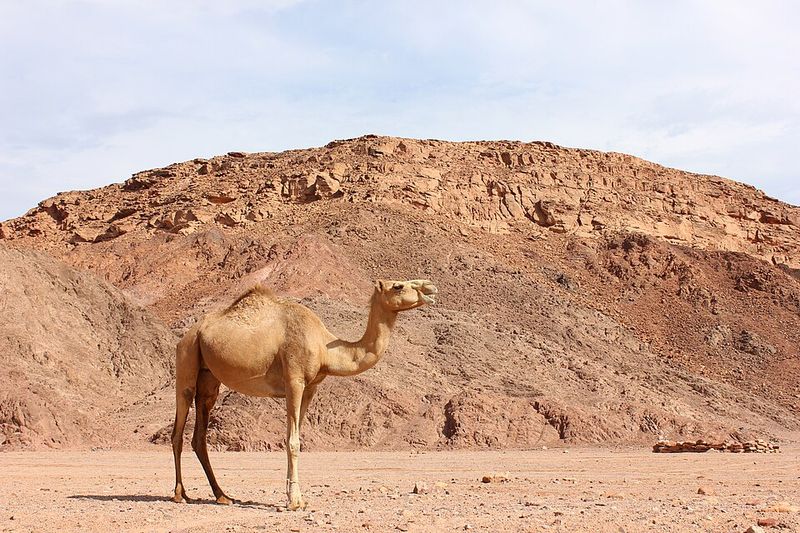
Few animals are as well-known for desert survival as the camel, and for good reason. Camels can go up to two weeks without water and several months without food, making them perfectly suited for life in the scorching Sahara and Arabian deserts where temperatures regularly top 120 degrees Fahrenheit.
One of the biggest myths about camels is that they store water in their humps. In reality, those humps store fat, which the camel converts to energy and water when resources run dry.
Their bodies are also incredibly efficient at conserving moisture, producing very dry droppings and concentrated urine.
Camels can drink up to 30 gallons of water in just 13 minutes when they finally find a source. Their wide, padded feet prevent them from sinking into sand, and their long eyelashes and closeable nostrils protect against desert sandstorms.
Truly, they are built for the heat.
5. Arctic Fox
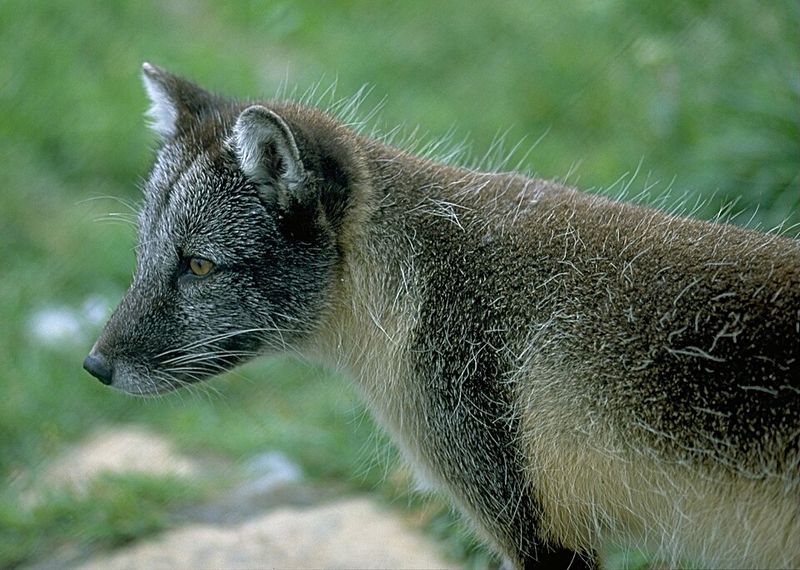
With a coat so thick and white it almost disappears into the snow, the Arctic fox is a master of cold-weather survival. Year-round residents of the Arctic tundra, these small foxes face temperatures as low as minus 58 degrees Fahrenheit and do not hibernate.
They stay active all winter long.
Their fur is considered the warmest of any mammal relative to body size, featuring two dense layers that trap heat close to the skin. Even the bottoms of their paws are covered in fur, acting like built-in snowshoes and insulation against frozen ground.
Their compact, rounded body shape helps minimize heat loss.
Arctic foxes also change color with the seasons, turning brown or grayish in summer to blend with rocky tundra and switching back to white in winter for camouflage against snow. They often follow polar bears to scavenge leftover food, showing clever adaptability alongside raw physical toughness.
6. Yak
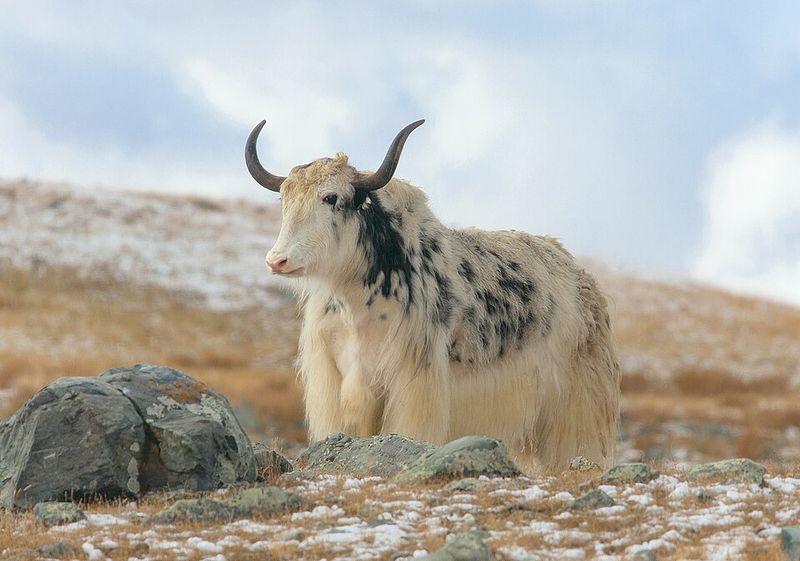
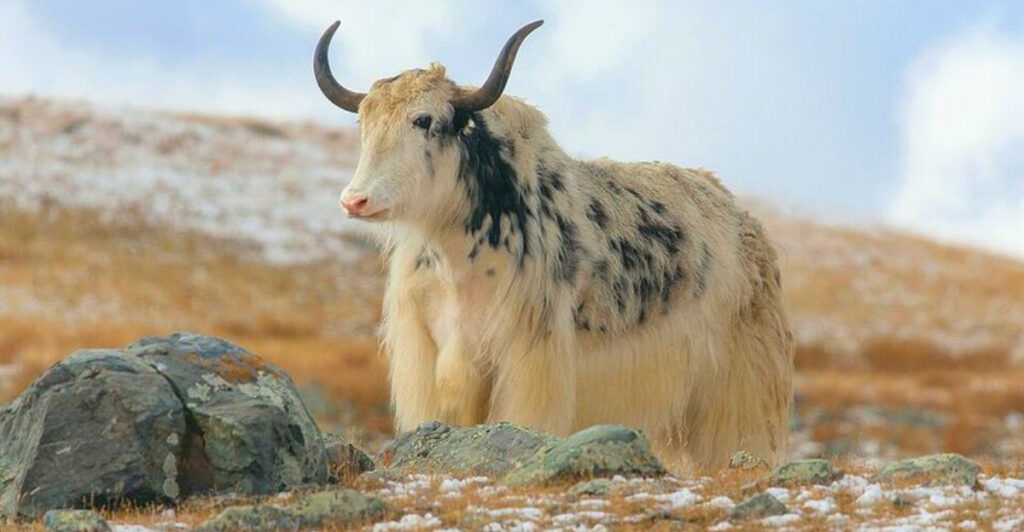
High up in the Himalayas, where the air is thin and temperatures stay bitterly cold for most of the year, the yak thrives while most other large mammals would struggle to breathe. These massive, shaggy bovines live at altitudes between 14,000 and 20,000 feet above sea level, places where oxygen levels are dramatically lower than at sea level.
Yaks have unusually large lungs and hearts compared to other cattle, allowing them to extract enough oxygen from thin mountain air. Their blood also contains a special type of hemoglobin that holds onto oxygen more efficiently.
A thick, layered coat of coarse outer hair and soft inner wool keeps them warm in temperatures that drop below minus 40 degrees Fahrenheit.
For centuries, Himalayan communities have depended on yaks for transportation, milk, meat, and wool. These animals are so well adapted to altitude that they actually become sick when brought to lower elevations for too long.
7. Wood Frog
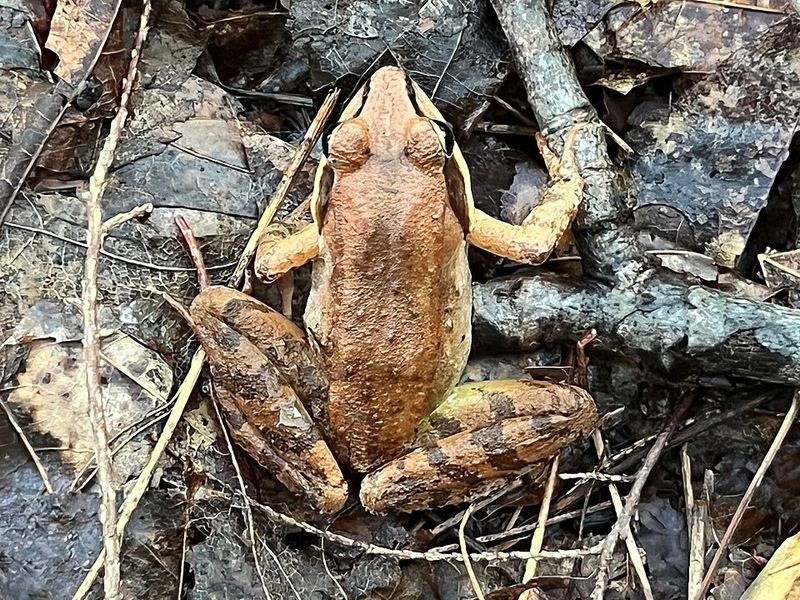
Imagine going to sleep for the winter and literally freezing solid, only to wake up perfectly healthy in spring. That is exactly what the wood frog does, making it one of the most extraordinary animals in North America.
Up to 70 percent of its body water turns to ice during the coldest months.
Most animals die when their cells freeze because ice crystals tear through cell walls. Wood frogs avoid this by flooding their tissues with glucose, a natural sugar that acts like antifreeze and protects cells from damage.
Their hearts actually stop beating, and they stop breathing entirely for weeks or even months.
When temperatures rise again in spring, the frog thaws from the inside out and hops away as if nothing unusual happened. Scientists are studying the wood frog’s freezing ability to improve organ preservation techniques for human medical transplants.
Nature, it seems, already solved a problem doctors are still working on.
8. Sahara Silver Ant
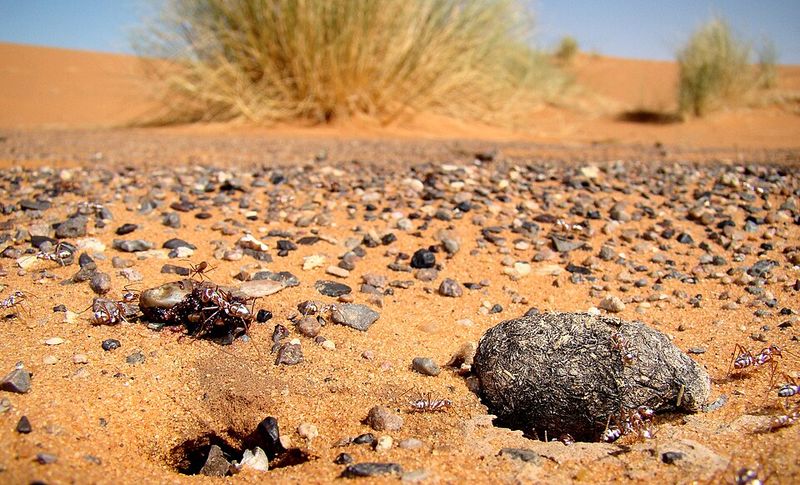
At the hottest part of the Saharan day, when temperatures on the sand surface can exceed 140 degrees Fahrenheit, most animals are hiding in shade or underground. That is exactly when the Sahara silver ant comes out to forage.
These insects have a window of just a few minutes to find food before the heat becomes lethal even for them.
Their secret weapon is their silvery coat, which is made of tiny triangular hairs that reflect sunlight and radiate heat away from the body. This biological heat shield keeps them cooler than the sand they walk on.
They also move at incredible speed, covering about 3 feet per second, making them one of the fastest insects relative to body size on the planet.
Sahara silver ants mainly scavenge insects and other small creatures that have already died from the heat. They time their foraging runs with precision, using the sun as a navigation tool to find their way back to the nest quickly.
9. Blind Cave Fish
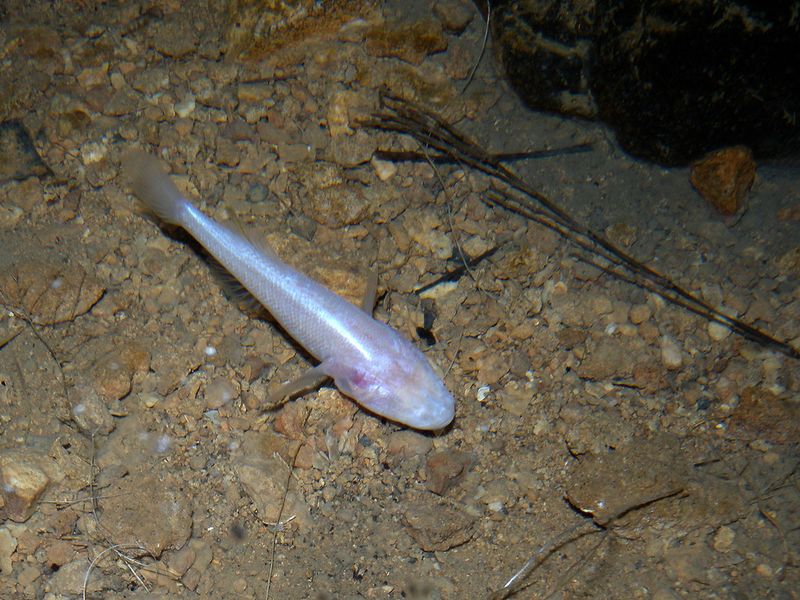
Deep inside underground caves in Mexico, a fish has been living in complete darkness for so long that it no longer has functioning eyes. The blind cave fish, a cavefish species related to surface-dwelling Mexican tetras, has spent thousands of generations in cave systems where sunlight has never reached.
Over time, evolution took away what was no longer useful. Eyes require energy to develop and maintain, so fish living in permanent darkness gradually lost them.
In their place, these fish developed an enhanced lateral line system, a network of pressure-sensitive cells along their body that detects tiny changes in water movement. This allows them to navigate and find food without any light at all.
Blind cave fish also have altered sleep patterns, getting far less sleep than their surface relatives because there are no day-night cycles to respond to. Studying them has given scientists valuable clues about how animals adapt to radically new environments over time.
10. Antarctic Krill
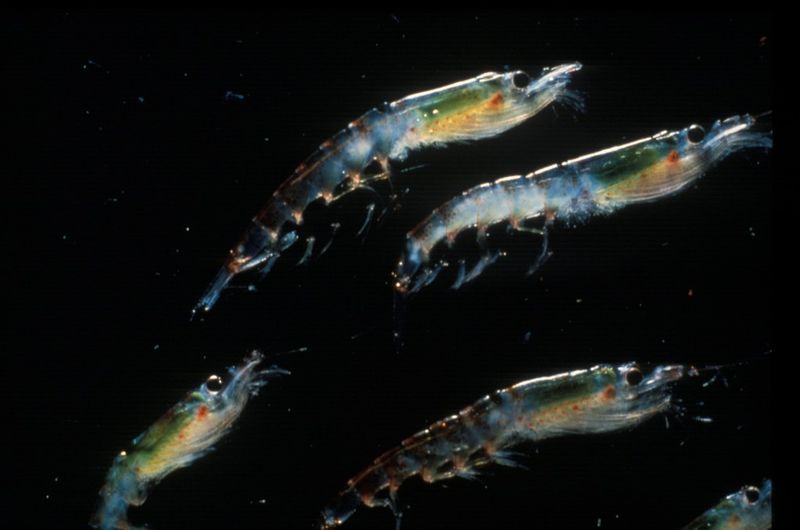
Small but astonishingly important, Antarctic krill are shrimp-like crustaceans that survive beneath the sea ice of the frigid Southern Ocean, where water temperatures hover just below freezing. Despite being only about 2 inches long, krill form some of the largest animal gatherings on Earth, with swarms so dense they can be spotted from space.
During winter, when the ocean surface freezes over, krill cling to the underside of sea ice and scrape off the algae growing there. This ice algae is their primary food source during the dark polar winter months when little else is available.
Their semi-transparent bodies allow them to blend into their icy surroundings and avoid predators.
Krill are a cornerstone of the Antarctic food web, feeding penguins, seals, whales, and seabirds. A single blue whale can eat up to 4 tons of krill per day.
Without these tiny survivors, the entire Southern Ocean ecosystem would collapse.
11. Ruppell’s Griffon Vulture
At 36,000 feet, most birds would black out from oxygen deprivation. Commercial airplanes cruise at roughly that altitude.
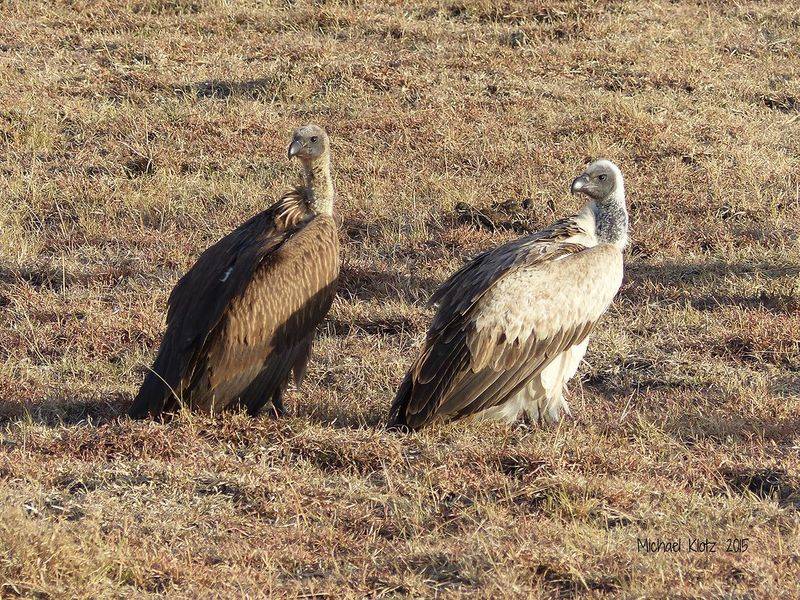
Yet in 1973, a Ruppell’s Griffon Vulture collided with an airplane over West Africa at exactly that height, making it the highest-flying bird ever officially recorded. Surviving at such altitude requires extraordinary biology.
This African vulture has a special type of hemoglobin in its blood that binds to oxygen molecules with exceptional efficiency, even when oxygen levels are extremely low. This adaptation allows the bird to stay alert and physically active in air that would render most animals unconscious within minutes.
Ruppell’s Griffon Vultures soar on thermal updrafts for hours, scanning vast distances for carcasses below. Their sharp eyesight can spot food from miles away, and they often travel hundreds of miles in a single day searching for a meal.
Their combination of altitude tolerance and visual acuity makes them one of the most efficient scavengers alive.
12. Devil Worm
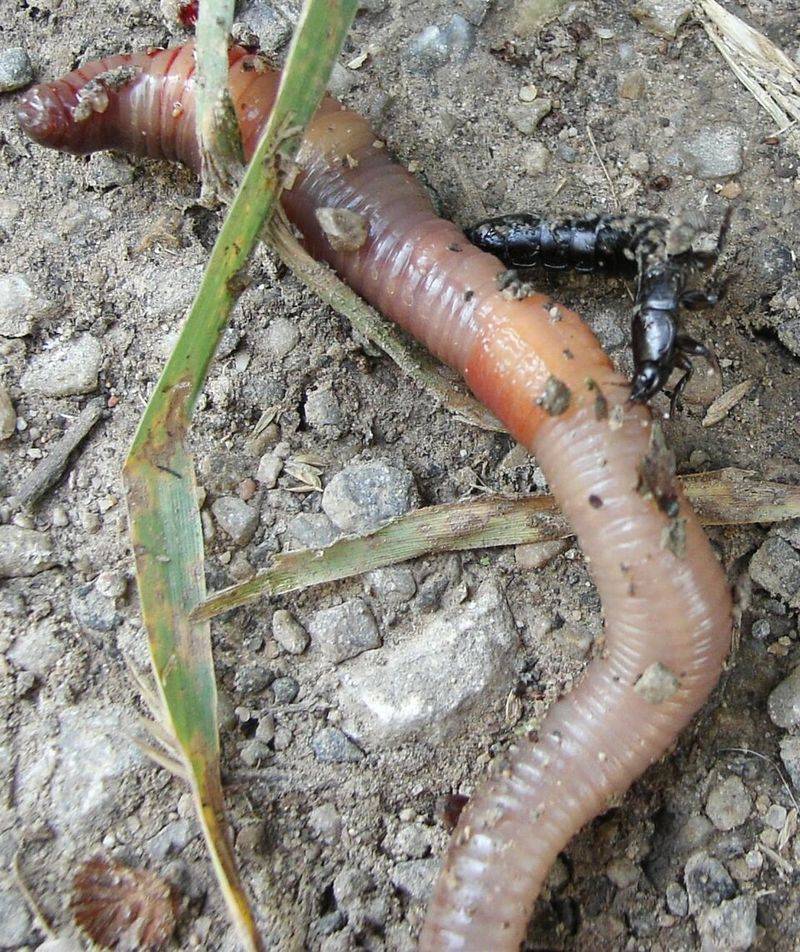
Miles below Earth’s surface, in hot, oxygen-deprived water trapped inside ancient rock fissures, scientists discovered something that changed the way we think about life. The devil worm, formally known as Halicephalobus mephisto, lives deeper underground than any other multicellular animal ever found, up to 2.2 miles beneath the surface.
Named after Mephistopheles, the demon from the Faust legend, this tiny nematode worm measures less than half a millimeter long. It survives in water that is tens of thousands of years old, with almost no oxygen and temperatures around 98 degrees Fahrenheit.
Most complex animals cannot survive even a fraction of those conditions.
Researchers discovered the devil worm in gold mines in South Africa in 2011, and the finding stunned the scientific community. Its existence suggests that complex animal life may be possible in environments far more extreme than previously imagined, including potentially on other planets with subsurface liquid water.
13. Tibetan Sand Fox
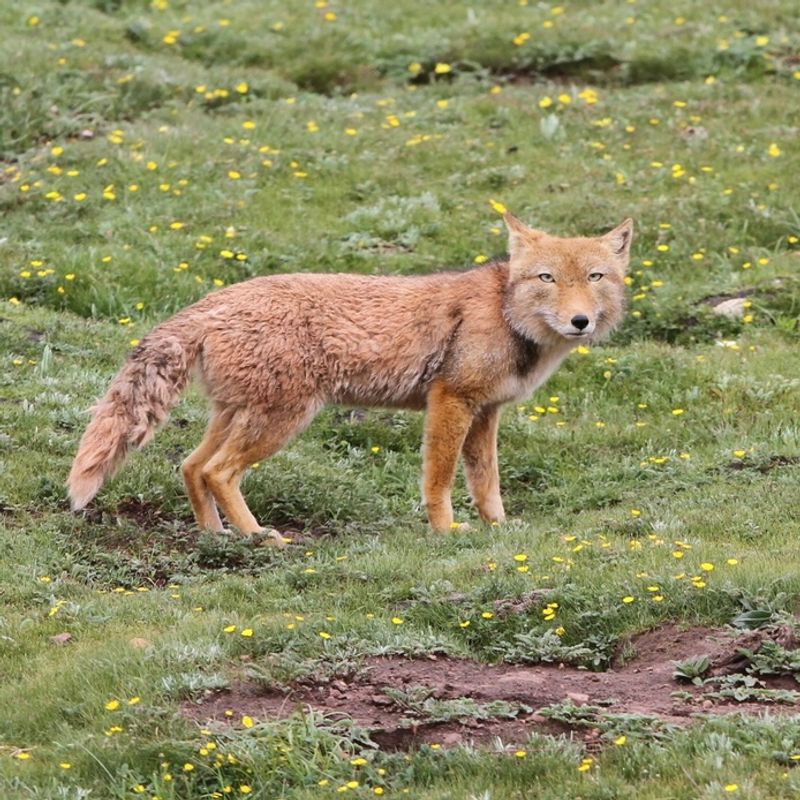
With a permanently unimpressed expression that has made it a beloved internet meme, the Tibetan sand fox looks like it has seen everything and is bored by all of it. But behind that deadpan face is an animal remarkably well-suited to one of the harshest environments on Earth: the Tibetan Plateau, sitting at an average elevation of 14,000 feet above sea level.
The plateau is cold, dry, and exposed, with brutal winds and very little vegetation. Tibetan sand foxes have evolved a dense, soft coat that insulates against the cold and a compact body shape that retains heat efficiently.
Their square-shaped face, a feature unusual among foxes, results from enlarged cheek muscles used for catching tough prey.
Their primary food source is the plateau pika, a small rabbit-like mammal. Tibetan sand foxes often follow Tibetan brown bears during hunts, waiting patiently to snatch up any pikas that escape the bear’s digging.
It is a clever survival strategy that requires no extra effort on their part.
14. Desert Pupfish
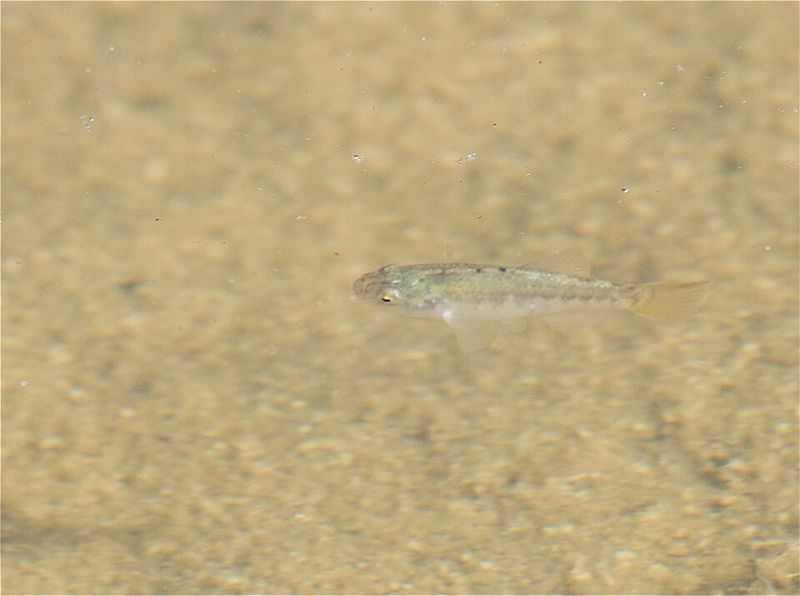
Tucked into isolated desert springs across the American Southwest, the desert pupfish survives in conditions that would kill most fish within minutes. These tiny fish, rarely longer than 3 inches, tolerate water temperatures up to 108 degrees Fahrenheit, salinity levels several times higher than seawater, and oxygen levels so low that other fish would suffocate.
Desert pupfish are believed to be relics of a wetter era thousands of years ago when large lakes covered parts of what is now the Mojave and Sonoran deserts. As the climate dried out, populations became trapped in isolated springs and evolved independently, developing unique adaptations for each extreme micro-environment they were left in.
Each isolated population has slightly different traits, making desert pupfish a fascinating example of rapid evolution in action. Unfortunately, many species are critically endangered due to groundwater pumping and invasive species.
Conservation efforts are working to protect these tiny but remarkable survivors before their ancient springs disappear completely.
Share this story