Fame and fortune can disappear faster than most people realize, and some of the biggest names in entertainment have learned that lesson the hard way. From boxing legends to Hollywood icons, celebrities have lost millions through overspending, bad investments, and crushing tax debts.
Their stories are eye-opening reminders that having money and keeping money are two very different skills. Here is a look at 15 famous figures who saw their wealth slip away, sometimes more than once.
1. Nicolas Cage
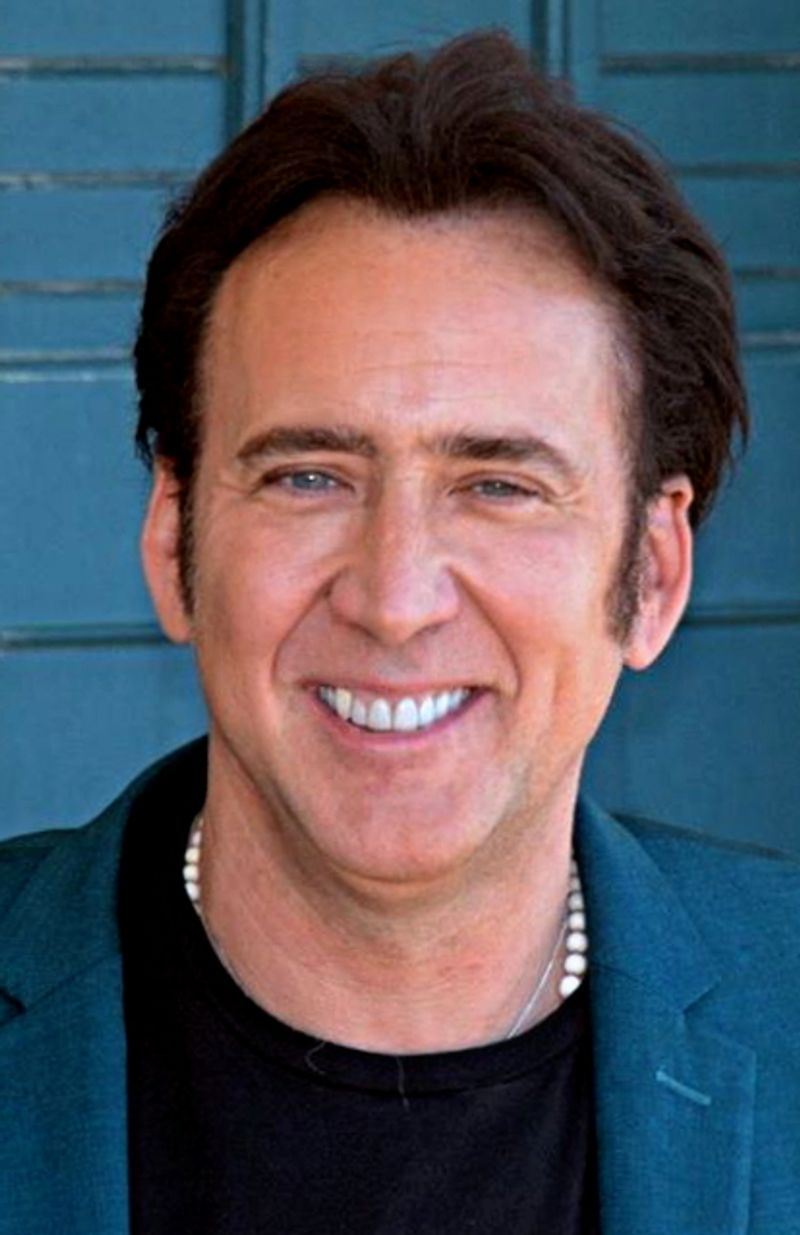
At one point, Nicolas Cage was one of the highest-paid actors in Hollywood, earning tens of millions per film. Yet despite that incredible income, he managed to lose an estimated fortune of over $150 million.
His spending habits were the stuff of legend.
Cage reportedly bought castles in Europe, a private island in the Bahamas, rare dinosaur skulls, and a fleet of expensive cars. He owned multiple mansions across the United States and spent lavishly on collectibles that most people could not even imagine affording.
The IRS eventually came knocking, and Cage faced millions in unpaid tax bills. Properties were foreclosed, assets were sold, and lawsuits followed.
To pay off debts, he took on almost any film role offered to him. His story is a powerful reminder that even extraordinary wealth can vanish without disciplined financial planning and smart money management.
2. Mike Tyson
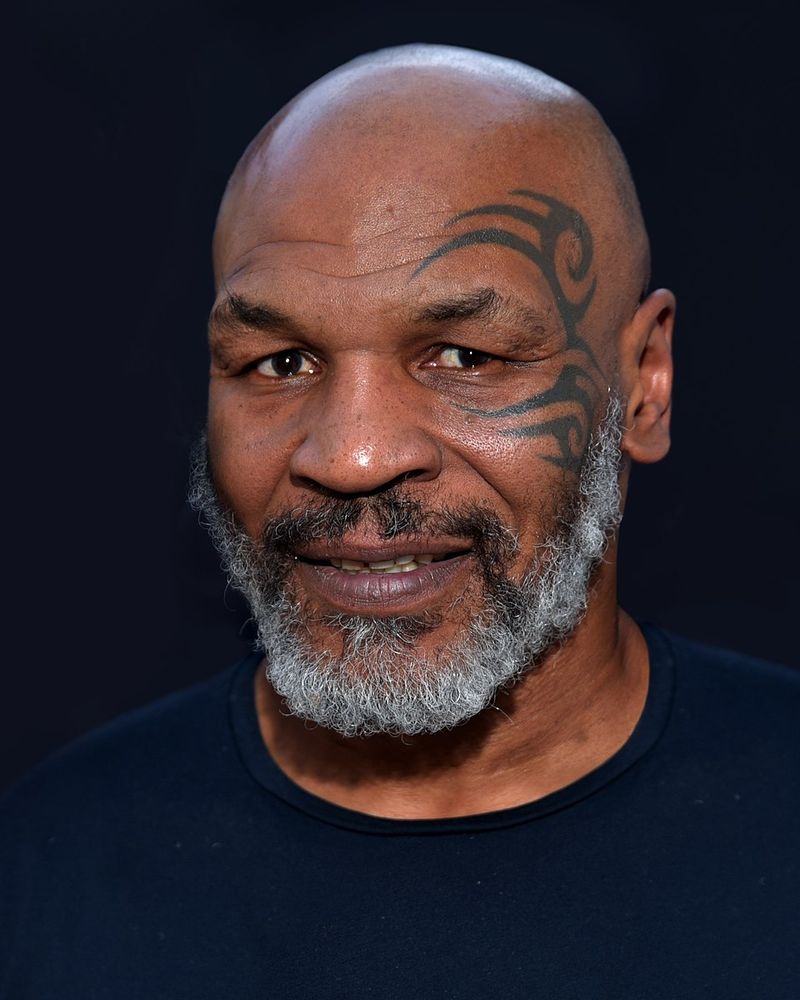
Mike Tyson was once the most feared boxer on the planet, earning over $400 million throughout his legendary career. He had the world at his feet, but financial disaster was quietly building behind the scenes.
By 2003, he filed for bankruptcy with debts exceeding $20 million.
Tyson’s spending was extraordinary even by celebrity standards. He owned white Bengal tigers as pets, spent millions on jewelry, cars, and mansions, and reportedly blew through money at a pace that shocked even his closest advisors.
Legal fees and costly personal decisions added to the financial damage.
After bankruptcy, Tyson worked hard to rebuild his image and finances. He launched a podcast, acted in movies, and started a cannabis business.
His comeback story is genuinely inspiring. Tyson himself has spoken openly about his past mistakes, encouraging others to seek financial guidance before it is too late.
3. MC Hammer
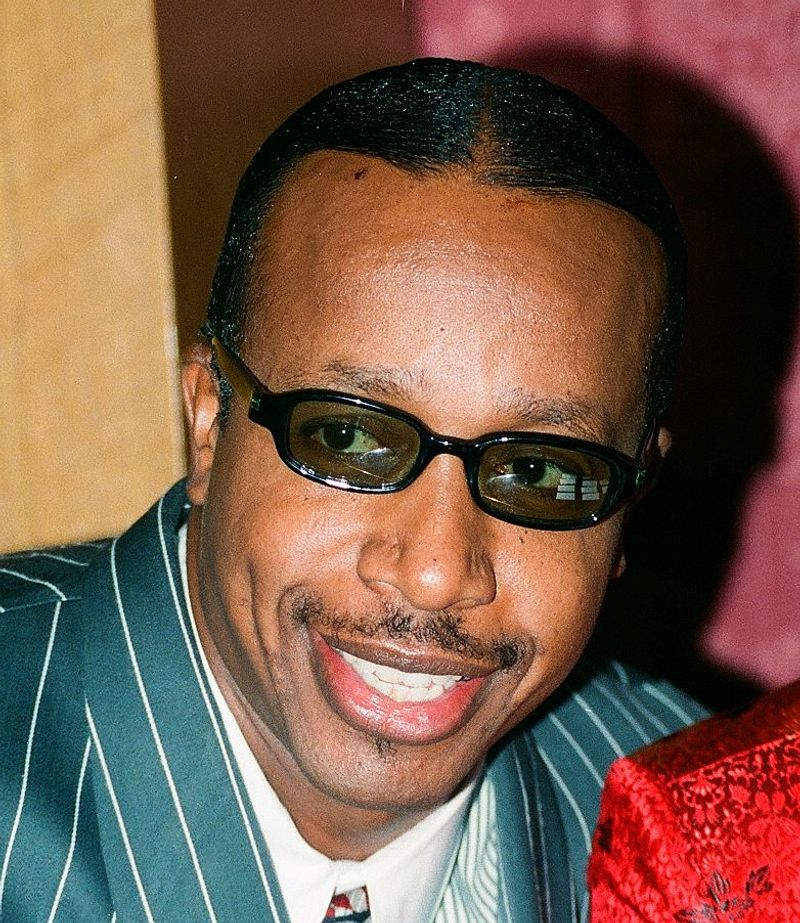
Few rises and falls in music history are as dramatic as MC Hammer’s. At his peak in the early 1990s, he was worth around $70 million, selling out arenas worldwide and topping charts with smash hits.
Then, in 1996, he filed for bankruptcy, and his financial empire crumbled.
Hammer employed a personal staff of over 200 people, including dancers, bodyguards, and assistants. He built a massive mansion in California loaded with luxury features and spent freely on clothes, cars, and entertainment.
The money simply could not keep up with his lifestyle.
When record sales slowed, the expenses did not. Debt piled up faster than income could replace it.
Hammer lost his home, his cars, and most of his possessions. He later found faith, became a pastor, and rebuilt his life in a completely different direction.
His story is both cautionary and ultimately hopeful.
4. Burt Reynolds
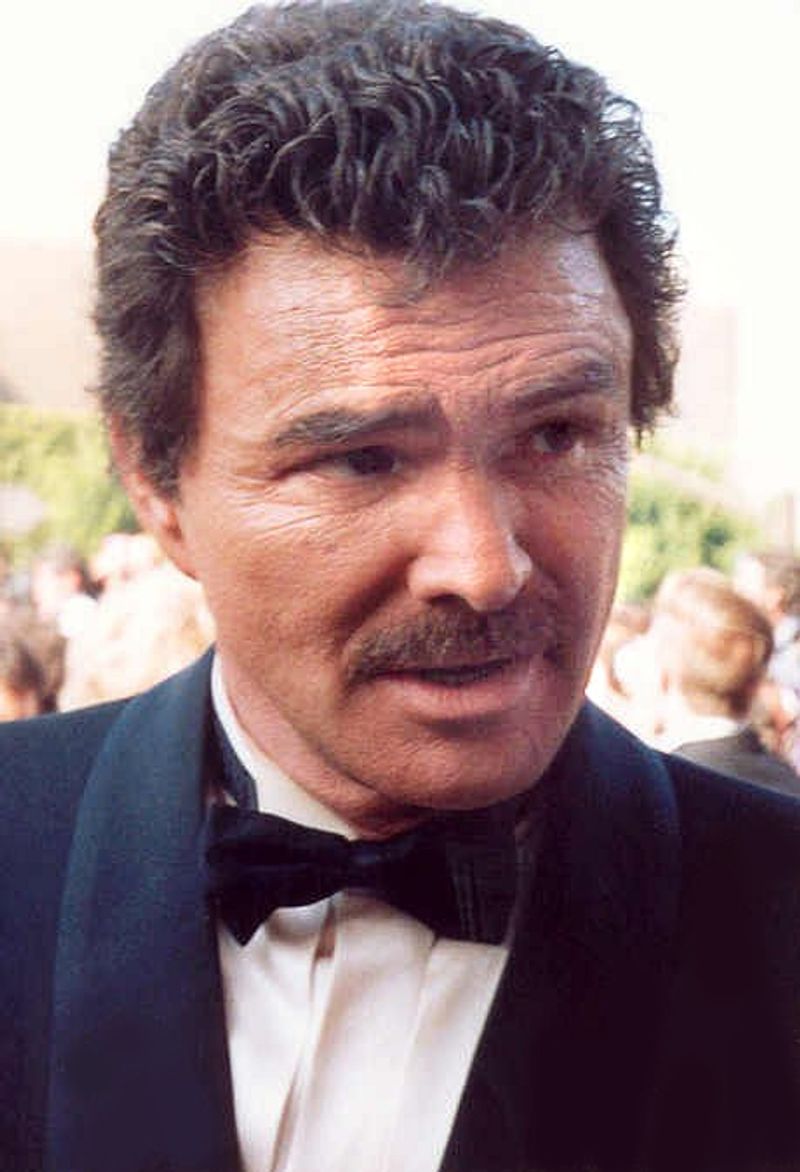
Burt Reynolds was one of the biggest movie stars of the 1970s and 1980s, charming audiences with films like Smokey and the Bandit and Boogie Nights. Behind the glamour, however, his finances were unraveling through a combination of poor investments, high living, and a very expensive divorce.
Reynolds invested heavily in a chain of restaurants that ultimately failed. His divorce from actress Loni Anderson reportedly cost him tens of millions of dollars.
Legal fees, alimony, and ongoing financial mismanagement pushed him toward bankruptcy protection in 1996.
He was forced to sell his beloved ranch in Florida along with many personal belongings he had treasured for years. Reynolds later admitted he made serious mistakes trusting the wrong financial advisors.
Despite the setbacks, he continued working in Hollywood until his death in 2018, earning respect for his resilience and willingness to keep moving forward no matter what life threw at him.
5. Toni Braxton

Toni Braxton’s voice made her a superstar, but her bank account told a very different story. Despite selling tens of millions of records worldwide and winning multiple Grammy Awards, she filed for bankruptcy not once but twice, first in 1998 and again in 2010.
The first bankruptcy was partly linked to a dispute with her record label over royalties. Braxton claimed she earned far less from her music than most people assumed, despite the enormous commercial success of her albums.
Medical issues also created significant financial strain over the years.
Her second bankruptcy filing listed debts between $10 million and $50 million. Braxton managed to rebuild her career through television, Las Vegas residencies, and reality shows.
She has spoken candidly about her financial struggles, helping fans understand that fame does not automatically equal financial security. Her journey highlights the importance of understanding contracts and managing money carefully from the very beginning.
6. Willie Nelson

Willie Nelson is a country music icon with a career spanning more than six decades, but even legends can run into serious financial trouble. In 1990, the IRS seized nearly all of his assets after determining he owed over $16 million in back taxes.
It was one of the most dramatic tax stories in entertainment history.
The IRS auctioned off his properties, equipment, and personal belongings. Friends and fans bought many items and quietly returned them to Nelson, a touching gesture that showed just how beloved he truly was.
Rather than giving up, he came up with a creative solution to pay off his debt.
Nelson recorded a double album called The IRS Tapes: Who’ll Buy My Memories and sold it directly to fans, with proceeds going toward his tax bill. It worked.
He paid off the debt and kept performing. His story proves that creativity and determination can help overcome even the most overwhelming financial challenges.
7. Kim Basinger

Kim Basinger won an Academy Award and starred in major Hollywood blockbusters, but a single business decision sent her into financial freefall. In 1993, she backed out of the film Boxing Helena at the last minute, and the production company sued her for breach of contract.
The jury awarded $8.1 million in damages against her.
The lawsuit wiped out much of her wealth almost overnight. Basinger had also made an unusual investment before the lawsuit, purchasing the entire town of Braselton, Georgia for nearly $20 million, hoping to turn it into a tourist destination.
That venture did not deliver the returns she expected.
Facing overwhelming debt, she filed for bankruptcy protection in 1993. She eventually settled the Boxing Helena lawsuit for a much smaller amount and continued her acting career.
Basinger’s situation is a stark reminder that even well-intentioned financial decisions can carry enormous hidden risks when not carefully researched and planned in advance.
8. Johnny Depp

Johnny Depp earned hundreds of millions of dollars from blockbuster franchises like Pirates of the Caribbean, yet by the mid-2010s, reports emerged that his finances were in serious trouble. His business managers filed a lawsuit against him, and he countersued, with both sides trading shocking financial claims in court.
According to court documents, Depp spent around $2 million per month on personal expenses. That included maintaining multiple homes around the world, a private jet, a yacht, a staff of dozens, and an enormous art collection.
He also reportedly spent heavily on wine, parties, and extravagant gifts for friends.
Legal battles, including his highly publicized defamation trial against his former spouse, added millions more in costs. Depp has maintained that mismanagement by others contributed to his financial decline.
Whatever the full truth, his situation illustrates how quickly even a massive fortune can shrink when spending consistently outpaces income over many years.
9. Evander Holyfield
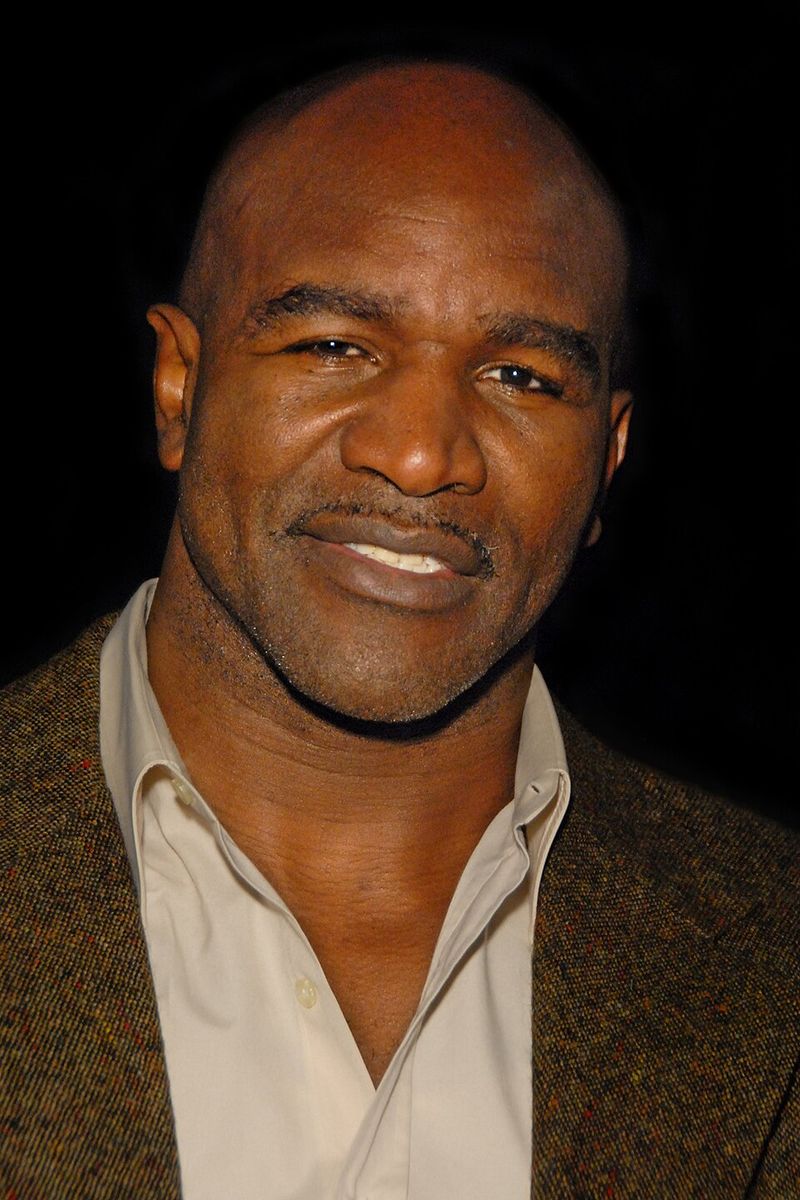
Evander Holyfield is considered one of the greatest heavyweight boxers of all time, earning over $200 million during his remarkable career. Yet despite that staggering income, he lost nearly all of it through a combination of overspending, poor financial decisions, and an ever-growing household that was simply too expensive to maintain.
Holyfield’s Georgia mansion was one of the largest private homes in the United States, featuring 109 rooms and costing millions each year just to operate. He also had an enormous number of children and financial obligations that stretched his resources well beyond their limits.
By 2008, his mansion was in foreclosure, and his financial situation had become desperate. Holyfield continued fighting professionally well past his prime, partly to generate income.
His story is a sobering example of how lifestyle inflation, without careful planning, can erase even the most extraordinary athletic earnings in a relatively short amount of time.
10. 50 Cent
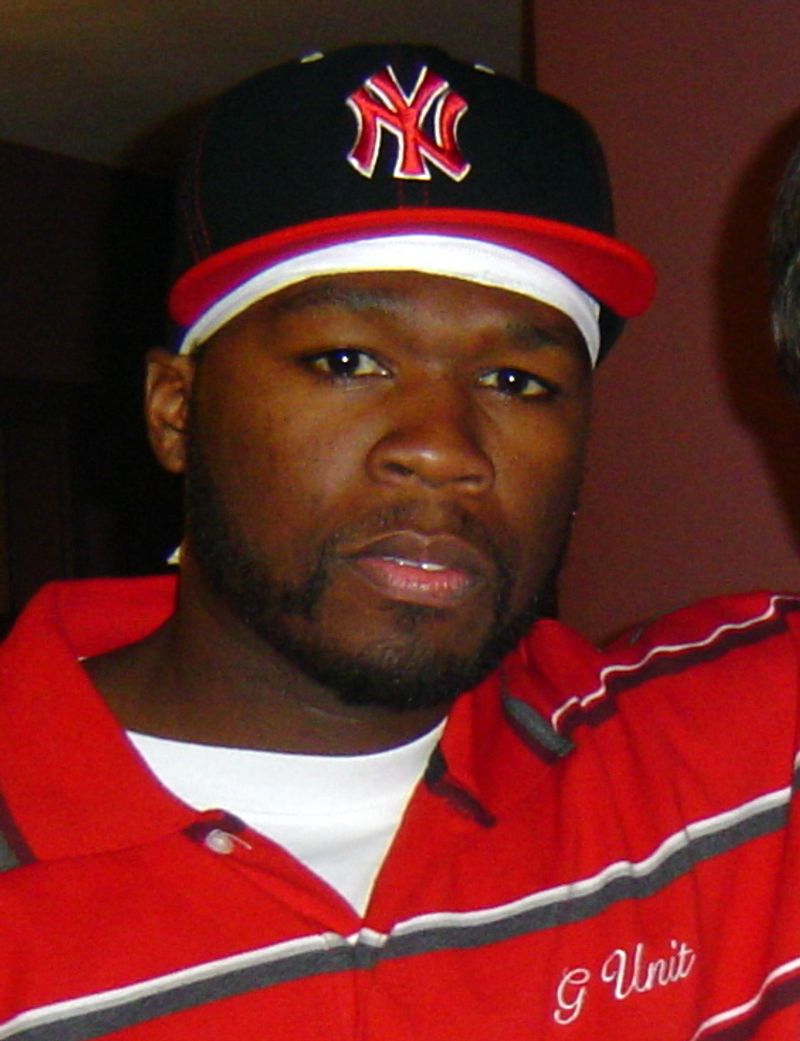
50 Cent built one of the most impressive financial portfolios in hip-hop history, turning his music success into business deals worth hundreds of millions. So when he filed for Chapter 11 bankruptcy in 2015, the news genuinely shocked the entertainment world.
The filing listed debts between $10 million and $50 million.
The bankruptcy came after a court ordered him to pay $5 million in a privacy lawsuit related to a video posted online without consent. Rather than liquidate his assets, he used Chapter 11 to restructure his finances while keeping his business interests intact.
It was a calculated legal strategy, not a complete collapse.
50 Cent emerged from bankruptcy within a year and continued building his empire through television production, liquor brands, and other ventures. His case shows that bankruptcy does not always mean total defeat.
With the right strategy and determination, it can actually be a tool for rebuilding smarter and stronger than before.
11. Gary Coleman
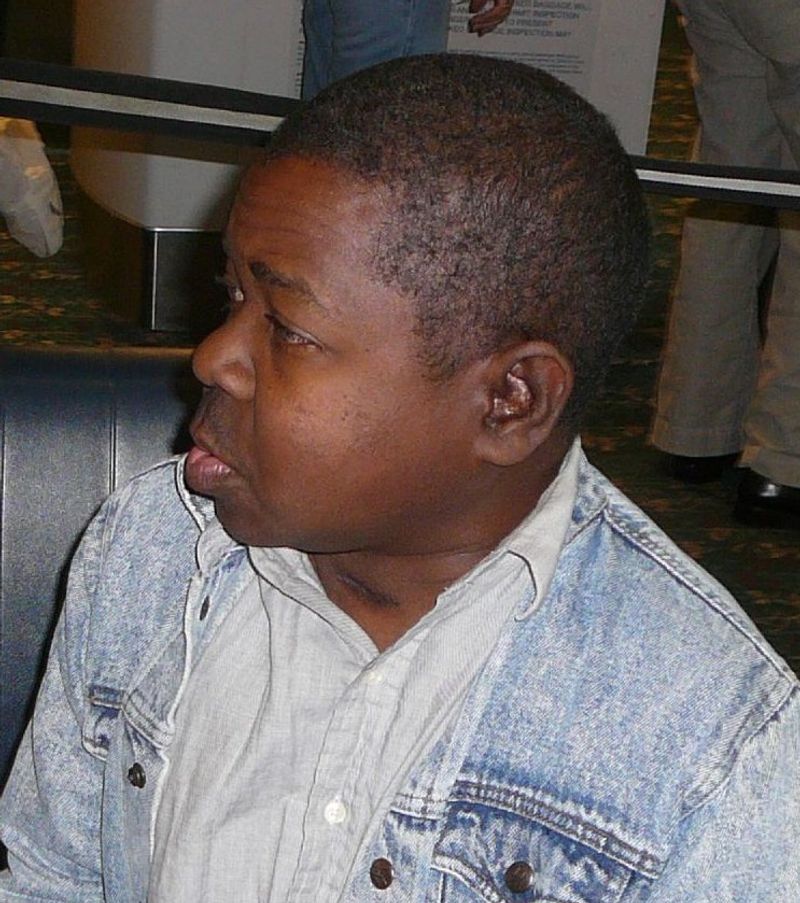
Gary Coleman became a household name as a child playing Arnold Jackson on the hit TV show Diff’rent Strokes, earning millions during the show’s run in the late 1970s and 1980s. Sadly, by the time he reached adulthood, almost none of that money remained.
His parents and former manager were accused of mishandling his earnings.
Coleman sued his parents and won a settlement, but the financial damage was already severe. He struggled to find consistent acting work as an adult, taking odd jobs including working as a security guard just to make ends meet.
Medical bills from a chronic kidney condition added further strain to his already difficult situation.
He filed for bankruptcy in 1999 and faced ongoing financial hardship until his death in 2010 at just 42 years old. His story sparked broader conversations about protecting child actors from financial exploitation.
Many states have since strengthened laws designed to safeguard the earnings of young performers in the entertainment industry.
12. Dionne Warwick
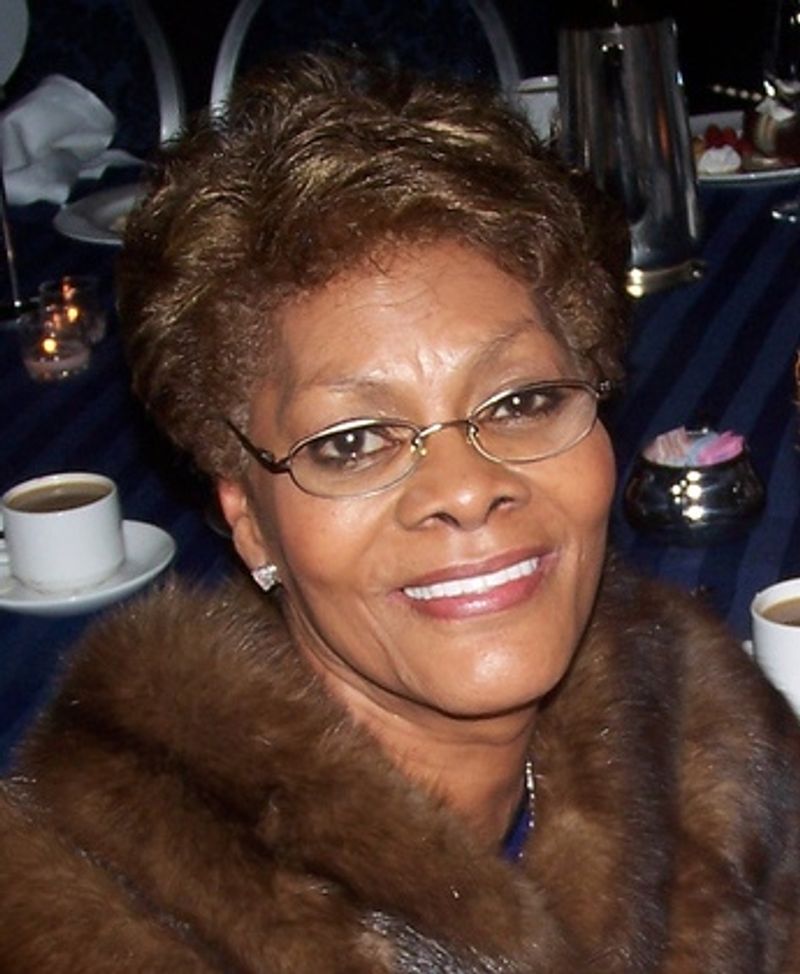
Dionne Warwick is one of the most celebrated vocalists in American music history, with a career stretching back to the 1960s and dozens of hit songs to her name. Yet in 2013, she filed for bankruptcy, revealing just how dramatically her financial situation had deteriorated over the years.
The filing listed millions of dollars in tax debt accumulated over many years, reportedly totaling around $10 million owed to both federal and state authorities. Warwick has said that poor financial advice and mismanagement by others contributed heavily to the situation.
The debt had quietly grown while she continued performing and touring.
After the bankruptcy filing, Warwick worked to resolve her tax obligations and continued her music career with characteristic grace and humor. She even joked about her financial troubles on social media, winning admiration for her lighthearted attitude.
Her resilience and ability to keep performing well into her 80s remain genuinely remarkable and deeply inspiring to fans worldwide.
13. Stephen Baldwin
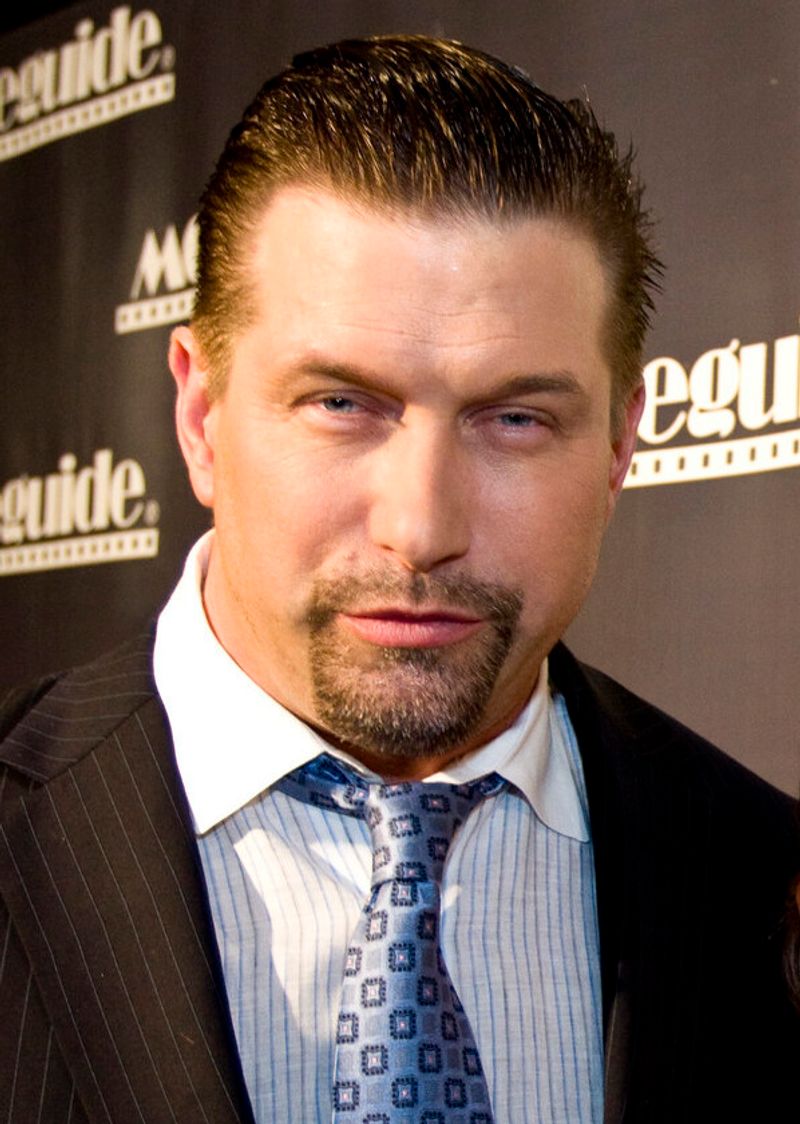
Stephen Baldwin is the youngest of the famous Baldwin acting brothers, known for roles in films like The Usual Suspects. While his older brother Alec built one of Hollywood’s most enduring careers, Stephen’s trajectory took a sharp financial turn for the worse in the late 2000s and beyond.
Baldwin faced foreclosure on his New York home after falling behind on mortgage payments. Tax liens were filed against him by both state and federal authorities for unpaid taxes totaling hundreds of thousands of dollars.
In 2009, he filed for bankruptcy, listing debts of over $1 million against assets far smaller than that amount.
He has spoken about his Christian faith as a guiding force through his financial and personal difficulties. Baldwin continued pursuing acting and media projects after his bankruptcy, though he never recaptured the Hollywood momentum of his earlier years.
His experience underscores how quickly financial obligations can spiral without consistent income and careful management of tax responsibilities.
14. Sinbad
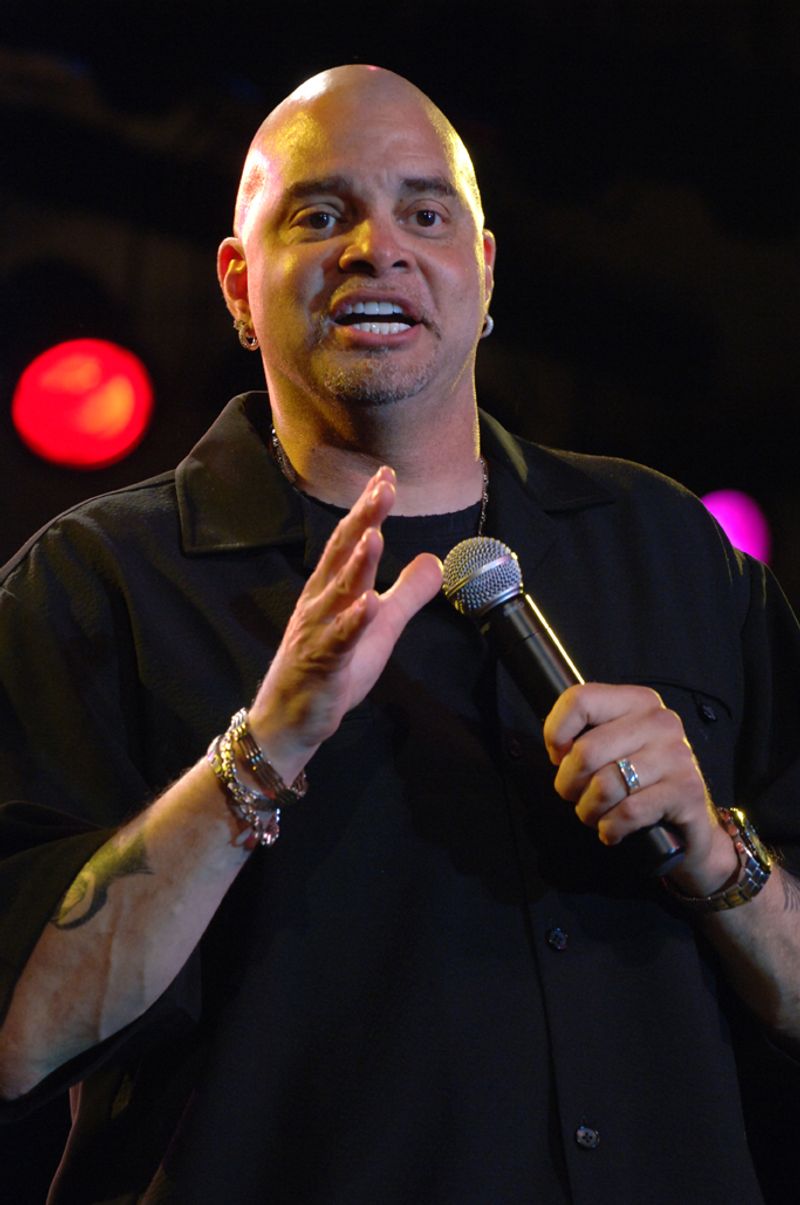
Sinbad was one of the most popular comedians and actors of the 1990s, starring in films and television shows that made him a beloved figure in American pop culture. But behind the laughter, serious financial problems were quietly building that would eventually catch up with him in a very public way.
He filed for bankruptcy in 2013 after accumulating staggering tax debts that reportedly reached over $8 million. The IRS had been pursuing him for years over unpaid taxes, and the debt kept growing with interest and penalties.
Sinbad had previously attempted to file for bankruptcy in 2009 but the case was dismissed.
Despite the financial hardships, Sinbad kept performing and remained a fan favorite on the comedy circuit. He suffered a serious stroke in 2020, which brought additional challenges, but he worked hard at recovery.
His journey from financial ruin to personal recovery is a story of genuine courage and determination that goes well beyond money.
15. Francis Ford Coppola

Francis Ford Coppola directed some of the greatest films ever made, including The Godfather trilogy and Apocalypse Now. Yet his passion for ambitious, large-scale filmmaking repeatedly pushed him into serious financial danger.
Unlike many others on this list, Coppola’s money troubles were largely self-inflicted through artistic ambition rather than reckless personal spending.
He personally financed several of his films, putting his own money and property on the line when studios would not fully back his vision. The production of Apocalypse Now famously ran wildly over budget, and his studio American Zoetrope faced bankruptcy in the early 1980s after the commercial failure of One from the Heart.
Coppola sold assets, including his beloved Napa Valley winery, at various points to cover debts, though he later reacquired it. He experienced multiple financial collapses and recoveries throughout his career.
His story is unique because each financial setback was driven by creative passion, making him one of cinema’s most fascinating and determined artistic risk-takers.
Share this story